Yorkshire Terrier Raw Dog Food Diet Guide: Best Recipes, Benefits & More

Canine Bible is reader-supported. We receive affiliate commissions via some of our links. Learn more.
This article is a comprehensive resource for Yorkshire Terrier owners looking to put their Yorkies on a raw diet. Advocates suggest raw feeding could offer many benefits for your Yorkshire Terrier, from improved digestion to enhanced overall vitality. As a responsible pet owner, it’s crucial to understand what this diet entails, its potential benefits, and any considerations you should be aware of. This article will thoroughly analyze the raw dog food diet for Yorkshire Terriers. We also include a variety of delicious recipes and guidelines and answer all your questions before you put your Yorkie on a raw diet. Let’s get started!
Yorkshire Terrier Raw Food Diet
The raw dog diet, also known as BARF (Biologically Appropriate Raw Food), is designed to mimic a dog’s ancestral diet, drawing on the canine’s carnivorous and primal instincts. All ingredients in BARF diet recipes are uncooked to preserve enzyme content, minerals, vitamins, and other essential nutrients. There are three types of raw dog diets: frozen, freeze-dried, and homemade. The BARF diet reflects what dogs consumed in the wild millions of years ago. A variation of the BARF recipe is known as the “prey model raw (PMR)” food. The prey model excludes fruits, dairy, and vegetables. Check out the side-by-side comparison below.
| Components | BARF Diet | Prey Model Diet |
|---|---|---|
| Edible Bones | 10% (whole or ground) | 10% (whole or ground) |
| Muscle Meat | 70% | 80% |
| Organ Meat | 10% (5% liver + 5% other organs) | 10% (5% liver + 5% other organs) |
| Fruits and Vegetables | 10% (8% vegetables & 2% fruits) | 0% (Prey Model typically excludes plant matter) |
| Dairy/Eggs | Optional, small amounts | Rarely included or absent |
| Supplements | Often included (e.g., kelp, fish oil) | Minimal to none, aiming for a complete diet through variety over time |
| Focus | BARF stands for Biologically Appropriate Raw Food. BARF is the most popular raw diet style, with many variations available. It mimics a wild diet, emphasizing nutritional completeness through variety, including plant matter. | The prey model raw diet is often seen as the more natural diet for a carnivore. This formula is much simpler as it contains no fruits, dairy, vegetables, or carbs. Strictly mimics the exact proportions found in prey animals, with no or minimal plant matter. |
Can Yorkshire Terriers Eat Raw Meat?
Yorkshire Terriers can thrive on a raw meat diet. Genetic and biological evidence show that dogs have distinct carnivorous traits, enabling them to efficiently digest raw meat proteins while neutralizing potential pathogens in decaying meat. While dogs also possess a notable omnivorous capacity, their systems are optimized for meat consumption. For a deeper look at the science behind why Yorkshire Terriers can eat raw meat-based diets, read our article Can Dogs Eat Raw Meat?
Yorkshire Terrier Raw Diet Benefits
Dr. Ian Billinghurst, a veterinarian, pioneer, and top advocate of raw feeding dogs, mentions that raw food has several benefits, including:
Why Feed A Raw Food Diet to Yorkshire Terriers
| Reason | Description | Benefit |
|---|---|---|
| Increased lifespan | Largest raw-feeding study found raw diets can add up to ~32 months. Vets report raw-fed dogs are markedly healthier. | May extend lifespan by ~25% (≈32 months). [1][2] |
| Balanced without supplementation | Properly formulated raw recipes can meet FEDIAF/AAFCO guidelines without synthetic vitamins. | Complete and balanced without added synthetics. [4] |
| Sick dogs improved after switching | In a survey of 632 owners, many reported recovery from skin, GI, eye, and urinary issues after moving to raw. | Reported symptom relief after transition. [6] |
| Cancer risk considerations | Removing ultra-processed foods reduces exposure to heat-induced carcinogens and oxidative stress. | May lower odds of neoplasia, especially when started young. [9][10][11] |
| Easy digestion | Fresh, minimally processed meals are typically gentler on the stomach than hard, highly processed kibble. | Less GI stress; reduced bloating risk. |
| Deemed healthy | Study across the U.S. and Australia: 98.7% of owners feeding bones/raw food rated their dogs healthy. | High owner-reported overall health. [3] |
| Health beneficial | Veterinary nutrition experts note benefits from raw diets’ high-fat, fresh composition versus processed foods. | Experts report advantages over processed diets. [5] |
| Fewer allergies & skin problems | Raw diet in puppyhood linked to less allergy/atopy in adulthood; raw bones/cartilage tied to lower CE later. | Lower risk of allergies and chronic enteropathy. [7][8] |
| Hip dysplasia protection | BARF feeding showed a protective effect against canine hip dysplasia; even partial raw feeding may help. | Potential reduction in Canine Hip Dysplasia (CHD) risk in puppies. [12] |
| Avoid unsafe commercial additives | Fresh raw meals bypass common kibble additives, fillers, high-GI carbs, and colorants. | Cleaner ingredient lists; fewer unnecessary additives. |
| Excellent taste, smell & variety | Dogs tend to prefer the aroma, texture, and variety of fresh ingredients. | Higher palatability; better meal enthusiasm. |
Risks
| Reason | Description | Risk |
|---|---|---|
| Contamination | Raw ingredients pose a higher risk of contamination with harmful pathogens (e.g., Salmonella, E. coli). | May sicken both dogs and owners. |
| Choking | Feeding whole bones can lead to choking, broken teeth, intestinal obstruction, or punctures. | Potentially life-threatening emergencies. |
| Unbalanced | Nutritionally unbalanced raw recipes can lead to malnutrition, obesity, or other health issues. | Chronic health risks if fed long-term. |
| Raw allergies | Dogs may be allergic to certain raw ingredients. | Testing (e.g., at-home dog allergy test) can help identify safe foods. |
How to Reduce These Risks
Always work with your vet before changing your Yorkshire Terrier’s diet. You can get personalized nutritional advice from an online registered vet nutritionist, such as Dutch, anytime, anywhere. You can also chat with an online vet and ask them questions about your dog’s dietary needs.
How to Make A Balanced Raw Diet for Yorkies
A Yorkshire Terrier’s raw diet should consist of 70% uncooked muscle meat, 10% raw edible bone, 10% vegetables and fruit, 5% liver, and 5% other organs. It must also include the six essential nutrients for a dog’s proper growth, body function, and health. These nutrients include proteins, carbohydrates, minerals, vitamins, fats, and water. It’s also important to consider your pup’s weight, health conditions, size, and activity level.
Below is a detailed breakdown of each nutrient and its importance.


Yorkshire Terrier Raw Diet Nutritional Guidelines to Follow
Protein plays a vital role in a dog’s diet, providing essential amino acids necessary for bodily processes, including the creation of blood glucose for energy. Protein also helps build and repair muscles and other body tissues. It’s necessary to produce new skin cells and grow hair, as well as hormones and enzymes. The proteins in your dog’s diet must have a balanced amino acid profile and be provided in appropriate amounts.
Minimum protein content recommendations for dogs:
Protein sources for dog food include:
Fats play a crucial, multifaceted role in a dog’s diet. Fats come in two forms: saturated and unsaturated. Both are essential to maintain the right balance. Saturated fats, derived from animal sources, enhance the palatability, flavor, and texture of your dog’s food and facilitate the absorption of fat-soluble vitamins A, D, E, and K. On the other hand, essential fatty acids, which are unsaturated fats, include Omega-3 (EPA, DHA, and ALA) and Omega-6 and Omega-9 (LA and AA). These fats are crucial for the development, structure, and function of the body’s cells.
When balanced correctly, they promote healthy skin and coat, support eye health and the nervous system function, regulate hormones, fuel the brain and learning processes, help reduce inflammation, offer insulation and organ protection, support reproductive health, and serve as a reserve for energy storage.
Minimum fat content recommendations for dogs:
Fat sources for dogs include:

Dogs need energy for daily activities, growth, pregnancy, lactation, and exercise. This energy, measured in calories, comes from carbohydrates, proteins, and fats. Omnivorous animals, including dogs, derive some energy from carbohydrates. Carbohydrates supply glucose, which is essential for the brain, nervous system, and other critical organs to function normally in dogs. Carbohydrates should also include 2.5-4.5% fiber.
Carbohydrate sources for dogs include:
Minerals in a dog’s diet are indispensable for bone and dental health, nerve function, enzymatic reactions, fluid balance, oxygen transport, and maintaining the body’s pH level, making them essential for overall health and metabolic processes. Maintaining a proper mineral balance is crucial and should be carefully managed to prevent deficiencies or excesses.
These 12 minerals are known to be essential nutrients for dogs:
Mineral sources for dogs include:
Vitamins in a dog’s diet are integral for maintaining overall health and bodily functions. They support vision and immune health, aid in energy metabolism and nervous system function, provide antioxidant benefits, reduce inflammation, prevent diseases and ailments, and more. Dogs require vitamins, but only in small amounts. Excessive doses of specific vitamins, such as vitamin D, can be harmful to them.[9]
These 12 vitamins are known to be essential nutrients for dogs:
Vitamin sources for dogs include:
Water is vital in a dog’s diet to maintain hydration, support body functions such as digestion, nutrient absorption, and waste excretion, lubricate joints, regulate body temperature, ensure proper organ function, and facilitate metabolic processes. Continuous access to clean water is as crucial as providing nutritious food for overall health and well-being. Generally, dogs should drink 2 to 3 times the amount of their dry food intake daily. However, if water is readily available from various sources, dogs can naturally regulate water consumption daily.
*If feeding the “Prey” model, this method typically consists of 80% muscle meat, 10% bone, and 10% organs (half of which are liver). There are no fruits or veggies.
Source: We compiled the data for the table above by referencing the Association of American Feed Control Officials (AAFCO) guidelines and the Nutrient Requirements of Dogs Report by the National Research Council (NRC). The Food and Drug Administration (FDA) utilizes the information from these reports to regulate and ensure the safety of pet foods.
Best Raw Dog Food For Yorkies
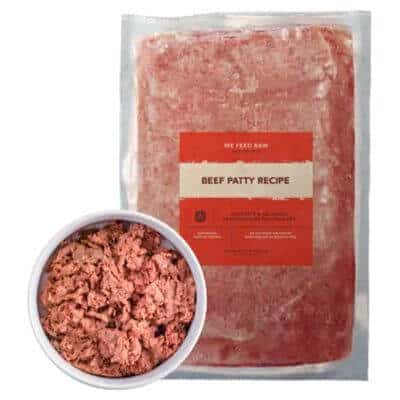
We Feed Raw
Who It’s For: Dog owners who don’t have time to prepare or cannot balance raw ingredients and nutrients to provide a balanced diet.
📢 Discount code below 💸
We Feed Raw is one of our recommended raw dog food delivery services. They provide biologically appropriate raw meals tailored to your dog’s age, breed, activity level, and health needs. For dogs with food sensitivities, allergies, or chronic health concerns, We Feed Raw formulates customized meal plans that help support optimal health. Their recipes use high-quality, human-grade raw meats, organs, and bones, designed to meet AAFCO nutritional standards. We Feed Raw meals are pre-portioned and delivered straight to your doorstep, frozen for freshness. This eliminates the stress of sourcing, balancing, and preparing raw meals at home, while ensuring your dog still gets the benefits of a properly formulated raw diet. By choosing a raw dog food delivery service, you save valuable time on meal prep and reduce the risks of creating unbalanced recipes, all while providing your dog with a diet that supports digestion, energy, and overall well-being.
Raw Dog Food Recipes For Yorkies
Browse our favorite Yorkshire Terrier raw dog food recipes. We’ve also included a special treat recipe for your dog, enriched with the health benefits of our favorite ingredient, dog CBD oil. CBD oil might help with issues like seizures, anxiety, arthritis, inflammation, pain, and overall wellness.
Note: Consult your vet before adjusting your dog’s diet. The recipes below don’t specify serving sizes since they depend on your dog’s breed, weight, age, activity, and health. As a guideline, consider feeding the equivalent amount you’d give in kibble, but always consult your veterinarian for proper portioning.
Yorkie Raw Banquet
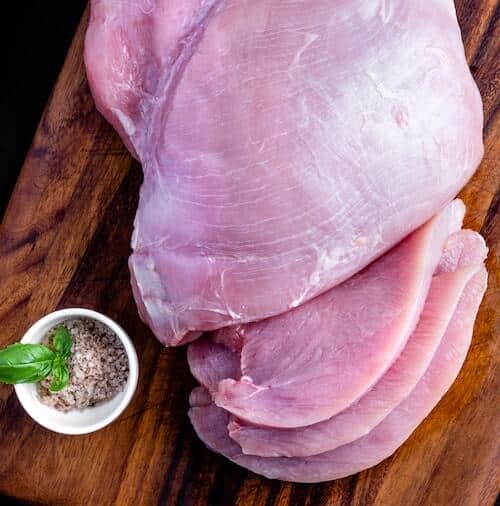
Yorkshire Terrier’s Raw Banquet
Ingredients
Method
- Chop and Mix Meat: Finely chop the boneless turkey breast and ground lamb. Mix them thoroughly in a large bowl.
- Add Vegetables and Fruit: Incorporate the cooked and mashed pumpkin, finely chopped green beans, and chopped apple into the meat mixture.
- Blend in Supplements: Add cod liver oil and powdered bone meal to the mixture. Stir until all ingredients are evenly distributed.
- Portion and Serve: Divide the mixture into portions suitable for your Yorkshire Terrier's size and dietary requirements. Serve fresh.
- Store Appropriately: Store any remaining food in a sealed container in the fridge for up to 2-3 days, or freeze for future use.
Supplements to Add & Why
- Complete canine multivitamin/mineral supplement: Ensures the recipe meets all essential nutrient requirements by providing missing vitamins and minerals, such as zinc, copper, manganese, vitamin D, and selenium, which raw diets often lack.
- Vitamin E supplement (if not included in your multivitamin): Needed because fish oil increases oxidative stress and raises your dog’s requirement for vitamin E, an essential antioxidant that protects cells and supports immune health.
- Manganese (if not included in your multivitamin): Raw diets are typically low in manganese, an important mineral for joint health, bone development, and metabolic function, so an additional source may be necessary.
Blueberry-Banana CBD-Infused Dog Treats for Yorkies
Treat your Yorkshire Terrier with these nutritious, therapeutic, and delicious homemade CBD treats. They are made with bananas, a great source of essential vitamins and minerals (like potassium, vitamin C, and vitamin B6). Bananas also aid with digestion and energy. Coconut is added for skin, coat, and digestion, and it helps reduce allergic reactions.
Remember to consult your vet to ensure CBD is safe for your Yorkshire Terrier and that you are giving the correct dosage. Alternatively, you can buy commercially available CBD dog treats so your pup can experience CBD’s benefits without the cooking.
Ingredients
Directions
- Oven preparation. Preheat oven to 350ºF and brush a dog biscuit baking tray with coconut oil.
- Banana preparation. Mash a ripe banana until smooth, ensuring no large chunks remain.
- Dry ingredients. Blend gluten-free flour and oats in a medium-sized bowl.
- Wet ingredients. In a separate bowl, whisk an egg until beaten. Add coconut oil, water, mashed banana, unsweetened applesauce, and fresh blueberries. Mix well.
- Combining ingredients. Combine the wet mixture with the dry ingredients, stirring until even. Drizzle in CBD oil, stirring again for even distribution.
- Mold filling. Scoop portions of the mixture with a tablespoon and press firmly into the dog-treat baking mold.
- Baking. Bake in the oven for 30 to 40 minutes until the treats are firm to the touch and slightly golden.
- Cooling and storage. Let the treats cool before transferring them to an airtight container for storage.
Beefy Bark Gourmet Patties
This raw meat food recipe is among our favorites. It is easy to digest and packed with all the essential nutrients dogs need.
Ingredients
Directions
- Prepare the veggie and fruit mix: Place the carrot, apple, and spinach in a food processor. Process until the mixture is finely chopped.
- Create the liver blend: Add the chicken livers to the food processor with the veggie and fruit mix until fully mixed.
- Combine with wet ingredients: Transfer the liver and veggie mixture to a large bowl. Add and combine the remaining ingredients: whole eggs (with shells), plain yogurt, ground flaxseed, and olive oil.
- Add the beef: Add the ground beef to the bowl. Use a large spoon to mix everything until the beef is evenly distributed.
- Form the patties: Scoop out portions of the mixture and form them into palm-sized patties. Place the patties on a parchment-lined baking sheet.
- Freeze for storage: Transfer patties to a storage container to keep them frozen.
- Serving: The night before you wish to feed, remove the patties from the freezer and place them in the refrigerator to thaw.
Wholesome Chicken and Heart Harmony Blend for Yorkies
If you want to make a simple recipe that can last you well beyond a week, or perhaps you have more than one dog at home, this recipe will make 11 pounds of raw food, which is 6-7 days’ worth of food for a 50-pound dog, or two smaller dogs.
Ingredients
Directions
- Prepare the proteins: If you have a grinder, grind the chicken hearts and beef liver together until well combined. If you don’t have a grinder, chop the heart and liver into small, bite-sized cubes.
- Egg preparation: Crack 7 eggs, keeping only 3 yolks. You can either whisk them lightly in a bowl or keep them whole and blend them with the vegetables.
- Vegetable and berry puree: Chop the Swiss chard, broccoli, and dandelion greens, then place them in the food processor along with the blueberries or mixed berries. Add the eggs (with three yolks), bone meal (or seaweed calcium), pumpkin seed powder, sea salt, and spirulina. Puree the mixture until it’s smooth and the ingredients are well integrated.
- Mix everything together: Start with the lean ground turkey in a large bowl. Add in the ground or chopped chicken hearts and beef liver. Gradually stir in the veggie and berry puree.
- Serving and storage: Place the mixture in smaller containers and freeze. It’s best to freeze your food in 1-3 day portions.
Hearty Health Organ Patties for Yorkshire Terriers
This homemade raw dog food recipe should be served as a tasty treat or a variety of feed options once or twice a week. Make it with any excess organs. This recipe doesn’t include bones and cartilage, so don’t use it as a regular meal but as a raw treat your pet can enjoy now and then.
Ingredients
Directions
- Prepare the organs: Chop the organs or use a food processor for a more uniform mince.
- Prep the greens: Choose nutrient-rich leafy greens like spinach or kale. Ensure they are precooked, cooled, and finely chopped or processed to enhance digestibility.
- Mix Ingredients: Combine the minced organs and leafy greens in a large bowl. Crack the raw egg into the mixture, including the shells.
- Form patties: Form the mixture into palm-sized patties suitable for your dog’s size and dietary needs.
- Freezing and serving: Freeze the patties until you’re ready to give them to your dog. Thaw the patties in the refrigerator overnight before serving.
Chicken Delight with Garden Greens for Yorkies
This is another easy homemade raw dog food recipe to add to their menu. It uses raw chicken with a veggie mix and is full of nutrients and vitamins.
Ingredients
Directions
- Prepare the chicken: Chop the chicken thighs or breasts into bite-sized pieces suitable for your dog. Clean the chicken hearts and liver, trim excess fat, and chop into small pieces.
- Egg preparation: Lightly boil the eggs to reduce the risk of bacteria.
- Vegetable prep: Chop the broccoli, celery, spinach, and carrots into small pieces, or use a food processor to puree for easier digestion.
- Mixing: In a large mixing bowl, combine the chicken, organ meats, ground bone, chopped vegetables, and alfalfa meal.
- Storing: You can serve one portion fresh immediately. The remaining food can be stored in airtight containers or freezer bags in the freezer.
More Raw Food Recipes For Yorkshire Terriers
If you’re looking for more raw dog food recipes, cookbooks can be a useful resource. Our favorite recipe book for raw homemade dog food is A Novice’s Guide to Raw Feeding for Dogs.

How to Cook Homemade Raw Dog Food For Yorkies (DIY Video)
Watch this video and learn to make raw dog food recipes.
Best Raw Dog Food Cooking Practices
- Understand your dog’s nutritional needs
- Do not use inadequate or dangerous recipes
- Ensure your dog’s meal is balanced
- Do not use toxic ingredients
- Understand the impact of food and dietary changes
- Do not neglect your dog’s health conditions
- Switch to raw gradually
- The diet must be based on your dog’s life stage nutritional needs (puppies, adults, or seniors)
- Liver and other organs might be slimy. Be cautious and cut into bite-sized pieces to avoid choking
- Feed the leanest ground products possible
- You can find a wider variety of cheaper organ meats by visiting your local Mexican, Asian, or farmer’s market. Alternatively, you can have frozen organ meats packed in ice and delivered directly to your door.
Before you dive into preparing a raw diet for your Yorkshire Terrier, you must equip yourself with the proper knowledge and skills. Our article, ‘Raw Dog Food for Beginners,’ is a must-read for anyone looking to make this important dietary transition. Covering everything from cooking practices to safe handling, serving, and more, this comprehensive guide ensures you’re fully prepared to provide the best raw nutrition for your Yorkshire Terrier. Read our guide now to ensure you make informed, safe, and healthy choices for your beloved pet.
How Much Raw Food to Feed Yorkshire Terriers?
Generally, feed your dog about 2% to 4% of his ideal adult weight. Consider his metabolism, activity level, lifestyle, health, and other factors to determine the perfect amount.
Yorkshire Terrier Raw Dog Food Feeding Chart
To calculate your dog’s daily raw food intake, multiply its weight by the percentage below that best fits it.
| Scenario | Percentage of Body Weight | Daily Feeding Amount (5–7 lb Yorkshire Terrier) |
|---|---|---|
| Weight maintenance (adult) | 2% – 2.5% | 1.6 – 2.8 oz per day |
| Very active or high-energy Yorkies | 3% – 4% | 2.4 – 4.5 oz per day |
| Senior, less active, or prone to weight gain | 1.5% – 2% | 1.2 – 2.2 oz per day |
| Underweight Yorkies (weight gain) | 3% – 3.5% | 2.4 – 4.0 oz per day |
Use our raw dog food calculator to get a more accurate calculation of how much raw food to feed your Yorkshire Terrier.
Homemade Food For Yorkshire Terrier Puppies
A Yorkshire Terrier puppy’s dietary requirements differ from an adult’s Yorkshire Terrier. Compared to adult dogs, puppies require higher levels of protein, fat, calcium, and phosphorus. Inadequate or excessive amounts of these nutrients can lead to deficiencies, hindered growth, or lifelong health complications.
Feed puppies 15% bone and less than 20% fat to ensure enough nutrients and minerals. Raw food for puppies should also abide by AAFCO guidelines and include the six essential nutrients mentioned earlier.
| Guideline | Details |
|---|---|
| 6 weeks to 5 months | Feed 3–6 meals per day. |
| 6 to 12 months | Feed 2–3 times per day. |
| Do not skip meals | Skipping meals is not recommended during growth and development stages. |
| Feeding is individual | Every puppy is different. Adjust portions based on body condition—cut back if gaining too much weight or increase slightly if underweight. |
Yorkshire Terrier Puppy Raw Feeding Chart
Puppies need more calories than adult dogs and should eat about 5% to 10% of their weight to support their growth. General raw feeding guidelines for puppies:
| Age Range | % of Body Weight (Daily) | Notes |
|---|---|---|
| Puppies 2–3 months | 8% – 10% | Very rapid growth; split into 3–4 meals/day. |
| Puppies 4–5 months | 6% – 8% | Continue frequent meals; monitor body condition. |
| Puppies 6–8 months | 4% – 6% | Transition toward 2–3 meals/day as tolerated. |
| Puppies 9–12 months | 3% – 4% | Approaching adult needs; adjust for breed/activity. |
Yorkshire Terrier Raw Diet Cost
The average cost of traditional kibble is $1.97 per pound, while premium kibble is around $3.47 per pound.[14] High-end raw commercial dog foods average $6.40 per pound, with cheaper raw options at $3.80 per pound. For reference, the U.S. Bureau of Labor Statistics lists average prices per pound of beef, chicken, and turkey at $3.90, $1.50, and $1.28, respectively. Switching your dog to a homemade raw diet could be comparable or cheaper than kibble. Commercial raw meat foods are slightly more expensive than kibble, but the health benefits and convenience may be worth the extra cost. Check out our ‘feeding raw dog food on a budget‘ guide for cost-saving tips. Additionally, buying bulk raw dog food can reduce your expenses.
Foods Yorkies Should Never Eat
Below is a list of the most common toxic ingredients that dogs should avoid.
Here is the complete list of toxic dog foods. Alternatively, consider buying a magnetic dog list to put on your refrigerator as a reminder when cooking for your dog.

Toxic & Safe List
Raw Food to Never Feed Dogs
Never feed raw potatoes to your dog. Potatoes contain solanine, a toxic compound for dogs. Raw tomatoes also contain solanine. While cooking reduces solanine levels, it’s safest to avoid feeding potatoes and raw tomatoes altogether. Avoid feeding salmon or other salmonid fish, as they may carry the Neorickettsia helminthoeca parasite, which causes salmon poisoning disease — a condition that can be fatal. In addition, the small, brittle bones in fish can choke dogs or become lodged in the stomach or intestines. Only boneless fish, preferably oily varieties, should be fed — and no more than once a week. Never give fish with sharp spines or barbs. Do not feed wild pork, bear meat, or any wild game, even if frozen. Wild meats carry a higher risk of parasites compared to farm-raised meats.
Yorkshire Terriers That Shouldn’t Eat Raw Dog Food
Raw diets are not suited for all dogs. Dogs with kidney or liver problems should avoid eating raw food. Raw foods are generally high in protein; excess protein can stress these organs, worsening either condition. Dr. Doug Knueven, a holistic medicine specialist who consults for Nature’s Variety (Instinct, a raw pet food brand), says that dogs on chemotherapy or immunosuppressing drugs should be restricted from eating raw food. For dogs suffering from pancreatitis or digestive problems, starting with a fresh dog food recipe diet before switching to raw is recommended.
Is A Raw Food Diet Good for Yorkshire Terriers?
Here is what supporters and veterinarians had to say about raw feeding.
Yorkshire Terrier Raw Diet Supplements
A balanced raw diet shouldn’t require additional supplementation. However, poorly made raw diets by inexperienced dog parents, a dog’s unique dietary needs, or health conditions may require additional supplementation with specific nutrients. Always consult with your vet. Adding a multivitamin like Zesty Paws Multivitamin Chews ensures your dog gets the recommended balance of vitamins and minerals. Making balanced raw dog food recipes can be a tedious process. For more advice on BARF diet nutrition and benefits, check out Give Your Dog a Bone by Ian Billinghurst. This book is considered the Bible of healthy raw dog nutrition.
How to Transition Your Yorkshire Terrier to A Raw Dog Diet
When introducing raw feeding to your dog for the first time, it’s essential to do so progressively to allow their digestive tract to adjust and prevent stomach issues. Below is a general schedule for transitioning from kibble to a raw diet.
Don’t change your dog’s food abruptly. It can cause an upset stomach, diarrhea, or vomiting. Monitor your dog’s health closely. If you notice any adverse reaction to the new diet, you should go back a week in the transition plan and proceed slowly.
Monitor Weight And Health
A dog’s weight and gut health are essential indicators of overall health, and you need to track them when switching to a new diet (e.g., BARF). If your dog’s weight changes rapidly, it may be due to food-related health issues. A healthy gut can help ensure a smooth transition to your dog’s new diet, among other health benefits. However, identifying a healthy gut is not easy. Fortunately, an at-home dog gut health test can provide insights into your dog’s gut health. Skin or coat issues, excessive tiredness, allergies, weight loss, malnutrition, and obesity can be caused by unbalanced and insufficient meal plans. If you notice any of these symptoms while feeding your dog, stop immediately and seek expert advice.
The Bottom Line
In conclusion, transitioning your Yorkie to a raw food diet can offer a range of potential benefits, such as improved digestion, healthier skin and coat, and increased energy levels. However, it’s important to remember that every dog is unique, and what works for one might not work for another. Remember, just because your Yorkie gobbles raw food doesn’t mean it’s right for all dogs. Each dog is different, and this diet may not be suitable due to raw food allergies, sensitivity, or other health concerns.
It’s possible that a raw diet for your Yorkshire Terrier might not be suitable. There are alternative options, such as high-quality commercial dog foods. Our guide to the best dog food for Yorkshire Terriers can help you find the best options for this breed. Similarly, homemade meals for Yorkshire Terriers can provide a well-balanced and healthy diet. For eco-friendly dog parents, vegan dog food can benefit the planet and your dog.
Like It? Subscribe & Share!
Sources
Canine Bible uses only high-quality sources, including peer-reviewed studies, to support the facts within our articles. Read our editorial process and product review methodology to learn more about how we fact-check, test products, and keep our content accurate, reliable, and trustworthy.
- Lippert, G., & Sapy, P. (n.d.). Analysis of the longevity of dogs. UKRMB.
- Darwin’s Natural Pet Products. (n.d.). BARF Diet: Raw Pet Food Diets. Darwin’s Pet.
- American Veterinary Medical Association. (2008). Raw or undercooked animal-source protein in cat and dog diets. Journal of the American Veterinary Medical Association, 232(5), 687-697.
- Honey’s Real Dog Food. (2020). The Raw Proof Report. Honey’s Real Dog Food.
- WebMD. (n.d.). Raw Dog Food: Dietary Concerns, Benefits, and Risks. WebMD.
- University of Helsinki. (n.d.). BARF poster. DogRisk.
- University of Helsinki. (n.d.). Puppy’s diet seems to be a significant factor in the development of allergy and atopy-related skin symptoms. University of Helsinki.
- The effect of puppyhood and adolescent diet on the incidence of chronic enteropathy in dogs later in life. (n.d.). Scientific Reports.
- Podolsky, A. (2019, November 28). Feed the dog not the cancer: The danger of processed dog food. Lyka.
- Harvard Health Publishing. (2018, May). Eating highly processed foods may raise cancer risk. Harvard Health; Harvard Health.
- University of Helsinki. (n.d.). Diet and neoplasia in dogs. DogRisk.
- Hielm-Björkman, A. (n.d.). Thesis on dog diet and health. Helda.
- DiGirolamo, R., Liston, J., & Matches, J. (1970). The Effects of Freezing on the Survival of Salmonella and E. coli in Pacific Oysters. Journal of Food Science, 35(1), 13-16.
- Average price of of dry pet food by type U.S. 2019. (n.d.).