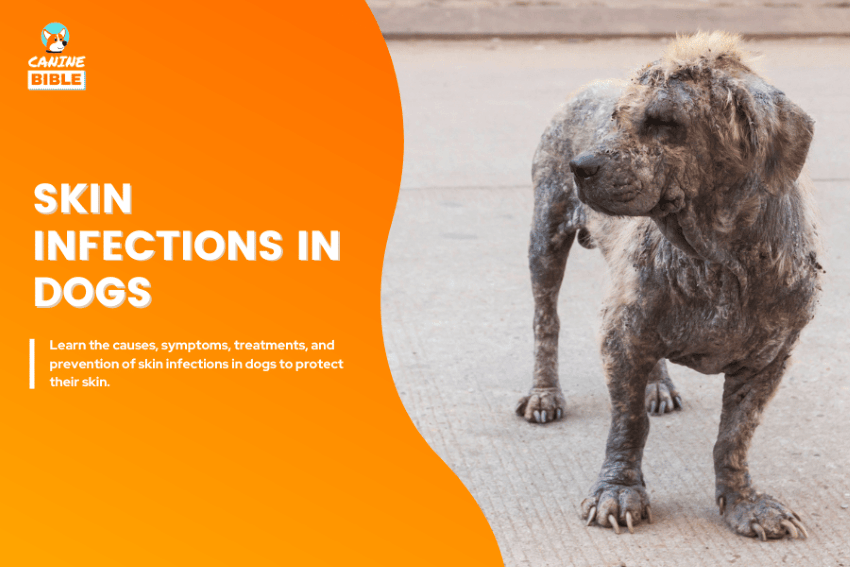
Skin Infections in Dogs: Symptoms, Types, Causes, Signs & Prevention

Canine Bible is reader-supported. We receive affiliate commissions via some of our links. Learn more.
A comprehensive guide to skin infections in dogs, including common types, underlying causes, risk factors, warning signs, diagnostic testing, treatment options, recovery and prevention strategies to help pet parents protect their dog’s skin health.
Skin Infections at a Glance
Most common in
Dogs with allergies, skin folds, parasites or weakened skin defenses.
Common signs
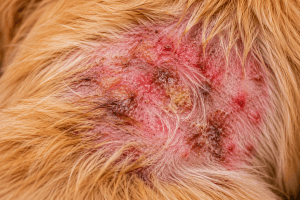
Redness, itching, hair loss, pustules, crusting and odor.
Diagnosis
Skin examination, cytology, scrapings and cultures when needed.
Treatment
Medicated shampoos, topical treatments, antibiotics or antifungals.
Prognosis
Generally good with treatment; recurrence is possible.
Contagiousness
Depends on the cause; ringworm can spread to pets and people.
What Are Skin Infections in Dogs?
Skin infections in dogs occur when bacteria, yeast or fungi invade or overgrow on the skin, causing inflammation, irritation and damage to the skin barrier. Common types include bacterial pyoderma, often associated with Staphylococcus pseudintermedius, yeast dermatitis caused by Malassezia species and fungal infections such as ringworm. These infections may develop when underlying conditions such as allergies, flea infestations, hormonal disorders, excessive moisture or skin injuries weaken the skin’s natural defenses. Symptoms can include persistent itching, redness, hair loss, pimples, crusting, flaky skin, unpleasant odors and painful lesions. Some infections affect only the surface of the skin, while others extend into deeper tissues and require more intensive treatment. Although many skin infections respond well to appropriate medication and skin care, recurring infections are common when their underlying causes remain untreated. Early veterinary diagnosis helps identify the infection, guide treatment and prevent complications.


Types
Dogs can develop several different types of skin infections, and each can affect the skin in different ways. Some are caused by bacteria, yeast, or fungi, while others may develop when allergies, parasites, moisture, or skin injuries weaken the skin’s natural defenses. Understanding the most common types can help pet parents recognize why symptoms, treatment options, and recovery time can vary so widely.
Superficial Bacterial Pyoderma
A common bacterial infection affecting the outer skin layers and hair follicles, often causing pustules, crusting and hair loss.
Deep Bacterial Pyoderma
A more serious bacterial infection extending into deeper skin tissues, potentially causing painful swelling, ulcers and draining lesions.
Bacterial Folliculitis
A form of superficial pyoderma involving infected hair follicles, resulting in small bumps, pustules, scabs and patchy hair loss.
Puppy Impetigo (Puppy Pyoderma)
A superficial bacterial infection mainly affecting young puppies, causing small pus-filled bumps and crusts on the belly.
Hot Spots (Acute Moist Dermatitis)
Rapidly developing, moist and inflamed skin lesions caused by scratching or licking, often involving secondary bacterial infection.


Skin Fold Infections (Intertrigo)
Inflammation and microbial overgrowth in moist skin folds, often causing redness, irritation, discharge and unpleasant odor.
Yeast Dermatitis (Malassezia)
An overgrowth of naturally occurring yeast that can cause intense itching, greasy skin, redness, darkening and a musty odor.
Ringworm (Dermatophytosis)
A contagious fungal infection affecting the skin and hair, often causing circular hair loss, scaling and crusting.
Interdigital Furunculosis
Deep inflammation between the toes involving ruptured hair follicles, often complicated by bacterial infection and painful nodules.
Mucocutaneous Pyoderma
A bacterial skin infection affecting areas around the lips and other skin-mucous membrane junctions, causing redness, crusting and erosions.
Predisposed Dog Breeds
While skin infections can affect any dog, certain breeds are more susceptible due to inherited skin conditions, allergies, skin folds, and coat characteristics. Breeds with wrinkled skin, floppy ears, or a predisposition to allergic dermatitis may be more prone to bacterial, yeast, and fungal skin infections than others.
| Breed Type / Group | Breeds | Notes on Risk Factors |
|---|---|---|
| Wrinkled & Skin-Fold Breeds | English Bulldog, French Bulldog, Pug, Shar-Pei, Neapolitan Mastiff | Deep skin folds trap moisture, heat and debris, increasing the risk of bacterial and yeast skin infections, especially in facial, tail and body folds. |
| Floppy-Eared Breeds | Cocker Spaniel, Basset Hound, Labrador Retriever, Golden Retriever, Springer Spaniel | Poor air circulation and trapped moisture around the ears can contribute to yeast and bacterial overgrowth, often alongside broader skin infection issues. |
| Allergy-Prone Breeds | Boxer, West Highland White Terrier, Golden Retriever, Labrador Retriever, Dalmatian | Dogs predisposed to allergic dermatitis often scratch, lick and inflame the skin, weakening the skin barrier and making secondary bacterial or yeast infections more likely. |
| Long-Haired & Dense-Coated Breeds | German Shepherd, Saint Bernard, Newfoundland, Chow Chow, Collie | Thick coats can trap moisture and reduce airflow, especially in hot or humid conditions, creating an environment that favors hot spots and superficial skin infections. |
| Small & Toy Breeds | Shih Tzu, Maltese, Yorkshire Terrier, Poodle, Dachshund | These breeds may be prone to allergic skin disease, grooming-related irritation or yeast overgrowth, particularly when moisture and inflammation are not controlled. |
| Other Predisposed Breeds | Basset Hound, English Setter, Miniature Schnauzer, Australian Terrier, Chinese Shar-Pei | Some breeds are more likely to develop seborrhea, endocrine-related skin problems or chronic inflammation, all of which can increase susceptibility to recurrent skin infections. |
Causes
Skin infections in dogs usually develop when bacteria, yeast, or fungi overgrow or invade the skin due to underlying factors such as allergies, parasites, hormonal imbalances, excessive moisture, or skin injuries. While not all skin infections can be prevented, understanding these causes can help pet parents reduce their dog’s risk, recognize early warning signs, and seek appropriate treatment before infections worsen or recur.
Bacterial Overgrowth
Bacteria such as Staphylococcus pseudintermedius can multiply and cause infections when the skin barrier is damaged, leading to redness, pustules, crusting and inflammation.
Yeast Overgrowth
Malassezia yeast naturally lives on canine skin but can overgrow when allergies, inflammation or moisture disrupt normal skin conditions, causing itching, greasy skin and odor.
Fungal Exposure
Contact with infected animals, contaminated grooming tools or fungal spores in the environment can transmit ringworm, a contagious infection affecting the skin and hair.
Allergies & Skin Barrier Damage
Environmental allergies, food allergies and flea allergy dermatitis can cause itching and inflammation that weaken the skin barrier, increasing the risk of secondary infections.
Parasites & Scratching
Fleas, mites and other parasites can trigger intense itching and skin irritation. Repeated scratching, chewing or licking damages the skin and creates opportunities for bacterial infections.
Moisture & Skin Folds
Trapped moisture, poor airflow, skin folds and inadequate drying after bathing or swimming can encourage bacterial and yeast overgrowth, particularly in warm or humid environments.
Hormonal & Immune Conditions
Underlying disorders such as hypothyroidism, Cushing’s disease and certain immune-related conditions can weaken normal skin defenses, making recurrent or persistent infections more likely.
Symptoms
Skin infection symptoms in dogs can vary depending on the type, cause, location, and severity of the infection. Some signs may begin as mild itching or redness, while others become more noticeable as the infection progresses. Common warning signs include persistent scratching, excessive licking, hair loss, inflamed skin, pustules, crusting, flaky skin, unpleasant odors, and painful or oozing lesions. Because these symptoms can also be caused by allergies, parasites, or other skin conditions, any persistent, spreading, or worsening skin changes should be evaluated by a veterinarian.
- Persistent itching or scratching
- Red, inflamed or irritated skin
- Excessive licking, biting or chewing
- Patchy hair loss or thinning fur
- Pimples, pustules or raised bumps
- Scabs, crusting or flaky skin
- Greasy skin or unpleasant odor
- Moist, oozing sores or hot spots
- Swelling, tenderness or painful lesions
- Darkened, thickened or discolored skin
Skin infections can affect different areas of a dog’s body.
Stages & Progression of Skin Infections in Dogs
Skin infections in dogs can progress at different rates depending on the type of infection, underlying cause, severity, and depth of skin involvement. Some infections remain superficial, causing mild redness and itching, while others spread into deeper skin tissues, leading to painful lesions, swelling, and discharge. Unlike cancer, skin infections do not follow a formal staging system, but veterinarians assess how deeply the infection extends, how widespread it is, and whether complications are present to determine the most appropriate treatment. Understanding how skin infections progress can help pet parents recognize worsening symptoms, seek timely veterinary care, and support a successful recovery.
Surface Infection
Infection or bacterial overgrowth affects the skin surface, often causing localized redness, moisture, itching or odor. Examples include hot spots and infected skin folds.
Superficial Infection
Bacteria affect the outer skin layers and hair follicles, causing pustules, crusts, scaling, circular lesions and patchy hair loss. Treatment helps prevent persistent or recurring infections.
Deep Infection
Bacterial infection extends into deeper skin tissues, potentially causing painful swelling, ulcers, nodules and draining wounds. These infections generally require more intensive veterinary treatment.
Severe Complications
Severe infections may cause extensive tissue damage or, in uncommon cases, systemic illness. Fever, marked weakness, rapidly spreading swelling or worsening pain require urgent veterinary assessment.
This chart is a simplified visual comparison, not a formal staging system or a predictable timeline. Surface, superficial and deep describe recognized levels of bacterial skin infection, while severe complications represent a possible outcome rather than a separate official stage. Not every infection progresses through these categories, and yeast or fungal infections may behave differently. Severity, treatment and recovery depend on the infection type, underlying cause and individual dog’s health.
Top Ways to Prevent Skin Infections in Dogs
Because skin infections in dogs often develop from allergies, parasites, excess moisture, and weakened skin defenses, proper hygiene and preventive care are essential. By maintaining a regular grooming routine, using veterinarian-recommended parasite prevention, keeping skin folds clean and dry, managing underlying allergies, and scheduling routine veterinary checkups, the risk of skin infections can be reduced. Proactive care also helps detect early warning signs, prevent recurring infections, and maintain healthier skin and coats.
| Prevention Strategy | Why It Helps | How to Do It |
|---|---|---|
| Maintain Regular Grooming & Bathing | Routine grooming removes dirt, debris, loose hair and excess oils that can contribute to skin irritation and bacterial or yeast overgrowth. | Brush your dog’s coat regularly and bathe as needed using a gentle, dog-safe shampoo. Follow your veterinarian’s recommendations for bathing frequency, especially if your dog has sensitive skin. |
| Keep Skin Folds Clean & Dry | Excess moisture and poor airflow create conditions that encourage bacterial and yeast overgrowth, particularly in dogs with wrinkles or deep skin folds. | Gently clean and dry facial wrinkles, tail folds, armpits and other moisture-prone areas. Thoroughly dry your dog after bathing, swimming or getting wet. |
| Use Regular Parasite Prevention | Fleas and mites can cause itching, inflammation and skin damage. Repeated scratching and biting may create openings for secondary bacterial infections. | Use veterinarian-recommended flea and tick preventatives consistently. Ask your veterinarian about mite protection and regularly check your dog’s skin for signs of parasites. |
| Manage Allergies & Underlying Conditions | Environmental allergies, food allergies and hormonal disorders can weaken the skin barrier and increase the likelihood of recurring bacterial or yeast infections. | Work with your veterinarian to identify and manage allergies, endocrine disorders or other underlying health problems. Follow prescribed treatment plans to reduce inflammation and prevent recurrence. |
| Feed a Balanced, Skin-Supportive Diet | Adequate protein, essential fatty acids, vitamins and minerals help maintain healthy skin, coat quality and normal skin barrier function. | Provide a complete and balanced diet appropriate for your dog’s age and health. Ask your veterinarian whether omega-3 fatty acids or a specialized diet may benefit dogs with chronic skin problems. |
| Avoid Skin Irritants & Harsh Products | Harsh shampoos, irritating chemicals and excessive washing can damage the skin barrier, causing dryness, inflammation and increased susceptibility to infection. | Use grooming products specifically formulated for dogs. Avoid human shampoos, harsh disinfectants and unprescribed topical medications. Rinse grooming products thoroughly and avoid overbathing. |
| Schedule Regular Veterinary Checkups | Routine examinations help identify allergies, parasites, skin abnormalities and underlying health conditions before they contribute to persistent or recurring infections. | Schedule routine veterinary examinations and discuss any recurring itching, redness or hair loss. Follow prescribed treatment instructions and attend recommended follow-up appointments. |
| Monitor for Early Signs of Infection | Recognizing skin changes early allows prompt diagnosis and treatment, helping prevent infections from becoming more extensive or affecting deeper skin tissues. | Check your dog’s skin regularly for redness, itching, pustules, crusts, unusual odors, hair loss or moist sores. Contact your veterinarian if symptoms persist, spread or worsen. |
Actionable Resources
If you want to prevent skin infections, reduce recurring flare-ups, or support your dog’s recovery, here are some helpful resources and products to consider under veterinary guidance.
How Are Skin Infections in Dogs Diagnosed
Diagnosing skin infections in dogs requires a thorough veterinary evaluation to identify the type of infection, underlying cause, and severity of skin involvement. Veterinarians may use a physical examination, skin cytology, skin scrapings, fungal testing, or bacterial cultures to distinguish bacterial, yeast, and fungal infections from other skin conditions. Key steps include:
1. Physical Examination
Your veterinarian examines the skin and coat for redness, pustules, crusting, hair loss, swelling and discharge. They also review your dog’s medical history, itching, allergies, parasite exposure and previous skin problems.
2. Skin Cytology
Samples collected using tape, swabs or skin impressions are examined under a microscope to identify bacteria, yeast and inflammatory cells. This common diagnostic test helps determine whether an infection is present and guides initial treatment.
3. Skin Scrapings & Parasite Tests
Skin scrapings, hair samples or flea combing may be used to check for mites, fleas and other parasites. These tests help identify conditions such as mange that can mimic skin infections or contribute to secondary bacterial infections.
4. Fungal Testing
When a fungal infection such as ringworm is suspected, your veterinarian may use a Wood’s lamp examination, fungal culture or PCR testing. These tests help distinguish dermatophyte infections from bacterial infections and other skin conditions.
5. Bacterial Culture & Sensitivity
For deep, recurrent or treatment-resistant bacterial infections, a sample may be sent to a laboratory to identify the bacteria and test antibiotic susceptibility. Results help your veterinarian select an effective medication and avoid unnecessary antibiotic use.
6. Underlying Cause Evaluation
If infections repeatedly return or fail to improve, additional testing may investigate allergies, hormonal disorders or immune-related conditions. Bloodwork, dietary trials or skin biopsy may be recommended depending on your dog’s symptoms and medical history. Not every dog requires all of these diagnostic tests.
Early detection is essential because skin infections in dogs are often easier to treat before they spread, worsen, or affect deeper skin tissues. Prompt veterinary care can help prevent complications, reduce discomfort, and support faster recovery.
Nutritional Support & Supplements
Proper nutrition can play an important supportive role for dogs with skin infections by helping maintain healthy skin, immune function, skin barrier strength, and coat quality during treatment. Depending on your dog’s needs, veterinarians may recommend complete and balanced diets containing high-quality protein, omega-3 fatty acids, essential vitamins, zinc, and other skin-supporting nutrients. Supplements such as fish oil or probiotics may also be considered when appropriate, particularly for dogs with underlying allergies or recurring skin problems. Nutrition supports recovery but does not replace prescribed antibiotics, antifungals, or other veterinary treatments.
Important: Nutritional support and supplements
do not directly cure bacterial, yeast, or fungal skin infections.
Dogs eating a complete and balanced diet may not need additional
supplements.
Always consult your veterinarian before introducing supplements
or changing your dog’s diet, especially when antibiotics,
antifungal medications, or allergy treatments are prescribed.
Supportive care—such as proper skin hygiene, medicated bathing, nutritional support, and managing underlying allergies—plays a crucial role in promoting skin healing, reducing discomfort, and preventing recurring infections. These measures do not replace prescribed antibiotics, antifungals, or other veterinary treatments. Some supplements and topical products may interact with medications or worsen skin irritation, so any home care, diet, or supplement plan should be reviewed with your veterinarian.
Over-the-Counter Products
Over-the-counter treatments and supplements mentioned in this article for skin infections in dogs can be found on Amazon and Chewy.


Always consult your veterinarian before starting any new treatment, medication, or home-care regimen for canine skin infections. Puppies and dogs with persistent vomiting, diarrhea, weakness, or dehydration may require prompt veterinary care. If you can’t reach your vet, you can chat live with a registered online veterinary professional via our online vet chat or video chat support (24 hours a day, 7 days a week). Or use Chewy’s online vet services (6 a.m. – midnight ET).
Treatment & Care
According to current veterinary dermatology guidelines, the most effective treatment for skin infections in dogs depends on the type of infection, its severity, and the underlying cause. Treatment may include medicated shampoos, antiseptic washes, topical antibiotics or antifungal medications, while deeper or more severe infections may require oral antibiotics or antifungal therapy. Managing underlying conditions such as allergies, parasites, and hormonal imbalances is also essential to support healing and prevent recurring infections.
Medications
Common medications used to treat skin infections in dogs include:
| Medication / Class | Examples | How It Is Used | Important Considerations |
|---|---|---|---|
| Antiseptic Shampoos | Chlorhexidine 2–4% | Commonly used as a first-line topical treatment for bacterial skin infections, including surface and superficial pyoderma. Helps reduce bacteria on the skin without requiring oral antibiotics. | Follow veterinary instructions for bathing frequency and contact time. Rinse thoroughly when directed. Avoid contact with the eyes and watch for skin irritation. |
| Antiseptic Wipes, Sprays & Mousses | Chlorhexidine wipes, sprays, foams and medicated pads | Used for localized bacterial infections affecting the paws, skin folds, belly and other small areas. These products help reduce bacterial overgrowth and can support ongoing skin hygiene. | Use products formulated for dogs and follow the recommended application schedule. Avoid applying irritating products to sensitive tissues or deep wounds without veterinary guidance. |
| Antifungal Shampoos | Miconazole with chlorhexidine, ketoconazole-containing shampoos | Used to manage yeast dermatitis caused by Malassezia overgrowth. Some formulations also help control concurrent bacterial infections and may be used as part of ringworm treatment. | Proper contact time and consistent application are important. Some dogs require additional medication if yeast infections are severe, widespread or repeatedly return. |
| Topical Antibiotics | Mupirocin, fusidic acid where available | May be prescribed for selected localized bacterial skin infections when antiseptic treatments are unsuitable or have not produced an adequate response. | Antiseptic treatments are generally preferred first. Topical antibiotics should be used selectively under veterinary guidance to reduce unnecessary antibiotic exposure and antimicrobial resistance. |
| First-Line Oral Antibiotics | Cephalexin, cefadroxil | Common prescription antibiotics for susceptible bacterial skin infections. They may be used when infections extend into deeper tissues or topical treatment alone is insufficient. | Oral antibiotics are not routinely needed for uncomplicated superficial infections. Veterinary evaluation and preferably bacterial culture help guide selection. Follow prescribed treatment and reassessment instructions. |
| Other Prescription Antibiotics | Clindamycin, amoxicillin-clavulanate | Additional first-choice options for certain susceptible bacterial infections when systemic therapy is indicated. Selection depends on the suspected organism, clinical findings and bacterial susceptibility. | Not every bacterial infection responds to these medications. Possible adverse effects include gastrointestinal upset. Culture and susceptibility testing are especially important for recurrent or treatment-resistant infections. |
| Culture-Directed Antibiotics | Doxycycline, trimethoprim-sulfonamide combinations when appropriate | May be considered for selected bacterial infections when laboratory testing confirms susceptibility and more suitable first-choice treatments are not appropriate. | These medications should not be chosen routinely without appropriate testing. Potential adverse effects vary by drug and can include gastrointestinal problems or more serious reactions requiring veterinary monitoring. |
| Oral Antifungal Medications | Itraconazole, ketoconazole | May be prescribed for severe, widespread or treatment-resistant Malassezia yeast dermatitis when topical antifungal therapy alone is insufficient. | Systemic antifungals can cause gastrointestinal effects, liver-related complications and drug interactions. Veterinary monitoring and treatment of underlying allergies or hormonal disorders are important. |
| Ringworm Antifungal Medications | Itraconazole, terbinafine, veterinarian-selected antifungal rinses | Used to treat dermatophytosis, commonly called ringworm. Oral antifungals target infection within hair follicles, while topical therapy helps reduce fungal spores on the coat. | Ringworm can spread to people and other animals. Treatment often requires several weeks, environmental cleaning and follow-up testing to confirm that infection has cleared. |
| Flea & Mite Control Medications | Fluralaner, afoxolaner, sarolaner | Used to control fleas and certain mites that contribute to itching, scratching and skin damage. Treating underlying parasite problems helps reduce the risk of secondary bacterial infections and recurring skin inflammation. | These medications do not directly treat bacterial or fungal skin infections. Product selection depends on the parasite, the dog’s age, weight and health history. Isoxazolines have been associated with neurologic adverse reactions in some dogs. |
The best way to get these medications is at Chewy Pet Pharmacy:
Alternative & Integrative Therapies
Integrative and supportive therapies can help manage itching, reduce inflammation, soothe irritated skin, and support healing in dogs with skin infections. Options such as veterinarian-approved soothing baths, omega-3 fatty acids, skin barrier moisturizers, and dietary support may be used alongside conventional treatments. However, these approaches do not replace prescribed antibiotics or antifungal medications, and their effectiveness varies. Always consult your veterinarian before introducing alternative treatments to ensure they are safe and appropriate for your dog’s condition.
Surgical Options
Surgery is rarely needed for skin infections in dogs, as most cases respond well to medicated shampoos, topical treatments, antibiotics, or antifungal medications. However, severe or deep infections may require surgical intervention, particularly when abscesses, infected wounds, dead tissue, or foreign objects are present. Depending on the infection’s severity and location, surgery may be used to drain abscesses, remove damaged or infected tissue, eliminate foreign material, or promote proper wound healing. Your veterinarian will determine whether surgery is necessary based on the depth of infection, extent of tissue damage, response to medication, and your dog’s overall health.
Emotional & Lifestyle Impact
Skin infections in dogs can affect their comfort, behavior, and overall quality of life, particularly when persistent itching, pain, or irritation interferes with daily activities. Dogs may experience restlessness, disrupted sleep, excessive licking or scratching, reduced activity, and changes in mood, while recurring infections can create additional stress for pet parents. With proper veterinary treatment, consistent skin care, and management of underlying causes, most dogs can recover comfortably and return to their normal routines.
For Dogs
- Persistent itching and discomfort can affect rest and daily comfort
- Dogs may lick, chew, or scratch more often when skin is irritated
- Some dogs become restless, less active, or sensitive to touch
- Most dogs improve well with treatment and can return to normal routines
For Pet Parents
- Recurring flare-ups can be frustrating and worrying
- Skin care routines, bathing, and medications may require extra time
- Work closely with your veterinary team to manage underlying causes
- Early treatment and consistency can help prevent repeat infections
- Focus on comfort, healing, and keeping your dog’s skin healthy
“Skin infections can be uncomfortable and stressful, but with patience, treatment, and good skin care, most dogs can feel better and get back to enjoying everyday life.”
Happier dogs.
Dog Skin Infections Prognosis
A dog’s prognosis for skin infections depends on several factors, including the type of infection, severity, underlying cause, response to treatment, overall health, and consistency of care. Most bacterial and yeast skin infections respond well to appropriate treatment, while deep, chronic, or recurring infections may require longer-term management. Working closely with your veterinarian can help address underlying conditions, prevent recurring infections, promote healthy skin recovery, and maintain your dog’s comfort and quality of life.
Key Factors That Influence Prognosis
Typical Annual Cost of Treating Canine Skin Infections
| Category | Estimated Cost Range (USD) | Notes |
|---|---|---|
| Initial Diagnosis & Skin Testing | $100 – $350 | Includes veterinary examination, skin cytology, skin scrapings, and basic diagnostic testing to identify bacterial, yeast, fungal, or parasite-related skin problems. |
| Bacterial Cultures & Advanced Testing | $100 – $600+ | May include bacterial culture and antibiotic susceptibility testing, fungal testing, bloodwork, or skin biopsy for recurrent, deep, or treatment-resistant infections. |
| Medicated Shampoos & Topical Treatments | $30 – $250 | Includes chlorhexidine shampoos, antifungal washes, antiseptic wipes, sprays, and mousses. Repeated purchases may be needed for chronic or recurring skin infections. |
| Prescription Antibiotics | $40 – $300+ | Oral antibiotics may be prescribed for deep bacterial infections or selected cases that do not respond to topical treatment. Costs depend on the medication, dog size, and duration of treatment. |
| Antifungal Medications | $50 – $500+ | Topical or oral antifungals may be needed for yeast dermatitis or ringworm. Treatment costs vary depending on infection severity, medication selection, and length of therapy. |
| Follow-Up Exams & Monitoring | $60 – $400 | Recheck appointments and repeat skin testing help confirm treatment response and guide medication adjustments. Multiple visits may be needed for persistent infections. |
| Allergy & Underlying Cause Management | $200 – $1,500+ | May include allergy evaluation, parasite prevention, endocrine testing, prescription itch medications, or long-term management of conditions contributing to recurring skin infections. |
| Abscess Drainage & Surgical Care | $300 – $2,000+ | Occasionally required for deep abscesses, infected wounds, foreign bodies, or severely damaged tissue. Costs may include sedation, anesthesia, wound cleaning, surgical drainage, and postoperative care. |
| Nutritional & Skin Barrier Support | $50 – $500+ | Optional expenses may include veterinary diets, omega-3 supplements, moisturizers, and skin barrier products. These support skin health but do not replace treatment for an active infection. |
| Pet Insurance Coverage | Varies by policy | Eligible skin infection treatments may be covered under accident and illness plans, depending on deductibles, reimbursement limits, exclusions, and waiting periods. Pre-existing skin conditions may not qualify for coverage. |
| Typical Annual Range | Single, Uncomplicated Infection: $150 – $600 | Recurrent, Deep or Complicated Infections: $600 – $3,000+ | |
Skin infections care can add up quickly — from daily medications to possible surgeries. Pet insurance can ease the financial burden and ensure your dog gets the best treatment without compromise. If you want to compare plans and find out which providers offer the best coverage for skin infections and chronic conditions, check out our full guides to the Best Pet Insurance for Dogs and Best Pet Wellness Plans.
Related Health Conditions
Several health conditions are closely linked to skin infections in dogs because they may weaken the skin barrier, trigger inflammation, cause secondary infections, or produce overlapping symptoms. Understanding these related conditions can help dog owners recognize potential warning signs, identify underlying causes, and better understand the diagnostic and treatment options their veterinarian may recommend.
- Pyoderma in Dogs
- Staph Infections in Dogs
- Hot Spots (Acute Moist Dermatitis)
- Yeast Skin Infections (Malassezia Dermatitis)
- Ringworm (Dermatophytosis)
- Mange (Mite Infestations)
- Allergic Dermatitis (Skin Allergies)
- Flea Infestations & Flea Allergy Dermatitis
- Ear Infections (Otitis Externa)
- Dry Skin & Dandruff
Frequently Asked Questions
The Bottom Line
Skin infections in dogs are common and can range from mild surface irritation to more serious infections affecting deeper skin tissues. Fortunately, most dogs recover well with early diagnosis, appropriate treatment, and consistent care. Recognizing warning signs such as persistent itching, redness, hair loss, pustules, or unusual odors can help prevent infections from becoming more severe. By maintaining good skin hygiene, preventing parasites, managing underlying allergies, and following your veterinarian’s treatment recommendations, you can help reduce recurring infections and support healthier skin. Above all, consistent care, patience, and early intervention can make a meaningful difference in your dog’s comfort, recovery, and long-term quality of life.