Intervertebral Disc Disease (IVDD) in Dogs: Symptoms, Types, Causes, Signs & Prevention

Canine Bible is reader-supported. We receive affiliate commissions via some of our links. Learn more.
A comprehensive guide to intervertebral disc disease (IVDD) in dogs, including risk factors, early warning signs, diagnosis, treatment options, recovery, and when to seek emergency veterinary care.
IVDD at a Glance
Most common in
Chondrodystrophic breeds such as Dachshunds; other breeds can also be affected.
Common signs
Back or neck pain, reluctance to move, wobbliness, weakness, or paralysis.
Diagnosis
Neurologic exam and often MRI or CT to identify the affected disc.
Treatment
Restricted activity and prescribed medication for selected cases; surgery for others.
Prognosis
Depends on neurologic severity, remaining pain sensation, and timely care.
Recurrence risk
Another disc episode is possible, even after successful recovery.
What Is IVDD in Dogs?
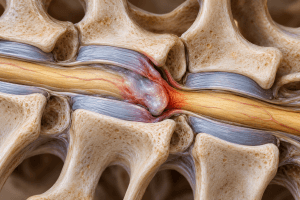
Intervertebral disc disease (IVDD) occurs when one or more cushioning discs between the vertebrae degenerate and bulge or rupture. Displaced disc material can compress the spinal cord or nearby nerves, causing pain and potentially affecting coordination, strength, walking, and bladder function. IVDD can develop in the neck or back and may cause signs ranging from mild discomfort to sudden paralysis. Some dogs improve with veterinary-directed restricted activity and medication, while dogs with severe or worsening neurologic signs may need urgent surgery.


Types
Dogs can develop different types of intervertebral disc disease (IVDD), each affecting the spine in different ways. Some involve sudden disc rupture, while others develop gradually as discs degenerate and protrude. Understanding the main types of IVDD can help pet parents recognize why symptoms, treatment options, recovery, and prognosis vary depending on the severity and location of the spinal injury.
Hansen Type I (Disc Extrusion)
Occurs when the disc’s outer layer ruptures, allowing its inner material to escape and potentially compress the spinal cord. It often causes sudden pain, weakness, or paralysis and is especially common in chondrodystrophic breeds such as Dachshunds.
Hansen Type II (Disc Protrusion)
Develops when the outer portion of an intervertebral disc gradually thickens or bulges, potentially compressing the spinal cord. It is more frequently seen in older, larger-breed dogs and often causes progressively worsening pain, weakness, or difficulty walking.
Acute Non-Compressive Nucleus Pulposus Extrusion (ANNPE)
Occurs when disc material suddenly escapes and strikes the spinal cord, causing injury without substantial ongoing compression. It commonly develops during vigorous activity and may cause sudden weakness, incoordination, or paralysis.
Hydrated Nucleus Pulposus Extrusion (HNPE)
Occurs when hydrated disc material suddenly escapes into the spinal canal and compresses the spinal cord. It frequently affects the cervical spine and may cause acute neck pain, weakness, difficulty walking, or severe neurologic impairment.


Predisposed Dog Breeds
While intervertebral disc disease (IVDD) can affect any dog, certain breeds have a higher genetic risk. Breeds with short legs and long backs, such as Dachshunds, French Bulldogs, and Corgis, are particularly susceptible due to inherited disc degeneration. Age, body structure, and genetics can also influence a dog’s risk of developing IVDD.
| Size / Group | Breeds | Notes on Risk Factors |
|---|---|---|
| Chondrodystrophic Breeds | Dachshund, French Bulldog, Beagle, Pekingese, Shih Tzu | Genetically predisposed to early intervertebral disc degeneration. These breeds have an increased risk of Hansen Type I disc extrusion, which can cause sudden spinal cord compression. |
| Small Breeds | Miniature Dachshund, Miniature Poodle, Cocker Spaniel | Certain small breeds have an increased risk of disc degeneration and herniation. Risk varies considerably between breeds and individual dogs. |
| Long-Backed & Short-Legged Breeds | Dachshund, Pembroke Welsh Corgi, Cardigan Welsh Corgi, Basset Hound | Several breeds in this group have inherited chondrodystrophy, which is associated with premature disc degeneration. Genetic predisposition is more important than body proportions alone. |
| Medium Breeds | English Cocker Spaniel, American Cocker Spaniel, Beagle | These breeds may be predisposed to intervertebral disc degeneration and extrusion. Clinical signs can include spinal pain, difficulty walking, and neurologic deficits. |
| Large & Giant Breeds | German Shepherd, Labrador Retriever, Doberman Pinscher | Larger breeds can develop intervertebral disc disease, including Hansen Type II disc protrusion. This form often involves gradual disc degeneration and may cause progressive spinal cord compression. |
| Other Predisposed Breeds | Lhasa Apso, Boston Terrier, Cavalier King Charles Spaniel | These breeds may also experience intervertebral disc disease. Breed-specific genetic factors, age, and disc degeneration can influence the likelihood of developing the condition. |
Causes
Intervertebral disc disease (IVDD) in dogs typically develops due to a combination of genetic predisposition, age-related disc degeneration, and structural changes in the spine. In susceptible dogs, discs may deteriorate prematurely, making them more likely to bulge or rupture. Although IVDD cannot always be prevented, understanding its causes and risk factors can help pet parents recognize early warning signs, manage their dog’s spinal health, and seek timely veterinary care.
Genetic Predisposition
Inherited genetic variants can cause premature degeneration of intervertebral discs. Chondrodystrophic breeds, including Dachshunds, French Bulldogs, and Corgis, have an increased risk of developing IVDD.
Age-Related Disc Degeneration
Intervertebral discs gradually lose elasticity and undergo structural changes as dogs age. These changes can weaken the discs, increasing the likelihood of protrusion or rupture. However, genetically predisposed dogs may develop disc degeneration at a young age.
Chondrodystrophy
Chondrodystrophy is an inherited skeletal condition associated with shortened limbs and premature disc degeneration. Affected breeds are particularly susceptible to Hansen Type I IVDD, in which degenerated disc material can suddenly rupture into the spinal canal.
Disc Dehydration & Deterioration
Degenerating intervertebral discs lose water and undergo changes in their internal structure. This reduces their ability to cushion the vertebrae and can contribute to disc protrusion or extrusion, potentially compressing the spinal cord.
Physical Strain & Sudden Movement
Jumping, twisting, vigorous activity, or sudden movements may trigger disc extrusion in dogs with pre-existing disc degeneration. However, IVDD can also develop during ordinary activities or without an identifiable injury.
Obesity & Excess Body Weight
Excess body weight may increase mechanical strain on the spine and make mobility more difficult for dogs with IVDD. Maintaining a healthy weight supports mobility and overall spinal health, although weight control cannot eliminate inherited IVDD risk.
Spinal Trauma & Injury
Falls, collisions, and other traumatic events can damage spinal structures or occasionally trigger disc extrusion. However, most cases of degenerative IVDD arise from underlying disc deterioration rather than a major traumatic injury.
Symptoms
Intervertebral disc disease (IVDD) symptoms in dogs can vary depending on the location of the affected disc, severity of spinal cord compression, and progression of the disease. Some dogs experience mild back or neck pain, while others develop sudden weakness, difficulty walking, or paralysis. Common warning signs include a hunched posture, reluctance to jump, trembling, unsteady walking, dragging the paws, and loss of bladder control. Because IVDD can progress rapidly and cause permanent spinal cord damage, dogs showing these symptoms should receive prompt veterinary attention. Sudden weakness or paralysis requires emergency care.
- Back or neck pain
- Reluctance to jump, climb stairs, or move
- Hunched back or stiff posture
- Trembling, crying, or signs of discomfort
- Unsteady walking or loss of coordination
- Weakness in the front or hind legs
- Dragging paws or knuckling
- Difficulty standing or walking
- Sudden partial or complete paralysis
- Loss of bladder control or inability to urinate
IVDD symptoms vary depending on the location and severity of spinal injury.
Stages & Progression of IVDD in Dogs
Intervertebral disc disease (IVDD) in dogs can progress at different rates depending on the location of the affected disc, severity of spinal cord compression, and extent of neurological damage. Veterinarians commonly use a five-grade neurological classification to determine how severe the condition is and which treatment options may be most appropriate. Understanding the severity of IVDD can provide important insight into prognosis, recovery potential, and the level of veterinary care your dog may need.
Pain Only
The dog experiences back or neck pain without detectable neurological deficits. Walking ability and limb strength remain normal.
Walking Weakness
Mild to moderate neurological deficits develop. The dog can still walk but may experience weakness, wobbliness, or impaired coordination.
Unable to Walk
Severe weakness prevents independent walking. Voluntary limb movement remains present, and deep pain perception is preserved.
Paralysis
The affected limbs are paralyzed, but deep pain perception remains intact. Urgent veterinary assessment and possible surgery are required.
Loss of Deep Pain
Complete paralysis occurs with loss of deep pain perception. This is the most severe grade and requires immediate emergency veterinary care.
Important: This chart illustrates a commonly used five-grade neurological classification for thoracolumbar IVDD. It is not a predictable progression timeline. Dogs may present at any grade, deteriorate suddenly, or improve with treatment. Other grading systems may use different definitions, particularly for cervical IVDD. Deep pain perception must be assessed by a veterinarian. Sudden inability to walk or paralysis is a veterinary emergency.
Top Ways to Prevent IVDD in Dogs
Because intervertebral disc disease (IVDD) is often linked to genetics, premature disc degeneration, and age-related spinal changes, it cannot always be prevented. However, maintaining a healthy weight, encouraging controlled exercise, limiting high-impact activities, and scheduling regular veterinary checkups may help support spinal health and reduce avoidable strain. Proactive care and early recognition of symptoms can help minimize complications and improve your dog’s quality of life.
| Prevention Strategy | Why It Helps | How to Do It |
|---|---|---|
| Maintain a Healthy Weight | Excess body weight can place additional mechanical strain on the spine and make movement more difficult for dogs with existing spinal problems. | Feed measured portions, monitor your dog’s body condition, limit excessive treats, and follow your veterinarian’s recommendations for maintaining an appropriate weight. |
| Encourage Regular Low-Impact Exercise | Appropriate physical activity helps maintain muscle strength, mobility, and a healthy body weight. Strong supporting muscles may help maintain spinal stability. | Provide regular, controlled walks and age-appropriate activities. Adjust exercise intensity according to your dog’s breed, physical condition, and veterinary advice. |
| Limit High-Impact Activities | Sudden twisting, repeated jumping, and uncontrolled movements may trigger symptoms in dogs with pre-existing disc degeneration. However, limiting these activities has not been proven to prevent IVDD. | Consider ramps or steps for accessing furniture, discourage uncontrolled jumping, and avoid activities that cause excessive twisting or strain, especially in dogs with previous IVDD. |
| Support the Spine During Handling | Proper handling helps avoid unnecessary twisting or sudden movements, particularly in dogs with spinal pain or a history of intervertebral disc disease. | When lifting a small dog, support both the chest and hindquarters while keeping the body aligned. Avoid lifting by the front legs or allowing the rear body to hang. |
| Create a Spine-Friendly Home | Slippery floors, steep stairs, and uncontrolled jumping can increase the risk of falls or sudden movements that may aggravate existing spinal problems. | Place nonslip rugs on slippery surfaces, provide stable resting areas, consider ramps where appropriate, and supervise access to stairs when necessary. |
| Provide Balanced Nutrition | Complete and balanced nutrition supports healthy body condition, muscle maintenance, and overall physical health. No specific diet has been proven to prevent inherited disc degeneration. | Feed a complete and balanced diet appropriate for your dog’s age, size, and health needs. Discuss dietary adjustments or supplements with your veterinarian before use. |
| Schedule Regular Veterinary Checkups | Routine examinations help veterinarians assess mobility, body condition, and emerging signs of spinal discomfort. Early recognition may prevent delays in treatment. | Schedule routine wellness examinations and discuss your dog’s breed-related IVDD risk. Seek veterinary assessment promptly if your dog develops back pain, weakness, or changes in walking. |
| Monitor for Early Warning Signs | IVDD can cause sudden spinal cord compression. Recognizing symptoms early allows prompt veterinary assessment and may help reduce the risk of further neurological damage. | Watch for back or neck pain, trembling, a hunched posture, reluctance to move, wobbliness, paw dragging, or weakness. Sudden inability to walk or paralysis requires immediate emergency veterinary care. |
Actionable Resources
If you want to support your dog’s spinal health and reduce avoidable strain associated with IVDD, here are some helpful resources to explore under veterinary guidance.
How Is Intervertebral Disc Disease (IVDD) in Dogs Diagnosed
Diagnosing intervertebral disc disease (IVDD) in dogs requires a thorough veterinary evaluation to identify the affected spinal discs, assess neurological function, and determine the severity of spinal cord compression. Key steps include:
1. Medical History & Physical Examination
Your veterinarian reviews your dog’s breed, age, medical history, and symptoms. A physical examination evaluates posture, mobility, spinal discomfort, and other possible causes of back or neck pain.
2. Neurological Examination
The veterinarian evaluates coordination, reflexes, limb strength, paw positioning, and pain responses. These findings help identify the likely location of spinal cord injury and assess the severity of neurological impairment.
3. Spinal X-rays
Spinal radiographs may reveal vertebral abnormalities, narrowed disc spaces, or calcified discs. They also help investigate other conditions, such as fractures. However, X-rays alone cannot reliably confirm IVDD or show the extent of spinal cord compression.
4. Advanced Imaging
MRI is commonly used to identify affected discs, visualize the spinal cord, and evaluate spinal cord compression or injury. CT scans may also be appropriate, particularly for certain types of disc extrusion. Imaging findings help guide treatment and surgical planning.
5. Laboratory Testing
Bloodwork and urinalysis may be performed to assess overall health, identify other possible illnesses, and evaluate anesthetic safety before advanced imaging or surgery. Laboratory tests do not directly diagnose IVDD.
6. Diagnosis & Severity Assessment
The veterinarian combines clinical findings, neurological examination results, and imaging when indicated to establish the diagnosis. Neurological grading helps determine severity, prognosis, and whether conservative management or surgical treatment may be appropriate.
Early detection is essential because IVDD can progress rapidly and cause permanent spinal cord damage. Recognizing symptoms and seeking prompt veterinary treatment can improve recovery outcomes, preserve mobility, and maintain your dog’s quality of life.
Nutritional Support & Supplements
Proper nutrition plays an important supportive role for dogs with IVDD by helping maintain a healthy weight, preserve muscle mass, support mobility, and promote overall well-being during treatment and recovery. Depending on your dog’s individual needs, veterinarians may recommend a complete and balanced diet, appropriate calorie management, and supplements such as omega-3 fatty acids. However, no diet or supplement has been proven to reverse damaged spinal discs or cure IVDD. Nutritional support should complement, not replace, prescribed veterinary treatment and rehabilitation.
Important:
Nutrition and supplements provide
supportive care but cannot cure
IVDD, reverse disc degeneration,
or replace veterinary treatment.
Always consult your veterinarian
before introducing supplements,
changing your dog’s diet, or
adjusting feeding during recovery.
Some supplements may interact
with prescribed medications.
Supportive care—including pain management, nutritional support, controlled activity, and veterinary rehabilitation—plays an important role in maintaining comfort, mobility, and quality of life for dogs with IVDD. These measures do not cure damaged spinal discs or replace necessary medical or surgical treatment. Because supplements and medications may interact, any dietary changes, supplements, or rehabilitation plans should be reviewed with your veterinarian or veterinary neurologist.
Over-the-Counter Products
Over-the-counter treatments and supplements mentioned in this article for IVDD in dogs can be found on Amazon and Chewy.


Always consult your veterinarian before starting any new treatment, medication, or home-care regimen for canine intervertebral disc disease (IVDD). Puppies and dogs with persistent vomiting, diarrhea, weakness, or dehydration may require prompt veterinary care. If you can’t reach your vet, you can chat live with a registered online veterinary professional via our online vet chat or video chat support (24 hours a day, 7 days a week). Or use Chewy’s online vet services (6 a.m. – midnight ET).
Treatment & Care
Treatment for intervertebral disc disease (IVDD) in dogs depends on the severity of neurological symptoms, location of the affected disc, and degree of spinal cord compression. Treatment may include strict activity restriction, prescribed pain medications, and anti-inflammatory medications for selected cases. Dogs with severe weakness, paralysis, or worsening neurological symptoms may require emergency decompressive surgery. Veterinary rehabilitation and ongoing supportive care can help improve mobility, manage discomfort, and support recovery.
Medications
Common medications used to treat intervertebral disc disease (IVDD) in dogs include:
| Medication / Class | Examples | How It Is Used | Important Considerations |
|---|---|---|---|
| Nonsteroidal Anti-Inflammatory Drugs (NSAIDs) | Carprofen, meloxicam, firocoxib | Commonly prescribed to reduce inflammation and relieve spinal pain in dogs receiving conservative treatment for IVDD. | Potential adverse effects include gastrointestinal ulcers, vomiting, diarrhea, and kidney or liver complications. Never combine NSAIDs with corticosteroids or another NSAID. |
| Neuropathic Pain Medications | Gabapentin, pregabalin | May be prescribed to manage nerve-related pain associated with spinal cord or nerve root compression. Often used alongside other prescribed pain medications. | Possible side effects include sedation, dizziness, and impaired coordination. Evidence supporting their effectiveness specifically for IVDD remains limited. |
| Muscle Relaxants | Methocarbamol, diazepam | May help relieve painful muscle spasms associated with spinal discomfort and intervertebral disc disease. | Can cause sedation, weakness, or impaired coordination. These medications should only be administered under veterinary supervision. |
| Opioid Pain Medications | Methadone, fentanyl, morphine | Used in veterinary hospitals to manage severe spinal pain, particularly before or after surgical treatment. | Require careful veterinary monitoring because they may cause sedation, respiratory depression, nausea, or gastrointestinal complications. Dogs with pain severe enough to require opioids generally need hospitalization until pain is controlled. |
| Corticosteroids | Prednisone, prednisolone | Occasionally considered for selected dogs with persistent spinal pain associated with inflammation. They are not recommended for routine treatment of acute IVDD. | May cause increased thirst, urination, appetite, gastrointestinal ulcers, and immune suppression. Never combine with NSAIDs. They have not been proven to improve neurological recovery in acute IVDD. |
| Gastrointestinal Support Medications | Omeprazole, sucralfate | May be prescribed when gastrointestinal complications occur or when a veterinarian identifies a specific gastrointestinal risk. | Not routinely necessary for every dog receiving IVDD treatment. These medications do not eliminate the risk of gastrointestinal ulcers caused by NSAIDs or corticosteroids. |
| Anti-Nausea Medications | Maropitant, ondansetron | May be prescribed to control nausea and vomiting associated with anesthesia, hospitalization, or certain medications. | These medications provide supportive care but do not treat IVDD itself. Vomiting or loss of appetite during anti-inflammatory treatment requires prompt veterinary assessment. |
| Postoperative Pain Management | Veterinarian-selected opioids, NSAIDs, gabapentin or pregabalin | Multimodal pain management may be used following spinal decompression surgery to control discomfort during early recovery. | Medication combinations depend on the dog’s neurological condition, overall health, and surgical procedure. Close monitoring is necessary to identify adverse effects and ensure adequate pain control. |
The best way to get these medications is at Chewy Pet Pharmacy:
Alternative & Integrative Therapies
Integrative and supportive therapies can help manage pain, improve mobility, support recovery, and enhance quality of life for dogs with intervertebral disc disease (IVDD). Options such as veterinary rehabilitation, controlled physical therapy, acupuncture, and carefully supervised hydrotherapy may complement conventional treatment. However, these therapies cannot repair damaged discs or replace necessary surgery. Always consult your veterinarian or veterinary neurologist before beginning alternative treatments, particularly if your dog has severe spinal cord compression or paralysis.
Surgical Options
Surgery is an important treatment option for dogs with severe intervertebral disc disease (IVDD), particularly those experiencing significant spinal cord compression, progressive weakness, or paralysis. Depending on the location and severity of the affected disc, procedures such as hemilaminectomy, ventral slot surgery, or dorsal laminectomy may be performed to remove herniated disc material and relieve pressure on the spinal cord. Your veterinarian or veterinary neurologist will determine whether surgery is appropriate based on your dog’s neurological condition, imaging results, overall health, and the duration of symptoms. Early surgical intervention may improve recovery outcomes, especially in dogs with severe neurological impairment.
Emotional & Lifestyle Impact
An IVDD diagnosis can be challenging for both dogs and their families. Dogs may experience pain, reduced mobility, weakness, activity restrictions, or temporary loss of independence, which can affect their normal routines and quality of life. Recovery may also require crate rest, assistance with walking or toileting, rehabilitation, and changes to the home environment. With appropriate veterinary treatment, supportive care, and patience during recovery, many dogs with IVDD can regain mobility and continue to enjoy comfortable, fulfilling lives.
For Dogs
- Back or neck pain may temporarily limit normal activities
- Weakness or paralysis may reduce independence and mobility
- Strict rest can mean temporary restrictions on running, jumping, and play
- Some dogs may need help walking, toileting, or changing positions
- Rehabilitation can help support strength, coordination, and mobility during recovery
- Dogs can still enjoy affection, enrichment, and quiet time with their families
For Pet Parents
- Caring for a dog with IVDD can require significant time and patience
- Follow activity restrictions and medication instructions carefully
- You may need to assist with walking, toileting, or bladder care
- Ramps, nonslip flooring, and supportive bedding can make the home safer
- Watch closely for worsening pain, weakness, or changes in mobility
- Work with your veterinary team throughout treatment and rehabilitation
Recovery from IVDD can take time. Focus on safe movement, consistent care, and the small improvements that help your dog regain comfort and confidence.
Brighter tomorrows.
Dog Intervertebral Disc Disease (IVDD) Prognosis
A dog’s IVDD prognosis depends on several factors, including the severity of spinal cord injury, neurological status, ability to feel deep pain, location of the affected disc, response to treatment, and how quickly appropriate care begins. Many dogs with mild to moderate IVDD can recover well with appropriate treatment, while severe cases involving paralysis or loss of deep pain sensation may have a more guarded prognosis. Working closely with your veterinarian or veterinary neurologist can help guide treatment, rehabilitation, and supportive care to give your dog the best opportunity for improved mobility, comfort, and quality of life.
Key Factors That Influence IVDD Prognosis
Typical Annual Cost of Treating Canine Intervertebral Disc Disease (IVDD)
| Category | Estimated Cost Range | Notes |
|---|---|---|
| Initial Veterinary Examination | $50 – $200+ | Includes the initial physical and neurological examination. Emergency or specialist consultations may cost more. |
| Bloodwork & Basic Testing | $100 – $400+ | Blood and urine testing may be performed to assess overall health and determine whether medications, sedation, or anesthesia can be used safely. |
| Diagnostic Imaging | $1,000 – $3,500+ | MRI or CT imaging may be recommended to identify the affected disc and determine the location and severity of spinal cord compression, particularly before surgery. |
| Conservative Treatment | $200 – $1,000+ | Mild cases may be managed with strict activity restriction, veterinarian-prescribed pain medications, anti-inflammatory treatment, and follow-up examinations. |
| IVDD Surgery | $3,000 – $10,000+ | Procedures such as hemilaminectomy or ventral slot surgery may be needed to remove herniated disc material and relieve spinal cord compression. Specialist, hospitalization, and imaging fees can substantially affect the total. |
| Hospitalization & Nursing Care | $500 – $2,500+ | Dogs with severe IVDD may require hospitalization for pain control, neurological monitoring, assisted mobility, bladder management, and postoperative care. |
| Medications | $50 – $500+ | May include veterinarian-prescribed pain relievers, anti-inflammatory medications, muscle relaxants, or other supportive medications depending on the dog’s condition. |
| Rehabilitation & Physical Therapy | $300 – $2,000+ | Rehabilitation may include therapeutic exercises, assisted walking, hydrotherapy, or other veterinary-guided techniques to support strength and mobility. |
| Mobility & Home Support | $50 – $1,000+ | Harnesses, slings, ramps, nonslip surfaces, supportive bedding, or mobility carts may be needed depending on the dog’s level of neurological impairment. |
| Follow-Up Veterinary Care | $100 – $1,000+ | Follow-up examinations may be needed to monitor pain, neurological recovery, mobility, medication response, and rehabilitation progress. |
| Pet Insurance Coverage | Varies | Coverage depends on the individual policy. IVDD may not be covered if it is considered a pre-existing condition, and some policies may have breed-specific or condition-specific exclusions. |
| Typical Treatment Range | Mild / Conservatively Managed IVDD: approximately $500 – $2,000+ | Severe IVDD Requiring Advanced Imaging & Surgery: approximately $5,000 – $12,000+ | |
Intervertebral Disc Disease (IVDD) care can add up quickly — from daily medications to possible surgeries. Pet insurance can ease the financial burden and ensure your dog gets the best treatment without compromise. If you want to compare plans and find out which providers offer the best coverage for Intervertebral Disc Disease (IVDD) and chronic conditions, check out our full guides to the Best Pet Insurance for Dogs and Best Pet Wellness Plans.
Related Health Conditions
Several neurological and spinal conditions can cause signs that overlap with intervertebral disc disease (IVDD), including back or neck pain, weakness, difficulty walking, and paralysis. Understanding these related conditions can help dog owners recognize why a thorough neurological examination and diagnostic imaging may be needed to distinguish IVDD from other disorders and determine the most appropriate treatment.
- Degenerative Myelopathy
- Vestibular Disease
- Seizures
- Epilepsy
- Spinal Cord Injury
- Lumbosacral Disease
- Discospondylitis
- Spinal Tumors
- Fibrocartilaginous Embolism (FCE)
- Cervical Spondylomyelopathy (Wobbler Syndrome)
Frequently Asked Questions
The Bottom Line
Intervertebral disc disease (IVDD) in dogs can range from mild back or neck pain to severe weakness or paralysis, but many dogs can recover or maintain a good quality of life with appropriate treatment. Early recognition and prompt veterinary care are especially important when neurological signs develop. Depending on the severity of the condition, treatment may include strict activity restriction, pain management, rehabilitation, or surgery. By maintaining a healthy weight, limiting high-impact activities in at-risk dogs, following recovery instructions carefully, and watching for recurring symptoms, you can help protect your dog’s spine and mobility. With attentive care and ongoing veterinary support, many dogs with IVDD can return to comfortable, active lives.