Intestinal Blockage in Dogs: Symptoms, Types, Causes, Signs & Prevention

Canine Bible is reader-supported. We receive affiliate commissions via some of our links. Learn more.
Intestinal blockage is one of the most common surgical emergencies in dogs, with swallowed foreign objects causing about 80–85% of intestinal obstruction cases. Puppies and young dogs account for 40–60% of these cases because they’re more likely to chew and swallow inappropriate items. Many owners mistake the early signs—vomiting, loss of appetite, lethargy, abdominal pain, bloating, and constipation—for a minor stomach upset, when they may signal a life-threatening emergency. Left untreated, an intestinal blockage can cut off blood flow to the intestines, leading to tissue damage, infection, and even death. The good news is that with prompt veterinary treatment, 85–95% of dogs with uncomplicated intestinal blockages recover successfully. This guide explains the causes, symptoms, diagnosis, treatment, prevention, and recovery so you can act quickly and protect your dog’s health
What Is Intestinal Blockage in Dogs?
Intestinal blockage, also called intestinal obstruction, is the partial or complete blockage of the intestines that prevents food, fluids, and gas from moving through the digestive tract. It’s most often caused by swallowed foreign objects, but tumors or intestinal twisting can also be responsible. Without prompt treatment, the blockage can become life-threatening and require emergency veterinary care.
Types
Intestinal blockage can occur in several forms, each with different causes:
| Type | Description |
|---|---|
| Foreign Body Obstruction | The most common type, caused by swallowed objects such as toys, socks, bones, rocks, or corn cobs becoming lodged in the intestines. |
| Linear Foreign Body | Occurs when string, rope, ribbon, or fabric becomes anchored and bunches the intestines, increasing the risk of intestinal tears. |
| Intussusception | A condition where one section of the intestine slides into another, blocking the passage of intestinal contents. |
| Intestinal Volvulus | Develops when the intestine twists on itself, cutting off blood flow and creating a life-threatening emergency. |
| Tumor-Related Obstruction | Caused by benign or malignant growths that narrow or completely block the intestinal lumen. |
| Other Causes | Hernias, severe intestinal parasites, scar tissue (adhesions), or intestinal strictures can also lead to partial or complete blockage. |
Predisposed Dog Breeds
Intestinal blockage can affect any dog. However, some breeds may be more prone to developing intestinal blockages due to their curious nature, strong chewing instincts, or tendency to swallow non-food objects.


| Size / Group | Breeds | Notes on Risk Factors |
|---|---|---|
| Sporting Breeds | Labrador Retriever, Golden Retriever, English Springer Spaniel | Highly food-motivated and prone to swallowing toys, clothing, rocks, and other foreign objects. |
| Terriers | Jack Russell Terrier, Staffordshire Bull Terrier, Bull Terrier | Curious, energetic chewers that frequently ingest non-food items during play. |
| Working Breeds | German Shepherd, Boxer, Rottweiler, Doberman Pinscher | Strong jaws and inquisitive behavior increase the risk of chewing and swallowing foreign materials. |
| Toy & Small Breeds | Yorkshire Terrier, Chihuahua, Pomeranian, Shih Tzu | Smaller intestinal diameter means even small objects can cause complete obstruction. |
| Hound Breeds | Beagle, Basset Hound, Dachshund | Food-driven nature and scavenging behavior increase the likelihood of ingesting inappropriate objects. |
| Puppies & Young Dogs | All breeds (especially under 2 years old) | Most commonly affected due to exploratory chewing and a tendency to swallow non-food objects. |
Causes
Intestinal blockage occurs when something obstructs the normal passage of food, fluids, and gas through the digestive tract. It’s most commonly caused by swallowed foreign objects, but tumors, intestinal twisting, hernias, scar tissue, and severe parasites can also block the intestines and require emergency veterinary care.
Symptoms
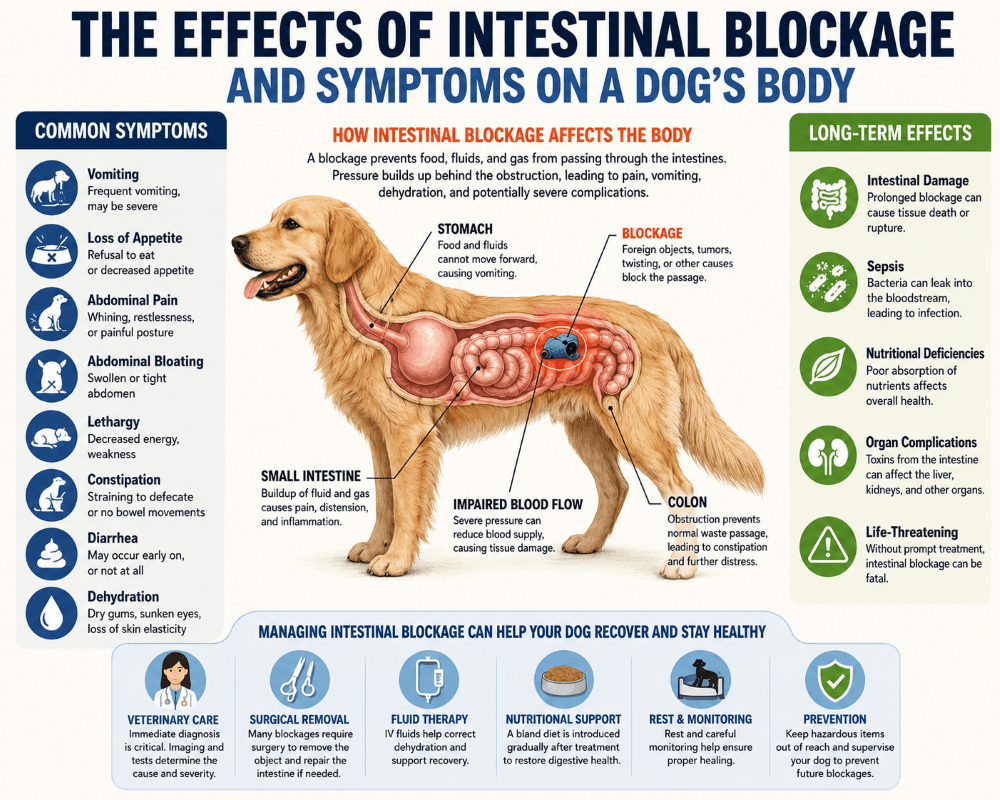
Intestinal blockage in dogs is a serious condition that affects the digestive tract and can quickly become life-threatening. Early signs are often subtle—like decreased appetite, vomiting, or lethargy—but can rapidly worsen if left untreated.
This visual guide highlights the most common symptoms and how an intestinal blockage affects different parts of a dog’s body, helping you recognize warning signs early and seek prompt veterinary care.


Stages of Intestinal Blockage
- Early stage: Occasional vomiting, reduced appetite, mild abdominal discomfort.
- Moderate stage: Persistent vomiting, abdominal pain, bloating, dehydration, little or no bowel movements.
- Severe stage: Intestinal tissue damage, shock, perforation, sepsis, and life-threatening complications.
Top Ways to Prevent Intestinal Blockage in Dogs
Because intestinal blockage can become life-threatening within hours, prevention is essential. Keep hazardous objects out of reach, supervise your dog during play, and seek veterinary care immediately if signs of a blockage develop to reduce the risk of serious complications.
| Prevention Strategy | Why It Helps | How to Do It |
|---|---|---|
| Keep Hazardous Objects Out of Reach | Prevents dogs from swallowing items that can obstruct the intestines. | Store toys, socks, bones, corn cobs, rocks, and household items securely. |
| Supervise Chewing & Play | Reduces the chance of ingesting toys or broken objects. | Monitor playtime and discard damaged toys immediately. |
| Choose Safe Chew Toys | Prevents pieces from breaking off and becoming lodged in the intestines. | Select size-appropriate, durable chew toys recommended by your veterinarian. |
| Prevent Access to Trash | Stops dogs from eating bones, food wrappers, and other dangerous materials. | Use secure trash bins and keep garbage behind closed doors. |
| Routine Deworming | Reduces the risk of severe parasite infestations that may contribute to blockages. | Follow your veterinarian’s recommended deworming schedule. |
| Train the “Leave It” Command | Discourages dogs from picking up and swallowing unsafe objects. | Practice positive reinforcement training consistently at home and outdoors. |
| Seek Veterinary Care Early | Prompt treatment can prevent serious complications if a blockage develops. | Contact your veterinarian immediately if your dog vomits repeatedly, stops eating, or shows abdominal pain. |
Actionable Resources
If you want to help prevent intestinal blockage in your dog and reduce the risk of future emergencies, here are some resources that can help under veterinary guidance.
How Intestinal Blockage Is Diagnosed in Dogs
Diagnosing intestinal blockage requires a thorough veterinary assessment to confirm the obstruction and determine its severity. Key steps include:
- Physical Examination: A veterinarian checks for abdominal pain, bloating, dehydration, vomiting, and signs of shock.
- Imaging:
- X-rays – most commonly used to identify foreign objects, gas buildup, and intestinal obstruction.
- Ultrasound – provides a detailed view of the intestines and helps detect foreign bodies, intussusception, or tumors.
- Laboratory Tests: Blood work may be performed to assess dehydration, electrolyte imbalances, infection, and organ function before treatment.
- Exploratory Surgery/Endoscopy: In some cases, these procedures are needed to confirm the diagnosis and remove the obstruction.
Early diagnosis is crucial because intestinal blockage is a medical emergency—identifying and treating it quickly can prevent life-threatening complications, improve the chances of a full recovery, and reduce the need for more extensive surgery.
Treatment & Care
According to the latest research, the most effective treatment for intestinal blockage in dogs is prompt veterinary intervention, which may include intravenous (IV) fluids, endoscopic removal, or surgery, along with pain management, supportive care, and careful monitoring to ensure the best possible outcome.
Always consult your veterinarian immediately if you suspect your dog has an intestinal blockage. If you can’t reach your vet, you can chat live with a registered online veterinary professional via our online vet chat or video chat support (24 hours a day, 7 days a week). Or use Chewy’s online vet services (6 a.m. – midnight ET).
Conventional Medical Treatments
| Treatments | Benefits / Role |
|---|---|
| Intravenous (IV) Fluid Therapy | Corrects dehydration, restores electrolyte balance, and stabilizes the dog before further treatment. |
| Endoscopic Foreign Body Removal | Allows certain objects lodged in the stomach or upper digestive tract to be removed without surgery. |
| Surgical Removal (Enterotomy/Resection) | Removes the obstruction and repairs or removes damaged sections of the intestine when necessary. |
| Pain Relief & Supportive Medications | Includes pain medications, anti-nausea drugs, and antibiotics when indicated to improve comfort and recovery. |
| Postoperative Care | Careful monitoring, gradual reintroduction of food, activity restriction, and follow-up visits promote healing and reduce complications. |
Supplement Support
| Supplement / Nutrient | Benefits / Role |
|---|---|
| Highly Digestible Diet | Gentle on the digestive tract and supports healing after intestinal surgery or obstruction. |
| Probiotics | Help restore healthy gut bacteria and support normal digestion during recovery. |
| Prebiotic Fiber | Promotes beneficial intestinal bacteria and supports gastrointestinal health. |
| Electrolytes | Help replace minerals lost through vomiting and dehydration while supporting fluid balance. |
| Glutamine | Supports repair of the intestinal lining and overall gastrointestinal function. |
| Omega-3 Fatty Acids (Fish Oil) | May help reduce inflammation and support tissue healing during recovery. |
| Vitamin B Complex | Supports energy metabolism and recovery, especially in dogs with reduced food intake. |
| Zinc | Supports immune function and tissue repair following intestinal injury or surgery. |
| Fresh Water | Essential for maintaining hydration and replacing fluids lost through vomiting or diarrhea. |
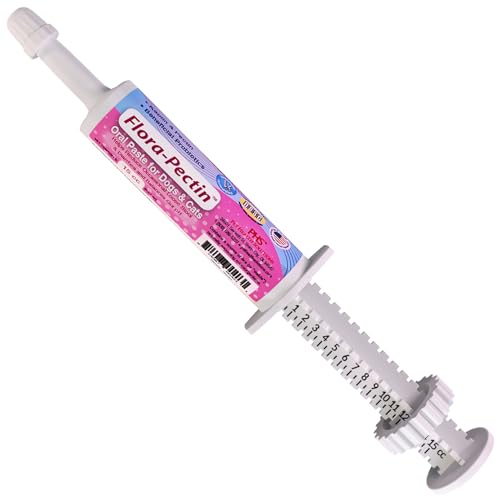
Find the best over-the-counter treatments and supplements for intestinal blockage in dogs on Amazon and Chewy.
Alternative & Integrative Therapies
| Therapy | Benefits / Role |
|---|---|
| Probiotic Therapy | Helps restore healthy gut bacteria and supports digestion during recovery. |
| Nutritional Support | Uses highly digestible diets to promote intestinal healing and reduce digestive stress. |
| Laser Therapy (Cold Laser) | May promote healing and reduce inflammation around surgical incisions after veterinary approval. |
| Physical Activity Management | Controlled activity and gradual return to exercise help prevent complications after surgery. |
| Hydration Support | Maintains fluid balance and supports normal gastrointestinal function during recovery. |
| Acupuncture | May help improve comfort, appetite, and recovery when performed by a certified veterinary acupuncturist. |
| Postoperative Rehabilitation | Supports safe recovery, improves mobility, and helps dogs regain strength after surgery. |
Surgical Options
| Surgical Option | Benefits / Role |
|---|---|
| Enterotomy | Creates an incision in the intestine to remove a foreign object while preserving healthy tissue. |
| Intestinal Resection & Anastomosis | Removes severely damaged or dead sections of intestine and reconnects the healthy ends. |
| Gastrotomy | Removes foreign objects from the stomach before they enter the intestines or cause further obstruction. |
| Exploratory Laparotomy | Allows the surgeon to locate the blockage, evaluate intestinal damage, and perform the appropriate corrective procedure. |
Emotional & Lifestyle Impact
Intestinal blockage affects more than just a dog’s digestive system—it can quickly impact their comfort, behavior, and overall well-being. Dogs experiencing a blockage may become lethargic, refuse to eat, vomit repeatedly, or show signs of pain and restlessness, making them unable to enjoy normal activities or interact with their families.
For owners, the experience can be stressful, often involving emergency veterinary visits, surgery, and intensive recovery care. Daily routines may need to shift toward restricted activity, careful feeding, medication schedules, and close monitoring for complications. With prompt treatment, proper aftercare, and veterinary guidance, however, most dogs can recover well and return to a healthy, active life.
Typical Cost of Treating Intestinal Blockage in Dogs
| Category | Estimated Cost Range | Notes |
|---|---|---|
| Emergency Exam & Diagnostics | $300 – $1,000 | Emergency consultation, bloodwork, X-rays, and/or ultrasound. |
| Medical Stabilization | $200 – $800 | IV fluids, pain relief, anti-nausea medications, and hospitalization before treatment. |
| Endoscopic Removal (if eligible) | $800 – $2,500 | Less invasive option for objects located in the stomach or upper digestive tract. |
| Surgery (Enterotomy/Resection) | $2,000 – $8,000+ | Cost depends on the severity of the blockage, intestinal damage, and hospitalization time. |
| Postoperative Care & Medications | $200 – $1,000 | Includes pain medications, antibiotics, follow-up exams, and prescription diets. |
| Pet Insurance | Varies by plan | May help offset emergency, diagnostic, surgical, and hospitalization costs. |
| Typical Treatment Cost | Non-Surgical Cases: $500 – $2,500 | With Surgery: $2,500 – $10,000+ | |
Emergency treatment for intestinal blockage can become expensive, especially if surgery and hospitalization are required. Pet insurance can help reduce unexpected veterinary costs and ensure your dog receives prompt treatment. To compare coverage options, check out our full guide to the Best Pet Insurance for Dogs and Best Pet Wellness Plans.
Other Health Issues Related to Intestinal Blockage in Dogs
As intestinal blockage progresses and digestive function is disrupted, dogs may develop additional health complications, and some symptoms may also be linked to these conditions rather than the blockage alone.
- Dehydration
- Electrolyte Imbalances
- Malnutrition / Weight Loss
- Aspiration Pneumonia
- Intestinal Perforation
- Septic Peritonitis
- Sepsis
- Shock
- Intestinal Necrosis (Tissue Death)
- Chronic Gastrointestinal Disorders
- Kidney Injury (from severe dehydration)
- Liver Dysfunction
- Reduced Appetite
- Weakness / Lethargy
- Death (if left untreated)
Frequently Asked Questions
The Bottom Line
Intestinal blockage is one of the most serious emergencies dogs can face, but prompt recognition and immediate veterinary treatment can save lives. By preventing access to hazardous objects, recognizing the warning signs early, and seeking emergency care without delay, pet owners can greatly improve their dog’s chances of a full recovery. Ultimately, the goal is not just to treat the blockage but to restore your dog’s health, comfort, and quality of life as quickly and safely as possible.