Lyme Disease in Dogs: Symptoms, Types, Causes, Signs & Prevention

Canine Bible is reader-supported. We receive affiliate commissions via some of our links. Learn more.
A comprehensive guide to Lyme disease in dogs, including tick transmission, risk factors, common symptoms, diagnostic testing, treatment, prognosis, prevention and what pet parents should know after a possible tick exposure.
Lyme Disease at a Glance
Most common in
Dogs exposed to infected blacklegged ticks in endemic areas.
Common signs
Lameness, fever, lethargy, joint pain and poor appetite.
Diagnosis
History, examination, antibody testing and urine screening.
Treatment
Antibiotics, often doxycycline, plus supportive care as needed.
Prognosis
Usually good for joint disease; poorer with kidney involvement.
Key risk
Exposure to infected ticks, especially without regular tick prevention.
What Is Lyme Disease in Dogs?
Lyme disease, also called Lyme borreliosis, is a tick-borne bacterial infection caused primarily by Borrelia burgdorferi. Dogs become infected when an infected blacklegged tick attaches and feeds. Many infected dogs never develop noticeable illness, but dogs that become sick may experience fever, lethargy, reduced appetite, swollen lymph nodes and painful or shifting lameness caused by inflammation of the joints. Clinical signs may not appear until weeks or months after infection. In uncommon cases, Lyme disease is associated with serious kidney complications, making early veterinary evaluation important when concerning symptoms develop.


Types
Lyme disease in dogs is a tick-borne bacterial infection that can affect the body in different ways. While many infected dogs show no symptoms, others may develop fever, lethargy, swollen joints, shifting leg lameness, or loss of appetite. In more serious cases, Lyme disease can affect the kidneys and lead to more severe health complications. Understanding the common signs can help pet parents recognize when veterinary testing, treatment, and prevention are needed.
Asymptomatic Infection
Many dogs exposed to Lyme bacteria develop antibodies but never show noticeable signs of illness.
Lyme-Associated Arthritis
Joint inflammation can cause pain, stiffness, swelling and intermittent or shifting-leg lameness.
Systemic Lyme Illness
Some affected dogs develop fever, lethargy, reduced appetite and enlarged lymph nodes alongside joint problems.
Shifting-Leg Lameness
Lameness may improve in one limb and later appear in another as different joints become inflamed.
Lyme Nephritis
A rare but serious kidney syndrome associated with Lyme disease that can cause significant protein loss in the urine.


Severe Kidney Involvement
Advanced kidney complications may cause vomiting, weight loss, increased thirst, increased urination and profound lethargy.
Predisposed Dog Breeds
While Lyme disease can affect any dog, certain breeds may have a higher risk. Factors such as lifestyle, outdoor activity, and exposure to tick-infested environments can make some breeds more prone to Lyme disease than others.
| Breed / Group | Breeds | Notes on Risk Factors |
|---|---|---|
| Retrievers | Golden Retriever, Labrador Retriever, Chesapeake Bay Retriever, Flat-Coated Retriever | Retrievers that encounter infected ticks may develop Lyme disease. Young-to-middle-aged Retrievers may also be more susceptible to the serious kidney complication known as Lyme nephritis. |
| Sporting & Hunting Breeds | English Springer Spaniel, Brittany, German Shorthaired Pointer, English Setter, Irish Setter | Dogs used for hunting or field activities may have greater exposure to ticks in wooded areas, tall grass, brush, and leaf litter. |
| Hounds & Trail Dogs | Beagle, Bloodhound, Coonhound, Basset Hound, Foxhound | Frequent time spent tracking or exploring wooded trails can increase opportunities for contact with infected blacklegged ticks. |
| Working & Herding Breeds | German Shepherd, Border Collie, Australian Shepherd, Belgian Malinois, Australian Cattle Dog | Working and herding dogs that spend extended periods outdoors may experience greater tick exposure, especially in rural or wooded environments. |
| Farm & Rural Dogs | Great Pyrenees, Anatolian Shepherd, Bernese Mountain Dog, Collie, Mixed-Breed Farm Dogs | Dogs living or working around fields, woodland edges, wildlife habitats, and tall vegetation may encounter ticks more frequently. |
| Any Breed in High-Risk Areas | Small, medium, large, and mixed-breed dogs | Any dog can develop Lyme disease. Geographic location, tick exposure, outdoor activity, and consistent tick prevention are generally more important than breed alone. |
Causes
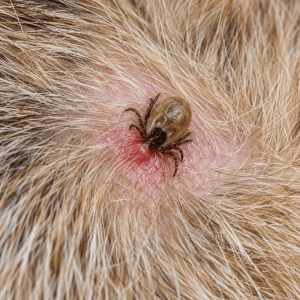
Lyme disease in dogs is caused by infection with Borrelia burgdorferi, a bacterium transmitted through the bite of an infected blacklegged tick. Dogs are more likely to be exposed when they spend time in wooded, grassy, or brush-filled areas where ticks are common. Understanding the environmental and lifestyle factors that increase exposure can help pet parents make informed decisions about tick prevention, routine checks, and early veterinary care.
Infected Tick Bite
Lyme disease develops when an infected blacklegged tick bites a dog and transmits Lyme-causing bacteria while feeding.
Borrelia burgdorferi
The primary cause of canine Lyme disease is infection with the bacterium Borrelia burgdorferi.
Tick-Infested Environments
Woodlands, tall grass, brush, leaf litter, and similar habitats can increase a dog’s exposure to infected ticks.
Geographic Exposure
Dogs living in or traveling to regions where infected blacklegged ticks are established face a greater risk of exposure.
Outdoor Lifestyle
Dogs that hike, hunt, camp, work outdoors, or regularly explore wooded and grassy areas encounter ticks more often.
Prolonged Tick Attachment
The risk of bacterial transmission increases when an infected tick remains attached and feeds for an extended period.
Inconsistent Tick Prevention
Dogs without reliable tick control have more opportunities for ticks to attach, feed, and potentially transmit infection.
Wildlife Exposure
Areas frequented by rodents, deer, and other wildlife can support tick populations and increase opportunities for exposure.
Symptoms
Lyme disease symptoms in dogs can vary depending on the severity of infection, immune response, and organs affected. Many infected dogs show no obvious signs, while others may develop symptoms weeks or months after a tick bite. Common warning signs include fever, lethargy, loss of appetite, swollen or painful joints, stiffness, enlarged lymph nodes, and shifting-leg lameness. In rare, more serious cases, Lyme disease can affect the kidneys and cause vomiting, increased thirst, increased urination, weight loss, or swelling. Because many of these symptoms can also be caused by other conditions, persistent or unusual changes should be evaluated by a veterinarian.
- Fever
- Lethargy or decreased activity
- Decreased appetite
- Joint pain or tenderness
- Joint swelling
- Stiffness or reluctance to move
- Intermittent or shifting-leg lameness
- Swollen lymph nodes
- Vomiting or weight loss in severe cases
- Increased thirst or urination with kidney involvement
Lyme disease most commonly affects the joints and can cause systemic illness; kidney complications are rare but serious.
Stages & Progression of Lyme Disease In Dogs
Lyme disease in dogs can progress differently depending on the dog’s immune response, level of tick exposure, and whether complications develop. After infection with Borrelia burgdorferi, many dogs remain asymptomatic, while others may develop fever, lethargy, swollen joints, and shifting-leg lameness weeks or months later. Understanding how Lyme disease progresses can also provide important insight into monitoring, treatment response, and the risk of rare but serious complications such as Lyme-associated kidney disease.
Tick Exposure
An infected blacklegged tick attaches to the dog and may transmit Borrelia burgdorferi while feeding.
Early Infection
The bacteria establish infection after transmission. Many infected dogs remain asymptomatic and may never become ill.
Clinical Illness
Some dogs later develop fever, lethargy, reduced appetite, painful joints, stiffness, or intermittent shifting-leg lameness.
Serious Complications
Rarely, Lyme disease is associated with severe kidney involvement that may cause protein loss, vomiting, weight loss, swelling, or other signs of kidney dysfunction.
This chart is a simplified visual guide, not a formal Lyme disease staging system. Many infected dogs never develop clinical signs, and progression does not follow a predictable timeline. Symptoms may appear weeks or months after infection, while serious kidney complications are uncommon.
- Stage I: Early infection may cause no visible signs, and many dogs remain asymptomatic after a tick bite.
- Stage II: Mild symptoms such as fatigue, reduced appetite, fever, or joint discomfort may begin to appear.
- Stage III: More noticeable illness may include shifting-leg lameness, swollen joints, stiffness, and enlarged lymph nodes.
- Stage IV: In rare severe cases, kidney complications may develop, causing vomiting, weight loss, increased thirst or urination, swelling, and a major decline in overall health.
Top Ways to Prevent Lyme Disease in Dogs
Because Lyme disease is a tick-borne bacterial infection, prevention focuses on reducing tick exposure and protecting your dog year-round. By using veterinarian-recommended tick preventives, checking your dog for ticks after outdoor activity, avoiding heavily wooded or grassy areas when possible, and removing ticks promptly, the risk of infection can be significantly reduced. Proactive care, including routine veterinary checkups and Lyme vaccination when appropriate, helps protect your dog and supports early detection.
| Prevention Strategy | Why It Helps | How to Do It |
|---|---|---|
| Use Year-Round Tick Prevention | Preventing ticks from attaching and feeding reduces the chance of Lyme-causing bacteria being transmitted to your dog. | Use a veterinarian-recommended oral, topical, or other approved tick preventive consistently according to its label instructions. |
| Check Your Dog for Ticks | Finding and removing attached ticks promptly can reduce the opportunity for tick-borne infections to be transmitted. | Check the ears, neck, face, armpits, groin, between the toes, and under the collar after walks or outdoor activities. |
| Remove Ticks Promptly | Removing an attached tick as soon as possible limits the amount of time it has to feed and potentially transmit infection. | Use fine-tipped tweezers or a tick-removal tool to grasp the tick close to the skin and pull it steadily outward. |
| Avoid High-Risk Tick Habitats | Ticks commonly live in wooded areas, tall grass, brush, leaf litter, and vegetation where animals frequently pass. | Keep dogs on cleared trails, avoid dense brush when possible, and check them carefully after hiking, hunting, or camping. |
| Keep Your Yard Tick-Unfriendly | Reducing tick habitat around the home can lower the number of ticks dogs encounter during everyday outdoor activity. | Keep grass trimmed, remove leaf litter and brush, clear yard debris, and limit access to areas heavily used by wildlife. |
| Ask About Lyme Vaccination | Vaccination may provide additional protection for dogs with significant exposure to Lyme disease in higher-risk areas. | Ask your veterinarian whether Lyme vaccination is appropriate based on your dog’s location, lifestyle, travel, and tick exposure. |
| Schedule Regular Veterinary Checkups | Routine veterinary care can help identify possible tick exposure, symptoms, or complications that may require further testing. | Maintain regular wellness visits and discuss Lyme testing or additional screening if your dog has significant tick exposure. |
| Monitor for Early Signs | Recognizing symptoms early can lead to faster veterinary evaluation and treatment when Lyme disease is suspected. | Watch for fever, lethargy, reduced appetite, stiffness, joint pain, swelling, or intermittent shifting-leg lameness. |
Actionable Resources
If you want to prevent, manage, or reduce complications from Lyme disease in your dog, here are some helpful resources to explore under veterinary guidance.
How Is Lyme Disease In Dogs Diagnosed
Diagnosing Lyme disease in dogs requires a comprehensive veterinary evaluation to determine whether a dog has been exposed to Borrelia burgdorferi and whether the infection is responsible for current symptoms. Key steps may includes:
1. Examination & Exposure History
Your veterinarian reviews your dog’s symptoms, recent travel, outdoor activity, tick exposure, prevention history, and performs a physical examination for fever, joint pain, stiffness, lameness, or enlarged lymph nodes.
2. Lyme Antibody Testing
A blood test can detect antibodies produced after exposure to Borrelia burgdorferi. A positive result confirms exposure but does not by itself prove that Lyme disease is causing the dog’s current symptoms.
3. Confirmatory Testing
Additional antibody testing, such as a quantitative C6 test, may be recommended to further evaluate exposure and help the veterinarian interpret a positive screening result alongside the dog’s clinical signs.
4. Bloodwork
A complete blood count and blood chemistry panel may be used to evaluate overall health, assess kidney function, and identify abnormalities that could indicate another illness or a complication requiring further investigation.
5. Urinalysis & Kidney Screening
Urine testing helps detect protein loss and other evidence of kidney involvement. A urine protein-to-creatinine ratio may be recommended when proteinuria is found or Lyme-associated kidney disease is a concern.
6. Rule Out Other Conditions
Veterinarians may test for other tick-borne infections or investigate orthopedic, immune-mediated, and infectious conditions that can cause similar signs such as fever, joint pain, stiffness, or lameness.
Early veterinary evaluation is important because dogs with Lyme disease may respond well to treatment when symptoms are recognized promptly—helping reduce discomfort, support recovery, and lower the risk of complications.
Nutritional Support & Supplements
Proper nutrition can play an important supportive role for dogs with Lyme disease by helping maintain energy, muscle mass, immune function, and overall quality of life during recovery. Depending on your dog’s needs, veterinarians may recommend strategies such as highly digestible, nutrient-dense diets, adequate hydration, and supplements including omega-3 fatty acids, probiotics, joint-support nutrients, or kidney-supportive nutrition when appropriate.
Important: Nutrition and supplements are supportive and do not
eliminate Borrelia burgdorferi or replace prescribed antibiotics.
Always discuss supplements and dietary changes with your veterinarian, especially
if your dog has kidney involvement or is receiving medication.
Supportive care—such as pain management, nutritional support, hydration, and temporary lifestyle adjustments—can play an important role in maintaining comfort and quality of life during Lyme disease treatment. These measures do not replace antibiotic therapy for active infection, and some supplements or dietary changes may interact with medications or be inappropriate for dogs with kidney involvement, so any supportive care plan should be reviewed with your veterinarian.
Over-the-Counter Products
Over-the-counter treatments and supplements mentioned in this article for lyme disease in dogs can be found on Amazon and Chewy.



Always consult your veterinarian before starting any new treatment, medication, or home-care regimen for canine lyme disease. Puppies and dogs with persistent vomiting, diarrhea, weakness, or dehydration may require prompt veterinary care. If you can’t reach your vet, you can chat live with a registered online veterinary professional via our online vet chat or video chat support (24 hours a day, 7 days a week). Or use Chewy’s online vet services (6 a.m. – midnight ET).
Treatment & Care
According to current veterinary guidance, the primary treatment for Lyme disease in dogs is antibiotic therapy, most commonly doxycycline, typically given for several weeks. Treatment may also include pain relief or anti-inflammatory medications for joint discomfort, supportive care and hydration, and kidney-focused treatment if Lyme-associated kidney complications develop. Regular veterinary monitoring helps assess treatment response, manage lingering symptoms, and identify complications early.
Medications
Common medications used to treat lyme disease in dogs include:
| Medication / Class | Examples | How It Is Used | Important Considerations |
|---|---|---|---|
| Tetracycline Antibiotics | Doxycycline | Commonly used as the first-choice antibiotic for dogs with clinical Lyme disease. Treatment generally continues for several weeks as directed by the veterinarian. | May cause nausea, vomiting, diarrhea, or reduced appetite. Give exactly as prescribed and complete the recommended treatment course. |
| Penicillin Antibiotics | Amoxicillin | May be used as an alternative antibiotic when doxycycline is not appropriate or is poorly tolerated. | Gastrointestinal upset can occur. Dosage and treatment duration should be determined by a veterinarian. |
| Cephalosporin Antibiotics | Cefuroxime | Another antibiotic option that may be considered for Lyme borreliosis when other medications are unsuitable. | Possible side effects include vomiting, diarrhea, or reduced appetite. Use only under veterinary direction. |
| Anti-Inflammatory Drugs | Carprofen, meloxicam and other veterinarian-selected NSAIDs | May be used to reduce joint pain, inflammation, stiffness, and discomfort in dogs with Lyme-associated arthritis. | NSAIDs can affect the stomach, liver, and kidneys. They may be inappropriate in dogs with kidney involvement and should only be used under veterinary supervision. |
| Pain Management | Gabapentin or other veterinarian-prescribed analgesics | May be added when joint discomfort, stiffness, or pain requires additional supportive management. | Treatment is individualized. Sedation or poor coordination can occur with some pain medications, so dosing should be determined by the veterinarian. |
| Anti-Nausea Medications | Maropitant, ondansetron | May be prescribed when Lyme disease, kidney complications, or antibiotic treatment causes nausea or vomiting. | These medications provide supportive care but do not eliminate the Lyme-causing bacteria. |
| Fluid Therapy | Intravenous or subcutaneous fluids | May be used in dogs that are dehydrated, vomiting, seriously ill, or experiencing kidney-related complications. | The amount and type of fluid must be carefully tailored, especially when kidney function, blood pressure, or fluid balance is abnormal. |
| Kidney-Protective Medications | Benazepril, enalapril, telmisartan | May be considered in dogs with significant protein loss in the urine associated with Lyme-related kidney disease. | Kidney values, urine protein levels, electrolytes, and blood pressure generally require monitoring during treatment. |
| Blood Pressure Medication | Amlodipine or other veterinarian-selected medications | May be prescribed when kidney complications are accompanied by high blood pressure. | Blood pressure should be monitored so treatment can be adjusted appropriately and excessive lowering avoided. |
| Kidney Supportive Therapy | Renal diet, phosphorus management, fluids and other supportive medications | Dogs that develop serious Lyme-associated kidney disease may require intensive treatment aimed at supporting kidney function and controlling related complications. | Lyme nephritis can be severe and requires individualized veterinary management, laboratory monitoring, and sometimes hospitalization. |
The best way to get these medications is at Chewy Pet Pharmacy:
Alternative & Integrative Therapies
Integrative and supportive therapies can help manage joint discomfort, support mobility, and improve quality of life for dogs with Lyme disease. Options such as acupuncture, massage, physical rehabilitation, laser therapy, and other comfort-focused approaches may be used alongside conventional treatment, but they should not replace prescribed antibiotics. Any complementary therapy should be discussed with your veterinarian to ensure it is safe and appropriate for your dog.
Surgical Options
Surgery is not a standard treatment for Lyme disease in dogs because the condition is caused by a bacterial infection rather than a structural problem that can be surgically removed. Most affected dogs are treated with antibiotics, pain management, rest, and supportive care. Surgery may only be considered if a dog has a separate orthopedic problem or another complication that requires a procedure. Your veterinarian will determine whether any surgical intervention is appropriate based on your dog’s symptoms, joint health, kidney function, and overall condition.
Emotional & Lifestyle Impact
A Lyme disease diagnosis can be challenging for both dogs and their families. Dogs may experience changes in energy, appetite, mobility, and behavior due to joint pain, stiffness, fever, or fatigue. During treatment and recovery, temporary activity restrictions or supportive care may also be needed. With prompt veterinary treatment, appropriate pain management, and a comfortable routine, many dogs can return to an active and enjoyable quality of life.
For Dogs
- May experience fatigue, fever, or reduced activity
- Joint pain and stiffness may temporarily limit mobility
- May need additional rest during treatment and recovery
- Gentle activity can be gradually resumed as symptoms improve
- Many dogs can return to their normal routines after treatment
For Pet Parents
- It’s normal to worry about your dog’s mobility and recovery
- Give medications exactly as directed by your veterinarian
- Monitor appetite, energy, lameness, and drinking habits
- Maintain consistent year-round tick prevention
- Keep recommended follow-up visits and laboratory checks
“A Lyme disease diagnosis may temporarily change your dog’s routine, but with treatment, rest, and supportive care, many dogs can return to comfortable, active lives.”
Brighter tomorrows.
Dog Lyme Disease Prognosis
A dog’s Lyme disease prognosis depends on several factors, including the severity of symptoms, response to antibiotic treatment, overall health, and whether kidney complications develop. Many dogs with Lyme-associated joint disease respond well to treatment and can return to normal activity, while dogs with serious kidney involvement may have a more guarded prognosis and require intensive ongoing care. Working closely with your veterinarian can help guide treatment decisions, monitor recovery, manage symptoms, and maintain the best possible quality of life for your dog.
Key Factors That Influence Prognosis
Typical Annual Cost of Treating Canine Lyme Disease
| Category | Estimated Cost Range | Notes |
|---|---|---|
| Veterinary Examination | $55 – $140 | Includes a physical examination, symptom review, and assessment of tick exposure, joint pain, fever, stiffness, or lameness. |
| Lyme / Tick-Borne Disease Screening | $45 – $85 | In-clinic antibody tests such as a SNAP or 4Dx panel may screen for Lyme exposure along with several other tick-borne diseases. |
| Additional Lyme Antibody Testing | $80 – $150 | Quantitative or additional antibody testing may be recommended to help interpret a positive screening result. |
| Antibiotic Treatment | $50 – $150 | Doxycycline is commonly prescribed for approximately four weeks. Cost varies with the dog’s size, medication source, and dosage. |
| Urinalysis & Kidney Screening | $60 – $145 | Urinalysis and a urine protein-to-creatinine ratio may be used to detect protein loss and screen for possible kidney involvement. |
| Bloodwork | $80 – $250+ | A complete blood count and chemistry panel may be recommended to assess overall health and kidney function, especially in symptomatic dogs. |
| Follow-Up Examination & Retesting | $100 – $250 | Follow-up care may include repeat examinations, laboratory testing, or urine monitoring to evaluate recovery and complications. |
| Pain & Supportive Care | $50 – $300+ | Dogs with painful joints or stiffness may require veterinarian- prescribed pain relief, anti-inflammatory treatment, or other supportive medications. |
| Lyme Nephritis / Hospitalization | $900 – $3,000+ | Serious kidney complications may require hospitalization, IV fluids, blood pressure management, anti-nausea medications, intensive laboratory monitoring, and specialized treatment. |
| Ongoing Tick Prevention | Varies | Year-round veterinarian-recommended tick prevention can help reduce reinfection risk. Cost depends on the dog’s size, product, and dosing schedule. |
| Typical Treatment Range | Uncomplicated Lyme Disease: approximately $200 – $500 | Lyme Disease With Serious Kidney Complications: approximately $1,000 – $3,000+ | |
Lyme disease care can add up quickly — from daily medications to possible surgeries. Pet insurance can ease the financial burden and ensure your dog gets the best treatment without compromise. If you want to compare plans and find out which providers offer the best coverage for lyme disease and chronic conditions, check out our full guides to the Best Pet Insurance for Dogs and Best Pet Wellness Plans.
Related Health Conditions
Some health conditions are related to Lyme disease because they may cause similar symptoms, affect the same joints or organs, or occur as important complications. Understanding these conditions can help dog owners recognize overlapping warning signs, distinguish Lyme disease from other illnesses, and better understand the diagnostic tests and treatments a veterinarian may recommend.
- Arthritis
- Lyme Nephritis
- Kidney Disease
- Immune-Mediated Polyarthritis
- Anaplasmosis
- Ehrlichiosis
- Leptospirosis
- Elbow Dysplasia
- Vomiting
Frequently Asked Questions
The Bottom Line
Lyme disease in dogs is a tick-borne infection that can range from completely asymptomatic to causing fever, joint pain, stiffness, lethargy, and shifting-leg lameness. Fortunately, many dogs with clinical Lyme disease respond well to appropriate antibiotic treatment and supportive care. By using consistent tick prevention, checking your dog for ticks after outdoor activity, recognizing early warning signs, and keeping regular veterinary appointments, you can greatly reduce the risk of infection and complications. Above all, prompt care and ongoing prevention can help your dog stay active, comfortable, and protected throughout their life.