Pyoderma in Dogs: Symptoms, Types, Causes, Signs & Prevention

Canine Bible is reader-supported. We receive affiliate commissions via some of our links. Learn more.
A comprehensive guide to pyoderma in dogs, including causes, risk factors, common symptoms, diagnosis, treatment options, recovery, and ways to help prevent recurring bacterial skin infections.
Pyoderma at a Glance
Most common in
Dogs of any age, especially those with allergies or other skin problems.
Common signs
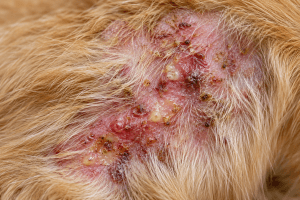
Red bumps, pustules, crusts, hair loss, and itching.
Diagnosis
Skin examination and cytology; culture or other tests when needed.
Treatment
Medicated topical treatments; oral antibiotics in selected cases.
Prognosis
Usually good when the infection and underlying cause are treated.
Recurrence risk
Infections may return if allergies, parasites, or other triggers persist.
What Is Pyoderma in Dogs?
Pyoderma is a skin condition that typically involves bacterial infection, often caused by Staphylococcus pseudintermedius. It can affect the skin surface, hair follicles, or deeper layers of the skin. Superficial pyoderma commonly causes red bumps, pustules, scabs, circular areas of scaling called epidermal collarettes, hair loss, and sometimes itching. Deep pyoderma may cause painful swelling, ulcers, and draining sores. Many infections develop when allergies, fleas, mites, skin folds, or hormonal disorders disrupt the skin’s normal defenses. Treatment depends on the depth and severity of infection, and finding and managing the underlying cause is important for preventing recurrence.


Types
Dogs can develop several types of pyoderma, classified by how deeply the bacterial infection affects the skin. The main types include surface pyoderma, superficial pyoderma, and deep pyoderma. Each can cause different symptoms, ranging from mild redness and irritation to pustules, hair loss, painful swelling, and draining sores. Understanding these types helps pet parents recognize the severity of the infection and why treatment and recovery times may vary.
Surface Pyoderma
Affects the outermost skin surface, causing redness, irritation, moisture, and sometimes an unpleasant odor.
Superficial Pyoderma
Involves the epidermis and hair follicles, commonly causing pustules, crusts, circular scaling, and hair loss.
Deep Pyoderma
A more serious infection extending into deeper skin layers, causing painful swelling, ulcers, nodules, and draining sores.
Hot Spots (Acute Moist Dermatitis)
A surface pyoderma presentation involving rapidly developing red, moist, irritated skin, often triggered by scratching, licking, or chewing.
Skin-Fold Pyoderma (Intertrigo)
Occurs in moist skin folds where friction and trapped moisture encourage bacterial overgrowth, redness, irritation, and odor.


Superficial Bacterial Folliculitis
A common form of superficial pyoderma affecting hair follicles, producing small red bumps, pustules, crusting, and patchy hair loss.
Impetigo (Puppy Pyoderma)
A superficial skin infection most often seen in puppies, causing small pus-filled bumps and crusts, commonly on the hairless belly.
Mucocutaneous Pyoderma
Affects areas where skin meets mucous membranes, especially the lips, causing redness, crusting, erosions, and changes in skin pigmentation.
Interdigital Pyoderma
A bacterial infection affecting the skin between the toes, sometimes associated with deep furunculosis, painful nodules, swelling, and discharge.
Deep Folliculitis and Furunculosis
A severe form of deep pyoderma involving damaged or ruptured hair follicles, resulting in painful inflammation, ulcers, and draining lesions.
Predisposed Dog Breeds
While pyoderma can affect any dog, certain breeds have a higher risk. Factors such as skin folds, allergies, and inherited traits make some breeds more prone to bacterial skin infections than others.
| Breed Group / Feature | Breeds | Notes on Risk Factors |
|---|---|---|
| Skin-Fold Breeds | English Bulldog, Shar-Pei, Bloodhound, Basset Hound | Deep skin folds trap moisture, heat, and debris, creating conditions that favor bacterial overgrowth. These breeds are particularly susceptible to skin-fold dermatitis and secondary infections. |
| Flat-Faced Breeds | French Bulldog, Pug, Pekingese, Boston Terrier | Facial wrinkles, nose folds, and lip folds can develop irritation from friction and retained moisture. Secondary bacterial infections may occur when the skin barrier becomes damaged. |
| Allergy-Prone Breeds | West Highland White Terrier, Golden Retriever, Labrador Retriever, French Bulldog | Allergic skin disease can cause persistent itching, scratching, and skin inflammation. Damage to the skin barrier increases the likelihood of secondary superficial pyoderma and recurring bacterial infections. |
| Spaniel Breeds | American Cocker Spaniel, English Cocker Spaniel, English Springer Spaniel, Cavalier King Charles Spaniel | Prominent lip folds and underlying allergic skin conditions may increase susceptibility to localized bacterial infections. Moisture and friction around skin folds can contribute to recurrent irritation. |
| Large & Dense-Coated Breeds | Labrador Retriever, Golden Retriever, Newfoundland, Saint Bernard | Moisture retained beneath dense coats, combined with scratching or licking, can contribute to hot spots and secondary bacterial infections. Large breeds may also develop deeper skin infections following repeated irritation or trauma. |
| Other Predisposed Breeds | German Shepherd Dog | German Shepherd Dogs have a reported predisposition to mucocutaneous pyoderma, which can cause redness, crusting, and erosions around the lips. Underlying allergies or other skin disorders may also contribute to bacterial infections. |
Causes
Pyoderma in dogs usually develops from a combination of bacterial overgrowth, allergies, skin irritation, hormonal imbalances, and underlying health conditions rather than a single cause. While many cases can be treated successfully, understanding the factors that increase risk can help pet parents make informed decisions about skin care, prevention, and early treatment.
Bacterial Overgrowth
Pyoderma commonly occurs when bacteria, especially Staphylococcus pseudintermedius, multiply excessively after the skin’s protective barrier becomes damaged.
Allergies
Environmental allergies, food allergies, and flea allergy dermatitis can cause itching and inflammation. Repeated scratching damages the skin, allowing secondary bacterial infections to develop.
Parasitic Infestations
Fleas and mites, including those responsible for mange, can trigger intense itching and skin damage. These conditions increase susceptibility to secondary bacterial infections.
Hormonal Disorders
Conditions such as hypothyroidism and Cushing’s disease can weaken skin defenses, alter hair growth, and increase susceptibility to recurrent bacterial skin infections.
Skin Folds & Moisture
Deep skin folds, trapped moisture, and poor ventilation create favorable conditions for bacterial growth. Dogs with facial wrinkles, lip folds, or moist skin areas are particularly susceptible.
Skin Trauma & Irritation
Scratching, licking, cuts, friction, and repeated pressure can damage the protective skin barrier. These injuries allow bacteria to invade and may lead to hot spots or deeper infections.
Immune & Skin Barrier Disorders
Immune-mediated diseases, abnormal skin cell turnover, and medications that suppress immunity can reduce the skin’s natural defenses, increasing the risk of persistent or recurring pyoderma.
Symptoms
Pyoderma symptoms in dogs can vary widely depending on the type, location, depth, and severity of the infection. Some signs may be subtle at first, while others can become more noticeable as the infection progresses. Common warning signs include skin redness, itching, pustules, crusting, hair loss, circular patches of scaling, and unpleasant odor. Severe cases may cause painful swelling, ulcers, or draining sores. Because many of these symptoms can also be caused by other skin conditions, any persistent or unusual changes should be evaluated by a veterinarian.
- Red bumps or pimples on the skin
- Pus-filled bumps or pustules
- Persistent itching or scratching
- Crusting, scabs, or flaky skin
- Circular patches of scaling
- Patchy hair loss or thinning coat
- Redness and skin inflammation
- Moist, irritated, or oozing skin
- Unpleasant skin odor
- Painful swelling or draining sores in severe cases
Pyoderma can affect different areas of a dog’s skin.
Stages & Progression of Pyoderma in Dogs
Pyoderma in dogs can progress at different rates depending on the depth of infection, underlying cause, and severity of skin damage. Although pyoderma does not have a formal staging system, veterinarians classify it as surface, superficial, or deep based on how extensively the skin is affected. Identifying the infection’s depth, severity, and underlying triggers helps determine which treatment options may be most appropriate. Understanding how pyoderma develops can also provide important insight into recovery time, recurrence risk, and the level of care your dog may need.
Skin Barrier Damage
Allergies, parasites, moisture, or repeated scratching may weaken the protective skin barrier, increasing the risk of bacterial overgrowth and infection.
Surface Pyoderma
Bacterial overgrowth affects the outermost skin surface, often causing redness, moisture, irritation, or odor. Hot spots and skin-fold dermatitis are common presentations.
Superficial Pyoderma
Infection involves the epidermis and hair follicles, causing pustules, crusts, circular scaling, and patchy hair loss. Topical antimicrobial treatment is usually preferred.
Deep Pyoderma
Infection extends into deeper skin layers, potentially causing painful swelling, nodules, ulcers, and draining sores. These cases often require systemic antibiotics and closer veterinary monitoring.
This chart is a simplified visual guide, not a formal staging system or predicted timeline. Pyoderma is classified by infection depth as surface, superficial, or deep. Skin barrier damage is a risk factor rather than a stage of pyoderma. Not all infections progress through these categories, and some dogs develop deeper infections without preceding surface signs. Diagnosis, treatment, and recovery depend on the infection’s depth, severity, and underlying cause.
Top Ways to Prevent Pyoderma in Dogs
Because pyoderma is often linked to underlying skin conditions, allergies, and bacterial overgrowth, early prevention and proper skin care are essential. By maintaining good hygiene, managing allergies, preventing parasites, and scheduling regular veterinary checkups, the risk of recurring skin infections can be significantly reduced. Proactive care helps protect your dog’s skin barrier, detect problems early, and maintain healthier skin and coat.
| Prevention Strategy | Why It Helps | How to Do It |
|---|---|---|
| Manage Allergies & Skin Conditions | Allergies cause itching and inflammation that weaken the skin barrier, increasing the risk of secondary bacterial infections. | Work with your veterinarian to identify and manage environmental, food, or flea allergies. Follow prescribed treatments to control itching and prevent repeated skin damage. |
| Maintain Regular Parasite Prevention | Fleas and mites can trigger scratching, inflammation, and skin injuries that allow bacteria to cause infections. | Use veterinarian-recommended flea and parasite preventives consistently. Check your dog’s skin regularly and seek treatment for suspected infestations. |
| Keep Skin Folds Clean & Dry | Moisture, friction, and debris trapped between skin folds create favorable conditions for bacterial overgrowth and skin-fold infections. | Gently clean facial wrinkles, lip folds, and other skin folds using vet-approved products. Dry thoroughly and check regularly for redness, odor, or irritation. |
| Practice Proper Grooming & Coat Care | Regular grooming helps remove trapped debris, loose hair, and moisture that can contribute to skin irritation and bacterial infections. | Brush your dog’s coat regularly, remove mats carefully, and dry the coat thoroughly after bathing or swimming. Avoid harsh grooming practices that irritate the skin. |
| Use Vet-Recommended Skin Care Products | Appropriate cleansing and topical antiseptic treatments can help control bacterial overgrowth and reduce the likelihood of recurring infections. | Use dog-safe shampoos and skin care products recommended by your veterinarian. Medicated antiseptic shampoos or wipes may be prescribed for dogs with recurrent pyoderma. |
| Address Underlying Health Problems | Hormonal disorders, immune-related conditions, and other chronic diseases can weaken skin defenses and contribute to repeated bacterial infections. | Schedule veterinary evaluations for recurring skin problems. Follow recommended testing and treatment for conditions such as hypothyroidism, Cushing’s disease, or other disorders. |
| Support Healthy Skin & Nutrition | Balanced nutrition supports normal skin function, coat health, and immune defenses. Maintaining a healthy weight can also reduce moisture and friction in skin folds. | Feed a complete and balanced diet appropriate for your dog’s needs. Maintain a healthy body weight and discuss dietary changes or skin-support supplements with your veterinarian. |
| Monitor for Early Signs & Seek Veterinary Care | Recognizing early symptoms allows prompt diagnosis and treatment, potentially preventing infections from worsening or recurring. | Check for red bumps, pustules, scabs, itching, hair loss, and unusual skin odor. Consult your veterinarian if symptoms appear or return, and follow the recommended treatment plan. |
Actionable Resources
If you want to prevent or reduce recurring pyoderma in your dog, here are some things you can do under veterinary guidance:
How Is Pyoderma in Dogs Diagnosed
Diagnosing pyoderma in dogs requires a comprehensive veterinary evaluation to determine the type, depth, severity, and underlying cause of the skin infection. Key steps include:
1. Skin Examination
Your veterinarian examines the skin for redness, pustules, crusts, hair loss, and draining sores. They also review your dog’s medical history, itching, allergies, and previous skin infections.
2. Skin Cytology
Skin samples are collected using tape impressions, swabs, or direct smears and examined under a microscope. This helps identify bacteria and inflammatory cells that support a diagnosis of bacterial pyoderma.
3. Parasite Testing
Skin scrapings, hair examinations, or other tests may be performed to detect mites and rule out conditions such as mange. Parasites can damage the skin and contribute to secondary bacterial infections.
4. Bacterial Culture
For deep, recurrent, or treatment-resistant infections, bacterial culture and susceptibility testing may identify the bacteria involved and help veterinarians select an effective antibiotic when systemic treatment is needed.
5. Underlying Cause Testing
Additional testing may investigate allergies, hormonal disorders, or other health conditions that contribute to recurring pyoderma. Bloodwork, thyroid testing, or dietary trials may be recommended based on clinical findings.
6. Biopsy & Further Testing
In unusual, severe, or nonresponsive cases, a skin biopsy or additional diagnostic tests may be needed to assess deeper tissue damage, rule out other skin diseases, and guide further treatment.
Early detection is vital because pyoderma often responds best when treated promptly—helping prevent deeper skin infections, reduce discomfort, and improve your dog’s overall skin health and quality of life.
Nutritional Support & Supplements
Proper nutrition can play an important supportive role for dogs with pyoderma by helping maintain healthy skin, a strong skin barrier, immune function, and overall well-being during treatment. Depending on your dog’s needs, veterinarians may recommend strategies such as a highly digestible, nutrient-dense diet and supplements including omega-3 fatty acids, essential fatty acids, probiotics, and certain vitamins and minerals when appropriate. These may support skin health and help manage underlying conditions, but they do not replace veterinary treatment for bacterial skin infections.
Important: Nutritional support and supplements
do not cure pyoderma or replace prescribed skin treatments.
Supplements can interact with medications, and excessive
vitamins or minerals may be harmful.
Always consult your veterinarian before changing your dog’s
diet or adding supplements, especially during treatment
for bacterial skin infections.
Supportive care—such as proper skin hygiene, itch management, nutritional support, and lifestyle adjustments—plays a crucial role in maintaining comfort and skin health during treatment. These measures are not a cure for pyoderma and should not replace prescribed antibiotics or medicated skin treatments, so any skin care routine or supplement plan should be reviewed with your veterinarian.
Over-the-Counter Products
Over-the-counter treatments and supplements mentioned in this article for pyoderma in dogs can be found on Amazon and Chewy.


Always consult your veterinarian before starting any new treatment, medication, or home-care regimen for canine pyoderma. Puppies and dogs with persistent vomiting, diarrhea, weakness, or dehydration may require prompt veterinary care. If you can’t reach your vet, you can chat live with a registered online veterinary professional via our online vet chat or video chat support (24 hours a day, 7 days a week). Or use Chewy’s online vet services (6 a.m. – midnight ET).
Treatment & Care
According to current veterinary dermatology guidelines, the most effective treatments for pyoderma in dogs involve targeted antimicrobial therapy and management of underlying causes. These may include medicated shampoos, antiseptic wipes, or topical treatments to control bacterial infections, and oral antibiotics for deep or severe cases when needed. Managing allergies, parasites, and hormonal disorders is also essential to support skin healing and prevent recurring infections.
Medications
Common medications used to treat pyoderma in dogs include:
| Medication / Class | Examples | How It Is Used | Important Considerations |
|---|---|---|---|
| Topical Antiseptics | Chlorhexidine 2%–4% shampoos, wipes, sprays, and mousses | Commonly recommended as first-line treatment for surface and superficial pyoderma. Helps reduce bacterial overgrowth on the skin without requiring oral antibiotics. | Use veterinarian-recommended formulations and follow contact-time instructions. Avoid contact with the eyes and monitor for dryness or irritation. |
| Combination Medicated Shampoos | Chlorhexidine and miconazole | Combines antibacterial and antifungal ingredients to help manage bacterial skin infections when concurrent yeast overgrowth is also present. | Not every case of pyoderma involves yeast. Veterinary examination and skin cytology help determine whether a combination treatment is appropriate. |
| Benzoyl Peroxide Shampoos | Benzoyl peroxide 2.5% veterinary shampoos | Provides antibacterial cleansing and helps remove excess oil, debris, and follicular buildup. May be used in selected cases of surface pyoderma. | Can cause dryness, irritation, or excessive skin peeling. Not suitable for every dog or every type of pyoderma. Use only as directed by a veterinarian. |
| Other Topical Antiseptics | Veterinary sodium hypochlorite and salicylic acid formulations | May provide an alternative topical treatment for selected bacterial skin infections when chlorhexidine products are unsuitable. | Use only products formulated specifically for veterinary skin care. Household bleach is not a substitute. Product selection depends on skin sensitivity and infection type. |
| Topical Antibiotics | Mupirocin, fusidic acid | May be prescribed for small, localized bacterial skin lesions when topical antiseptics are ineffective or inappropriate. | Generally reserved for selected cases to reduce antibiotic resistance. Avoid unsupervised or widespread application, and prevent licking when directed by your veterinarian. |
| First-Choice Oral Cephalosporins | Cephalexin, cefadroxil | Oral antibiotics used for deep pyoderma or selected superficial infections that cannot be managed effectively with topical treatment. | Generally effective against susceptible staphylococcal bacteria. Potential side effects include vomiting, diarrhea, and allergic reactions. Resistant infections require appropriate testing. |
| Penicillin-Class Antibiotics | Amoxicillin-clavulanate | A first-choice systemic antibiotic option for susceptible bacterial infections when oral treatment is clinically indicated. | Possible adverse effects include gastrointestinal upset and allergic reactions. It is not reliable against methicillin-resistant staphylococci. Veterinary reassessment is important. |
| Lincosamide Antibiotics | Clindamycin | A first-choice oral antibiotic option for susceptible bacterial pyoderma when systemic treatment is necessary. | Bacterial resistance can limit effectiveness. Culture and susceptibility testing may be recommended. Side effects can include vomiting and diarrhea. |
| Second-Choice Antibiotics | Cefovecin, trimethoprim-sulfamethoxazole | May be considered when first-choice antibiotics are unsuitable and bacterial susceptibility supports their use. | Cefovecin is a long-acting injectable antibiotic. Sulfonamide combinations can cause serious adverse reactions, including eye, liver, and blood-cell problems. Careful veterinary selection and monitoring are essential. |
| Culture-Directed Antibiotics | Enrofloxacin, marbofloxacin, and other veterinarian-selected agents | May be considered for resistant bacterial infections when culture and susceptibility results indicate that more appropriate alternatives are unavailable. | Fluoroquinolones should not be routinely used as first-line pyoderma treatments. Resistance concerns and potential adverse effects require careful veterinary oversight and follow-up. |
The best way to get these medications is at Chewy Pet Pharmacy:
Alternative & Integrative Therapies
Integrative and supportive therapies can help manage itching, reduce skin irritation, and improve comfort for dogs with pyoderma. Options such as gentle grooming, veterinarian-approved soothing baths, omega-3 fatty acids, and skin barrier support may be used alongside conventional treatments, including medicated shampoos and prescribed antibiotics, but should always be discussed with your veterinarian to ensure they are safe and appropriate for your dog.
Surgical Options
Surgery is rarely necessary for treating pyoderma in dogs, as most cases respond to medicated shampoos, topical antiseptics, and prescribed antibiotics when needed. However, depending on the severity, depth, and underlying cause of the infection, surgery may be used to drain deep abscesses, remove damaged or infected tissue, correct problematic skin folds, or address recurring infections that do not respond to conventional treatment. Some dogs may require surgical removal of foreign bodies or corrective procedures for chronic skin-fold infections. Your veterinarian or veterinary surgeon will determine whether surgery is appropriate based on the infection’s severity, location, response to treatment, and your dog’s overall health.
Emotional & Lifestyle Impact
A pyoderma diagnosis can be emotionally challenging for both dogs and their families. Dogs may experience persistent itching, skin irritation, discomfort, and changes in behavior, while some treatments require frequent bathing, medication, and ongoing skin care. With proper veterinary treatment, gentle grooming, and supportive care, most dogs can recover and continue to enjoy happy, comfortable lives.
For Dogs
- Persistent itching, irritation, or skin discomfort
- Restlessness or disrupted sleep from scratching
- Adjusting to medicated baths and skin treatments
- Temporary restrictions on licking or scratching
- Can still enjoy gentle play, affection, and family time
For Pet Parents
- Managing recurring infections can feel stressful
- Maintain consistent bathing and treatment routines
- Monitor skin changes and signs of improvement
- Work closely with your veterinarian to manage underlying causes
- Focus on comfort, patience, and positive daily interactions
Healthy skin takes time to heal, but every small improvement brings your dog closer to feeling comfortable again. With patience, proper care, and love, brighter days are ahead.
Happier days.
Dog Pyoderma Prognosis
A dog’s pyoderma prognosis depends on several factors, including the type and depth of infection, severity at diagnosis, response to treatment, overall health, and management of underlying causes. Most cases respond well to appropriate treatment, while deep or recurrent infections may require longer-term care. Working closely with your veterinary team can help guide treatment decisions, prevent recurring infections, manage symptoms, and maintain healthy skin and the best possible quality of life for your dog.
Key Factors That Influence Prognosis
Typical Annual Cost of Treating Canine Pyoderma
| Category | Estimated Annual Cost Range | Notes |
|---|---|---|
| Initial Diagnosis & Skin Cytology | $85 – $200 | Includes veterinary examination, skin assessment, and microscopic evaluation of skin samples to confirm bacterial infection and determine appropriate treatment. |
| Bacterial Culture & Susceptibility Testing | $85 – $250 | Helps identify bacteria and effective antibiotics. Particularly important for deep, recurrent, or antibiotic-resistant infections. Not routinely required for uncomplicated superficial pyoderma managed with topical treatment. |
| Medicated Shampoos & Topical Treatments | $20 – $150 | Includes veterinarian-recommended chlorhexidine shampoos, antiseptic wipes, sprays, and other topical products. These are commonly used as first-line treatment for surface and superficial bacterial skin infections. |
| Oral Antibiotics | $40 – $300+ | May include cephalexin, amoxicillin-clavulanate, or other veterinarian-selected antibiotics. Generally reserved for deep infections or superficial infections that cannot be managed effectively with topical treatment alone. |
| Follow-Up Exams & Skin Testing | $60 – $300 | Follow-up veterinary visits and repeat cytology help confirm that infection is clearing. Deep or persistent cases may require multiple reassessments before treatment can be stopped. |
| Underlying Cause Testing | $100 – $600+ | May include parasite testing, bloodwork, thyroid screening, or investigations for Cushing’s disease and other conditions contributing to recurring bacterial infections. |
| Allergy & Chronic Skin Management | $150 – $1,200+ | May include prescription allergy medications, elimination diets, parasite prevention, and ongoing skin care. Managing underlying allergies can reduce repeated skin damage and pyoderma recurrence. |
| Veterinary Dermatology & Specialist Care | $150 – $600+ | Specialist consultations and additional diagnostic testing may be needed for chronic, complicated, or treatment-resistant pyoderma. Surgical procedures, when rarely required, may add substantial costs. |
| Pet Insurance Coverage | Varies | Some accident-and-illness policies may reimburse eligible diagnostic and treatment expenses after deductibles and other policy requirements. Pre-existing conditions, exclusions, and reimbursement limits may affect coverage. |
| Illustrative Annual Range |
Single Mild or Superficial Infection:
$150 – $450
|
Deep or Recurrent Pyoderma:
$600 – $3,000+
These are approximate U.S.-dollar planning ranges, not standardized annual averages. Individual categories apply only when needed and should not be added together automatically. Costs may be higher when underlying allergies, hormonal disorders, resistant infections, or specialist procedures require ongoing care. |
|
Pyoderma care can add up quickly — from daily medications to possible surgeries. Pet insurance can ease the financial burden and ensure your dog gets the best treatment without compromise. If you want to compare plans and find out which providers offer the best coverage for pyoderma and chronic conditions, check out our full guides to the Best Pet Insurance for Dogs and Best Pet Wellness Plans.
Related Health Conditions
Some health conditions are closely linked to pyoderma because they may weaken the skin’s protective barrier, trigger bacterial infections, or cause overlapping symptoms. Understanding these related conditions can help dog owners recognize potential warning signs, identify underlying causes, and better understand the diagnostic and treatment options their veterinarian may recommend.
- Allergic Dermatitis (Environmental & Food Allergies)
- Flea Allergy Dermatitis
- Mange (Demodectic & Sarcoptic)
- Hot Spots (Acute Moist Dermatitis)
- Skin-Fold Dermatitis (Intertrigo)
- Yeast Skin Infections (Malassezia Dermatitis)
- Ringworm (Dermatophytosis)
- Hypothyroidism
- Cushing’s Disease (Hyperadrenocorticism)
- Ear Infections (Otitis Externa)
Frequently Asked Questions
The Bottom Line
Pyoderma in dogs is a common bacterial skin infection that can cause itching, redness, pustules, hair loss, and significant discomfort, but the good news is that most cases respond well to appropriate veterinary treatment. Early diagnosis, effective topical care, and management of underlying conditions can help dogs recover and reduce the likelihood of recurring infections. By recognizing early warning signs, maintaining proper skin hygiene, preventing parasites, and following your veterinarian’s treatment recommendations, you can play an important role in protecting your dog’s skin health. Above all, consistent care, patience, and attention to your dog’s comfort can help ensure a healthier, happier, and more comfortable life.