Why Do Dogs Pant? 13 Vet-Approved Reasons & When to Worry

Canine Bible is reader-supported. We receive affiliate commissions via some of our links. Learn more.
Why do dogs pant, and how can you tell whether it’s normal or a sign that something is wrong? Panting is a common canine behavior, but its meaning can vary depending on the situation. You may notice your dog panting after exercise, during hot weather, while resting, or even in the middle of the night. While some panting is completely normal, excessive, sudden, or unexplained panting can sometimes signal an underlying problem. But how much panting is too much, and why do some dogs pant heavily even when they haven’t been active? Understanding the difference between harmless panting and potentially concerning symptoms can help you recognize when your dog needs attention. This guide explores the reasons dogs pant, what different panting patterns may indicate, and when it’s time to contact your veterinarian.
How Does Dog Panting Work?
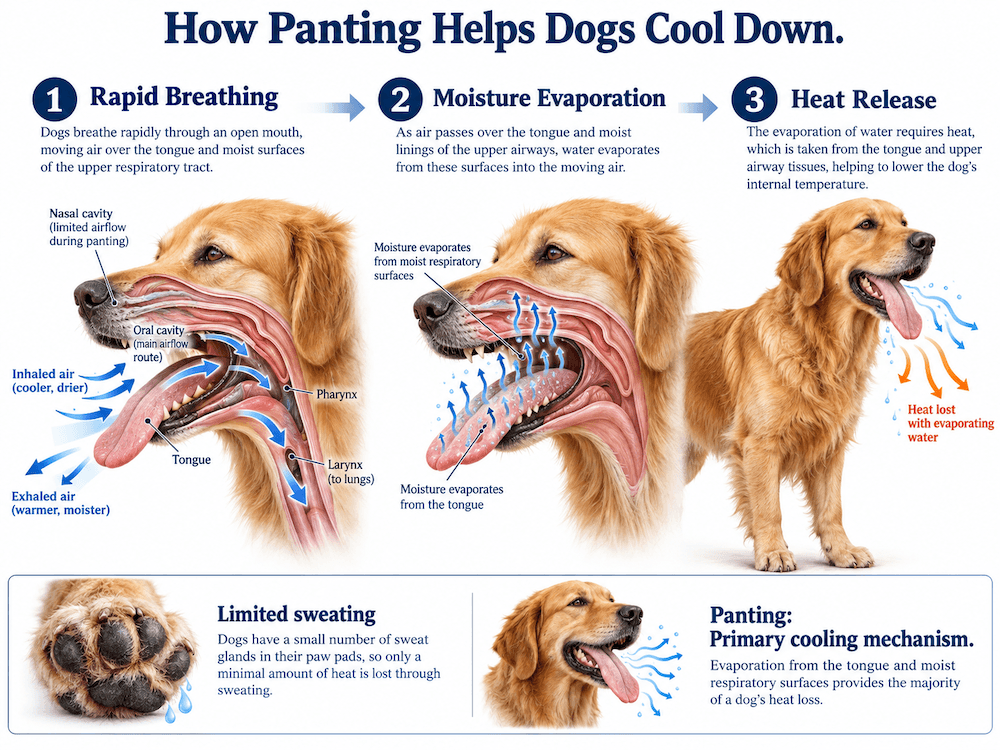
Panting is a dog’s primary cooling mechanism, allowing the body to release heat through evaporation from moist surfaces in the mouth and respiratory tract. As moisture evaporates, it absorbs heat, helping reduce body temperature. Unlike humans, who cool themselves largely through sweating across their skin, dogs have relatively few sweat glands that contribute to cooling, primarily in their paw pads. Because this limited sweating cannot remove enough heat on its own, dogs depend heavily on panting and other heat-exchange mechanisms to maintain a safe body temperature.
13 Reasons Dogs Pant
Dogs pant for many reasons, ranging from normal physiological responses to potentially serious medical conditions. Some causes are temporary and resolve naturally, while others involve changes in breathing, circulation, hormones, or nervous system activity. Understanding what triggers panting and how it relates to your dog’s surroundings, activity level, and overall condition can help distinguish normal responses from situations requiring veterinary attention.
1. To Cool Down in Warm Weather
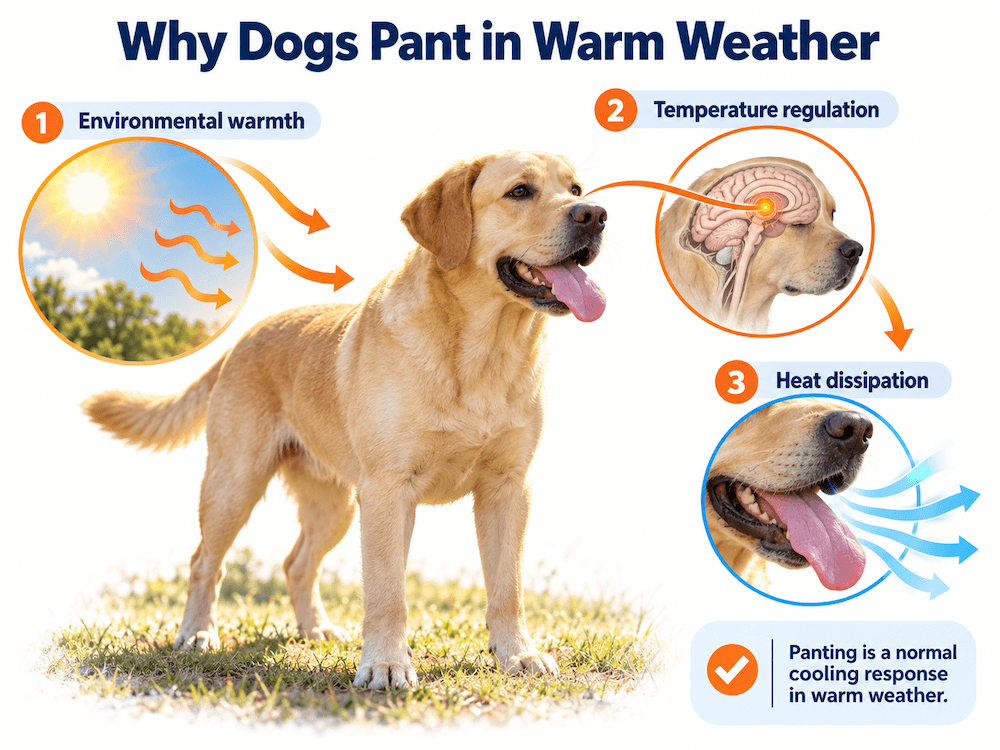
When environmental temperatures rise, dogs pant to maintain thermal balance and prevent excessive heat accumulation. The body’s temperature-regulating center in the brain responds to increased body temperature by stimulating heat-loss mechanisms, including faster breathing. Panting becomes more noticeable in warm or humid conditions, especially when the surrounding air makes heat dissipation less efficient.
2. After Exercise or Physical Activity
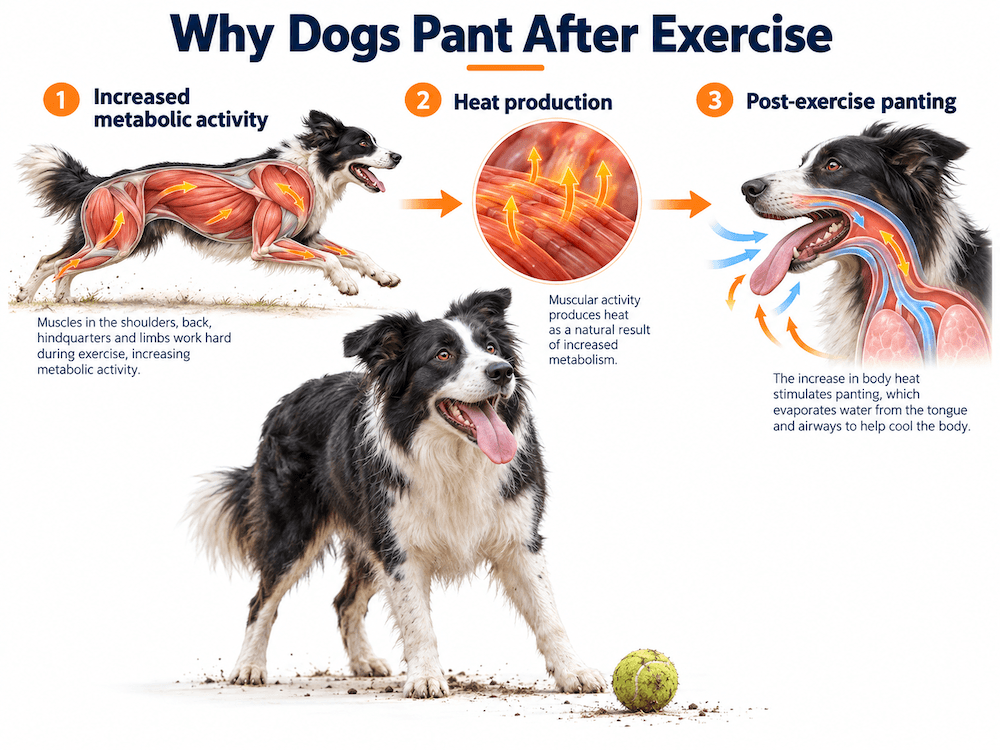
Running, walking, playing, and other physical activities increase metabolic activity within a dog’s muscles, generating additional body heat. Exercise-related panting helps release this heat while the respiratory system supports the body’s increased physiological demands. The intensity of panting typically reflects how strenuous the activity was, the environmental conditions, and how efficiently the individual dog recovers.
3. Excitement and Anticipation
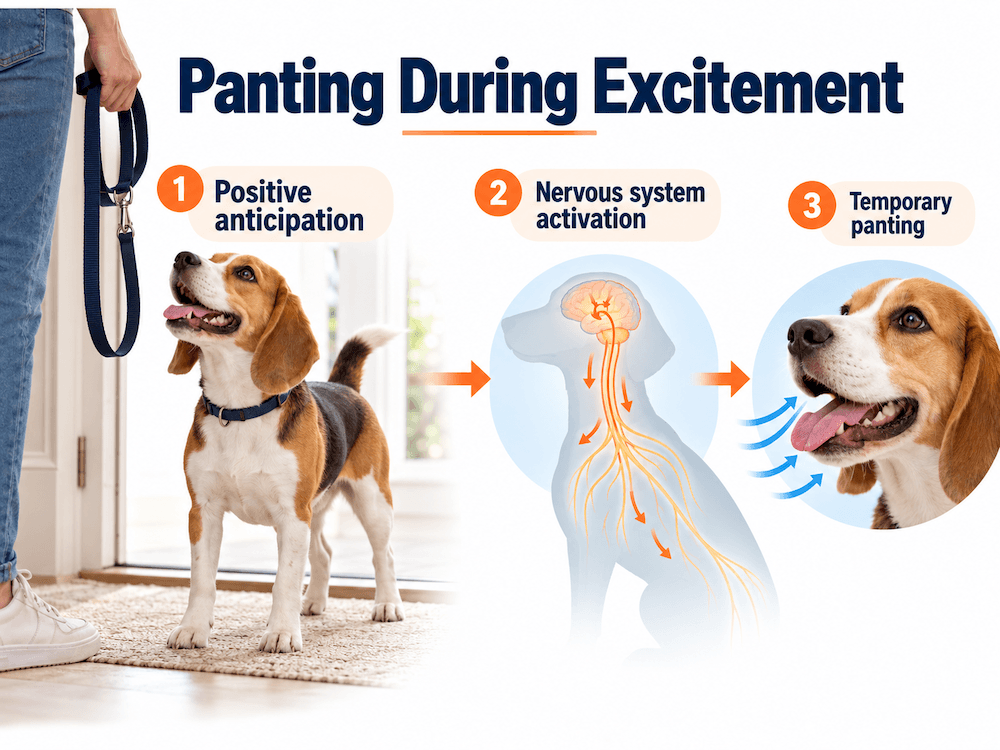
Dogs sometimes pant when anticipating something stimulating, such as greeting a familiar person, receiving a treat, or preparing for a favorite activity. Emotional arousal activates the autonomic nervous system, increasing alertness and potentially changing heart rate and breathing patterns even without substantial physical exertion. This type of panting often appears during highly stimulating interactions and decreases as the dog settles.


4. Stress, Fear, or Anxiety
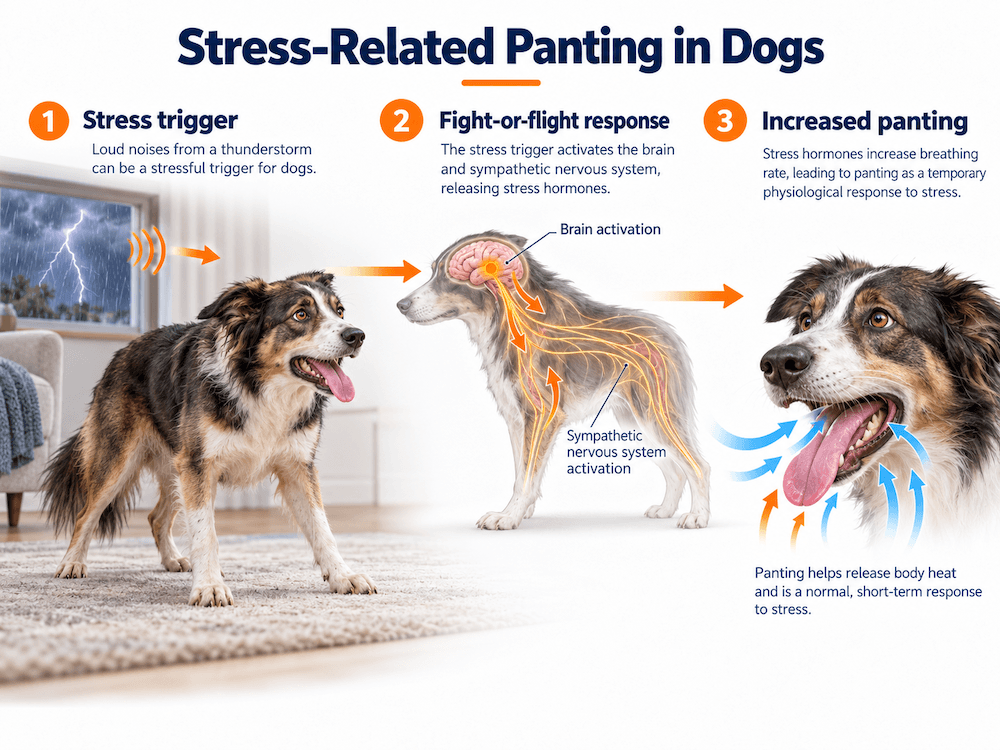
A dog experiencing fear or anxiety may pant because the sympathetic nervous system activates the body’s stress response. Stress-related physiological changes can increase breathing activity even when the dog is physically inactive and its body temperature is normal. This may occur during thunderstorms, unfamiliar situations, veterinary visits, or separation-related distress, often alongside tension, trembling, pacing, or avoidance behavior.
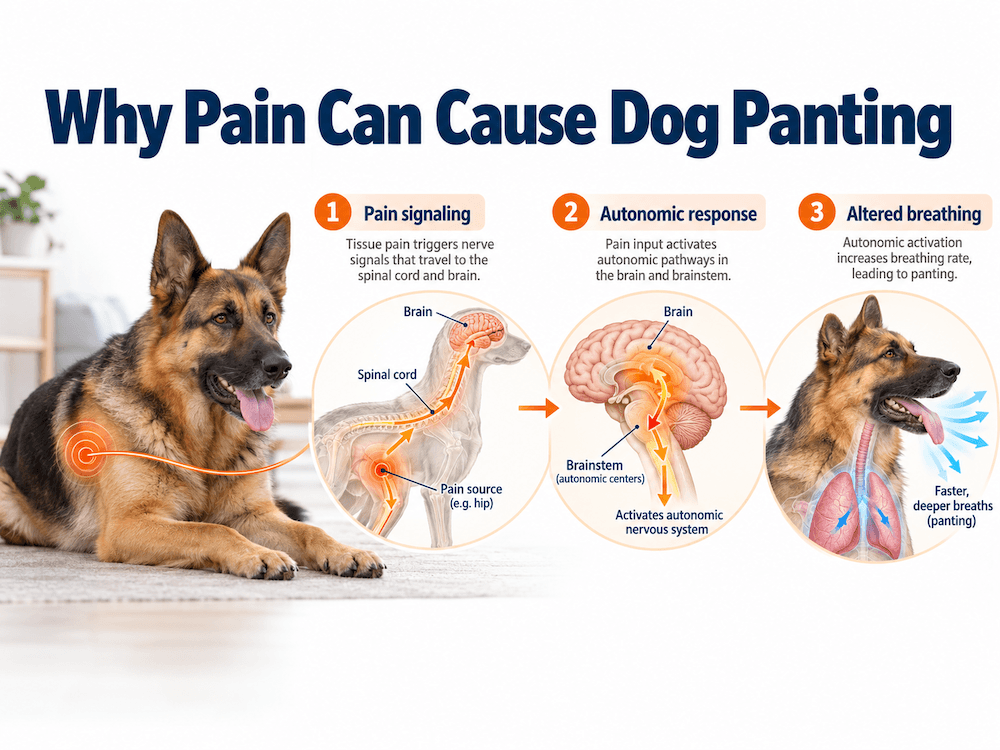
5. Pain or Physical Discomfort
Dogs experiencing injury, inflammation, abdominal discomfort, or other painful conditions may pant even when their surroundings are cool. Pain activates stress and autonomic responses that can change breathing frequency, particularly when discomfort is intense or persistent. A painful dog may also struggle to settle, adopt unusual postures, become unusually quiet, or react differently to normal handling.
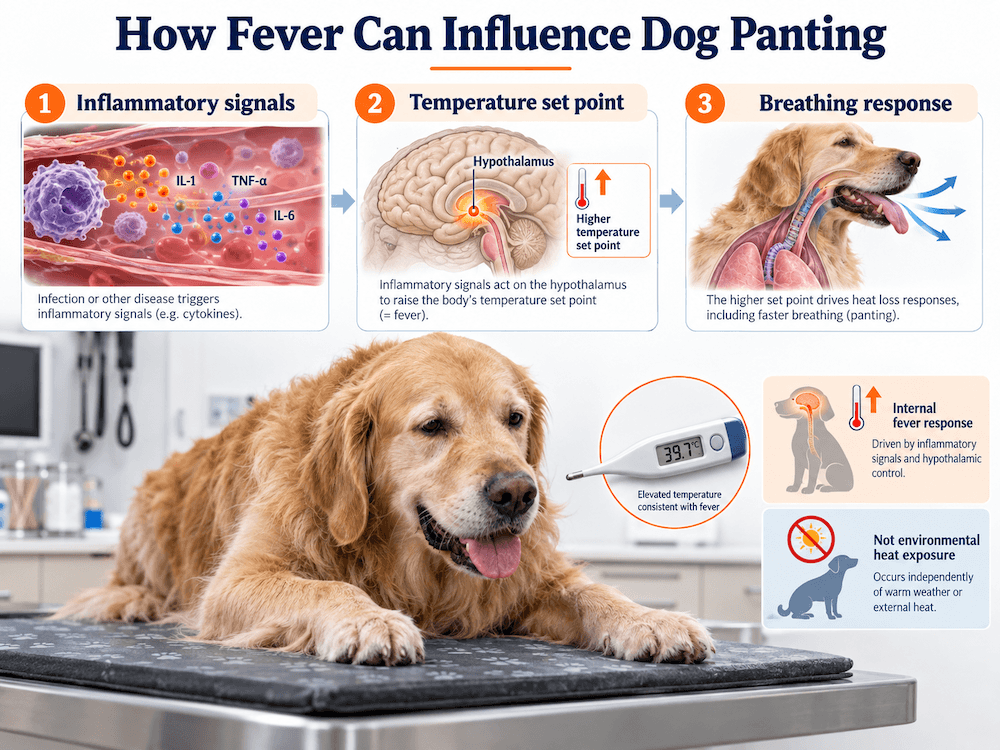
6. Fever or Illness
Infections and inflammatory illnesses can alter how the brain regulates body temperature, sometimes causing dogs to pant more than usual. Fever changes the body’s temperature-regulation set point, while the illness itself may increase metabolic demands, discomfort, or respiratory activity. Unlike ordinary environmental overheating, fever involves an internally regulated increase in temperature, and panting can become more noticeable during certain phases of the fever or recovery.
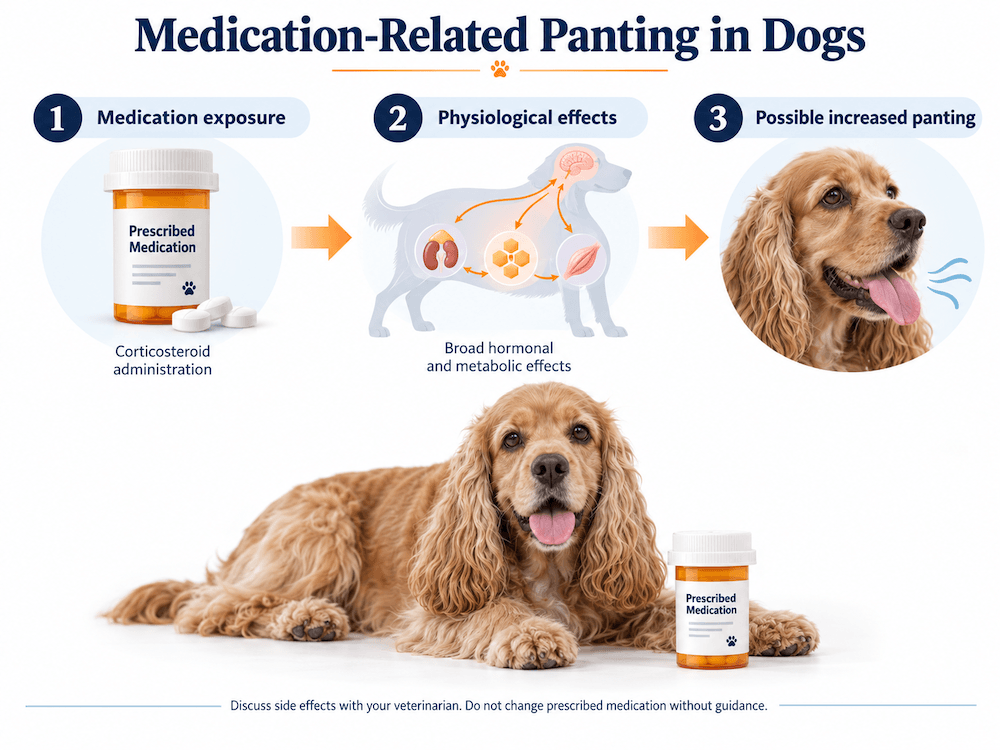
7. Medication Side Effects
Certain medications, particularly corticosteroids such as prednisone and prednisolone, can cause increased panting as an adverse effect. These medications influence hormonal and metabolic regulation, and their effects on breathing and panting can vary with dosage, treatment duration, and individual sensitivity; the precise mechanism is not always fully established. Panting may become noticeable after starting treatment or increasing a dose, even without exercise or warm surroundings.
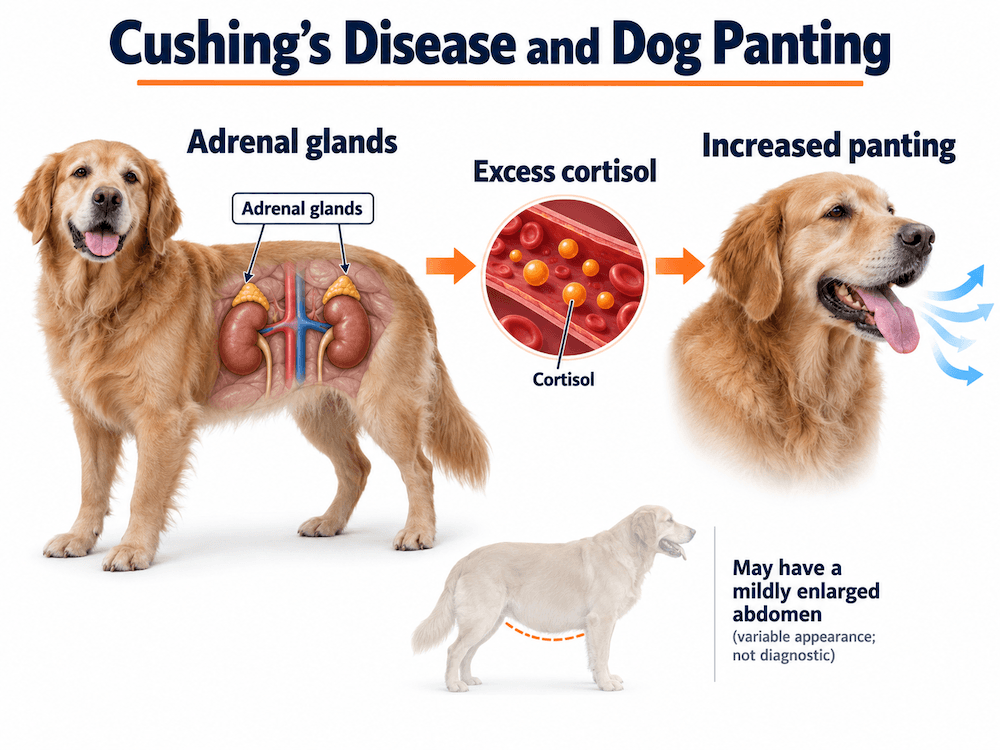
8. Hormonal Disorders Such as Cushing’s Disease
Dogs with Cushing’s disease produce excessive cortisol, a hormone that influences metabolism and numerous bodily functions. Chronic cortisol excess is associated with increased panting, although the precise mechanisms behind this symptom are not completely understood. The condition can also cause muscle weakness, abdominal enlargement, increased thirst, and increased urination, helping distinguish it from temporary panting.


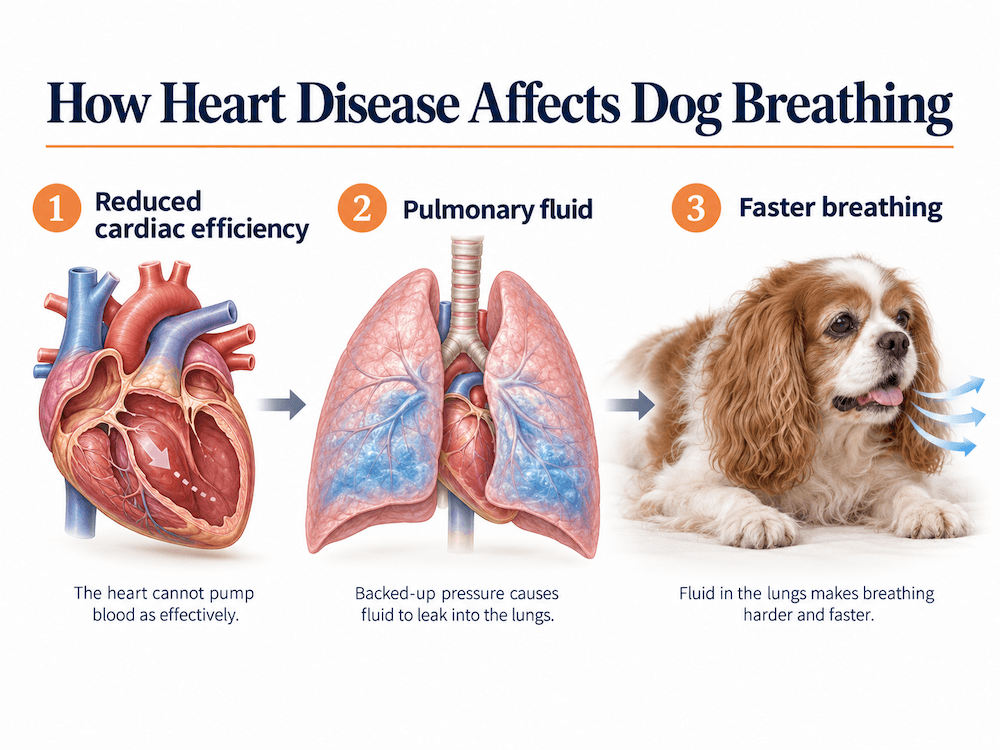
9. Heart Disease or Heart Failure
Heart conditions can change a dog’s breathing when the cardiovascular system struggles to meet the body’s needs. In congestive heart failure, fluid accumulation within the lungs may interfere with normal gas exchange, causing faster or more effortful breathing that owners sometimes mistake for ordinary panting. Breathing changes are especially important when accompanied by coughing, reduced exercise tolerance, unusual fatigue, or difficulty resting comfortably.
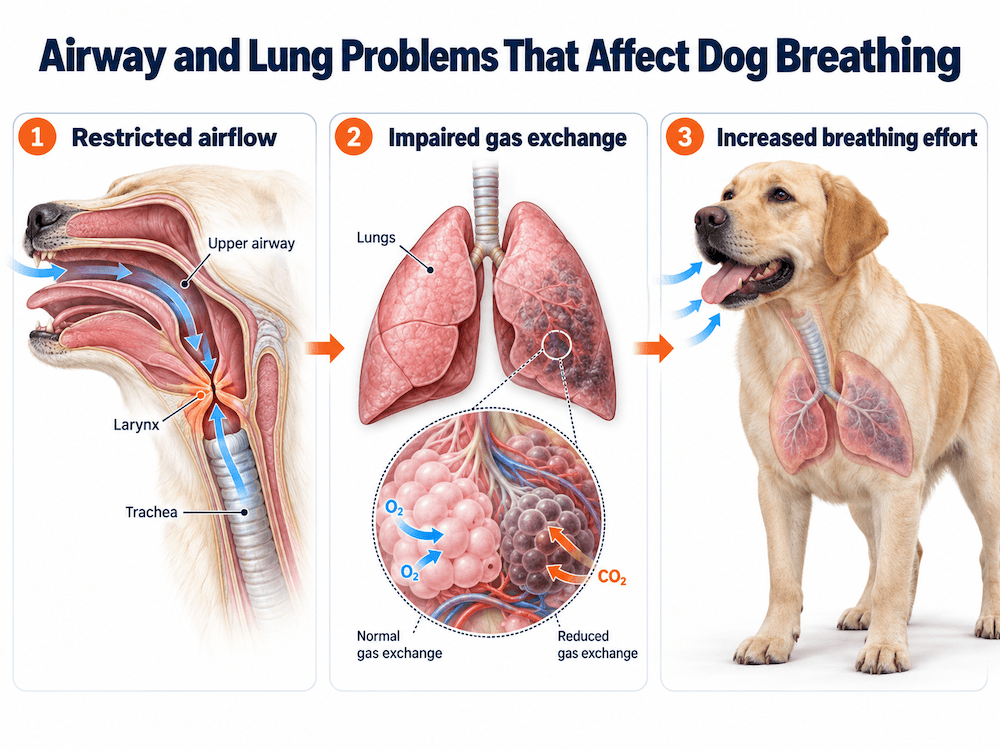
10. Lung or Airway Problems
Respiratory conditions such as pneumonia, laryngeal paralysis, collapsing trachea, and brachycephalic obstructive airway syndrome can interfere with efficient airflow or oxygen exchange. Airway obstruction or impaired lung function may force dogs to breathe faster or harder to maintain adequate ventilation. Unlike relaxed panting, these problems may produce noisy breathing, coughing, exaggerated chest movements, or increased abdominal effort.
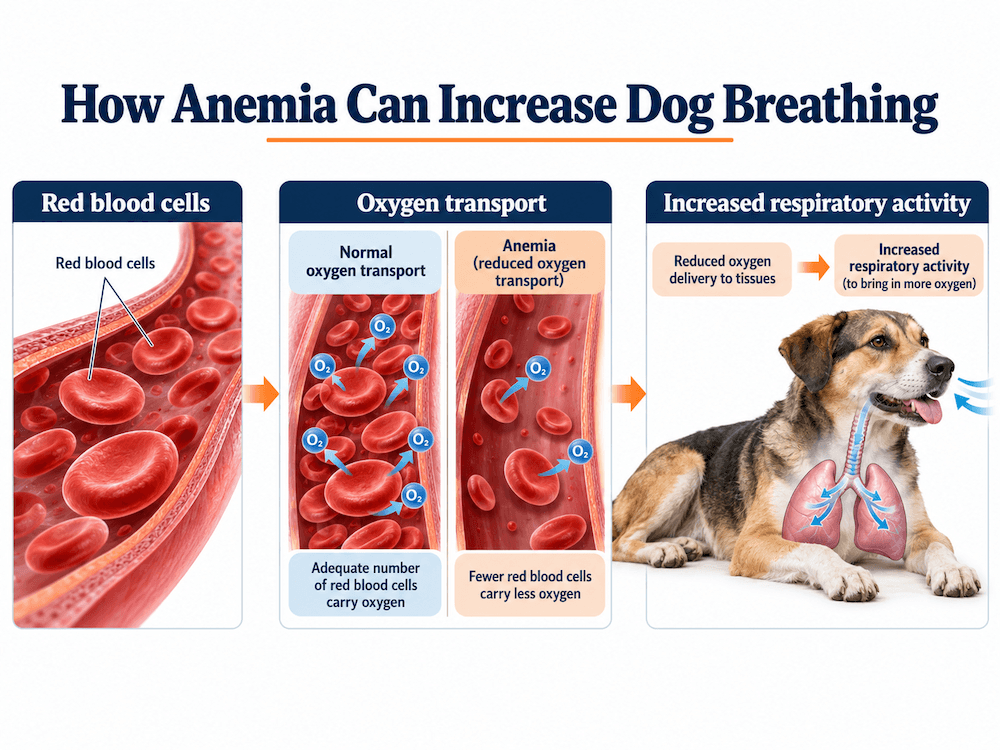
11. Anemia or Reduced Oxygen Delivery
Anemia occurs when a dog has too few circulating red blood cells or insufficient hemoglobin to carry normal amounts of oxygen. Reduced oxygen-carrying capacity can lead to compensatory increases in breathing and heart rate, particularly when anemia is severe. Affected dogs may appear weak, tire unusually quickly, or have pale gums, and their rapid breathing may be mistaken for heat-related panting.
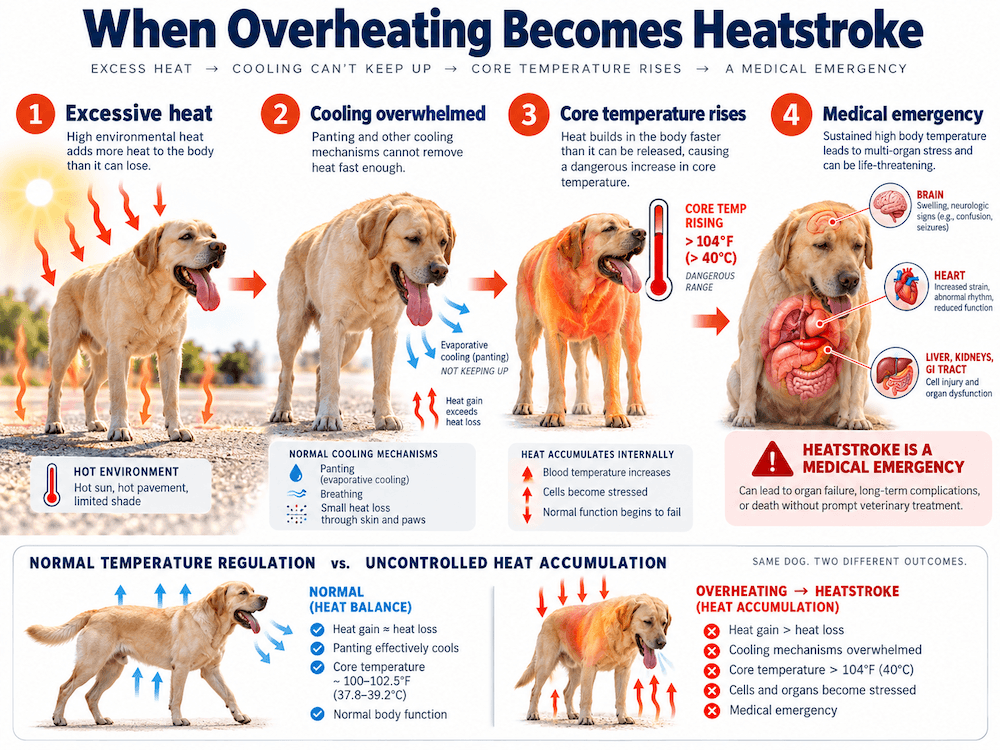
12. Severe Overheating or Heatstroke
Heatstroke develops when heat accumulation overwhelms the body’s ability to regulate temperature, allowing internal body temperature to rise dangerously. Dogs may pant intensely as their cooling mechanisms struggle to keep up, particularly during strenuous activity or exposure to extreme heat and humidity. As the condition progresses, systemic inflammation, circulatory disturbances, and organ injury can develop, making heatstroke a life-threatening emergency rather than an ordinary cooling response.
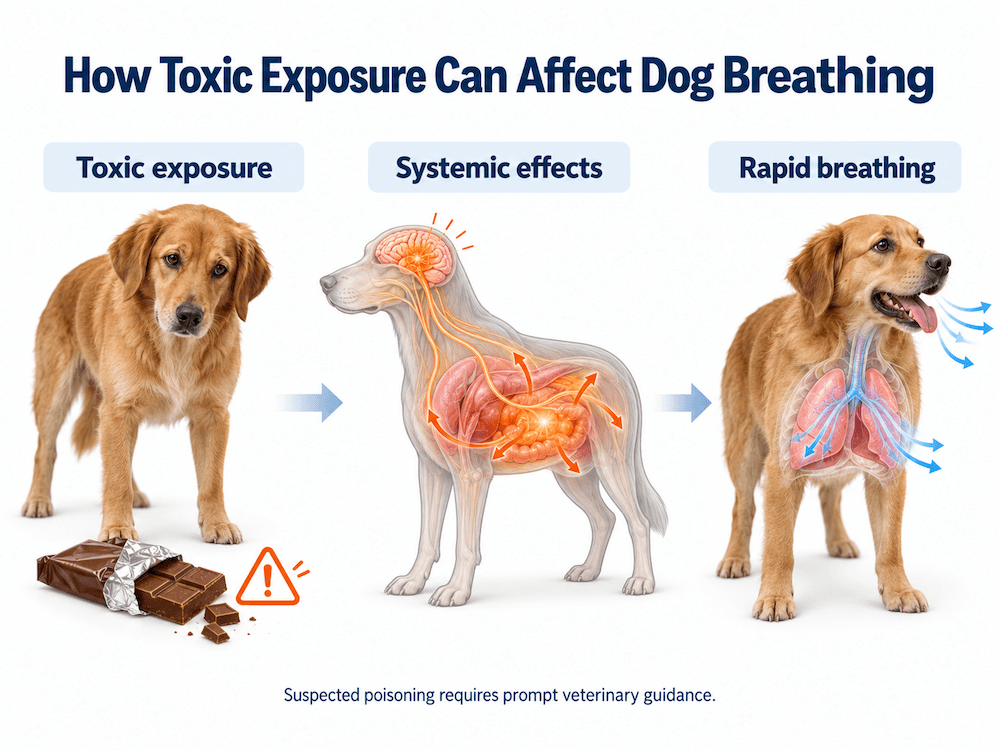
13. Poisoning or Toxic Exposure
Exposure to certain toxic substances can trigger panting or rapid breathing by affecting the nervous system, metabolism, circulation, or acid-base balance. For example, stimulant toxins such as theobromine and caffeine found in chocolate can increase physiological activity, potentially causing restlessness, rapid breathing, abnormal heart rhythms, and other serious effects. The exact breathing response depends on the substance, amount ingested, and severity of exposure, so sudden unexplained panting following suspected poisoning requires urgent veterinary assessment.
Do Some Dogs Pant More Than Others?
Dogs vary in how frequently and intensely they pant, even under similar conditions. Individual physical characteristics and environmental tolerance influence heat exchange, breathing efficiency, and exertion levels. These differences can make panting more noticeable in certain dogs without automatically indicating illness, but they also affect vulnerability to overheating.
| Factor | How It Influences Panting |
|---|---|
| Breed and facial structure | Shortened muzzles and narrow airways can reduce effective airflow and cooling. |
| Age | Puppies’ activity patterns and seniors’ reduced resilience can influence panting. |
| Body weight | Excess body fat increases insulation and the workload of movement. |
| Coat characteristics | Coat density, color, and condition influence heat exchange and sun exposure. |
| Physical fitness | Conditioning affects exertion tolerance and recovery after activity. |
| Heat and humidity tolerance | Acclimatization helps, while humidity reduces evaporative cooling efficiency. |
Brachycephalic dogs, including Pugs, French Bulldogs, and English Bulldogs, deserve particular attention because their shortened facial structures can restrict airflow. This may make their panting less effective at cooling the body and increase their susceptibility to heat-related illness. Frequent noisy breathing or struggling to breathe should not be accepted as normal simply because a dog belongs to a short-nosed breed.
Normal vs. Excessive Dog Panting: How to Tell the Difference
The difference between normal and excessive dog panting is not simply how quickly your dog breathes. The most important clues are breathing effort, circumstances, recovery, and accompanying symptoms. Normal panting usually has a recognizable trigger and gradually subsides, while concerning panting may occur unexpectedly, persist unusually long, or involve visible respiratory distress.
| Normal Panting | Concerning Panting |
|---|---|
| Common circumstances: After activity, excitement, or exposure to mild warmth. | During quiet rest, without a clear trigger, or after minimal activity. |
| Duration: Gradually decreases after resting, cooling, or settling. | Persists, intensifies, or repeatedly returns without explanation. |
| Body language: Comfortable posture, normal awareness, and relaxed movement. | Restlessness, unusual posture, marked weakness, or inability to settle. |
| Other symptoms: Normal behavior without concerning physical changes. | Coughing, vomiting, trembling, unusual gum color, or collapse. |
Panting vs. Rapid Breathing vs. Labored Breathing
Dogs can breathe quickly without necessarily struggling to breathe, but rapid breathing (tachypnea) and labored breathing (dyspnea) are not the same. Recognizing differences in mouth position, breathing rhythm, and physical effort can help owners identify possible respiratory distress.
| Normal Panting | Rapid Breathing (Tachypnea) | Labored Breathing (Dyspnea) |
|---|---|---|
| Mouth position: Usually open, with the tongue visible. | Mouth may be open or closed. | Mouth may be open or closed, often with an extended neck. |
| Breathing rhythm: Fast, generally regular breaths. | Faster-than-normal breathing, sometimes shallow. | Breathing may be fast, slow, or irregular. |
| Physical effort: Relatively effortless breathing movements. | Increased breathing rate without necessarily increased effort. | Visible struggle, abdominal effort, or flared nostrils. |
Important: Labored breathing is a veterinary emergency, regardless of breathing rate. Rapid and labored breathing can also occur together.
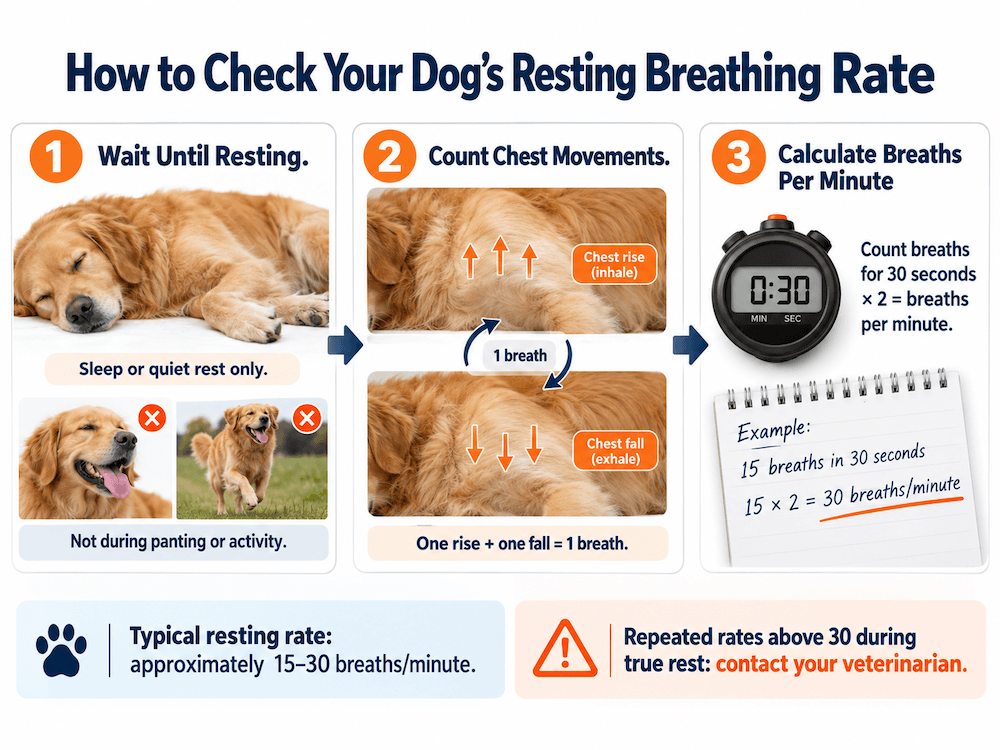
How to Check Your Dog’s Resting Breathing Rate
Resting respiratory rate is useful for monitoring breathing changes, particularly in dogs with known or suspected heart disease. Most healthy dogs take approximately 15–30 breaths per minute while calmly resting or sleeping, although individual rates vary. Consistently exceeding 30 breaths per minute during genuine rest warrants veterinary advice, especially when the increase is new. Count breathing movements when your dog is relaxed and not actively panting, since an open-mouth panting rate is not directly comparable to a normal resting respiratory rate.
Why Is My Dog Panting at Night or While Resting?
Panting can seem more noticeable when your dog is lying quietly or when the household settles for the night. The distinction between being awake, asleep, and unable to settle helps determine how concerning the breathing pattern may be. A brief change during sleep is different from sustained panting while fully awake, especially if the latter represents a change from your dog’s usual behavior. The table below highlights what to observe in each situation without assuming that panting alone identifies a specific diagnosis.
| Situation | What It May Indicate | What to Observe |
|---|---|---|
| Panting while awake but resting | May be temporary, but unexplained persistent panting warrants investigation. | Room conditions, recent activity, breathing effort, and whether panting resolves. |
| Panting or rapid breathing during sleep | Brief irregular breathing may accompany REM sleep and dreaming. | Whether breathing normalizes between episodes and remains comfortable. |
| Panting at night with restlessness | Difficulty settling may indicate discomfort or an underlying problem. | Repeated position changes, pacing, coughing, and inability to lie comfortably. |
For example, a dog whose breathing briefly accelerates while its paws twitch during sleep may simply be experiencing a normal REM sleep episode. In contrast, a dog that repeatedly gets up, pants while standing, and cannot remain comfortable lying down deserves closer attention. The pattern across the entire night is often more informative than one isolated breathing episode.
What to Do If Your Dog Is Panting Heavily
If your dog begins panting more heavily than usual, respond according to the severity of the situation rather than assuming the dog is simply hot. When breathing is comfortable and no emergency signs are present, simple changes in activity and surroundings may help your dog recover. The goal is to reduce avoidable physical demands while watching for improvement. If the panting appears abnormal or your dog’s condition deteriorates, veterinary guidance takes priority over home observation.
When to Call a Veterinarian About Dog Panting
Seek emergency veterinary care immediately if panting is accompanied by struggling to breathe, blue, gray, or extremely pale gums, collapse, seizures, or marked weakness. Suspected heatstroke also requires immediate intervention, even if your dog remains conscious. A swollen abdomen with repeated unsuccessful retching is another emergency, whether panting is present or not. Do not wait for breathing to return to normal when these warning signs appear.
Schedule a veterinary appointment for persistent or unusual panting that occurs without an obvious explanation, becomes increasingly frequent, or interferes with normal rest. Panting accompanied by changes in appetite, energy, drinking habits, activity tolerance, or sleep also warrants evaluation. Dogs that have recently started medication should be assessed if new panting becomes troublesome, rather than having their prescriptions changed without guidance.
Professional assessment is particularly important when the cause remains uncertain, or your dog has existing medical conditions that could affect breathing. Older dogs and dogs with known cardiac, respiratory, or endocrine disorders may need closer evaluation when their normal panting pattern changes. Providing the veterinarian with details about the timing, duration, environmental conditions, and any additional symptoms can help guide the examination.
How to Track Changes in Your Dog’s Panting
Keeping a brief record of unusual panting episodes can help distinguish isolated events from developing patterns. Record when the panting begins, how long it lasts, and what happens immediately beforehand, including environmental conditions, activity, and recent medication administration. If possible, capture a short video showing your dog’s breathing and posture, since the pattern may not be present during a veterinary appointment.
Look for changes from your dog’s normal baseline, rather than comparing its panting directly with that of another dog. Improvement generally means the dog returns comfortably to its usual breathing pattern under comparable conditions, while increasingly frequent, prolonged, or unexplained episodes suggest that the situation needs reassessment. Monitoring should support veterinary evaluation, not delay it when concerning symptoms are present.
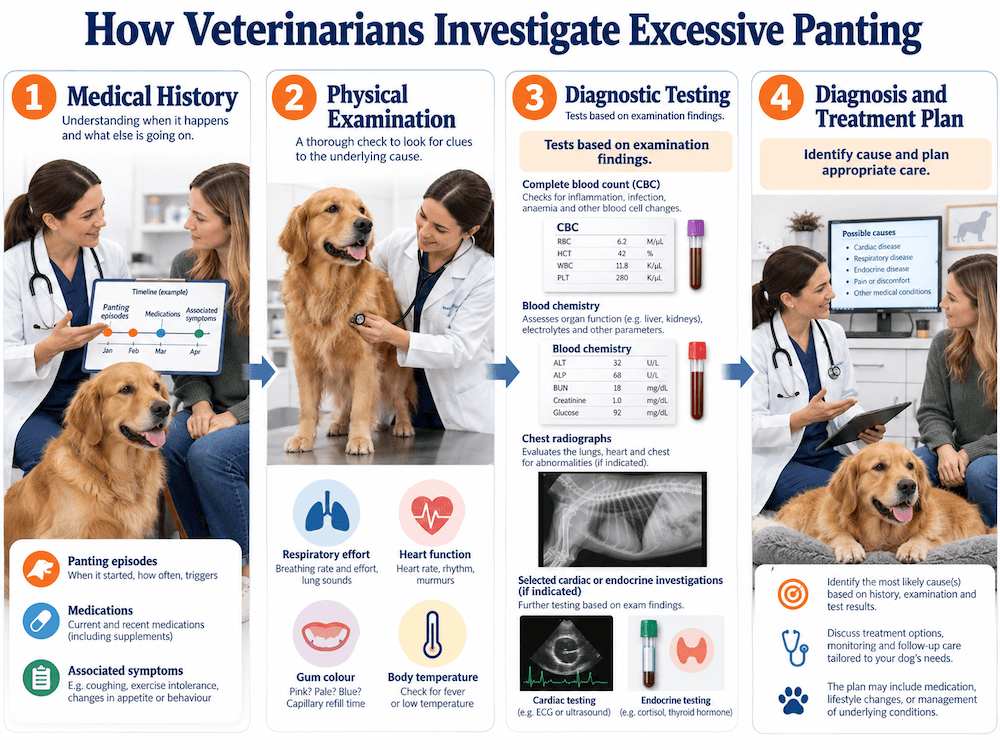
How Do Veterinarians Diagnose Excessive Panting?
Excessive panting is a clinical sign rather than a diagnosis, so veterinary evaluation focuses on identifying its underlying cause. The diagnostic process begins with the dog’s medical history and physical condition, followed by tests selected according to the findings. Not every dog needs extensive testing, and a dog in respiratory distress must be stabilized before routine investigations. Understanding the process can help owners prepare useful information for their appointment.
How Is Excessive Panting in Dogs Treated?
Treatment for excessive panting depends on the underlying cause rather than the panting itself. A veterinarian will assess your dog’s symptoms and may recommend medications, supportive care, environmental adjustments, or other medical interventions. Mild cases associated with temporary stress or discomfort may improve with appropriate management, while serious conditions require prompt treatment.
| Underlying Cause | Possible Veterinary Treatment |
|---|---|
| Pain or injury | Pain relief and treatment of the underlying injury. |
| Infections or fever | Cause-specific medication and supportive care. |
| Heart disease or heart failure | Heart medications, diuretics, or oxygen therapy when needed. |
| Lung or airway disorders | Oxygen support, respiratory treatment, or corrective surgery. |
| Hormonal disorders | Condition-specific medication or surgery when appropriate. |
| Medication side effects | Veterinarian-supervised dosage adjustments or medication changes. |
| Anemia | Treating the cause; blood transfusions in severe cases. |
| Stress or anxiety | Behavior therapy, environmental changes, or prescribed medication. |
| Poisoning or toxic exposure | Emergency supportive care, decontamination, or specific antidotes. |
| Heatstroke | Immediate cooling, emergency stabilization, and organ monitoring. |
Important: Never give your dog human painkillers, adjust prescribed medications, or attempt to treat unexplained heavy panting without veterinary guidance. Treatment depends on the diagnosis, and certain conditions, particularly heatstroke and serious breathing difficulties, require immediate emergency care.
How to Reduce Excessive Panting and Prevent Overheating
Reducing preventable panting involves managing your dog’s environment, activity, and everyday comfort. Consistent heat-safety habits are especially important during warm weather, strenuous exercise, and periods of increased excitement or stress.
| Helpful Habits | Common Mistakes |
|---|---|
| Exercise: Schedule appropriately paced activities during cooler hours. | Exercising intensely during midday heat or ignoring early fatigue. |
| Hydration: Provide accessible fresh water before, during, and after activities. | Waiting until your dog appears extremely thirsty to offer water. |
| Shade and ventilation: Provide cool, well-ventilated resting areas. | Assuming shade alone is sufficient in extreme heat or humidity. |
| Recovery: Allow comfortable breaks and adjust activity to individual tolerance. | Restarting exercise before breathing and behavior have returned toward normal. |
| Weight management: Maintain an appropriate body condition with veterinary guidance. | Overlooking how excess weight increases physical workload and heat retention. |
| Stress management: Provide predictable routines and reduce avoidable distressing triggers. | Forcing prolonged exposure to frightening situations without appropriate support. |
What to Avoid During Hot Weather
Even dogs that appear comfortable outdoors can become overheated when environmental conditions change rapidly. Never leave a dog unattended in a parked vehicle, even with the windows partially open or when the weather initially feels mild. Avoid relying on hot pavement, direct sunlight, or poorly ventilated outdoor enclosures as suitable places for prolonged exercise or rest. Cooling equipment and shaded areas should support, not replace, careful attention to environmental conditions and your dog’s physical limitations.
What Veterinary Research Says About Dog Panting
Panting is a well-established mechanism for regulating body temperature in dogs. A study examined how dogs adjust airflow through their noses and mouths during heat exposure and physical activity. Researchers found that dogs modify their breathing patterns to increase respiratory evaporation, allowing excess body heat to escape. These findings help explain why dogs depend heavily on panting rather than sweating to stay cool, although the experimental study involved only three dogs.[1]
Breed characteristics and environmental conditions significantly influence the risk of heat-related illness. A study analyzing veterinary records from more than 900,000 dogs, identified brachycephalic skull shape, certain breeds, and higher relative body weight as important risk factors for heat-related illness.[2] A separate study evaluated cooling practices in dogs participating in canicross events and found that cold-water immersion effectively reduced exercise-related hyperthermia. Although the cooling study did not directly evaluate dogs with severe heatstroke, its findings support prompt active cooling when dangerous overheating is suspected.[3]
Resting and sleeping respiratory rates can provide valuable information about canine heart and respiratory health. A study monitored 114 apparently healthy adult dogs and found an average sleeping respiratory rate of approximately 13 breaths per minute, with no dog’s mean sleeping rate exceeding 23 breaths per minute.[4] A study further found that most dogs with medically controlled congestive heart failure maintained average sleeping respiratory rates below 30 breaths per minute. Together, these findings support monitoring changes in a dog’s normal resting breathing pattern, particularly when heart disease is suspected or already diagnosed, while recognizing that breathing rate alone cannot establish a diagnosis.[5]
Frequently Asked Questions
The Bottom Line
Panting is a natural part of how dogs regulate body temperature, particularly during warm weather and physical activity. However, it can also occur in response to excitement, stress, pain, medication effects, or underlying health conditions. Understanding the circumstances surrounding your dog’s panting can help you distinguish normal physiological responses from potentially concerning changes. Factors such as breed, age, body weight, and physical condition can also influence how frequently or intensely a dog pants. While occasional panting is usually harmless, persistent or unexplained panting deserves closer attention. Severe breathing difficulties, collapse, or signs of heatstroke require immediate veterinary care. By recognizing your dog’s normal breathing patterns and responding appropriately to unusual symptoms, you can help protect their health and well-being.
Because panting can sometimes indicate physical discomfort, our guide on how to tell if your dog is in pain explains additional warning signs to watch for. If your dog also appears unusually warm or unwell, learn how to tell if your dog has a fever. To support safe activity and prevent dehydration, explore how much water your dog should drink, including how exercise and warm weather affect hydration needs.
Sources
- Panting in dogs: paths of air flow in response to heat and exercise
- Incidence and risk factors for heat-related illness (heatstroke) in UK dogs under primary veterinary care in 2016
- Post-exercise management of exertional hyperthermia in dogs participating in dog sport (canicross) events in the UK
- Sleeping respiratory rates in apparently healthy adult dogs
- Sleeping and resting respiratory rates in dogs and cats with medically-controlled left-sided congestive heart failure