Hematomas in Dogs: Symptoms, Types, Causes, Signs & Prevention

Canine Bible is reader-supported. We receive affiliate commissions via some of our links. Learn more.
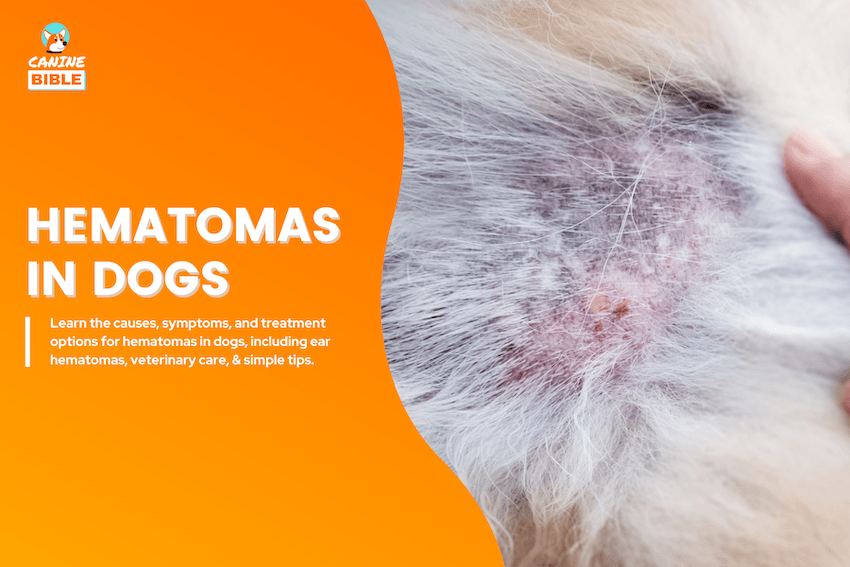
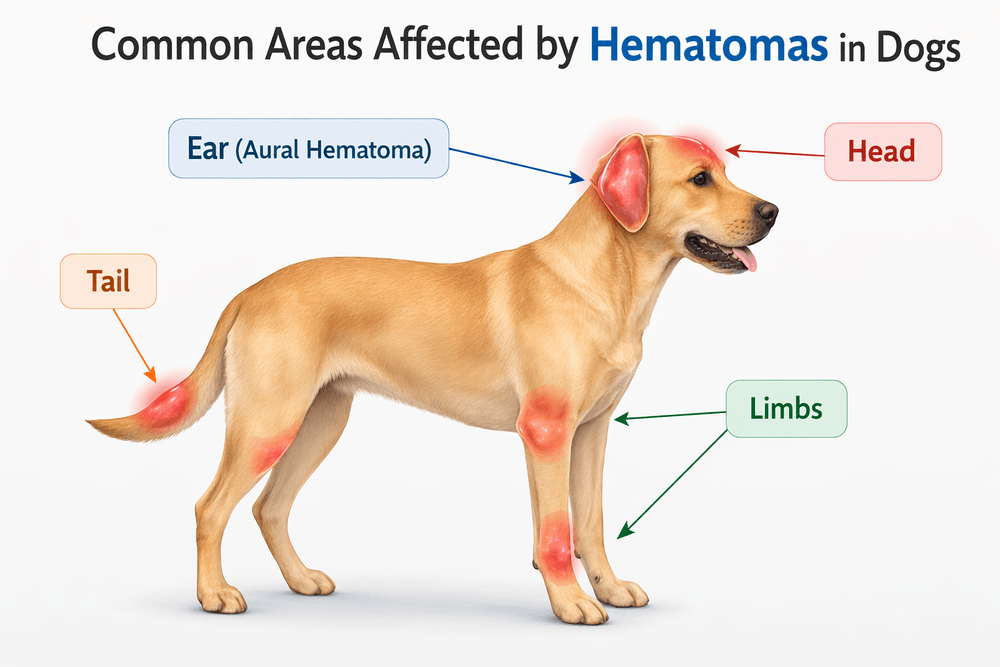
Hematomas are relatively common in dogs, especially ear hematomas that affect the ear flap (aural hematomas). They occur when blood collects under the skin, usually after small blood vessels rupture due to trauma, excessive scratching, or head shaking. Many owners first notice a soft, swollen area that appears suddenly, often assuming it’s a minor injury or insect bite. In reality, a hematoma can be uncomfortable for the dog and may worsen without proper attention. The good news is that most hematomas can be successfully treated when addressed early. Veterinary care, combined with managing the underlying causes—such as ear infections, allergies, or parasites—can help prevent recurrence and support proper healing. This guide covers everything you need to know about hematomas in dogs—from causes and symptoms to diagnosis, treatment options, prevention, and recovery—so you can recognize the problem quickly and help keep your dog healthy and comfortable.
What Are Hematomas in Dogs?
A hematoma, in simple terms, is a localized collection of blood that forms under the skin when small blood vessels rupture. In dogs, the most common type is an aural hematoma, which occurs in the ear flap (pinna). It usually develops after repeated head shaking or scratching that damages tiny blood vessels inside the ear. As blood accumulates between the layers of tissue, the ear becomes swollen, soft, and often painful to the touch. Without proper treatment, the swelling can persist and may eventually lead to scarring or permanent changes in the ear’s shape.
Types
Hematomas in dogs can appear in different forms, depending on the cause and location:


| Type | Description |
|---|---|
| Aural Hematoma | The most common type, occurring when blood collects between the skin and cartilage of the ear flap, usually due to head shaking or scratching. |
| Subcutaneous Hematoma | A collection of blood under the skin caused by trauma such as bumps, bites, or blunt impact. |
| Post-Surgical Hematoma | Develops after surgery if blood vessels leak into surrounding tissue before proper healing occurs. |
| Traumatic Hematoma | Forms after injuries like falls, fights, or accidents that damage blood vessels. |
| Spontaneous Hematoma | Occurs without obvious injury and may be linked to clotting disorders or underlying medical conditions. |
| Other Causes | Conditions such as ear infections, allergies, or blood clotting disorders can increase the risk of hematoma formation. |
Predisposed Dog Breeds to Hematomas
Hematomas are often thought of as sudden injuries, but some dogs may be more prone to developing them than others. Factors such as chronic ear infections, allergies, parasites, or conditions that cause frequent head shaking and scratching can increase the risk.
| Size / Group | Breeds | Notes on Risk Factors |
|---|---|---|
| Large Floppy-Eared Breeds | Labrador Retriever, Golden Retriever, Cocker Spaniel, Basset Hound | Long, heavy ear flaps and frequent ear infections increase head shaking and scratching, which can rupture small blood vessels in the ear. |
| Sporting Breeds | English Springer Spaniel, Irish Setter, Weimaraner, Pointer | Active lifestyles and floppy ears make these dogs prone to ear irritation and repeated head shaking. |
| Hound Breeds | Basset Hound, Bloodhound, Beagle, Coonhound | Very long ears can trap moisture and debris, increasing the risk of ear infections that lead to hematomas. |
| Allergy-Prone Breeds | Bulldog, French Bulldog, West Highland White Terrier, Shih Tzu | Chronic allergies often cause ear inflammation and itching, leading to persistent scratching and head shaking. |
| Active & Working Breeds | Border Collie, Australian Shepherd, German Shepherd, Belgian Malinois | High activity and rough play can increase the chance of minor trauma to the ears and surrounding blood vessels. |
| Senior Dogs (All Breeds) | Any breed | Aging tissues and underlying ear disease can make blood vessels more fragile, increasing hematoma risk. |
Causes
Symptoms
The symptoms of hematomas in dogs are usually easy to notice, especially when they affect the ear. Most dogs develop a sudden swelling that may feel soft or warm and can cause discomfort. Recognizing these signs early can help you seek treatment quickly and prevent complications.
Stages of Hematomas
- Early stage: Swelling of the ear flap, mild discomfort, occasional head shaking or scratching.
- Moderate stage: Increased swelling, visible fluid buildup, frequent head shaking, pain when the ear is touched.
- Advanced stage: Large, firm swelling, significant discomfort, possible ear deformity, and risk of infection or recurrence.
Top Ways to Prevent Hematomas in Dogs
Because hematomas can worsen if left untreated, early recognition and prompt veterinary care are important. With proper treatment and by addressing the underlying cause, most hematomas can heal well, and complications can be avoided. Acting quickly helps reduce discomfort and improves your dog’s chances of a full recovery.


| Prevention Strategy | Why It Helps | How to Do It |
|---|---|---|
| Maintain Ear Health | Healthy ears reduce irritation, which prevents excessive head shaking and scratching. | Clean ears regularly with vet-approved solutions and check for redness, odor, or discharge. |
| Treat Ear Infections Promptly | Infections are a leading cause of head shaking that can rupture blood vessels in the ear flap. | Seek veterinary care at the first signs of infection and follow treatment plans fully. |
| Manage Allergies | Allergies can cause chronic itching and ear inflammation, increasing hematoma risk. | Work with your vet to control environmental or food allergies through diet and medication. |
| Prevent Excessive Scratching | Scratching and trauma to the ear can damage blood vessels and trigger hematomas. | Use flea prevention, trim nails regularly, and use an E-collar if irritation is severe. |
| Regular Grooming & Ear Checks | Early detection of irritation or debris helps prevent escalation into infections or trauma. | Inspect ears during grooming and keep hair around the ear canal clean and dry. |
| Avoid Rough Ear Trauma | Physical impact or aggressive play can injure ear blood vessels. | Supervise play, especially with other dogs, and avoid activities that involve ear pulling. |
| Routine Vet Checkups | Early identification of underlying issues reduces the chance of hematoma development. | Schedule regular exams and address any recurring ear problems quickly. |
Actionable Resources
If you want to prevent, manage, or slow the progression of hematomas in your dog, here are some expert-backed resources to explore under veterinary guidance.
How Hematomas Are Diagnosed in Dogs
Diagnosing hematomas in dogs requires a full veterinary assessment to confirm swelling and identify the underlying cause. Key steps include:
- Physical Examination: A veterinarian examines the swollen area—most commonly the ear flap—to check for fluid buildup, tenderness, warmth, and signs of irritation or trauma.
- Ear Examination:
- Otoscope exam – used to look inside the ear canal for infections, mites, inflammation, or debris that may trigger head shaking.
- Skin check – the vet may examine the surrounding skin for allergies, parasites, or wounds that could cause scratching.
- Laboratory Tests: Ear swabs or samples may be examined under a microscope to detect bacteria, yeast, or ear mites contributing to the problem.
- Medical History & Behavior Review: Veterinarians often ask about recent scratching, head shaking, allergies, injuries, or ear infections to better understand the cause.
Early diagnosis is important because untreated hematomas can continue to enlarge and may lead to scarring or permanent changes in the ear if not treated promptly.
Treatment & Care
Treatment for dog ear hematomas depends on the size and severity of the swelling. In some cases, veterinarians may drain the accumulated blood and treat the underlying cause, such as infection or allergies. More severe hematomas may require surgical treatment to prevent recurrence and restore the ear’s normal shape. Proper aftercare and follow-up visits are important to ensure full healing.
Always consult your veterinarian before starting any treatment for a hematoma in your dog. You can also get personalized advice from an online registered vet anytime, anywhere through Dutch. You can also chat with an online vet to ask questions about swelling, treatment options, aftercare, and managing underlying issues such as ear infections or allergies.
Conventional Medical Treatments
| Treatments | Notes / Examples |
|---|---|
| Needle Aspiration (Drainage) | Fluid is removed from the ear using a needle; simple and minimally invasive but may require repeat procedures. |
| Ear Drops & Cleaning Treatments | Address underlying causes such as ear infections, mites, or inflammation to prevent recurrence. |
| Corticosteroid Injections | Injected into the ear to reduce inflammation and fluid buildup in select cases. |
| Antibiotics & Anti-Inflammatories | Prescribed to treat infections, reduce swelling, and support healing after procedures. |
| Ear Bandaging / Compression | Applies pressure to the ear flap to minimize fluid accumulation and support recovery. |
| Treatment of Underlying Causes | Includes managing ear infections, mites, or allergies to prevent recurrence of hematomas. |
Nutritional Support & Supplements
| Supplement | Notes / Examples |
|---|---|
| Omega-3 Fatty Acids (Fish Oil) (View on Amazon) | May help support a healthy inflammatory response and overall skin and ear health during recovery. |
| Vitamin C (View on Amazon) | Supports collagen production and tissue repair, which may help healing after ear trauma or treatment. |
| Zinc (View on Amazon) | Important for skin integrity, immune support, and wound healing in dogs recovering from hematomas. |
| Collagen Supplements (View on Amazon) | May support connective tissue repair and ear tissue recovery after drainage or surgery. |
| Probiotics (View on Amazon) | Help support gut and immune health, especially if your dog is taking antibiotics or other medications. |
| Vet vs. OTC Supplements | Vet-approved supplements are safer and better matched to your dog’s condition; over-the-counter products vary in quality and dosing. |
Alternative & Integrative Therapies
| Approach | Notes / Examples |
|---|---|
| Cold Compress Therapy | May help reduce swelling and discomfort in early stages when used under veterinary guidance. |
| Ear Support & Stabilization | Wraps or bandages help minimize ear movement and reduce further blood vessel damage. |
| Anti-Inflammatory Support | Vet-approved medications or natural approaches can help reduce inflammation and pain. |
| Allergy Management | Controlling allergies reduces itching and head shaking, preventing recurrence. |
| Regular Ear Cleaning | Maintains ear health and prevents infections that can trigger hematomas. |
| Post-Treatment Rehabilitation | Includes monitoring healing, limiting activity, and ensuring proper ear positioning. |
| Close Veterinary Monitoring | Ensures proper healing and early detection of complications or recurrence. |
Surgical Options
| Treatment Option | Notes / Examples |
|---|---|
| Surgical Drainage & Suturing | The most effective option for larger or recurring hematomas; involves draining the blood and placing sutures to prevent reaccumulation. |
| Placement of Drain or Cannula | A small tube may be inserted to allow continuous drainage over several days while the ear heals. |
| Ear Bandaging / Compression | Used alongside procedures to reduce swelling and limit space for fluid buildup. |
Emotional & Lifestyle Impact
Hematomas can affect a dog’s comfort and daily routine, especially when they occur in the ear. Dogs may shake their heads, scratch frequently, or become sensitive to touch in the affected area, which can make them less playful or more restless until the issue is treated.
For owners, managing a hematoma can mean extra care and attention during recovery, along with the cost and time involved in veterinary treatment. Daily routines may need to be adjusted temporarily, such as limiting rough play, using an E-collar, and keeping the dog calm while healing. With proper care, monitoring, and support, most dogs recover well and quickly return to their normal, happy behavior.
Typical Annual Cost of Treating Hematomas In Dogs
| Category | Estimated Cost Range | Notes |
|---|---|---|
| Initial Vet Visit & Diagnosis | $50 – $150 | Physical exam and evaluation of the ear to confirm hematoma and identify underlying causes. |
| Ear Drainage (Aspiration) | $100 – $300 | Simple procedure to remove fluid; may need repeating if swelling returns. |
| Surgical Treatment | $500 – $2,500+ | Includes anesthesia, drainage, and suturing to prevent recurrence; often most effective. |
| Medications & Ear Treatments | $30 – $200 | Antibiotics, anti-inflammatories, pain relief, and treatments for infections or allergies. |
| Follow-Up Visits & Bandage Care | $50 – $200 | Rechecks, suture removal, and monitoring healing progress. |
| Preventive / Underlying Condition Care | $40 – $250 | Managing ear infections, mites, or allergies to reduce risk of recurrence. |
| Typical Total Cost | Non-Surgical Cases: $150 – $600 | With Surgery: $700 – $3,000+ | |
Treatment for hematomas in dogs can add up quickly — from veterinary exams and drainage procedures to possible surgery. Medications and follow-up visits may also be needed to ensure proper healing and prevent the hematoma from returning. If you want to compare plans and find out which providers offer the best coverage for hematomas and chronic conditions, check out our full guide to the Best Pet Insurance for Dogs.
Frequently Asked Questions
The Bottom Line
Hematomas, especially ear (aural) hematomas, are a common problem in dogs, but with the right care they can usually be treated successfully. Recognizing the symptoms early—such as swelling of the ear, frequent head shaking, or scratching—can help owners seek veterinary care before the condition worsens. Prompt treatment not only relieves discomfort but also helps prevent complications like scarring or permanent changes to the ear. By addressing the underlying causes, such as ear infections, allergies, or parasites, and following proper treatment and aftercare, most dogs recover well. Working closely with your veterinarian, monitoring your dog’s ears, and maintaining good ear health can reduce the risk of future hematomas. The goal is not only to treat the current problem but also to keep your dog comfortable, healthy, and free from recurring ear issues.