Cherry Eye in Dogs: Symptoms, Types, Causes, Signs & Prevention

Canine Bible is reader-supported. We receive affiliate commissions via some of our links. Learn more.
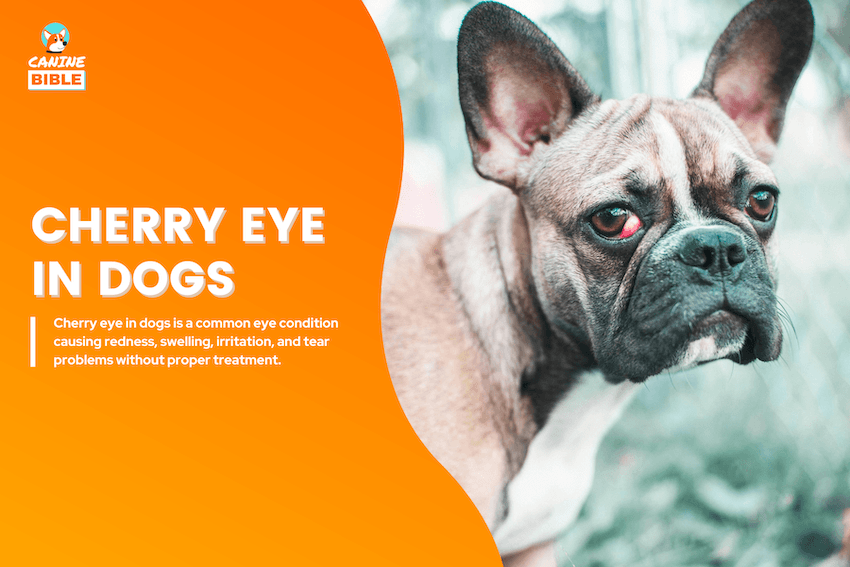
Cherry eye is a common eye condition in dogs in which the gland of the third eyelid slips out of its normal position, creating a noticeable red or pink swelling in the inner corner of the eye. It is especially common in young dogs under 1 year old and tends to affect certain breeds more frequently, including Bulldogs, Beagles, Cocker Spaniels, and Shih Tzus. Many owners mistake cherry eye for a temporary irritation or infection, but without proper treatment, it can lead to chronic inflammation, discomfort, dry eye, and long-term eye problems. Fortunately, cherry eye is highly treatable, and most dogs recover well with veterinary care. Modern surgical techniques are designed to reposition the gland while preserving tear production and protecting long-term eye health. This guide covers everything you need to know about cherry eye in dogs—from causes and symptoms to diagnosis, treatment, recovery, prevention, and daily care.
What Is Cherry Eye in Dogs?
Cherry eye, in simple terms, is the prolapse of the gland of the third eyelid that causes a red or pink swelling to appear in the inner corner of a dog’s eye. It commonly develops when the tissue holding the gland in place weakens. As the gland slips out of position, it can become inflamed, irritated, and prone to dryness. Without treatment, cherry eye may lead to chronic irritation and reduced tear production over time.
Types
Cherry eye in dogs can occur in several forms, each with different characteristics:
| Type | Description |
|---|---|
| Unilateral Cherry Eye | Affects only one eye and is the most commonly seen form in dogs. |
| Bilateral Cherry Eye | Occurs when both eyes develop cherry eye, either at the same time or separately. |
| Acute Cherry Eye | Develops suddenly with a noticeable red or pink swelling in the corner of the eye. |
| Chronic Cherry Eye | Long-standing prolapse that may lead to inflammation, irritation, and reduced tear production. |
| Recurring Cherry Eye | Cherry eye that returns after treatment or surgery due to gland instability or incomplete healing. |
| Inflamed or Infected Cherry Eye | Occurs when the exposed gland becomes irritated or infected, causing swelling, discharge, and discomfort. |
Predisposed Dog Breeds
Cherry eye is most common in young dogs and certain breeds with a genetic predisposition, especially those with weak connective tissue around the eyelid gland.


| Size / Group | Breeds | Notes on Risk Factors |
|---|---|---|
| Brachycephalic Breeds | English Bulldog, French Bulldog, Pug, Boston Terrier, Shih Tzu | Flat facial structure and weak connective tissue increase the risk of third eyelid gland prolapse. |
| Sporting Breeds | Cocker Spaniel, Beagle, Labrador Retriever | Inherited weakness in the tissue supporting the third eyelid gland may contribute to cherry eye. |
| Toy Breeds | Pekingese, Lhasa Apso, Cavalier King Charles Spaniel | Small facial anatomy and shallow eye sockets can increase eye irritation and gland instability. |
| Working & Giant Breeds | Neapolitan Mastiff, Cane Corso, Great Dane, Saint Bernard | Loose facial skin and genetic predisposition may increase the likelihood of cherry eye. |
| Terrier Breeds | American Staffordshire Terrier, Bull Terrier | Some terrier breeds appear genetically predisposed to gland prolapse at a young age. |
| Young Dogs | Most commonly seen in dogs under 1 year old regardless of breed | Immature connective tissue structures make younger dogs more vulnerable to developing cherry eye. |
Causes
Cherry eye in dogs is primarily caused by weak connective tissue that fails to keep the third eyelid gland securely in place. Genetics plays a major role, which is why the condition is more common in breeds such as Bulldogs, Beagles, Cocker Spaniels, Shih Tzus, and Boston Terriers. While the exact cause is not always known, factors such as inherited tissue weakness, eye inflammation, irritation, and trauma may contribute to the gland slipping out of position. Cherry eye most often develops in young dogs, particularly those under one year of age.
Symptoms
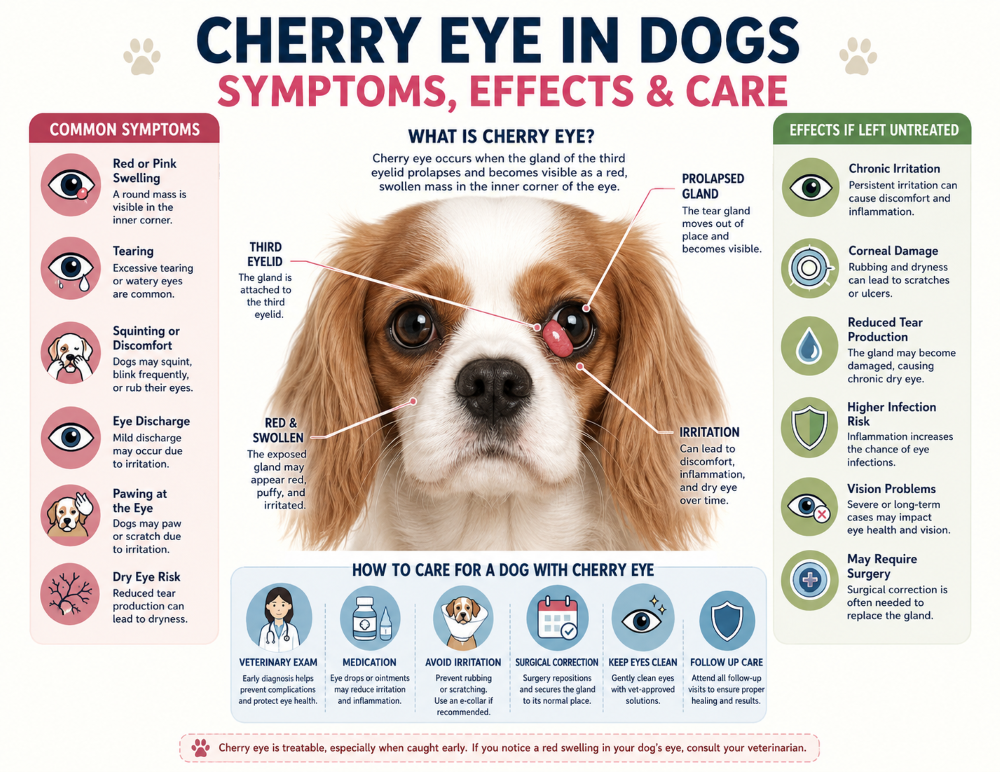
Cherry eye in dogs is a common eye condition that affects the third eyelid gland and can significantly impact eye comfort and tear production. Early signs are often subtle—like mild redness or eye irritation—but can worsen over time if left untreated.
This visual guide highlights the most common symptoms and how cherry eye can affect different parts of a dog’s eye, helping you recognize changes early and take steps to protect your dog’s long-term eye health.


Stages of Cherry Eye
- Early stage: Mild redness, small swelling, occasional tearing or eye irritation.
- Moderate stage: Visible prolapse, inflammation, discharge, squinting, eye discomfort.
- Advanced stage: Chronic irritation, dry eye risk, corneal damage, and possible vision complications.
Top Ways to Prevent Cherry Eye in Dogs
Because cherry eye is often linked to genetics and weak connective tissue, early eye care and reducing irritation may help lower the risk of complications and long-term eye damage.
| Prevention Strategy | Why It Helps | How to Do It |
|---|---|---|
| Maintain a Healthy Weight | Extra weight stresses joints and accelerates cartilage breakdown. | Feed portion-controlled meals, avoid overfeeding, use low-calorie treats. |
| Balanced, Joint-Supportive Diet | Nutrients protect cartilage, reduce inflammation, and support bone health. | Add omega-3s, glucosamine, chondroitin, collagen; ensure calcium, phosphorus, vitamin D. |
| Regular, Low-Impact Exercise | Keeps joints lubricated and strengthens supporting muscles. | Walks, swimming, light fetch. Avoid hard surfaces and repetitive jumping. |
| Joint Supplements (Early Introduction) | Slow joint degeneration, especially in predisposed breeds. | Use glucosamine, chondroitin, omega-3s, turmeric; start early for at-risk breeds. |
| Prevent & Manage Injuries | Injuries increase arthritis risk if untreated. | Use ramps, trim nails, treat ligament injuries promptly. |
| Regular Vet Screenings | Early detection allows intervention before arthritis worsens. | Schedule exams, X-rays, or genetic screenings for at-risk breeds. |
| Provide Orthopedic Support at Home | Reduces daily joint strain and prevents slips/falls. | Use orthopedic beds, non-slip rugs, raised food/water bowls. |
Actionable Resources
If you want to help protect your dog’s eye health and reduce the risk of complications from cherry eye, here are some expert-backed resources to explore under veterinary guidance.
How Cherry Eye Is Diagnosed in Dogs
Diagnosing cherry eye requires a full veterinary eye examination to confirm the prolapsed gland and rule out other eye conditions. Key steps include:
- Physical Examination: A veterinarian checks the eye for redness, swelling, irritation, discharge, and gland prolapse.
- Eye Evaluation: The third eyelid, tear production, and overall eye health are carefully examined.
- Fluorescein Stain Test: A special dye may be used to check for corneal scratches or ulcers caused by irritation.
- Tear Production Testing: Veterinarians may perform a Schirmer tear test to measure tear production and assess dry eye risk.
Early diagnosis is important because untreated cherry eye can lead to chronic irritation, infection, and long-term tear production problems.
Treatment & Care
According to the latest research, the most effective treatments for cherry eye in dogs are surgical gland repositioning procedures combined with supportive eye care, including anti-inflammatory medications, lubricating eye drops, and post-surgical monitoring to protect long-term tear production and eye health.
Always consult your veterinarian before starting any new treatment or eye medication for cherry eye. If you can’t reach your vet, you can chat live with a registered online veterinary professional via our online vet chat or video chat support (24 hours a day, 7 days a week). Or use Chewy’s online vet services (6 a.m. – midnight ET).
Conventional Medical Treatments
| Treatments | Benefits / Role |
|---|---|
| Anti-Inflammatory Eye Medications | Veterinary-prescribed eye drops or ointments help reduce swelling, redness, and irritation. |
| Lubricating Eye Drops | Artificial tears help keep the eye moist and reduce dryness caused by gland prolapse. |
| Antibiotic Eye Medications | Used when infection, discharge, or secondary bacterial irritation is present. |
| Surgical Gland Repositioning | The preferred treatment to restore the gland to its normal position while preserving tear production. |
| Protective Recovery Care | E-collars, follow-up monitoring, and restricted rubbing help support healing after treatment or surgery. |
Supplement Support
| Supplement / Nutrient | Benefits / Role |
|---|---|
| Omega-3 Fatty Acids (Fish Oil) | May help reduce eye inflammation and support tear production and overall eye health. |
| Vitamin A | Essential for healthy vision, tear gland function, and maintenance of eye tissues. |
| Lutein | An antioxidant that may help protect eye tissues from oxidative damage. |
| Zeaxanthin | Works alongside lutein to support long-term eye health and cellular protection. |
| Collagen | Supports connective tissue strength, which may help maintain healthy eye structures. |
| Vitamin C | Provides antioxidant support and helps with collagen production and tissue repair. |
| Vitamin E | Helps protect delicate eye tissues from oxidative stress and free-radical damage. |
| Zinc | Supports immune function, wound healing, and normal eye health. |
| Hyaluronic Acid | May help support eye lubrication and maintain moisture on the eye surface. |
Find the best over-the-counter treatments and supplements for cherry eye in dogs on Amazon.
Alternative & Integrative Therapies
| Therapy | Benefits / Role |
|---|---|
| Warm Compress Therapy | May help soothe irritation, reduce swelling, and improve comfort around the affected eye. |
| Cold Compress Therapy | Can temporarily reduce inflammation and help relieve eye discomfort or puffiness. |
| Lubricating Eye Drops | Help maintain moisture on the eye surface and reduce dryness caused by gland exposure. |
| Nutritional Support | Diets rich in omega-3 fatty acids and antioxidants may help support long-term eye health. |
| Routine Eye Cleaning | Gentle cleaning may help reduce discharge, irritation, and secondary infections around the eye. |
| Protective Recovery Collars | Prevent rubbing or scratching that can worsen irritation or interfere with healing. |
| Post-Surgical Recovery Care | Consistent medication use, rest, and veterinary follow-up help support healing and reduce recurrence risk. |
Surgical Options
| Surgical Option | Benefits / Role |
|---|---|
| Pocket Technique | The most common procedure; creates a tissue pocket to reposition and secure the prolapsed gland. |
| Anchoring Technique | Attaches the gland to nearby tissue structures to help maintain its normal position. |
| Combination Surgical Repair | Uses multiple repositioning methods together in severe or recurring cherry eye cases. |
| Revision Surgery | Performed if cherry eye returns after the initial surgery or if healing complications occur. |
Emotional & Lifestyle Impact
Cherry eye affects more than just a dog’s eye—it can impact both their daily comfort and overall well-being. Dogs dealing with chronic eye irritation may become more sensitive, rub at their eyes frequently, or show signs of discomfort during daily activities, especially when inflammation or dryness worsens over time.
For owners, the experience can also be stressful, particularly when managing medications, veterinary visits, or post-surgical recovery. Daily routines may need to shift toward preventing eye irritation, monitoring symptoms, and using protective recovery collars or medications consistently. With proper care, patience, and veterinary support, however, most dogs with cherry eye can recover well and continue living comfortable, happy lives.
Typical Annual Cost of Treating Canine Cherry Eye
| Category | Estimated Annual Cost Range | Notes |
|---|---|---|
| Routine Vet Visits & Eye Exams | $150 – $800 | Includes eye examinations, follow-up visits, and monitoring of tear production and healing. |
| Medications & Eye Drops | $100 – $600 | Includes lubricating eye drops, anti-inflammatory medications, and antibiotics if needed. |
| Supplements & Nutritional Support | $100 – $500 | Eye-health supplements, omega-3 fatty acids, and supportive nutrition for recovery and tear production. |
| Surgical Treatment | $300 – $2,000+ | Cherry eye surgery costs vary based on procedure type, specialist care, and whether one or both eyes are affected. |
| Post-Surgical Recovery Care | $50 – $400 | E-collars, medications, follow-up exams, and supportive home care during healing. |
| Emergency or Specialist Ophthalmology Care | $500 – $2,500+ | Advanced diagnostics or treatment from a veterinary ophthalmologist may increase overall costs. |
| Pet Insurance & Wellness Plans | $300 – $1,200 | May help offset expenses related to surgery, medications, diagnostics, and specialist care. |
| Typical Annual Range | Non-Surgical Cases: $300 – $1,500 | With Surgery: $1,000 – $4,000+ | |
Cherry eye treatment and surgery costs can add up quickly—from veterinary eye exams and medications to possible surgical correction and follow-up care. Pet insurance and wellness plans may help reduce the financial burden and ensure your dog receives proper treatment without compromise. If you want to compare plans and find providers that offer strong coverage for eye conditions and surgeries, check out our full guide to the Best Pet Insurance for Dogs and Best Pet Wellness Plans.
Other Health Issues Related to Cherry Eye in Dogs
As eye irritation and inflammation persist, dogs may develop additional eye and comfort-related issues, and some symptoms may be linked to these conditions rather than cherry eye alone.
- Chronic Eye Irritation
- Dry Eye (Keratoconjunctivitis Sicca)
- Excessive Tearing / Eye Discharge
- Corneal Ulcers
- Eye Infections
- Swelling & Inflammation
- Squinting or Light Sensitivity
- Vision Problems
- Eye Rubbing & Pawing
- Behavioral Changes (Irritability, Restlessness)
- Reduced Tear Production
- Secondary Eye Trauma
- Recurring Cherry Eye
- Post-Surgical Complications
- Chronic Discomfort or Pain
Frequently Asked Questions
The Bottom Line
Cherry eye is a common eye condition in dogs, but with early recognition and proper veterinary care, most dogs recover well and maintain a good quality of life. While the condition often requires surgical correction, modern treatment options are highly effective at preserving tear production and protecting long-term eye health. By monitoring symptoms early, preventing irritation, following post-surgical care instructions, and working closely with a veterinarian, pet owners can help reduce complications and support a smooth recovery. Ultimately, the goal is not just treating the visible swelling, but protecting your dog’s comfort, vision, and overall well-being for years to come.