Entropion in Dogs: Symptoms, Types, Causes, Signs & Prevention

Canine Bible is reader-supported. We receive affiliate commissions via some of our links. Learn more.
Entropion is one of the most common eyelid disorders in dogs, affecting up to 1 in 300 dogs overall and occurring far more often in certain breeds. The condition develops when the eyelid rolls inward, causing the eyelashes and surrounding fur to rub against the surface of the eye. This constant friction can lead to irritation, excessive tearing, redness, pain, corneal ulcers, infections, scarring, and even vision loss if left untreated. Many owners mistake its early signs—squinting, watery eyes, or sensitivity to light—for mild eye irritation or allergies. Left unmanaged, entropion can seriously affect a dog’s comfort and quality of life. The good news is that with proper veterinary care, surgery, and daily eye management, most dogs can live healthy, comfortable lives and avoid long-term complications.
What Is Entropion in Dogs?
Entropion, in simple terms, is a condition where the eyelid rolls inward, causing the eyelashes and fur to rub against the eye. This constant irritation can lead to pain, tearing, redness, and, if left untreated, serious problems like corneal ulcers, infections, and even vision loss. In dogs, it’s most often caused by genetics or breed conformation, especially in breeds with loose skin or facial wrinkles, but it can also occur due to injury or inflammation.
Types
Entropion in dogs can take several forms, each with different causes:
| Type | Description |
|---|---|
| Inherited Entropion | The most common form, caused by genetic facial structure or excessive skin folds. |
| Spastic Entropion | Occurs when eye pain or irritation causes the eyelid muscles to spasm and roll inward. |
| Cicatricial Entropion | Develops due to scarring or damage to the eyelid from injury, infection, or surgery. |
| Developmental Entropion | Seen in puppies as the facial structure develops, especially in predisposed breeds. |
| Age-Related Entropion | Can occur in older dogs when weakened tissues around the eye cause the eyelid to turn inward. |
| Secondary Entropion | Triggered by other eye conditions such as inflammation, trauma, or chronic infections. |
Predisposed Dog Breeds
Entropion is often linked to genetics and facial structure, making certain dog breeds more prone due to loose eyelids or excessive skin folds.


| Size / Group | Breeds | Notes on Risk Factors |
|---|---|---|
| Wrinkled Breeds | Shar-Pei, Chow Chow, Neapolitan Mastiff, English Bulldog | Excess facial folds and loose skin increase the likelihood of the eyelids rolling inward. |
| Large Breeds | Saint Bernard, Great Dane, Labrador Retriever, Golden Retriever | Loose eyelid structure and heavy facial tissue contribute to eyelid instability. |
| Sporting Breeds | Irish Setter, Chesapeake Bay Retriever, Clumber Spaniel | Inherited eyelid conformation abnormalities may predispose these breeds to entropion. |
| Working Breeds | Rottweiler, Bernese Mountain Dog, Mastiff | Genetic facial structure and loose lower eyelids can increase eye irritation risk. |
| Short-Nosed Breeds | Pug, Pekingese, Shih Tzu | Facial compression and abnormal eyelid shape may contribute to chronic eye rubbing. |
| Other Predisposed Breeds | Cocker Spaniel, Bloodhound, Basset Hound | Droopy eyelids and excessive skin around the eyes can worsen eyelid inversion over time. |
Causes
Entropion occurs when a dog’s eyelid rolls inward, causing the eyelashes and surrounding hair to rub against the surface of the eye. The condition is most commonly inherited and is frequently seen in breeds with loose facial skin or specific eyelid conformations, such as Shar-Peis, Bulldogs, Chow Chows, and Retrievers. Entropion can also develop secondary to chronic eye pain, inflammation, injury, scarring, or age-related changes that affect eyelid structure. Continuous irritation from the inward-rolling eyelid can lead to corneal ulcers, infections, and vision problems if left untreated. Early diagnosis and treatment are essential to prevent long-term eye damage.
Symptoms
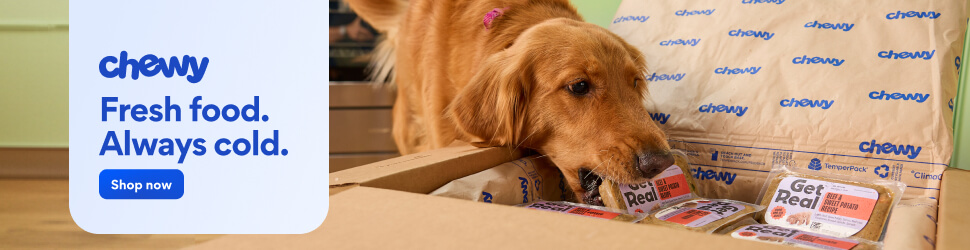
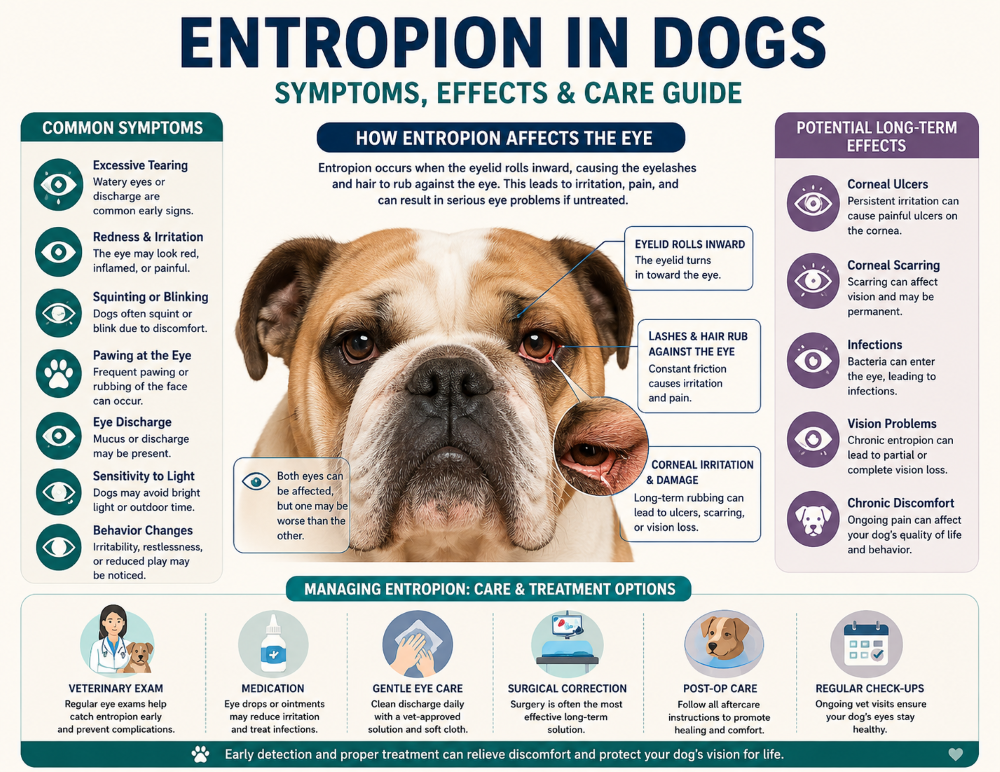
Entropion in dogs is a common eye condition that affects the eyelids and can significantly impact comfort and vision. Early signs are often subtle—like excessive tearing or mild squinting—but can worsen over time if left untreated.
This visual guide highlights the most common symptoms and how entropion affects different parts of a dog’s eye, helping you recognize changes early and take steps to protect your dog’s eye health and quality of life.
Stages of Entropion
- Early stage: Mild tearing, blinking, and slight eye irritation.
- Moderate stage: Noticeable redness, squinting, eye discharge, and corneal irritation.
- Advanced stage: Severe pain, corneal ulcers, scarring, infections, and possible vision loss.
Top Ways to Prevent Entropion in Dogs
Because entropion is a progressive eye condition that can cause pain and vision damage, early detection and proper eye care are essential. Routine veterinary exams and prompt treatment can help reduce irritation, prevent complications, and protect your dog’s long-term eye health.
| Prevention Strategy | Why It Helps | How to Do It |
|---|---|---|
| Regular Eye Examinations | Early detection helps prevent corneal damage and long-term complications. | Schedule routine veterinary eye exams, especially for predisposed breeds. |
| Monitor High-Risk Breeds | Breeds with loose skin or facial wrinkles are more likely to develop entropion. | Closely monitor breeds like Shar-Peis, Bulldogs, Chow Chows, and Saint Bernards. |
| Keep the Eyes Clean | Reduces irritation, infection risk, and excessive rubbing around the eyes. | Gently wipe away discharge using a soft cloth and vet-approved eye cleanser. |
| Treat Eye Irritation Promptly | Untreated irritation can worsen eyelid spasms and inflammation. | Seek veterinary care for redness, squinting, discharge, or excessive tearing. |
| Prevent Eye Injuries | Trauma and scarring may alter eyelid structure and contribute to entropion. | Avoid rough play, protect the eyes outdoors, and address injuries immediately. |
| Follow Post-Surgical Care | Proper healing reduces recurrence risk and protects the cornea. | Use prescribed medications, prevent scratching, and attend follow-up visits. |
| Responsible Breeding Practices | Helps reduce inherited eyelid abnormalities in future generations. | Avoid breeding dogs with severe entropion or chronic eye problems. |
Actionable Resources
If you want to prevent or reduce complications associated with entropion in your dog, here are some things you can do under veterinary guidance.
How Entropion Is Diagnosed in Dogs
Diagnosing entropion requires a full veterinary eye assessment to rule out other causes of eye irritation or discomfort. Key steps include:
- Physical Examination: A vet checks eyelid position, eye redness, tearing, squinting, pain response, and signs of corneal damage.
- Eye Imaging & Diagnostic Tests:
- Laboratory Tests: Eye discharge samples or additional testing may be performed if infection or inflammation is suspected.
- Eye & Vision Assessment: Veterinarians may evaluate vision quality, eyelid structure, and facial conformation to determine severity and treatment options.
Early diagnosis is crucial because entropion is a progressive condition—catching it sooner allows for treatment to reduce pain, prevent corneal damage, and protect your dog’s vision and quality of life.
Treatment & Care
According to the latest research, the most effective treatments for entropion in dogs focus on correcting the inward-rolling eyelid and protecting the eye from ongoing irritation, often combining surgical correction, medicated eye treatments, pain management, and long-term eye care for the best outcomes.
Always consult your veterinarian before starting any new treatment or eye medication for entropion. If you can’t reach your vet, you can chat live with a registered online veterinary professional via our online vet chat or video chat support (24 hours a day, 7 days a week). Or use Chewy’s online vet services (6 a.m. – midnight ET).
Conventional Medical Treatments
| Treatments | Benefits / Role |
|---|---|
| Surgical Correction | The most effective long-term treatment; repositions the eyelid to prevent rubbing and corneal damage. |
| Lubricating Eye Drops & Ointments | Help reduce dryness, irritation, and friction on the cornea. |
| Antibiotic Eye Medications | Used to treat or prevent bacterial infections caused by chronic eye irritation or ulcers. |
| Anti-Inflammatory Medications | Reduce redness, swelling, pain, and inflammation in the affected eye. |
| Temporary Eyelid Tacking | Often used in puppies to temporarily correct eyelid position while the face continues developing. |
| Protective Recovery Collars | Prevent rubbing or scratching that may worsen irritation and delay healing after treatment. |
Supplement Support
| Supplement / Nutrient | Benefits / Role |
|---|---|
| Omega-3 Fatty Acids (Fish Oil) | May help reduce inflammation and support overall eye and corneal health. |
| Vitamin A | Supports healthy vision, tear production, and normal eye surface function. |
| Vitamin C | Provides antioxidant support that may help protect eye tissues from oxidative stress. |
| Vitamin E | Helps protect delicate eye cells and supports overall ocular health. |
| Lutein & Zeaxanthin | Antioxidants that may help support long-term eye function and retinal health. |
| Taurine | An important amino acid that supports healthy vision and eye tissue function. |
| Zinc | Supports normal immune function and helps maintain healthy eye tissues. |
| Collagen | May help support connective tissues around the eyelids and eye structures. |
| Astaxanthin | A powerful antioxidant that may help reduce inflammation and support eye comfort. |
Alternative & Integrative Therapies
| Therapy | Benefits / Role |
|---|---|
| Warm Compress Therapy | May help soothe irritation, reduce inflammation, and improve comfort around the eyes. |
| Cold Laser Therapy | Can support tissue healing and reduce inflammation after eye procedures or irritation. |
| Protective Eye Lubrication | Helps reduce friction between the eyelid and cornea, minimizing irritation. |
| Gentle Eye Cleaning | Removes discharge and debris that may worsen irritation or infection risk. |
| Post-Surgical Rehabilitation | Supports proper healing and reduces complications following corrective eyelid surgery. |
| Omega-3 Nutritional Support | May help support healthy inflammation response and long-term eye health. |
| Veterinary Ophthalmology Care | Specialized eye evaluations and management plans for chronic or severe entropion cases. |
Surgical Options
| Surgical Option | Benefits / Role |
|---|---|
| Blepharoplasty | The most common corrective surgery; removes excess skin and repositions the eyelid. |
| Eyelid Tacking | Temporary procedure often used in puppies to prevent corneal damage during facial development. |
| Hotz-Celsus Procedure | A specialized eyelid surgery technique used to permanently correct inward-rolling eyelids. |
| Corneal Ulcer Repair | Performed in severe cases where chronic irritation has caused deep corneal ulcers or damage. |
| Reconstructive Eyelid Surgery | Used for complex or recurrent cases involving scarring, trauma, or abnormal eyelid anatomy. |
Emotional & Lifestyle Impact
Entropion affects more than just a dog’s eyes—it can significantly impact both their daily comfort and emotional well-being. Dogs living with chronic eye irritation or pain may become more withdrawn, sensitive to touch, less playful, or reluctant to engage in normal activities due to discomfort, tearing, and light sensitivity.
For owners, the experience can also be emotionally challenging, especially when managing ongoing eye care, medications, veterinary visits, or surgery recovery. Daily routines may need to shift toward regular eye cleaning, medication schedules, protective collars, and reduced exposure to irritants such as dust or bright sunlight. With early treatment, patience, and supportive care, however, many dogs with entropion can return to living comfortable, happy, and active lives.
Typical Annual Cost of Treating Canine Entropion
| Category | Estimated Annual Cost Range | Notes |
|---|---|---|
| Routine Vet Visits & Eye Exams | $200 – $700 | Includes eye examinations, monitoring, and follow-up evaluations. |
| Eye Medications & Lubricants | $150 – $800 | Includes antibiotic ointments, lubricating drops, and anti-inflammatory medications. |
| Diagnostic Eye Testing | $100 – $500 | Fluorescein staining, tear testing, and other ophthalmic diagnostics. |
| Protective & Recovery Supplies | $50 – $300 | E-collars, eye wipes, cleaning supplies, and post-surgical recovery items. |
| Surgery (if needed) | $800 – $3,500+ | Corrective eyelid surgery costs vary based on severity and specialist care. |
| Insurance & Wellness Plans | $360 – $960 | May help offset the costs of exams, medications, and surgery. |
| Typical Annual Range | Non-Surgical Cases: $400 – $1,500 | With Surgery: $1,500 – $5,000+ | |
Entropion treatment costs can add up quickly — from routine eye medications to possible corrective surgery. Pet insurance and wellness plans can help ease the financial burden and ensure your dog receives the best eye care without compromise. If you want to compare plans and find out which providers offer the best coverage for entropion and chronic eye conditions, check out our full guide to the Best Pet Insurance for Dogs and Best Pet Wellness Plans.
Other Health Issues Related to Entropion in Dogs
As eye irritation and discomfort persist, dogs may develop additional eye and behavioral issues, and some entropion symptoms may also be linked to these conditions rather than entropion alone.
- Corneal Ulcers
- Chronic Eye Infections
- Excessive Tearing (Epiphora)
- Corneal Scarring
- Vision Impairment / Vision Loss
- Chronic Eye Inflammation
- Dry Eye (Keratoconjunctivitis Sicca)
- Conjunctivitis (Pink Eye)
- Light Sensitivity (Photophobia)
- Behavioral Changes (Irritability, Eye Rubbing)
- Squinting or Blepharospasm
- Facial Skin Irritation
- Eyelid Scarring or Deformities
- Reduced Activity or Playfulness
- Secondary Eye Trauma from Scratching
Frequently Asked Questions
The Bottom Line
Entropion is one of the most common eyelid disorders in dogs, but with early recognition and proper treatment, most dogs can live comfortable, healthy lives. While mild cases may be managed temporarily with medications and eye care, surgical correction is often the most effective long-term solution. By monitoring for signs like squinting, tearing, redness, and eye rubbing, pet parents can help prevent serious complications such as corneal ulcers, infections, and vision loss. Regular veterinary care, proper eye hygiene, and prompt treatment play a critical role in protecting your dog’s eye health and overall quality of life.