10 Best Ear Mite Treatments for Dogs in 2026: Vet-Approved

Canine Bible is reader-supported. We receive affiliate commissions via some of our links. Learn more.
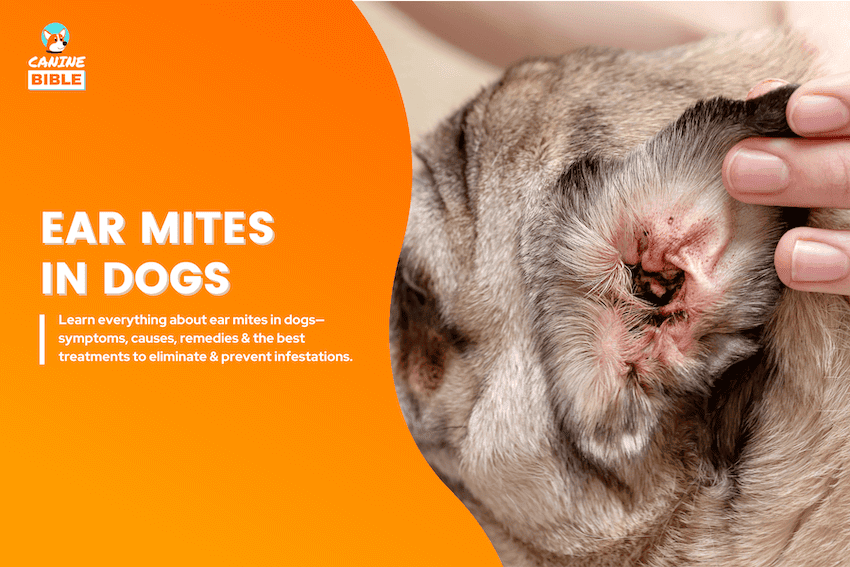
This is your complete guide to ear mites in dogs. If your pup shakes his head or scratches his ears more than usual, tiny parasites known as ear mites might be the cause. These mites can cause intense itching and other ear-related problems. It’s important to understand the basics of this common parasite so you can keep your dog comfortable, healthy, and safe. So, what should you do if you suspect an ear mite infestation? This guide covers everything you need to know—from symptoms and causes to treatment and prevention. Let’s get started!
Best Ear Mite Treatment In Dogs
Treating ear mites (Otodectes cynotis) in dogs requires a comprehensive approach to eliminate the infestation, relieve discomfort, and prevent recurrence. The process begins with ear cleaning, in which a veterinarian uses appropriate solutions to remove debris and earwax, thereby enhancing the efficacy of medications. This is followed by topical medications, such as selamectin (e.g., Revolution®) or moxidectin/imidacloprid (e.g., Advantage Multi®), which are applied to the skin and effectively eradicate ear mites. Over-the-counter products, such as PetArmor Ear Mite Treatment, may also be available, but should only be used under veterinary guidance to ensure safety and effectiveness.
In some cases, oral and injectable medications are prescribed. Ivermectin, administered orally or via injection, is a potent antiparasitic often used off-label for ear mite treatment. However, certain breeds may be sensitive to ivermectin, making veterinary consultation essential. Sarolaner (Simparica®), an oral chewable medication, is another effective option that treats fleas, ticks, and ear mites. Additionally, environmental management plays a crucial role in preventing reinfestation. All household pets should be treated simultaneously since ear mites are highly contagious, and pet bedding, toys, and grooming tools must be thoroughly cleaned.
Follow-up care is critical to ensure the infestation is fully resolved. This involves monitoring through follow-up visits with the veterinarian and implementing preventative measures such as regular ear inspections and maintaining overall ear health.


Best Ear Mite Medicine For Dogs
There are a variety of medical treatment options your veterinarian may recommend.
1. Best Vet-Prescribed Ear Mite Medications For Dogs
Here are the most commonly used medications for dogs with ear mites.
| Treatment | Active Ingredient(s) | Administration | Efficacy | Reference |
|---|---|---|---|---|
| Afoxolaner (NexGard®) | Afoxolaner | Oral Chewable | 100% efficacy at Day 42 after two monthly doses | Taenzler et al., 2021 |
| Sarolaner (Simparica®) | Sarolaner | Oral Chewable | 93.3% efficacy at Day 60 after a single dose | Fourie et al., 2018 |
| Afoxolaner & Milbemycin Oxime (NexGard Spectra®) | Afoxolaner, Milbemycin Oxime | Oral Chewable | 99.9% efficacy at Day 28 after a single dose | Taenzler et al., 2023 |
| Fluralaner (Bravecto®) | Fluralaner | Oral or Topical | 99.8% efficacy at Day 28 after a single dose | Taenzler et al., 2017 |
| Imidacloprid & Moxidectin (Advantage Multi™) | Imidacloprid, Moxidectin | Topical Solution | 98.1% efficacy after second monthly dose | Kim et al., 2013 |
| Ivermectin | Ivermectin | Subcutaneous Injection | 97.4% efficacy after two doses administered three weeks apart | Ghubash, 1991 |
| Revolution® (Selamectin) | Selamectin | Topical Solution | 100% efficacy in eliminating ear mites after a single dose | Young et al., 2000 |
Based on available data and clinical studies, the most effective dog ear mite treatments are Revolution® (Selamectin) and NexGard® (Afoxolaner). Revolution stands out for its 100% efficacy after a single topical application, making it fast-acting and convenient. NexGard, an oral chewable, also achieved 100% efficacy by Day 42 after two monthly doses, offering a reliable alternative for dogs that prefer oral treatments. Other highly effective options include NexGard Spectra® (Afoxolaner + Milbemycin Oxime), which reached 99.9% efficacy within 28 days, and Bravecto® (Fluralaner), which showed 99.8% efficacy after one dose and provides long-lasting protection. Simparica® (Sarolaner) also performed well, with 93.3% efficacy at Day 60. Injectable Ivermectin and Advantage Multi® (Imidacloprid + Moxidectin) are reliable alternatives, though they typically require multiple doses and may not act as quickly. Overall, Revolution offers the best speed, ease, and effectiveness, while NexGard and NexGard Spectra provide excellent oral options for comprehensive parasite control.
2. Home Remedies For Ear Mites In Dogs (OTC Treatments)
While various sources suggest home remedies such as green tea rinses or oil treatments, their efficacy has not been scientifically proven. Consulting a veterinarian before attempting any home-based therapies is essential for safe and effective care


Here are some of the most effective over-the-counter treatments to kill ear mites at home.
Green Tea Rinse: Green tea acts as a natural antiseptic, helping to cleanse the ear canal and reduce inflammation. Brew a cup of green tea, let it cool to room temperature, and place a few drops into your dog’s ear with a dropper. This can help remove mite debris and promote healing. Repeat daily until the mites are gone. Ensure the tea is completely cooled before application to prevent burns. Gentle, green tea rinses may not be potent enough to eradicate a significant mite infestation.
Apple Cider Vinegar: Apple cider vinegar (ACV) contains acetic acid, a natural antibacterial and antifungal compound. Acetic acid is bactericidal, which prevents the growth of bacteria in many microorganisms. ACV also helps rebalance the ear’s pH and may create an environment less hospitable to mites. Mix equal parts raw, unfiltered apple cider vinegar and distilled water. Soak a cotton ball in the solution and gently wipe the visible parts of your dog’s inner ear. Repeat once daily. Never use ACV on raw, inflamed, or broken skin, as the acidity can cause stinging and further irritation. Always dilute and avoid deep application into the ear canal.
Oil Treatment (General): Carrier oils such as olive, almond, or mineral oil can smother mites and loosen wax and debris, aiding in their removal. Warm the oil slightly and place a few drops into the ear canal using a dropper. Gently massage the ear and clean it with a cotton pad after a few minutes. Repeat daily. Use only food-grade oils and avoid essential oil blends unless a vet approves. Oils may need to be applied consistently for weeks, and buildup should be avoided. Premo Guard Plant-Based Oils Pet Protector Spray on Amazon is a great choice.
William Miller Jr., VMD, a professor of dermatology at Cornell University’s College of Veterinary Medicine, says that “there are many topical, oral, and systemic agents and most such as ivermectin are highly effective… even one old-time remedy – baby oil- can [get rid of ear mite infestation].”[1] Simply put a few drops into an affected ear several times a day for a month. This usually smothers the mites,” Dr. Miller notes.
Aloe Vera Gel: Aloe vera contains compounds like aloin and acemannan, which help soothe inflammation, reduce itchiness, and support skin healing—making it ideal for irritated ears. Apply a thin layer of 100% pure aloe vera gel (without additives or alcohol) to the outer part of the ear using a clean cotton swab or pad. Do not apply deep into the ear canal. Only use pet-safe aloe products free of added preservatives, as some ingredients in commercial gels can be toxic to dogs. Four Paws Aloe Ear Mite Treatment For Dogs on Amazon is an aloe vera-based anti-ear mite product that’s worth checking out.
Many dog owners swear by Vaseline for ear mites—but does it really work? Before you reach for the jar, there are a few things you need to know. Discover the truth and how to use it safely in our full guide.
Ear Mite Prevention for Dogs
Ear mites feed on earwax and skin oils, so keeping your dog’s ears clean is key to reducing the risk of infestation. A thorough ear cleaning at least once a month is recommended as a preventive measure. Zymox Cleanser can be a routine ear cleaner (view on Amazon). It’s excellent for ongoing ear maintenance and for preventing infections. For added support, you can use the Zymox Otic Enzymatic Solution (view on Amazon) to soothe infections, redness, and inflammation. Simply fill the ear canal with the solution and allow the antimicrobial enzymes to do their work. Many users report that this product is effective at killing ear mites. Before using any product, consult your veterinarian for approval. In addition, make sure to clean your home, dog’s bedding, kennel, and any shared spaces. Regularly wash and sanitize items your dog comes into contact with.
How To Prevent Dog Ear Mite Infection From Happening Again
A study concluded that environments previously inhabited by animals infested with ear mites should be disinfected or left unoccupied for at least 12 days to prevent reinfestation [2]. Other tips include:
How To Get Rid Of Ear Mites In Your House
Here’s a clean visual checklist of how to get rid of ear mites in your house:
🔁 1. Treat All Pets: Medicate every pet in the household—even if they show no symptoms.
🧺 2. Wash Bedding: Wash pet beds, blankets, and soft toys in hot water and dry on high heat.
🧼 3. Disinfect Hard Surfaces: Clean floors, crates, and baseboards with a pet-safe disinfectant.
🧹 4. Vacuum Daily: Vacuum carpets, rugs, and furniture; empty the vacuum after every use.
🐾 5. Sanitize Pet Gear: Wash collars, brushes, and grooming tools in hot, soapy water.
📆 6. Repeat for 2–4 Weeks: Continue cleaning until the full mite life cycle is eliminated.
Frequently Asked Questions
The Bottom Line
A dog ear mite infection can irritate your pet and wallet, especially if your pup is dealing with severe itchiness or serious ear damage to the ear canal. If your dog develops any of these symptoms, see your vet right away. Also, check yourself for signs of ear mites and make an appointment with your doctor. Animal-to-human transmission is unlikely, but it can happen. The sooner you see your vet and receive the proper medication, the sooner you can kill ear mites in dogs and their eggs.
Like It? Subscribe & Share!
Sources
- Cornell University College of Veterinary Medicine. (n.d.). Otitis.
- Otranto, D., Milillo, P., Mesto, P., De Caprariis, D., Perrucci, S., & Capelli, G. (2004). Otodectes cynotis (Acari: Psoroptidae): examination of survival off-the-host under natural and laboratory conditions. Exp Appl Acarol, 32(3), 171-9.