Vestibular Disease in Dogs: Symptoms, Types, Causes, Signs & Prevention

Canine Bible is reader-supported. We receive affiliate commissions via some of our links. Learn more.
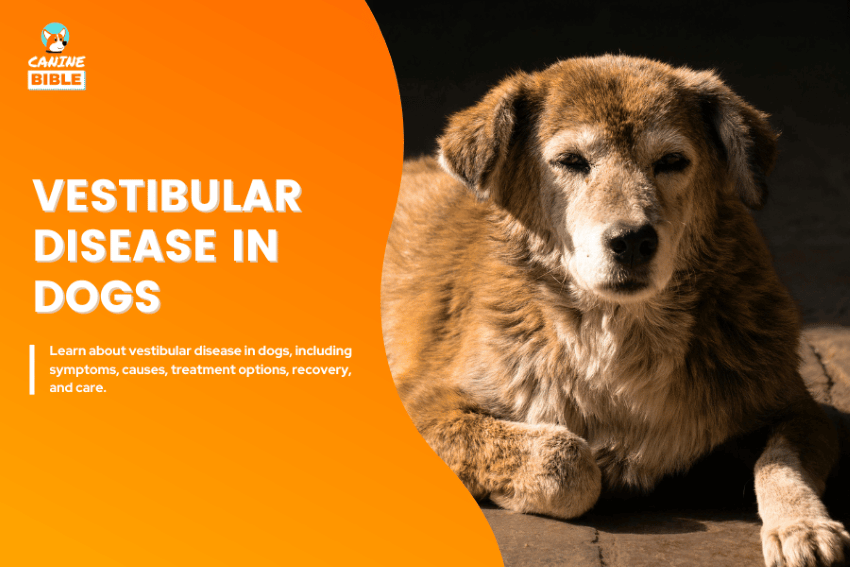
A comprehensive guide to vestibular disease in dogs, including common causes, symptoms, diagnosis, treatment, recovery and ways to keep an affected dog safe and comfortable.
Vestibular Disease at a Glance
Most common in
Older dogs, especially with idiopathic vestibular syndrome.
Common signs
Head tilt, stumbling, circling, rapid eye movements and nausea.
Diagnosis
Neurologic and ear exams; further testing when indicated.
Treatment
Supportive nursing care and treatment of the underlying cause.
Prognosis
Many idiopathic cases improve within days; recovery varies by cause.
Possible causes
Idiopathic syndrome, inner-ear disease or central nervous system disorders.
What Is Vestibular Disease in Dogs?
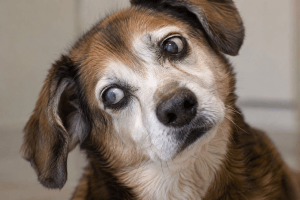
Vestibular disease affects the balance system, which helps dogs maintain posture and coordinate their head and eye movements. Problems may arise in the inner or middle ear and vestibular nerve (peripheral vestibular disease), or in the brainstem or cerebellum (central vestibular disease). Signs often appear suddenly and can include a tilted head, loss of balance, rapid involuntary eye movements (nystagmus), nausea and vomiting. Older dogs may develop idiopathic vestibular syndrome, in which no underlying cause is identified. However, similar signs can occur with ear infections, inflammation and other neurologic conditions, so veterinary evaluation is important.


Types
Vestibular disease in dogs is classified into two main types: peripheral and central vestibular disease, depending on which part of the balance system is affected. Peripheral vestibular disease involves the inner or middle ear or vestibular nerve, while central vestibular disease affects the brainstem or cerebellum. Understanding these types and their underlying causes can help pet parents recognize symptoms, explore treatment options, and understand their dog’s prognosis.
Peripheral Vestibular Disease
Affects the balance structures of the inner ear or the vestibular nerve. It commonly causes head tilt, loss of balance, abnormal eye movements, nausea, and difficulty walking.
Central Vestibular Disease
Affects the brainstem or cerebellum. Possible causes include inflammation, tumors, vascular events, and other neurological disorders. Additional neurological abnormalities may be present.
Idiopathic Vestibular Syndrome
Often called old dog vestibular syndrome, this condition typically develops suddenly in older dogs without an identifiable cause. Many dogs improve within several days, although a residual head tilt may persist.
Infection-Related Vestibular Disease
Middle- or inner-ear infections can disrupt the vestibular system and cause peripheral vestibular signs. Treatment targets the infection and may require medication or additional veterinary procedures.
Congenital Vestibular Disease
A developmental disorder present from birth that typically becomes noticeable in puppies. Affected dogs may have persistent head tilt, poor coordination, and hearing abnormalities. Severity and long-term outcomes vary.


Predisposed Dog Breeds
While vestibular disease can affect any dog, certain breeds are more prone to inherited forms. Factors such as age, genetics, and underlying ear conditions may increase a dog’s risk of developing vestibular disease.
| Breed / Group | Breeds | Notes on Risk Factors |
|---|---|---|
| Herding Breeds | German Shepherd | Congenital vestibular dysfunction has been reported in German Shepherds. Affected puppies may develop head tilt, poor coordination, and balance abnormalities early in life. |
| Working Breeds | Doberman Pinscher | An inherited form of vestibular dysfunction associated with deafness has been identified in Doberman Pinschers. Symptoms may appear during puppyhood. |
| Hound Breeds | Beagle | Congenital vestibular disorders have been reported in Beagles. Affected puppies may show abnormal head positioning, stumbling, and difficulty maintaining balance. |
| Sporting Breeds | English Cocker Spaniel | Congenital vestibular dysfunction has been reported in this breed. Middle- and inner-ear disease can also cause acquired peripheral vestibular symptoms. |
| Spitz Breeds | Akita | Hereditary vestibular abnormalities have been reported in Akitas. Affected dogs may develop balance problems and abnormal head positioning at a young age. |
| Senior Dogs | All Breeds | Idiopathic vestibular syndrome primarily affects middle-aged and older dogs. It often develops suddenly and has no established breed-specific predisposition. |
| Other Breeds | Any Dog Breed | Vestibular disease can occur in any breed due to middle- or inner-ear infections, inflammation, tumors, certain medications, or neurological disorders. |
Causes
Vestibular disease in dogs can develop from inner-ear infections, inflammation, neurological disorders, congenital abnormalities, or age-related conditions. In some cases, the exact cause remains unknown. Understanding these potential causes can help pet parents recognize symptoms, seek timely veterinary care, and make informed treatment decisions.
Middle & Inner Ear Infections
Bacterial infections affecting the middle or inner ear can damage vestibular structures, causing head tilt, loss of balance, abnormal eye movements, and difficulty walking.
Age & Idiopathic Vestibular Syndrome
Older dogs are more commonly affected by idiopathic vestibular syndrome, which causes sudden balance problems without an identifiable underlying cause. Age is associated with this syndrome but does not explain its development.
Genetics & Congenital Abnormalities
Certain breeds can inherit abnormalities affecting the vestibular system. Congenital vestibular disease typically becomes apparent in puppies and may occur alongside hearing impairment or other developmental abnormalities.
Inflammatory Diseases
Inflammation affecting the inner ear, vestibular nerve, or central nervous system can interfere with balance. Conditions such as meningoencephalitis may cause central vestibular symptoms.
Brain Tumors & Neurological Disorders
Tumors or other neurological conditions affecting the brainstem or cerebellum can disrupt balance and coordination, resulting in central vestibular disease. Additional neurological signs may occur.
Ototoxic Medications & Toxins
Certain medications, including some antibiotics, can damage inner-ear structures and cause vestibular dysfunction. Risk depends on the medication, dose, route, and ear health.
Head Trauma & Vascular Events
Injuries involving the inner ear or brain can damage the vestibular system. Vascular events, including strokes affecting the brainstem or cerebellum, can also cause sudden vestibular symptoms.
Symptoms
Vestibular disease symptoms in dogs can vary depending on the type and underlying cause. Some signs may appear suddenly, while others develop gradually. Common symptoms include head tilt, loss of balance, stumbling, circling, rapid eye movements, nausea, vomiting, and difficulty walking. Because these symptoms can also indicate other neurological conditions, any sudden or unusual changes should be evaluated promptly by a veterinarian.
- Sudden head tilt
- Loss of balance and coordination
- Stumbling or difficulty walking
- Walking in circles
- Rapid, involuntary eye movements
- Nausea and vomiting
- Dizziness or disorientation
- Difficulty standing
- Loss of appetite
- Rolling or falling to one side
Vestibular disease affects balance, coordination and spatial orientation.
Stages & Progression of Vestibular Disease in Dogs
Vestibular disease in dogs can progress differently depending on the type, underlying cause, and severity of the condition. Symptoms may appear suddenly, worsen during the initial phase, and gradually improve with appropriate care. Understanding the onset, recovery process, and potential long-term effects can help pet parents anticipate changes, evaluate treatment options, and provide the support their dog may need.
Acute Onset
Symptoms appear suddenly and may include severe head tilt, loss of balance, abnormal eye movements, nausea, vomiting, and difficulty standing.
Stabilization
During the first 24–72 hours, symptoms may stabilize. Veterinary assessment and supportive care help manage nausea, prevent injury, and maintain hydration.
Gradual Improvement
Many dogs with idiopathic vestibular syndrome begin improving within several days. Balance, mobility, appetite, and abnormal eye movements may improve over the following one to two weeks.
Recovery
Many dogs recover substantially within two to four weeks. Some retain a permanent head tilt or mild balance difficulties, while others may experience recurring episodes.
This chart illustrates a possible recovery pattern for idiopathic vestibular syndrome, not a formal staging system or a guaranteed timeline. Recovery varies considerably depending on the underlying cause. Central vestibular disease and conditions involving infections, tumors, or inflammation may require different treatment and follow a different course. Sudden vestibular symptoms warrant prompt veterinary evaluation.
Top Ways to Prevent Vestibular Disease in Dogs
While not all cases of vestibular disease can be prevented, especially idiopathic cases, proper ear care and regular veterinary checkups can help reduce certain risks. By treating ear infections promptly, preventing head injuries, and monitoring your dog’s health, you can support their balance and neurological function. Early detection can help prevent complications and improve recovery outcomes.
| Prevention Strategy | Why It Helps | How to Do It |
|---|---|---|
| Maintain Proper Ear Hygiene | Healthy ears and appropriate cleaning help reduce the risk of certain ear infections that may spread to the middle or inner ear. | Inspect your dog’s ears regularly. Clean them only as recommended by your veterinarian, using approved products. Avoid inserting cotton swabs deep into the ear canal. |
| Treat Ear Infections Promptly | Untreated middle- or inner-ear infections can damage vestibular structures and cause balance problems or head tilt. | Watch for ear discharge, odor, redness, pain, and frequent head shaking. Seek veterinary treatment promptly and follow the prescribed treatment plan. |
| Schedule Regular Veterinary Checkups | Routine examinations can identify ear disease and other health problems that may contribute to vestibular dysfunction. | Schedule routine wellness examinations, with additional visits for senior dogs or those with recurring ear problems. Discuss any changes in balance or coordination with your vet. |
| Prevent Head Injuries | Head trauma can damage the inner ear or areas of the brain responsible for balance and coordination. | Supervise outdoor activities, secure your dog during car travel, and prevent falls from elevated surfaces. Provide safe play areas. |
| Avoid Ototoxic Medications | Certain medications can damage inner-ear structures and cause hearing loss or vestibular dysfunction, particularly when used improperly. | Give medications only as directed by your veterinarian. Never use ear medications without veterinary guidance, especially if a ruptured eardrum is suspected. |
| Manage Underlying Health Conditions | Some infections, inflammatory diseases, and neurological disorders can affect the vestibular system. Appropriate treatment may reduce complications. | Follow your veterinarian’s recommendations for managing chronic ear disease and other diagnosed conditions. Attend follow-up appointments and monitor treatment responses. |
| Monitor Senior Dogs | Idiopathic vestibular syndrome occurs most commonly in older dogs. Although it cannot reliably be prevented, early recognition allows prompt veterinary assessment. | Monitor older dogs for sudden head tilt, stumbling, circling, abnormal eye movements, and difficulty standing. Keep their environment safe and accessible. |
| Recognize Early Warning Signs | Identifying vestibular symptoms promptly helps veterinarians investigate potentially treatable causes and provide supportive care before complications develop. | Seek prompt veterinary attention if your dog suddenly develops head tilt, loss of balance, rapid eye movements, vomiting, or difficulty walking. Do not wait for symptoms to resolve on their own. |
Actionable Resources
If you want to support your dog’s ear health and reduce preventable causes of vestibular disease, here are some helpful Canine Bible resources to explore under veterinary guidance.
How Is Vestibular Disease in Dogs Diagnosed
Diagnosing vestibular disease in dogs requires a thorough veterinary evaluation to identify the underlying cause and rule out other conditions. Veterinarians typically review your dog’s medical history, perform physical and neurological examinations, and may recommend additional diagnostic tests. Key steps include:
1. Physical Examination
Your veterinarian reviews your dog’s medical history, symptom onset, and medications. A physical examination evaluates overall health and identifies signs such as head tilt, balance problems, and abnormal eye movements.
2. Neurological Examination
Neurological testing assesses balance, coordination, eye movements, reflexes, and cranial nerve function. These findings help distinguish peripheral vestibular disease from conditions affecting the brainstem or cerebellum.
3. Ear Examination
An otoscopic examination checks the ear canals and visible eardrums for infection, inflammation, or damage. Additional ear testing may be needed if middle- or inner-ear disease is suspected.
4. Laboratory Tests
Bloodwork, urinalysis, and other laboratory tests may help identify underlying illnesses or metabolic abnormalities. Ear samples may also be collected when infection is suspected.
5. Advanced Imaging
MRI or CT scans may be recommended to examine the brain and middle or inner ears. Imaging helps investigate suspected infections, tumors, inflammation, and other structural abnormalities.
6. Diagnosis & Additional Testing
Depending on the findings, your veterinarian may recommend cerebrospinal fluid analysis or other specialized tests. Idiopathic vestibular syndrome is diagnosed after considering clinical signs and excluding other likely causes.
Early detection is essential because identifying the underlying cause of vestibular disease promptly allows for appropriate treatment, better symptom management, and improved recovery and quality of life.
Nutritional Support & Supplements
Proper nutrition can play an important supportive role for dogs with vestibular disease by helping maintain hydration, energy, muscle strength, and overall quality of life during recovery. Depending on your dog’s needs, veterinarians may recommend easily digestible meals, balanced diets, assisted feeding, and appropriate nutritional supplements. However, supplements have not been proven to treat or prevent vestibular disease.
Important: Supplements have not been proven to prevent or treat vestibular disease. Always discuss dietary changes and supplements with your veterinarian. Dogs experiencing severe nausea, vomiting, or difficulty swallowing may require veterinary-assisted hydration or feeding. Never force-feed a dog that cannot swallow safely.
Supportive care—such as managing nausea, maintaining proper hydration and nutrition, and making home safety adjustments—plays a crucial role in keeping dogs with vestibular disease comfortable during recovery. These measures support recovery but do not treat every underlying cause, so any diet, supplement, or care plan should be reviewed with your veterinarian.
Over-the-Counter Products
Over-the-counter treatments and supplements mentioned in this article for vestibular disease in dogs can be found on Amazon and Chewy.


Always consult your veterinarian before starting any new treatment, medication, or home-care regimen for canine vestibular disease. Puppies and dogs with persistent vomiting, diarrhea, weakness, or dehydration may require prompt veterinary care. If you can’t reach your vet, you can chat live with a registered online veterinary professional via our online vet chat or video chat support (24 hours a day, 7 days a week). Or use Chewy’s online vet services (6 a.m. – midnight ET).
Treatment & Care
Treatment for vestibular disease in dogs depends on the underlying cause and severity of symptoms. A combination of supportive care, anti-nausea medications, hydration, and physical rehabilitation may help dogs recover. When necessary, veterinarians may prescribe antibiotics for bacterial ear infections, anti-inflammatory medications for specific conditions, or surgery to address certain underlying causes.
Medications
Common medications used to treat vestibular disease in dogs include:
| Medication / Class | Examples | How It Is Used | Important Considerations |
|---|---|---|---|
| Anti-Nausea Medications | Maropitant (Cerenia) | Controls vomiting associated with vestibular disease and helps dogs maintain hydration and nutrition during recovery. | Does not treat the underlying vestibular disorder. Some dogs may continue experiencing nausea despite reduced vomiting. |
| Serotonin Antagonists | Ondansetron | May be prescribed to manage nausea associated with vestibular syndrome, particularly when persistent nausea interferes with eating or drinking. | Veterinary supervision is required. Potential adverse effects include constipation and, in susceptible patients, heart rhythm disturbances. |
| Antihistamines | Meclizine, dimenhydrinate, diphenhydramine | May help control vestibular-related motion sickness and nausea in selected dogs. | Can cause sedation, dry mouth, or other adverse effects. Their effectiveness varies, and they should only be used with veterinary guidance. |
| Antibiotics | Amoxicillin-clavulanate, enrofloxacin, or other veterinarian-selected antibiotics | Used when bacterial middle- or inner-ear infections are identified as an underlying cause of vestibular disease. | Antibiotic selection depends on the suspected organism, infection location, and culture results when available. Treatment may require an extended course. |
| Corticosteroids | Prednisone, prednisolone | May be prescribed for certain diagnosed inflammatory or immune-mediated conditions affecting the central nervous system. | Not routinely recommended for idiopathic vestibular syndrome. Potential adverse effects include increased thirst, urination, appetite, and immune suppression. |
| Immunosuppressive Medications | Cytarabine, cyclosporine, or other specialist-selected medications | May be used alongside corticosteroids for certain immune-mediated inflammatory brain diseases that produce central vestibular symptoms. | Reserved for appropriately diagnosed conditions. These medications require specialist supervision and monitoring for infection and other adverse effects. |
| Antifungal Medications | Fluconazole, itraconazole, or other appropriate antifungal medications | May be prescribed when a diagnosed fungal infection affects the central nervous system and causes vestibular symptoms. | Used only for confirmed or strongly suspected fungal disease. Treatment selection depends on the organism and may require prolonged therapy and liver monitoring. |
| Additional Antiemetics | Prochlorperazine, veterinarian-selected alternatives | May be considered for selected dogs with persistent vomiting or vestibular-associated nausea. | Potential adverse effects include sedation, low blood pressure, and neurological reactions. Not appropriate for every patient. |
| Fluid & Electrolyte Therapy | Veterinary-administered intravenous fluids | Provides supportive treatment for dogs experiencing dehydration from vomiting or difficulty drinking. | Fluid therapy is not a medication or a cure for vestibular disease. The veterinarian determines fluid requirements based on the dog’s condition. |
| Underlying Disease Treatment | Cause-specific medications prescribed by a veterinarian | Addresses diagnosed conditions responsible for vestibular symptoms, including selected infections and inflammatory diseases. | There is no single medication that treats every form of vestibular disease. Diagnostic findings determine the appropriate treatment approach. |
The best way to get these medications is at Chewy Pet Pharmacy:
Alternative & Integrative Therapies
Integrative and supportive therapies may help manage symptoms, reduce discomfort, and improve quality of life for dogs with vestibular disease. Options such as acupuncture, gentle massage, physical rehabilitation, and comfort-focused care may complement conventional treatment, although evidence for some therapies is limited. Always consult your veterinarian to ensure these approaches are safe and appropriate for your dog.
Surgical Options
Surgery is rarely necessary for dogs with vestibular disease, but it may be recommended when middle or inner ear infections, tumors, or structural abnormalities cause symptoms. Depending on the underlying condition, surgery may help remove infected tissue, drain affected areas, remove tumors, or relieve pressure. Most dogs with idiopathic vestibular syndrome recover without surgery. Your veterinarian or veterinary specialist will determine whether surgery is appropriate based on the underlying cause, severity of symptoms, and your dog’s overall health.
Emotional & Lifestyle Impact
Vestibular disease can be emotionally challenging for both dogs and their families. Dogs may experience dizziness, nausea, reduced mobility, anxiety, and difficulty performing daily activities, particularly during sudden episodes. With proper veterinary care, a safe environment, and emotional support, many dogs can recover and return to happy, comfortable lives.
For Dogs
- Sudden dizziness, head tilt, and difficulty maintaining balance
- Nausea, reduced appetite, and temporary changes in activity
- May experience anxiety or disorientation during episodes
- May require assistance with walking, eating, and daily activities
- Many dogs gradually regain mobility and enjoy normal activities during recovery
For Pet Parents
- Sudden symptoms may cause worry, stress, and uncertainty
- Provide a safe environment with non-slip flooring and comfortable bedding
- Assist with mobility, feeding, hydration, and daily care when needed
- Follow veterinary recommendations and monitor recovery progress
- Offer patience, reassurance, and gentle affection throughout recovery
Vestibular disease may temporarily disrupt your dog’s balance, but with patience, proper care, and support, many dogs regain their confidence and return to enjoying everyday life.
Steadier tomorrows.
Dog Vestibular Disease Prognosis
A dog’s vestibular disease prognosis depends on several factors, including the underlying cause, severity of symptoms, response to treatment, overall health, and level of supportive care. Many dogs with idiopathic vestibular disease improve within days and recover over several weeks, while others may experience persistent symptoms or require ongoing treatment. Working closely with your veterinarian can help guide recovery, manage symptoms, and maintain your dog’s quality of life.
Key Factors That Influence Prognosis
Typical Annual Cost of Treating Canine Vestibular Disease
| Category | Estimated Cost Range (USD) | Notes |
|---|---|---|
| Initial Diagnosis & Testing | $150 – $500 | Includes veterinary examination, neurological assessment, ear examination, and basic bloodwork to investigate possible causes. |
| Advanced Imaging & Testing | $1,500 – $4,500+ | MRI, CT scans, specialist consultations, or additional neurological testing may be necessary for suspected central vestibular disease. |
| Hospitalization & Fluid Therapy | $300 – $1,500+ | Severe cases may require hospitalization, intravenous fluids, injectable medications, and monitoring until the dog can eat and walk safely. |
| Medications & Symptom Management | $50 – $300 | May include anti-nausea medications and other veterinarian-prescribed treatments to manage symptoms. Costs increase with prolonged medication requirements. |
| Ear Infection Treatment | $200 – $1,000+ | Includes additional ear testing, cultures, antibiotics, and follow-up visits when middle- or inner-ear infections cause vestibular symptoms. |
| Surgery | $2,000 – $6,000+ | Selected dogs may require ear surgery for severe infections or other structural abnormalities. Complex neurological surgery may cost considerably more. |
| Follow-Up Exams & Monitoring | $100 – $500 | Recheck appointments assess balance, mobility, appetite, and recovery. Additional diagnostic testing may increase overall costs. |
| Physical Rehabilitation | $300 – $1,200 | Veterinary rehabilitation may include supervised balance exercises, assisted walking, and mobility training for dogs with persistent coordination difficulties. |
| Home Care & Mobility Support | $50 – $400 | Non-slip mats, supportive harnesses, comfortable bedding, and other home modifications may improve safety and comfort during recovery. |
| Pet Insurance Coverage | Varies by Policy | Eligible diagnostic tests, medications, hospitalization, and surgery may be covered. Reimbursement depends on deductibles, coverage limits, waiting periods, and pre-existing condition exclusions. |
| Typical Total Cost | Uncomplicated Idiopathic Cases: $250 – $700 | Complex Cases Requiring Advanced Care: $2,000 – $8,000+ | |
Vestibular disease care can add up quickly — from daily medications to possible surgeries. Pet insurance can ease the financial burden and ensure your dog gets the best treatment without compromise. If you want to compare plans and find out which providers offer the best coverage for vestibular disease and chronic conditions, check out our full guides to the Best Pet Insurance for Dogs and Best Pet Wellness Plans.
Related Health Conditions
Some health conditions are closely linked to vestibular disease because they may affect the inner ear, brain, or nervous system, or cause overlapping symptoms. Understanding these related conditions can help dog owners recognize potential warning signs, identify underlying causes, and better understand the diagnostic tests and treatment options their veterinarian may recommend.
- Ear Infections (Otitis Media & Interna)
- Idiopathic Vestibular Syndrome
- Brain Tumors
- Encephalitis & Meningitis
- Stroke (Cerebrovascular Disease)
- Hypothyroidism
- Inner Ear Inflammation
- Seizures
- Epilepsy
- Head Trauma & Neurological Injuries
Frequently Asked Questions
The Bottom Line
Vestibular disease in dogs can be a frightening experience for pet parents, but many dogs recover well with proper veterinary care and support. Early diagnosis, appropriate treatment, and supportive home care can help manage symptoms, improve balance, and promote recovery. By recognizing early warning signs, scheduling regular veterinary checkups, and providing a safe, comfortable environment, you can help protect your dog’s health. Above all, your patience, love, and commitment can make a meaningful difference, helping your dog regain confidence, maintain comfort, and enjoy a good quality of life throughout recovery.