Rabies in Dogs: Symptoms, Types, Causes, Signs & Prevention


Canine Bible is reader-supported. We receive affiliate commissions via some of our links. Learn more.
A comprehensive guide to rabies in dogs, including how the virus spreads, which dogs are most at risk, warning signs, diagnosis, vaccination, prevention and what pet parents should do after a possible rabies exposure.
Rabies at a Glance
Most at risk
Unvaccinated dogs exposed to infected wildlife or stray animals.
Common signs
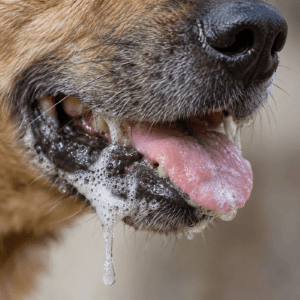
Behavior changes, drooling, aggression, swallowing problems and paralysis.
Transmission
Infected saliva, usually through bites, scratches or open wounds.
Diagnosis
Definitive diagnosis requires specialized laboratory testing of brain tissue.
Prognosis
Nearly always fatal once neurological signs develop.
Prevention
Vaccination and avoiding contact with wild or potentially infected animals.
What Is Rabies in Dogs?
Rabies is a deadly viral disease that attacks the brain and nervous system of dogs and other mammals. The virus is most commonly transmitted through the saliva of an infected animal, usually through a bite, although infection may also occur when infected saliva enters an open wound or contacts the eyes, nose or mouth. After exposure, the virus travels through the nerves toward the brain, and signs may not appear for weeks or even months. Once neurological symptoms develop, rabies progresses rapidly and is nearly always fatal. Infected dogs may develop sudden behavioral changes, unusual aggression or fearfulness, excessive drooling, difficulty swallowing, loss of coordination, seizures and progressive paralysis. Rabies is preventable through appropriate vaccination and limiting exposure to potentially infected wildlife and stray animals.


Types
Rabies in dogs does not occur in many different types like cancer, but it can appear in different forms. The two main forms are furious rabies, which is associated with aggression, restlessness, and unusual behavior, and paralytic rabies, which causes weakness, drooling, difficulty swallowing, and progressive paralysis. Some dogs may show signs of both forms as the disease advances. Understanding these presentations can help pet parents recognize possible symptoms early and seek immediate veterinary and public health guidance.
Prodromal Phase
The early stage of rabies may cause subtle behavior changes, anxiety, restlessness, fever, or increased sensitivity.
Furious Rabies
Dogs may become unusually aggressive, restless, excitable, disoriented, or prone to biting without normal provocation.
Paralytic Rabies
Also called dumb rabies, this form causes progressive weakness, difficulty swallowing, drooling, jaw paralysis, and eventual paralysis.
Mixed Clinical Presentation
Some dogs show features of both furious and paralytic rabies as neurological disease progresses.


Terminal Paralytic Stage
Advanced rabies can cause widespread paralysis, breathing difficulties, coma, and death as the nervous system fails.
Predisposed Dog Breeds
While rabies can affect any dog, certain dogs have a higher risk of infection. Factors such as vaccination status, roaming behavior, and exposure to wildlife or stray animals make some dogs more prone to rabies than others.
| Risk Group | Dogs Most Affected | Notes on Risk Factors |
|---|---|---|
| Unvaccinated Dogs | Dogs that have never received a rabies vaccine or are overdue for vaccination | Lack of vaccination greatly increases vulnerability after exposure to an infected animal. Vaccination is the most important preventive measure against rabies. |
| Free-Roaming Dogs | Stray dogs, outdoor dogs, and dogs allowed to roam unsupervised | Roaming increases the chance of encountering infected wildlife, stray animals, and other dogs whose vaccination status is unknown. |
| Dogs Exposed to Wildlife | Hunting dogs, farm dogs, rural dogs, and dogs living near wildlife habitats | Contact with potentially rabid mammals increases exposure risk, particularly through bites, scratches, or infected saliva. |
| Dogs in Rabies-Endemic Areas | Dogs living in regions where rabies regularly circulates among domestic animals or wildlife | Geographic exposure is an important risk factor. Dogs in areas with ongoing rabies transmission have more opportunities to encounter infected animals. |
| Dogs With Unknown Vaccination History | Rescued dogs, recently adopted dogs, strays, and dogs with incomplete medical records | Dogs without documented rabies vaccination may not have reliable immunity and should be evaluated by a veterinarian according to local vaccination requirements. |
| Dogs With Recent Animal Bites | Dogs bitten or scratched by bats, wild mammals, stray dogs, or other potentially infected animals | A bite from a potentially rabid animal is a significant exposure. Immediate veterinary and public health guidance is recommended even when no symptoms are present. |
Causes
Rabies in dogs is caused by infection with the rabies virus, which is usually transmitted through the saliva of an infected animal. Most infections occur after a bite, although scratches or saliva entering an open wound or the eyes, nose, or mouth can also spread the virus. Understanding how rabies is transmitted can help pet parents reduce exposure, maintain vaccination, and seek immediate veterinary care after a possible contact.
Rabies Virus Infection
Rabies is caused by infection with the rabies virus, which attacks the brain and nervous system of infected dogs.
Bites From Infected Animals
Most canine rabies infections occur when an infected animal bites a dog and introduces virus-containing saliva into the wound.
Exposure to Infected Saliva
Infection may occur when saliva from a rabid animal enters an open wound or contacts the eyes, nose, or mouth.
Wildlife Exposure
Dogs that encounter potentially infected wild mammals have a greater chance of being bitten or exposed to infectious saliva.
Contact With Stray Animals
Contact with stray or free-roaming animals of unknown vaccination status may increase the risk of rabies exposure.
Lack of Vaccination
Unvaccinated dogs do not have vaccine-induced protection and are at greater risk of infection following exposure to the rabies virus.
Free-Roaming Behavior
Dogs allowed to roam unsupervised are more likely to encounter wildlife, stray animals, or other potentially infected mammals.
Symptoms
Rabies symptoms in dogs can vary depending on the stage of infection and the areas of the nervous system affected. Some signs may be subtle at first, while others can become more noticeable as the disease progresses. Common warning signs include behavior changes, fever, excessive drooling, difficulty swallowing, aggression, restlessness, weakness, paralysis, and seizures. Because some of these symptoms can also be caused by other conditions, any persistent, unusual, or rapidly worsening changes should be evaluated by a veterinarian immediately.
- Sudden changes in behavior
- Unusual aggression or agitation
- Restlessness or anxiety
- Excessive drooling or foaming
- Difficulty swallowing
- Weakness or progressive paralysis
- Staggering or loss of coordination
- Jaw weakness or a dropped jaw
- Tremors or seizures
- Increasing sensitivity to light, sound, or touch
Rabies progressively affects the brain, nerves, and muscles.
Stages & Progression of Rabies In Dogs
Rabies in dogs can progress at different rates depending on factors such as the location of the bite, amount of virus introduced, and distance from the exposure site to the brain. The disease typically progresses from an incubation period to early behavioral changes, followed by increasingly severe neurological signs. Understanding the stages of rabies can help explain how the virus travels through the nervous system, how symptoms worsen over time, and why urgent veterinary and public health action is critical after a suspected exposure.
Incubation
After exposure, the rabies virus travels through peripheral nerves toward the brain. Dogs usually show no obvious symptoms during this period.
Prodromal Phase
Early signs may include fever, anxiety, restlessness, unusual behavior, increased sensitivity, or subtle changes in temperament.
Acute Neurologic Phase
Dogs may develop aggression, disorientation, excessive drooling, difficulty swallowing, seizures, weakness, or progressive paralysis. Furious or paralytic signs may predominate.
Terminal Paralytic Phase
Paralysis may become widespread and affect the muscles involved in breathing. Coma and death typically follow as neurological dysfunction becomes severe.
This chart is a simplified visual guide. Rabies does not use a formal Stage I–IV staging system, and the incubation period and speed of progression can vary considerably between dogs. Once clinical signs develop, rabies is almost invariably fatal.
- Stage I: No visible symptoms during the incubation period, while the rabies virus travels through the nerves toward the brain.
- Stage II: Early signs may include fever, anxiety, restlessness, behavior changes, and increased sensitivity to sound, light, or touch.
- Stage III: More advanced neurologic signs can develop, such as aggression, excessive drooling, difficulty swallowing, disorientation, weakness, or seizures.
- Stage IV: Progressive paralysis, breathing difficulty, coma, and severe decline as the disease reaches its terminal stage.
Top Ways to Prevent Rabies in Dogs
Because rabies is a viral and highly preventable disease, prevention is essential. By keeping your dog up to date on rabies vaccination, avoiding contact with wild or stray animals, and seeking immediate veterinary care after any possible exposure, the risk of infection can be greatly reduced. Proactive prevention also helps protect your dog, your household, and the wider community.
| Prevention Strategy | Why It Helps | How to Do It |
|---|---|---|
| Keep Rabies Vaccination Up to Date | Vaccination provides the most important protection against rabies infection after potential exposure. | Follow your veterinarian’s recommended rabies vaccination schedule and local legal requirements for boosters. |
| Avoid Contact With Wild Animals | Wildlife can carry and transmit rabies through bites, scratches, or infected saliva. | Keep dogs away from wild mammals and never allow them to approach sick, injured, unusually tame, or dead wildlife. |
| Limit Contact With Stray Animals | Stray dogs and other free-roaming animals may have an unknown vaccination history and could potentially carry rabies. | Prevent unsupervised interaction with stray animals and contact local animal-control services if potentially rabid animals are nearby. |
| Prevent Unsupervised Roaming | Dogs that roam freely are more likely to encounter wildlife or other animals that may be infected with rabies. | Use secure fencing, supervise outdoor activity, and keep your dog on a leash when walking in unfamiliar areas. |
| Seek Immediate Care After a Bite | Prompt veterinary evaluation after possible rabies exposure allows appropriate post-exposure management to begin quickly. | Contact your veterinarian immediately if your dog is bitten, scratched, or exposed to saliva from a potentially rabid animal. |
| Keep Vaccination Records Accessible | Proof of current rabies vaccination helps veterinarians and public-health authorities determine appropriate action after exposure. | Keep copies of your dog’s rabies certificate and vaccination history in an easily accessible location. |
| Secure Your Home & Property | Reducing wildlife access can lower the chance of your dog encountering potentially infected animals at home. | Secure garbage, close access points to sheds or buildings, and avoid leaving food outdoors that may attract wildlife. |
| Report Suspected Rabies Exposure | Rabies is a serious zoonotic disease, so suspected exposure may require veterinary and public-health intervention. | Contact your veterinarian and the appropriate local animal-control or public-health authority after a suspected rabies exposure. |
Actionable Resources
If you want to prevent rabies in your dog and reduce exposure risk, here are some practical resources to explore under veterinary guidance.
How Is Rabies In Dogs Diagnosed
Diagnosing rabies in dogs requires a comprehensive veterinary and public health evaluation to assess possible exposure, clinical signs, and risk to people and other animals. Key steps include:
1. Exposure History
The veterinarian reviews possible contact with wildlife, stray animals, recent bites or scratches, vaccination history, and any known rabies exposure.
2. Physical & Neurologic Exam
The veterinarian looks for behavior changes, difficulty swallowing, excessive drooling, weakness, poor coordination, paralysis, seizures, and other neurological abnormalities.
3. Rule Out Other Conditions
Bloodwork, imaging, or other tests may be used to investigate conditions that can mimic rabies. These tests can support the evaluation but do not confirm rabies.
4. Isolation & Risk Assessment
A dog suspected of rabies is kept away from people and other animals while veterinarians and public-health or animal-control authorities assess the exposure risk.
5. Observation / Quarantine
Depending on the circumstances, vaccination status, exposure, and local regulations, authorities may require observation or quarantine. Requirements vary by jurisdiction.
6. Definitive Laboratory Testing
Definitive diagnosis in animals requires specialized laboratory testing of brain tissue, generally performed after death by an approved rabies diagnostic laboratory.
Early action is vital after a suspected rabies exposure, because prompt veterinary and public health guidance can determine the appropriate vaccination, booster, observation, or quarantine measures before symptoms develop.
Nutritional Support & Supplements
Nutrition and supplements do not prevent or cure rabies once infection develops. The most important protective measures are keeping your dog’s rabies vaccination up to date, preventing contact with wild or stray animals, and seeking immediate veterinary care after a bite, scratch, or saliva exposure. If rabies is suspected, the dog should be isolated from people and other animals and managed according to veterinary and public health guidance. Once clinical signs appear, rabies is nearly always fatal.
Important: Nutrition, vitamins, herbs, and supplements
cannot prevent or cure rabies after infection.
If rabies exposure is suspected, contact a veterinarian and the appropriate
public-health or animal-control authority immediately.
Supportive care—such as comfort measures, hydration, and management of complications—may be used under strict veterinary supervision when rabies is suspected. These measures do not cure rabies, and once clinical signs develop, the disease is nearly always fatal. Because rabies can spread to people and other animals, any suspected case should be isolated immediately and managed in coordination with a veterinarian and local public health or animal-control authorities.
Over-the-Counter Products
Over-the-counter treatments and supplements mentioned in this article for rabies in dogs can be found on Amazon and Chewy.


Always consult your veterinarian before starting any new treatment, medication, or home-care regimen for canine rabies. Puppies and dogs with persistent vomiting, diarrhea, weakness, or dehydration may require prompt veterinary care. If you can’t reach your vet, you can chat live with a registered online veterinary professional via our online vet chat or video chat support (24 hours a day, 7 days a week). Or use Chewy’s online vet services (6 a.m. – midnight ET).
Treatment & Care
According to current veterinary and public health guidance, there is no effective treatment for rabies once clinical signs appear, and the disease is nearly always fatal. Management therefore focuses on prevention and rapid post-exposure action, which may include a rabies booster for previously vaccinated dogs, strict observation or quarantine, and immediate coordination with a veterinarian and local public health or animal-control authorities. Dogs showing signs consistent with rabies must be isolated from people and other animals, and management decisions are made according to vaccination history, exposure circumstances, and local regulations.
Medications
Common medications used to treat rabies in dogs include:
| Management / Measure | Examples | How It Is Used | Important Considerations |
|---|---|---|---|
| Rabies Vaccination | Veterinarian-administered rabies vaccine | Routine vaccination is the primary way to protect dogs from rabies and greatly affects how a dog is managed after a potential exposure. | Rabies vaccination schedules and legal requirements vary by location. Vaccines should be administered according to veterinary and local public-health guidance. |
| Post-Exposure Booster | Immediate rabies booster vaccination | Dogs that are current on rabies vaccination are generally given a booster promptly after a confirmed or suspected rabies exposure. | The dog should also remain under supervision and be monitored for signs of illness for the period required by public-health authorities. |
| Post-Exposure Observation | Owner supervision and monitoring | Vaccinated dogs exposed to rabies may be monitored for behavioral, neurologic, or other signs that could indicate developing illness. | In current U.S. guidance, dogs that are up to date on rabies vaccination are monitored for 45 days after exposure. Requirements may differ by jurisdiction. |
| Overdue Vaccination Management | Booster vaccination and risk assessment | Dogs previously vaccinated against rabies but overdue for a booster are evaluated based on vaccination history and the circumstances of exposure. | Many previously vaccinated dogs can receive a booster and be managed similarly to currently vaccinated dogs, but decisions should be made with veterinary and public-health authorities. |
| Unvaccinated Dog Management | Strict quarantine or humane euthanasia | Dogs with no previous rabies vaccination require much stricter management after confirmed exposure because reliable protection cannot be assumed. | In current U.S. guidance, euthanasia is recommended after exposure. If declined, dogs may require immediate vaccination and a strict four-month quarantine. Local rules may differ. |
| Isolation | Secure separation from people and other animals | A dog suspected of having rabies should be isolated to minimize the risk of saliva exposure to people, pets, and veterinary staff. | Do not attempt to examine the dog’s mouth or directly handle saliva. Contact a veterinarian and the appropriate animal-control or public-health authority immediately. |
| 10-Day Bite Observation | Confinement and observation of a healthy dog | A healthy dog that bites or otherwise exposes a person may be confined and observed to determine whether signs of rabies develop during the observation period. | In U.S. guidance, dogs, cats, and ferrets are generally observed for 10 days after exposing a person. Rabies vaccination is generally not given during this observation period. |
| Management of Clinical Rabies | Isolation and immediate professional assessment | Dogs showing neurologic or behavioral signs consistent with rabies require immediate veterinary and public-health involvement. | There is no established curative treatment once clinical rabies develops, and the disease is almost invariably fatal. |
| Humane Euthanasia | Veterinarian-performed euthanasia | Recommended when a dog develops clinical signs strongly suggestive of rabies or when required following certain high-risk exposures. | Decisions must be coordinated with veterinary and public-health authorities because diagnostic testing may be required afterward. |
| Rabies Diagnostic Testing | Specialized laboratory testing of brain tissue | Brain tissue is submitted to an authorized laboratory to definitively determine whether rabies virus infection was present. | Definitive animal rabies diagnosis is generally performed after death. Routine blood tests cannot reliably confirm active rabies in a living dog. |
Alternative & Integrative Therapies
Alternative and supportive therapies cannot treat or cure rabies in dogs. Once clinical signs appear, rabies is nearly always fatal, so management focuses on isolation, safety, and veterinary/public-health guidance rather than integrative treatment. Comfort-focused measures may sometimes be considered under strict veterinary supervision, but therapies such as acupuncture, massage, herbal remedies, CBD, or supplements should never delay appropriate rabies protocols or professional care.
Surgical Options
Surgery does not play a role in treating rabies in dogs, because rabies is a viral infection that attacks the brain and nervous system rather than a localized condition that can be surgically removed. Procedures such as wound repair may sometimes be needed after an animal bite, but this does not eliminate the rabies virus or replace post-exposure management. Any dog with suspected rabies exposure should be evaluated immediately by a veterinarian, with care focused on vaccination status, wound management, observation or quarantine, and coordination with public-health or animal-control authorities.
Emotional & Lifestyle Impact
A rabies exposure or diagnosis can be emotionally distressing for both dogs and their families. Dogs may experience behavior changes, anxiety, agitation, weakness, difficulty swallowing, or progressive neurological decline, while owners may face stressful decisions involving isolation, quarantine, and public health precautions. Because rabies is nearly always fatal once clinical signs appear, prompt veterinary guidance, careful handling, and compassionate support are essential for protecting both the dog and the people around them.
For Dogs
- May need temporary isolation or quarantine after exposure
- Reduced contact with people and other animals may cause stress
- Behavior changes can occur if rabies symptoms begin to develop
- Weakness, anxiety, agitation, or neurological changes may appear
- Calm handling and reduced stimulation may help limit distress
For Pet Parents
- Rabies exposure can cause significant worry and uncertainty
- Quarantine or isolation requirements may disrupt daily routines
- Avoid direct contact with saliva if rabies is suspected
- Follow veterinary and public-health instructions carefully
- Seek support when facing difficult medical or end-of-life decisions
“A suspected rabies exposure can be frightening, but prompt veterinary care, careful precautions, and clear public-health guidance can help protect both your dog and your family.”
Protect families.
Dog Rabies Prognosis
A dog’s rabies prognosis depends largely on whether exposure is addressed before clinical signs develop. Dogs that are appropriately vaccinated and receive prompt veterinary and public-health management after a suspected exposure may avoid developing the disease. However, once neurological symptoms appear, rabies is nearly always fatal. Vaccination status, timing of post-exposure care, and adherence to quarantine or observation requirements are therefore critical in determining outcome.
Key Factors That Influence Prognosis
Typical Annual Cost of Treating Canine Rabies
| Category | Estimated Cost Range | Notes |
|---|---|---|
| Initial Veterinary Examination | $75 – $250 | Includes evaluation of the exposure, vaccination history, bite wounds, and need for additional treatment or quarantine. |
| Routine Rabies Vaccination | $20 – $75 | Routine vaccination is the most important preventive measure. Clinic examination or administration fees may be additional. |
| Post-Exposure Rabies Booster | $25 – $100 | Previously vaccinated dogs may require a prompt booster after confirmed or suspected rabies exposure. |
| Bite Wound Cleaning & Treatment | $100 – $500+ | May include clipping, flushing, antiseptic treatment, antibiotics, pain management, and wound repair if needed. |
| Surgical Wound Repair | $300 – $1,500+ | Deep bites, torn tissue, abscesses, or other traumatic injuries may require sedation, drainage, suturing, or surgery. |
| Veterinary Observation | $100 – $500+ | Costs vary depending on whether monitoring occurs at home, through veterinary rechecks, or in a supervised facility. |
| Quarantine or Boarding | $300 – $2,000+ | Facility-based quarantine can become costly depending on duration, local regulations, and the level of supervision required. |
| Rabies Diagnostic Testing | $0 – $500+ | Definitive testing generally requires brain tissue after death. Public-health laboratories may cover some testing costs, while collection, handling, and transport fees can vary. |
| Humane Euthanasia | $100 – $400+ | May be recommended for dogs with clinical signs strongly suggestive of rabies or in certain high-risk exposure situations. |
| Specimen Preparation & Transport | $50 – $300+ | Additional fees may apply for preparation and transport of diagnostic specimens to an approved rabies laboratory. |
| Pet Insurance Coverage | Varies | Coverage for bite injuries, examinations, hospitalization, or quarantine varies by policy. Routine vaccination is often excluded unless wellness coverage is included. |
| Typical Cost Range | Vaccinated Dog With Prompt Exposure Management: approximately $100 – $600+ | Complex Bite Injury or Facility Quarantine: approximately $500 – $3,000+ | |
Rabies care can add up quickly — from daily medications to possible surgeries. Pet insurance can ease the financial burden and ensure your dog gets the best treatment without compromise. If you want to compare plans and find out which providers offer the best coverage for rabies and chronic conditions, check out our full guides to the Best Pet Insurance for Dogs and Best Pet Wellness Plans.
Related Health Conditions
Some health conditions can resemble rabies because they may affect the nervous system or cause overlapping symptoms such as behavior changes, weakness, drooling, difficulty swallowing, seizures, or paralysis. Understanding these related conditions can help dog owners recognize potential warning signs and better understand why veterinary evaluation is essential when rabies or another neurological disease is suspected.
- Canine Distemper
- Encephalitis
- Meningitis
- Seizures & Epilepsy
- Tetanus
- Botulism
- Poisoning & Toxicity
- Neuromuscular Paralysis
- Laryngeal Paralysis
- Other Brain & Neurological Disorders
Frequently Asked Questions
The Bottom Line
Rabies in dogs is one of the most serious infectious diseases a pet parent can face, but it is also highly preventable with proper vaccination and prompt action after exposure. Once clinical signs appear, rabies is nearly always fatal, which makes prevention, early reporting, and veterinary guidance especially important. By keeping your dog’s rabies vaccine up to date, limiting contact with stray or wild animals, and seeking immediate care after a possible bite or saliva exposure, you can play a vital role in protecting your dog, your family, and your community.