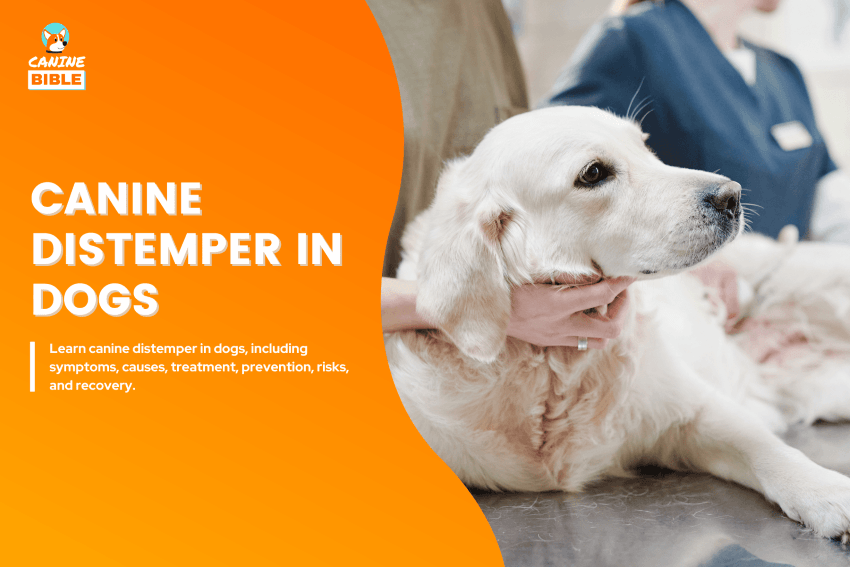
Canine Distemper in Dogs: Symptoms, Types, Causes, Signs & Prevention

Canine Bible is reader-supported. We receive affiliate commissions via some of our links. Learn more.
A comprehensive guide to canine distemper in dogs, including transmission, risk factors, warning signs, diagnostic testing, supportive treatment, prevention, prognosis and what pet parents should know when caring for a dog with distemper.
Canine Distemper at a Glance
Most common in
Unvaccinated puppies and dogs with inadequate immunity.
Common signs
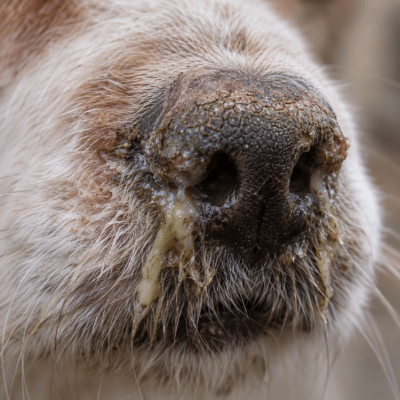
Fever, discharge, coughing, vomiting, diarrhea and lethargy.
Diagnosis
Examination, PCR testing, bloodwork and imaging when needed.
Treatment
Fluids, nutrition, symptom control and supportive veterinary care.
Prognosis
Varies with age, immune status and neurologic involvement.
Prevention
Routine vaccination provides strong protection against distemper.
What Is Canine Distemper in Dogs?
Canine distemper is a highly contagious viral disease caused by canine distemper virus (CDV). The infection can affect several body systems, including the immune, respiratory, gastrointestinal and nervous systems. Dogs may initially develop fever, lethargy, coughing, eye or nasal discharge, vomiting and diarrhea. In more severe cases, the virus can spread to the nervous system and cause muscle twitching, poor coordination, seizures, weakness or paralysis. Puppies, unvaccinated dogs and dogs with inadequate immunity are particularly vulnerable. There is no specific cure for canine distemper, so treatment focuses on supportive care while the dog’s immune system fights the infection.


Types
Canine distemper does not occur in different “types” the way cancer does, but it can affect the body in several different ways. Depending on the stage and severity of infection, it may involve the respiratory system, digestive tract, skin, eyes, immune system, or nervous system. Understanding these forms can help pet parents recognize why symptoms, complications, and outcomes can vary so widely from one dog to another.
Respiratory Involvement
Can cause coughing, sneezing, nasal discharge, breathing difficulty, and secondary pneumonia.
Gastrointestinal Involvement
May cause vomiting, diarrhea, appetite loss, dehydration, weakness, and weight loss.
Neurologic Involvement
Can lead to muscle twitching, seizures, poor coordination, weakness, behavioral changes, or paralysis.
Ocular Involvement
Eye discharge, inflammation, redness, light sensitivity, and in severe cases vision problems may occur.
Cutaneous / Hard Pad Involvement
Some dogs develop thickening and hardening of the paw pads or nose, sometimes called “hard pad disease.”
Immune System Involvement
The virus suppresses immune defenses, increasing vulnerability to secondary bacterial infections and other complications.


Systemic Distemper
Severe infections may affect several body systems at once, combining respiratory, digestive, immune, skin, and neurologic signs.
Chronic Neurologic Effects
Some survivors may develop persistent twitching, seizures, coordination problems, or other lasting nervous-system deficits.
Predisposed Dog Breeds
Canine distemper can affect dogs of any breed, and there is no strong breed-specific genetic predisposition. Risk is influenced more by vaccination status, age, immune protection, and exposure, with unvaccinated puppies, incompletely vaccinated dogs, and dogs in shelters or high-contact environments being most vulnerable.
| Risk Group | Dogs Most Affected | Notes on Risk Factors |
|---|---|---|
| Unvaccinated Dogs | Dogs of any breed or size without current distemper vaccination | Lack of protective immunity is one of the strongest risk factors for infection and severe disease. |
| Puppies | Especially puppies under 6 months of age | Immature immune systems and incomplete vaccine series make young dogs particularly vulnerable to canine distemper. |
| Incompletely Vaccinated Dogs | Puppies or adults that missed vaccine doses or boosters | Dogs that have not completed the recommended vaccination schedule may not have adequate protection against the virus. |
| Shelter & Rescue Dogs | Dogs living in shelters, rescues, kennels, or crowded facilities | Close contact with many dogs increases exposure to respiratory droplets and infected bodily secretions. |
| Free-Roaming Dogs | Stray, feral, or outdoor dogs with frequent animal contact | Greater exposure to infected dogs and wildlife can increase transmission risk. |
| Immunocompromised Dogs | Dogs with weakened immune systems or serious underlying illness | Reduced immune defenses may increase susceptibility to infection and the likelihood of severe complications. |
| Dogs Exposed to Wildlife | Dogs that frequently encounter raccoons, foxes, coyotes, skunks, or other susceptible wildlife | Canine distemper virus can infect several wildlife species, creating additional opportunities for exposure. |
| All Dog Breeds | Purebred and mixed-breed dogs of all sizes | Canine distemper is not considered strongly breed-specific. Vaccination status, age, immunity, and exposure are much more important risk factors than breed. |
Causes
Canine distemper is caused by the canine distemper virus (CDV) and spreads mainly through respiratory droplets, direct contact with infected animals, and contaminated bodily secretions. Dogs are at greatest risk when they are unvaccinated, incompletely vaccinated, very young, immunocompromised, or frequently exposed to crowded environments or infected wildlife. Understanding these risk factors can help pet parents reduce exposure and keep vaccinations up to date.
Canine Distemper Virus (CDV)
Canine distemper is caused by canine distemper virus, a highly contagious virus that can affect multiple body systems.
Respiratory Droplets
The virus commonly spreads through airborne droplets produced when an infected dog coughs, sneezes, or has close contact with others.
Direct Contact With Infected Animals
Dogs may become infected through close contact with saliva, nasal secretions, urine, or other bodily fluids from infected animals.
Lack of Vaccination
Unvaccinated and incompletely vaccinated dogs have much less protection and face a higher risk of infection and severe disease.
Young Age
Puppies are especially vulnerable because their immune systems are still developing and their vaccination series may be incomplete.
Crowded Environments
Shelters, kennels, rescues, and other high-density settings can increase opportunities for exposure and virus transmission.
Wildlife Exposure
Raccoons, foxes, coyotes, skunks, and other susceptible wildlife can carry canine distemper virus and expose domestic dogs.
Weakened Immune System
Dogs with reduced immune defenses may be more susceptible to infection and more likely to develop severe complications.
Symptoms
Canine distemper symptoms in dogs can vary depending on the stage of infection, body systems affected, age, and immune status of the dog. Early signs may be mild and resemble a respiratory infection, while others can become more severe as the virus progresses. Common warning signs include fever, eye and nasal discharge, coughing, lethargy, appetite loss, vomiting, diarrhea, muscle twitching, poor coordination, or seizures. Because many of these symptoms can also occur with other illnesses, any persistent or unusual changes should be evaluated promptly by a veterinarian.
- Fever
- Eye and nasal discharge
- Coughing or difficulty breathing
- Lethargy and weakness
- Loss of appetite
- Vomiting or diarrhea
- Muscle twitching or tremors
- Poor coordination or stumbling
- Seizures
- Hardening of the nose or paw pads
Canine distemper can affect multiple body systems as the infection progresses.
Stages & Progression of Canine Distemper in Dogs
Canine distemper can progress at different rates depending on the dog’s age, immune status, vaccination history, and severity of infection. The disease often begins with fever, eye or nasal discharge, coughing, lethargy, vomiting, or diarrhea, but it may later affect the nervous system. As distemper advances, dogs can develop muscle twitching, poor coordination, seizures, weakness, or paralysis. Understanding how the disease progresses can help pet parents recognize worsening symptoms, seek veterinary care promptly, and prepare for the level of supportive care their dog may need.
Incubation
After exposure, the virus begins multiplying before obvious symptoms appear. Dogs may look normal during this period.
Early & Systemic Illness
Fever, eye and nasal discharge, coughing, lethargy, appetite loss, vomiting, diarrhea, and respiratory disease may develop.
Neurologic Involvement
Some dogs develop muscle twitching, poor coordination, seizures, weakness, abnormal movements, or paralysis.
Recovery or Long-Term Effects
Survivors may recover fully or continue to experience persistent neurologic problems such as twitching, seizures, or coordination deficits.
This chart is a simplified visual guide. Canine distemper does not have a formal Stage I–IV system, and not every dog follows the same sequence. Neurologic signs may appear during the initial illness, later in recovery, or sometimes after respiratory and gastrointestinal signs have improved.
Top Ways to Prevent Canine Distemper in Dogs
Because canine distemper is a highly contagious but largely preventable viral disease, vaccination and exposure control are essential. By keeping vaccinations up to date, avoiding contact with infected animals, limiting exposure to high-risk environments, and practicing good hygiene, the risk of infection can be significantly reduced. Proactive prevention is especially important for puppies and unvaccinated dogs, helping protect them from severe respiratory, gastrointestinal, and neurologic complications.
| Prevention Strategy | Why It Helps | How to Do It |
|---|---|---|
| Keep Vaccinations Up to Date | Vaccination is the most effective way to protect dogs against canine distemper virus. | Follow your veterinarian’s recommended core vaccination schedule and keep adult boosters current. |
| Complete the Puppy Vaccine Series | Puppies are especially vulnerable while their immune systems are developing and maternal antibodies are declining. | Make sure puppies receive every recommended distemper-containing vaccine dose at the proper intervals. |
| Avoid Contact With Sick Dogs | Canine distemper spreads mainly through respiratory droplets and infected bodily secretions. | Keep your dog away from animals showing coughing, nasal discharge, fever, weakness, vomiting, diarrhea, or neurologic signs. |
| Limit High-Risk Exposure | Crowded environments can increase opportunities for the virus to spread between susceptible dogs. | Avoid poorly controlled kennels, shelters, dog parks, or other high-contact settings until your dog is appropriately vaccinated. |
| Reduce Wildlife Contact | Raccoons, foxes, coyotes, skunks, and other wildlife species can carry canine distemper virus. | Supervise outdoor activity, secure trash, and prevent contact with sick, injured, or dead wildlife. |
| Isolate Infected Dogs | Separating infected dogs helps reduce transmission to other susceptible animals. | Follow veterinary guidance and keep infected dogs away from other dogs during the contagious period. |
| Practice Good Hygiene | Cleaning contaminated surfaces and shared items can help reduce exposure to infectious secretions. | Regularly disinfect bowls, bedding, crates, toys, and kennel areas using veterinary-approved cleaning products. |
| Schedule Regular Vet Checkups | Routine veterinary visits help identify vaccination gaps and other factors that may increase infection risk. | Review your dog’s vaccine history, lifestyle, travel, and exposure risks with your veterinarian during routine exams. |
Actionable Resources
If you want to prevent canine distemper or support your dog during recovery, here are some practical resources to explore under veterinary guidance.
How Is Canine Distemper in Dogs Diagnosed
Diagnosing canine distemper in dogs requires a comprehensive veterinary evaluation to identify the infection, assess which body systems are affected, and rule out other illnesses with similar symptoms. Key steps include:
1. Physical Examination
Your veterinarian reviews vaccination history, possible exposure, and symptoms while checking temperature, hydration, breathing, eye and nasal discharge, gastrointestinal signs, and neurologic function.
2. PCR Testing
PCR testing can detect canine distemper virus genetic material in samples such as conjunctival or nasal swabs, blood, urine, or other specimens selected by the veterinarian.
3. Blood & Urine Tests
Bloodwork and urinalysis help evaluate immune-cell changes, dehydration, electrolyte abnormalities, organ function, and complications associated with systemic illness.
4. Imaging
Chest X-rays may be recommended when pneumonia or respiratory complications are suspected. CT or MRI may occasionally be used in dogs with severe neurologic signs to investigate other possible causes.
5. Neurologic Evaluation
Dogs with twitching, seizures, weakness, or poor coordination receive a neurologic examination. Cerebrospinal fluid analysis or additional testing may be considered in selected cases.
6. Rule Out Other Diseases
Because distemper can resemble other respiratory, gastrointestinal, and neurologic diseases, veterinarians may perform additional testing to rule out infections or conditions with similar signs.
Early detection is important because canine distemper can progress quickly and affect multiple body systems—allowing supportive treatment to begin sooner and helping reduce the risk of severe complications.
Nutritional Support & Supplements
Proper nutrition can play an important supportive role for dogs with canine distemper by helping maintain energy, hydration, muscle mass, immune function, and overall strength during recovery. Depending on your dog’s symptoms, veterinarians may recommend highly digestible, nutrient-dense foods, adequate fluids and electrolytes, and selected supplements such as omega-3 fatty acids, probiotics, B vitamins, vitamin E, or zinc when appropriate. Nutritional support should be tailored to the dog’s condition and used alongside veterinary treatment, especially when vomiting, diarrhea, poor appetite, or neurologic signs are present.
Important: Nutritional support should be tailored to your dog’s symptoms and overall condition. Dogs with canine distemper may need hydration support, assisted feeding, or temporary diet changes. Always discuss supplements and feeding plans with your veterinarian, especially if your dog has vomiting, diarrhea, weakness, or neurologic signs.
Supportive care—such as fluid therapy, nutritional support, respiratory care, seizure management, and careful home monitoring—plays a crucial role in maintaining comfort and supporting recovery from canine distemper. These measures do not cure the virus itself, and treatments or supplements may interact with other medications, so any diet, supplement, or supportive-care plan should be reviewed with your veterinarian.
Over-the-Counter Products
Over-the-counter treatments and supplements mentioned in this article for distemper in dogs can be found on Amazon and Chewy.



Always consult your veterinarian before starting any new treatment, medication, or home-care regimen for canine distemper. Puppies and dogs with persistent vomiting, diarrhea, weakness, or dehydration may require prompt veterinary care. If you can’t reach your vet, you can chat live with a registered online veterinary professional via our online vet chat or video chat support (24 hours a day, 7 days a week). Or use Chewy’s online vet services (6 a.m. – midnight ET).
Treatment & Care
According to current veterinary guidance, the most effective treatment for canine distemper in dogs is supportive and multimodal, focusing on stabilizing the dog and managing complications while the immune system fights the virus. This may include fluid therapy for dehydration, medications to control vomiting, diarrhea, seizures, or secondary bacterial infections, and nutritional support to maintain strength and recovery. In more severe cases, dogs may also need hospitalization, respiratory support, and intensive nursing care to improve comfort and survival.
Medications
Common medications used to treat distemper in dogs include:
| Medication / Treatment Class | Examples | How It Is Used | Important Considerations |
|---|---|---|---|
| Fluid & Electrolyte Therapy | Intravenous or subcutaneous fluids, veterinarian-selected electrolytes | Helps correct dehydration and electrolyte losses caused by fever, vomiting, diarrhea, or reduced food and water intake. | Fluid type and amount must be tailored to the dog’s hydration, electrolyte status, heart function, and overall condition. |
| Anti-Nausea Medications | Maropitant, ondansetron | Used to control nausea and vomiting, helping dogs maintain hydration, nutrition, and comfort. | These medications treat symptoms rather than the distemper virus itself and should be prescribed according to the dog’s condition. |
| Antibiotics | Veterinarian-selected antibiotics based on suspected or confirmed infection | Used to treat secondary bacterial infections, including bacterial pneumonia that can develop when distemper suppresses immune defenses. | Antibiotics do not kill canine distemper virus and should only be used when a bacterial infection is suspected or diagnosed. |
| Anticonvulsants | Phenobarbital, levetiracetam, other veterinarian-selected seizure medications | Used to control seizures when canine distemper affects the brain and nervous system. | Dogs with neurologic distemper may require long-term seizure control. Bloodwork or dose adjustments may be needed with some medications. |
| Respiratory Support Medications | Bronchodilators or other veterinarian-selected respiratory medications | May be used in selected dogs with lower-airway disease, respiratory distress, or complications affecting breathing. | Treatment depends on the specific respiratory problem. Dogs with pneumonia or severe breathing difficulty may also require oxygen therapy, nebulization, or hospitalization. |
| Gastrointestinal Support | Gastroprotectants and veterinarian-selected digestive medications | May help manage gastrointestinal irritation, vomiting, diarrhea, or discomfort associated with systemic illness. | Persistent vomiting or diarrhea can quickly cause dehydration, especially in puppies, and may require intensive veterinary care. |
| Appetite Support | Capromorelin or other veterinarian-prescribed appetite stimulants | May be considered when poor appetite makes it difficult for a dog to maintain adequate calorie and nutrient intake. | Appetite stimulants do not replace treatment of nausea, dehydration, or severe underlying illness. Some dogs may require assisted feeding. |
| Neurologic Symptom Management | Anticonvulsants and other symptom-specific medications | Treatment may be tailored to seizures, tremors, weakness, or other neurologic complications associated with distemper. | Involuntary muscle twitching (myoclonus) can be difficult to control, and some neurologic deficits may persist even after other symptoms improve. |
| Nutritional Support | Highly digestible diets, assisted feeding, feeding tubes when necessary | Helps maintain energy, body weight, muscle mass, and recovery when illness causes weakness or appetite loss. | Dogs that cannot safely eat or swallow may require specialized nutritional support under veterinary supervision. |
| Oxygen & Intensive Supportive Care | Oxygen therapy, nebulization, hospitalization, continuous monitoring | Used for severely affected dogs with pneumonia, respiratory distress, dehydration, seizures, or other serious complications. | Severe canine distemper can become life-threatening and may require round-the-clock hospitalization and intensive nursing care. |
The best way to get these medications is at Chewy Pet Pharmacy:
Alternative & Integrative Therapies
Integrative and supportive therapies can help manage symptoms, support comfort, and improve quality of life for dogs recovering from canine distemper. Options such as physical rehabilitation, gentle massage, assisted mobility exercises, nutritional support, acupuncture, and comfort-focused nursing care may be used alongside conventional veterinary treatment, but they should always be discussed with your veterinarian to ensure they are safe and appropriate for your dog’s condition.
Surgical Options
Surgery is not a standard treatment for canine distemper because the disease is caused by a virus that affects multiple body systems rather than a localized problem that can be surgically removed. Treatment instead focuses on supportive medical care, hydration, nutrition, seizure control, respiratory support, and management of secondary infections. In rare situations, procedures such as feeding-tube placement or other supportive interventions may be needed if a dog cannot eat, swallow, or maintain adequate nutrition. Your veterinarian will determine which supportive procedures are appropriate based on your dog’s symptoms, complications, and overall condition.
Emotional & Lifestyle Impact
A canine distemper diagnosis can be emotionally challenging for both dogs and their families. Dogs may experience changes in energy, appetite, mobility, coordination, and behavior, while neurologic complications such as twitching, seizures, or weakness can further disrupt daily life. With prompt veterinary care, supportive treatment, a calm environment, and careful monitoring, some dogs can recover and return to a comfortable routine, although others may require ongoing care for lasting neurologic effects.
For Dogs
- May experience fatigue, weakness, and reduced activity
- Appetite and normal daily routines may change
- Neurologic signs can affect balance, coordination, or mobility
- Isolation from other dogs may temporarily reduce social interaction
- Some survivors may need ongoing support for lasting neurologic effects
For Pet Parents
- It is common to feel worried or overwhelmed by severe symptoms
- Daily care may involve medications, feeding, cleaning, and monitoring
- Isolation precautions can temporarily change household routines
- Neurologic complications may require additional long-term care
- Work closely with your veterinary team for treatment and recovery guidance
“Recovery from canine distemper can take time. Focus on comfort, consistent veterinary care, and supporting your dog one day at a time.”
Comfort. Recovery.
Canine Distemper Prognosis
A dog’s prognosis with canine distemper depends on several factors, including age, vaccination status, severity of symptoms, neurologic involvement, overall health, and response to supportive care. Some dogs recover with prompt treatment and careful monitoring, while others may develop serious complications or lasting neurologic problems such as twitching, seizures, or coordination difficulties. Working closely with your veterinary team can help guide treatment decisions, manage symptoms, and support the best possible quality of life for your dog.
Key Factors That Influence Prognosis
Typical Annual Cost of Treating Canine Distemper
| Category | Estimated Cost Range | Notes |
|---|---|---|
| Initial Exam & Diagnostic Testing | $200 – $800 | May include physical examination, bloodwork, PCR testing, urinalysis, and other tests used to evaluate suspected distemper. |
| Outpatient Supportive Care | $300 – $1,500 | May include fluids, anti-nausea medications, antibiotics for secondary infections, nutritional support, and follow-up care. |
| Hospitalization | $1,000 – $5,000+ | Dogs with dehydration, pneumonia, severe gastrointestinal signs, or weakness may require several days of inpatient care. |
| Respiratory & Oxygen Support | $500 – $3,000+ | Oxygen therapy, nebulization, airway care, and intensive monitoring may be needed when pneumonia or breathing difficulty develops. |
| Neurologic Treatment | $500 – $3,500+ | May include anticonvulsant medications, neurologic examinations, advanced imaging, or additional testing for seizures and other nervous-system complications. |
| Medications | $100 – $800+ | May include anti-nausea drugs, seizure medications, appetite stimulants, gastrointestinal medications, and antibiotics for secondary bacterial infections. |
| Nutritional & Hydration Support | $100 – $1,000+ | Special diets, assisted feeding, electrolyte support, or feeding tubes may be needed when dogs cannot maintain adequate intake. |
| Rehabilitation & Follow-Up Care | $300 – $2,000+ | Dogs with lasting weakness, poor coordination, or neurologic deficits may require rehabilitation and repeated veterinary visits. |
| Pet Insurance Coverage | Varies | Eligible diagnostic and treatment costs may be reimbursed depending on the policy, deductible, reimbursement rate, and whether the condition is considered pre-existing. |
| Typical Treatment Range | Mild / Outpatient Cases: $300 – $1,500 | Hospitalized Cases: $1,500 – $5,000+ | Severe / Neurologic Cases: $3,000 – $10,000+ | |
Distemper care can add up quickly — from daily medications to possible surgeries. Pet insurance can ease the financial burden and ensure your dog gets the best treatment without compromise. If you want to compare plans and find out which providers offer the best coverage for distemper and chronic conditions, check out our full guides to the Best Pet Insurance for Dogs and Best Pet Wellness Plans.
Related Health Conditions
Some health conditions are closely linked to canine distemper because they may develop as complications or cause overlapping respiratory, gastrointestinal, or neurological symptoms. Understanding these related conditions can help dog owners recognize worsening signs, distinguish similar illnesses, and better understand the diagnostic and treatment options their veterinarian may recommend.
- Pneumonia
- Secondary Bacterial Infections
- Kennel Cough
- Seizures
- Gastroenteritis
- Canine Coronavirus
- Leptospirosis
- Vomiting
- Diarrhea
- Dehydration / Fluid Loss
- Neurologic Weakness & Poor Coordination
- Chronic Neurologic Complications
Frequently Asked Questions
The Bottom Line
Canine distemper is one of the most serious and contagious viral diseases dogs can face, but it is also largely preventable through vaccination. While there is no specific cure, early recognition, prompt veterinary care, and consistent supportive treatment can make a significant difference in managing symptoms and improving the chances of recovery. By keeping vaccinations up to date, limiting exposure to infected animals, providing proper hydration and nutrition, and following veterinary guidance, pet parents can help protect their dogs and reduce complications. Some survivors may experience lasting neurological problems, making ongoing monitoring important. Ultimately, prevention remains the best defense—helping every dog avoid the potentially severe and life-threatening effects of canine distemper.