Neuroaxonal Dystrophy in Dogs: Symptoms, Types, Causes, Signs & Prevention

Canine Bible is reader-supported. We receive affiliate commissions via some of our links. Learn more.
A comprehensive guide to neuroaxonal dystrophy in dogs, including causes, inherited risk factors, early warning signs, diagnosis, disease progression, supportive care and what pet parents should know when caring for an affected dog.
Neuroaxonal Dystrophy at a Glance
Most common in
Young dogs of genetically predisposed breeds.
Common signs
Poor coordination, tremors, weakness and an abnormal gait.
Diagnosis
Neurologic exam, genetic testing and diagnostic imaging.
Treatment
No cure; management focuses on supportive and nursing care.
Prognosis
Generally guarded to poor because the disease is progressive.
Inherited risk
Several breed-specific forms are associated with inherited genetic variants.
What Is Neuroaxonal Dystrophy in Dogs?
Neuroaxonal dystrophy is a rare, progressive neurological disorder in which nerve fibers, or axons, within the nervous system gradually degenerate. In affected dogs, this degeneration interferes with the normal transmission of signals between the brain, spinal cord and body. The condition is usually inherited and has been identified in several dog breeds. Signs often begin during puppyhood or in young dogs and may include an unsteady gait, poor coordination, tremors, weakness, abnormal posture and progressive difficulty walking. Symptoms generally worsen over time as neurological function declines. The exact age of onset and rate of progression can vary depending on the breed and specific form of the disorder.


Types
Dogs can develop different forms of neuroaxonal dystrophy, and each can affect the nervous system in different ways. Some forms begin in puppyhood, while others may develop later depending on the breed and genetic mutation. Understanding the different types can help pet parents recognize why symptoms, progression, diagnosis, and prognosis can vary so widely.
Papillon Type
An inherited form linked to the PLA2G6 gene that typically begins in young puppies and causes progressive coordination problems.
Rottweiler Type
A hereditary form associated with the VPS11 gene that usually develops in young adult dogs and often progresses slowly.
Spanish Water Dog Type
A TECPR2-associated inherited form that can cause ataxia, weakness, tremors and progressive neurological decline.
Schnauzer-Associated Type
A hereditary form associated with MFN2 has been described in a Schnauzer–Beagle family and causes progressive nerve degeneration.
Early-Onset Form
Begins during puppyhood and may cause rapidly progressive ataxia, tremors, weakness and difficulty standing or walking.
Later-Onset Form
Develops in older puppies or young adult dogs and may progress more gradually over months or years.


Central Nervous System Form
Primarily affects nerve fibers within the brain and spinal cord, leading to problems with balance, coordination and movement.
Peripheral Nervous System Form
Involves degeneration of peripheral nerve fibers and may contribute to weakness, reduced reflexes and abnormal movement.
Mixed Neurological Form
Some affected dogs have degeneration involving both central and peripheral nerve pathways, producing a combination of neurological signs.
Other Breed-Associated Forms
Neuroaxonal dystrophy has also been reported in several other breeds, with age of onset and progression varying between dogs.
Predisposed Dog Breeds
While neuroaxonal dystrophy can affect different dogs, certain breeds have a higher inherited risk. Genetic mutations linked to the condition have been identified in several breeds, making some dogs more prone to developing this progressive neurological disorder than others.
| Breed / Group | Predisposed Breeds | Notes on Risk Factors |
|---|---|---|
| Toy Breeds | Papillon | One of the best-documented breed predispositions. Neuroaxonal dystrophy in Papillons is inherited and typically begins early in life with progressive neurological signs. |
| Working Breeds | Rottweiler | A breed-associated inherited form has been reported in Rottweilers. Affected dogs may develop progressive gait abnormalities, incoordination, and other neurologic deficits. |
| Water Dog Breeds | Spanish Water Dog | Spanish Water Dogs are known to have an inherited form of neuroaxonal dystrophy. Clinical signs may include ataxia, weakness, tremors, and gradual neurological decline. |
| Terrier & Small Breeds | Jack Russell Terrier, Chihuahua | Neuroaxonal dystrophy has been reported in some small-breed dogs, including terriers and Chihuahuas. Risk is thought to be linked to inherited genetic abnormalities in affected lines. |
| Herding / Utility Breeds | German Shepherd Dog, Border Collie, Giant Schnauzer | These breeds have been reported in association with rare neurodegenerative disorders including neuroaxonal dystrophy. Onset and severity may vary depending on the specific lineage. |
| Other Reported Breeds | Dachshund, Boxer, Beagle-cross lines, mixed breed lines | Additional breed-associated or family-line cases have been described. Because neuroaxonal dystrophy is rare, risk is generally tied more to inherited mutations and breeding lines than to breed size alone. |
Causes
Neuroaxonal dystrophy in dogs usually develops as a result of inherited genetic mutations rather than a combination of environmental or lifestyle factors. It is a rare neurodegenerative disorder that is most often passed down within certain breeds or bloodlines. While neuroaxonal dystrophy cannot usually be prevented, understanding the inherited risk can help pet parents make informed decisions about genetic testing, breeding, and early recognition of symptoms.
Inherited Genetics
Neuroaxonal dystrophy is most often caused by inherited genetic mutations that disrupt the normal function and maintenance of nerve cells.
Breed Predisposition
Certain breeds and family lines have a higher inherited risk, including Papillons, Rottweilers, Spanish Water Dogs, and other reported breeds.
Recessive Inheritance
Several forms are inherited in an autosomal recessive pattern, meaning affected dogs inherit a disease-causing variant from both parents.
Axonal Degeneration
The underlying disease process causes progressive degeneration and swelling of axons, reducing the ability of nerves to transmit signals normally.
Nervous System Cell Dysfunction
Genetic defects can interfere with processes that nerve cells need for normal transport, recycling, energy use, and long-term survival.
Early Age of Onset
Many inherited forms begin during puppyhood or young adulthood, although the exact age of onset can vary by breed and genetic mutation.
Not Lifestyle Related
Diet, exercise, and routine environmental exposures are not considered primary causes of inherited neuroaxonal dystrophy in dogs.
Symptoms
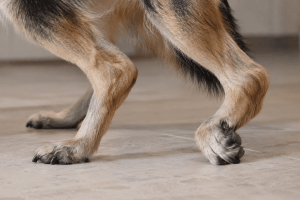
Neuroaxonal dystrophy symptoms in dogs can vary depending on the breed, age of onset, severity, and progression of the disease. Some signs may be subtle at first, while others become more noticeable as nerve degeneration progresses. Common warning signs include poor coordination, an unsteady gait, tremors, weakness, abnormal posture, difficulty standing or walking, reduced reflexes, and progressive loss of motor control. Because many of these symptoms can also be caused by other neurological conditions, any persistent or worsening changes should be evaluated by a veterinarian.
- Unsteady or abnormal gait
- Poor coordination or ataxia
- Tremors or shaking
- Progressive muscle weakness
- Difficulty standing or walking
- Abnormal posture
- Reduced or abnormal reflexes
- Stumbling or frequent falling
- Loss of balance
- Progressive loss of motor control
Neuroaxonal dystrophy progressively affects coordination, movement, and neurological function.
Stages & Progression of Neuroaxonal Dystrophy in Dogs
Neuroaxonal dystrophy in dogs is a progressive neurological disorder that typically worsens over time as nerve fibers continue to degenerate. The rate of progression can vary depending on the breed, genetic mutation, age of onset, and severity of the condition. Early signs may include mild incoordination or tremors, while later stages can involve increasing weakness, difficulty walking, loss of balance, and reduced motor control. Understanding how the disease progresses can help pet parents anticipate changes in mobility, supportive-care needs, and overall quality of life.
Early Signs
Mild coordination problems, subtle tremors, an unusual gait, or occasional stumbling may be the first noticeable signs.
Mild–Moderate Progression
Ataxia becomes more apparent, with increasing balance problems, weakness, tremors, and difficulty controlling normal movement.
Advanced Neurological Signs
Dogs may stumble or fall frequently, develop marked weakness, abnormal posture, reduced reflexes, and increasing difficulty walking.
Severe Mobility Loss
Advanced disease may cause severe loss of coordination and motor control, making standing, walking, and normal daily activities difficult.
Neuroaxonal dystrophy does not have a universal formal staging system. This chart is a simplified illustration of how neurological signs may progress. The age of onset and rate of decline can vary by breed, genetic form, and individual dog.
Top Ways to Prevent Neuroaxonal Dystrophy in Dogs
Because neuroaxonal dystrophy is an inherited neurodegenerative disease, prevention focuses primarily on responsible breeding and genetic screening rather than lifestyle changes alone. By avoiding breeding affected dogs or known carriers when possible, using available genetic tests, and learning a dog’s family history, the risk of passing this condition to future generations can be reduced. Early veterinary evaluation and monitoring can also help identify neurological signs sooner, allowing for better supportive care and quality-of-life planning.
| Risk-Reduction Strategy | Why It Helps | How to Do It |
|---|---|---|
| Use Genetic Testing | Some forms of neuroaxonal dystrophy are linked to inherited genetic mutations in specific breeds and bloodlines. | Use breed-appropriate DNA testing when available, especially before breeding dogs from lines known to carry the disorder. |
| Avoid Breeding Affected Dogs | Affected dogs may pass disease-causing genetic variants to their offspring. | Dogs diagnosed with inherited neuroaxonal dystrophy should not be used for breeding. |
| Identify Carrier Dogs | Carriers may appear healthy but can still pass an inherited mutation to future generations. | Screen breeding dogs when a validated genetic test exists and use results as part of responsible breeding decisions. |
| Review Family History | Neuroaxonal dystrophy may occur within particular family lines even when affected dogs are uncommon. | Ask breeders about neurological disease, affected relatives, genetic test results, and known carrier status within the pedigree. |
| Choose Responsible Breeders | Careful breeding practices can reduce the chance of pairing dogs that may produce affected puppies. | Work with breeders who perform recommended genetic screening, document health histories, and avoid high-risk pairings. |
| Monitor Predisposed Puppies | Early neurological changes may be subtle, especially during the first stages of the disease. | Watch for tremors, poor coordination, stumbling, abnormal gait, weakness, or unusual changes in movement. |
| Schedule Early Veterinary Evaluation | Neuroaxonal dystrophy cannot usually be reversed, but early evaluation can help rule out other treatable neurological conditions. | Have persistent gait abnormalities, tremors, weakness, or balance problems evaluated promptly by a veterinarian or veterinary neurologist. |
| Maintain Safe Supportive Care | Supportive care does not prevent the inherited disease itself, but it may reduce injuries and help affected dogs remain comfortable. | Use non-slip flooring, limit access to stairs, provide mobility assistance when needed, and follow your veterinarian’s care recommendations. |
Actionable Resources
If you want to reduce inherited risk or better support a dog with neuroaxonal dystrophy, here are some resources you can use under veterinary guidance.
How Is Neuroaxonal Dystrophy in Dogs Diagnosed
Diagnosing neuroaxonal dystrophy in dogs requires a comprehensive veterinary neurological evaluation to identify progressive nervous system dysfunction and rule out other conditions that can cause similar signs. Key steps include:
1. History & Physical Exam
Your veterinarian reviews your dog’s age, breed, family history, age of symptom onset, and progression of signs such as tremors, weakness, stumbling, or an abnormal gait.
2. Neurological Examination
A detailed neurological exam evaluates gait, balance, posture, coordination, spinal reflexes, muscle tone, and other nervous system functions to help localize the neurological problem.
3. Laboratory Tests
Bloodwork, urinalysis, and other laboratory tests may be used to evaluate overall health and rule out metabolic, infectious, inflammatory, or other conditions that can cause similar signs.
4. Diagnostic Imaging
MRI and other imaging tests may be recommended to evaluate the brain and spinal cord and to exclude structural diseases that can produce similar neurological symptoms.
5. Genetic Testing
Breed-specific DNA testing may help confirm an inherited form of neuroaxonal dystrophy when a known disease-associated genetic variant has been identified for that breed.
6. Diagnostic Confirmation
Diagnosis is based on the dog’s clinical signs, breed and family history, neurological findings, genetic test results when available, and exclusion of other disorders. In some cases, definitive confirmation may require examination of nervous system tissue.
Early recognition is important because neuroaxonal dystrophy is a progressive neurological disorder, and identifying changes sooner can help rule out other conditions and allow supportive care to begin earlier.
Nutritional Support & Supplements
Proper nutrition can play an important supportive role for dogs with neuroaxonal dystrophy by helping maintain energy, muscle mass, healthy body weight, and overall quality of life as mobility and coordination decline. Depending on your dog’s needs, veterinarians may recommend a high-quality, balanced, easily digestible diet and may consider supplements such as omega-3 fatty acids, antioxidants, B vitamins, or other nutrients that support general neurological and muscular health. These approaches do not cure neuroaxonal dystrophy, but they may help support overall health and comfort as part of a broader care plan.
Important: No diet or supplement has been proven to cure
neuroaxonal dystrophy or stop its progression.
Always discuss supplements and dietary changes with your veterinarian,
especially if your dog is taking medications or has other health conditions.
Supportive care—such as mobility assistance, nutritional support, physical rehabilitation, and lifestyle adjustments—plays a crucial role in maintaining comfort and quality of life as neuroaxonal dystrophy progresses. These measures do not cure the condition or stop the underlying nerve degeneration, so any diet, supplement, exercise, or supportive-care plan should be reviewed with your veterinarian or veterinary neurologist.
Over-the-Counter Products
Over-the-counter treatments and supplements mentioned in this article for neuroaxonal dystrophy in dogs can be found on Amazon and Chewy.


Always consult your veterinarian before starting any new treatment, medication, or home-care regimen for canine neuroaxonal dystrophy. Puppies and dogs with persistent vomiting, diarrhea, weakness, or dehydration may require prompt veterinary care. If you can’t reach your vet, you can chat live with a registered online veterinary professional via our online vet chat or video chat support (24 hours a day, 7 days a week). Or use Chewy’s online vet services (6 a.m. – midnight ET).
Treatment & Care
According to current veterinary neurology knowledge, treatment for neuroaxonal dystrophy in dogs is primarily supportive and multimodal, combining several strategies to maintain comfort and function. These may include physical rehabilitation to support mobility, nutritional support to help maintain body condition, and assistive care such as mobility aids, non-slip flooring, and environmental adjustments to improve safety and quality of life. Because neuroaxonal dystrophy is a progressive inherited neurological disorder, treatment does not cure the disease but focuses on managing symptoms and supporting daily function for as long as possible.
Medications
Common medications used to treat neuroaxonal dystrophy in dogs include:
| Medication / Therapy | Examples | How It Is Used | Important Considerations |
|---|---|---|---|
| Pain Management | Gabapentin, other veterinarian-prescribed analgesics | May be used when affected dogs develop discomfort, muscle soreness, or pain related to reduced mobility or secondary orthopedic strain. | These medications do not treat the underlying nerve degeneration. Doses should be individualized and monitored by a veterinarian. |
| Anti-Inflammatory Medication | Veterinarian-selected NSAIDs | May be considered for secondary musculoskeletal pain or inflammation caused by altered gait, weakness, or reduced mobility. | NSAIDs do not slow neuroaxonal dystrophy itself and may affect the stomach, intestines, kidneys, or liver. Veterinary supervision is essential. |
| Muscle Relaxants | Methocarbamol or other veterinarian-selected medications | May occasionally be used when muscle spasms, stiffness, or abnormal muscle activity contributes to discomfort. | Use depends on the dog’s specific neurological signs and should only be considered after veterinary assessment. |
| Anti-Seizure Medication | Levetiracetam, phenobarbital, other anticonvulsants | May be prescribed if seizures occur as part of the dog’s neurological disease or another concurrent condition. | Not every dog with neuroaxonal dystrophy develops seizures. Treatment is based on the individual dog’s clinical signs. |
| Physical Rehabilitation | Controlled exercises, assisted walking, range-of-motion therapy | Helps maintain muscle strength, flexibility, mobility, and safe movement for as long as possible. | Exercise should be adapted to the dog’s neurological ability. Overexertion or unsafe activity can increase the risk of falls and injury. |
| Hydrotherapy | Underwater treadmill, veterinarian-supervised swimming | Water-supported exercise may help maintain muscle conditioning while reducing stress on weak limbs and joints. | Not appropriate for every dog. Dogs with severe weakness, poor airway control, or difficulty maintaining posture may need alternative rehabilitation methods. |
| Mobility Assistance | Harnesses, slings, ramps, supportive carts | Helps dogs with weakness, poor balance, or loss of coordination move more safely and maintain daily activity. | Equipment should fit properly and be introduced gradually. The level of assistance may need to increase as the disease progresses. |
| Environmental Support | Non-slip mats, blocked stairs, padded bedding | Reduces fall and injury risk and helps dogs navigate the home more safely as coordination declines. | Home modifications should be updated as mobility changes. Dogs with advanced disease may require assistance with standing, toileting, and repositioning. |
| Nutritional Support | Balanced diet, omega-3 fatty acids, veterinarian-selected supplements | Supports healthy body condition, muscle maintenance, energy needs, and general neurological health. | No diet or supplement has been proven to cure neuroaxonal dystrophy or stop its progression. Supplements should be discussed with a veterinarian before use. |
| Nursing & Daily Care | Assisted feeding, hygiene support, repositioning, toileting assistance | Becomes increasingly important for dogs with advanced weakness, poor coordination, or difficulty performing normal daily activities. | Regular quality-of-life assessment is important as the disease progresses. Care plans should focus on comfort, safety, and maintaining meaningful daily activities. |
The best way to get these medications is at Chewy Pet Pharmacy:
Alternative & Integrative Therapies
Integrative and supportive therapies can help manage symptoms, support mobility, reduce discomfort, and improve quality of life for dogs with neuroaxonal dystrophy. Options such as physical rehabilitation, hydrotherapy, massage, acupuncture, laser therapy, mobility assistance, and comfort-focused care may be used alongside conventional veterinary management, but should always be discussed with your veterinarian or veterinary neurologist to ensure they are safe and appropriate for your dog.
Surgical Options
Surgery is not typically a primary treatment for neuroaxonal dystrophy in dogs because this condition is a progressive inherited neurological disease, not a localized mass or lesion that can be removed. However, in some cases, surgery or related procedures may be considered to help investigate other possible causes of neurological signs, obtain diagnostic samples, or address a separate condition contributing to discomfort or mobility problems. Your veterinarian or veterinary neurologist will determine whether any surgical procedure is appropriate based on your dog’s symptoms, diagnostic findings, and overall health.
Emotional & Lifestyle Impact
A neuroaxonal dystrophy diagnosis can be emotionally challenging for both dogs and their families. Dogs may experience changes in mobility, coordination, independence, and daily activity as the disease progresses. With thoughtful care, environmental adjustments, mobility support, and regular veterinary guidance, many dogs can remain comfortable and continue enjoying meaningful daily routines for as long as possible.
For Dogs
- Progressive changes in coordination and mobility
- May become less independent with daily activities
- May need help standing, walking, or navigating stairs
- Safe flooring and mobility aids can reduce falls and injuries
- Can still enjoy affection, enrichment, and time with family
For Pet Parents
- It is common to feel worried or overwhelmed as symptoms progress
- Focus on comfort, safety, and meaningful daily activities
- Adjust the home as your dog’s mobility needs change
- Work closely with your veterinarian or veterinary neurologist
- Regularly assess quality of life and changing care needs
“Neuroaxonal dystrophy may change how your dog moves through the world, but comfort, connection, and meaningful moments can still remain part of everyday life.”
Brighter tomorrows.
Dog Neuroaxonal Dystrophy Prognosis
A dog’s prognosis with neuroaxonal dystrophy depends on several factors, including the breed-associated form, age at onset, rate of progression, severity of neurological signs, mobility, and level of supportive care. Some dogs may decline gradually over months or years, while others may progress more quickly. Working closely with your veterinary team can help guide supportive-care decisions, manage mobility and comfort, and maintain the best possible quality of life for your dog.
Key Factors That Influence Prognosis
Typical Annual Cost of Treating Canine Neuroaxonal Dystrophy
| Category | Estimated Cost Range | Notes |
|---|---|---|
| Initial Veterinary & Neurological Evaluation | $200 – $800 | May include a physical exam, detailed neurological examination, medical history review, and referral to a veterinary neurologist. |
| Laboratory Testing | $150 – $600 | Bloodwork, urinalysis, and additional laboratory tests may be used to rule out metabolic, infectious, or inflammatory causes of neurological signs. |
| MRI & Advanced Diagnostics | $1,500 – $4,000+ | MRI, anesthesia, and other advanced tests may be recommended to evaluate the brain and spinal cord and exclude other disorders. |
| Genetic Testing | $100 – $300 | Breed-specific DNA testing may help identify known inherited variants when an appropriate test is available. |
| Cerebrospinal Fluid or Specialized Testing | $500 – $1,500+ | Cerebrospinal fluid analysis or other specialized neurological testing may be used to rule out alternative diagnoses. |
| Physical Rehabilitation | $500 – $2,500+ | May include rehabilitation sessions, therapeutic exercises, assisted walking, range-of-motion therapy, or hydrotherapy. |
| Medications & Symptom Management | $200 – $1,200 | May include pain-relief medications or treatment for secondary discomfort, muscle soreness, or other symptoms as needed. |
| Mobility Aids & Home Modifications | $100 – $1,500+ | Harnesses, slings, ramps, non-slip flooring, supportive bedding, or mobility carts may become useful as coordination declines. |
| Follow-Up Neurological Exams | $300 – $1,200 | Periodic examinations help monitor progression, mobility, comfort, and changing supportive-care needs. |
| Nutritional Support & Supplements | $300 – $1,200 | May include a balanced therapeutic diet, omega-3 fatty acids, or veterinarian-recommended nutritional support. |
| Integrative & Supportive Therapies | $300 – $2,000+ | May include acupuncture, massage, therapeutic laser, rehabilitation, or other veterinarian-guided supportive therapies. |
| Pet Insurance Coverage | Varies | Coverage depends on the policy and whether the condition is considered pre-existing. Genetic or hereditary-condition coverage also varies between insurers. |
| Typical Cost Range | Supportive Management: approximately $1,000 – $4,000 per year | Advanced Diagnostics & Intensive Support: approximately $4,000 – $10,000+ during the first year | |
Neuroaxonal dystrophy care can add up quickly — from daily medications to possible surgeries. Pet insurance can ease the financial burden and ensure your dog gets the best treatment without compromise. If you want to compare plans and find out which providers offer the best coverage for neuroaxonal dystrophy and chronic conditions, check out our full guides to the Best Pet Insurance for Dogs and Best Pet Wellness Plans.
Related Health Conditions
Some health conditions are closely linked to neuroaxonal dystrophy in dogs because they can affect the brain, spinal cord, nerves, or muscle control and may cause overlapping signs such as tremors, weakness, ataxia, poor coordination, balance problems, or difficulty walking. Understanding these related conditions can help dog owners recognize possible neurological warning signs, better understand differential diagnoses, and learn which disorders a veterinarian may need to rule out during evaluation.
- Degenerative Myelopathy
- Vestibular Disease
- Epilepsy
- Seizures
- Intervertebral Disc Disease (IVDD)
- Shaking Puppy Syndrome
- Siberian Husky Polyneuropathy
- Other inherited neurodegenerative disorders
- Peripheral neuropathies
- Cerebellar disorders
- Neuromuscular diseases
Frequently Asked Questions
The Bottom Line
Neuroaxonal dystrophy in dogs is a rare, progressive neurological disorder that can significantly affect coordination, mobility, and independence over time. Although there is currently no cure, early recognition, accurate diagnosis, supportive care, rehabilitation, and thoughtful home adjustments can help maintain comfort and quality of life. By working closely with your veterinarian, monitoring changes in mobility and behavior, and adapting care as the disease progresses, you can help your dog stay as safe, comfortable, and engaged as possible throughout their journey.