Siberian Husky Polyneuropathy in Dogs: Symptoms, Types, Causes, Signs & Prevention


Canine Bible is reader-supported. We receive affiliate commissions via some of our links. Learn more.
A comprehensive guide to Siberian Husky Polyneuropathy in dogs, including causes, risk factors, neurological signs, diagnostic testing, management, prognosis and what pet parents should know when caring for an affected Siberian Husky.
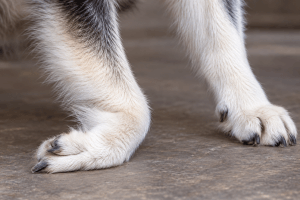
Siberian Husky Polyneuropathy at a Glance
Most common in
Young Siberian Huskies with an inherited susceptibility.
Common signs
Weakness, abnormal gait, reduced reflexes and exercise intolerance.
Diagnosis
Neurological exam, electrodiagnostics and other tests to rule out similar disorders.
Treatment
Primarily supportive care, rehabilitation and management of complications.
Prognosis
Variable and depends on the severity and progression of neurological signs.
Risk factor
Genetics and Siberian Husky breed predisposition are the primary risk factors.
What Is Siberian Husky Polyneuropathy?
Siberian Husky Polyneuropathy is an inherited neurological disorder affecting the peripheral nerves of Siberian Huskies. These nerves carry signals between the spinal cord and the muscles, and when their function is impaired, affected dogs may develop progressive muscle weakness, an abnormal or unsteady gait, reduced reflexes and difficulty exercising normally. Signs generally develop in young dogs and can vary considerably in severity. Because several neurological and neuromuscular disorders can cause similar symptoms, a thorough veterinary neurological evaluation is important for determining the cause and ruling out other conditions. Management is generally focused on supportive care, maintaining mobility and muscle function, and addressing complications as they develop.


Types
Dogs can develop different forms of polyneuropathy, and Siberian Husky Polyneuropathy is a breed-associated inherited type that affects the peripheral nerves. Because these nerves help control movement, muscle strength, reflexes, and sometimes even breathing or swallowing, the condition can affect the body in different ways. Some dogs may show mild weakness or an abnormal gait, while others may develop more noticeable coordination problems, exercise intolerance, or progressive muscle loss. Understanding this condition can help pet parents recognize why symptoms, management, and prognosis can vary from one dog to another.
Generalized Muscle Weakness
Peripheral nerve dysfunction can reduce normal muscle strength, causing affected dogs to tire easily or have difficulty with routine physical activity.
Abnormal or Unsteady Gait
Dogs may walk with a weak, awkward or unsteady gait as damaged peripheral nerves interfere with normal control of the limbs.
Reduced Reflexes
Veterinary neurological examination may reveal decreased or absent spinal reflexes because the peripheral nerves are not transmitting signals normally.
Muscle Wasting
Loss of nerve stimulation can gradually cause affected muscles to shrink, resulting in visible muscle loss and increasing weakness.
Exercise Intolerance
Affected Huskies may become tired more quickly than expected, slow down during walks or play, or require frequent periods of rest.


Laryngeal or Respiratory Involvement
In more severely affected dogs, nerve dysfunction may involve structures associated with the airway, potentially causing noisy breathing, voice changes or breathing difficulty.
Swallowing Difficulties
If nerves controlling the throat or esophagus are affected, some dogs may have difficulty swallowing, regurgitation or an increased risk of aspiration complications.
Variable Progression
The severity and rate of progression can vary between affected dogs. Some remain relatively stable, while others develop increasingly noticeable neurological impairment.
Predisposed Dog Breeds
Siberian Husky Polyneuropathy is primarily associated with Siberian Huskies and is considered an inherited neurological disorder within the breed. Because of its genetic basis, affected dogs may develop signs at a young age, and closely related dogs may also carry an increased risk. Responsible breeding practices and avoiding breeding affected dogs can help reduce the likelihood of passing the condition to future generations.
| Risk Group | Dogs Most Affected | Notes on Risk Factors |
|---|---|---|
| Primary Predisposed Breed | Siberian Husky | Siberian Husky Polyneuropathy is an inherited peripheral nerve disorder recognized primarily in Siberian Huskies. Breed genetics are the most important known risk factor. |
| Young Siberian Huskies | Puppies and young Siberian Huskies | Clinical signs commonly become apparent relatively early in life. Affected dogs may develop weakness, an abnormal gait, reduced reflexes, muscle wasting or exercise intolerance. |
| Dogs From Affected Bloodlines | Siberian Huskies with affected or closely related family members | Because the disorder is hereditary, dogs from bloodlines in which polyneuropathy has occurred may have a greater genetic risk than unrelated Siberian Huskies. |
| Close Relatives of Affected Dogs | Littermates, siblings, parents and offspring of affected Siberian Huskies | Close relatives may share inherited risk factors even if they do not currently show neurological signs. Veterinary and breeding evaluation may be appropriate when the condition is present within a family line. |
| Siberian Husky Mixes | Dogs with Siberian Husky ancestry | A genetic risk may theoretically be inherited if a disease-associated variant is present in the Siberian Husky lineage, although the risk in mixed-breed dogs is not as clearly established. |
| Other Dog Breeds | Other purebred and mixed-breed dogs | Many breeds can develop other inherited or acquired forms of polyneuropathy, but these should not automatically be considered the same disorder as Siberian Husky Polyneuropathy. |
Causes
Siberian Husky Polyneuropathy is primarily an inherited neurological disorder caused by genetic abnormalities that affect the peripheral nerves. Rather than developing from lifestyle or environmental factors, the condition is linked to a dog’s genetic background and is seen most often in Siberian Huskies from affected bloodlines. These nerve changes can interfere with normal communication between the spinal cord and muscles, leading to weakness, abnormal gait, reduced reflexes, and muscle wasting. Understanding the hereditary nature of the condition can help breeders and pet parents make more informed decisions about screening, breeding, and early veterinary evaluation.
Inherited Genetic Disorder
Siberian Husky Polyneuropathy is primarily hereditary. Affected dogs inherit genetic abnormalities that interfere with normal peripheral nerve function.
Breed Predisposition
The disorder is most strongly associated with Siberian Huskies, indicating a breed-specific inherited susceptibility.
Affected Bloodlines
Siberian Huskies with affected parents, siblings, littermates, or other close relatives may have a greater chance of inheriting the underlying genetic risk.
Peripheral Nerve Dysfunction
The inherited defect disrupts peripheral nerves that transmit signals between the spinal cord and muscles, leading to weakness, reduced reflexes, and abnormal movement.
Early-Onset Development
Because the condition is inherited, neurological signs often appear in puppies or young dogs rather than developing primarily as a result of aging.
Not Caused by Lifestyle
Diet, exercise, routine activity, and typical environmental exposures are not considered the primary cause of Siberian Husky Polyneuropathy.
Breeding Risk
Breeding affected dogs or dogs from strongly affected family lines can increase the chance that inherited susceptibility will be passed to future generations.
Symptoms
Symptoms of Siberian Husky Polyneuropathy can vary depending on how severely the peripheral nerves are affected and which nerve functions are involved. Signs often begin in young Siberian Huskies and may include generalized weakness, an abnormal or unsteady gait, reduced reflexes, muscle wasting, and exercise intolerance. Some dogs may also develop difficulty standing, voice changes, swallowing problems, or breathing abnormalities if nerves controlling the throat or respiratory muscles are affected. Because similar neurological signs can occur with other disorders, persistent or progressive weakness should be evaluated by a veterinarian.
- Generalized muscle weakness
- Unsteady or abnormal gait
- Difficulty standing or walking
- Reduced spinal reflexes
- Muscle wasting
- Exercise intolerance
- Weakness in the hind limbs
- Weakness in the front limbs
- Voice changes or noisy breathing
- Difficulty swallowing in more severe cases
Siberian Husky Polyneuropathy primarily affects peripheral nerves and muscle function.
Stages & Progression of Siberian Husky Polyneuropathy in Dogs
Siberian Husky Polyneuropathy can progress at different rates depending on the severity of nerve involvement and how early the condition begins. Rather than being divided into formal cancer-like stages, this inherited neurological disorder is usually understood in terms of mild, moderate, or advanced progression based on the dog’s weakness, gait abnormalities, muscle loss, and any breathing or swallowing involvement. Evaluating how far the condition has progressed helps veterinarians determine the most appropriate supportive care, rehabilitation needs, and long-term management plan. Understanding progression can also give pet parents helpful insight into prognosis, daily care needs, and quality of life.
Mild Signs
Early signs may include subtle muscle weakness, exercise intolerance, an unusual gait, or mildly reduced reflexes while the dog remains independently mobile.
Moderate Weakness
Weakness becomes more noticeable and may involve several limbs. Dogs may tire quickly, stumble more frequently, or have increasing difficulty with stairs, running, or prolonged activity.
Advanced Impairment
Progressive nerve dysfunction may cause marked weakness, muscle wasting, reduced reflexes, and increasing difficulty standing or walking without assistance.
Severe Neurological Signs
Severely affected dogs may have major mobility impairment and may develop swallowing, laryngeal, or breathing problems if the nerves controlling these functions become involved.
This chart is a simplified visual guide, not a formal staging system. Siberian Husky Polyneuropathy can vary considerably between dogs, and progression may be slow, rapid, or relatively stable depending on the severity of nerve involvement. Veterinary neurological evaluation is needed to assess an individual dog’s condition.
Top Ways to Help Prevent Siberian Husky Polyneuropathy in Dogs
Because Siberian Husky Polyneuropathy is an inherited neurological disorder, prevention focuses primarily on responsible breeding practices rather than lifestyle changes alone. Avoiding the breeding of affected dogs and carefully evaluating family lines can help reduce the risk of passing the condition to future generations. While the disease may not be completely preventable in every case, early veterinary evaluation, genetic awareness, and prompt recognition of neurological signs can help support earlier diagnosis and better long-term care.
| Prevention Strategy | Why It Helps | How to Do It |
|---|---|---|
| Avoid Breeding Affected Dogs | Siberian Husky Polyneuropathy is inherited, so breeding affected dogs may increase the chance of passing susceptibility to future generations. | Dogs diagnosed with inherited polyneuropathy should generally be excluded from breeding programs. Discuss breeding decisions with a veterinarian or veterinary genetics professional. |
| Review Family History | Close relatives may share inherited risk factors even when they do not currently show neurological signs. | Ask breeders about neurological disease in parents, siblings, littermates, and previous generations before selecting breeding dogs or purchasing a puppy. |
| Use Responsible Breeding Practices | Careful selection of breeding dogs can help reduce the frequency of inherited neurological disease within Siberian Husky bloodlines. | Avoid repeatedly breeding dogs from lines known to produce affected offspring and keep accurate health records across generations. |
| Seek Early Veterinary Evaluation | Early recognition does not prevent the inherited disorder, but it can help identify neurological problems sooner and guide supportive management. | Have a veterinarian evaluate young Siberian Huskies that develop weakness, an unusual gait, reduced exercise tolerance, or other unexplained neurological signs. |
| Monitor At-Risk Puppies | Puppies from affected or suspicious bloodlines may benefit from closer observation because signs can appear relatively early in life. | Watch for stumbling, difficulty rising, reduced strength, muscle wasting, or changes in normal activity and report persistent changes to your veterinarian. |
| Maintain Safe, Appropriate Exercise | Exercise does not prevent the genetic disorder, but appropriate activity can help preserve mobility and reduce unnecessary strain in dogs showing weakness. | Use controlled walks and low-impact activity suited to the dog’s strength and coordination. Avoid forcing strenuous exercise if weakness or fatigue is present. |
| Prevent Falls and Injury | Dogs with peripheral nerve weakness may be more likely to slip, stumble, or injure themselves as mobility declines. | Use non-slip flooring, block unsafe stairs when needed, and provide assistance on slippery surfaces or when getting into vehicles. |
| Monitor Breathing and Swallowing | More severe nerve involvement may affect functions associated with the throat, larynx, or respiratory system. | Seek veterinary care promptly for noisy or difficult breathing, repeated choking, regurgitation, difficulty swallowing, or sudden worsening weakness. |
Actionable Resources
If you’re caring for a dog with Siberian Husky Polyneuropathy, supportive nutrition, mobility care, and veterinary guidance can help maintain overall health and quality of life. These resources may be useful alongside your veterinarian’s treatment and rehabilitation plan.
How Is Siberian Husky Polyneuropathy in Dogs Diagnosed
Diagnosing Siberian Husky Polyneuropathy requires a thorough veterinary and neurological evaluation to determine whether peripheral nerves are affected and to rule out other causes of weakness or abnormal gait. Key steps may include:
1. History & Physical Exam
The veterinarian reviews the dog’s age, breed, family history, onset of weakness, exercise tolerance, gait changes, and any breathing or swallowing problems before performing a complete physical examination.
2. Neurological Examination
A neurological exam evaluates gait, muscle strength, spinal reflexes, posture, coordination, muscle tone, and other findings that can help localize the problem to the peripheral nerves.
3. Laboratory Tests
Bloodwork, urinalysis, and other laboratory testing may be used to look for metabolic, endocrine, infectious, inflammatory, or nutritional disorders that could cause similar neurological signs.
4. Electrodiagnostic Testing
Electromyography and nerve conduction studies may be performed to measure electrical activity in muscles and determine how effectively peripheral nerves are transmitting signals.
5. Imaging
X-rays, CT, or MRI may be recommended when needed to rule out spinal cord, orthopedic, or structural diseases that can mimic the weakness and gait changes seen with polyneuropathy.
6. Nerve or Muscle Biopsy
In selected cases, a small sample of peripheral nerve or muscle tissue may be examined microscopically to look for characteristic changes and help distinguish inherited polyneuropathy from other neuromuscular disorders.
7. Final Diagnostic Assessment
Diagnosis is based on the combined findings from the dog’s breed, family history, neurological examination, diagnostic testing, and exclusion of other conditions that can cause similar peripheral nerve dysfunction.
Early recognition is important because identifying Siberian Husky Polyneuropathy sooner can help veterinarians rule out other neurological disorders, begin supportive care earlier, and better preserve mobility, comfort, and quality of life.
Nutritional Support & Supplements
Proper nutrition can play an important supportive role for dogs with Siberian Husky Polyneuropathy by helping maintain healthy body weight, muscle mass, energy levels, and overall condition. Nutrition does not cure the inherited nerve disorder, but veterinarians may recommend a complete, balanced diet that is easy to digest and provides adequate high-quality protein. Depending on the individual dog’s needs, supportive supplements such as omega-3 fatty acids, certain antioxidants, B vitamins, or other veterinarian-recommended nutrients may also be considered as part of a broader management plan that includes rehabilitation and mobility support.
Important: Nutrition and supplements do not cure Siberian Husky Polyneuropathy.
Some supplements can interact with medications or may not be appropriate for every dog.
Always discuss supplements and dietary changes with your veterinarian, especially if your dog has weakness,
swallowing problems, or other medical conditions.
Supportive care—such as physical rehabilitation, mobility assistance, nutritional support, and home safety adjustments—plays an important role in maintaining comfort, muscle function, and quality of life in dogs with Siberian Husky Polyneuropathy. These measures do not cure the inherited nerve disorder, and any exercise, diet, supplement, or supportive treatment plan should be reviewed with your veterinarian or a veterinary neurologist.
Over-the-Counter Products
Over-the-counter treatments and supplements mentioned in this article for siberian husky polyneuropathy in dogs can be found on Amazon and Chewy.


Always consult your veterinarian before starting any new treatment, medication, or home-care regimen for canine siberian husky polyneuropathy. Puppies and dogs with persistent vomiting, diarrhea, weakness, or dehydration may require prompt veterinary care. If you can’t reach your vet, you can chat live with a registered online veterinary professional via our online vet chat or video chat support (24 hours a day, 7 days a week). Or use Chewy’s online vet services (6 a.m. – midnight ET).
Treatment & Care
According to current veterinary neurology practice, the most effective management for Siberian Husky Polyneuropathy is typically supportive and multimodal, combining several approaches to maintain mobility, comfort, and quality of life. These may include physical rehabilitation to help preserve muscle function, mobility support and home adjustments to improve safety, and nutritional support to help maintain body condition and strength. In some dogs, treatment may also involve managing complications such as breathing or swallowing difficulties and monitoring progression over time with your veterinarian or veterinary neurologist.
Medications
Common medications used to treat siberian husky polyneuropathy in dogs include:
| Treatment / Support | Examples | How It Is Used | Important Considerations |
|---|---|---|---|
| No Specific Curative Medication | Supportive management | Siberian Husky Polyneuropathy is an inherited peripheral nerve disorder, and treatment is generally aimed at preserving function, mobility, comfort, and quality of life rather than curing the underlying genetic abnormality. | Treatment plans should be individualized according to the severity of weakness, progression of neurological signs, and presence of breathing or swallowing complications. |
| Physical Rehabilitation | Controlled exercise, range-of-motion work, hydrotherapy, therapeutic strengthening | Rehabilitation may help maintain muscle strength, flexibility, coordination, and functional mobility for as long as possible. | Exercise should be tailored to the dog’s ability. Excessive activity may worsen fatigue, while inactivity can contribute to muscle loss. A veterinary rehabilitation professional can help design a safe plan. |
| Mobility Assistance | Support harnesses, slings, ramps, non-slip flooring | Assistive devices can make standing, walking, climbing, and daily activities safer for dogs with progressive limb weakness. | Equipment should fit properly and should not place excessive pressure on weakened limbs or the spine. Home environments may need to be modified as mobility changes. |
| Pain Management | Gabapentin or other veterinarian-prescribed analgesics when indicated | Pain medication may be used if an affected dog has discomfort from another condition, muscle strain, or secondary mobility problems. | Polyneuropathy does not always cause significant pain, so medication should be based on the individual dog’s examination and symptoms. Sedating medications may also affect balance or mobility. |
| Nutritional Support | Complete balanced diet, adequate protein, omega-3 fatty acids when appropriate | Proper nutrition helps maintain healthy body weight, muscle mass, energy, and overall condition in dogs experiencing weakness or reduced activity. | Supplements do not cure inherited polyneuropathy. Diet and supplement plans should be reviewed with a veterinarian, particularly if the dog has swallowing difficulties or other medical conditions. |
| Weight Management | Measured meals, calorie adjustment, regular body-condition checks | Keeping the dog at a healthy weight reduces unnecessary strain on weakened muscles and limbs and may make assisted mobility easier. | Calorie requirements may change if activity decreases. Weight loss should not come at the expense of adequate protein or muscle maintenance. |
| Swallowing Support | Feeding modifications, texture changes, upright feeding when advised | Dogs with weakness affecting swallowing may require changes in how food and water are offered to reduce choking or aspiration risk. | Coughing, choking, repeated regurgitation, or difficulty swallowing should be evaluated promptly because aspiration pneumonia can become a serious complication. |
| Respiratory Support | Oxygen therapy, airway monitoring, emergency stabilization when needed | Severe peripheral nerve involvement may affect the larynx or muscles involved in breathing, requiring more intensive veterinary support. | Labored breathing, blue or gray gums, collapse, or rapidly worsening respiratory difficulty requires emergency veterinary attention. |
| Treatment of Aspiration Pneumonia | Antibiotics and supportive hospital care when infection is confirmed | Aspiration pneumonia may develop if food, fluid, or regurgitated material enters the lungs because of impaired swallowing. | Antibiotics should only be used when prescribed by a veterinarian. Chest imaging, oxygen support, fluid therapy, or hospitalization may be required depending on severity. |
| Neurological Monitoring | Repeat neurological exams, mobility assessment, muscle-condition checks | Regular veterinary monitoring helps track changes in strength, reflexes, gait, muscle mass, swallowing, and respiratory function. | Because progression can differ between dogs, follow-up frequency and supportive care should be adjusted according to changes in function and quality of life. |
Alternative & Integrative Therapies
Integrative and supportive therapies may help maintain mobility, reduce stiffness or discomfort, and support quality of life in dogs with Siberian Husky Polyneuropathy. Options such as physical rehabilitation, therapeutic massage, acupuncture, hydrotherapy, and low-level laser therapy may be used alongside conventional veterinary care when appropriate. These therapies do not correct the inherited nerve disorder, so they should be discussed with your veterinarian or veterinary neurologist to ensure they are safe and suitable for your dog’s level of weakness, coordination, and overall health.
Surgical Options
Surgery is not typically a primary treatment for Siberian Husky Polyneuropathy, because this condition is an inherited disorder affecting the peripheral nerves, not a localized problem that can usually be removed surgically. However, surgical or procedural intervention may occasionally be considered in special situations—such as placing supportive feeding access, addressing complications, or investigating other conditions that may be contributing to weakness or mobility problems. In most cases, care focuses on supportive management, rehabilitation, mobility assistance, and monitoring for complications rather than surgery. Your veterinarian or veterinary neurologist will determine whether any procedure is appropriate based on your dog’s symptoms, overall health, and the presence of secondary issues.
Emotional & Lifestyle Impact
A diagnosis of Siberian Husky Polyneuropathy can be challenging for both dogs and their families because the condition may gradually affect strength, mobility, stamina, and independence. Dogs may become less able to run, climb stairs, play, or move comfortably without assistance, and some may develop changes in routine or confidence as weakness progresses. With supportive care, rehabilitation, mobility aids, home adjustments, and regular veterinary monitoring, many affected dogs can continue to enjoy meaningful daily activities and a good quality of life for as long as their condition allows.
For Dogs
- May experience reduced stamina and increasing weakness
- May need help with stairs, slippery floors, or getting up
- Can become frustrated when mobility is limited
- May benefit from predictable routines and gentle activity
- Can still enjoy affection, enrichment, and time with family
For Pet Parents
- Managing a progressive neurological disorder can feel overwhelming
- Daily routines may need to change as mobility declines
- Home modifications and mobility aids may become necessary
- Regular veterinary follow-up can help guide care decisions
- Focus on comfort, independence, and quality of life
“Siberian Husky Polyneuropathy may change how your dog moves through the world, but thoughtful support can help preserve comfort, confidence, and meaningful time together.”
Brighter tomorrows.
Siberian Husky Polyneuropathy Prognosis
A dog’s prognosis with Siberian Husky Polyneuropathy depends on several factors, including the severity of nerve dysfunction, age at onset, rate of progression, mobility, muscle loss, and whether breathing or swallowing are affected. Some dogs may remain relatively stable for a period of time, while others may experience more noticeable progression and increasing weakness. Working closely with your veterinarian or veterinary neurologist can help guide supportive care, monitor changes, manage complications, and maintain the best possible quality of life for your dog.
Key Factors That Influence Prognosis
Typical Annual Cost of Treating Siberian Husky Polyneuropathy
| Category | Estimated Cost Range | Notes |
|---|---|---|
| Initial Veterinary & Neurological Evaluation | $200 – $600 | Includes a physical examination, neurological assessment, medical history review, and evaluation of weakness, gait abnormalities, and reflexes. |
| Laboratory Testing | $150 – $500 | Bloodwork, urinalysis, and other tests may be performed to rule out metabolic, endocrine, infectious, or nutritional causes of neurological weakness. |
| Electrodiagnostic Testing | $500 – $1,500+ | Electromyography and nerve conduction studies may be used to evaluate peripheral nerve and muscle function. |
| Advanced Imaging | $1,000 – $3,500+ | MRI or CT may be recommended when needed to rule out spinal cord, structural, or orthopedic conditions that can cause similar symptoms. |
| Nerve or Muscle Biopsy | $500 – $1,500+ | In selected cases, tissue samples may be collected and examined to help confirm peripheral nerve disease or exclude other neuromuscular disorders. |
| Physical Rehabilitation | $600 – $2,500+ / year | May include rehabilitation sessions, therapeutic exercise, hydrotherapy, range-of-motion work, and strengthening programs designed to preserve mobility and muscle function. |
| Mobility Aids & Home Modifications | $100 – $1,000+ | May include support harnesses, slings, ramps, non-slip mats, orthopedic bedding, or other equipment that improves safety and independence. |
| Medications & Supportive Care | $200 – $1,500+ / year | Costs depend on whether medications are needed for pain, secondary complications, respiratory problems, or other concurrent conditions. |
| Nutritional Support & Supplements | $300 – $1,200 / year | May include veterinarian-recommended diets, omega-3 fatty acids, or other nutritional support aimed at maintaining healthy weight and muscle condition. |
| Follow-Up Neurological Exams | $200 – $800+ / year | Periodic rechecks help monitor strength, reflexes, gait, muscle loss, swallowing, breathing, and overall quality of life. |
| Emergency or Hospital Care | $1,000 – $5,000+ | Severe breathing difficulty, aspiration pneumonia, collapse, or major swallowing complications may require emergency stabilization or hospitalization. |
| Pet Insurance Coverage | Varies | Coverage depends on the policy, deductible, waiting period, hereditary-condition exclusions, and whether the disorder was considered pre-existing before enrollment. |
| Typical Cost Range | Initial Diagnostic Workup: approximately $500 – $4,000+ | Ongoing Supportive Care: approximately $1,000 – $5,000+ per year | Severe Complications: costs may be substantially higher if hospitalization, respiratory support, or advanced procedures are required. | |
Siberian husky polyneuropathy care can add up quickly — from daily medications to possible surgeries. Pet insurance can ease the financial burden and ensure your dog gets the best treatment without compromise. If you want to compare plans and find out which providers offer the best coverage for siberian husky polyneuropathy and chronic conditions, check out our full guides to the Best Pet Insurance for Dogs and Best Pet Wellness Plans.
Related Health Conditions
Some health conditions are closely linked to cancer because they may represent specific tumor types, affect similar organs, or cause overlapping symptoms. Understanding these related conditions can help dog owners recognize potential warning signs, learn how different cancers behave, and better understand the diagnostic and treatment options their veterinarian may recommend.
- Degenerative Myelopathy
- Intervertebral Disc Disease (IVDD)
- Vestibular Disease
- Myasthenia Gravis
- Other Inherited Polyneuropathies
- Peripheral Neuropathy
- Laryngeal Paralysis
- Neuromuscular Junction Disorders
- Muscle Disorders (Myopathies)
- Spinal Cord Disease
Frequently Asked Questions
The Bottom Line
Siberian Husky Polyneuropathy is an inherited neurological disorder that can progressively affect strength, mobility, reflexes, and overall independence. While there is currently no cure for the underlying genetic nerve disease, early recognition, veterinary neurological evaluation, rehabilitation, mobility support, and careful management of complications can help affected dogs maintain comfort and quality of life. By watching for changes in gait, weakness, muscle loss, swallowing, or breathing and adapting your dog’s environment as needed, you can play an important role in supporting daily function and safety. Above all, consistent care, patience, and regular veterinary follow-up can help your Siberian Husky continue to enjoy meaningful, comfortable time with the family.