Obesity in Dogs: Symptoms, Types, Causes, Signs & Prevention

Canine Bible is reader-supported. We receive affiliate commissions via some of our links. Learn more.
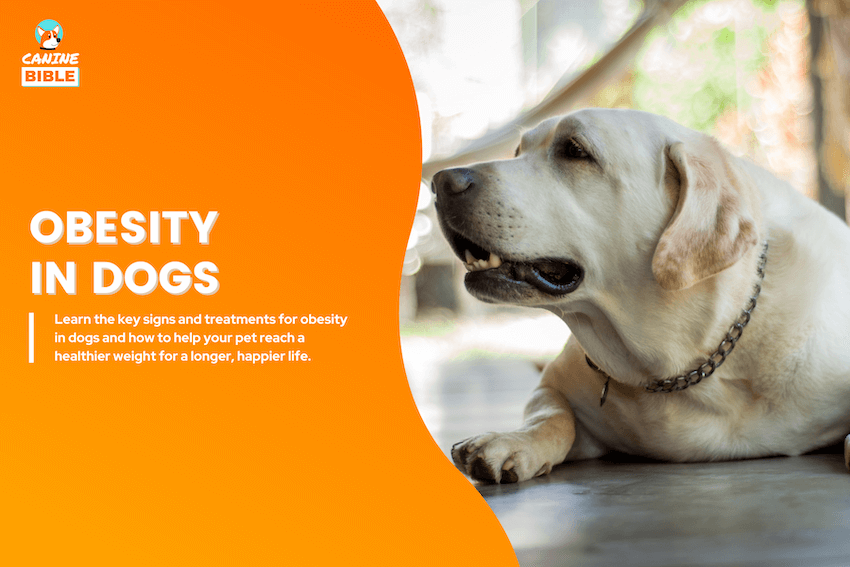
Obesity is one of the most common—and preventable—health conditions in dogs, affecting over 50% of adult pets and putting them at risk for serious diseases. Many owners mistake the early signs—slower walks, decreased stamina, difficulty jumping, or “just getting older”—as harmless changes, when in reality they’re often indicators of unhealthy weight gain. If left unmanaged, obesity can lead to joint problems, diabetes, heart disease, and a shortened lifespan. This guide covers everything you need to know about obesity in dogs—from causes and symptoms to diagnosis, treatment, prevention, and daily management—so you’ll have the tools to protect your dog’s long-term health and quality of life.
What Is Obesity in Dogs?
Obesity, in simple terms, is the excess accumulation of body fat that negatively impacts a dog’s health, mobility, and overall quality of life. In dogs, it’s most often the result of consuming more calories than they burn, combined with factors such as genetics, age, and reduced activity levels. When excess weight accumulates, it places added strain on the joints, heart, and organs, increasing the risk of conditions such as diabetes, arthritis, and respiratory disease. As body fat continues to rise, a dog’s normal bodily functions become increasingly stressed, leading to a decline in energy, endurance, and long-term health.
Types
Obesity can take several forms, each with different causes:


| Type | Description |
|---|---|
| Simple Obesity | The most common type, caused by consuming more calories than the dog burns through daily activity. |
| Metabolic Obesity | Results from hormonal or metabolic disorders such as hypothyroidism or Cushing’s disease that slow the metabolism. |
| Breed-Related Obesity | Certain breeds (e.g., Labradors, Beagles, Pugs) have genetic predispositions that increase their risk of weight gain. |
| Age-Related Obesity | Older dogs often have reduced activity levels and muscle mass, causing calories to be stored more easily as fat. |
| Medication-Induced Obesity | Some medications (like steroids or anticonvulsants) can increase appetite or slow metabolism, leading to weight gain. |
| Lifestyle-Related Obesity | Factors such as limited exercise, free-feeding, high-calorie treats, and indoor living contribute to excess weight. |
Predisposed Dog Breeds
Obesity is often seen as a simple issue of overeating, but certain dogs are naturally more prone to weight gain. Some breeds have a genetic tendency to store fat more easily or have lower energy levels, making them more susceptible to obesity throughout life.
| Size / Group | Breeds | Notes on Risk Factors |
|---|---|---|
| Giant Breeds | Newfoundland, Mastiff, Saint Bernard | Lower activity levels and slower metabolisms increase the likelihood of excess weight gain. |
| Large Breeds | Labrador Retriever, Golden Retriever, Rottweiler, German Shepherd | Strong genetic predisposition (especially Labradors). High appetite + lower calorie needs → rapid weight gain. |
| Medium Breeds | Beagle, Basset Hound, Bulldog, Cocker Spaniel | Food-motivated behavior, low energy output, and body structure that promotes fat accumulation. |
| Small Breeds | Pug, Dachshund, Shih Tzu, Pekingese | Very easy to gain weight; obesity worsens breathing issues (brachycephalic breeds) and spine stress (Dachshunds). |
| Toy Breeds | Chihuahua, Yorkshire Terrier, Toy Poodle | Often overfed due to small size; frequent treats and limited exercise contribute to obesity. |
| Spayed & Neutered Dogs | All Breeds | Hormonal changes reduce metabolism and increase appetite, significantly raising obesity risk across all breeds. |
Causes
Symptoms
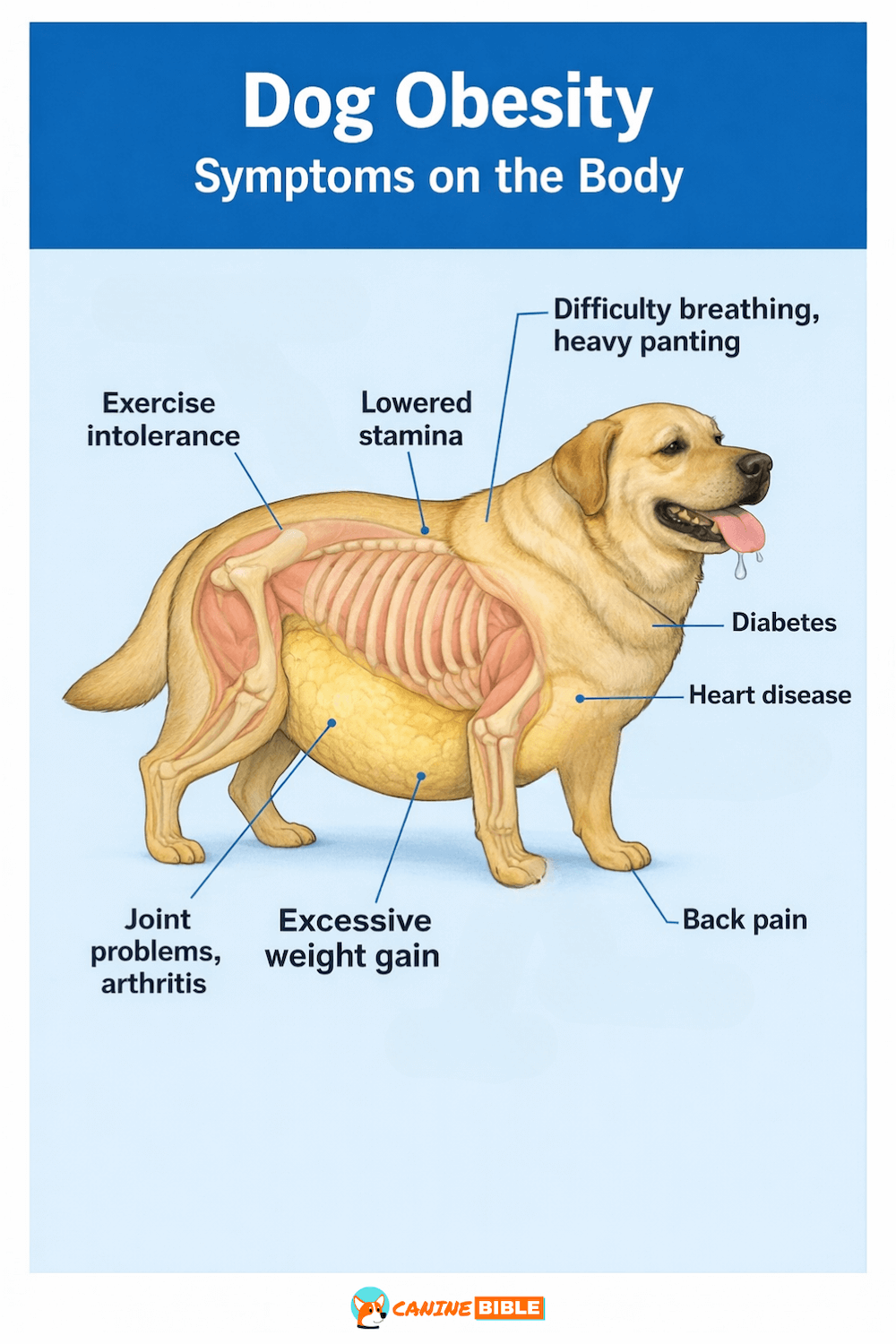
Stages of Obesity
- Early stage: Mild weight gain, reduced stamina, and ribs becoming harder to feel.
- Moderate stage: Noticeable fat accumulation, heavy breathing, reluctance to exercise.
- Advanced stage: Significant mobility issues, heat intolerance, joint pain, and increased risk of obesity-related diseases.
Top Ways to Prevent Obesity in Dogs
Because obesity is a progressive and preventable condition, early recognition and proactive care are essential. With proper weight management, balanced nutrition, and routine exercise, the risks associated with obesity can be significantly reduced, and your dog’s overall health and longevity can be greatly improved.
| Prevention Strategy | Why It Helps | How to Do It |
|---|---|---|
| Maintain a Healthy Body Weight | Prevents excess fat accumulation, reduces disease risk, and protects mobility. | Follow portion guidelines, avoid free-feeding, and measure meals accurately. |
| Feed a Balanced, Calorie-Appropriate Diet | Ensures dogs get nutrients without excess calories that lead to fat gain. | Choose weight-management formulas, limit high-fat foods, monitor treat calories. |
| Provide Regular Daily Exercise | Burns calories, improves metabolism, and supports lean muscle mass. | Daily walks, play sessions, swimming, or structured activity routines. |
| Limit Treats and Table Scraps | Reduces hidden sources of excess calories that quickly contribute to obesity. | Use low-calorie treats, break treats into smaller pieces, avoid human foods. |
| Monitor Weight & Body Condition Score (BCS) | Early detection of weight gain allows fast correction before obesity develops. | Check ribs, waistline, and BCS charts monthly; track weight at home. |
| Adjust Diet After Spaying/Neutering | Hormonal changes slow metabolism and increase appetite, raising obesity risk. | Reduce calorie intake by 10–20% post-surgery and increase activity. |
| Routine Veterinary Checkups | Identifies thyroid issues or other medical conditions that cause weight gain. | Schedule yearly exams and consult your vet before making diet changes. |
Actionable Resources
If you want to prevent or reduce the progression of obesity in your dog, here are some things you can do under veterinary guidance.


How Obesity Is Diagnosed in Dogs
Diagnosing obesity requires a full veterinary assessment to evaluate your dog’s body condition, weight distribution, and overall health risks. Key steps include:
- Physical Examination: A vet evaluates your dog’s body condition score (BCS), fat cover over ribs, waistline definition, abdominal tuck, and muscle mass.
- Weigh-In: Your dog’s current weight is compared with ideal breed standards and past medical records to determine how much excess weight is present.
- Body Condition Scoring (BCS): Vets use a 1–9 or 1–5 scoring chart to assess whether a dog is underweight, ideal, overweight, or obese based on visual and tactile indicators.
- Imaging (if needed):
- X-rays – may be used to evaluate joint stress, detect secondary issues like arthritis, or assess internal fat accumulation.
- Ultrasound – helps evaluate abdominal fat and rule out metabolic disorders.
- Laboratory Tests: Bloodwork may be performed to check for hypothyroidism, Cushing’s disease, or metabolic abnormalities that can contribute to weight gain.
- Lifestyle & Diet Assessment: Veterinarians review feeding habits, treat intake, exercise levels, and daily calorie consumption to identify contributing factors.
Early diagnosis is crucial because obesity increases the risk of chronic diseases—catching it sooner allows for intervention to prevent complications and improve your dog’s long-term health and quality of life.
Treatment & Care
According to the latest research, the most effective treatments for obesity in dogs are multimodal, combining controlled calorie intake, therapeutic weight-loss diets, structured exercise plans, and behavior-based feeding strategies for sustainable results. Veterinary-supervised programs may also include metabolic support supplements, treatment for underlying endocrine disorders, and regular weigh-ins to monitor progress and adjust the plan as needed.
Always consult your veterinarian before starting any new treatment or supplement for obesity. You can get personalized joint-care advice from an online registered vet anytime, anywhere through Dutch. You can also chat with an online vet to ask questions about managing your dog’s obesity symptoms, treatment options, and lifestyle adjustments tailored to their condition.
Conventional Medical Treatments
| Treatments | Notes / Examples |
|---|---|
| Prescription Weight-Loss Diets | Veterinary low-calorie, high-fiber diets that support safe, gradual weight loss. |
| Weight-Loss Medications | Medications like dirlotapide (Slentrol) used in severe cases under veterinary supervision. |
| Treatment of Underlying Conditions | Addressing disorders such as hypothyroidism or Cushing’s that interfere with weight control. |
| Veterinary-Supervised Weight Programs | Structured plans with regular weigh-ins, calorie adjustments, and progress tracking. |
| Therapeutic Exercise Programs | Low-impact activities like hydrotherapy or controlled rehab exercise to increase calorie burn. |
Nutritional Support & Supplements
| Supplement / Nutritional Aid | Notes / Examples |
|---|---|
| High-Fiber Supplements (View on Amazon) | Promotes fullness, reduces overeating, and supports healthy digestion. |
| Omega-3 Fatty Acids (Fish Oil) (View on Amazon) | Supports metabolic health and helps reduce obesity-related inflammation. |
| L-Carnitine (View on Amazon) | Helps convert stored fat into energy; commonly used in weight-control diets. |
| Probiotics & Digestive Enzymes (View on Amazon) | Supports gut balance, digestion, and healthy appetite regulation. |
| Low-Calorie Meal Toppers (View on Amazon) | Adds flavor without excess calories for dogs on restricted diets. |
| Vet vs. OTC Supplements | Vet-recommended options offer reliable dosing and quality; OTC products vary widely. |
Alternative & Integrative Therapies
| Therapy | Notes / Examples |
|---|---|
| Acupuncture | May support metabolism, ease joint strain, and improve comfort during weight loss. |
| Hydrotherapy | Low-impact water exercise that burns calories and protects joints. |
| Physical Therapy & Rehab | Custom exercise plans to increase activity, strength, and endurance safely. |
| Canine Fitness & Conditioning Programs | Structured workouts that improve strength, balance, and calorie burn. |
| Massage Therapy | Relieves muscle tension and improves circulation for easier movement. |
| Chiropractic Care | Addresses spinal or joint misalignments related to excess weight. |
| Integrative Weight-Management Consults | Holistic plans combining nutrition, exercise, supplements, and lifestyle changes. |
Surgical Options
| Surgical Option | Notes / Examples |
|---|---|
| Brachycephalic Airway Surgery | Improves airflow and reduces breathing strain worsened by excess weight. |
| Orthopedic Surgeries | Repairs ligament or joint damage caused by increased body weight stress. |
| Skin Fold Reduction Surgery | Removes excess skin to prevent chronic infections in severely overweight dogs. |
| Spay/Neuter Surgery (with Weight Plan) | Often paired with post-op weight management due to metabolic slowdown. |
| Tumor Removal or Mass Excision | Surgical removal of growths linked to obesity-related cancer risk. |
| Pre-Surgical Weight Reduction Requirement | Weight loss required before surgery to reduce anesthesia and heart risks. |
Emotional & Lifestyle Impact
Obesity affects far more than just a dog’s weight—it can reshape both their daily life and emotional well-being. Dogs carrying excess weight may become less active, tire more easily, or show reluctance to engage in once-loved activities like running, playing, or climbing stairs. Many also experience frustration or irritability when movement becomes uncomfortable or when they cannot keep up with their families. Over time, reduced mobility and limited activity can diminish a dog’s confidence, curiosity, and overall happiness.
For owners, the experience can be equally challenging, bringing emotional strain as they watch a beloved companion struggle with fatigue, breathing difficulty, or joint pain—all common consequences of excess weight. Daily routines may need adjustments, such as shorter, slower walks, stricter feeding schedules, and reduced treat-giving. Homes may require changes like more accessible resting areas or cooler environments for dogs prone to overheating.
With patience, consistency, and empathy, however, pet parents can help their dogs regain comfort and vitality. A supportive lifestyle—not just weight loss—can restore joy, strengthen the bond between dog and owner, and improve the long-term quality of life for dogs living with obesity.
Typical Annual Cost of Treating Canine Obesity
| Category | Estimated Annual Cost Range | Notes |
|---|---|---|
| Routine Vet Visits & Monitoring | $200 – $600 | Includes weight check-ins, lab work, and metabolic evaluations. |
| Prescription Weight-Loss Diets | $500 – $1,200 | Veterinary therapeutic diets such as Hill’s Metabolic or Royal Canin Satiety. |
| Weight-Loss Medications | $300 – $1,200 | Includes dirlotapide (Slentrol) or meds used to treat obesity-related conditions. |
| Supplements & Nutritional Support | $150 – $600 | Fiber supplements, omega-3s, probiotics, L-carnitine, and metabolic support blends. |
| Exercise & Rehabilitation Programs | $300 – $2,000 | Hydrotherapy, physical therapy, canine fitness classes, conditioning sessions. |
| Treatment of Obesity-Related Conditions | $300 – $2,000+ | Managing diabetes, arthritis, breathing issues, thyroid disease, or heart strain. |
| Insurance & Wellness Plans | $360 – $960 | Helps offset costs for weight management visits, diagnostics, and comorbidity care. |
| Typical Annual Range | Mild–Moderate Obesity: $1,000 – $3,500 | Severe Obesity / With Comorbidities: $2,500 – $7,500+ | |
Obesity care can add up quickly — from daily medications to possible surgeries. Pet insurance can ease the financial burden and ensure your dog gets the best treatment without compromise. If you want to compare plans and find out which providers offer the best coverage for obesity and chronic conditions, check out our full guide to the Best Pet Insurance for Dogs.
Frequently Asked Questions
The Bottom Line
Obesity in dogs is far more than a cosmetic issue—it’s a serious health condition that can impact every aspect of a dog’s life, from mobility and energy to long-term well-being. The good news is that, with early recognition and a proactive approach, obesity is both preventable and treatable. By working closely with your veterinarian, making mindful adjustments to diet and exercise, and creating consistent, healthy routines, you can help your dog return to a comfortable weight and enjoy a happier, more active life. More importantly, addressing obesity strengthens the bond between you and your dog, as every step toward better health is taken together. With patience, commitment, and the right guidance, you have the power to protect your dog’s quality of life—and ensure their years with you are as joyful and vibrant as possible.