Separation Anxiety in Dogs: Symptoms, Types, Causes, Signs & Prevention

Canine Bible is reader-supported. We receive affiliate commissions via some of our links. Learn more.
A comprehensive guide to separation anxiety in dogs, including common triggers, warning signs, diagnosis, behavior modification, treatment options, prevention strategies and what pet parents should know when helping an anxious dog feel more secure alone.
Separation Anxiety at a Glance
Most common in
Dogs strongly attached to their owners or affected by routine changes.
Common signs
Barking, pacing, destruction, panting, drooling and house soiling.
Diagnosis
Behavioral history, home video and veterinary evaluation.
Treatment
Behavior modification, gradual alone-time training and medication when needed.
Prognosis
Often manageable with consistent training and an individualized treatment plan.
Common triggers
Moving, schedule changes, owner absence or changes within the household.
What Is Separation Anxiety in Dogs?
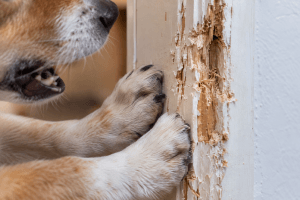
Separation anxiety is a behavioral disorder in which a dog experiences excessive fear, stress or panic when separated from a person to whom they are strongly attached. Affected dogs may bark or howl continuously, pace, pant, drool, scratch at doors or windows, destroy household items, urinate or defecate indoors, or attempt to escape when left alone. These behaviors are not simply signs of boredom or disobedience. They occur because the dog is struggling to cope with being separated from their owner. Separation anxiety can range from mild restlessness to severe panic and may develop after changes in routine, moving to a new home, prolonged owner absence, adoption, changes within the household or other disruptions to a dog’s normal environment.


Types
Dogs can experience separation anxiety in different ways, and each dog may show distress differently when left alone. Some may bark, howl, pace, or drool excessively, while others may become destructive, have accidents indoors, or try to escape. Understanding the different ways separation anxiety appears can help pet parents recognize the condition early and better support their dog with the right training, management, and treatment approach.
Owner-Specific Separation Distress
Anxiety occurs when a dog is separated from one particular person to whom they are strongly attached.
Isolation Distress
Distress develops whenever the dog is left completely alone, even if no particular person is absent.
Departure-Cue Anxiety
Stress begins when dogs notice signals such as keys, shoes, bags, or other signs that their owner is preparing to leave.
Vocalization-Dominant Distress
Persistent barking, whining, or howling becomes the dog’s primary response after their owner leaves.
Destructive Behavior
Dogs may scratch, chew, or damage doors, windows, crates, furniture, or belongings while trying to cope or escape.
Escape-Related Distress
Panicked dogs may claw, bite, or push at doors, windows, gates, or crates in an attempt to reunite with their owner.


House-Soiling During Absence
Some dogs urinate or defecate indoors specifically when separated, despite otherwise being reliably house-trained.
Pacing & Restlessness
Dogs may repeatedly walk the same route, circle, pant, tremble, or remain unable to settle when left alone.
Physical Stress Response
Severe anxiety may cause excessive panting, drooling, trembling, rapid breathing, or other signs of intense stress.
Mixed Presentation
Many dogs show several signs at once, such as vocalizing, pacing, destruction, elimination, and attempts to escape.
Predisposed Dog Breeds
While separation anxiety can affect any dog, some dogs may be more prone to it because of their temperament, early life experiences, attachment style, or changes in routine. Factors such as rehoming, lack of gradual independence training, traumatic events, and strong dependence on their owner can increase a dog’s risk of developing separation-related distress.
| Breed / Group | Examples | Notes on Risk Factors |
|---|---|---|
| Herding Breeds | Border Collie, Australian Shepherd, German Shepherd, Belgian Malinois | Highly attentive and people-focused dogs may form strong attachments and can struggle with sudden changes in routine, inadequate stimulation, or prolonged periods alone. |
| Sporting Breeds | Labrador Retriever, Golden Retriever, Cocker Spaniel, Vizsla | Many sporting breeds are highly social and strongly bonded to people. Some individuals may become distressed when abruptly separated from their primary caregiver. |
| Companion & Toy Breeds | Chihuahua, Maltese, Yorkshire Terrier, Cavalier King Charles Spaniel | Dogs bred primarily for companionship may spend substantial time close to their owners, which can make independence training especially important. |
| Working Breeds | Doberman Pinscher, Boxer, Great Dane, Standard Schnauzer | Intelligent, socially engaged working dogs may develop separation-related distress when exercise, mental stimulation, companionship, or routine changes are not adequately managed. |
| Highly People-Oriented Breeds | Vizsla, Labrador Retriever, Golden Retriever, Italian Greyhound | Dogs that naturally seek frequent human contact may have greater difficulty adjusting to long or unpredictable periods without their owner if independence is not gradually taught. |
| Rescue & Rehomed Dogs | Any breed or mixed-breed dog | Changes in home, caregiver, daily routine, or previous experiences may contribute to separation-related distress in some dogs after adoption or rehoming. |
| Dogs With Major Routine Changes | Any breed or mixed-breed dog | Returning to work, moving house, hospitalization, family changes, or a sudden increase in time spent alone can trigger separation anxiety in susceptible dogs. |
| Senior Dogs | Any breed or mixed-breed dog | Older dogs may develop new separation-related behaviors, especially when sensory decline, discomfort, cognitive changes, or increased dependence on caregivers are present. |
| Puppies & Young Dogs | Any breed or mixed-breed dog | Puppies that have not gradually learned to tolerate being alone may become overly dependent on constant human company and have difficulty coping with separation. |
| Individual Temperament | Any breed or mixed-breed dog | Temperament, early socialization, previous experiences, attachment patterns, environment, and daily routine may be more important than breed alone in determining risk. |
Causes
Separation anxiety in dogs usually develops from a combination of temperament, early life experiences, attachment patterns, environmental changes, and learned behavior rather than a single cause. Events such as rehoming, changes in routine, prolonged owner absence, loss of a family member, or insufficient gradual alone-time training may increase risk. Understanding these contributing factors can help pet parents identify triggers, reduce stress, and create a more effective management and treatment plan.
Temperament & Attachment Style
Some dogs are naturally more sensitive, dependent, or strongly bonded to one person, which can increase the risk of distress when left alone.
Changes in Routine
A sudden shift in schedule, such as an owner returning to work, longer absences, or less time at home, can trigger separation-related anxiety.
Rehoming, Loss, or Major Life Changes
Adoption, rehoming, moving, the loss of a family member, or other major environmental changes may make some dogs feel less secure.
Early Life Experiences
Puppies that were not gradually taught to be alone, or dogs with stressful early experiences, may be more likely to develop separation anxiety.
Lack of Gradual Independence Training
Dogs that are constantly with their owners and rarely learn to relax alone may struggle when separation becomes unavoidable.
Insufficient Exercise & Mental Stimulation
Dogs with excess energy or unmet mental needs may cope poorly with alone time, which can worsen anxious or destructive behaviors.
Medical or Age-Related Issues
Pain, sensory decline, cognitive changes, or other medical problems can contribute to clinginess, distress, and new separation-related behaviors.
Symptoms
Separation anxiety symptoms in dogs can vary widely depending on the severity of the anxiety, the dog’s temperament, previous experiences, and how long they are left alone. Some signs may appear as soon as an owner begins preparing to leave, while others develop shortly after the dog is alone. Common warning signs include excessive barking or howling, pacing, panting, drooling, destructive chewing or scratching, escape attempts, house soiling, trembling, and difficulty settling. Because some of these behaviors can also occur with boredom, medical problems, incomplete house training, or other anxiety disorders, persistent or severe symptoms should be evaluated by a veterinarian or qualified behavior professional.
- Excessive barking or howling
- Pacing or inability to settle
- Heavy panting or drooling
- Destructive chewing or scratching
- Attempts to escape
- Urination or defecation indoors
- Trembling or shaking
- Following the owner excessively
- Distress during departure cues
- Loss of appetite while alone
Separation anxiety can cause both behavioral and physical signs of distress.
Stages & Progression of Separation Anxiety in Dogs
Separation anxiety in dogs can range from mild to severe and may progress differently depending on the dog’s temperament, triggers, routine changes, and how long the condition has gone unaddressed. Some dogs may show early signs such as pacing, whining, or clinginess, while others may develop more intense distress behaviors like destructive chewing, escape attempts, house soiling, or panic when left alone. Understanding the severity and progression of separation anxiety can help pet parents and veterinarians choose the most appropriate behavior modification plan, environmental support, and, when needed, medical treatment.
Mild Distress
Dogs may become clingy before departure, whine briefly, pace, watch doors or windows, or have difficulty settling after their owner leaves.
Moderate Anxiety
Distress becomes more persistent and may include prolonged barking, howling, panting, drooling, pacing, house soiling, or minor destructive behavior.
Severe Anxiety
Dogs may experience intense distress when alone, including persistent vocalization, destructive chewing, scratching, escape attempts, trembling, or inability to settle.
Panic-Level Distress
Severe panic may lead to frantic escape behavior, self-injury, damaged teeth or nails, heavy salivation, extreme agitation, or other signs of overwhelming distress.
This chart is a simplified visual guide rather than a formal veterinary staging system. Separation anxiety does not always worsen in a predictable sequence, and dogs may show different combinations or severities of signs. A veterinarian or veterinary behavior professional can help assess the individual dog and recommend an appropriate treatment plan.
- Stage I: Mild signs such as clinginess, restlessness, whining, or difficulty settling when an owner prepares to leave.
- Stage II: More noticeable distress, including barking, pacing, panting, drooling, or following the owner excessively before separation.
- Stage III: Severe anxiety with destructive chewing or scratching, house soiling, repeated vocalization, and clear distress when left alone.
- Stage IV: Panic-level separation anxiety marked by frantic escape attempts, possible self-injury, extreme agitation, and significant decline in the dog’s well-being when separated.
Top Ways to Prevent Separation Anxiety in Dogs
Because separation anxiety can develop from a combination of temperament, attachment patterns, early experiences, and sudden changes in routine, prevention should focus on building confidence and independence from an early age. Gradually teaching dogs to tolerate short periods alone, maintaining a predictable routine, providing regular exercise and mental enrichment, and avoiding abrupt increases in alone time can help reduce the risk. Proactive training and early intervention can make it easier for dogs to feel calm, secure, and comfortable when separated from their owners.
| Prevention Strategy | Why It Helps | How to Do It |
|---|---|---|
| Practice Gradual Alone-Time Training | Slowly building tolerance to separation can help dogs learn that being alone is safe and temporary. | Begin with very short absences and gradually increase the duration while your dog remains relaxed and comfortable. |
| Encourage Healthy Independence | Dogs that can relax away from their owners may cope better when separation becomes necessary. | Reward your dog for resting independently, spending time on their bed, or calmly occupying themselves without constant attention. |
| Maintain a Predictable Routine | Consistent daily patterns can reduce uncertainty and help anxious dogs feel more secure. | Keep feeding, walks, playtime, rest, and departures reasonably consistent while still allowing small variations in routine. |
| Provide Regular Exercise | Appropriate physical activity can reduce excess energy and help dogs settle more comfortably during quiet periods. | Provide daily walks, play, sniffing opportunities, and breed-appropriate exercise before planned periods alone. |
| Use Mental Enrichment | Engaging activities can encourage calm independent behavior and make alone time more manageable. | Offer food puzzles, safe chew items, scent games, or enrichment toys that your dog enjoys when relaxed. |
| Desensitize Departure Cues | Keys, shoes, bags, and other departure signals can become triggers for anxiety before the owner even leaves. | Practice these routines without leaving, such as picking up your keys or putting on shoes and then continuing normal activities. |
| Keep Departures & Returns Calm | Low-key transitions can help prevent departures and reunions from becoming highly emotionally charged events. | Avoid prolonged goodbyes and wait for calm behavior before giving enthusiastic attention after returning home. |
| Create a Comfortable Safe Space | A familiar resting area can give dogs a predictable place to relax when their owner is unavailable. | Provide comfortable bedding, water, familiar scents, and safe enrichment in an area your dog already associates with relaxation. |
| Avoid Sudden Long Absences | Abruptly changing from constant companionship to many hours alone can be difficult for some dogs to tolerate. | Increase alone time gradually whenever possible, especially after adoption, moving, extended leave, or major schedule changes. |
| Address Early Signs Promptly | Mild separation-related distress may become more difficult to manage if repeated panic responses continue over time. | Watch for pacing, whining, panting, drooling, destruction, or escape behavior and discuss persistent signs with your veterinarian. |
Actionable Resources
If you want to prevent, manage, or reduce the severity of separation anxiety in your dog, here are some practical resources to explore under veterinary guidance.
How Is Separation Anxiety in Dogs Diagnosed
Diagnosing separation anxiety in dogs requires a comprehensive veterinary and behavioral evaluation to determine whether the dog’s distress is specifically related to being left alone and to rule out medical or behavioral conditions that can cause similar signs. Key steps includes:
1. Behavioral History
Your veterinarian reviews when the behavior began, what happens before and after departures, how long your dog is left alone, and any recent changes in routine, home, or family.
2. Identify Separation-Related Signs
The veterinarian looks for patterns such as barking, howling, pacing, panting, drooling, destruction, house soiling, or escape attempts that occur specifically around separation.
3. Home Video Observation
Video recorded while your dog is alone can show when distress begins, which behaviors occur, and whether the dog is able to settle after the owner leaves.
4. Veterinary Examination
A physical examination helps identify pain, illness, sensory changes, cognitive problems, or other medical issues that could contribute to new or worsening anxious behavior.
5. Rule Out Other Causes
The veterinarian considers other explanations such as incomplete house training, boredom, noise fears, confinement distress, medical disease, or other anxiety-related disorders.
6. Severity Assessment
Once separation anxiety is suspected or diagnosed, the severity, triggers, duration of distress, and risk of self-injury are assessed to guide behavior modification, management, and medication if needed.
Early recognition is vital because separation anxiety often responds best when addressed in its early stages—allowing for more effective behavior modification and a better quality of life for both dogs and their owners.
Nutritional Support & Supplements
Proper nutrition can play an important supportive role for dogs with separation anxiety by helping maintain overall wellness, digestive balance, stable energy levels, and emotional resilience. Depending on your dog’s needs, veterinarians may recommend strategies such as a balanced, highly digestible diet and supportive supplements including omega-3 fatty acids, probiotics, calming nutraceuticals, or other stress-support ingredients to complement behavior therapy and management.
Important: Nutrition and supplements are supportive tools,
not substitutes for gradual behavior modification and appropriate management.
Always discuss calming supplements with your veterinarian, especially if your
dog takes medications or has moderate to severe separation anxiety.
Supportive care—such as pain management, nutritional support, and lifestyle adjustments—plays a crucial role in maintaining comfort and quality of life during treatment. These options are not a cure for cancer and may interact with chemotherapy or other medications, so any diet or supplement plan should be reviewed with your veterinarian or veterinary oncologist.
Over-the-Counter Products
Over-the-counter treatments and supplements mentioned in this article for cancer in dogs can be found on Amazon and Chewy.



Always consult your veterinarian before starting any new treatment, medication, or home-care regimen for canine separation anxiety. Puppies and dogs with persistent vomiting, diarrhea, weakness, or dehydration may require prompt veterinary care. If you can’t reach your vet, you can chat live with a registered online veterinary professional via our online vet chat or video chat support (24 hours a day, 7 days a week). Or use Chewy’s online vet services (6 a.m. – midnight ET).
Treatment & Care
According to current veterinary behavior guidance, the most effective treatment for separation anxiety in dogs is usually multimodal, combining several approaches for the best outcome. These may include gradual behavior modification and desensitization to teach the dog to tolerate being alone, environmental management and enrichment to reduce stress, and veterinary-prescribed anti-anxiety medication when symptoms are moderate to severe. Consistent routines, avoiding punishment, and working with a veterinarian or qualified behavior professional can help reduce distress and improve a dog’s ability to remain calm during separation.
Medications
Common medications used to treat separation anxiety in dogs include:
| Medication / Class | Examples | How It Is Used | Important Considerations |
|---|---|---|---|
| Selective Serotonin Reuptake Inhibitors (SSRIs) | Fluoxetine | Commonly used as a daily long-term medication for separation anxiety. Fluoxetine can reduce baseline anxiety and make behavior modification and gradual alone-time training more effective. | Benefits may take several weeks to become noticeable. Possible effects include decreased appetite, gastrointestinal upset, lethargy, or behavior changes. It should only be used under veterinary supervision. |
| Tricyclic Antidepressants | Clomipramine | Used for canine separation anxiety alongside behavior modification. It works on serotonin and norepinephrine pathways involved in anxiety and emotional regulation. | Possible effects include sedation, dry mouth, constipation, gastrointestinal upset, or changes in appetite. Certain heart conditions and medication interactions may affect its suitability. |
| Serotonin Modulators | Trazodone | Often used as an adjunct for short-term anxiety or during predictable stressful periods. It may also be combined with longer-term medications in some treatment plans. | Sedation and gastrointestinal upset can occur. Because it affects serotonin, combining it with other serotonergic medications requires veterinary oversight. |
| Gabapentinoids | Gabapentin | Sometimes used to reduce anxiety or arousal, particularly when separation distress occurs alongside pain, sensitivity, or other forms of situational anxiety. | Sleepiness, weakness, or poor coordination may occur. Dosing and timing should be individualized by a veterinarian. |
| Alpha-2 Adrenergic Agonists | Clonidine | May be prescribed as an adjunct for dogs with intense arousal, panic-like behavior, or predictable anxiety associated with owner departures. | Can cause sedation, low blood pressure, or a slower heart rate. Dogs with certain cardiovascular conditions may require additional caution and monitoring. |
| Benzodiazepines | Alprazolam and other veterinarian-selected options | May be used for acute or predictable episodes of severe anxiety because they generally act more quickly than daily maintenance medications. | Sedation, poor coordination, increased appetite, or paradoxical excitement can occur. These medications require careful veterinary prescribing and are not appropriate for every dog. |
| Azapirones | Buspirone | May be considered in selected dogs with chronic anxiety, particularly when generalized fear or anxiety occurs in addition to separation-related distress. | It is not typically a rapid-acting medication and may require consistent administration before benefits are seen. Response varies between dogs. |
| Calming Nutraceuticals | L-theanine, alpha-casozepine, selected calming formulations | May provide additional support for dogs with mild anxiety or as part of a broader treatment plan involving training, environmental management, and veterinary care. | Evidence and effectiveness vary by product. Supplements can still interact with medications, so veterinarian guidance is recommended before combining products. |
| Pheromone Support | Dog-appeasing pheromone diffusers, collars, or sprays | Synthetic calming pheromones may be used as an environmental support alongside behavior modification and other treatments. | Response varies between individual dogs, and pheromones should not replace behavior modification or prescribed medication in dogs with moderate to severe separation anxiety. |
| Multimodal Behavioral Treatment | Medication + gradual desensitization + environmental management | Medication is generally most effective when combined with carefully controlled alone-time training, trigger management, enrichment, and behavior modification. | Medication alone usually does not teach a dog how to tolerate separation. Treatment plans should be individualized and adjusted according to the dog’s response and severity of distress. |
The best way to get these medications is at Chewy Pet Pharmacy:
Alternative & Integrative Therapies
Integrative and supportive therapies can help reduce stress, promote relaxation, and improve overall well-being for dogs with separation anxiety. Options such as calming pheromones, massage, enrichment activities, pressure wraps, calming supplements, and certain complementary therapies may be used alongside behavior modification and veterinary treatment, but they should always be discussed with your veterinarian to ensure they are safe, appropriate, and suited to your dog’s individual needs.
Surgical Options
Behavior modification is one of the most important treatment approaches for dogs with separation anxiety, particularly when training is introduced gradually and tailored to the dog’s individual triggers. Depending on the severity of the anxiety, treatment may include gradual desensitization to being alone, counterconditioning, departure-cue training, structured independence exercises, and environmental management. Some dogs may also benefit from veterinary-prescribed anti-anxiety medication to make training more effective and reduce panic during absences. Your veterinarian or a qualified behavior professional can determine the most appropriate plan based on your dog’s symptoms, triggers, daily routine, and overall health.
Emotional & Lifestyle Impact
Separation anxiety can significantly affect both dogs and their families. Dogs may experience persistent stress, difficulty relaxing, disrupted eating or sleeping patterns, destructive behavior, vocalization, and reduced confidence when left alone, while owners may need to adjust routines, work schedules, travel, or daily activities to manage the condition. With consistent behavior modification, environmental support, and veterinary care when needed, many dogs can become more comfortable with separation and enjoy a calmer, more predictable daily life.
For Dogs
- May experience intense stress or panic when left alone
- Can struggle to relax before and during owner absences
- May develop barking, pacing, destruction, or house soiling
- Repeated distress can interfere with sleep, eating, and daily routines
- Gradual training can help build confidence and independence
For Pet Parents
- Daily schedules may need to be adjusted around your dog’s tolerance
- Work, travel, errands, and social activities may require extra planning
- Managing barking, destruction, or accidents can feel stressful
- Progress often requires patience and consistent training
- Veterinary and behavioral support can make treatment more manageable
Helping a dog with separation anxiety takes patience, consistency, and gradual progress. Small improvements in confidence can lead to calmer absences and a better quality of life for everyone.
Happier homes.
Dog Separation Anxiety Prognosis
A dog’s prognosis for separation anxiety depends on several factors, including the severity of the anxiety, how long the problem has been present, the dog’s individual temperament, response to behavior modification, use of medication when needed, and consistency of management at home. Many dogs can improve significantly with a structured treatment plan, while others may require long-term management and gradual progress. Working closely with your veterinarian or a qualified behavior professional can help guide treatment, reduce distress, and improve your dog’s confidence and overall quality of life.
Key Factors That Influence Prognosis
Typical Annual Cost of Treating Canine Separation Anxiety
| Category | Estimated Annual Cost Range | Notes |
|---|---|---|
| Initial Veterinary Evaluation | $75 – $300 | Includes a physical exam, medical history review, and assessment of behaviors to help rule out medical causes of anxiety. |
| Veterinary Behavior Consultation | $200 – $600+ | A veterinary behaviorist or qualified behavior professional may evaluate triggers, severity, home routines, and treatment needs. |
| Behavior Modification & Training | $300 – $2,000+ | May include private training sessions, desensitization plans, departure-cue work, and structured alone-time exercises. |
| Prescription Anxiety Medication | $120 – $1,200+ | Costs vary based on the medication, dog’s size, dosage, frequency, and whether daily or situational medications are prescribed. |
| Follow-Up Veterinary Visits | $150 – $600 | Follow-up appointments may be needed to assess progress, adjust medication, and modify the behavior treatment plan. |
| Calming Supplements | $100 – $600 | May include veterinarian-approved products containing L-theanine, alpha-casozepine, probiotics, or other calming ingredients. |
| Pheromone Products | $100 – $400 | Diffusers, sprays, or collars may provide additional environmental support for some dogs with anxiety. |
| Enrichment & Anxiety-Management Tools | $100 – $500 | May include puzzle feeders, safe chew toys, calming beds, pressure wraps, cameras, or other tools used during treatment. |
| Pet Sitting, Daycare, or Dog Walking | $500 – $5,000+ | Some dogs need temporary supervision or companionship while owners gradually build tolerance to being left alone. |
| Pet Insurance Coverage | Varies | Behavioral coverage varies widely by policy. Some plans may cover veterinary consultations or prescription medications, while training costs may be excluded. |
| Typical Annual Range | Mild / Early Separation Anxiety: approximately $300 – $1,500 per year | Moderate to Severe Cases: approximately $1,500 – $5,000+ per year | |
Separation Anxiety care can add up quickly — from daily medications to possible surgeries. Pet insurance can ease the financial burden and ensure your dog gets the best treatment without compromise. If you want to compare plans and find out which providers offer the best coverage for separation anxiety and chronic conditions, check out our full guides to the Best Pet Insurance for Dogs and Best Pet Wellness Plans.
Related Health Conditions
Several behavioral and medical conditions can overlap with separation anxiety because they may cause restlessness, vocalization, trembling, destructive behavior, house soiling, or difficulty coping when alone. Understanding these related conditions can help pet parents recognize when symptoms may have another cause and when veterinary or behavioral evaluation is appropriate.
- Anxiety
- Dog Shaking & Trembling
- Excessive Barking
- Noise Anxiety & Phobias
- Confinement Anxiety
- Generalized Anxiety
- Compulsive Behaviors
- Canine Cognitive Dysfunction
- Pain-Related Behavior Changes
- Urinary or Gastrointestinal Conditions
Frequently Asked Questions
The Bottom Line
Separation anxiety in dogs can be difficult for both pets and their families, but many dogs can improve with the right combination of behavior modification, gradual alone-time training, environmental management, and veterinary support. Recognizing early warning signs, avoiding punishment, maintaining predictable routines, and addressing distress before it becomes more severe can make treatment more effective. Progress is often gradual, and some dogs may need long-term management, but consistent care and an individualized plan can help your dog feel safer, more confident, and better able to cope when left alone.