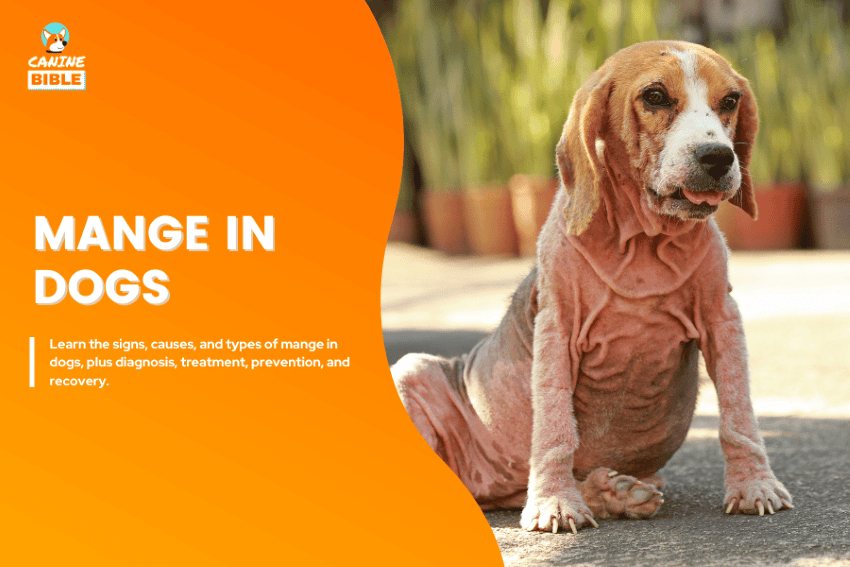
Mange in Dogs: Symptoms, Types, Causes, Signs & Prevention

Canine Bible is reader-supported. We receive affiliate commissions via some of our links. Learn more.
A comprehensive guide to mange in dogs, including sarcoptic and demodectic mange, common causes, risk factors, symptoms, diagnosis, treatment options, prevention, prognosis and what pet parents should know when caring for a dog with mange.
Mange at a Glance
Most common in
Puppies, young dogs and dogs with weakened immune systems; sarcoptic mange affects dogs of any age.
Common signs
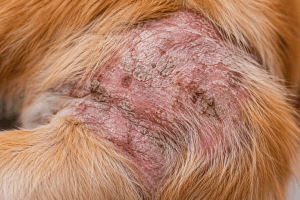
Hair loss, itching, redness, crusty skin, scabs and irritation.
Diagnosis
Skin examination, skin scrapings, hair samples and mite identification.
Treatment
Veterinary antiparasitic medications, medicated baths and skin infection care.
Prognosis
Generally good with treatment; severe or recurring cases may require longer care.
Contagiousness
Sarcoptic mange is highly contagious; demodectic mange usually is not.
What Is Mange in Dogs?
Mange in dogs is a parasitic skin condition caused by microscopic mites that live on or within the skin and hair follicles. The two primary forms are sarcoptic mange, also called canine scabies, and demodectic mange, also known as demodicosis. Sarcoptic mange develops when contagious Sarcoptes scabiei mites infest the skin, causing intense itching, inflammation, hair loss and crusting. Demodectic mange occurs when Demodex mites, which normally inhabit canine hair follicles, multiply excessively. This form is more common in young dogs and dogs with compromised immune systems and may cause localized or widespread hair loss, redness and secondary skin infections. Unlike sarcoptic mange, demodectic mange is generally not contagious between dogs. Both conditions can range from mild to severe, and treatment depends on the type of mite, the extent of skin damage and the dog’s overall health. With appropriate veterinary diagnosis and treatment, most affected dogs can recover, although severe or recurrent demodectic mange may require prolonged management.


Types
Dogs can develop many different types of mange, and each can affect the skin in different ways. Some are caused by mites that burrow into the skin, while others live in the hair follicles and may become problematic when the immune system is compromised. Understanding the most common types can help pet parents recognize why symptoms, treatment options, and prognosis can vary so widely.
Sarcoptic Mange (Canine Scabies)
A highly contagious skin condition caused by Sarcoptes scabiei mites that burrow into the skin, producing intense itching, redness, crusting and hair loss.
Demodectic Mange (Demodicosis)
A condition caused by excessive multiplication of Demodex mites in hair follicles, commonly affecting puppies and dogs with weakened immune systems. It is generally not contagious.
Localized Demodectic Mange
A mild form of demodicosis that causes small, isolated patches of hair loss, often around the face or legs. It commonly affects young dogs and may resolve with veterinary monitoring.
Generalized Demodectic Mange
A more severe form of demodicosis involving widespread hair loss, inflammation, scaling and possible secondary bacterial infections. Veterinary treatment is usually required.
Adult-Onset Demodicosis
Demodectic mange that first appears in adult or senior dogs. It may be associated with immune suppression or underlying conditions requiring additional veterinary investigation.


Otodectic Mange (Ear Mites)
A contagious ear mite infestation caused by Otodectes cynotis, leading to ear itching, head shaking, inflammation and dark ear debris. It primarily affects the ear canals.
Cheyletiellosis (Walking Dandruff)
A contagious mite-related skin condition caused by Cheyletiella mites. It produces excessive dandruff, scaling and variable itching, particularly along the back.
Predisposed Dog Breeds
While mange can affect any dog, certain breeds have a higher genetic risk of developing demodectic mange. Factors such as age, immune system health, and inherited traits make some breeds more prone to this type of mange than others.
| Size / Group | Breeds | Notes on Risk Factors |
|---|---|---|
| Bull-Type Terriers | American Staffordshire Terrier, Staffordshire Bull Terrier, Pit Bull-Type Dogs | Among the breeds most strongly associated with juvenile-onset generalized demodectic mange. Inherited immune-related factors may increase susceptibility to excessive Demodex mite growth. |
| Bulldog Breeds | English Bulldog, French Bulldog | Studies have identified increased rates of juvenile demodicosis in these breeds. Genetic susceptibility and immune system factors may contribute to mite overgrowth and inflammatory skin lesions. |
| Shar-Pei | Chinese Shar-Pei | One of the breeds with a well-documented predisposition to demodectic mange. Both juvenile-onset and adult-onset cases have been reported at increased rates in breed population studies. |
| Small & Companion Breeds | Pug, Boston Terrier, Shih Tzu | Reported breed associations vary by age and study population. Pugs have shown increased risk of both juvenile and adult-onset demodicosis, while Shih Tzus have shown increased risk of adult-onset disease in some studies. |
| Other Terrier Breeds | West Highland White Terrier, Sealyham Terrier, Border Terrier | Some studies have identified increased demodicosis risk in these breeds. West Highland White Terriers and Border Terriers have been associated with adult-onset cases, while Sealyham Terriers have been linked to juvenile disease. |
| Other Predisposed Breeds | Boxer, Dogue de Bordeaux | Increased odds of juvenile demodicosis have been reported in these breeds. However, breed associations do not mean every dog will develop mange. Sarcoptic mange can affect dogs of any breed following exposure to contagious mites. |
Causes
Mange in dogs usually develops from an infestation or overgrowth of microscopic mites, influenced by genetic, age-related, immune system, environmental, and health factors rather than a single cause. While not all types of mange can be completely prevented, understanding the factors that may increase risk can help pet parents make informed decisions about prevention, veterinary care, and early detection.
Genetics
Some dogs inherit immune-related traits that increase susceptibility to demodectic mange, particularly generalized demodicosis. Certain breeds are more predisposed than others.
Age
Puppies and young dogs are more susceptible to demodectic mange because their immune systems are still developing. Adult and senior dogs may develop mange when immune defenses are weakened.
Environmental Factors
Close contact with infected animals increases the risk of sarcoptic mange. Crowded shelters, kennels and other environments where dogs interact closely can facilitate mite transmission.
Weakened Immune System
Dogs with impaired immune function may be unable to control normal Demodex mite populations, allowing excessive multiplication that can lead to widespread demodectic mange.
Underlying Health Conditions
Diseases that weaken immune defenses, including certain hormonal disorders and cancers, may contribute to adult-onset demodectic mange. Identifying and managing these conditions is important for successful treatment.
Immunosuppressive Medications
Long-term corticosteroid therapy or other immune-suppressing medications can reduce the body’s ability to control Demodex mites, potentially increasing the risk of demodectic mange.
Exposure to Infested Animals
Direct contact with dogs or wildlife carrying Sarcoptes mites is a major cause of sarcoptic mange. These mites are highly contagious, while demodectic mange generally does not spread through normal contact between dogs.
Symptoms
Mange symptoms in dogs can vary widely depending on the type of mange, severity of the infestation, and overall health of the dog. Some signs may be subtle at first, while others can become more noticeable as the condition progresses. Common warning signs include intense itching, hair loss, redness, crusty or scaly skin, sores, persistent scratching, skin infections, or changes in normal behavior. Because many of these symptoms can also be caused by other skin conditions, any persistent or unusual changes should be evaluated by a veterinarian.
- Intense itching and frequent scratching
- Patchy or widespread hair loss
- Red, inflamed or irritated skin
- Dry, flaky or scaly skin
- Crusts, scabs or thickened skin
- Small bumps or skin lesions
- Sores from excessive scratching
- Secondary bacterial skin infections
- Unpleasant skin odor or discharge
- Restlessness or discomfort from itching
Mange commonly affects the ears, face, elbows, belly, legs and other areas of the skin.
Stages & Progression of Mange In Dogs
Mange in dogs can progress at very different rates depending on the type of mite, severity of the infestation, and the dog’s immune system. Although mange does not have a formal staging system, assessing its severity helps veterinarians determine how widespread the condition is, whether secondary skin infections have developed, and which treatment options may be most appropriate. Understanding the progression of mange can also provide important insight into prognosis, expected recovery, and the level of care your dog may need.
Mild / Localized
Small patches of hair loss, mild redness or scaling may appear, particularly with localized demodectic mange. Sarcoptic mange can cause intense itching even early in the infestation.
Increasing Symptoms
Additional skin areas may become affected, with more noticeable hair loss, inflammation, scratching, scaling or crusting. Veterinary treatment helps prevent further skin damage.
Widespread Mange
Extensive hair loss, inflamed skin, thick crusts and sores may develop. Severe cases can involve large areas of the body and increase the risk of secondary infections.
Complicated Mange
Advanced cases may develop painful bacterial infections, open wounds, thickened skin and significant discomfort. Severe complications require prompt veterinary treatment and ongoing monitoring.
This chart is a simplified visual guide, not a formal veterinary staging system or a fixed timeline. Mange does not always progress through these severity levels. Localized demodectic mange may resolve without progressing, while sarcoptic mange can cause severe itching early. Prompt veterinary treatment can stop progression and improve recovery outcomes.
Top Ways to Prevent Mange in Dogs
Because mange is caused by mites and is influenced by exposure, immune health, and overall skin condition, prevention focuses on reducing risk factors and maintaining good veterinary care. By limiting contact with infected animals, using veterinarian-recommended parasite preventives, and addressing skin or immune issues early, the risk of mange can be significantly reduced. Proactive care helps detect problems early, improving your dog’s chances of faster recovery and better skin health.
| Prevention Strategy | Why It Helps | How to Do It |
|---|---|---|
| Use Vet-Recommended Parasite Prevention | Certain veterinary-approved parasite preventives provide protection against Sarcoptes mites, reducing the risk of sarcoptic mange. | Ask your veterinarian about appropriate parasite prevention. Not all flea and tick products control mange mites, and prevention does not eliminate every risk of demodectic mange. |
| Avoid Contact with Infested Animals | Sarcoptic mange is highly contagious and spreads primarily through direct contact with infected dogs or wildlife carrying the mites. | Keep your dog away from animals with suspected mange, avoid contact with infected wildlife, and follow veterinary isolation guidance when exposure is suspected. |
| Maintain Clean Bedding & Grooming Tools | Cleaning contaminated bedding and shared equipment may reduce indirect exposure to sarcoptic mange mites and supports a healthier living environment. | Wash bedding regularly, clean grooming tools, and avoid sharing brushes or blankets with infested animals. Cleaning alone does not replace veterinary treatment. |
| Regular Veterinary Checkups | Routine examinations help identify early skin problems, underlying illnesses and immune-related conditions that may increase susceptibility to demodectic mange. | Schedule annual or more frequent veterinary examinations when recommended. Discuss unusual scratching, hair loss, skin redness or recurring infections with your veterinarian. |
| Manage Underlying Health Conditions | Dogs with weakened immune systems or certain underlying diseases may be more susceptible to excessive Demodex mite multiplication, particularly in adult-onset cases. | Follow veterinary treatment plans for existing health conditions and discuss medications that suppress immune function. Never stop prescribed medications without veterinary advice. |
| Support Immune Health | Normal immune function helps regulate Demodex mite populations in the skin. Poor overall health or immune suppression may contribute to demodectic mange. | Provide a complete and balanced diet, regular exercise, adequate rest and appropriate veterinary care. Use nutritional supplements only when recommended by your vet. |
| Treat Exposed Pets When Recommended | Dogs living with an animal affected by sarcoptic mange may become infested even before noticeable symptoms develop. Managing exposed pets helps prevent reinfestation. | Consult your veterinarian about treating all dogs or other pets that have had close contact with an infected animal. Complete prescribed treatment and follow isolation guidance. |
| Monitor for Early Signs | Identifying mange symptoms early allows for faster diagnosis and treatment, helping reduce skin damage, discomfort and the risk of secondary bacterial infections. | Regularly inspect your dog’s ears, face, elbows, belly and paws for itching, patchy hair loss, redness, crusting or scaling. Seek veterinary care if symptoms appear. |
Actionable Resources
If you want to prevent mange or reduce its progression in your dog, here are some things you can do under veterinary guidance.
How Is Mange In Dogs Diagnosed
Diagnosing mange in dogs requires a comprehensive veterinary evaluation to determine the presence, type, and severity of the mite infestation. Key steps include:
1. Physical Examination
Your veterinarian examines your dog’s skin and coat, looking for hair loss, redness, crusting, itching, and skin lesions. Medical history, age, breed, and possible exposure to infected animals are also reviewed.
2. Skin Scraping
Skin samples are collected from affected areas using superficial or deep skin scraping techniques. Superficial scrapings may detect Sarcoptes mites, while deep scrapings are commonly used to identify Demodex mites within hair follicles.
3. Microscopic Examination
Collected skin samples are examined under a microscope to identify mites, eggs, or larvae. Demodex mites are often easier to detect, while Sarcoptes mites can be difficult to find even when sarcoptic mange is present.
4. Additional Skin Tests
Hair plucking, adhesive tape samples, or skin biopsies may be recommended when routine scrapings are inconclusive. Hair samples can help identify Demodex mites, particularly in areas where deep skin scrapings are difficult to perform.
5. Skin Cytology
Skin cytology helps detect secondary bacterial or yeast infections that may accompany mange. In severe, recurrent, or poorly responding cases, bacterial culture and susceptibility testing may be recommended to guide treatment.
6. Diagnosis & Severity Assessment
Your veterinarian determines the likely type and severity of mange based on examination and test findings. Suspected sarcoptic mange may warrant treatment even with negative scrapings. Adult-onset demodectic mange may require bloodwork or additional testing for underlying illnesses affecting immune function.
Early detection is vital because mange often responds best when treated promptly—allowing for more effective management, reduced skin damage, prevention of secondary infections, and improved quality of life.
Nutritional Support & Supplements
Proper nutrition can play an important supportive role for dogs with mange by helping maintain skin health, coat regrowth, immune function, and overall quality of life during treatment. Depending on your dog’s needs, veterinarians may recommend strategies such as highly digestible, nutrient-dense diets and supplements including omega-3 fatty acids, probiotics, essential vitamins, and skin-supporting nutrients to help support skin healing and recovery. These measures should complement, not replace, veterinary-prescribed treatment for mange mites.
Important: Nutrition and supplements cannot eliminate mange mites or replace prescribed antiparasitic treatment. Excessive supplementation, particularly with zinc or fat-soluble vitamins, can be harmful. Always consult your veterinarian before introducing supplements or changing your dog’s diet during mange treatment.
Supportive care—such as managing itching and discomfort, nutritional support, proper skin hygiene, and lifestyle adjustments—plays a crucial role in maintaining comfort and quality of life during mange treatment. These options are not a cure for mange and may interact with prescribed medications or affect skin healing, so any diet, supplement, or supportive care plan should be reviewed with your veterinarian.
Over-the-Counter Products
Over-the-counter treatments and supplements mentioned in this article for mange in dogs can be found on Amazon and Chewy.


Always consult your veterinarian before starting any new treatment, medication, or home-care regimen for canine mange. Puppies and dogs with persistent vomiting, diarrhea, weakness, or dehydration may require prompt veterinary care. If you can’t reach your vet, you can chat live with a registered online veterinary professional via our online vet chat or video chat support (24 hours a day, 7 days a week). Or use Chewy’s online vet services (6 a.m. – midnight ET).
Treatment & Care
According to current veterinary dermatology research, the most effective treatments for mange in dogs involve targeted antiparasitic medications and supportive skin care, depending on the type and severity of the infestation. These may include oral or topical mite-killing medications to eliminate or control mites, medicated shampoos and antibiotics to manage secondary skin infections when necessary, and nutritional support and ongoing veterinary monitoring to promote skin healing, coat regrowth, and recovery.
Medications
Common medications used to treat mange in dogs include:
| Medication / Class | Examples | How It Is Used | Important Considerations |
|---|---|---|---|
| Isoxazolines | Fluralaner, afoxolaner, sarolaner, lotilaner | Oral or topical antiparasitic medications commonly used to treat demodectic mange and certain cases of sarcoptic mange by targeting the nervous systems of mites. | Often preferred for generalized demodicosis. Mange-specific approvals vary by product and country. Rare neurological adverse effects include tremors, poor coordination and seizures, particularly in susceptible dogs. |
| Selamectin | Selamectin topical solution | A topical antiparasitic medication used to treat sarcoptic mange by eliminating Sarcoptes mites. It also provides protection against several other parasites. | Applied according to veterinary directions. Repeat applications may be required. It is primarily used for sarcoptic mange rather than generalized demodectic mange. |
| Moxidectin Combinations | Imidacloprid and moxidectin topical solution | A topical antiparasitic combination used to treat sarcoptic mange and certain cases of demodectic mange by controlling mite populations on or within the skin. | Treatment frequency depends on the condition and product instructions. Avoid accidental ingestion, particularly in dogs with sensitivity to macrocyclic lactones. |
| Ivermectin | Veterinarian-prescribed ivermectin | An antiparasitic medication historically used to treat sarcoptic and demodectic mange, generally when other suitable treatments are unavailable. | Mange treatment is off-label in many countries. Dogs with the MDR1 gene mutation may experience severe neurological toxicity. Never administer livestock formulations or ivermectin without veterinary supervision. |
| Milbemycin Oxime | Milbemycin oxime oral medication | An antiparasitic medication sometimes prescribed off-label for sarcoptic or demodectic mange when appropriate alternatives are not suitable. | Treatment may require repeated administration and veterinary monitoring. Higher doses used for mange can cause adverse effects, especially in dogs with certain drug-sensitivity mutations. |
| Lime Sulfur Dips | Veterinary lime sulfur solution | A topical treatment that can help eliminate Sarcoptes mites. It may be considered for young dogs or cases requiring an alternative to systemic antiparasitic medications. | Requires correct dilution and application under veterinary guidance. It has a strong odor, may temporarily stain light-colored fur and can irritate the eyes or skin if used incorrectly. |
| Amitraz Dips | Amitraz topical solution | An older acaricidal treatment historically used for generalized demodectic mange. It works by killing mites on the skin. | Now used much less frequently because safer and more convenient alternatives are available. Availability is limited in some regions. Potential adverse effects include sedation, weakness, low body temperature and changes in blood glucose. |
| Medicated Shampoos | Chlorhexidine, benzoyl peroxide, veterinarian-recommended antiseptic shampoos | Used as supportive treatment to remove crusts, excess oil and debris while helping manage secondary bacterial skin infections associated with mange. | Medicated shampoos generally do not eliminate mange mites on their own. Some formulations can irritate or dry damaged skin, so product selection and bathing frequency should be determined by a veterinarian. |
| Antibiotics | Cephalexin, amoxicillin-clavulanate, clindamycin | Prescribed when mange is complicated by a secondary bacterial skin infection, such as pyoderma, particularly in dogs with extensive sores or inflamed skin. | Antibiotics do not kill mange mites. They should only be used when a bacterial infection warrants treatment. Drug selection may depend on skin cytology, bacterial culture and susceptibility testing. |
| Antifungal Medications | Miconazole-containing shampoos, veterinarian-prescribed antifungal medications | May be used when a dog with mange also develops a confirmed secondary yeast skin infection, helping control yeast overgrowth and related irritation. | Antifungal medications do not treat the mange mites themselves. Treatment is only appropriate when fungal or yeast infection is identified. Oral antifungals may require additional monitoring for adverse effects. |
The best way to get these medications is at Chewy Pet Pharmacy:
Alternative & Integrative Therapies
Integrative and supportive therapies can help manage symptoms, reduce discomfort, and improve quality of life for dogs with mange. Options such as veterinarian-approved soothing baths, gentle skin care, omega-3 fatty acids, and nutritional support may be used alongside conventional antiparasitic treatment, but they do not eliminate mange mites and should always be discussed with your veterinarian to ensure they are safe and appropriate for your dog.
Surgical Options
Surgery is rarely needed for dogs with mange, as most cases can be effectively treated with antiparasitic medications and supportive skin care. However, in severe cases involving extensive skin damage or secondary infections, surgical procedures may be necessary to drain abscesses, remove severely damaged or infected tissue, relieve pain, or improve quality of life. These procedures do not eliminate mange mites and must be combined with appropriate medical treatment. Your veterinarian or veterinary surgeon will determine whether surgery is appropriate based on the severity of the skin condition, extent of infection, and your dog’s overall health.
Emotional & Lifestyle Impact
A mange diagnosis can be emotionally challenging for both dogs and their families. Dogs may experience persistent itching, skin irritation, hair loss, discomfort, and changes in behavior, while some treatments may require ongoing care and temporary lifestyle adjustments. With appropriate veterinary treatment, gentle skin care, and emotional support, most dogs can recover and return to happy, comfortable lives.
For Dogs
- Persistent itching and skin discomfort may disrupt sleep and rest
- Hair loss, sores, and inflammation can cause pain or sensitivity
- May become restless, irritable, or less interested in playing
- May need temporary separation from other pets if mange is contagious
- Can return to normal activities and comfort as treatment progresses
For Pet Parents
- May feel worried or stressed about persistent skin problems
- Managing medications, bathing, and veterinary visits takes time
- Cleaning bedding and monitoring other pets may require extra effort
- Follow veterinary advice to prevent the spread of contagious mange
- Focus on consistent treatment, patience, and your dog’s recovery
Mange can make life uncomfortable, but it doesn’t have to define your dog’s future. With proper treatment, patience, and loving care, healthier skin and happier days are possible.
Happier tomorrows.
Dog Mange Prognosis
A dog’s mange prognosis depends on several factors, including the type of mange, severity at diagnosis, response to treatment, overall health, and level of supportive care. Most dogs recover successfully with appropriate veterinary treatment, although severe or recurring cases may require longer-term management. Working closely with your veterinary team can help guide treatment decisions, manage symptoms, prevent complications, and maintain the best possible quality of life for your dog.
Key Factors That Influence Prognosis
Typical Annual Cost of Treating Canine Mange
| Category | Estimated Annual Cost Range | Notes |
|---|---|---|
| Initial Diagnosis & Testing | $100 – $300 | Includes veterinary examination, skin scrapings, microscopic mite identification, and other basic skin tests to diagnose sarcoptic or demodectic mange. |
| Antiparasitic Medications | $40 – $250 | Includes veterinarian-prescribed oral or topical medications such as fluralaner, afoxolaner, sarolaner, or selamectin when appropriate. Costs depend on dog size, medication choice, and treatment duration. |
| Medicated Shampoos & Skin Treatments | $20 – $150 | Includes medicated shampoos, antiseptic washes, or veterinarian-recommended topical products to help remove crusts, soothe irritated skin, and manage secondary skin infections. |
| Secondary Skin Infection Treatment | $50 – $300+ | Antibiotics, antiseptic treatments, and additional testing may be necessary if mange causes bacterial skin infections, particularly in severe or generalized cases. |
| Follow-Up Exams & Skin Scrapings | $75 – $250 | Veterinary rechecks and repeat skin scrapings may be needed to monitor mite populations, skin healing, and treatment effectiveness, especially with generalized demodectic mange. |
| Treatment of Exposed Pets | $50 – $300+ per pet | Dogs exposed to contagious sarcoptic mange may require veterinary evaluation and antiparasitic treatment to prevent transmission or reinfestation. Usually unnecessary for demodectic mange. |
| Environmental Cleaning & Hygiene | $15 – $100 | Includes washing bedding, cleaning grooming equipment, and replacing heavily contaminated items when necessary. Environmental hygiene is mainly important for sarcoptic mange. |
| Nutritional & Supportive Care | $0 – $200 | Optional omega-3 supplements, skin-supportive products, or dietary adjustments may help maintain skin health and coat recovery. Supplements are not a substitute for mite treatment. |
| Additional Testing for Underlying Conditions | $100 – $500+ | Bloodwork and other diagnostic testing may be recommended for dogs with persistent or adult-onset demodectic mange to investigate underlying conditions affecting immune function. Not routinely needed in uncomplicated cases. |
| Pet Insurance Coverage | Varies | Some accident-and-illness policies may cover eligible diagnostic tests and mange treatments after deductibles and copayments. Pre-existing conditions, routine parasite prevention, and other exclusions may limit coverage. |
| Typical Annual Range | Mild or Uncomplicated Mange: $200 – $600 | Severe or Recurring Mange: $600 – $1,500+ | |
Mange care can add up quickly — from daily medications to possible surgeries. Pet insurance can ease the financial burden and ensure your dog gets the best treatment without compromise. If you want to compare plans and find out which providers offer the best coverage for mange and chronic conditions, check out our full guides to the Best Pet Insurance for Dogs and Best Pet Wellness Plans.
Related Health Conditions
Some health conditions are closely linked to mange because they may involve similar skin problems, cause overlapping symptoms, or develop as complications of mite infestations. Understanding these related conditions can help dog owners recognize potential warning signs, distinguish mange from other skin diseases, and better understand the diagnostic and treatment options their veterinarian may recommend.
- Allergies in Dogs
- Fleas in Dogs
- Hot Spots (Acute Moist Dermatitis)
- Bacterial Skin Infections (Pyoderma)
- Yeast Skin Infections
- Ringworm (Dermatophytosis)
- Ear Mites (Otodectic Mange)
- Lice in Dogs
- Ear Infections
- Dry Skin & Dandruff
Frequently Asked Questions
The Bottom Line
Mange in dogs can be an uncomfortable and distressing skin condition for both pets and their families, but it’s important to remember that most cases are treatable with appropriate veterinary care. Advances in antiparasitic medications, early diagnostic testing, and effective skin treatments now allow many dogs to recover successfully and return to healthy, comfortable lives. By learning to recognize early warning signs, following prescribed treatment plans, maintaining proper hygiene, and supporting your dog’s overall health, you can play a vital role in preventing complications and promoting recovery. Above all, your patience, care, and commitment can make a meaningful difference in restoring your dog’s skin health, comfort, and quality of life.