
Ear Mites In Dogs: Symptoms, Types, Causes, Signs & Prevention

Canine Bible is reader-supported. We receive affiliate commissions via some of our links. Learn more.
Ear mites are one of the most common external parasites affecting dogs, particularly puppies and those in multi-pet households. Because they spread easily through close contact, infestations can develop quickly and affect multiple animals at once. Many owners mistake early signs—like mild scratching, head shaking, or a small amount of dark ear debris—for simple dirt or occasional irritation, when in fact they may indicate a mite infestation. Left untreated, ear mites can cause intense discomfort, inflammation, and secondary infections. The good news is that ear mites are highly treatable with the right approach. With prompt veterinary care, appropriate medications, and thorough ear cleaning, most dogs experience rapid relief and full recovery. Preventive parasite control and routine ear checks can also help reduce the risk of reinfestation. This guide covers everything you need to know about ear mites in dogs—from how they spread and the symptoms they cause to diagnosis, treatment options, prevention, and daily care—so you can keep your dog comfortable and their ears healthy.
What Are Ear Mites in Dogs?
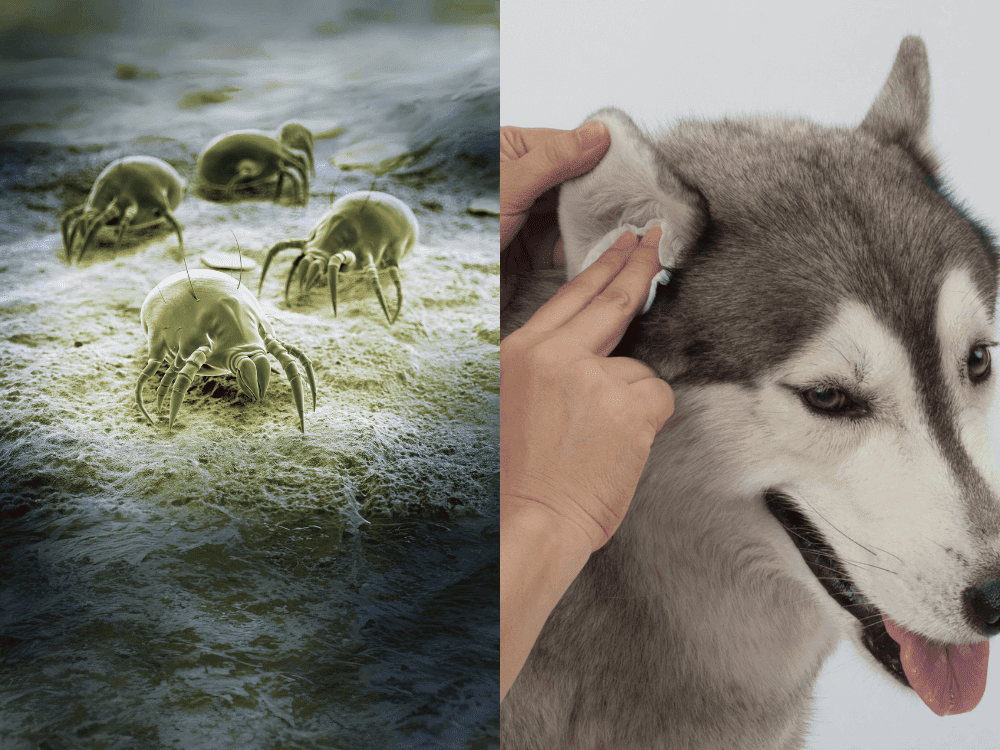
Ear mites are tiny, eight-legged, highly contagious parasites that live in the ear canals of dogs and other animals. The most common species affecting dogs is Otodectes cynotis, a surface mite that feeds on ear wax, oils, and skin debris. Although barely visible to the naked eye, these mites can cause intense irritation and inflammation in your dog’s ears. These parasites are part of the arachnid family—yes, they’re related to ticks and spiders—and they thrive in warm, moist environments like the ear canal. Once inside, they quickly multiply, triggering allergic reactions and secondary infections if left unchecked. Unlike other parasites, ear mites do not burrow under the skin and are relatively easy to treat.
Lifecycle
The lifecycle of Otodectes cynotis spans about 3 weeks:
- Eggs are laid by the adult mites deep inside the ear canal.
- Larvae hatch within 4 days and begin to feed.
- The larvae molt into nymphs, which then develop into adult mites.
- Adult mites live for about 2 months and continue the cycle by laying more eggs.
A single infestation can quickly grow out of control if not addressed, especially since these mites don’t just stay confined to one pet — they spread fast. After ear mite eggs hatch, these new ear mites can lay eggs too.


Are Dog Ear Mites Contagious?
Yes, ear mites are highly contagious, and you should isolate your infected pet from other pets. Ear mites can move from one dog to another in close contact and eventually reach the ear.
Types
Ear mite infestations in dogs can vary depending on the severity and underlying factors:
| Type | Description |
|---|---|
| Otodectes cynotis | The most common ear mite in dogs; lives in the ear canal and feeds on wax, oils, and skin debris. |
| Sarcoptes scabiei | Primarily causes mange, but can also affect the ears and lead to intense itching and irritation. |
| Demodex canis | Usually linked to demodectic mange; may sometimes affect the ear area, especially in dogs with weakened immune systems. |
| Notoedres cati | More common in cats, but can occasionally spread to dogs and cause severe ear and facial irritation. |
| Psoroptes species | Less common in dogs, but these mites can infest the ears and skin, causing inflammation and crusting. |
| Other Mite-Related Infestations | Some mites affect the skin more broadly but may involve the ears secondarily, especially in severe infestations. |
Predisposed Dog Breeds For Ear Mites
Ear mites can affect dogs of any breed or age, but some may be more prone to infestations due to lifestyle, environment, or ear structure. Dogs that live in multi-pet households, spend time outdoors, or have close contact with other animals are at higher risk. Puppies are especially susceptible because their immune systems are still developing, making it easier for mites to spread and establish.
| Category | Examples | Why They’re at Risk |
|---|---|---|
| Puppies | All breeds under 6 months | Immature immune systems and close contact with littermates make transmission very common. |
| Shelter & Rescue Dogs | Recently adopted dogs, strays | High exposure to other animals in crowded environments increases risk of infestation. |
| Multi-Pet Households | Homes with dogs and cats | Ear mites spread easily between pets, especially from cats (a common carrier). |
| Outdoor Dogs | Farm dogs, free-roaming pets | Greater contact with infected animals and environments raises exposure risk. |
| Dogs with Poor Ear Hygiene | Dogs with infrequent ear cleaning | Wax buildup creates an ideal environment for mites to thrive. |
| Floppy-Eared Breeds | Cocker Spaniel, Basset Hound, Labrador Retriever | Limited airflow in the ear canal promotes moisture and parasite survival. |
| Immunocompromised Dogs | Sick, elderly, or stressed dogs | Weakened defenses make it harder to control parasite infestations. |
Causes
Symptoms
Recognizing the symptoms early is crucial for prompt treatment and preventing complications. Common signs of ear mite infestation include:


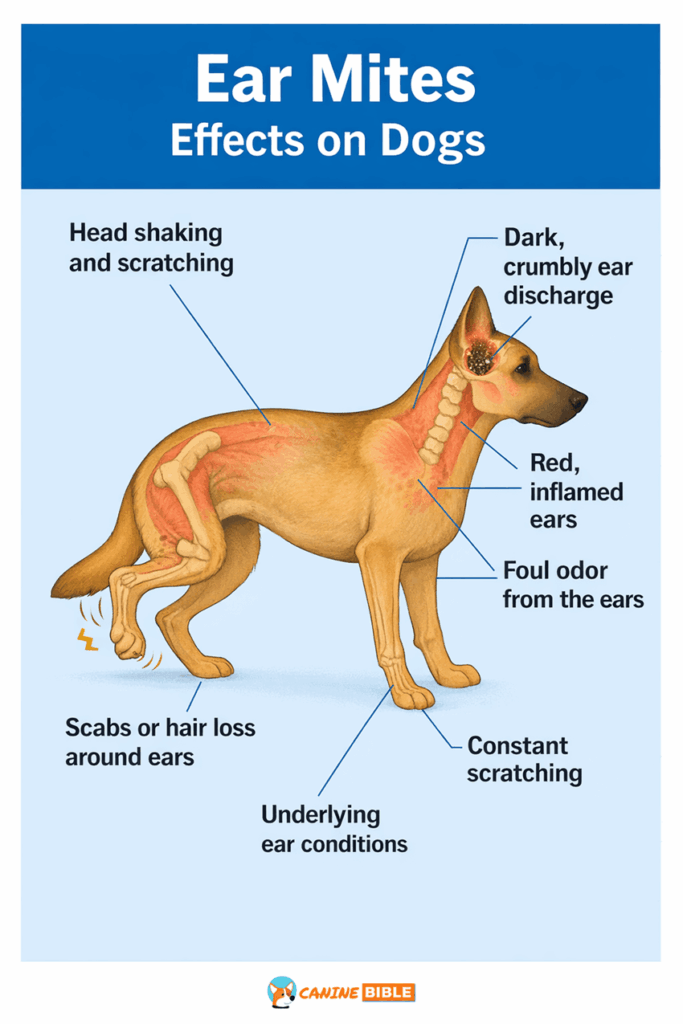
Secondary infections: Continuous scratching can lead to open wounds, making the ears susceptible to bacterial or yeast infections. As the infestation grows, ear mites may invade other parts of the dog’s body.
Health Risks of Ear Mites In Dogs
Stages of Ear Mites
- Early stage: Mild ear scratching, occasional head shaking, slight wax buildup.
- Moderate stage: Frequent scratching, noticeable head shaking, dark discharge, ear irritation.
- Advanced stage: Intense itching, inflammation, possible infections, wounds or complications from excessive scratching.
Top Ways to Prevent Ear Mites in Dogs
Because ear mites can spread quickly and worsen over time, early recognition and prompt treatment are essential. With timely care, irritation can be relieved quickly, complications can be avoided, and your dog’s ears can return to a healthy, comfortable state.
| Prevention Strategy | Why It Helps | How to Do It |
|---|---|---|
| Regular Ear Checks | Early detection prevents mites from multiplying and causing severe irritation. | Inspect ears weekly for redness, discharge, or scratching behavior. |
| Routine Ear Cleaning | Removes wax buildup that creates an ideal environment for mites. | Use vet-approved ear cleaners; avoid over-cleaning to prevent irritation. |
| Parasite Prevention Products | Many flea/tick preventives also protect against ear mites. | Use monthly spot-on or oral preventatives recommended by your vet. |
| Avoid Contact with Infected Animals | Ear mites spread easily through direct contact. | Limit exposure to infected pets; check new pets before introducing them. |
| Treat All Pets in the Household | Prevents reinfestation from untreated animals. | If one pet has mites, treat all dogs and cats at the same time. |
| Maintain Clean Living Environment | Reduces risk of parasite spread and reinfestation. | Wash bedding regularly and clean shared spaces. |
| Regular Veterinary Checkups | Ensures early diagnosis and proper prevention strategies. | Schedule routine exams, especially for puppies or high-risk dogs. |
Actionable Resources
If you want to prevent or manage ear mites in your dog, here are some helpful steps you can take under veterinary guidance:
How Ear Mites Are Diagnosed in Dogs
Diagnosing ear mites requires a veterinary examination to confirm the presence of parasites and rule out other ear conditions. Key steps include:
- Physical Examination: A vet inspects the ears for redness, irritation, scratching, and characteristic dark debris.
- Otoscope Examination: A lighted instrument is used to look deep inside the ear canal for visible mites and inflammation.
- Microscopic Evaluation: A sample of ear debris is examined under a microscope to identify mites or their eggs.
- Differential Diagnosis: The vet may rule out other causes such as bacterial or yeast infections, allergies, or foreign bodies.
Early diagnosis is important because ear mites spread quickly—prompt treatment helps relieve discomfort and prevents complications like infections or ear damage.
What Do Ear Mites In Dogs Look Like?
Treatment & Care
According to current veterinary practice, the most effective treatment for ear mites in dogs is a comprehensive approach that combines thorough ear cleaning, targeted anti-parasitic medications (such as topical or spot-on treatments), and, when needed, treatment of secondary infections. Addressing all pets in the household and maintaining proper hygiene are also key to ensuring complete resolution and preventing reinfestation.
Always consult your veterinarian before starting any new treatment or supplement for ear mites. You can get personalized joint-care advice from an online registered vet anytime, anywhere through Dutch. You can also chat with an online vet to ask questions about managing your dog’s ear mite symptoms, treatment options, and lifestyle adjustments tailored to their condition.
Conventional Medical Treatments
| Treatments | Notes / Examples |
|---|---|
| Topical Ear Medications | Prescription ear drops containing antiparasitic agents (e.g., selamectin, ivermectin); directly kill mites in the ear canal. |
| Spot-On Parasite Treatments | Products like selamectin or moxidectin applied to the skin; treat ear mites and often protect against fleas and ticks. |
| Oral Medications | Systemic antiparasitics (e.g., ivermectin-based treatments); used in certain cases under veterinary supervision. |
| Ear Cleaning Solutions | Used to remove debris and discharge before treatment; improves medication effectiveness. |
| Treatment of Secondary Infections | Antibiotic or antifungal ear drops if bacterial or yeast infections develop alongside mites. |
| Anti-Inflammatory Medications | Reduce swelling, pain, and irritation in severe cases; prescribed by a veterinarian. |
Nutritional Support & Supplements
| Support Option | Notes / Examples |
|---|---|
| Omega-3 Fatty Acids (Fish Oil) (View on Amazon) | Help reduce inflammation and support skin and ear health during and after mite treatment. |
| Probiotics (View on Amazon) | Support immune system balance, which may help the body respond better to infections and parasites. |
| Vitamin E & Skin Support Supplements (View on Amazon) | Promote healing of irritated skin inside the ears and reduce dryness or irritation. |
| Natural Ear Cleansers (View on Amazon) | Gentle, vet-approved solutions help remove debris and create a less favorable environment for mites. |
| Immune Support Supplements | Products containing antioxidants or herbal blends may support overall resistance to parasites. |
| Vet vs. OTC Products | Veterinary-recommended products are safer and more effective; quality varies widely among over-the-counter options. |
Alternative & Integrative Therapies
| Therapy | Notes / Examples |
|---|---|
| Herbal Ear Drops (Vet-Approved) | Natural formulations with ingredients like neem or calendula may help soothe irritation, but should only be used with veterinary guidance. |
| Coconut Oil (Limited Use) | May help soften debris and has mild antimicrobial properties, but does not replace prescription treatment. |
| Apple Cider Vinegar (Diluted) | Sometimes used for cleaning due to mild antiseptic properties; must be properly diluted and avoided in irritated or damaged ears. |
| Frequent Gentle Ear Cleaning | Helps remove mite debris and improves comfort; should be done carefully to avoid further irritation. |
| Environmental Hygiene | Cleaning bedding and living areas reduces the risk of reinfestation and supports overall treatment success. |
| Immune Support Approaches | Balanced diet, stress reduction, and supplements may help the body better respond to parasites. |
| Holistic Veterinary Care | Consulting a holistic vet can help combine conventional treatment with supportive natural approaches safely. |
Surgical Options
| Procedure / Condition | Notes / Examples |
|---|---|
| Ear Hematoma Surgery | Performed when excessive scratching causes blood to collect in the ear flap; surgery drains and prevents recurrence. |
| Deep Ear Cleaning (Under Sedation) | Used in severe infestations or when debris blocks the ear canal; allows thorough cleaning and proper medication delivery. |
| Treatment of Chronic Ear Infections | Advanced cases may require intensive therapy if mites lead to long-term bacterial or yeast infections. |
| Ear Canal Surgery (Rare Cases) | In extreme, untreated cases with severe damage, procedures may be needed to restore ear health or function. |
Emotional & Lifestyle Impact
Ear mites may not be life-threatening, but they can significantly affect a dog’s comfort and behavior. Dogs dealing with ear mites often experience intense itching and irritation, which can make them restless, distracted, or even irritable. Constant scratching and head shaking can interfere with sleep, playtime, and daily activities, reducing their overall quality of life.
For owners, it can be stressful to see a dog in discomfort, especially when symptoms worsen quickly or spread to other pets. Managing ear mites may require cleaning routines, medication administration, and temporary separation of pets to prevent reinfestation. With prompt treatment and consistent care, however, most dogs recover quickly, allowing both pets and owners to return to a normal, comfortable routine.
Typical Annual Cost of Treating Ear Mites
| Category | Estimated Cost Range | Notes |
|---|---|---|
| Veterinary Exam & Diagnosis | $50 – $150 | Includes ear examination and microscopic confirmation of mites. |
| Medications (Topical / Oral) | $20 – $100 | Prescription ear drops or parasite treatments depending on severity. |
| Ear Cleaning (In-Clinic) | $30 – $120 | Professional cleaning may be needed for severe buildup. |
| Follow-Up Visits | $40 – $120 | Ensures mites are fully eliminated and no complications remain. |
| Treatment of Secondary Infections | $50 – $200 | Additional antibiotics or antifungal medications if infection develops. |
| Advanced Care (Rare Cases) | $200 – $800+ | Includes sedation, deep cleaning, or treatment of complications like hematomas. |
| Preventive Products | $10 – $30/month | Monthly parasite prevention to avoid reinfestation. |
| Typical Total Cost | Mild Cases: $70 – $200 | Moderate Cases: $150 – $400 | Severe Cases: $300 – $1,000+ | |
Treating ear mites in dogs is usually affordable, but costs can still add up—especially if multiple pets are affected or if complications like secondary infections require additional care. Expenses may include vet visits, medications, ear cleaning solutions, and follow-up treatments. Pet insurance can help cover these costs and ensure your dog receives prompt, effective care without financial stress. If you want to compare plans and find the best coverage for parasite treatments and common conditions, explore our guide to the Best Pet Insurance for Dogs.
Ear Mites In Puppies
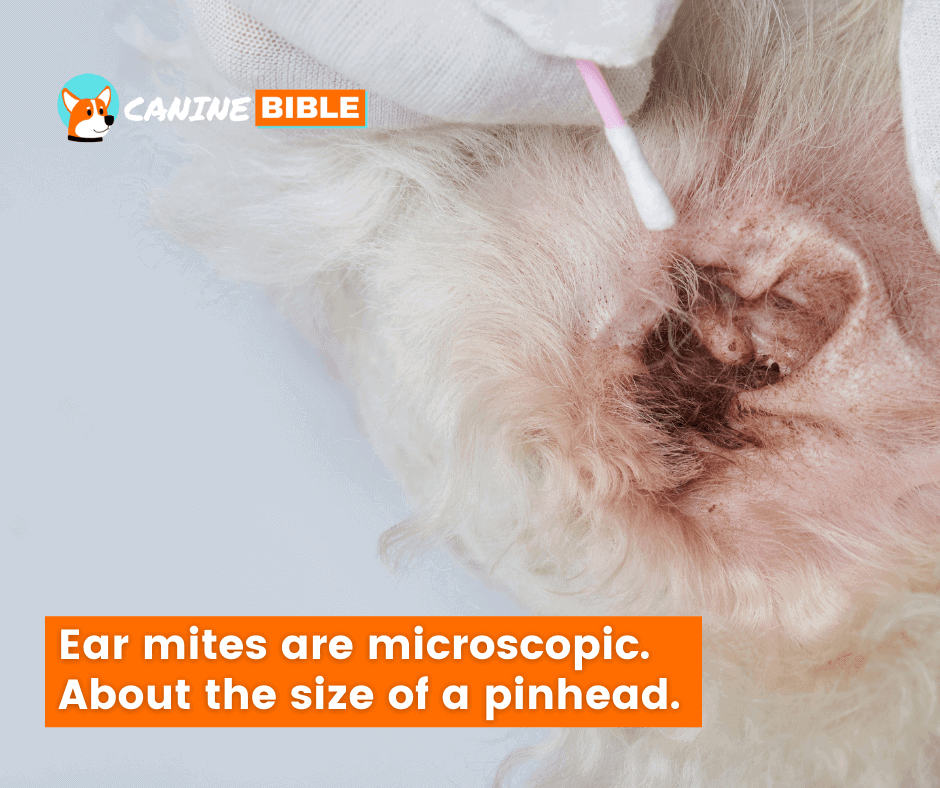
Ear mites are a common and uncomfortable problem in puppies. Because puppies have developing immune systems and are often in close contact with their mother or littermates, they’re especially vulnerable to infestations. The signs of ear mites in puppies are usually hard to miss. Your puppy may constantly scratch their ears, shake their head, or rub their head against furniture or the floor. You might also notice dark, crumbly debris inside the ears—often described as looking like coffee grounds—along with redness, swelling, and an unpleasant odor.
If left untreated, ear mites can lead to secondary bacterial or yeast infections, ear damage, or even hearing loss. Fortunately, treatment is straightforward. To help prevent reinfection, clean your puppy’s bedding, toys, and environment thoroughly. Routine ear checks and regular grooming can also help catch problems early.
How Long Does It Take To Get Rid of Ear Mites In Dogs?
The time it takes to get rid of ear mites in dogs entirely depends on the severity of the infestation and the treatment used—but most cases clear up within 2 to 4 weeks. Fast-acting medications often begin killing mites within 24–48 hours. However, even after the mites are gone, treatment usually continues for a few weeks to eliminate all mite eggs and life stages. Veterinarians often recommend continuing treatment for at least three weeks, which aligns with the mites’ lifecycle. This helps prevent reinfestation from any remaining eggs that hatch after the first round of treatment. If your dog’s ears are inflamed or infected, your vet may also prescribe anti-inflammatory or antibiotic medications, which can extend the recovery timeline slightly.
Dog Ear Wax vs. Ear Mites vs. Yeast Infection
| Feature | Normal Ear Wax | Ear Mite Debris | Yeast Infection |
|---|---|---|---|
| Color | Light brown, yellow, or amber | Dark brown to black (coffee-ground appearance) | Brown, tan, or reddish |
| Texture | Smooth, slightly sticky | Dry, crumbly, gritty | Thick, sticky, waxy or moist |
| Odor | Mild or none | Strong, foul, musty odor | Sweet, sour, or yeasty smell |
| Amount | Minimal, slow buildup | Large quantities that return quickly | Moderate to heavy discharge |
| Dog’s Behavior | Normal, calm | Intense scratching, head shaking, head tilting | Scratching, head shaking, discomfort |
| Ear Appearance | Clean or slightly waxy | Red, inflamed, possible scabs or crusting | Red, swollen, possible discharge buildup |
| Contagious? | No | Yes – highly contagious between animals | No, but may recur if underlying issue persists |
| Needs Treatment? | No – routine cleaning only | Yes – antiparasitic medication & cleaning | Yes – antifungal medication & ear cleaning |
Can Humans Get Ear Mites From A Dog?
Humans can technically get ear mites from dogs, but it is extremely rare. The most common type of ear mite found in dogs is Otodectes cynotis, which primarily affects animals like dogs, cats, and ferrets. These mites are not well adapted to living on humans and typically do not thrive outside their preferred hosts. In unusual cases, a person with close contact with an infested pet may experience temporary itching, skin irritation, or a rash—especially around the ears or neck. However, full infestations in human ears are exceptionally uncommon. To reduce any potential risk, it’s important to treat your dog promptly if ear mites are diagnosed, maintain good hygiene by washing hands after handling pets, and regularly clean pet bedding and shared spaces. If you experience unusual symptoms after being in contact with an infected pet, it’s best to consult a healthcare provider for evaluation and peace of mind.
Dog Ear Mites Pictures
Frequently Asked Questions
The Bottom Line
Ear mites are one of the most common and uncomfortable conditions dogs can experience, but they are highly treatable and don’t have to impact your dog’s quality of life for long. With early recognition, prompt veterinary care, and proper treatment, most dogs recover quickly and completely. By maintaining good ear hygiene, using regular parasite prevention, and monitoring for early signs of irritation, pet parents can protect their dogs from future infestations. Working closely with a veterinarian ensures effective treatment and prevents complications. Ultimately, the goal is not just to eliminate the mites, but to keep your dog comfortable, healthy, and free from recurring ear problems.