
Atopic Dermatitis in Dogs: Symptoms, Types, Causes, Signs & Prevention

Canine Bible is reader-supported. We receive affiliate commissions via some of our links. Learn more.
A comprehensive guide to atopic dermatitis in dogs, including common causes, environmental triggers, symptoms, diagnostic testing, treatment options, long-term management and what pet parents should know when caring for a dog with this chronic allergic skin condition.
Atopic Dermatitis at a Glance
Most common in
Young dogs, often developing symptoms between 6 months and 4 years of age.
Common signs
Persistent itching, paw licking, red skin, ear inflammation and hair loss.
Diagnosis
Clinical history, skin examination and ruling out other causes of itching.
Treatment
Anti-itch medications, medicated baths, allergy immunotherapy and skin care.
Prognosis
Generally good with consistent treatment and lifelong management.
Common triggers
Pollen, dust mites, mold and other environmental allergens.
What Is Atopic Dermatitis in Dogs?
Atopic dermatitis in dogs, also known as canine atopy, is a chronic, inflammatory skin disease associated with allergic responses to environmental allergens such as pollen, dust mites and mold. Dogs with atopic dermatitis often have a genetic predisposition to allergies and abnormalities in the skin barrier that allow allergens to contribute to inflammation and itching. The condition commonly affects the paws, face, ears, armpits, groin and abdomen, causing persistent scratching, licking, chewing, redness and irritation. Repeated scratching can damage the skin and increase the risk of secondary bacterial or yeast infections. Symptoms may occur seasonally or throughout the year, depending on the allergens involved. Although atopic dermatitis usually cannot be permanently cured, most affected dogs can experience significant relief through appropriate veterinary treatment, management of environmental triggers, skin care and long-term allergy control.


Types
Dogs can develop different forms of atopic dermatitis, and each can affect the skin in different ways. Some cases are triggered mainly by environmental allergens such as pollen, dust mites, or mold, while others may involve seasonal flare-ups, year-round symptoms, or secondary skin and ear infections. Understanding the most common types and patterns of atopic dermatitis can help pet parents recognize why symptoms, treatment approaches, and long-term management can vary from dog to dog.
Seasonal Atopic Dermatitis
Allergic skin inflammation that flares during certain times of the year, often when pollen and other seasonal allergens are present.
Year-Round Atopic Dermatitis
Persistent or recurring allergic symptoms throughout the year, commonly associated with allergens such as dust mites or mold.
Pollen-Triggered Atopic Dermatitis
Allergic reactions associated with tree, grass or weed pollen that can cause itching, redness and recurring skin irritation.
Dust Mite-Related Atopic Dermatitis
Allergic skin inflammation associated with house dust mites, which can contribute to itching and discomfort throughout the year.
Mold-Triggered Atopic Dermatitis
Allergic reactions associated with mold spores found indoors or outdoors, potentially causing seasonal or year-round flare-ups.
Paw-Focused Atopic Dermatitis
Allergic inflammation affecting the paws, often causing excessive licking, chewing, redness and irritation between the toes.


Ear-Related Atopic Dermatitis
Allergic inflammation involving the ears, often leading to head shaking, scratching and recurrent ear infections.
Facial Atopic Dermatitis
Allergic irritation affecting the face, muzzle, lips or areas around the eyes, often causing rubbing and scratching.
Abdominal and Skin Fold Dermatitis
Allergic inflammation affecting the belly, groin, armpits and other sensitive areas, commonly causing redness and intense itching.
Atopic Dermatitis With Secondary Infections
Chronic allergic inflammation complicated by bacterial or yeast infections, which can worsen itching, redness, odor and skin lesions.
Predisposed Dog Breeds
While atopic dermatitis can affect any dog, certain breeds have a higher genetic predisposition to developing this allergic skin condition. Breeds such as Golden Retrievers, Labrador Retrievers, French Bulldogs, West Highland White Terriers, and Boxers are commonly affected. Inherited immune system traits and skin barrier abnormalities can make some breeds more susceptible to environmental allergens and chronic skin inflammation.
| Size / Group | Breeds | Notes on Risk Factors |
|---|---|---|
| Retrievers & Sporting Breeds | Golden Retriever, Labrador Retriever, Cocker Spaniel, English Springer Spaniel | Retrievers are among the breeds frequently associated with atopic dermatitis. Genetic susceptibility and altered immune responses may contribute to recurring allergic skin inflammation and itching. |
| Bulldog & Flat-Faced Breeds | English Bulldog, French Bulldog, Boxer, Boston Terrier, Pug | Several of these breeds have documented predispositions to atopic dermatitis. Allergic inflammation may affect the face, paws and ears, while skin folds can develop separate irritation or infections. |
| Terrier Breeds | West Highland White Terrier, Scottish Terrier, Wire Fox Terrier, Jack Russell Terrier, Soft Coated Wheaten Terrier | West Highland White Terriers have a particularly well-documented predisposition. Affected terriers may develop persistent itching, paw licking, ear inflammation and recurring secondary skin infections. |
| Toy & Companion Breeds | Shih Tzu, Lhasa Apso, Bichon Frise | These breeds have been reported among dogs affected by allergic skin disease. Symptoms may include facial itching, irritated paws, recurrent ear problems and chronic skin inflammation. |
| Large & Working Breeds | German Shepherd, Great Dane, Bullmastiff, Weimaraner | Breed-associated susceptibility has been reported in veterinary studies, although risk varies by population. Genetic and environmental factors may contribute to recurring allergic skin symptoms. |
| Other Predisposed Breeds | Chinese Shar-Pei, Dalmatian, Beagle, American Staffordshire Terrier | These breeds have shown increased susceptibility in certain studies or geographic populations. Breed genetics, environmental allergen exposure and individual immune responses may influence disease development. |
Causes
Atopic dermatitis in dogs develops from a combination of genetic predisposition, immune system hypersensitivity, skin barrier abnormalities, and exposure to environmental allergens such as pollen, dust mites, and mold. Rather than having a single cause, these factors contribute to chronic skin inflammation and itching. Understanding the underlying causes and common triggers can help pet parents reduce flare-ups, manage symptoms, and improve their dog’s long-term skin health.
Genetic Predisposition
Some dogs inherit a genetic tendency to develop atopic dermatitis, making certain breeds more likely to experience allergic skin disease.
Immune System Hypersensitivity
Dogs with atopic dermatitis have an overreactive immune response to normally harmless substances in the environment.
Environmental Allergens
Common triggers include pollen, dust mites, mold spores, grasses and other airborne allergens that contact the skin.
Skin Barrier Defects
A weakened skin barrier allows allergens and irritants to penetrate more easily, increasing inflammation, itching and dryness.
Breed Predisposition
Breeds such as Retrievers, Bulldogs, Terriers and Boxers are more commonly affected, suggesting an inherited risk.
Secondary Skin Infections
Bacterial and yeast infections do not cause atopic dermatitis, but they commonly worsen inflammation, itching and skin damage.
Seasonal and Climate Factors
Weather changes and seasonal allergen exposure can trigger flare-ups, especially in dogs with pollen-related atopic dermatitis.
Symptoms
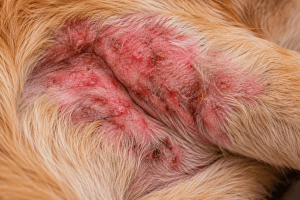
Atopic dermatitis symptoms in dogs can vary depending on the severity of the condition, environmental triggers, and areas of the body affected. Some signs may be mild or seasonal, while others can become persistent and worsen over time. Common symptoms include excessive scratching, paw licking, skin redness, inflammation, hair loss, face rubbing, and recurring ear infections. Chronic cases may also cause thickened or darkened skin and secondary bacterial or yeast infections. Because these symptoms can overlap with other skin conditions, persistent itching or irritation should be evaluated by a veterinarian.
- Persistent itching and scratching
- Excessive paw licking or chewing
- Red, inflamed or irritated skin
- Frequent face rubbing
- Recurring ear infections or head shaking
- Hair loss or thinning fur
- Skin rashes, bumps or irritation
- Darkened or thickened skin in chronic cases
- Unpleasant skin odor from secondary infections
- Raw skin, sores or hot spots from scratching
Atopic dermatitis commonly affects the ears, face, paws, armpits, belly and groin.
Stages & Progression of Atopic Dermatitis in Dogs
Atopic dermatitis in dogs can develop gradually and may range from mild seasonal itching to chronic, year-round skin disease. Symptoms often begin with occasional scratching, licking, or ear irritation, then may progress to more frequent flare-ups, skin redness, hair loss, thickened skin, and secondary bacterial or yeast infections. Understanding how atopic dermatitis progresses can help veterinarians determine how severe the condition is, whether complications are present, and which treatment options may be most appropriate. It also helps pet parents know what to expect with long-term management and symptom control.
Mild Symptoms
Occasional itching, paw licking or facial rubbing may occur with little visible skin damage. Symptoms may be seasonal or intermittent.
Recurring Flare-Ups
Itching becomes more frequent, with redness, repeated scratching, paw chewing and possible ear inflammation during allergic flare-ups.
Severe Inflammation
Intense or persistent itching may cause hair loss, raw skin, excoriations and substantial discomfort, often requiring more intensive veterinary treatment.
Chronic Complications
Repeated inflammation may lead to thickened, darkened skin and recurring bacterial or yeast infections. Long-term management is often needed.
This chart illustrates possible patterns of atopic dermatitis severity, not an official four-stage classification or a predictable timeline. Symptoms can fluctuate, improve with treatment or recur, and secondary infections may develop at any severity. Many dogs maintain a good quality of life with appropriate veterinary management.
Top Ways to Prevent Atopic Dermatitis Flare-Ups in Dogs
Because atopic dermatitis is a chronic allergic skin condition influenced by genetics, environmental allergens, and immune system responses, it cannot always be prevented. However, proactive care can help reduce flare-ups, relieve itching, and protect your dog’s skin. By minimizing exposure to known allergens, maintaining a healthy skin barrier, using veterinarian-recommended treatments, and scheduling regular veterinary checkups, pet parents can help manage symptoms and improve their dog’s long-term comfort and quality of life.
| Prevention Strategy | Why It Helps | How to Do It |
|---|---|---|
| Limit Exposure to Known Allergens | Reducing contact with environmental allergens may help minimize allergic reactions, itching and skin inflammation. | Identify possible triggers such as pollen, dust mites and mold. Limit exposure when practical and wipe your dog’s paws and coat after outdoor activities. |
| Maintain a Healthy Skin Barrier | Supporting the skin barrier helps reduce dryness and irritation while improving the skin’s ability to retain moisture. | Use veterinarian-recommended moisturizing shampoos, conditioners or skin barrier products. Avoid harsh soaps, fragrances and excessive bathing. |
| Maintain Consistent Flea Prevention | Flea bites can cause additional itching and allergic reactions, potentially worsening existing atopic dermatitis. | Use veterinarian-approved flea preventives consistently. Treat other household pets when appropriate and maintain a clean living environment. |
| Regular Veterinary Checkups | Routine examinations help identify flare-ups, secondary infections and changes in skin health before symptoms become more difficult to manage. | Schedule veterinary skin evaluations as recommended. Discuss recurring itching, ear problems, hair loss or changes in treatment response. |
| Follow an Allergy Management Plan | Consistent veterinary treatment can help control allergic inflammation, reduce itching and improve comfort during recurring flare-ups. | Follow prescribed treatments such as anti-itch medications, topical therapies or allergen-specific immunotherapy. Do not stop or change medications without veterinary guidance. |
| Provide Balanced Nutrition | Complete nutrition supports normal skin function and coat health. Some dogs may benefit from omega-3 fatty acids as part of an overall allergy management plan. | Feed a complete, balanced diet appropriate for your dog’s needs. Discuss omega-3 supplements or a veterinary elimination diet trial if food allergy is suspected. |
| Keep the Living Environment Clean | Reducing indoor dust, dust mites and mold exposure may help limit environmental triggers in dogs sensitive to these allergens. | Wash bedding regularly, vacuum carpets and furniture, control indoor moisture and consider suitable air filtration when needed. |
| Monitor for Early Signs of Flare-Ups | Recognizing symptoms early allows treatment adjustments before excessive scratching causes skin damage or secondary infections. | Watch for paw licking, scratching, skin redness, face rubbing and recurring ear irritation. Keep a symptom diary and contact your veterinarian if symptoms worsen. |
Actionable Resources
If you want to reduce atopic dermatitis flare-ups and improve your dog’s skin health, here are some helpful resources and products to consider under veterinary guidance.
How Is Atopic Dermatitis in Dogs Diagnosed
Diagnosing atopic dermatitis in dogs requires a comprehensive veterinary evaluation to assess symptoms, identify potential allergic triggers, and rule out other causes of itching, such as flea allergies, food allergies, parasites, and skin infections. There is no single definitive test for atopic dermatitis, so veterinarians rely on medical history, physical examinations, and targeted diagnostic testing. Key steps include:
1. Physical Examination & History
Your veterinarian examines the skin, ears and paws while reviewing your dog’s age, breed, itching patterns, seasonal symptoms, environmental exposures and previous treatments.
2. Parasite Testing
Flea combing, skin scrapings and other appropriate tests help investigate fleas, mites and mange. A flea-control trial may be recommended because parasitic allergies can mimic atopic dermatitis.
3. Skin & Ear Cytology
Samples collected from affected skin or ears are examined under a microscope to identify bacteria, yeast or inflammatory cells that may indicate secondary infections contributing to itching.
4. Infection Assessment & Treatment
If bacterial or yeast infections are detected, your veterinarian treats them and reassesses the itching. Persistent symptoms after infection control may support an underlying allergic skin condition.
5. Food Allergy Elimination Trial
A strict veterinarian-supervised elimination diet trial, often lasting 8 to 12 weeks, may help identify food allergies that cause similar symptoms or occur alongside atopic dermatitis. A dietary challenge helps confirm food allergy.
6. Clinical Diagnosis & Allergy Testing
Atopic dermatitis is diagnosed using clinical history, characteristic symptoms and exclusion of other causes of itching. Intradermal or blood allergy testing may then help select allergens for immunotherapy, but these tests alone cannot confirm the diagnosis.
Early diagnosis and treatment are important because atopic dermatitis responds best to consistent management. Identifying allergic triggers, controlling inflammation, and preventing secondary skin infections can help reduce flare-ups and improve your dog’s comfort and quality of life.
Nutritional Support & Supplements
Proper nutrition can play an important supportive role for dogs with atopic dermatitis by helping maintain healthy skin, a strong skin barrier, immune function, and overall coat health. Depending on your dog’s needs, veterinarians may recommend balanced diets formulated for skin health and supplements such as omega-3 fatty acids (EPA and DHA), probiotics, and skin-supporting nutrients like vitamin E and essential fatty acids. These may help support skin health and reduce inflammation, but they should complement—not replace—veterinary allergy treatments.
Important: Nutritional support and supplements
may complement treatment but cannot cure atopic dermatitis
or replace prescribed allergy medications.
Consult your veterinarian before adding supplements
or changing your dog’s diet. Excessive vitamin or mineral
supplementation can be harmful, and elimination diets
should be conducted under veterinary supervision.
Supportive care—such as itch management, nutritional support, regular skin care, and environmental adjustments—plays an important role in reducing atopic dermatitis flare-ups and maintaining your dog’s comfort and quality of life. While these approaches can help control inflammation and support skin health, they do not cure atopic dermatitis. Some supplements and treatments may interact with prescribed medications, so any dietary changes, supplements, or home care routines should be reviewed with your veterinarian or veterinary dermatologist.
Over-the-Counter Products
Over-the-counter treatments and supplements mentioned in this article for atopic dermatitis in dogs can be found on Amazon and Chewy.


Always consult your veterinarian before starting any new treatment, medication, or home-care regimen for canine atopic dermatitis. Puppies and dogs with persistent vomiting, diarrhea, weakness, or dehydration may require prompt veterinary care. If you can’t reach your vet, you can chat live with a registered online veterinary professional via our online vet chat or video chat support (24 hours a day, 7 days a week). Or use Chewy’s online vet services (6 a.m. – midnight ET).
Treatment & Care
According to current veterinary dermatology guidelines, the most effective treatment for atopic dermatitis in dogs involves a multimodal approach, combining several therapies to control itching, reduce inflammation, and prevent recurring flare-ups. These may include anti-itch medications such as Apoquel or Cytopoint, medicated shampoos and moisturizing treatments to support the skin barrier, and allergen-specific immunotherapy to help reduce sensitivity to environmental allergens over time. Treatment of secondary bacterial or yeast infections, consistent flea prevention, and long-term skin care are also important for maintaining comfort and quality of life.
Medications
Common medications used to treat atopic dermatitis in dogs include:
| Medication / Class | Examples | How It Is Used | Important Considerations |
|---|---|---|---|
| JAK Inhibitors | Oclacitinib (Apoquel) | An oral medication used to rapidly reduce itching and allergic inflammation associated with atopic dermatitis. May be prescribed for flare-ups and long-term symptom control. | Approved for dogs at least 12 months old. May increase susceptibility to infections and requires caution in dogs with serious infections or a history of cancer. Veterinary monitoring is recommended. |
| JAK Inhibitors | Ilunocitinib (Zenrelia) | An oral medication that reduces inflammatory and itch-related signaling pathways. Used to control itching and atopic dermatitis in eligible dogs. | Approved in the United States for dogs at least 12 months old. Carries a boxed warning about inadequate vaccine responses. Requires specific medication-free intervals before and after vaccination. May increase infection risk and requires veterinary oversight. |
| Monoclonal Antibody Therapy | Lokivetmab (Cytopoint) | An injectable treatment that targets interleukin-31 (IL-31), a protein involved in triggering itching. Helps reduce allergic itching and improve comfort. | Administered by a veterinarian, commonly at intervals of approximately 4 to 8 weeks depending on response. Usually well tolerated, although temporary digestive upset, lethargy or rare hypersensitivity reactions may occur. |
| Immunomodulators | Cyclosporine (Atopica) | Modulates immune responses involved in allergic skin inflammation. Commonly used for long-term management of moderate to severe atopic dermatitis. | May take 4 to 6 weeks to achieve substantial improvement and is not ideal for immediate itch relief. Possible adverse effects include vomiting, diarrhea, gum enlargement and increased susceptibility to infections. |
| Systemic Corticosteroids | Prednisone, prednisolone | Rapidly reduce inflammation and severe itching during acute allergic flare-ups. Usually reserved for short-term treatment or carefully selected cases. | Long-term use may cause increased thirst, urination, appetite, weight gain and immune suppression. Should not generally be combined with NSAIDs because of the increased risk of gastrointestinal injury. |
| Topical Corticosteroids | Hydrocortisone aceponate, triamcinolone, mometasone | Applied directly to affected skin to reduce localized redness, inflammation and itching. May be used for targeted treatment of allergic skin lesions. | Prolonged or excessive application can cause thinning of the skin and other steroid-related effects. Use only as directed and avoid applying to infected or open wounds without veterinary guidance. |
| Topical Immunomodulators | Tacrolimus ointment | May be prescribed off-label for localized atopic dermatitis to help reduce skin inflammation without using a topical corticosteroid. | Best suited to selected localized lesions. May cause temporary irritation at the application site. Use only under veterinary supervision and prevent licking until the treated area is safe. |
| Allergen-Specific Immunotherapy | Customized allergy injections, sublingual allergy drops | Gradually exposes the dog to selected environmental allergens to modify the allergic immune response and reduce future flare-ups. | Requires allergy testing to select appropriate allergens. Improvement often takes several months and may require up to a year. Some dogs still need additional anti-itch medications. |
| Antihistamines | Cetirizine, hydroxyzine, chlorpheniramine | Sometimes used as supportive therapy for mild itching or seasonal allergy symptoms. May be combined with other treatments in selected dogs. | Effectiveness varies and is generally limited for moderate or severe atopic dermatitis. Some antihistamines cause drowsiness. Avoid human combination allergy products unless approved by a veterinarian. |
| Antibacterial Treatments | Chlorhexidine products, cephalexin, amoxicillin-clavulanate | Used when bacterial skin infections develop alongside atopic dermatitis. Topical antiseptics are often preferred for suitable superficial infections, while oral antibiotics may be needed for more extensive or deep infections. | Antibiotics do not treat the underlying allergy. Treatment should be based on veterinary examination and cytology, with culture and susceptibility testing when indicated. Unnecessary antibiotic use can contribute to resistance. |
| Antifungal Medications | Miconazole, ketoconazole, itraconazole | Used to treat secondary yeast infections, especially Malassezia dermatitis, which can worsen itching, redness, odor and skin inflammation. | Topical antifungal shampoos or creams may be sufficient for localized infections. Oral antifungals are reserved for selected cases and may require monitoring for liver effects and medication interactions. |
| Medicated Skin Care | Veterinary moisturizing shampoos, ceramide products, antimicrobial shampoos | Helps remove allergens from the coat, soothe irritated skin, support the skin barrier and manage microbial overgrowth when present. | Shampoo selection and bathing frequency depend on skin condition and infection status. Harsh products or excessive bathing may worsen dryness and irritation. |
| Flea Preventives | Fluralaner, afoxolaner, sarolaner | Prevent or control flea infestations, helping eliminate an additional source of itching that can worsen allergic skin disease. | Flea prevention is an important part of allergy management. Some isoxazoline medications have been associated with neurologic adverse reactions, including seizures. Product selection should consider the dog’s medical history. |
The best way to get these medications is at Chewy Pet Pharmacy:
Alternative & Integrative Therapies
Integrative and supportive therapies can help manage itching, reduce skin inflammation, and improve quality of life for dogs with atopic dermatitis. Options such as omega-3 fatty acid supplements, soothing oatmeal baths, moisturizing skin treatments, probiotics, and environmental allergen management may be used alongside conventional veterinary treatments. However, their effectiveness varies, and some have limited scientific evidence. Always consult your veterinarian to ensure these approaches are safe, appropriate, and complementary to your dog’s prescribed allergy treatment.
Surgical Options
Surgery is rarely needed to treat atopic dermatitis in dogs, as this chronic allergic skin condition is primarily managed through medications, allergen control, and supportive skin care. However, in severe cases involving chronic ear infections, irreversible ear canal damage, or complications that do not respond to medical treatment, surgical intervention may be considered. Procedures such as total ear canal ablation (TECA) may help relieve persistent pain and infection in dogs with end-stage ear disease. Surgery does not cure the underlying allergies, and your veterinarian or veterinary specialist will determine whether it is appropriate based on the severity of complications, treatment response, and your dog’s overall health.
Emotional & Lifestyle Impact
Atopic dermatitis can significantly affect a dog’s comfort, behavior, sleep, and overall quality of life. Persistent itching, skin irritation, and recurring infections may cause restlessness, disrupted sleep, excessive licking or scratching, and increased irritability. Managing flare-ups can also be stressful for pet parents due to ongoing treatments and veterinary visits. With consistent allergy management, gentle skin care, and a comfortable living environment, most dogs with atopic dermatitis can enjoy happy, active, and comfortable lives.
For Dogs
- Persistent itching may disrupt sleep and rest
- Skin irritation can cause discomfort and restlessness
- Recurring infections may affect mood and activity
- Excessive scratching or licking can interfere with play
- Consistent treatment can improve comfort and quality of life
For Pet Parents
- Managing recurring flare-ups can be stressful
- Ongoing medications and vet visits may require planning
- Tracking allergy triggers can help guide daily care
- Follow a consistent skin care and treatment routine
- Celebrate improvements in itching, sleep, and comfort
Managing atopic dermatitis takes patience, but every calmer night, every comfortable walk, and every moment without constant scratching is a step toward a happier, healthier life for your dog.
Happier days.
Dog Atopic Dermatitis Prognosis
A dog’s prognosis for atopic dermatitis depends on several factors, including the severity of symptoms, environmental triggers, response to treatment, presence of secondary skin infections, and consistency of long-term care. Although atopic dermatitis is a chronic condition with no permanent cure, most dogs can achieve good symptom control and enjoy a normal, healthy lifespan with appropriate management. Working closely with your veterinarian can help reduce flare-ups, manage itching, prevent complications, and maintain the best possible quality of life for your dog.
Key Factors That Influence Prognosis
Typical Annual Cost of Treating Canine Atopic Dermatitis
| Category | Estimated Annual Cost Range | Notes |
|---|---|---|
| Initial Diagnosis & Skin Testing | $150 – $600 | Includes veterinary examinations, skin scrapings, cytology, parasite testing, and evaluation of recurring itching. Primarily a first-year expense. |
| Environmental Allergy Testing | $200 – $800 | Optional intradermal or blood allergy testing to identify environmental allergens for immunotherapy. Usually performed once rather than annually and does not independently diagnose atopic dermatitis. |
| Oral Anti-Itch Medications | $600 – $3,000+ | Includes medications such as Apoquel, Zenrelia, or cyclosporine for controlling itching and allergic inflammation. Costs vary with dog size, prescription, and duration of treatment. |
| Cytopoint Injections | $500 – $3,000+ | Injectable treatment for allergic itching, commonly administered every 4–8 weeks as needed. Annual costs depend on body weight, injection frequency, and veterinary clinic fees. |
| Allergen-Specific Immunotherapy | $400 – $1,300 | Customized allergy injections or sublingual drops designed to reduce sensitivity to environmental allergens. Often requires long-term treatment; initial testing is billed separately. |
| Medicated Shampoos & Skin Care | $100 – $600 | Includes hypoallergenic shampoos, moisturizing conditioners, ceramide treatments, and medicated products that support the skin barrier and help manage irritation. |
| Secondary Skin & Ear Infection Treatment | $100 – $1,000+ | Covers veterinary treatment of bacterial or yeast infections, including skin cytology, antimicrobial medications, ear treatments, and additional visits when complications occur. |
| Follow-Up Veterinary Visits | $150 – $650 | Periodic skin evaluations, treatment adjustments, and monitoring of recurring flare-ups. Dogs with severe symptoms may require more frequent visits or veterinary dermatology consultations. |
| Nutritional Support & Supplements | $150 – $900 | Optional omega-3 fatty acid supplements, skin-supporting diets, and veterinary therapeutic foods when indicated. Specialized diets may cost more and do not replace allergy medications. |
| Environmental Management & Flea Prevention | $120 – $500 | Includes flea preventives and optional measures such as allergen-reducing cleaning supplies, bedding care, and air filtration to help minimize exposure to environmental triggers. |
| Pet Insurance Coverage | Varies | Eligible allergy treatments may be covered by some accident-and-illness policies, depending on exclusions, deductibles, and reimbursement limits. Pre-existing allergies are generally excluded. Insurance premiums are separate from treatment expenses. |
| Typical Annual Range | Mild / Intermittent Cases: $300 – $1,200 | Moderate / Ongoing Treatment: $1,200 – $3,500 | Severe / Complex Cases: $3,000 – $7,000+ | |
Atopic dermatitis care can add up quickly — from daily medications to possible surgeries. Pet insurance can ease the financial burden and ensure your dog gets the best treatment without compromise. If you want to compare plans and find out which providers offer the best coverage for atopic dermatitis and chronic conditions, check out our full guides to the Best Pet Insurance for Dogs and Best Pet Wellness Plans.
Related Health Conditions
Some health conditions are closely linked to atopic dermatitis because they may trigger allergic reactions, develop as secondary complications, or cause overlapping symptoms such as itching, redness, hair loss, and skin inflammation. Understanding these related conditions can help dog owners recognize potential warning signs, distinguish atopic dermatitis from other skin disorders, and better understand the diagnostic and treatment options their veterinarian may recommend.
- Allergies in Dogs
- Food Allergies and Sensitivities
- Flea Allergy Dermatitis (FAD)
- Contact Dermatitis
- Hot Spots (Acute Moist Dermatitis)
- Bacterial Skin Infections (Pyoderma)
- Yeast Skin Infections (Malassezia Dermatitis)
- Chronic Ear Infections (Otitis Externa)
- Mange (Mite Infestations)
- Flea Infestations
Frequently Asked Questions
The Bottom Line
Atopic dermatitis in dogs is a chronic allergic skin condition that can cause persistent itching, inflammation, and recurring skin infections, but most dogs can live happy, comfortable, and active lives with proper management. Although there is no permanent cure, advances in veterinary dermatology, effective anti-itch medications, allergen-specific immunotherapy, and supportive skin care provide several ways to control symptoms and reduce flare-ups. By recognizing early warning signs, identifying potential allergens, following prescribed treatments, and maintaining regular veterinary checkups, you can play a vital role in protecting your dog’s skin health. Above all, consistent care, patience, and early intervention can help your dog enjoy lasting comfort and a better quality of life.