Autoimmune Skin Disease (Pemphigus) in Dogs: Symptoms, Types, Causes, Signs & Prevention

Canine Bible is reader-supported. We receive affiliate commissions via some of our links. Learn more.
A comprehensive guide to autoimmune skin disease (pemphigus) in dogs, including its different forms, possible triggers, warning signs, diagnostic testing, treatment options, long-term management, prognosis and what pet parents should know about caring for affected dogs.
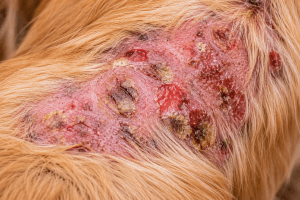
Pemphigus at a Glance
Most common in
Middle-aged dogs, although any age or breed can be affected.
Common signs
Crusts, pustules, scabs, hair loss and painful skin lesions.
Diagnosis
Skin examination, cytology, biopsy and exclusion of infections.
Treatment
Corticosteroids, immunosuppressive medications and supportive care.
Prognosis
Often manageable with treatment, but relapses can occur.
Contagious?
No. Pemphigus is an autoimmune disease and cannot spread between dogs.
What Is Pemphigus in Dogs?
Pemphigus is a group of autoimmune skin diseases in which a dog’s immune system mistakenly attacks proteins responsible for holding skin cells together. This causes the cells to separate, resulting in fragile pustules, blisters, crusts, erosions and areas of hair loss. Pemphigus foliaceus is the most common form in dogs and typically affects the face, nose, ears, paw pads and sometimes larger areas of the body. Less common forms, such as pemphigus vulgaris, may cause deeper, more painful lesions involving the skin and mucous membranes. The exact cause is often unknown, although genetic susceptibility and certain medications may play a role in some cases. Pemphigus is not contagious and can affect dogs of different ages and breeds. Because it is generally a chronic immune-mediated condition, many affected dogs require long-term medication, regular veterinary monitoring and adjustments in treatment to control symptoms, prevent flare-ups and maintain a good quality of life.


Types
Dogs can develop different types of pemphigus, an autoimmune skin disease that causes the immune system to mistakenly attack healthy skin cells. Each form affects the skin differently, ranging from superficial crusts and pustules to deeper, painful sores. Understanding the different types can help pet parents recognize symptoms, explore treatment options, and understand how prognosis may vary.
Pemphigus Foliaceus
The most common form of pemphigus in dogs, causing pustules, crusts, scabs and hair loss, especially on the face, ears, nose and paw pads.
Pemphigus Erythematosus
A generally milder, localized form that mainly affects the nose, face and ears, causing redness, crusting and sores that may worsen with sunlight.
Pemphigus Vulgaris
A rare, severe form that causes deep blisters and painful ulcers, commonly affecting the mouth, lips, skin folds and other mucous membrane junctions.
Pemphigus Vegetans
An extremely rare form of pemphigus characterized by raised, thickened or wart-like skin lesions rather than the typical widespread crusts and ulcers.
Paraneoplastic Pemphigus
An exceptionally rare autoimmune condition associated with an underlying cancer, causing severe skin lesions and painful sores involving mucous membranes.


Predisposed Dog Breeds
While pemphigus can affect any dog, certain breeds have a higher genetic risk. Factors such as genetics, immune system function, and inherited traits make some breeds more prone to this autoimmune skin disease than others.
| Size / Group | Breeds | Notes on Risk Factors |
|---|---|---|
| Spitz & Northern Breeds | Akita, Chow Chow | Among the breeds most strongly associated with pemphigus foliaceus. These dogs may develop crusting, pustules, and hair loss, particularly around the face, ears, nose, and paw pads. |
| Large & Giant Breeds | Doberman Pinscher, Newfoundland | Reported predisposition to pemphigus foliaceus. Doberman Pinschers have also been associated with medication-triggered cases. Genetic susceptibility may contribute to disease development. |
| Medium & Small Breeds | Dachshund, Schipperke | Both breeds have been associated with an increased risk of pemphigus foliaceus. Symptoms may include recurrent crusting, pustules, skin inflammation, and lesions affecting the face or feet. |
| Sporting Breeds | Cocker Spaniel, English Springer Spaniel, Labrador Retriever | These breeds have been reported among dogs affected by pemphigus foliaceus. English Springer Spaniels have shown increased risk in some studies, while medication-associated cases have been reported in Labrador Retrievers. |
| Working & Herding Breeds | Bearded Collie, Collie, German Shepherd, Shetland Sheepdog | Bearded Collies and Collies have been associated with pemphigus foliaceus. Collies, German Shepherds, and Shetland Sheepdogs may also be predisposed to pemphigus erythematosus, a milder form affecting the face and nose. |
| Other Predisposed Breeds | English Bulldog, Chinese Shar-Pei | Both breeds have been associated with pemphigus foliaceus. Breed-related immune system factors may increase susceptibility, although the exact cause is often unknown and the disease can occur in any dog. |
Causes
Pemphigus in dogs usually develops when the immune system mistakenly attacks healthy skin cells, often due to a combination of genetic, immune-related, and environmental factors rather than a single cause. While the exact cause is often unknown, genetic predisposition, certain medications, and sunlight exposure may contribute to the disease. Understanding these potential triggers can help pet parents make informed decisions about early detection, treatment, and long-term management.
Genetics
Certain breeds, including Akitas and Chow Chows, appear genetically predisposed to pemphigus, suggesting inherited immune system traits may increase susceptibility.
Age
Pemphigus most commonly develops in middle-aged dogs, although puppies and senior dogs can also be affected. Age alone does not determine whether the disease develops.
Immune System Dysfunction
Pemphigus occurs when the immune system mistakenly produces antibodies against proteins connecting skin cells, causing the cells to separate and form pustules, blisters, and crusted lesions.
Medication Triggers
Certain antibiotics, anti-inflammatory medications, and topical parasite treatments have been associated with pemphigus in some dogs, although drug-induced cases are relatively uncommon.
Chronic Skin Disease
Dogs with long-standing allergies or inflammatory skin conditions may be more susceptible to pemphigus. However, a direct causal relationship has not been conclusively established.
Underlying Health Conditions
Certain immune-related illnesses and, rarely, underlying cancers may be associated with pemphigus-like diseases. These conditions can contribute to abnormal immune activity in susceptible dogs.
Sun Exposure
Ultraviolet radiation may trigger or worsen pemphigus flare-ups, particularly in dogs with pemphigus erythematosus. Excessive sunlight can aggravate inflammation and existing skin lesions.
Unknown Causes
Most cases of pemphigus develop without an identifiable trigger. These are classified as idiopathic, meaning the exact reason for the abnormal immune response remains unknown.
Symptoms
Pemphigus symptoms in dogs can vary depending on the type, location, severity, and extent of the disease. Some signs may begin subtly, while others become more noticeable as the condition progresses. Common symptoms include pustules, crusts, scabs, hair loss, redness, ulcers, and painful skin lesions, especially around the face, ears, nose, paw pads, or abdomen. Because many of these symptoms can also be caused by other skin conditions, any persistent or unusual skin changes should be evaluated by a veterinarian.
- Crusts and scabs on the skin
- Pustules or fluid-filled blisters
- Patchy hair loss
- Redness and skin inflammation
- Scaling and flaky skin
- Painful sores or skin erosions
- Crusting around the nose, eyes, and ears
- Thickened or cracked paw pads
- Itching or skin discomfort
- Fever, lethargy, or decreased appetite in severe cases
Pemphigus commonly affects the face, ears, skin, and paw pads.
Stages & Progression of Pemphigus in Dogs
Pemphigus in dogs can progress at different rates depending on the type, severity, and extent of skin involvement. Unlike cancer, pemphigus does not have a formal staging system, but veterinarians assess how widespread the lesions are, how severe the inflammation is, and whether complications have developed. Understanding the severity of the disease can help determine which treatment options may be most appropriate and provide important insight into prognosis, potential flare-ups, and the level of long-term care your dog may need.
Controlled / Remission
Skin lesions have largely healed, and inflammation is minimal or absent. Many dogs still require maintenance treatment and monitoring to prevent relapses.
Mild / Localized
Small areas of crusting, pustules, or redness may appear, often around the nose, face, or ears. Symptoms may be limited to a few skin areas.
Moderate / Spreading
Skin lesions become more widespread, with increasing crusting, hair loss, and inflammation. Dogs may experience discomfort and require systemic treatment.
Severe / Widespread
Extensive skin lesions, painful sores, fever, lethargy, or secondary infections may develop. Aggressive veterinary treatment and close monitoring are often needed.
This chart is a simplified illustration of possible pemphigus disease activity, not a formal staging system or a predicted timeline. Pemphigus does not have standardized stages like cancer. Some dogs develop localized lesions, while others experience widespread disease. Symptoms may improve with treatment and flare up again later, making long-term veterinary monitoring important.
Top Ways to Prevent Pemphigus in Dogs
Because pemphigus is an autoimmune disease with genetic and immune-related factors, it cannot always be prevented. However, early detection and proper skin care can help reduce flare-ups and complications. By limiting excessive sun exposure, avoiding known triggers, and scheduling regular veterinary checkups, pet parents can help manage the condition. Proactive care supports healthier skin, earlier treatment, and a better quality of life.
| Prevention & Management Strategy | Why It Helps | How to Do It |
|---|---|---|
| Feed a Balanced, High-Quality Diet | Proper nutrition supports skin health, tissue repair, and overall well-being during treatment. However, no specific diet has been proven to prevent pemphigus. | Provide a complete and balanced diet appropriate for your dog’s age and health. Ask your veterinarian whether omega-3 fatty acids or nutritional adjustments may help support skin health. |
| Limit Excessive Sun Exposure | Ultraviolet radiation may aggravate autoimmune skin inflammation, particularly in dogs with pemphigus erythematosus or sun-sensitive skin lesions. | Avoid prolonged exposure during peak sunlight hours, provide shaded resting areas, and ask your veterinarian about safe sun protection for sensitive skin. |
| Avoid Known Medication Triggers | Certain medications have been associated with pemphigus development or flare-ups in some dogs. Identifying suspected triggers may help prevent additional immune-related skin reactions. | Inform your veterinarian about all medications, supplements, and parasite preventives your dog receives. Never stop or change prescribed medications without veterinary guidance. |
| Regular Vet Checkups & Bloodwork | Routine examinations help detect worsening skin lesions, secondary infections, and potential side effects from long-term immunosuppressive treatment. | Schedule follow-up examinations as recommended by your veterinarian. Dogs receiving corticosteroids or other immunosuppressive medications may require regular blood tests and treatment adjustments. |
| Follow Prescribed Treatment Plans | Consistent treatment helps control abnormal immune activity, reduce skin inflammation, and maintain remission. Sudden medication changes can increase the risk of disease flare-ups. | Administer corticosteroids or other prescribed immunosuppressive medications exactly as directed. Never discontinue treatment abruptly, even when your dog’s skin appears healed. |
| Maintain Gentle Skin Care | Fragile, inflamed skin is vulnerable to irritation, injury, and secondary bacterial infections. Gentle skin care can improve comfort and support the healing process. | Use veterinarian-approved shampoos and skin care products. Avoid harsh chemicals, aggressive scrubbing, and picking at crusts or scabs. Keep affected areas clean as directed. |
| Prevent Secondary Skin Infections | Open sores and damaged skin barriers increase susceptibility to bacterial infections, which can worsen inflammation, delay healing, and complicate pemphigus treatment. | Monitor for discharge, unpleasant odors, swelling, or increasing redness. Follow veterinary instructions for wound care and seek prompt treatment when infection is suspected. |
| Monitor for Early Signs & Flare-Ups | Recognizing new or recurring lesions early allows veterinarians to adjust treatment before inflammation becomes widespread or severe. | Regularly examine the face, ears, nose, paw pads, and skin for pustules, crusts, redness, or hair loss. Photograph changes and report new symptoms promptly to your veterinarian. |
Actionable Resources
If you want to manage pemphigus symptoms and reduce flare-ups in your dog, here are some things you can do under veterinary guidance.
How Is Pemphigus in Dogs Diagnosed
Diagnosing pemphigus in dogs requires a comprehensive veterinary evaluation to identify the type of autoimmune skin disease, assess the severity of skin lesions, and rule out other conditions that cause similar symptoms. Key steps include:
1. Physical Examination
Your veterinarian examines the skin for pustules, crusts, ulcers, and hair loss, particularly around the face, ears, nose, and paw pads. Your dog’s medical history and medication exposure are also reviewed.
2. Skin Cytology
Samples from pustules or crusted lesions are examined under a microscope for acantholytic keratinocytes, which are separated skin cells commonly associated with pemphigus. Cytology can support suspicion but cannot confirm the disease alone.
3. Rule Out Other Conditions
Skin scrapings, bacterial cultures, and fungal testing may be performed to rule out conditions that mimic pemphigus, including pyoderma, ringworm, and mange. Identifying secondary infections is also important.
4. Skin Biopsy
Small tissue samples are collected from affected skin, preferably including intact pustules or fresh crusted lesions. A biopsy is the key diagnostic procedure for confirming pemphigus and distinguishing it from similar skin diseases.
5. Histopathology
A veterinary pathologist examines the biopsy samples for characteristic changes in the skin, including separation of skin cells and pustule formation. These findings help confirm the diagnosis and identify the form of pemphigus.
6. Bloodwork & Severity Assessment
Blood tests and urinalysis help evaluate overall health and establish baseline values before immunosuppressive treatment. Your veterinarian also assesses the extent of skin lesions and any complications to develop an appropriate treatment and monitoring plan.
Early detection is vital because pemphigus responds best when diagnosed and treated promptly—helping control skin inflammation, prevent complications, and improve your dog’s quality of life.
Nutritional Support & Supplements
Proper nutrition can play an important supportive role for dogs with pemphigus by helping maintain skin health, tissue repair, energy, immune function, and overall quality of life during treatment. Depending on your dog’s needs, veterinarians may recommend strategies such as highly digestible, nutrient-dense diets and supplements including omega-3 fatty acids, probiotics, and certain vitamins or antioxidants to support skin health and overall wellness. However, supplements cannot replace prescribed treatment for pemphigus.
Important: Nutrition and supplements may support skin health but cannot cure pemphigus or replace prescribed immunosuppressive medications. Some supplements may interact with treatment or be inappropriate for dogs with autoimmune disease. Always consult your veterinarian before introducing supplements or changing your dog’s diet.
Supportive care—such as skin care, pain management, nutritional support, and lifestyle adjustments—plays a crucial role in maintaining comfort and quality of life during treatment. These options are not a cure for pemphigus and may interact with corticosteroids, immunosuppressive drugs, or other medications, so any diet or supplement plan should be reviewed with your veterinarian or veterinary dermatologist.
Over-the-Counter Products
Over-the-counter treatments and supplements mentioned in this article for pemphigus in dogs can be found on Amazon and Chewy.


Always consult your veterinarian before starting any new treatment, medication, or home-care regimen for canine pemphigus. Puppies and dogs with persistent vomiting, diarrhea, weakness, or dehydration may require prompt veterinary care. If you can’t reach your vet, you can chat live with a registered online veterinary professional via our online vet chat or video chat support (24 hours a day, 7 days a week). Or use Chewy’s online vet services (6 a.m. – midnight ET).
Treatment & Care
According to current veterinary dermatology research, the most effective treatments for pemphigus in dogs are typically immunosuppressive, often combining several approaches for the best outcome. These may include corticosteroids to reduce immune system overactivity, other immunosuppressive medications to help control the disease long term, and supportive skin care to manage lesions, prevent secondary infections, and improve comfort.
Medications
Common medications used to treat pemphigus in dogs include:
| Medication / Class | Examples | How It Is Used | Important Considerations |
|---|---|---|---|
| Corticosteroids | Prednisone, prednisolone, dexamethasone, triamcinolone | Common first-line medications used to suppress the abnormal immune response responsible for pemphigus. They help reduce skin inflammation, pustules, crusting, and blister formation. | Long-term use may cause increased thirst, urination, appetite, weight gain, muscle loss, and increased infection risk. Doses are gradually reduced under veterinary supervision once the disease is controlled. |
| Azathioprine | Azathioprine | An immunosuppressive medication frequently combined with corticosteroids to manage pemphigus foliaceus and reduce the need for long-term high-dose steroid treatment. | May cause bone marrow suppression, liver problems, gastrointestinal upset, or pancreatitis. Regular blood counts and liver monitoring are essential. Its effects may take several weeks to develop. |
| Calcineurin Inhibitors | Modified cyclosporine | Suppresses certain immune cell activities that contribute to autoimmune skin inflammation. May be used alongside corticosteroids or as an alternative immunosuppressive medication in selected cases. | Responses vary between dogs. Possible side effects include vomiting, diarrhea, decreased appetite, gum overgrowth, and increased susceptibility to infections. Veterinary monitoring is required. |
| Mycophenolate Mofetil | Mycophenolate mofetil | An immunosuppressive medication that limits immune cell proliferation. May be prescribed for moderate to severe pemphigus or when corticosteroids alone do not adequately control the disease. | Potential adverse effects include diarrhea, vomiting, reduced blood cell counts, and increased infection risk. Regular bloodwork and monitoring of digestive symptoms are recommended. |
| Alkylating Immunosuppressants | Chlorambucil | May be used as an alternative immunosuppressive treatment for difficult-to-control pemphigus, particularly when other medications are ineffective or poorly tolerated. | Can cause bone marrow suppression and gastrointestinal side effects. Blood cell counts must be monitored, and careful handling is required because chlorambucil is a cytotoxic medication. |
| Other Immunosuppressants | Leflunomide | May be considered by veterinary specialists for severe or treatment-resistant autoimmune skin disease when more commonly prescribed medications have not provided adequate control. | Requires close veterinary supervision because it can affect liver function and blood cell production. Treatment decisions depend on disease severity, previous medication response, and overall health. |
| Topical Corticosteroids | Mometasone, triamcinolone, betamethasone, hydrocortisone | Applied directly to affected skin to reduce localized inflammation, crusting, and irritation. May be especially useful for limited lesions associated with pemphigus foliaceus or pemphigus erythematosus. | Prolonged use of potent topical steroids may cause skin thinning and other adverse effects. Products should only be applied as directed, especially around the eyes, nose, and mouth. |
| Topical Immunomodulators | Tacrolimus ointment | A topical calcineurin inhibitor that helps suppress localized immune activity. May be used for limited autoimmune skin lesions, particularly around the face or nose. | Can cause temporary skin irritation or redness. Application should be supervised by a veterinarian, and dogs should be prevented from licking treated areas until appropriate. |
| Immunomodulatory Combination | Doxycycline with niacinamide (vitamin B3) | Sometimes used for selected mild or localized cases of pemphigus foliaceus. The combination may provide immunomodulatory effects, although evidence is limited and it is generally less effective for severe disease. | May take several weeks to produce improvement. Possible side effects include gastrointestinal upset and appetite changes. Doxycycline is an antibiotic and should only be used when specifically recommended by a veterinarian. |
| Antibiotics for Secondary Infections | Cephalexin, cefpodoxime, or culture-selected antibiotics | Used when dogs with pemphigus develop secondary bacterial skin infections. These medications help control infection in damaged skin but do not treat the underlying autoimmune disease. | Antibiotics should only be prescribed when bacterial infection is suspected or confirmed. Skin cytology or bacterial culture may guide treatment selection, especially for recurrent or resistant infections. |
The best way to get these medications is at Chewy Pet Pharmacy:
Alternative & Integrative Therapies
Integrative and supportive therapies can help manage symptoms, reduce discomfort, and improve quality of life for dogs with pemphigus. Options such as gentle bathing, omega-3 supplementation, laser therapy, CBD, and comfort-focused skin care may sometimes be used alongside conventional treatment, but they should always be discussed with your veterinarian to ensure they are safe and appropriate for your dog.
Surgical Options
Surgery is not a primary treatment for pemphigus in dogs because this condition is an autoimmune skin disease rather than a localized growth or tumor. Most dogs are treated with immunosuppressive medications, supportive skin care, and management of secondary infections. However, minor surgical procedures such as skin biopsies may be needed to confirm the diagnosis, and some dogs may require wound care or treatment for complications related to severe skin lesions. Your veterinarian or veterinary dermatologist will determine whether any procedure is appropriate based on the severity of the disease, the location of the lesions, and your dog’s overall health.
Emotional & Lifestyle Impact
A pemphigus diagnosis can be emotionally challenging for both dogs and their families. Dogs may experience changes in comfort, energy, appetite, and behavior, while treatment can sometimes cause temporary side effects. With thoughtful care, regular monitoring, and ongoing support, many dogs with pemphigus can continue to enjoy comfortable, happy lives throughout treatment.
For Dogs
- May experience itching, painful sores, or skin discomfort
- Possible changes in energy, appetite, and behavior
- Adjusting to medications, skin care, and frequent vet visits
- May need protection from sunlight and skin irritation
- Can still enjoy play, affection, and time with family
For Pet Parents
- It’s normal to feel worried or overwhelmed by a chronic diagnosis
- Prepare for ongoing medications, monitoring, and possible flare-ups
- Focus on your dog’s comfort, skin health, and happiness
- Work closely with your veterinarian or veterinary dermatologist
- Celebrate improvements and cherish everyday moments together
A pemphigus diagnosis may change your dog’s daily routine, but it doesn’t take away the joy you share. With patience, treatment, and love, many dogs can continue living happy, comfortable lives.
Brighter tomorrows.
Dog Pemphigus Prognosis
A dog’s pemphigus prognosis depends on several factors, including the type of pemphigus, severity at diagnosis, response to treatment, overall health, and level of supportive care. Many dogs can achieve remission or maintain good disease control with long-term treatment, while others may experience recurring flare-ups or complications. Working closely with your veterinary team can help guide treatment decisions, manage symptoms, and maintain the best possible quality of life for your dog.
Key Factors That Influence Prognosis
Typical Annual Cost of Treating Canine Pemphigus
| Category | Estimated Annual Cost Range | Notes |
|---|---|---|
| Initial Diagnosis & Testing | $300 – $900 | Includes veterinary examinations, skin cytology, skin scrapings, and laboratory testing to rule out infections and other conditions that resemble pemphigus. Usually a first-year expense. |
| Skin Biopsy & Histopathology | $300 – $1,200 | Skin biopsies are commonly needed to confirm pemphigus. Costs depend on the number of samples, sedation, pathology fees, and whether a veterinary dermatologist performs the procedure. |
| Corticosteroid Medications | $60 – $400 | Prednisone or prednisolone is commonly prescribed to suppress abnormal immune activity and control skin inflammation. Costs depend on the dog’s size, dosage, and duration of treatment. |
| Additional Immunosuppressive Medications | $300 – $3,500+ | Medications such as azathioprine, cyclosporine, or mycophenolate may be needed for long-term disease control. Cyclosporine and combination therapies can substantially increase treatment expenses. |
| Follow-Up Exams & Bloodwork | $300 – $1,500 | Regular veterinary checkups, blood counts, chemistry panels, and sometimes urine testing help monitor treatment response and medication side effects. More frequent visits may be needed when treatment begins or changes. |
| Topical Treatments & Skin Care | $100 – $600 | Includes medicated shampoos, topical corticosteroids, antiseptic products, and other veterinarian-approved treatments to manage crusting, inflammation, and skin discomfort. |
| Secondary Skin Infection Treatment | $100 – $800 | Antibiotics, bacterial cultures, and additional veterinary care may be necessary if damaged skin develops secondary infections. Costs increase with recurrent or resistant infections. |
| Nutritional Support & Supplements | $100 – $600 | May include omega-3 fatty acids, specialized nutrition, or other veterinarian-recommended supplements to support skin health. These are optional supportive measures, not substitutes for immunosuppressive treatment. |
| Emergency Care & Hospitalization | $500 – $3,000+ | Severe pemphigus flare-ups, extensive skin lesions, dehydration, or serious secondary infections may require hospitalization and intensive supportive care. Not routinely needed. |
| Pet Insurance Coverage | Varies | Eligible diagnostic testing, prescription medications, and specialist visits may be covered under accident and illness policies. Coverage depends on the plan, deductibles, reimbursement limits, and whether pemphigus is considered a pre-existing condition. |
| Estimated Annual Range | Mild or Well-Controlled Pemphigus: $1,000 – $3,500 | Severe or Complex Treatment: $3,500 – $8,000+ | |
Pemphigus care can add up quickly — from daily medications to possible surgeries. Pet insurance can ease the financial burden and ensure your dog gets the best treatment without compromise. If you want to compare plans and find out which providers offer the best coverage for pemphigus and chronic conditions, check out our full guides to the Best Pet Insurance for Dogs and Best Pet Wellness Plans.
Related Health Conditions
Some health conditions are closely linked to pemphigus because they may involve autoimmune reactions, affect similar areas of the skin, or cause overlapping symptoms. Understanding these related conditions can help dog owners recognize potential warning signs, distinguish pemphigus from other skin disorders, and better understand the diagnostic and treatment options their veterinarian may recommend.
- Discoid Lupus Erythematosus (DLE)
- Bullous Pemphigoid
- Bacterial Skin Infections (Pyoderma)
- Staphylococcal Skin Infections
- Mange (Mite Infestations)
- Ringworm (Dermatophytosis)
- Allergic Dermatitis (Skin Allergies)
- Hyperkeratosis
- Puppy Strangles (Juvenile Cellulitis)
- Hot Spots (Acute Moist Dermatitis)
Frequently Asked Questions
The Bottom Line
Pemphigus in dogs is a challenging autoimmune skin disease that can require lifelong management, but it is important to remember that many affected dogs can still enjoy happy, comfortable lives. Advances in veterinary dermatology, improved diagnostic methods, and effective immunosuppressive treatments allow many dogs to achieve remission and maintain a good quality of life. By learning to recognize early warning signs, scheduling regular veterinary checkups, following prescribed treatment plans, and providing gentle skin care and proper nutrition, you can play a vital role in managing your dog’s condition. Above all, your love, patience, and commitment can help your dog remain comfortable and supported throughout every stage of their journey.