
Melanoma (Skin Cancer) in Dogs: Symptoms, Types, Causes, Signs & Prevention


Canine Bible is reader-supported. We receive affiliate commissions via some of our links. Learn more.
A comprehensive guide to melanoma in dogs, including common locations, risk factors, early warning signs, diagnostic testing, treatment options, prognosis and what pet parents should know about this type of tumor.
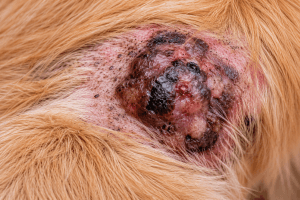
Melanoma at a Glance
Most common in
Middle-aged and older dogs, with certain breeds predisposed.
Common signs
Dark or pink masses, oral bleeding, bad breath, toe swelling or limping.
Diagnosis
Physical examination, biopsy, pathology and staging tests.
Treatment
Surgery, radiation and selected additional cancer therapies.
Prognosis
Depends on tumor location, malignancy, stage and treatment.
Common locations
Mouth, lips, skin, nail beds and occasionally eyes.
What Is Melanoma in Dogs?
Melanoma in dogs is a tumor that develops from melanocytes, the pigment-producing cells responsible for coloring the skin and other tissues. Melanocytic tumors can occur on the skin, inside the mouth, around the lips, beneath the nails or in the eyes. Many melanocytic tumors of the haired skin are benign and are called melanocytomas, while malignant melanomas can invade surrounding tissues and spread to other parts of the body. Oral and nail-bed melanomas are particularly concerning because they are frequently aggressive and may spread to nearby lymph nodes or the lungs. These tumors can appear as darkly pigmented growths, although some are pink or lack noticeable pigment. Melanoma is more commonly diagnosed in middle-aged and older dogs, and the prognosis depends on the tumor’s location, biological behavior, stage and response to treatment. Early veterinary evaluation is important for identifying suspicious growths and determining appropriate treatment.


Types
Dogs can develop different forms of melanoma, and each can behave differently depending on where it appears in the body. Melanoma may occur in the skin, mouth, nail bed, or eye, with some forms being less aggressive and others more likely to spread. Understanding the most common types of melanoma can help pet parents recognize symptoms, explore treatment options, and better understand prognosis.
Oral Melanoma
Develops in the gums, tongue, palate, or other tissues inside the mouth. Often aggressive, with a significant risk of spreading to lymph nodes and lungs.
Cutaneous Melanoma
Develops on the skin as a pigmented or nonpigmented growth. Many skin melanocytic tumors are benign melanocytomas, but malignant skin melanomas can occur.
Subungual (Nail-Bed) Melanoma
Develops beneath a toenail or around the nail bed. Often aggressive and may cause toe swelling, nail loss, persistent limping, or bone destruction.
Ocular Melanoma
A melanocytic tumor affecting structures of the eye. Behavior varies by location; many iris and uveal tumors are benign, while conjunctival melanoma is more likely to be malignant.
Mucocutaneous Melanoma
Occurs where the skin meets mucous membranes, particularly around the lips. Some tumors behave aggressively, making early diagnosis important.


Other Rare Melanoma Locations
Less commonly, melanoma may develop on the footpads, in the nasal cavity, gastrointestinal tract, or other internal tissues. Symptoms and prognosis depend on the affected area.
Predisposed Dog Breeds
While melanoma can affect any dog, certain breeds have a higher genetic risk. Factors such as size, lifespan, and inherited traits make some breeds more prone to melanoma than others.
| Melanoma Type / Location | Predisposed Breeds | Notes on Risk Factors |
|---|---|---|
| Oral Melanoma | Golden Retriever, Scottish Terrier, Chow Chow, Dachshund, Cocker Spaniel, Poodle | These breeds have a reported higher risk of oral melanoma. Dark oral pigmentation and inherited traits may contribute to susceptibility. Oral melanoma is often aggressive and more common in older dogs. |
| Nail-Bed (Subungual) Melanoma | Schnauzer, Rottweiler, Scottish Terrier, Golden Retriever, Irish Setter | These breeds are more frequently affected by melanoma arising beneath the toenails. Tumors may cause toe swelling, nail loss, lameness, or bone destruction. Many malignant nail-bed melanomas are aggressive. |
| Digital (Toe) Melanoma | Rottweiler, Labrador Retriever | Studies have identified increased occurrence of malignant digital melanoma in these breeds. Tumors affect the toes and may involve the nail bed or surrounding tissues. Older dogs are more commonly affected. |
| Cutaneous (Skin) Melanoma | Miniature Schnauzer, Standard Schnauzer, Scottish Terrier | These breeds have reported susceptibility to skin melanocytic tumors. Many tumors on haired skin are benign melanocytomas, while malignant melanoma is less common. Biopsy is needed to determine tumor behavior. |
| Ocular (Eye) Melanocytic Tumors | Golden Retriever, Labrador Retriever, German Shepherd | These breeds have reported predispositions to certain melanocytic eye tumors, particularly limbal tumors. Many ocular melanocytic growths are benign, although some locations can develop malignant tumors. |
| Other Skin Melanocytic Tumors | Doberman Pinscher, Vizsla, Irish Setter, Golden Retriever | These breeds are frequently represented among dogs with skin melanocytomas. Such growths are generally benign and should not automatically be classified as malignant melanoma. Veterinary testing helps distinguish the two. |
Causes
Melanoma in dogs usually develops from a combination of genetic, age-related, environmental, and cellular factors rather than a single cause. While melanoma cannot always be completely prevented, understanding the factors that may increase risk can help pet parents make informed decisions about monitoring, lifestyle, and early detection.
Genetics
Certain breeds, including Scottish Terriers, Schnauzers, and Golden Retrievers, have reported predispositions to melanocytic tumors. Inherited traits may influence susceptibility, although the precise genetic causes are not fully understood.
Age
Melanoma is more commonly diagnosed in middle-aged and older dogs. As dogs age, genetic changes can accumulate in cells, potentially increasing the likelihood of abnormal melanocyte growth.
Cellular Mutations
Melanoma develops when genetic changes disrupt the normal regulation of pigment-producing cells called melanocytes. These changes may allow cells to multiply uncontrollably and form malignant tumors.
Sex-Related Factors
Some veterinary reports suggest that male dogs may develop certain melanocytic tumors more frequently than females. However, reproductive hormones have not been established as a direct cause of canine melanoma.
Tumor Location
Location influences the likelihood of aggressive behavior rather than causing melanoma itself. Tumors in the mouth and nail beds are frequently malignant, while many melanocytic tumors on haired skin are benign.
Environmental Factors
Environmental influences may contribute to cancer development in general, but specific exposures such as pesticides, household chemicals, or pollutants have not been established as direct causes of melanoma in dogs.
Sun Exposure
Unlike human melanoma, canine melanoma is not generally linked to ultraviolet radiation. Many aggressive melanomas develop in areas with little or no sun exposure, such as the mouth and nail beds.
Symptoms
Melanoma symptoms in dogs can vary widely depending on the type, location, size, and stage of the disease. Some signs may be subtle at first, while others can become more noticeable as the tumor grows or spreads. Common warning signs include dark or pink lumps, oral bleeding, bad breath, difficulty eating, swollen toes, nail loss, limping, eye changes, or unexplained weight loss. Because many of these symptoms can also be caused by other conditions, any persistent or unusual changes should be evaluated by a veterinarian.
- New or changing dark or pink lumps
- Unusual growths inside the mouth
- Persistent bad breath or excessive drooling
- Bleeding from oral masses or skin growths
- Difficulty chewing or swallowing
- Swollen toes or loss of a toenail
- Limping or persistent paw pain
- Dark spots in the eye or vision changes
- Enlarged lymph nodes near the jaw or neck
- Decreased appetite or unexplained weight loss
- Coughing or breathing difficulty if melanoma spreads to the lungs
Melanoma symptoms vary by tumor location and stage.
Stages & Progression of Melanoma in Dogs
Melanoma in dogs can progress at very different rates depending on the tumor type, location, size, and whether it has spread to nearby tissues or other parts of the body. Staging helps veterinarians determine how advanced the melanoma is, whether it has metastasized, and which treatment options may be most appropriate. Understanding the stage of disease can also provide important insight into prognosis, expected progression, and the level of care your dog may need.
Small & Localized
The oral melanoma is smaller than 2 cm and has no detected spread to regional lymph nodes or distant organs. Early-stage disease generally offers more favorable treatment opportunities.
Larger Localized Tumor
The tumor measures 2 cm to less than 4 cm, without detected lymph node or distant metastasis. Treatment may involve surgery, radiation, or additional therapies depending on the case.
Large / Regional Disease
The tumor is 4 cm or larger, or melanoma has spread to nearby lymph nodes, without detected distant metastasis. The risk of further spread is higher and treatment may require multiple approaches.
Distant Metastasis
Melanoma has spread to distant organs or tissues, commonly the lungs. Prognosis is generally guarded to poor, and treatment may focus on disease control, comfort, and quality of life.
Note: This chart illustrates the traditional WHO staging system for canine oral malignant melanoma, based on tumor size, regional lymph node involvement, and distant metastasis. It does not predict how quickly the disease will progress, and dogs do not necessarily pass through every stage. Melanomas affecting the skin, nail beds, or eyes may require different staging assessments. A veterinarian determines the stage through examination, diagnostic testing, and appropriate imaging.
Top Ways to Prevent Melanoma in Dogs
Because melanoma is a multifactorial and often age-related disease, prevention focuses on early detection and risk reduction rather than complete avoidance. By monitoring your dog for new lumps, checking the mouth, toes, and skin regularly, and scheduling routine veterinary exams, the chances of catching melanoma early may be improved. Proactive care helps support earlier diagnosis, more treatment options, and better long-term outcomes.
| Prevention & Early-Detection Strategy | Why It Helps | How to Do It |
|---|---|---|
| Schedule Regular Veterinary Exams | Routine examinations may help identify suspicious melanocytic tumors before they cause noticeable symptoms or become more advanced. | Schedule regular wellness visits, including thorough examinations of the mouth, skin, eyes, and paws. Ask your veterinarian about appropriate screening frequency for older or predisposed dogs. |
| Check Your Dog’s Mouth Regularly | Oral melanoma is often aggressive and may initially appear as a small dark or pink growth. Early recognition can allow for faster diagnosis and treatment. | Gently inspect the lips and visible gums for unusual masses, discoloration, swelling, or bleeding. Watch for bad breath, excessive drooling, or difficulty chewing. Never force your dog’s mouth open. |
| Monitor Skin Lumps & Growths | Melanocytic tumors can develop on the skin and may resemble harmless moles or other growths. Some are benign, while others are malignant. | Examine your dog’s skin during grooming and petting. Look for new, enlarging, bleeding, or changing lumps, including dark or pink growths. Have suspicious masses evaluated by a veterinarian. |
| Inspect Paws & Nail Beds | Nail-bed melanoma is frequently malignant and may cause painful swelling, nail damage, or lameness. Early recognition can help prevent delays in diagnosis. | Examine your dog’s toes and nails regularly. Watch for persistent swelling, loose or missing nails, sores, excessive licking, or limping. Seek veterinary care for unexplained or persistent changes. |
| Monitor Eye Changes | Melanocytic tumors can develop in different structures of the eye. Although many are benign, some may affect vision or cause serious eye complications. | Watch for new dark spots, eye redness, abnormal pupil shape, cloudiness, excessive tearing, or vision changes. Report unusual findings promptly to your veterinarian. |
| Know Your Dog’s Breed & Age Risk | Melanoma is more commonly diagnosed in older dogs, and certain breeds have reported genetic predispositions. Awareness supports closer monitoring of potentially higher-risk dogs. | Discuss breed-specific risks with your veterinarian. Pay particular attention to older dogs and breeds such as Scottish Terriers, Golden Retrievers, Cocker Spaniels, Chow Chows, and Schnauzers. |
| Track Changes in Existing Growths | Monitoring changes in a lump’s appearance or size may help owners identify concerning developments and provide useful information during veterinary examinations. | Take clear photographs of visible growths and record their location, approximate size, and any changes. Do not wait for a lump to grow before arranging a veterinary assessment. |
| Seek Prompt Diagnosis & Treatment | Detecting malignant melanoma before it spreads may improve treatment opportunities and prognosis. Appearance alone cannot reliably determine whether a mass is cancerous. | Arrange a veterinary examination for suspicious growths or symptoms. Your veterinarian may recommend fine-needle aspiration, biopsy, histopathology, or imaging to establish a diagnosis and assess potential spread. |
Important: There is no proven method to prevent melanoma in dogs. These strategies focus on early recognition, veterinary monitoring, and timely diagnosis rather than eliminating the risk of developing the disease.
Actionable Resources
While no diet or supplement has been proven to prevent or slow melanoma in dogs, proper nutrition and supportive care can help maintain your dog’s overall health and comfort. Here are some resources to explore under veterinary guidance.
Adapt this for melanoma in dogs
How Is Melanoma in Dogs Diagnosed
Diagnosing melanoma in dogs requires a comprehensive veterinary evaluation to determine the presence, type, location, and stage of the disease. Key steps include:
1. Examination
Your veterinarian examines the skin, mouth, nail beds, eyes, and nearby lymph nodes while reviewing your dog’s medical history and symptoms. Suspicious dark or pink growths, swelling, bleeding, or changes in existing lumps are assessed.
2. Laboratory Tests
Bloodwork, including a complete blood count and chemistry panel, along with urinalysis, helps evaluate overall health and organ function. These tests do not diagnose melanoma directly but help assess your dog’s readiness for anesthesia and treatment.
3. Imaging
Chest X-rays or CT scans may be used to check for melanoma spread to the lungs. CT or MRI can help assess tumor size and invasion into nearby tissues or bone, especially with oral melanoma. Abdominal ultrasound may also be recommended in certain cases.
4. Cytology / Biopsy
Fine-needle aspiration may collect cells from a suspicious mass for microscopic examination. A tissue biopsy is often needed to confirm melanoma, particularly when the tumor lacks dark pigmentation. Nearby lymph nodes may also be sampled to check for possible spread.
5. Pathology
A veterinary pathologist examines tumor tissue to confirm whether it is a benign melanocytoma or malignant melanoma and evaluate features associated with tumor behavior. Special staining or immunohistochemistry may be needed to identify poorly pigmented melanomas.
6. Staging
Staging determines the melanoma’s extent by assessing tumor size, local invasion, regional lymph nodes, and possible spread to the lungs or other organs. Oral melanoma may be classified from Stage I to IV, while melanomas in other locations require site-specific evaluation.
Early detection is vital because melanoma responds best when treated in its initial stages—allowing for more effective management and improved quality of life.
Nutritional Support & Supplements
Proper nutrition can play an important supportive role for dogs with melanoma by helping maintain energy, muscle mass, immune function, and overall quality of life during treatment. Depending on your dog’s needs, veterinarians may recommend strategies such as highly digestible, nutrient-dense diets and supplements including omega-3 fatty acids, probiotics, certain antioxidants, medicinal mushrooms, or liver-support nutrients.
Important: No diet, supplement, or natural remedy has been proven to cure or slow melanoma in dogs. Some supplements can interfere with cancer medications or treatments. Always consult your veterinarian or veterinary oncologist before introducing supplements or making major dietary changes. Dogs struggling to eat or swallow should receive prompt veterinary assessment.
Supportive care—such as pain management, nutritional support, and lifestyle adjustments—plays a crucial role in maintaining comfort and quality of life for dogs with melanoma during treatment. These options are not a cure for melanoma and may interact with chemotherapy or other medications, so any diet or supplement plan should be reviewed with your veterinarian or veterinary oncologist.
Over-the-Counter Products
Over-the-counter treatments and supplements mentioned in this article for melanoma in dogs can be found on Amazon and Chewy.


Always consult your veterinarian before starting any new treatment, medication, or home-care regimen for canine melanoma. Puppies and dogs with persistent vomiting, diarrhea, weakness, or dehydration may require prompt veterinary care. If you can’t reach your vet, you can chat live with a registered online veterinary professional via our online vet chat or video chat support (24 hours a day, 7 days a week). Or use Chewy’s online vet services (6 a.m. – midnight ET).
Treatment & Care
According to current veterinary oncology research, the most effective treatments for melanoma in dogs often involve a multimodal approach, combining several therapies depending on the tumor’s location, stage, and spread. These may include surgery to remove tumors, radiation therapy to control remaining cancer cells, and immunotherapy to help the immune system target melanoma. Chemotherapy may also be considered, although its effectiveness against melanoma is often limited.
Medications
Common medications used to treat melanoma in dogs include:
| Medication / Class | Examples | How It Is Used | Important Considerations |
|---|---|---|---|
| Immunotherapy | Melanoma vaccine (such as Oncept, when available) | May be used after local treatment such as surgery or radiation, especially for oral melanoma, to help stimulate an immune response against melanoma cells. | Availability may vary and response is not guaranteed. It is not a preventive vaccine and is generally used under veterinary oncology guidance. |
| Platinum Chemotherapy | Carboplatin, cisplatin | Sometimes used for malignant melanoma, particularly in dogs with aggressive disease or when spread is suspected or confirmed. | Effectiveness can be variable. Monitoring is needed because these drugs may lower blood cell counts and cause gastrointestinal side effects. |
| Alkylating / Oral Chemotherapy | Temozolomide, lomustine (selected cases) | May be considered in selected melanoma cases when multimodal treatment is pursued or when other options are limited. | These drugs are not standard for every dog with melanoma and may cause bone marrow suppression, gastrointestinal upset, or liver-related effects. |
| Targeted Therapy | Toceranib phosphate | May be considered in selected cases under veterinary oncology guidance, especially when more conventional treatments are not sufficient or feasible. | Use is case-dependent and not considered a primary treatment for most melanomas. Possible side effects include diarrhea, vomiting, appetite loss, and low blood cell counts. |
| Corticosteroids | Prednisone, prednisolone | May help reduce inflammation, swelling, and discomfort and can be used as part of palliative care in dogs with advanced melanoma. | These drugs do not cure melanoma. Long-term use may cause increased thirst, appetite, urination, muscle loss, and immune suppression. |
| Anti-Inflammatory Drugs | Piroxicam, meloxicam, other veterinarian-selected NSAIDs | Used to help control pain and inflammation, particularly in dogs with oral tumors, toe lesions, or discomfort from local tissue invasion. | NSAIDs can affect the stomach, intestines, kidneys, and liver and should only be used under veterinary supervision. They should not generally be combined with corticosteroids. |
| Pain Management | Gabapentin, amantadine, tramadol, opioid analgesics | Used to manage pain associated with oral melanoma, nail-bed melanoma, bone involvement, or advanced disease. | Pain-control plans are individualized and may involve more than one medication. Sedation or dose adjustments may be needed in some dogs. |
| Bone Support Medications | Pamidronate, zoledronate | May be used when melanoma invades bone or causes significant bone pain, particularly in advanced oral or digital disease. | These drugs are supportive rather than curative and require veterinary monitoring, especially of kidney function. |
| Anti-Nausea Medications | Maropitant, ondansetron | Used to help control nausea and vomiting related to chemotherapy, pain medications, or reduced appetite during treatment. | These medications do not treat melanoma itself but can improve comfort, hydration, and willingness to eat. |
| Appetite Support | Mirtazapine, capromorelin | May be used when melanoma or treatment side effects reduce appetite, especially in dogs struggling to maintain weight. | Appetite stimulants are supportive care only and should be used along with veterinary evaluation of the underlying cause of decreased eating. |
The best way to get these medications is at Chewy Pet Pharmacy:
Alternative & Integrative Therapies
Integrative and supportive therapies can help manage symptoms, reduce discomfort, and improve quality of life for dogs with melanoma. Options such as acupuncture, gentle massage, CBD, and comfort-focused care may be used alongside conventional treatment, but should always be discussed with your veterinarian to ensure they are safe and appropriate for your dog. Laser therapy requires particular caution around tumors, and these approaches do not replace standard melanoma treatment.
Surgical Options
Surgery is one of the most important treatment options for melanoma in dogs, particularly when the tumor is localized and can be safely removed. Depending on the melanoma type and location, surgery may be used to remove the entire tumor, reduce tumor size, obtain a biopsy, relieve pain or obstruction, or improve quality of life. Some dogs may also require partial jaw removal for oral melanoma, toe amputation for nail-bed melanoma, or lymph node removal to assess cancer spread. Your veterinarian or veterinary surgeon will determine whether surgery is appropriate based on the tumor’s size, stage, location, and your dog’s overall health.
Emotional & Lifestyle Impact
A melanoma diagnosis can be emotionally challenging for both dogs and their families. Dogs may experience changes in energy, appetite, mobility, and behavior, particularly when tumors affect the mouth, skin, or paws, while some treatments can cause temporary discomfort or side effects. With thoughtful care and support, many dogs can continue to enjoy happy, comfortable lives throughout treatment.
For Dogs
- Possible changes in energy, appetite, and activity
- Difficulty eating or chewing with oral melanoma
- May experience pain, limping, or reduced mobility with nail-bed melanoma
- Adjusting to surgery, veterinary visits, and ongoing treatments
- Can still enjoy gentle play, affection, and time with family when comfortable
For Pet Parents
- It’s normal to feel worried, sad, or overwhelmed by a melanoma diagnosis
- Focus on your dog’s comfort, appetite, mobility, and happiness
- Work closely with your veterinarian to understand treatment options and prognosis
- Seek emotional support from family, friends, or pet cancer support communities
- Cherish everyday moments and prioritize your dog’s quality of life
A melanoma diagnosis may change your journey, but it doesn’t take away the love you share. Focus on comfort, the good moments, and making every day together meaningful.
Brighter tomorrows.
Dog Melanoma Prognosis
A dog’s melanoma prognosis depends on several factors, including the tumor’s location, size, stage at diagnosis, response to treatment, overall health, and level of supportive care. Melanomas affecting the skin are often less aggressive, while oral and nail-bed melanomas may spread more quickly. Working closely with your veterinary team can help guide treatment decisions, manage symptoms, and maintain the best possible quality of life for your dog.
Key Factors That Influence Prognosis
Typical Annual Cost of Treating Canine Melanoma
| Category | Estimated Cost Range (USD) | Notes |
|---|---|---|
| Initial Diagnosis & Staging | $500 – $2,500+ | Includes veterinary examinations, bloodwork, biopsy, pathology, lymph node sampling, and chest imaging. Advanced CT or MRI scans may increase costs further. |
| Skin Melanoma Removal | $500 – $2,000+ | Surgical excision of localized skin melanocytic tumors. Costs depend on tumor size, location, anesthesia, surgical margins, and pathology. |
| Nail-Bed Melanoma Surgery | $1,000 – $2,500+ | Often involves amputation of the affected toe to remove malignant melanoma. Complex cases or specialist procedures may cost more. |
| Oral Melanoma Surgery | $3,000 – $9,000+ | May involve extensive tumor removal, partial jaw removal, or lymph node surgery. Specialist procedures and hospitalization can substantially increase treatment costs. |
| Radiation Therapy | $2,500 – $12,000 | Used for incompletely removed oral melanomas, tumors that cannot be surgically removed, or palliative symptom control. Cost depends on treatment planning and the number of sessions. |
| Immunotherapy / Melanoma Vaccine | $2,400 – $3,200+ | An initial four-dose Oncept melanoma vaccine course may cost approximately $600–$800 per visit. Additional booster treatments, commonly scheduled every six months, increase costs. Benefits vary and remain uncertain. |
| Chemotherapy | $3,600 – $4,800+ | An illustrative six-treatment carboplatin course at $600–$800 per visit. Chemotherapy is considered selectively for melanoma, and evidence of improved survival remains limited. |
| Follow-Up Exams & Imaging | $300 – $1,800+ | Illustrative annual budget for veterinary rechecks, examination of surgical sites and lymph nodes, and imaging when indicated to monitor recurrence or metastasis. |
| Medications & Palliative Care | $200 – $2,000+ | Illustrative annual budget for pain relief, anti-nausea drugs, appetite support, wound care, and comfort-focused treatment. Advanced cases may require more. |
| Nutritional Support & Supplements | $200 – $1,200+ | Optional additional spending on soft or therapeutic diets, nutritional consultations, and veterinarian-approved supplements. No supplement is proven to cure or slow canine melanoma. |
| Alternative / Integrative Therapies | $300 – $2,000+ | Optional supportive care such as acupuncture, rehabilitation, and comfort-focused therapies. Costs vary widely, and these treatments do not replace conventional melanoma treatment. |
| Pet Insurance Coverage | Varies by policy | Some pet insurance plans reimburse eligible diagnostic and melanoma treatment expenses after deductibles, subject to reimbursement rates, coverage limits, and exclusions. Pre-existing conditions are generally excluded. |
| Illustrative First-Year Total | Smaller Localized Tumors: $1,000 – $5,000+ | Complex Oral or Multimodal Treatment: $8,000 – $25,000+ | |
Important: These are approximate U.S. planning estimates, not guaranteed prices or national averages. They combine published treatment prices with illustrative budgets for ongoing supportive care. One-time procedures are included because they may occur during the first year after diagnosis; they are not necessarily repeated annually. Most dogs will not need every treatment listed, so individual rows should not be added together to calculate a standard annual bill. Costs vary by tumor location, disease stage, geographic region, veterinary facility, and treatment plan. Request a personalized written estimate from your veterinary team.
Melanoma care can add up quickly — from daily medications to possible surgeries. Pet insurance can ease the financial burden and ensure your dog gets the best treatment without compromise. If you want to compare plans and find out which providers offer the best coverage for melanoma and chronic conditions, check out our full guides to the Best Pet Insurance for Dogs and Best Pet Wellness Plans.
Related Health Conditions
Some health conditions are closely related to melanoma in dogs because they may involve similar tumors, affect the skin, mouth, eyes, or paws, or cause overlapping symptoms. Understanding these related conditions can help dog owners recognize potential warning signs, distinguish melanoma from other diseases, and better understand the diagnostic and treatment options their veterinarian may recommend.
- Cancer in Dogs
- Mast Cell Tumors
- Squamous Cell Carcinoma
- Benign Melanocytomas
- Skin Infections in Dogs
- Staph Infection in Dogs
- Hot Spots in Dogs
- Gum Disease in Dogs
- Glaucoma in Dogs
- Hyperkeratosis in Dogs
Frequently Asked Questions
The Bottom Line
Melanoma in dogs can be a serious diagnosis, particularly when tumors develop in the mouth or nail beds, but early detection and appropriate treatment can make a meaningful difference. Advances in veterinary oncology, including surgery, radiation therapy, and immunotherapy, provide options for managing the disease and maintaining quality of life. By recognizing early warning signs, scheduling regular veterinary checkups, and providing proper nutrition and supportive care, you can help your dog remain comfortable and enjoy meaningful time with your family. Above all, your love, attention, and commitment can make every day count throughout your dog’s melanoma journey.