
Cancer in Dogs: Symptoms, Types, Causes, Signs & Prevention


Canine Bible is reader-supported. We receive affiliate commissions via some of our links. Learn more.
A comprehensive guide to cancer in dogs, including common types, risk factors, warning signs, diagnostic testing, treatment options, prognosis and what pet parents should know when caring for a dog with cancer.
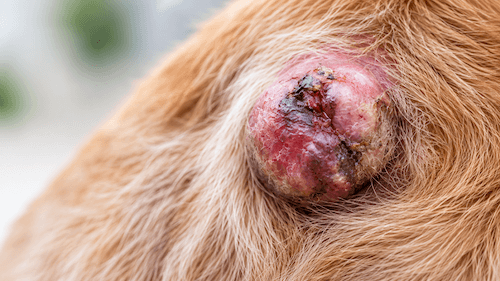
Cancer at a Glance
Most common in
Middle-aged and senior dogs.
Common signs
Lumps, weight loss, lethargy and appetite changes.
Diagnosis
Examination, imaging, cytology or biopsy.
Treatment
Surgery, chemotherapy, radiation and supportive care.
Prognosis
Varies by cancer type, stage and treatment response.
Lifetime risk
About 1 in 4 dogs will develop cancer during their lifetime.
What Is Cancer in Dogs?
Cancer occurs when abnormal cells grow and divide uncontrollably. These cells may form tumors, invade nearby tissues or spread to other parts of the body. Cancer can develop in almost any organ or tissue and represents many different diseases rather than one single condition. Some tumors are benign, meaning they do not invade surrounding tissue or spread to distant parts of the body, while malignant tumors are cancerous and may invade nearby tissues or metastasize to other organs. Cancer becomes more common as dogs age, although dogs of any age can be affected, and the signs, treatment options and prognosis depend heavily on the type of cancer, where it develops and whether it has spread.


Types
Dogs can develop many different types of cancer, and each can affect the body in different ways. Some begin in the skin, bones, blood vessels, lymphatic system, or internal organs, while others may spread from one area to another. Understanding the most common types can help pet parents recognize why symptoms, treatment options, and prognosis can vary so widely.
Lymphoma
A cancer of the lymphatic system that can affect lymph nodes and other organs.
Mast Cell Tumors
A common skin cancer that arises from mast cells in the skin or underlying tissue.
Osteosarcoma
An aggressive bone cancer most often affecting the legs of large and giant-breed dogs.
Hemangiosarcoma
An aggressive cancer of blood vessel cells, often affecting the spleen, heart, or liver.
Melanoma
A cancer of pigment-producing cells, commonly found in the mouth, skin, or nail beds.
Mammary Gland Tumors
Tumors affecting the mammary glands, particularly common in older unspayed female dogs.


Transitional Cell Carcinoma
A cancer of the bladder lining that can cause frequent urination, straining, or blood in the urine.
Soft Tissue Sarcomas
A group of cancers that develop in connective tissues such as fat, muscle, and fibrous tissue.
Anal Gland Adenocarcinoma
A cancer of the anal glands that can spread to nearby lymph nodes and other tissues.
Other Cancers
Includes other cancers such as brain tumors, liver tumors, eye tumors, and various carcinomas.
Predisposed Dog Breeds
While cancer can affect any dog, certain breeds have a higher genetic risk. Factors such as size, lifespan, and inherited traits make some breeds more prone to specific cancers than others.
| Size / Group | Breeds | Notes on Risk Factors |
|---|---|---|
| Large & Giant Breeds | Golden Retriever, Rottweiler, Great Dane, Bernese Mountain Dog, Irish Wolfhound, Mastiff, Saint Bernard | High incidence of lymphoma, osteosarcoma, and hemangiosarcoma. Larger body size increases cancer cell replication risk. |
| Medium Breeds | Boxer, German Shepherd, Labrador Retriever, Standard Poodle, Flat-Coated Retriever | Genetic predisposition to mast cell tumors and lymphomas. Boxers and Retrievers show higher rates of skin and spleen cancers. |
| Small Breeds | Beagle, Boston Terrier, Cocker Spaniel, Dachshund | Increased risk of mammary tumors and skin cancers, particularly in unspayed females or dogs with sun exposure. |
| Toy Breeds | Miniature Poodle, Chihuahua, Maltese, Yorkshire Terrier | Lower cancer rates overall but may develop mammary or oral tumors later in life due to hormonal or dental-related factors. |
| Working & Herding Breeds | Australian Shepherd, Border Collie, Doberman Pinscher, Belgian Malinois | Genetic vulnerability to hemangiosarcoma and lymphoma. Some lines carry hereditary mutations linked to tumor growth. |
| Other Predisposed Breeds | Scottish Terrier, Bouvier des Flandres, Vizsla, Weimaraner | Higher likelihood of bladder, thyroid, or skin cancers, depending on breed genetics and environmental exposure. |
Causes
Cancer in dogs usually develops from a combination of genetic, age-related, environmental, hormonal, and lifestyle factors rather than a single cause. While many cancers cannot be completely prevented, understanding the factors that may increase risk can help pet parents make informed decisions about screening, lifestyle, and early detection.
Genetics
Some dogs inherit genetic variants that increase susceptibility to particular cancers and tumor types.
Age
Cancer becomes more common as dogs age because cellular damage and genetic mutations can accumulate over time.
Environmental Factors
Exposure to certain chemicals, pesticides, pollutants, or secondhand smoke may contribute to cancer risk.
Hormonal Influences
Reproductive hormones can influence the development of some cancers, including mammary gland tumors.
Diet & Lifestyle
Obesity, poor nutrition, and low physical activity may contribute indirectly to chronic disease and some cancer risks.
Chronic Inflammation
Long-term inflammation from chronic infections or immune-mediated disease may promote abnormal cellular changes.
Sun Exposure
Prolonged ultraviolet exposure can increase the risk of certain skin cancers, especially in lightly pigmented dogs.
Symptoms
Cancer symptoms in dogs can vary widely depending on the type, location, size, and stage of the disease. Some signs may be subtle at first, while others can become more noticeable as the cancer progresses. Common warning signs include unexplained lumps, weight loss, appetite changes, unusual bleeding, persistent coughing, low energy, pain, or changes in normal behavior. Because many of these symptoms can also be caused by other conditions, any persistent or unusual changes should be evaluated by a veterinarian.
- Lumps or abnormal swelling
- Unexplained weight loss
- Decreased appetite
- Lethargy or decreased activity
- Persistent vomiting or diarrhea
- Coughing or difficulty breathing
- Lameness or stiffness
- Changes in urination or defecation
- Non-healing wounds
- Behavior changes such as withdrawal or irritability
Cancer can develop in almost any part of the body.
Stages & Progression of Cancer In Dogs
Cancer in dogs can progress at very different rates depending on the tumor type, location, and whether it has spread to nearby tissues or other parts of the body. Staging helps veterinarians determine how advanced the cancer is, whether it has metastasized, and which treatment options may be most appropriate. Understanding the stage of disease can also provide important insight into prognosis, expected progression, and the level of care your dog may need.
Localized
Cancer is generally confined to its original location and has not been identified in nearby lymph nodes or distant organs.
Growing Locally
The tumor may be larger or more established but is still mostly limited to the local area where it began.
Regional Spread
Cancer may involve surrounding tissues or nearby lymph nodes and often requires a broader treatment strategy.
Distant Spread
The disease has spread to distant organs or tissues, also called metastasis, which can significantly affect prognosis.
This chart is a simplified visual guide. Real cancer progression in dogs does not always follow a predictable timeline, and formal staging systems differ by cancer type.
- Stage I: Subtle changes such as mild fatigue, reduced appetite, or small lumps under the skin.
- Stage II: Noticeable weight loss, persistent vomiting or coughing, and enlarged lymph nodes.
- Stage III: Visible tumors, difficulty breathing or walking, weakness, and internal organ involvement.
- Stage IV: Severe pain, organ failure, bleeding, and significant decline in overall quality of life.
Top Ways to Prevent Cancer in Dogs
Because cancer is a multifactorial and often age-related disease, early prevention and lifestyle management are essential. By minimizing exposure to carcinogens, maintaining a balanced diet, and scheduling regular veterinary checkups, the risk of cancer can be significantly reduced. Proactive care helps detect issues early, improving your dog’s chances for a longer, healthier life.
| Prevention Strategy | Why It Helps | How to Do It |
|---|---|---|
| Feed a Balanced, High-Quality Diet | Proper nutrition supports immune health and helps prevent abnormal cell growth. | Use whole-food, antioxidant-rich diets with lean proteins, vegetables, and omega-3s. Avoid fillers and artificial preservatives. |
| Maintain a Healthy Weight | Excess body fat increases inflammation and oxidative stress, both linked to cancer. | Feed measured portions, use low-calorie treats, and ensure daily activity to prevent obesity. |
| Limit Exposure to Toxins | Environmental chemicals and pollutants can increase cancer risk over time. | Avoid lawn pesticides, secondhand smoke, chemical flea collars, and non-vet-approved cleaning products. |
| Regular Vet Screenings & Bloodwork | Early detection significantly improves treatment outcomes and survival rates. | Schedule annual or biannual vet exams, including lab tests, X-rays, or ultrasounds for at-risk breeds or senior dogs. |
| Spay or Neuter at the Right Time | Spaying prevents mammary gland tumors, and neutering reduces testicular and prostate cancer risk. | Consult your vet about the ideal timing based on your dog’s breed, size, and health. |
| Boost Immune Health | A strong immune system helps destroy abnormal cells before they become cancerous. | Provide probiotics, essential vitamins (A, C, E), and immune-supportive supplements if recommended by your vet. |
| Regular Exercise | Improves circulation, supports detoxification, and maintains a healthy immune response. | Incorporate moderate daily walks, playtime, and mental stimulation suited to your dog’s age and energy level. |
| Monitor for Early Signs | Recognizing subtle symptoms early allows for faster diagnosis and treatment. | Check for new lumps, appetite changes, lethargy, or weight loss; report anything unusual to your veterinarian. |
Actionable Resources
If you want to prevent or reduce the progression of cancer in your dog, here are some things you can do under veterinary guidance.
How Is Cancer In Dogs Diagnosed
Diagnosing cancer in dogs requires a comprehensive veterinary evaluation to determine the presence, type, and stage of the disease. Key steps include:
1. Examination
Your veterinarian performs a physical examination and reviews your dog’s medical history, symptoms, and any new or changing lumps or abnormalities.
2. Laboratory Tests
Bloodwork, urinalysis, and other laboratory tests help assess overall health, organ function, and abnormalities that may require further investigation.
3. Imaging
X-rays, ultrasound, CT scans, or MRI may be used to locate tumors, evaluate internal organs, and look for evidence that cancer has spread.
4. Cytology / Biopsy
Cells or tissue are collected from the mass using techniques such as fine-needle aspiration or biopsy so the abnormal cells can be examined.
5. Pathology
A veterinary pathologist examines the collected cells or tissue to determine whether cancer is present and, when possible, identify the tumor type and grade.
6. Staging
Additional testing may be performed to determine how extensive the cancer is and whether it has spread to lymph nodes, lungs, or other organs.
Early detection is vital because many cancers respond best when treated in their initial stages—allowing for more effective management and improved quality of life.
Nutritional Support & Supplements
Proper nutrition can play an important supportive role for dogs with cancer by helping maintain energy, muscle mass, immune function, and overall quality of life during treatment. Depending on your dog’s needs, veterinarians may recommend strategies such as highly digestible, nutrient-dense diets and supplements including omega-3 fatty acids, probiotics, certain antioxidants, medicinal mushrooms, or liver-support nutrients.
Important: Supplements can interact with medications
and may not be appropriate for all dogs.
Always discuss any supplements with your veterinarian, especially during
cancer treatment.
Supportive care—such as pain management, nutritional support, and lifestyle adjustments—plays a crucial role in maintaining comfort and quality of life during treatment. These options are not a cure for cancer and may interact with chemotherapy or other medications, so any diet or supplement plan should be reviewed with your veterinarian or veterinary oncologist.
Over-the-counter treatments and supplements mentioned in this article for cancer in dogs can be found on Amazon and Chewy.



Always consult your veterinarian before starting any new treatment, medication, or home-care regimen for canine cancer. Puppies and dogs with persistent vomiting, diarrhea, weakness, or dehydration may require prompt veterinary care. If you can’t reach your vet, you can chat live with a registered online veterinary professional via our online vet chat or video chat support (24 hours a day, 7 days a week). Or use Chewy’s online vet services (6 a.m. – midnight ET).
Treatment & Care
According to current veterinary oncology research, the most effective treatments for cancer in dogs are multimodal, combining several approaches for the best outcome. These may include surgery to remove tumors, chemotherapy or radiation therapy to target remaining cancer cells, and immunotherapy or targeted drug therapy to slow or stop cancer growth.
Medications
Common medications used to treat cancer in dogs include:
| Medication / Class | Examples | How It Is Used | Important Considerations |
|---|---|---|---|
| Doxorubicin | Doxorubicin | Chemotherapy drug used for several canine cancers, including lymphoma, certain sarcomas, and some other aggressive tumors. | Requires careful veterinary monitoring. Potential adverse effects include gastrointestinal upset, bone marrow suppression, and cumulative heart toxicity. |
| Vinca Alkaloids | Vincristine, vinblastine | Used in chemotherapy protocols for lymphoma, mast cell tumors, and several other cancers. | Blood cell counts are typically monitored because these drugs can suppress bone marrow function. Gastrointestinal effects may also occur. |
| Alkylating Agents | Cyclophosphamide, chlorambucil | Used alone or in combination chemotherapy protocols, particularly for lymphoma, leukemia, and certain immune-cell cancers. | Possible effects include bone marrow suppression and gastrointestinal upset. Cyclophosphamide can also irritate the urinary bladder. |
| Platinum Chemotherapy | Carboplatin | Frequently used for cancers such as osteosarcoma and certain carcinomas and solid tumors. | Can decrease blood cell counts and may cause gastrointestinal side effects. Bloodwork is generally required during treatment. |
| Nitrosoureas | Lomustine (CCNU) | May be used for lymphoma, mast cell tumors, histiocytic cancers, and selected other tumors. | Can cause significant bone marrow suppression and may affect the liver, so routine bloodwork and liver monitoring are important. |
| Targeted Therapy | Toceranib phosphate | A targeted cancer medication most notably used for certain mast cell tumors and sometimes other tumors under veterinary oncology guidance. | Possible adverse effects include diarrhea, decreased appetite, vomiting, low blood cell counts, and other complications requiring regular monitoring. |
| Corticosteroids | Prednisone, prednisolone | May reduce inflammation and cancer-related symptoms and can have direct anticancer effects in some lymphoid cancers such as lymphoma. | Long-term use can cause increased thirst, urination, appetite, muscle loss, and immune suppression. Starting steroids before definitive cancer testing may affect some diagnostic results and future treatment decisions. |
| Anti-Inflammatory Drugs | Piroxicam and other veterinarian-selected NSAIDs | May help control inflammation and pain and are sometimes incorporated into treatment for specific cancers, including certain urinary tract tumors. | Can affect the stomach, intestines, kidneys, and liver. NSAIDs should only be used under veterinary supervision and should not generally be combined with corticosteroids. |
| Anti-Nausea Medications | Maropitant, ondansetron | Used to prevent or control nausea and vomiting associated with chemotherapy, cancer, or other medications. | These medications do not treat the cancer itself but can make treatment more comfortable and help dogs maintain appetite and hydration. |
| Pain Management | Gabapentin, veterinarian-prescribed analgesics | Used to manage cancer-related discomfort, particularly in dogs with painful tumors, bone involvement, or advanced disease. | Pain-control plans are individualized and may involve several medications working through different mechanisms. |
The best way to get these medications is at Chewy Pet Pharmacy:
Alternative & Integrative Therapies
Integrative and supportive therapies can help manage symptoms, reduce discomfort, and improve quality of life for dogs with cancer. Options such as acupuncture, massage, laser therapy, CBD, and comfort-focused care may be used alongside conventional treatment, but should always be discussed with your veterinarian to ensure they are safe and appropriate for your dog.
Surgical Options
Surgery is one of the most important treatment options for many canine cancers, particularly when a tumor is localized and can be safely removed. Depending on the cancer type and location, surgery may be used to remove the entire tumor, reduce tumor size, obtain a biopsy, relieve pain or obstruction, or improve quality of life. Some dogs may also need reconstructive procedures, lymph node removal, or minimally invasive techniques. Your veterinarian or veterinary surgeon will determine whether surgery is appropriate based on the tumor’s size, spread, location, and your dog’s overall health.
Emotional & Lifestyle Impact
A cancer diagnosis can be emotionally challenging for both dogs and their families. Dogs may experience changes in energy, appetite, mobility, and behavior, while some treatments can cause temporary side effects. With thoughtful care and support, many dogs can continue to enjoy happy, comfortable lives throughout treatment.
For Dogs
- Possible changes in energy and activity
- Adjusting to vet visits and treatments
- May need help with mobility or daily care
- Can still enjoy play, affection, and time with family
For Pet Parents
- It’s normal to feel worried, sad, or overwhelmed
- Focus on your dog’s comfort and happiness
- Lean on your veterinary team for guidance
- Join support groups or online communities
- Cherish the time you have together
“A cancer diagnosis changes your journey, but it doesn’t take away the joy. Focus on today, the good days, and the love you share.”
Brighter tomorrows.
Dog Cancer Prognosis
A dog’s cancer prognosis depends on several factors, including the type of cancer, stage at diagnosis, response to treatment, overall health, and level of supportive care. Some cancers can be managed successfully for long periods, while others may progress more quickly. Working closely with your veterinary team can help guide treatment decisions, manage symptoms, and maintain the best possible quality of life for your dog.
Key Factors That Influence Prognosis
Typical Annual Cost of Treating Canine Cancer
| Category | Estimated Annual Cost Range | Notes |
|---|---|---|
| Initial Diagnosis & Testing | $500 – $2,000 | Includes exams, bloodwork, imaging, and biopsy to confirm cancer type and stage. |
| Surgery (Tumor Removal or Amputation) | $1,500 – $6,000+ | Cost varies by tumor type and complexity; can be curative for localized cancers. |
| Chemotherapy | $2,000 – $10,000+ | Used for cancers like lymphoma; typically 4–12 sessions over several months. |
| Radiation Therapy | $2,500 – $7,500 | Effective for nasal, bone, or residual tumors; requires multiple hospital visits. |
| Follow-Up Exams & Imaging | $500 – $1,500 | Routine checkups and scans every 3–6 months to monitor recurrence. |
| Medications & Palliative Care | $400 – $2,000 | Includes pain meds, anti-nausea drugs, steroids, and appetite stimulants. |
| Nutritional Support & Supplements | $300 – $1,200 | Special diets, omega-3s, mushrooms, and antioxidants to support recovery. |
| Alternative / Integrative Therapies | $600 – $3,000 | May include acupuncture, laser, CBD, or herbal support with conventional care. |
| Pet Insurance Coverage | Varies | Many plans cover 70–90% of approved costs after deductible; premiums $400–$1,200/yr. |
| Typical Annual Range | Early or Localized Cancer: $2,000 – $6,000 | Advanced or Multimodal Treatment: $8,000 – $20,000+ | |
Cancer care can add up quickly — from daily medications to possible surgeries. Pet insurance can ease the financial burden and ensure your dog gets the best treatment without compromise. If you want to compare plans and find out which providers offer the best coverage for cancer and chronic conditions, check out our full guides to the Best Pet Insurance for Dogs and Best Pet Wellness Plans.
Related Health Conditions
Some health conditions are closely linked to cancer because they may represent specific tumor types, affect similar organs, or cause overlapping symptoms. Understanding these related conditions can help dog owners recognize potential warning signs, learn how different cancers behave, and better understand the diagnostic and treatment options their veterinarian may recommend.
- Lymphoma
- Mast Cell Tumors
- Osteosarcoma
- Hemangiosarcoma
- Melanoma
- Mammary Tumors
- Soft Tissue Sarcomas
- Brain Tumors
- Liver Tumors
- Splenic Tumors
Frequently Asked Questions
The Bottom Line
Cancer in dogs is one of the most challenging diagnoses a pet parent can face, but it’s important to remember that it’s not always a hopeless one. Advances in veterinary medicine, early detection tools, and improved treatment options now allow many dogs to live longer, happier, and more comfortable lives—even after diagnosis. By learning to recognize early warning signs, scheduling regular vet checkups, and maintaining a healthy diet and lifestyle, you can play a vital role in protecting your dog’s health. Above all, your love, care, and commitment can make every day count, giving your dog the best possible quality of life through every stage of their journey.