Heartworms in Dogs: Symptoms, Types, Causes, Signs & Prevention


Canine Bible is reader-supported. We receive affiliate commissions via some of our links. Learn more.
A comprehensive guide to heartworms in dogs, including how infections spread, warning signs, diagnostic testing, treatment options, prevention, prognosis and when to seek urgent veterinary care.
Heartworms at a Glance
Most common in
Dogs exposed to mosquitoes, especially those without prevention.
Common signs
Coughing, tiredness, exercise intolerance and weight loss.
Diagnosis
Heartworm antigen and microfilaria blood tests; imaging if needed.
Treatment
Veterinary medications, melarsomine injections and strict rest.
Prognosis
Often favorable when treated early; serious disease carries more risk.
Prevention
Year-round preventives and regular heartworm testing.
What Are Heartworms in Dogs?
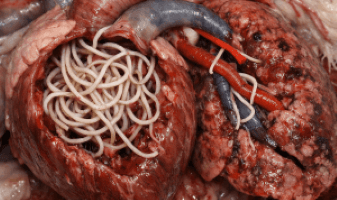
Heartworm disease is a serious infection caused by the parasitic roundworm Dirofilaria immitis. Dogs become infected when an infected mosquito bites them and transmits heartworm larvae. Over several months, these larvae can mature into adult worms that live primarily in the blood vessels of the lungs and, in severe cases, the heart. The infection can damage the lungs and cardiovascular system, causing coughing, fatigue, exercise intolerance and, in advanced cases, heart failure. Some dogs show no obvious symptoms in the early stages. Because heartworms spread through mosquitoes rather than direct contact between dogs, year-round prevention and routine testing are essential.


Types
Dogs can develop different stages of heartworm disease, and each can affect the body in different ways. Some infections cause mild symptoms, while others may damage the lungs, blood vessels, or heart and lead to serious complications. Understanding the different stages can help pet parents recognize why symptoms, treatment options, and prognosis can vary so widely.
Stage 1 (Class I): Mild Heartworm Disease
The earliest clinical classification, often causing no noticeable symptoms or only an occasional mild cough.
Stage 2 (Class II): Moderate Heartworm Disease
A moderate infection that may cause persistent coughing, fatigue, reduced exercise tolerance, and mild lung changes.
Stage 3 (Class III): Severe Heartworm Disease
An advanced infection that can cause significant lung damage, breathing difficulties, weight loss, and signs of heart failure.
Stage 4 (Class IV): Caval Syndrome
A life-threatening complication in which heartworms obstruct blood flow through the heart, potentially causing collapse, dark urine, and the need for emergency worm removal.


Predisposed Dog Breeds
While heartworms can affect any dog, no specific breed has a proven genetic predisposition. Factors such as mosquito exposure, geographic location, and lack of preventive medication make some dogs more prone to heartworm infections than others.
| Size / Group | Breeds | Notes on Risk Factors |
|---|---|---|
| Large & Giant Breeds | Golden Retriever, Rottweiler, Great Dane, Bernese Mountain Dog, Irish Wolfhound, Mastiff, Saint Bernard | Dogs spending time outdoors may have greater mosquito exposure. Large body size does not independently increase heartworm infection risk. |
| Medium Breeds | Boxer, German Shepherd, Labrador Retriever, Standard Poodle, Flat-Coated Retriever | Frequent outdoor exercise, walks, and activities in mosquito-heavy areas may increase exposure. Dogs without consistent heartworm prevention face greater infection risk. |
| Small Breeds | Beagle, Boston Terrier, Cocker Spaniel, Dachshund | Small dogs remain vulnerable to heartworms despite their size. Mosquito bites during short walks, outdoor play, or indoor exposure can transmit infection. |
| Toy Breeds | Miniature Poodle, Chihuahua, Maltese, Yorkshire Terrier | Indoor living does not eliminate heartworm risk because mosquitoes can enter homes. Toy breeds still require veterinarian-recommended year-round heartworm prevention. |
| Working & Herding Breeds | Australian Shepherd, Border Collie, Doberman Pinscher, Belgian Malinois | Dogs working or exercising outdoors for extended periods may experience increased mosquito exposure, especially near standing water or in warm, humid environments. |
| Other Breeds & Mixed Breeds | Scottish Terrier, Bouvier des Flandres, Vizsla, Weimaraner, Mixed-Breed Dogs | All breeds can develop heartworm disease. Geographic location, mosquito exposure, travel to endemic areas, and inconsistent preventive medication are more important risk factors than breed genetics. |
Causes
Heartworm disease in dogs develops when an infected mosquito transmits heartworm larvae through its bite. Factors such as geographic location, mosquito exposure, warm climates, and lack of preventive medication can increase the risk of infection. While heartworms can be effectively prevented, understanding the factors that may increase risk can help pet parents make informed decisions about prevention, routine testing, and early detection.
Infected Mosquito Bites
Heartworm disease begins when an infected mosquito bites a dog and transmits heartworm larvae into the bloodstream.
Mosquito Exposure
Dogs living in areas with large mosquito populations or spending more time outdoors are at greater risk of exposure.
Warm & Humid Climates
Heartworm transmission is more common in regions where warm temperatures and humidity support mosquito survival and breeding.
Lack of Preventive Medication
Dogs not receiving veterinarian-recommended monthly or long-acting heartworm prevention are much more likely to become infected.
Missed Doses or Gaps in Prevention
Skipped doses, delayed refills, or stopping prevention during part of the year can leave dogs unprotected against infection.
Travel to Endemic Areas
Dogs traveling or relocating to regions where heartworm disease is common may face increased exposure if prevention is inconsistent.
Outdoor & Environmental Exposure
Time spent near standing water, wooded areas, kennels, or mosquito-heavy environments can increase a dog’s chance of being bitten.
Symptoms
Heartworm symptoms in dogs can vary widely depending on the severity, duration, and stage of the disease. Some signs may be subtle at first, while others can become more noticeable as the infection progresses. Common warning signs include persistent coughing, fatigue, exercise intolerance, weight loss, decreased appetite, difficulty breathing, or a swollen abdomen. Because many of these symptoms can also be caused by other conditions, any persistent or unusual changes should be evaluated by a veterinarian.
- Persistent coughing
- Fatigue or decreased activity
- Reduced exercise tolerance
- Difficulty breathing
- Decreased appetite
- Unexplained weight loss
- Weakness or lethargy
- Swollen abdomen
- Collapse in severe cases
- Dark red urine with caval syndrome
Heartworm symptoms can range from subtle early signs to severe, life-threatening complications.
Stages & Progression of Heartworm Disease in Dogs
Heartworm disease in dogs can progress at very different rates depending on the number of worms present, how long the dog has been infected, and how much damage has occurred in the lungs, blood vessels, and heart. Staging helps veterinarians determine how advanced the disease is, how severely the heart and lungs are affected, and which treatment options may be most appropriate. Understanding the stage of disease can also provide important insight into prognosis, expected recovery, and the level of care your dog may need.
Mild Heartworm Disease
Dogs may show no noticeable symptoms or only an occasional mild cough. Infection may be detected through routine heartworm testing.
Moderate Heartworm Disease
Dogs may develop persistent coughing, fatigue, and reduced exercise tolerance. Mild to moderate changes in the lungs may be visible on imaging.
Severe Heartworm Disease
Advanced infection can cause significant heart and lung damage, difficulty breathing, weight loss, and abdominal swelling from heart failure.
Caval Syndrome
A life-threatening complication in which heartworms obstruct blood flow through the heart, potentially causing collapse and dark red urine. Emergency worm removal may be required.
This chart is a simplified visual guide to the four clinical classes of heartworm disease in dogs. Disease severity does not follow a fixed timeline, and not every dog progresses through all four classes. Veterinarians assess severity using clinical signs, diagnostic testing, and heart and lung evaluation. Caval syndrome is a medical emergency.
Top Ways to Prevent Heartworm Disease in Dogs
Because heartworm disease is mosquito-borne and highly preventable, consistent prevention and routine veterinary care are essential. By using year-round heartworm preventives, reducing mosquito exposure, and scheduling regular heartworm testing, the risk of infection can be significantly reduced. Proactive care helps detect problems early, protecting your dog’s heart, lungs, and overall long-term health.
| Prevention Strategy | Why It Helps | How to Do It |
|---|---|---|
| Use Year-Round Heartworm Prevention | Preventive medications protect dogs against developing heartworm infections transmitted by infected mosquitoes. | Give veterinarian-prescribed monthly oral or topical preventives, or use approved long-acting injections according to your veterinarian’s recommendations. |
| Maintain a Consistent Prevention Schedule | Missed doses or delays in preventive treatment can leave dogs vulnerable to heartworm infection. | Set monthly reminders, track medication dates, and consult your veterinarian promptly if a preventive dose is missed. |
| Reduce Mosquito Exposure | Heartworms spread through infected mosquito bites, so reducing mosquito contact can lower exposure risk. | Keep dogs indoors during peak mosquito activity when practical, maintain window screens, and use only veterinarian-approved mosquito repellents suitable for dogs. |
| Schedule Regular Heartworm Testing | Heartworm infections may develop without obvious symptoms, making routine testing important for early detection and timely treatment. | Schedule annual heartworm testing as recommended by your veterinarian, even if your dog receives preventive medication consistently. |
| Eliminate Mosquito Breeding Areas | Standing water provides breeding sites for mosquitoes, increasing the likelihood of mosquito exposure around your home. | Empty standing water from buckets, flowerpots, and outdoor containers. Clean water bowls regularly and maintain proper yard drainage. |
| Protect Dogs During Travel | Traveling to areas where heartworm disease is common can increase exposure to infected mosquitoes, particularly without prevention. | Keep heartworm prevention current before, during, and after travel. Consult your veterinarian about regional heartworm risks. |
| Follow Veterinary Prevention Guidelines | Veterinarians can recommend appropriate preventive medications based on a dog’s age, weight, health, and heartworm testing history. | Discuss testing before starting or restarting prevention, use the correct medication dosage, and follow your veterinarian’s treatment schedule. |
| Monitor for Early Signs | Recognizing possible heartworm symptoms early allows for faster diagnosis and may help prevent serious heart and lung complications. | Watch for persistent coughing, fatigue, exercise intolerance, weight loss, or breathing difficulties, and report unusual changes to your veterinarian. |
Actionable Resources
If you want to prevent heartworm disease or manage an existing infection in your dog, here are some resources you can explore under veterinary guidance.
How Is Heartworm Disease in Dogs Diagnosed
Diagnosing heartworm disease in dogs requires a comprehensive veterinary evaluation to determine the presence, severity, and stage of the infection. Key steps include:
1. Examination
Your veterinarian performs a physical examination and reviews your dog’s medical history, heartworm prevention, mosquito exposure, and symptoms such as coughing, fatigue, or exercise intolerance.
2. Heartworm Antigen Test
A blood test detects proteins produced primarily by adult female heartworms. This is a primary diagnostic test used to identify established heartworm infections, although early infections may not be detected.
3. Microfilaria Testing
A blood sample is examined for circulating heartworm larvae called microfilariae. This test helps confirm infection and complements antigen testing, although some infected dogs have no detectable microfilariae.
4. Imaging
Chest X-rays help evaluate changes in the lungs, pulmonary arteries, and heart. Echocardiography may be recommended to assess heart function and identify complications in more severe infections.
5. Additional Laboratory Tests
Complete blood counts, blood chemistry panels, and urinalysis may be performed to assess organ function, identify complications, and evaluate your dog’s overall health before heartworm treatment.
6. Severity Assessment
Your veterinarian evaluates the test results, clinical symptoms, and extent of heart and lung damage to classify disease severity, identify complications, and determine the safest treatment plan.
Early detection is vital because heartworm disease responds best when diagnosed and treated before significant heart and lung damage occurs—allowing for more effective management and improved quality of life.
Nutritional Support & Supplements
Proper nutrition can play an important supportive role for dogs with heartworm disease by helping maintain energy, muscle mass, immune function, and overall quality of life during treatment. Depending on your dog’s needs, veterinarians may recommend strategies such as highly digestible, nutrient-dense diets and supplements including omega-3 fatty acids, probiotics, certain antioxidants, or liver-support nutrients when appropriate. These supplements provide supportive care and do not replace prescribed heartworm treatment.
Important: Nutrition and supplements
provide supportive care but cannot eliminate heartworms
or replace prescribed treatment.
Always consult your veterinarian before introducing
supplements or changing your dog’s diet during heartworm
treatment. Strict exercise restriction is also essential
as directed by your veterinarian.
Supportive care—such as symptom management, nutritional support, and exercise restriction—plays a crucial role in maintaining comfort and quality of life during heartworm treatment. These options are not a cure for heartworm disease and may interact with prescribed medications, so any diet or supplement plan should be reviewed with your veterinarian before use.
Over-the-Counter Products
Over-the-counter treatments and supplements mentioned in this article for heartworms in dogs can be found on Amazon and Chewy.


Always consult your veterinarian before starting any new treatment, medication, or home-care regimen for canine heartworms. Puppies and dogs with persistent vomiting, diarrhea, weakness, or dehydration may require prompt veterinary care. If you can’t reach your vet, you can chat live with a registered online veterinary professional via our online vet chat or video chat support (24 hours a day, 7 days a week). Or use Chewy’s online vet services (6 a.m. – midnight ET).
Treatment & Care
According to current veterinary guidance, the most effective treatment for heartworm disease in dogs is multimodal, combining several approaches for the best outcome. These may include heartworm adulticide therapy to kill adult worms, preventive and supportive medications to manage infection and reduce complications, and strict exercise restriction to lower the risk of serious cardiopulmonary problems during treatment.
Medications
Common medications used to treat heartworms in dogs include:
| Medication / Class | Examples | How It Is Used | Important Considerations |
|---|---|---|---|
| Adulticide Therapy | Melarsomine dihydrochloride | The primary medication used to kill adult heartworms. Administered through a series of deep intramuscular injections under veterinary supervision. | Requires strict exercise restriction and careful monitoring. Potential complications include injection-site pain, inflammation, and pulmonary thromboembolism as worms die. |
| Antibiotics | Doxycycline | Used before adulticide treatment to target Wolbachia bacteria associated with heartworms, helping reduce inflammation and treatment-related complications. | Possible side effects include vomiting, diarrhea, and decreased appetite. It does not eliminate adult heartworms on its own. |
| Heartworm Preventives | Ivermectin, milbemycin oxime, moxidectin, selamectin | Used to prevent new heartworm infections and eliminate susceptible immature larvae. Certain products may also reduce circulating microfilariae. | These medications do not reliably eliminate adult heartworms. Dogs with circulating microfilariae may require monitoring for adverse reactions when treatment begins. |
| Corticosteroids | Prednisone, prednisolone | Used when indicated to control inflammation associated with heartworm disease and reduce inflammatory complications during adulticide treatment. | Possible side effects include increased thirst, urination, appetite, and immune suppression. Doses and treatment duration must be managed by a veterinarian. |
| Antihistamines | Diphenhydramine and other veterinarian-selected antihistamines | May be administered before certain heartworm treatments in dogs with circulating microfilariae to help reduce the risk of allergic reactions. | Not routinely required for every dog. They do not kill heartworms and may cause sedation or other side effects. |
| Pain Management | Gabapentin and other veterinarian-prescribed analgesics | Used to relieve discomfort associated with melarsomine injections or other painful complications during heartworm treatment. | Pain medications should be selected based on the dog’s condition. Some may cause sedation or interact with other prescribed medications. |
| Diuretics | Furosemide | May be prescribed for dogs with advanced heartworm disease and congestive heart failure to help manage abnormal fluid accumulation. | Requires monitoring of kidney function, hydration, and electrolyte levels. Diuretics do not treat the underlying heartworm infection. |
| Pulmonary Vasodilators | Sildenafil | May be considered for selected dogs with pulmonary hypertension associated with advanced heartworm disease. | Used only when clinically appropriate. Blood pressure and cardiovascular status should be monitored because the medication can cause hypotension and other adverse effects. |
| Cardiac Support Medications | Pimobendan and other veterinarian-selected cardiac drugs | May be considered in selected dogs with significant cardiac dysfunction or heart failure associated with advanced disease. | Not routinely indicated for all heartworm infections. Treatment depends on the specific cardiac abnormalities identified through veterinary examination. |
| Calming & Sedative Medications | Trazodone and other veterinarian-prescribed calming medications | May help anxious or highly active dogs remain calm during the strict exercise restriction required throughout heartworm treatment and recovery. | These medications do not treat heartworms. They require careful veterinary selection, particularly in dogs with cardiovascular complications or those receiving other sedatives. |
The best way to get these medications is at Chewy Pet Pharmacy:
Alternative & Integrative Therapies
Integrative and supportive therapies can help manage symptoms, reduce discomfort, and improve quality of life for dogs with heartworm disease. Options such as nutritional support, stress reduction, and comfort-focused care may be used alongside conventional treatment, while therapies such as acupuncture, massage, or CBD should only be considered with veterinary approval to ensure they are safe and do not interfere with treatment or required exercise restriction.
Surgical Options
Surgery is an important treatment option for severe cases of heartworm disease in dogs, particularly when adult worms obstruct blood flow through the heart and major blood vessels. Depending on the severity and location of the infection, surgery may be used to remove adult heartworms, relieve life-threatening obstruction, restore blood flow, or improve heart function. Some dogs with caval syndrome may require emergency worm extraction using specialized instruments inserted through a vein. Your veterinarian or veterinary specialist will determine whether surgery is appropriate based on the infection’s severity, worm location, cardiovascular damage, and your dog’s overall health.
Emotional & Lifestyle Impact
A heartworm diagnosis can be emotionally challenging for both dogs and their families. Dogs may experience changes in energy, appetite, activity levels, and behavior, while treatment often requires strict exercise restriction and may cause temporary side effects. With thoughtful care and support, many dogs can recover and continue to enjoy happy, comfortable lives after treatment.
For Dogs
- Possible fatigue, weakness, and reduced activity
- Adjusting to vet visits and heartworm treatments
- Requires strict exercise restriction during recovery
- Can still enjoy affection, quiet bonding, and time with family
For Pet Parents
- It’s normal to feel worried, stressed, or overwhelmed
- Focus on your dog’s comfort, rest, and recovery
- Follow your veterinary team’s treatment guidance
- Join support groups or online pet communities
- Celebrate small improvements throughout recovery
A heartworm diagnosis may change your routine, but it doesn’t change the love you share. With patience, proper treatment, and gentle care, brighter days may be ahead.
Brighter tomorrows.
Dog Heartworm Prognosis
A dog’s heartworm prognosis depends on several factors, including the severity of infection, stage at diagnosis, response to treatment, overall health, and extent of heart and lung damage. Some dogs can recover successfully with appropriate treatment, while others with advanced disease may face serious complications or lasting cardiovascular damage. Working closely with your veterinary team can help guide treatment decisions, manage symptoms, and maintain the best possible quality of life for your dog.
Key Factors That Influence Prognosis
Typical Annual Cost of Treating Canine Heartworm
| Category | Estimated Cost Range (USD) | Notes |
|---|---|---|
| Initial Diagnosis & Testing | $55 – $115+ | Includes heartworm antigen and confirmatory blood tests to identify infection. Veterinary examination fees may be additional. |
| Imaging & Severity Assessment | $125 – $1,200 | Chest X-rays and, when needed, echocardiography help evaluate heart enlargement, lung damage, and the severity of infection. |
| Adulticide Treatment (Melarsomine) | $500 – $1,500 | Typically involves three melarsomine injections administered over several weeks to eliminate adult heartworms, with associated veterinary care. |
| Antibiotics & Anti-Inflammatory Medications | $40 – $190+ | Doxycycline targets Wolbachia bacteria, while corticosteroids may be prescribed to manage inflammation and reduce complications. |
| Heartworm Preventive Medications | $72 – $216/year | Monthly oral or topical preventives help prevent new infections and are continued during and after treatment as directed by a veterinarian. |
| Follow-Up Exams & Blood Tests | $55 – $115+ | Includes follow-up microfilaria testing and heartworm antigen testing approximately nine months after adulticide treatment. Additional examinations may increase costs. |
| Supportive Medications & Hospitalization | Varies | May include pain medications, oxygen therapy, treatment of heart failure, or hospitalization for complications. Some routine care may already be included in the adulticide treatment cost. |
| Emergency Heartworm Removal Surgery | $3,000 – $6,000+ | Reserved for severe complications such as caval syndrome, when adult heartworms obstruct blood flow through the heart. Emergency extraction and hospitalization may be required. |
| Pet Insurance Coverage | Varies | Coverage depends on the policy, exclusions, and whether heartworm disease was pre-existing. Routine prevention may require a separate wellness plan or may not be covered. |
| Typical First-Year Range | Uncomplicated Heartworm Treatment: $600 – $3,000+ | Severe Cases Requiring Emergency Surgery: $3,000 – $6,000+ for surgery alone | |
Heartworm care can add up quickly — from daily medications to possible surgeries. Pet insurance can ease the financial burden and ensure your dog gets the best treatment without compromise. If you want to compare plans and find out which providers offer the best coverage for heartworm and chronic conditions, check out our full guides to the Best Pet Insurance for Dogs and Best Pet Wellness Plans.
Related Health Conditions
Some health conditions are closely linked to heartworm disease because they may affect the heart, lungs, and blood vessels or cause overlapping symptoms. Understanding these related conditions can help dog owners recognize potential warning signs, learn how heartworm complications develop, and better understand the diagnostic and treatment options their veterinarian may recommend.
- Pulmonary Hypertension
- Congestive Heart Failure
- Pulmonary Thromboembolism
- Caval Syndrome
- Ascites (Abdominal Fluid Buildup)
- Pulmonary Artery Damage
- Cardiac Arrhythmias
- Fainting (Syncope)
- Dilated Cardiomyopathy (DCM)
- Kennel Cough
Frequently Asked Questions
The Bottom Line
Heartworm disease in dogs is a serious and potentially life-threatening condition, but it’s important to remember that it’s highly preventable and often treatable. Advances in veterinary medicine, early detection, and effective treatment options now allow many dogs to recover and live longer, happier, and more comfortable lives—even after diagnosis. By learning to recognize early warning signs, scheduling regular heartworm testing, and maintaining year-round preventive care, you can play a vital role in protecting your dog’s health. Above all, your love, care, and commitment can make every day count, giving your dog the best possible quality of life throughout treatment and recovery.