Giardia in Dogs: Symptoms, Types, Causes, Signs & Prevention

Canine Bible is reader-supported. We receive affiliate commissions via some of our links. Learn more.
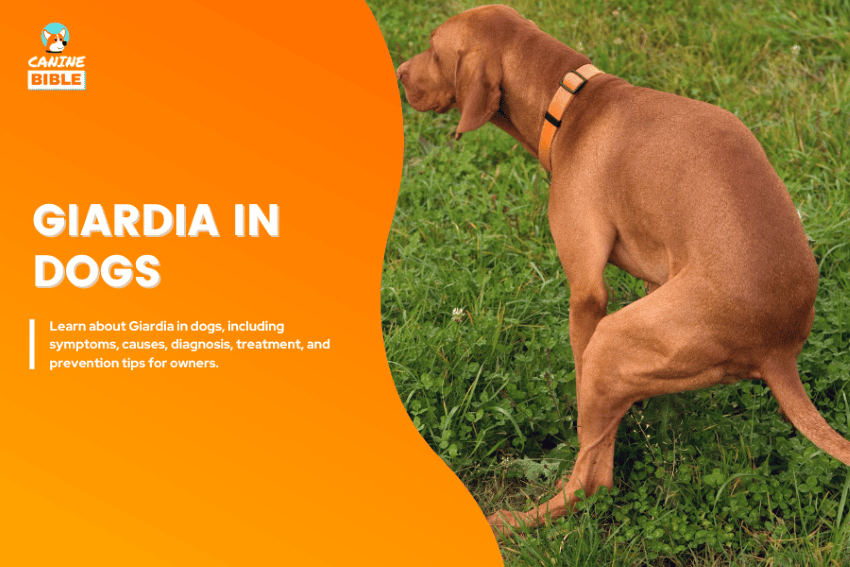
A comprehensive guide to Giardia in dogs, including how this intestinal parasite spreads, common symptoms, diagnostic tests, veterinary treatment, recovery, and ways to prevent reinfection.
Giardia at a Glance
Most common in
Puppies and dogs in kennels, shelters, or group settings.
Common signs
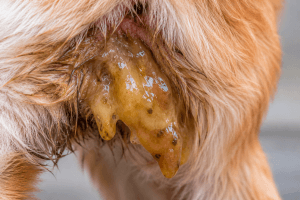
Soft, foul-smelling stools, mucus, gas, and weight loss.
Diagnosis
Stool flotation, Giardia antigen testing, or fecal PCR.
Treatment
Vet-prescribed medication, hydration, and hygiene.
Prognosis
Usually good with care; reinfection is possible.
Transmission
Swallowing cysts from contaminated stool, water, or surfaces.
What Is Giardia in Dogs?
Giardia is a microscopic, single-celled parasite that infects a dog’s small intestine and can cause a condition called giardiasis. Dogs become infected by swallowing infectious Giardia cysts, often from feces-contaminated water, soil, surfaces, or fur. Infected dogs may pass these cysts in their stool and contaminate the environment. Some dogs have no noticeable symptoms, while others develop soft, foul-smelling diarrhea that may come and go, mucus in their stools, abdominal discomfort, or weight loss. Puppies are more likely to develop noticeable illness. Giardia is treatable, but its cysts can survive in damp environments, making careful cleaning and prevention of reinfection important.


Types
Dogs can develop different forms of giardia infection, and symptoms can vary from mild to more severe. Some dogs show no signs at all, while others develop diarrhea, gas, weight loss, or stomach discomfort after exposure to contaminated water, food, or feces. Understanding the different ways giardia affects dogs can help pet parents recognize symptoms, seek proper treatment, and reduce the risk of reinfection.
Giardia Assemblage C
One of the most common Giardia genetic groups in dogs. It is primarily adapted to canines and can cause diarrhea, digestive discomfort, and weight loss, although some infected dogs show no symptoms.
Giardia Assemblage D
Another common dog-adapted Giardia genetic group. Like assemblage C, it infects the small intestine and may cause intermittent diarrhea, loose stools, or digestive upset. Dogs can also carry it without noticeable illness.
Giardia Assemblage A
A genetic group that can infect dogs, humans, and several other animals. It is less commonly identified in dogs than assemblages C and D. Some strains have zoonotic potential, although transmission from dogs to humans is considered uncommon.
Giardia Assemblage B
A Giardia genetic group found mainly in humans and certain other mammals but occasionally detected in dogs. It has zoonotic potential, though dog-to-human transmission is not a common documented source of infection.


Predisposed Dog Breeds
While Giardia can affect any dog, no specific breeds have a proven genetic predisposition. Factors such as age, living conditions, and exposure to contaminated water or feces make some dogs more prone to Giardia infections than others.
| Size / Group | Breeds Affected | Notes on Risk Factors |
|---|---|---|
| Puppies | All breeds, including Labrador Retriever, Golden Retriever, German Shepherd, Beagle, and mixed-breed puppies | Puppies are more likely to develop symptomatic Giardia infections due to their developing immune systems and frequent exposure to contaminated feces, water, and surfaces. |
| Shelter & Rescue Dogs | All purebred and mixed-breed dogs, regardless of size or age | Crowded living conditions and shared spaces increase exposure to Giardia cysts. Contaminated kennels, bedding, and communal areas can contribute to transmission. |
| Kennel & Daycare Dogs | All breeds, including Poodle, Labrador Retriever, French Bulldog, Border Collie, and mixed breeds | Frequent contact with other dogs and shared play areas increases opportunities for Giardia transmission, especially when fecal contamination and inadequate cleaning are present. |
| Outdoor & Active Dogs | All breeds, including Border Collie, Australian Shepherd, Labrador Retriever, Siberian Husky, and Beagle | Dogs that drink from puddles, streams, ponds, or other untreated water sources may swallow infectious Giardia cysts. Outdoor environments contaminated with animal feces also increase exposure. |
| Multi-Dog Households | All breeds and sizes, particularly dogs sharing indoor and outdoor living spaces | Giardia can spread when dogs encounter fecal contamination in shared environments. Infected dogs may shed cysts without symptoms, making prompt waste removal and proper sanitation important. |
| Dogs With Weakened Immune Systems | All breeds, including senior dogs and dogs with immune-suppressing conditions or treatments | Dogs with impaired immune defenses may be more vulnerable to persistent or clinically significant intestinal infections. Veterinary evaluation is important when diarrhea, dehydration, or weight loss occurs. |
Causes
Giardia in dogs develops when a dog swallows infectious Giardia cysts from contaminated water, food, soil, or feces. Factors such as age, poor sanitation, crowded living conditions, and weakened immunity can increase the risk of infection. While Giardia cannot always be prevented, understanding its causes can help pet parents make informed decisions about hygiene, environmental safety, and early detection.
Contaminated Water
Drinking from puddles, streams, ponds, or other untreated water sources contaminated with Giardia cysts is a common route of infection in dogs.
Exposure to Infected Feces
Dogs can become infected by swallowing Giardia cysts shed in an infected animal’s stool. Even microscopic amounts of fecal contamination can spread the parasite.
Environmental Contamination
Giardia cysts can survive in moist soil, grass, and contaminated surfaces. Dogs may become infected after contacting these environments and swallowing the cysts.
Crowded Living Conditions
Dogs in shelters, kennels, daycare facilities, and multi-dog households may face greater exposure to Giardia through shared spaces, contaminated surfaces, and frequent contact with other dogs.
Grooming and Licking
Dogs may swallow Giardia cysts while licking contaminated paws, fur, or objects. Grooming after contact with infected feces or contaminated environments can lead to infection.
Age and Immune Health
Puppies and dogs with weakened immune systems may be more susceptible to symptomatic or persistent Giardia infections. Age and immune health influence vulnerability rather than directly causing infection.
Poor Sanitation and Reinfection
Inadequate cleaning, delayed feces removal, and contaminated bedding or shared items allow Giardia cysts to remain in the environment. Dogs may become reinfected after treatment if exposure continues.
Symptoms
Giardia symptoms in dogs can vary widely depending on the severity of the infection, age, and overall immune health of the dog. Some dogs may show no symptoms at all, while others develop noticeable digestive problems as the infection progresses. Common warning signs include diarrhea, foul-smelling or greasy stools, mucus in the stool, weight loss, gas, abdominal discomfort, and reduced appetite. Because these symptoms can also be caused by other gastrointestinal conditions, any persistent or unusual changes should be evaluated by a veterinarian.
- Intermittent or persistent diarrhea
- Soft, watery, or greasy stools
- Foul-smelling feces
- Mucus in the stool
- Unexplained weight loss
- Excessive gas or bloating
- Abdominal discomfort or cramping
- Decreased appetite
- Occasional vomiting
- Lethargy or reduced activity
Giardia primarily affects the digestive system in dogs.
Stages & Progression of Giardia in Dogs
Giardia in dogs can progress at different rates depending on the severity of the infection, age, immune health, and response to treatment. Unlike cancer, Giardia does not have formal disease stages, but the infection can progress from initial exposure to intestinal symptoms, recovery, or reinfection. Understanding how the infection develops, how symptoms may change, and which treatment options may be most appropriate can provide important insight into recovery, potential complications, and the level of care your dog may need.
Exposure
Dogs become infected after swallowing Giardia cysts from contaminated water, feces, soil, food, or surfaces. The parasite enters the digestive system and begins establishing infection.
Incubation
Giardia organisms establish themselves in the small intestine and multiply. Dogs may appear healthy during this period, even as the parasite begins affecting intestinal function.
Intestinal Infection
Some dogs develop diarrhea, foul-smelling stools, gas, abdominal discomfort, or weight loss. Other infected dogs remain asymptomatic. Veterinary testing can confirm the infection.
Treatment & Recovery
Veterinary treatment, hydration, and environmental cleaning help support recovery and prevent reinfection. Most symptomatic dogs improve with appropriate care, although persistent infection or reinfection is possible.
This chart is a simplified visual guide. Giardia in dogs does not have a formal four-stage classification, and infection does not always follow a predictable timeline. Some dogs show no symptoms, while others experience persistent or recurring digestive problems. The graph represents a possible sequence of events, not increasing disease severity or fixed recovery times. Treatment and recovery depend on the dog’s symptoms, overall health, and response to care.
Top Ways to Prevent Giardia in Dogs
Because Giardia is a contagious intestinal parasitic infection, proper hygiene and environmental management are essential. By minimizing exposure to contaminated water, promptly removing feces, regularly cleaning living areas, and scheduling routine veterinary checkups, the risk of Giardia infection can be significantly reduced. Proactive care helps prevent reinfection and supports your dog’s digestive health and overall well-being.
| Prevention Strategy | Why It Helps | How to Do It |
|---|---|---|
| Provide Clean Drinking Water | Giardia cysts can spread through contaminated water. Drinking untreated water from outdoor sources increases the risk of infection. | Provide fresh, clean drinking water daily. Prevent your dog from drinking from puddles, ponds, streams, or other potentially contaminated water sources. |
| Promptly Remove Feces | Infected dogs shed Giardia cysts in their stool. Prompt waste removal reduces environmental contamination and the opportunity for other dogs to become infected. | Pick up dog feces immediately from yards, kennels, and walking areas. Dispose of waste in sealed bags and wash your hands thoroughly after handling it. |
| Clean and Disinfect Living Areas | Giardia cysts can survive in moist environments and contaminate bedding, floors, kennels, and shared surfaces, increasing the risk of reinfection. | Regularly clean kennels, floors, bedding, and feeding areas. Wash washable items using hot water when appropriate and use veterinary-recommended disinfectants on compatible surfaces. Allow surfaces to dry. |
| Practice Proper Grooming & Hygiene | Giardia cysts may remain on contaminated fur and paws. Dogs can swallow these cysts while grooming themselves, potentially causing infection or reinfection. | Keep your dog’s coat and paws clean, especially after exposure to contaminated environments. Bathe infected dogs when recommended by your veterinarian, particularly near the end of treatment. |
| Avoid Contaminated Environments | Giardia spreads more easily in areas with fecal contamination, standing water, or frequent contact between infected and uninfected dogs. | Avoid areas with visible animal waste or potentially contaminated water. Keep dogs with diarrhea away from dog parks, daycare facilities, and shared play areas until cleared by a veterinarian. |
| Regular Veterinary Checkups & Stool Testing | Early identification of Giardia infection allows veterinarians to recommend appropriate treatment and hygiene measures before further transmission occurs. | Schedule routine veterinary examinations. Request fecal testing when your dog develops persistent diarrhea, weight loss, or other digestive symptoms. Follow your veterinarian’s testing advice. |
| Support Immune & Digestive Health | Puppies and dogs with weakened immune systems may be more vulnerable to symptomatic Giardia infections. Good overall health supports recovery but does not prevent exposure. | Feed a complete and balanced diet, provide fresh water, maintain appropriate exercise, and address underlying health conditions with veterinary guidance. |
| Complete Treatment & Prevent Reinfection | Dogs may become reinfected when Giardia cysts remain in their environment. Proper treatment and sanitation help reduce recurring infections and continued parasite transmission. | Follow all prescribed medication instructions, clean contaminated bedding and living areas, remove feces promptly, and complete any follow-up testing recommended by your vet. |
Actionable Resources
If you want to prevent Giardia infections or support your dog’s recovery, here are some things you can do under veterinary guidance.
How Is Giardia in Dogs Diagnosed
Diagnosing Giardia in dogs requires a veterinary evaluation and stool testing to confirm the presence of the parasite and assess the severity of the infection. Key steps include:
1. Veterinary Examination
Your veterinarian reviews your dog’s medical history, symptoms, diet, and possible exposure to contaminated water or feces. A physical examination helps assess dehydration, weight loss, and digestive discomfort.
2. Fecal Sample Collection
A fresh stool sample is collected to check for Giardia parasites. Because infected dogs may shed cysts intermittently, your veterinarian may request samples collected on different days to improve the chances of detection.
3. Fecal Flotation Test
A veterinary professional examines a prepared stool sample under a microscope to identify Giardia cysts. Centrifugal flotation using an appropriate solution can improve detection, although a negative result does not always rule out infection.
4. Giardia Antigen Test
A Giardia antigen test detects specific parasite proteins in the stool. These tests can identify infections that may be missed during microscopic examination and are commonly used alongside fecal flotation to improve diagnostic accuracy.
5. Additional Fecal Testing
If initial results are inconclusive or symptoms persist, your veterinarian may recommend repeat stool examinations or specialized PCR testing to detect Giardia genetic material and investigate other possible intestinal infections.
6. Diagnosis & Treatment Planning
Your veterinarian interprets the test results alongside your dog’s symptoms and overall health. If treatment is needed, a plan may include prescription medication, hydration support, environmental cleaning, and follow-up testing when appropriate to help prevent reinfection.
Early detection is vital because Giardia infections often respond well to prompt treatment—allowing for faster recovery, fewer complications, and improved digestive health.
Nutritional Support & Supplements
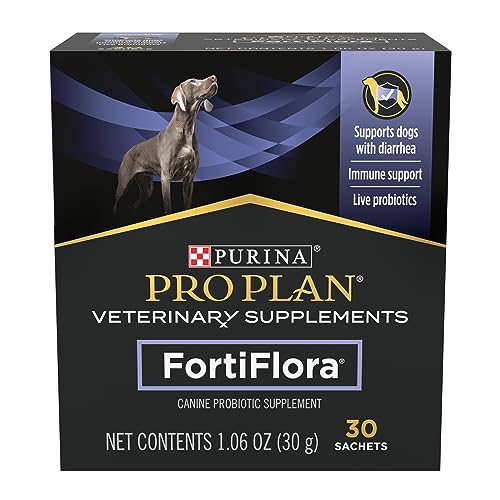
Proper nutrition can play an important supportive role for dogs with Giardia by helping maintain energy, hydration, digestive function, and overall health during treatment. Depending on your dog’s needs, veterinarians may recommend strategies such as highly digestible, easily tolerated diets, adequate fluid intake, and supplements including probiotics, prebiotics, and veterinarian-recommended digestive support products to help restore intestinal balance and support recovery.
Important: Dietary changes and supplements
can support digestive recovery but cannot cure Giardia
infections on their own.
Always consult your veterinarian before introducing
supplements, fiber, or specialized diets. Dogs with
Giardia may require prescription antiparasitic medication,
hydration support, and environmental sanitation.
Supportive care—such as hydration management, nutritional support, and hygiene adjustments—plays a crucial role in maintaining comfort and digestive health during Giardia treatment. These options are not a cure for Giardia and should complement veterinarian-prescribed antiparasitic medications, so any diet or supplement plan should be reviewed with your veterinarian.
Over-the-Counter Products
Over-the-counter treatments and supplements mentioned in this article for giardia in dogs can be found on Amazon and Chewy.


Always consult your veterinarian before starting any new treatment, medication, or home-care regimen for canine giardia. Puppies and dogs with persistent vomiting, diarrhea, weakness, or dehydration may require prompt veterinary care. If you can’t reach your vet, you can chat live with a registered online veterinary professional via our online vet chat or video chat support (24 hours a day, 7 days a week). Or use Chewy’s online vet services (6 a.m. – midnight ET).
Treatment & Care
According to current veterinary research, the most effective treatment for Giardia in dogs involves a combination of antiparasitic medications, supportive care, and environmental hygiene. These may include fenbendazole or metronidazole prescribed by a veterinarian to treat the infection, hydration and nutritional support to manage digestive symptoms, and proper cleaning and sanitation to reduce the risk of reinfection. Treatment plans depend on the dog’s symptoms, age, and overall health.
Medications
Common medications used to treat giardia in dogs include:
| Medication / Class | Examples | How It Is Used | Important Considerations |
|---|---|---|---|
| Benzimidazole Antiparasitics | Fenbendazole | Commonly prescribed as a first-line antiparasitic treatment for Giardia infections in dogs. It helps reduce parasite burden and is often given over several consecutive days. | Use only under veterinary direction. The dosing schedule may vary, and some dogs may need repeat treatment depending on symptoms, reinfection risk, and follow-up test results. |
| Nitroimidazole Antiprotozoals | Metronidazole | Sometimes used to treat Giardia, either alone or alongside other medications. It may also be selected when diarrhea and intestinal inflammation are present. | May cause gastrointestinal upset, drooling, or neurologic side effects in some dogs, especially if misused or overdosed. It should only be used exactly as prescribed by a veterinarian. |
| Combination Therapy | Fenbendazole + metronidazole | Some veterinarians use combination therapy in persistent, recurrent, or difficult Giardia cases when a broader treatment approach is needed. | Combining medications may increase the likelihood of side effects. This approach should be reserved for situations where your veterinarian believes it is appropriate. |
| Febantel-Containing Dewormers | Febantel / pyrantel / praziquantel combinations | Some veterinarians use febantel-containing dewormers as part of Giardia management, particularly when roundworms, hookworms, or whipworms are also a concern. | Not every dewormer is effective for Giardia, and not every dog is a good candidate for these products. Always follow your veterinarian’s instructions for product choice and dosing. |
| Probiotics & Gut Support | Veterinarian-selected canine probiotics | Used as supportive care to help restore intestinal balance, improve stool quality, and support digestive recovery during or after Giardia treatment. | Probiotics do not kill Giardia parasites and should not replace antiparasitic treatment when treatment is indicated. Product choice and timing should be discussed with your vet. |
| Fluid & Electrolyte Support | Oral rehydration support, subcutaneous fluids, IV fluids | Used in dogs with diarrhea, vomiting, weakness, or dehydration to restore fluid balance and support recovery. | Puppies and severely affected dogs may need urgent veterinary care. Give only veterinarian-approved fluids or electrolyte support, especially if your dog is vomiting or unable to keep water down. |
| Anti-Nausea Medications | Maropitant, ondansetron | Used to control nausea or vomiting in dogs with gastrointestinal upset so they can better maintain hydration and food intake during treatment. | These medications help manage symptoms but do not treat Giardia itself. Ongoing vomiting should still be evaluated by a veterinarian. |
| Gastrointestinal Support | Prescription GI diets, veterinarian-recommended bland diets | Often used alongside medication to support digestion, reduce intestinal irritation, and help dogs recover from diarrhea and poor stool quality. | Dietary support is helpful but is not a substitute for proper diagnosis, prescription treatment, or environmental sanitation to prevent reinfection. |
| Follow-Up & Retreatment Plans | Repeat stool testing, additional treatment if needed | Some dogs continue to shed Giardia cysts or become reinfected, so veterinarians may recommend follow-up testing and, in some cases, additional medication courses. | A dog can test positive with or without symptoms, so treatment decisions should be based on veterinary guidance, clinical signs, and reinfection risk in the home or environment. |
The best way to get these medications is at Chewy Pet Pharmacy:
Alternative & Integrative Therapies
Integrative and supportive therapies can help manage symptoms, reduce digestive discomfort, and support recovery for dogs with Giardia. Options such as probiotics, dietary adjustments, hydration support, and gentle nutritional care may be used alongside conventional antiparasitic treatment, but should always be discussed with your veterinarian to ensure they are safe and appropriate for your dog. These therapies do not eliminate Giardia parasites on their own.
Surgical Options
Surgery is not a standard treatment for Giardia in dogs, as the infection is caused by microscopic intestinal parasites rather than tumors or structural abnormalities. Instead, treatment focuses on eliminating the parasite, managing diarrhea, preventing dehydration, and reducing the risk of reinfection through veterinarian-prescribed medications and supportive care. In rare cases, dogs with severe gastrointestinal symptoms may require additional diagnostic procedures or hospitalization to rule out other underlying conditions. Your veterinarian will determine the most appropriate treatment based on the infection’s severity, your dog’s symptoms, and overall health.
Emotional & Lifestyle Impact
A Giardia diagnosis can be emotionally challenging for both dogs and their families. Dogs may experience changes in energy, appetite, digestion, and behavior, while diarrhea and abdominal discomfort can disrupt daily routines. With proper veterinary treatment, hygiene, and supportive care, most dogs can recover and return to their happy, comfortable lives.
For Dogs
- Possible changes in energy, appetite, and activity
- Diarrhea and abdominal discomfort may disrupt daily routines
- May need frequent bathroom breaks, rest, and hydration
- Temporary separation from other dogs may limit social activities
- Most dogs can return to normal activities after recovery
For Pet Parents
- It’s normal to feel worried about your dog’s digestive health
- Extra cleaning and hygiene may require daily adjustments
- Follow veterinary treatment and medication instructions
- Monitor stool quality, hydration, appetite, and recovery
- Maintain a clean environment to help prevent reinfection
A Giardia diagnosis may temporarily change your routine, but with proper treatment, patience, and care, your dog can return to the happy, healthy moments you share.
Happier tomorrows.
Dog Giardia Prognosis
A dog’s Giardia prognosis depends on several factors, including the severity of the infection, age at diagnosis, response to treatment, overall health, and level of supportive care. Most dogs recover successfully with appropriate treatment, while others may experience persistent symptoms or reinfection. Working closely with your veterinary team can help guide treatment decisions, manage digestive symptoms, and support a full recovery and the best possible quality of life for your dog.
Key Factors That Influence Prognosis
Typical Annual Cost of Treating Canine Giardia
| Category | Estimated Cost Range | Notes |
|---|---|---|
| Initial Veterinary Examination | $50 – $200 | Includes a physical examination, review of digestive symptoms, medical history, and assessment of dehydration or weight loss. |
| Fecal Testing & Diagnosis | $25 – $150 | Includes fecal flotation, Giardia antigen testing, or specialized stool tests. Multiple samples may be needed because Giardia cysts are shed intermittently. |
| Antiparasitic Medications | $20 – $100 | Veterinarian-prescribed medications such as fenbendazole or metronidazole may be used to treat symptomatic Giardia infections. Costs depend on dosage, dog size, and treatment duration. |
| Fluid & Electrolyte Support | $75 – $400+ | Dogs with significant diarrhea or dehydration may need veterinary-administered fluids and electrolyte monitoring. Mild cases usually do not require intensive fluid therapy. |
| Additional Diagnostic Tests | $75 – $300+ | Bloodwork, fecal PCR panels, or other tests may be recommended for persistent diarrhea, severe illness, or suspected underlying gastrointestinal conditions. |
| Follow-Up Exams & Stool Testing | $25 – $150 | Repeat fecal testing or veterinary rechecks may be recommended when symptoms persist or reinfection is suspected. Not every dog requires routine retesting. |
| Nutritional Support & Probiotics | $20 – $150 | Includes highly digestible gastrointestinal diets, probiotics, and other veterinarian- recommended products to support digestive recovery and stool quality. |
| Environmental Cleaning & Hygiene | $15 – $100 | Includes disinfectants, laundry supplies, bathing products, and cleaning materials to reduce environmental contamination and help prevent reinfection. |
| Repeat Treatment or Reinfection | $75 – $400+ | Some dogs may require additional testing, medication, or veterinary visits if Giardia infections persist or recur. Costs depend on the cause of continuing symptoms and the treatment plan. |
| Hospitalization & Emergency Care | $500 – $2,000+ | Severe dehydration, repeated vomiting, or significant weakness may require hospitalization, intravenous fluids, and close monitoring. This is uncommon in otherwise healthy dogs with mild Giardia. |
| Pet Insurance Coverage | Varies | Some accident-and-illness insurance plans cover eligible Giardia diagnosis and treatment costs. Reimbursement depends on policy terms, deductibles, waiting periods, and pre-existing condition rules. |
| Typical Cost Per Episode | Uncomplicated Giardia Infection: $100 – $400 | Complex or Recurrent Infection: $400 – $1,000+ | Severe Cases Requiring Hospitalization: $1,000 – $3,000+ | |
Giardia care can add up quickly — from daily medications to possible surgeries. Pet insurance can ease the financial burden and ensure your dog gets the best treatment without compromise. If you want to compare plans and find out which providers offer the best coverage for giardia and chronic conditions, check out our full guides to the Best Pet Insurance for Dogs and Best Pet Wellness Plans.
Related Health Conditions
Some health conditions are closely linked to Giardia because they affect the digestive system, cause similar symptoms, or involve other intestinal parasites. Understanding these related conditions can help dog owners recognize potential warning signs, distinguish Giardia from other gastrointestinal illnesses, and better understand the diagnostic and treatment options their veterinarian may recommend.
- Coccidia
- Roundworms
- Hookworms
- Whipworms
- Parvovirus
- Gastroenteritis
- Diarrhea
- Inflammatory Bowel Disease (IBD)
- Bacterial Enteritis
- Food Intolerance or Dietary Sensitivities
- Intestinal Dysbiosis
Frequently Asked Questions
The Bottom Line
Giardia in dogs is a common intestinal parasitic infection, but it’s important to remember that most dogs recover successfully with proper veterinary treatment and care. Early diagnosis, effective antiparasitic medications, and good hygiene practices can help dogs recover faster and reduce the risk of reinfection. By learning to recognize early warning signs, providing clean drinking water, scheduling regular vet checkups, and maintaining a healthy diet and clean environment, you can play a vital role in protecting your dog’s health. Above all, your love, care, and commitment can make every day count, giving your dog the best possible chance for a healthy, happy, and comfortable life.