Coccidia in Dogs: Symptoms, Types, Causes, Signs & Prevention

Canine Bible is reader-supported. We receive affiliate commissions via some of our links. Learn more.
A comprehensive guide to coccidia in dogs, including how infection occurs, common symptoms, risk factors, diagnosis, treatment, prevention and what pet parents should know when caring for a dog with coccidiosis.
Coccidia at a Glance
Most common in
Puppies, young dogs and dogs in crowded environments.
Common signs
Diarrhea, dehydration, poor appetite and weight loss.
Diagnosis
Fecal examination to detect coccidia oocysts.
Treatment
Anticoccidial medication and supportive care when needed.
Prognosis
Usually good with prompt diagnosis and appropriate treatment.
Transmission
Ingestion of infective oocysts from contaminated surroundings.
What Is Coccidia in Dogs?
Coccidia are microscopic, single-celled intestinal parasites that can infect dogs and cause a condition known as coccidiosis. Dogs typically become infected after swallowing infective oocysts from contaminated soil, water, feces, food or surfaces. The parasites multiply within cells lining the intestinal tract, where they can cause irritation and damage. Many adult dogs with coccidia may show few or no symptoms, but puppies, stressed dogs and dogs with weakened immune systems are more likely to develop illness. Diarrhea is the most common sign and may become watery, contain mucus or occasionally contain blood. More severe infections can lead to dehydration, poor appetite, weight loss, weakness and impaired growth, especially in young puppies.


Types
Dogs can develop coccidia infections when they ingest microscopic parasites from contaminated feces, soil, water, food, or surfaces. While some dogs show no symptoms, puppies and dogs with weakened immune systems are more likely to become ill. Understanding how coccidia spreads and the different ways it can affect dogs can help pet parents recognize symptoms early and seek proper treatment.
Cystoisospora canis
A common canine coccidia species that can cause diarrhea, poor growth and, in heavier infections, bloody stools, particularly in puppies.
Cystoisospora ohioensis
A species that can infect the intestinal tract and may cause diarrhea, intestinal irritation and poor growth, especially in young or stressed dogs.
Cystoisospora neorivolta
A canine coccidia species that infects the intestines and can occasionally cause diarrhea, particularly when parasite numbers are high.
Cystoisospora burrowsi
A species found in dogs that is generally considered less likely to cause significant clinical disease and may be detected in dogs without obvious symptoms.
C. ohioensis-like Coccidia
C. ohioensis, C. neorivolta and C. burrowsi have similarly sized oocysts, so fecal tests may sometimes report them collectively as C. ohioensis-like coccidia.


Predisposed Dog Breeds
Coccidia can infect dogs of any breed, but puppies and young dogs are more susceptible to developing symptoms. Dogs living in crowded environments, shelters, kennels, or other high-exposure settings may also face greater risk, especially when stress, poor sanitation, or weakened immunity is involved.
| Risk Group | Common Examples | Notes on Risk Factors |
|---|---|---|
| Puppies | Weaning-age puppies, newly adopted puppies, and young dogs under about 6 months of age | Puppies are more likely to develop noticeable illness because their immune systems are still developing. Heavy infections may cause diarrhea, dehydration, poor appetite, and poor weight gain. |
| Shelter & Rescue Dogs | Dogs from shelters, rescue facilities, boarding facilities, and high-density housing | Close contact with other dogs and contaminated environments can increase exposure to infective coccidia oocysts. Stress may also make clinical illness more likely. |
| Kennel & Breeding Facility Dogs | Puppies and adult dogs living in kennels, breeding facilities, or multi-dog households | Coccidia can spread more easily where many dogs share the same environment, especially when feces contaminate runs, bedding, bowls, soil, or other surfaces. |
| Stressed Dogs | Recently transported, rehomed, boarded, weaned, or otherwise stressed dogs | Stress can reduce a dog’s ability to control intestinal parasites and may contribute to the development of diarrhea or other signs in dogs already carrying coccidia. |
| Immunocompromised Dogs | Dogs with weakened immune defenses, concurrent illness, or poor overall health | Dogs with reduced immune function may be less able to limit parasite replication and can be more vulnerable to significant gastrointestinal illness. |
| Dogs in Contaminated Environments | Dogs exposed to feces-contaminated soil, yards, kennels, water, food, or shared surfaces | Infection occurs when dogs swallow infective oocysts. Poor sanitation and delayed removal of feces can increase environmental contamination and the likelihood of transmission. |
| Dogs With Poor Nutrition | Underweight dogs, neglected dogs, or dogs with inadequate nutrition | Poor nutritional status may reduce resilience to intestinal disease and make dehydration, weight loss, and weakness from coccidiosis more serious. |
| Adult Dogs | Healthy adult dogs of any breed | Adult dogs can become infected and shed coccidia without showing obvious signs. Clinical disease is generally more concerning in puppies, stressed dogs, and dogs with weakened immunity. |
Causes
Coccidia in dogs is caused by infection with microscopic intestinal parasites, most commonly Cystoisospora species. Dogs become infected by swallowing infective oocysts from contaminated feces, soil, water, food, or surfaces. Puppies and dogs living in crowded or unsanitary environments are at greater risk, and stress, poor nutrition, or weakened immunity can make clinical illness more likely.
Ingestion of Infective Oocysts
Dogs develop coccidia after swallowing infective oocysts, the microscopic environmental stage of the parasite.
Contaminated Environment
Soil, water, food, bedding, kennels, and other surfaces contaminated with infected feces can expose dogs to coccidia.
Eating Infected Prey
Dogs may also become infected by eating paratenic hosts, such as rodents, that carry infective stages of certain canine coccidia.
Young Age
Puppies are more likely to develop clinical coccidiosis because their immune defenses are still developing and they may have little previous exposure to the parasite.
Crowded Living Conditions
Shelters, kennels, breeding facilities, and other multi-dog environments can increase exposure when infected feces contaminate shared spaces.
Poor Sanitation
Delayed removal of feces and inadequate cleaning can allow coccidia oocysts to remain in the environment and become infective, increasing the chance of transmission.
Stress & Weakened Immunity
Weaning, transport, rehoming, illness, poor nutrition, or weakened immune defenses can make infected dogs more likely to develop noticeable gastrointestinal disease.
Symptoms
Coccidia symptoms in dogs can vary depending on the dog’s age, immune status, and severity of infection. Some dogs may show no obvious signs, while puppies and heavily infected dogs are more likely to become ill. Common symptoms include diarrhea, mucus or blood in the stool, poor appetite, vomiting, weight loss, dehydration, weakness, and reduced growth in puppies. Because these signs can also occur with other intestinal infections and parasites, persistent or severe gastrointestinal symptoms should be evaluated by a veterinarian.
- Watery or persistent diarrhea
- Mucus in the stool
- Blood in the stool in more severe cases
- Decreased appetite
- Vomiting
- Weight loss or poor weight gain
- Dehydration
- Lethargy or weakness
- Abdominal discomfort
- Poor growth in affected puppies
Coccidia primarily affects the intestinal tract and can cause more serious illness in puppies.
Stages & Progression of Coccidia in Dogs
Coccidia in dogs can progress differently depending on the dog’s age, immune status, parasite burden, and overall health. After a dog ingests infective oocysts, the parasites multiply in the intestinal lining, which can lead to inflammation and diarrhea. Mild infections may cause few or no symptoms, while heavier infections—especially in puppies—can progress to persistent diarrhea, dehydration, weight loss, weakness, and poor growth. Understanding how coccidiosis develops can help pet parents recognize worsening signs and seek veterinary care before complications become more serious.
Exposure
A dog becomes exposed after swallowing infective coccidia oocysts from contaminated feces, soil, water, food, surfaces, or sometimes infected prey.
Intestinal Infection
The parasites invade and multiply within cells lining the intestinal tract. Some dogs remain asymptomatic, while others begin developing gastrointestinal irritation.
Clinical Illness
Affected dogs may develop diarrhea, mucus or blood in the stool, reduced appetite, vomiting, abdominal discomfort, weight loss, dehydration, or lethargy.
Severe Disease
Heavy infections, particularly in puppies or vulnerable dogs, can lead to severe diarrhea, significant dehydration, weakness, poor growth, weight loss, and potentially serious complications without treatment.
Coccidiosis does not have a formal Stage I–IV staging system. This chart is a simplified illustration of how infection may progress. Some dogs remain asymptomatic, while puppies and dogs with heavy infections or weakened immunity may develop more serious illness.
Top Ways to Prevent Coccidia in Dogs
Because coccidia spreads through contact with contaminated feces, soil, water, food, and surfaces, good hygiene and environmental management are essential. Prompt stool removal, regular cleaning of living areas, reducing overcrowding, and limiting exposure to contaminated environments can significantly lower the risk of infection. Proactive care, including routine fecal testing and early veterinary treatment, helps protect dogs—especially puppies—from more serious illness.
| Prevention Strategy | Why It Helps | How to Do It |
|---|---|---|
| Remove Feces Promptly | Coccidia spreads when dogs swallow infective oocysts from feces-contaminated environments. | Pick up stool as soon as possible from yards, kennels, runs, and indoor areas to reduce environmental contamination. |
| Keep Living Areas Clean & Dry | Good sanitation helps reduce the buildup of coccidia oocysts in areas where dogs eat, sleep, and play. | Clean kennels, floors, bedding, crates, bowls, and frequently used surfaces regularly, and allow cleaned areas to dry thoroughly. |
| Prevent Fecal Contamination of Food & Water | Dogs can become infected by swallowing oocysts that contaminate food, drinking water, or feeding areas. | Keep food and water bowls away from toileting areas, wash bowls frequently, and provide fresh, clean drinking water. |
| Limit Exposure to Contaminated Areas | Soil, kennels, yards, and other environments contaminated with infected feces can expose dogs to coccidia. | Avoid heavily contaminated dog areas when possible, particularly for young puppies or dogs recovering from illness. |
| Reduce Crowding | Coccidia can spread more easily where many dogs share the same living and toileting areas. | Avoid overcrowding in kennels, shelters, breeding facilities, and multi-dog homes, and provide adequate clean space for each dog. |
| Minimize Stress in Puppies | Stress from weaning, transport, rehoming, or overcrowding may make infected puppies more likely to develop clinical illness. | Provide consistent routines, adequate rest, good nutrition, clean housing, and gradual transitions whenever possible. |
| Prevent Hunting & Scavenging | Dogs may acquire certain canine coccidia by eating infected paratenic hosts such as rodents. | Discourage hunting, scavenging, and eating rodents or other small animals, especially in areas with known parasite exposure. |
| Schedule Fecal Testing | Some infected dogs may shed coccidia without showing obvious symptoms, allowing contamination to continue unnoticed. | Ask your veterinarian about routine fecal examinations, especially for puppies, newly adopted dogs, or dogs from shelters and breeding facilities. |
| Treat Infected Dogs Promptly | Early treatment can reduce illness and help limit ongoing shedding of parasite stages into the environment. | Follow your veterinarian’s treatment instructions carefully, complete prescribed medication, and maintain strict sanitation during and after treatment. |
Actionable Resources
If your dog has coccidia or is recovering from coccidiosis, these resources may help support digestive health, stool quality, hydration, and nutrition alongside veterinary treatment.
How Is Coccidia in Dogs Diagnosed
Diagnosing coccidia in dogs typically involves a veterinary examination and fecal testing to look for coccidia oocysts in the stool. Your veterinarian may also consider your dog’s age, symptoms, living environment, and risk of exposure. Key steps include:
1. Examination & History
Your veterinarian reviews your dog’s age, symptoms, recent diarrhea, appetite, living environment, exposure to other dogs, and history of shelter, kennel, breeding, or other high-risk environments.
2. Fecal Sample
A fresh stool sample is collected for parasite testing. Because coccidia affects the intestinal tract and oocysts are passed in feces, stool examination is the primary diagnostic approach.
3. Fecal Flotation
Fecal flotation, often using centrifugation, concentrates parasite oocysts from the stool so they can be more easily detected during microscopic examination.
4. Microscopic Identification
The stool preparation is examined under a microscope for coccidia oocysts. Their appearance and size can help identify infection with canine Cystoisospora species.
5. Additional Testing
Your veterinarian may test for other intestinal parasites or infectious causes of diarrhea, especially when symptoms are severe, prolonged, or not fully explained by coccidia alone.
6. Severity & Follow-Up
Dogs with significant diarrhea, dehydration, weakness, or weight loss may need bloodwork or other tests to assess their overall condition. Repeat fecal testing may also be recommended if symptoms continue or reinfection is suspected.
Early diagnosis and treatment are important because coccidiosis can worsen quickly in puppies and other vulnerable dogs, leading to dehydration, weakness, and poor growth if not addressed promptly.
Nutritional Support & Supplements
Proper nutrition can play an important supportive role for dogs recovering from coccidia by helping maintain hydration, energy, body weight, digestive health, and overall recovery. Depending on your dog’s condition, a veterinarian may recommend highly digestible meals, adequate fluids, and supportive options such as probiotics, prebiotics, electrolyte support, and other gut-supportive nutrients. These measures can help support the intestinal tract during recovery, but they do not replace veterinary-prescribed treatment for the coccidia infection itself.
Important: Nutrition, probiotics, and supplements
can support recovery but do not eliminate coccidia parasites.
Dogs with confirmed coccidiosis may require veterinary-prescribed
anticoccidial medication and supportive care, especially if they
are dehydrated, weak, or very young.
Supportive care—such as hydration, nutritional support, gastrointestinal care, and environmental hygiene—can play an important role in helping dogs recover from coccidiosis. These measures support comfort and recovery but do not eliminate the coccidia parasites, so affected dogs may still require veterinary-prescribed anticoccidial medication. Any diet, probiotic, supplement, or supportive-care plan should be reviewed with your veterinarian, especially for puppies, dehydrated dogs, or dogs with severe diarrhea.
Over-the-Counter Products
Over-the-counter treatments and supplements mentioned in this article for coccidia in dogs can be found on Amazon and Chewy.
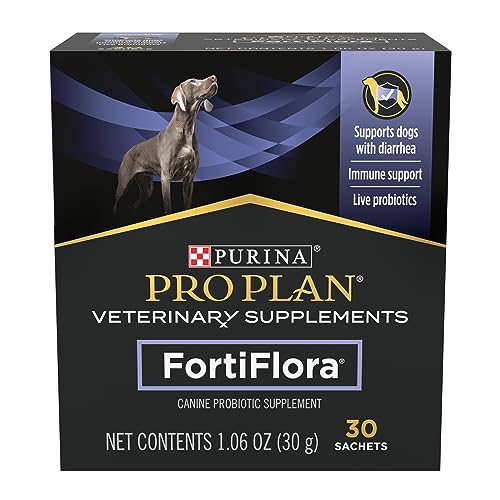


Always consult your veterinarian before starting any new treatment, medication, or home-care regimen for canine coccidia. Puppies and dogs with persistent vomiting, diarrhea, weakness, or dehydration may require prompt veterinary care. If you can’t reach your vet, you can chat live with a registered online veterinary professional via our online vet chat or video chat support (24 hours a day, 7 days a week). Or use Chewy’s online vet services (6 a.m. – midnight ET).
Treatment & Care
Treatment for coccidia in dogs typically focuses on eliminating the parasite, controlling diarrhea, preventing dehydration, and supporting recovery. Veterinarians may prescribe anticoccidial medication, while dogs with more significant illness may also need fluids, nutritional support, and other gastrointestinal care. Thorough cleaning of the environment and prompt removal of feces are also important to reduce reinfection and limit the spread of coccidia to other dogs.
Medications
Common medications used to treat coccidia in dogs include:
| Medication / Treatment | Examples | How It Is Used | Important Considerations |
|---|---|---|---|
| Sulfonamide Anticoccidial | Sulfadimethoxine | Commonly prescribed for canine coccidiosis to inhibit multiplication of coccidia and allow the dog’s immune system to clear the infection. | Treatment length depends on the dog’s response and veterinary instructions. Adequate hydration is important, and the full prescribed course should be completed. |
| Triazine Anticoccidial | Ponazuril | Frequently used by veterinarians as an extra-label treatment for coccidia, particularly in puppies, shelters, kennels, and other situations where rapid parasite control is needed. | Use in dogs is generally under veterinary direction. Dose and treatment duration should be determined by a veterinarian rather than using livestock or equine products without professional guidance. |
| Triazine Anticoccidial | Toltrazuril | May be used by veterinarians in some cases to target developing stages of coccidia and reduce parasite burden. | Availability and approval status vary by location. It should only be administered when prescribed or specifically directed by a veterinarian. |
| Potentiated Sulfonamides | Trimethoprim-sulfadiazine or related combinations | May occasionally be considered by veterinarians for selected intestinal protozoal or concurrent bacterial problems, depending on the individual case. | These medications are not appropriate for every dog and can cause adverse reactions. Veterinary dosing and monitoring are required. |
| Fluid Therapy | Oral fluids, subcutaneous fluids, intravenous fluids | Used to correct or prevent dehydration caused by persistent diarrhea or vomiting, particularly in puppies and dogs with more severe coccidiosis. | Severely dehydrated, weak, or vomiting dogs may require hospitalization and intravenous fluid therapy rather than home hydration alone. |
| Electrolyte Support | Veterinarian-selected electrolyte solutions | Helps replace electrolytes and fluids lost through diarrhea and vomiting and supports normal hydration during recovery. | Human electrolyte drinks are not automatically appropriate for dogs. Use products and amounts recommended by your veterinarian. |
| Anti-Nausea Medications | Maropitant, ondansetron | May be prescribed when vomiting or nausea interferes with eating, drinking, or recovery. | These medications help control symptoms but do not kill coccidia. The underlying parasitic infection still requires appropriate treatment. |
| Probiotics & Gut Support | Veterinary probiotic products | May be recommended to support intestinal microbial balance and stool quality during or after gastrointestinal illness. | Probiotics are supportive rather than curative and should not replace prescribed anticoccidial medication. |
| Nutritional Support | Highly digestible diets, veterinary gastrointestinal diets | Helps affected dogs maintain calories and nutrients while reducing digestive workload during diarrhea and intestinal irritation. | Puppies can deteriorate quickly if they stop eating. Persistent appetite loss, weight loss, or weakness warrants prompt veterinary reassessment. |
| Environmental Control | Prompt feces removal, cleaning, drying, and sanitation | Reduces environmental contamination with coccidia oocysts and helps lower the risk of reinfection or transmission to other susceptible dogs. | Medication alone may not prevent reinfection if contaminated feces remain in the environment. Cleanliness is an important part of treatment and control. |
The best way to get these medications is at Chewy Pet Pharmacy:
Alternative & Integrative Therapies
Supportive and integrative care may help manage symptoms, support recovery, and improve comfort for dogs with coccidia. Options such as probiotics, bland or highly digestible diets, hydration support, and other veterinarian-approved gastrointestinal support may be used alongside conventional treatment. However, these approaches do not eliminate the coccidia parasite, so they should only be used as supportive care and always under your veterinarian’s guidance to ensure they are safe and appropriate for your dog.
Surgical Options
Surgery is not a standard treatment for coccidia in dogs, because coccidiosis is an intestinal parasitic infection rather than a condition that usually requires an operation. Dogs with moderate to severe illness—especially puppies—may need fluid therapy, electrolyte support, anti-nausea medication, nutritional support, and close monitoring in addition to veterinarian-prescribed anticoccidial treatment. Hospitalization may be recommended when a dog is severely dehydrated, weak, unable to eat or drink, or experiencing persistent vomiting or bloody diarrhea. Your veterinarian will determine the level of supportive care needed based on your dog’s age, hydration status, symptom severity, and overall health.
Emotional & Lifestyle Impact
Coccidia can be stressful for both dogs and their families, especially when diarrhea, dehydration, reduced appetite, or weakness disrupts normal routines. Puppies and more severely affected dogs may need extra rest, closer monitoring, temporary diet changes, and more frequent bathroom breaks during recovery. With prompt veterinary treatment, good hydration, careful hygiene, and supportive care, most dogs can return to their normal activity and quality of life once the infection is controlled.
For Dogs
- Diarrhea may disrupt normal bathroom routines
- Reduced appetite and low energy can limit normal activity
- Frequent stooling may cause discomfort and restlessness
- Puppies may need extra rest, hydration, and close monitoring
- Most dogs can return to normal routines after successful treatment
For Pet Parents
- Frequent diarrhea can create extra cleaning and care demands
- It may be stressful to monitor hydration, appetite, and stool changes
- Prompt feces removal and sanitation become especially important
- Follow your veterinarian’s medication and recheck instructions closely
- Keep young or affected dogs away from contaminated areas during recovery
“Coccidia can temporarily disrupt your dog’s routine, but with prompt treatment, good hydration, and careful hygiene, most dogs can recover and return to normal life.”
Happier days.
Dog Coccidia Prognosis
A dog’s prognosis with coccidia is generally good with prompt diagnosis and appropriate treatment, especially in otherwise healthy adult dogs. Recovery depends on factors such as the dog’s age, severity of infection, hydration status, immune health, and response to treatment. Puppies, severely dehydrated dogs, or dogs with weakened immune systems may become more seriously ill and require closer veterinary care. With proper medication, hydration, nutrition, and environmental sanitation, most dogs recover well and return to normal activity.
Key Factors That Influence Prognosis
Typical Annual Cost of Treating Canine Coccidia
| Category | Estimated Cost Range | Notes |
|---|---|---|
| Veterinary Examination | $50 – $150 | Includes a physical examination, medical history review, assessment of diarrhea, hydration, appetite, and overall condition. |
| Fecal Testing | $30 – $100 | Fecal flotation or other stool testing may be used to detect coccidia oocysts and check for additional intestinal parasites. |
| Anticoccidial Medication | $20 – $100+ | May include veterinarian-prescribed medications such as sulfadimethoxine or other anticoccidial therapy. Cost varies with the dog’s size and treatment duration. |
| Supportive Medications | $20 – $150 | May include anti-nausea medication, gastrointestinal support, or other treatments when vomiting, poor appetite, or digestive upset accompanies the infection. |
| Outpatient Fluid Therapy | $50 – $300 | Subcutaneous or other fluid support may be recommended for dogs with mild to moderate dehydration. |
| Hospitalization & IV Fluids | $500 – $2,000+ | Puppies or severely affected dogs may require hospitalization, intravenous fluids, electrolyte correction, monitoring, and additional supportive treatment. |
| Follow-Up Fecal Testing | $30 – $100 | Repeat testing may be recommended when diarrhea persists, treatment response is uncertain, or reinfection is suspected. |
| Digestive Diet & Probiotics | $20 – $150 | Highly digestible food, veterinary gastrointestinal diets, or probiotics may be recommended to support intestinal recovery. |
| Environmental Cleaning | $10 – $100+ | Cleaning supplies, frequent stool removal, bedding replacement, and sanitation may help reduce environmental contamination and reinfection. |
| Pet Insurance Coverage | Varies | Coverage depends on the policy, deductible, reimbursement rate, and whether the infection is considered a pre-existing condition. |
| Typical Treatment Range | Uncomplicated Coccidiosis: approximately $100 – $400 | Severe Cases Requiring Hospitalization: approximately $500 – $2,500+ | |
Coccidia care can add up quickly — from daily medications to possible surgeries. Pet insurance can ease the financial burden and ensure your dog gets the best treatment without compromise. If you want to compare plans and find out which providers offer the best coverage for coccidia and chronic conditions, check out our full guides to the Best Pet Insurance for Dogs and Best Pet Wellness Plans.
Related Health Conditions
Several gastrointestinal conditions can cause signs similar to coccidia, including diarrhea, vomiting, poor appetite, weight loss, and dehydration. Understanding these related conditions can help pet parents recognize when symptoms may have another cause or when more than one intestinal problem could be present at the same time.
- Giardia
- Roundworms
- Hookworms
- Whipworms
- Parvovirus
- Bacterial enteritis
- Gastroenteritis
- Inflammatory bowel disease
- Food intolerance or dietary upset
- Intestinal dysbiosis
- Other protozoal infections
Frequently Asked Questions
The Bottom Line
Cancer in dogs is one of the most challenging diagnoses a pet parent can face, but it’s important to remember that it’s not always a hopeless one. Advances in veterinary medicine, early detection tools, and improved treatment options now allow many dogs to live longer, happier, and more comfortable lives—even after diagnosis. By learning to recognize early warning signs, scheduling regular vet checkups, and maintaining a healthy diet and lifestyle, you can play a vital role in protecting your dog’s health. Above all, your love, care, and commitment can make every day count, giving your dog the best possible quality of life through every stage of their journey.