
Heart Failure in Dogs: Symptoms, Types, Causes, Signs & Prevention

Canine Bible is reader-supported. We receive affiliate commissions via some of our links. Learn more.
A comprehensive guide to heart failure in dogs, including common causes, warning signs, stages, diagnostic testing, treatment options, prognosis and what pet parents should know when caring for a dog with heart disease.
Heart Failure at a Glance
Most common in
Older dogs and breeds predisposed to cardiac disease.
Common signs
Coughing, rapid breathing, fatigue and exercise intolerance.
Diagnosis
Exam, chest X-rays, ECG and echocardiography.
Treatment
Diuretics, pimobendan, cardiac medications and supportive care.
Prognosis
Varies by cause, disease stage and treatment response.
Major cause
Mitral valve disease is the most common canine heart disease.
What Is Heart Failure in Dogs?
Heart failure occurs when the heart can no longer pump blood effectively enough to meet the body’s needs or when abnormal pressure causes fluid to accumulate in the lungs, abdomen or other tissues. In dogs, heart failure commonly develops as a complication of underlying heart disease, particularly degenerative mitral valve disease or dilated cardiomyopathy. Left-sided heart failure often causes fluid buildup in the lungs, while right-sided heart failure can lead to fluid accumulation in the abdomen and other tissues. Although heart failure is typically progressive, appropriate medications, nutritional management, controlled activity and regular veterinary monitoring can help control symptoms and preserve quality of life.


Types
Dogs can develop different types of heart failure depending on which side of the heart is affected and how the condition progresses. The most common forms include left-sided, right-sided, and biventricular heart failure. Understanding these types can help pet parents recognize symptoms, understand complications, and better manage treatment with veterinary guidance.
Left-Sided Heart Failure
Occurs when the left side of the heart cannot pump efficiently, causing pressure and fluid buildup in the lungs.
Right-Sided Heart Failure
Develops when the right side of the heart struggles to move blood forward, often leading to fluid buildup in the abdomen or tissues.
Biventricular Heart Failure
Affects both sides of the heart and can cause congestion in the lungs as well as fluid accumulation elsewhere in the body.
Congestive Heart Failure
Refers to heart failure accompanied by fluid congestion, such as pulmonary edema in the lungs or ascites in the abdomen.
Acute Heart Failure
Develops suddenly or worsens rapidly and may cause severe breathing difficulty, collapse, or other signs requiring emergency care.
Chronic Heart Failure
Progresses gradually over time as underlying heart disease worsens and typically requires ongoing medication and monitoring.


Forward Heart Failure
Occurs when the heart cannot pump enough blood to maintain adequate circulation, potentially causing weakness, fainting, and organ dysfunction.
Backward Heart Failure
Happens when blood backs up behind the failing heart chamber, increasing pressure in the veins and promoting fluid accumulation.
Low-Output Heart Failure
Characterized by reduced cardiac output, which may lead to weakness, exercise intolerance, poor circulation, or collapse.
Refractory Heart Failure
Advanced heart failure in which symptoms continue or return despite standard treatment, often requiring more intensive management.
Predisposed Dog Breeds
While heart failure can affect any dog, certain breeds have a higher genetic risk of developing underlying heart disease. Factors such as size, age, inherited traits, and breed-specific conditions make some dogs more prone to problems like mitral valve disease, dilated cardiomyopathy, and arrhythmias.
| Size / Group | Breeds | Notes on Risk Factors |
|---|---|---|
| Small & Toy Breeds | Cavalier King Charles Spaniel, Chihuahua, Dachshund, Miniature Poodle, Yorkshire Terrier, Shih Tzu | More prone to degenerative mitral valve disease, which can gradually progress to congestive heart failure, especially in older dogs. |
| Large & Giant Breeds | Doberman Pinscher, Great Dane, Irish Wolfhound, Newfoundland, Saint Bernard | Increased predisposition to dilated cardiomyopathy, a disease that weakens the heart muscle and can reduce pumping ability over time. |
| Spaniels | Cavalier King Charles Spaniel, English Cocker Spaniel | Particularly susceptible to degenerative mitral valve disease, which can lead to heart enlargement, fluid buildup, and eventual heart failure. |
| Working Breeds | Doberman Pinscher, Boxer, Great Dane, Newfoundland | Some working breeds have inherited risks for cardiomyopathy and abnormal heart rhythms that may contribute to reduced cardiac function. |
| Giant Sighthounds | Irish Wolfhound, Scottish Deerhound | Higher risk of dilated cardiomyopathy and atrial fibrillation, both of which can impair circulation and contribute to congestive heart failure. |
| Other Predisposed Breeds | Boxer, Portuguese Water Dog, Cocker Spaniel, Miniature Schnauzer | Breed-specific inherited heart disorders, arrhythmias, valve abnormalities, or cardiomyopathies may increase the likelihood of heart failure in affected dogs. |
Causes
Heart failure in dogs usually develops as a result of underlying heart disease rather than a single cause. Conditions such as degenerative valve disease, dilated cardiomyopathy, congenital heart defects, arrhythmias, and heartworm disease can gradually weaken the heart or increase its workload. Understanding these causes can help pet parents recognize risk factors, pursue early screening, and manage heart disease before it progresses.
Degenerative Mitral Valve Disease
Degeneration of the mitral valve can allow blood to leak backward, gradually enlarging the heart and potentially leading to congestive heart failure.
Dilated Cardiomyopathy
The heart muscle becomes enlarged and weakened, reducing its ability to pump blood effectively and increasing the risk of heart failure.
Congenital Heart Defects
Structural abnormalities present at birth can disrupt normal blood flow, increase cardiac workload, and eventually contribute to heart failure.
Arrhythmias
Abnormal heart rhythms can reduce pumping efficiency and, when severe or persistent, may contribute to weakness, fainting, or heart failure.
Heartworm Disease
Heartworms damage the pulmonary arteries, lungs, and heart, increasing cardiovascular strain and potentially causing right-sided heart failure.
High Blood Pressure
Persistent hypertension can increase the workload placed on the heart and may worsen existing cardiovascular disease over time.
Other Underlying Diseases
Conditions affecting the lungs, kidneys, endocrine system, or heart muscle can place additional stress on the cardiovascular system and worsen heart function.
Symptoms
Heart failure symptoms in dogs can vary depending on the underlying heart disease, severity, and whether the left or right side of the heart is affected. Early signs may be subtle, while others become more noticeable as the condition progresses. Common warning signs include coughing, rapid or labored breathing, reduced stamina, weakness, fainting, appetite changes, abdominal swelling, and restlessness. Because many of these symptoms can also occur with other conditions, any persistent or unusual changes should be evaluated by a veterinarian.
- Persistent coughing
- Rapid or labored breathing
- Reduced exercise tolerance
- Weakness or fatigue
- Fainting or collapse
- Restlessness, especially at night
- Loss of appetite
- Abdominal swelling
- Pale or bluish gums
- Weight loss or muscle wasting
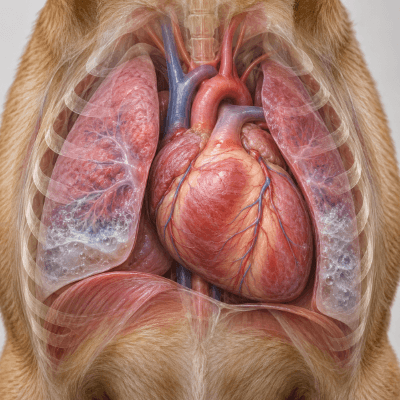
Heart failure can affect breathing, circulation, energy levels and fluid balance throughout the body.
Stages & Progression of Heart Failure in Dogs
Heart failure in dogs can progress at very different rates depending on the underlying heart disease, severity of cardiac dysfunction, and how well the dog responds to treatment. Staging helps veterinarians determine how advanced the condition is, whether clinical signs are present, and which treatment options may be most appropriate. Understanding the stage of heart disease can also provide important insight into prognosis, expected progression, and the level of monitoring and care your dog may need.
At Risk
The dog has no structural heart disease but is considered at increased risk because of breed, genetics, age, or other predisposing factors.
Heart Disease Present
Structural heart disease is present, such as valve disease, but the dog has not yet developed clinical signs of congestive heart failure.
Congestive Heart Failure
The dog has current or previous signs of heart failure, such as fluid in the lungs, coughing, rapid breathing, exercise intolerance, or fluid accumulation.
Advanced Heart Failure
Heart failure has become difficult to control with standard therapy and may require higher medication doses, additional treatments, and more intensive monitoring.
This chart is a simplified visual guide. Dogs do not progress through these stages according to a fixed timeline, and progression can vary widely depending on the underlying heart disease, breed, severity, treatment response, and overall health.
Top Ways to Prevent Heart Failure in Dogs
Because heart failure is often caused by progressive underlying heart disease, genetics, and age-related changes, early detection and proactive management are essential. By maintaining a healthy weight, preventing heartworm disease, supporting appropriate nutrition, and scheduling regular veterinary checkups, the risk of complications may be reduced. Proactive care can help detect heart disease earlier, slow progression in some dogs, and support a longer, better quality of life.
| Prevention Strategy | Why It Helps | How to Do It |
|---|---|---|
| Maintain a Healthy Weight | Excess body weight increases cardiovascular workload and can make existing heart disease harder to manage. | Feed measured portions, limit excess treats, and monitor your dog’s body condition with veterinary guidance. |
| Feed a Balanced, Heart-Supportive Diet | Proper nutrition supports healthy body weight, muscle condition, and overall cardiovascular function. | Feed a complete and balanced diet appropriate for your dog’s age, breed, and health. Follow your vet’s advice on sodium and supplements. |
| Prevent Heartworm Disease | Heartworm infection can damage the pulmonary arteries, lungs, and heart and may contribute to right-sided heart failure. | Use year-round veterinarian-recommended heartworm prevention and complete routine heartworm testing. |
| Schedule Regular Veterinary Checkups | Early detection of heart murmurs, abnormal rhythms, or cardiac enlargement allows earlier monitoring and treatment. | Schedule routine exams and follow recommendations for bloodwork, chest X-rays, ECGs, or echocardiograms when indicated. |
| Screen Predisposed Breeds | Some breeds are genetically prone to mitral valve disease, dilated cardiomyopathy, and inherited arrhythmias. | Ask your veterinarian about breed-specific cardiac screening, especially for Dobermans, Cavaliers, Boxers, and giant breeds. |
| Provide Appropriate Exercise | Regular activity supports healthy weight, circulation, muscle condition, and overall cardiovascular fitness. | Provide moderate, age-appropriate exercise and avoid excessive exertion in dogs with known or suspected heart disease. |
| Manage Underlying Health Conditions | Kidney disease, hypertension, endocrine disorders, and other illnesses can increase cardiovascular stress. | Treat chronic health conditions promptly and attend follow-up appointments to monitor their effects on the heart. |
| Monitor for Early Warning Signs | Recognizing changes early can help identify worsening heart disease before severe heart failure develops. | Watch for coughing, faster resting breathing, fatigue, fainting, reduced stamina, appetite changes, or abdominal swelling. |
Actionable Resources
If you want to manage heart failure and support your dog’s cardiovascular health, here are some resources to explore under veterinary guidance.
How Is Heart Failure In Dogs Diagnosed
Diagnosing heart failure in dogs requires a comprehensive veterinary evaluation to determine the underlying heart disease, severity, and whether fluid buildup or other complications are present. Key steps include:
1. Physical Examination
Your veterinarian listens to the heart and lungs, checks heart rate and rhythm, evaluates breathing, pulse quality, gum color, and looks for signs of fluid buildup or poor circulation.
2. Chest X-Rays
Chest radiographs help assess heart size and shape and can reveal fluid in or around the lungs, making them especially useful when congestive heart failure is suspected.
3. Echocardiogram
An ultrasound of the heart evaluates chamber size, valve function, blood flow, heart muscle movement, and pumping ability to identify the underlying cardiac disease.
4. Electrocardiogram (ECG)
An ECG records the heart’s electrical activity and helps identify abnormal heart rhythms that may contribute to weakness, fainting, poor circulation, or worsening heart function.
5. Laboratory Tests
Bloodwork and urinalysis help evaluate kidney function, electrolytes, liver health, and other conditions that may affect treatment. Cardiac biomarkers such as NT-proBNP may also be used in some dogs.
6. Blood Pressure & Staging
Blood pressure, imaging results, clinical signs, and cardiac testing are considered together to determine disease severity and place the dog within an appropriate heart disease stage, helping guide treatment and monitoring.
Early detection is vital because heart disease can often be managed more effectively before congestive heart failure becomes advanced—allowing for earlier treatment, slower progression, and improved quality of life.
Nutritional Support & Supplements
Proper nutrition can play an important supportive role for dogs with heart failure by helping maintain muscle mass, energy, healthy body weight, fluid balance, and overall quality of life during treatment. Depending on your dog’s condition, veterinarians may recommend strategies such as moderate sodium restriction, adequate high-quality protein, omega-3 fatty acids, taurine, L-carnitine, or other targeted nutrients based on the underlying heart disease and individual needs.
Important: Nutritional needs vary depending on the cause and stage of heart failure, kidney function, and medications.
Always discuss supplements, sodium restriction, and diet changes with your veterinarian or veterinary cardiologist before making changes.
Supportive care—such as medication management, nutritional support, controlled activity, and lifestyle adjustments—plays a crucial role in maintaining comfort and quality of life in dogs with heart failure. These measures do not cure the underlying heart disease and may interact with cardiac medications, so any diet, supplement, or lifestyle plan should be reviewed with your veterinarian or veterinary cardiologist.
Over-the-Counter Products
Over-the-counter treatments and supplements mentioned in this article for heart failure in dogs can be found on Amazon and Chewy.



Always consult your veterinarian before starting any new treatment, medication, or home-care regimen for canine heart failure. Puppies and dogs with persistent vomiting, diarrhea, weakness, or dehydration may require prompt veterinary care. If you can’t reach your vet, you can chat live with a registered online veterinary professional via our online vet chat or video chat support (24 hours a day, 7 days a week). Or use Chewy’s online vet services (6 a.m. – midnight ET).
Treatment & Care
According to current veterinary cardiology practice, the most effective treatment for heart failure in dogs is multimodal, combining several approaches based on the underlying heart disease and severity. These may include diuretics to reduce fluid buildup, pimobendan to improve heart function, ACE inhibitors or other cardiac medications to reduce cardiovascular strain, and dietary and lifestyle management to support long-term comfort and quality of life.
Medications
Common medications used to treat heart failure in dogs include:
| Medication / Class | Examples | How It Is Used | Important Considerations |
|---|---|---|---|
| Diuretics | Furosemide, torsemide | Help remove excess fluid from the body and are commonly used to relieve pulmonary edema, ascites, and other signs of congestive heart failure. | Can affect hydration, kidney function, and electrolyte levels. Bloodwork and dose adjustments are often needed during treatment. |
| Inodilator Therapy | Pimobendan | Improves the heart’s pumping strength while also helping blood vessels relax, reducing the workload on the heart in dogs with certain forms of heart disease and heart failure. | Should only be used when prescribed for an appropriate cardiac condition. Dosage and response should be monitored by a veterinarian. |
| ACE Inhibitors | Enalapril, benazepril | Help reduce activation of the renin-angiotensin-aldosterone system, which can decrease blood vessel constriction and reduce cardiac workload. | Kidney function, blood pressure, and electrolyte levels may need monitoring, particularly when combined with diuretics. |
| Aldosterone Antagonists | Spironolactone | Helps block the effects of aldosterone, reducing sodium and fluid retention and potentially limiting harmful cardiovascular remodeling. | Potassium and kidney function may need monitoring, especially when used with ACE inhibitors or other medications affecting electrolytes. |
| Antiarrhythmic Medications | Sotalol, mexiletine, diltiazem, amiodarone | Used in selected dogs to control abnormal heart rhythms that can reduce cardiac output, cause fainting, or worsen heart disease. | The correct drug depends on the type of arrhythmia. ECG monitoring and other follow-up testing may be required. |
| Beta Blockers | Atenolol, carvedilol | May be used for certain arrhythmias, congenital heart conditions, or selected cardiomyopathies to reduce heart rate and cardiac workload. | Not appropriate for every dog with heart failure and can worsen symptoms in some unstable patients if introduced at the wrong stage. |
| Calcium Channel Blockers | Diltiazem | May help control certain rapid heart rhythms, particularly supraventricular arrhythmias such as atrial fibrillation. | Heart rate, rhythm, and blood pressure should be monitored to avoid excessive slowing or reduced cardiac output. |
| Vasodilators | Hydralazine, amlodipine | May be used in selected cases to reduce vascular resistance and make it easier for the heart to pump blood forward. | Can lower blood pressure significantly, so dosing and blood pressure monitoring should be guided by a veterinarian or cardiologist. |
| Antithrombotic Therapy | Clopidogrel, veterinarian-selected anticoagulants | May be prescribed in selected cardiac patients considered at increased risk of developing harmful blood clots. | Not routinely required for all dogs with heart failure and can increase bleeding risk. Use depends on the underlying condition. |
| Emergency Supportive Therapy | Supplemental oxygen, injectable diuretics, sedatives as indicated | Used in dogs experiencing acute respiratory distress or severe congestive heart failure to stabilize breathing and reduce fluid buildup. | Severe breathing difficulty is a medical emergency and requires immediate veterinary care rather than home treatment. |
The best way to get these medications is at Chewy Pet Pharmacy:
Alternative & Integrative Therapies
Integrative and supportive therapies can help manage symptoms, reduce stress, support circulation, and improve quality of life for dogs with heart failure. Options such as controlled low-impact exercise, massage, acupuncture, stress reduction, nutritional support, and careful home monitoring may be used alongside conventional treatment, but they should always be discussed with your veterinarian or veterinary cardiologist to ensure they are safe and appropriate for your dog.
Surgical Options
Surgery is not a routine treatment for most dogs with heart failure, but certain underlying heart defects or rhythm disorders may be treated with specialized procedures. Depending on the cause, surgery or interventional cardiology may be used to repair abnormal blood flow, widen narrowed valves, close congenital defects, or regulate dangerous heart rhythms. Options can include pacemaker implantation, balloon valvuloplasty, patent ductus arteriosus (PDA) closure, and, in selected cases, valve repair. Your veterinarian or veterinary cardiologist will determine whether a procedure is appropriate based on the heart condition, disease severity, age, and overall health.
Emotional & Lifestyle Impact
Heart failure can be emotionally challenging for both dogs and their families. Dogs may experience changes in energy, appetite, breathing, mobility, and behavior, while medications and activity limits can affect daily routines. With thoughtful care, regular monitoring, and veterinary support, many dogs can continue to enjoy comfortable, meaningful lives while their condition is managed.
For Dogs
- May tire more easily during walks or play
- Can experience coughing, faster breathing, or restlessness
- May need shorter activities and more frequent rest periods
- Daily medications and monitoring can change normal routines
- Can still enjoy affection, gentle activity, and time with family
For Pet Parents
- It’s common to feel worried about breathing changes or progression
- Medication schedules and monitoring may require daily planning
- Veterinary visits and long-term treatment can add financial stress
- Tracking resting breathing rate can become part of the routine
- Focus on comfort, calm activity, and meaningful time together
“Heart failure may change your dog’s routine, but thoughtful care, treatment, and quiet moments together can still make every day meaningful.”
Meaningful days.
Dog Heart Failure Prognosis
A dog’s heart failure prognosis depends on several factors, including the underlying heart disease, stage at diagnosis, response to treatment, age, overall health, and presence of complications. Some dogs can remain stable and comfortable for extended periods with appropriate medications and monitoring, while others may progress more quickly. Working closely with your veterinarian or veterinary cardiologist can help guide treatment decisions, manage symptoms, and maintain the best possible quality of life for your dog.
Key Factors That Influence Prognosis
Typical Annual Cost of Treating Canine Heart Failure
| Category | Estimated Annual Cost Range | Notes |
|---|---|---|
| Initial Diagnosis & Cardiac Testing | $500 – $2,000+ | May include physical exams, bloodwork, chest X-rays, ECG, blood pressure testing, and echocardiography. |
| Heart Failure Medications | $500 – $2,500+ | May include diuretics, pimobendan, ACE inhibitors, spironolactone, or other heart medications depending on the dog’s size and disease severity. |
| Veterinary Cardiology Visits | $400 – $1,500+ | Follow-up cardiology examinations may be needed several times per year to monitor progression and adjust treatment. |
| Follow-Up Imaging & Monitoring | $400 – $2,000+ | Repeat chest X-rays, echocardiograms, ECGs, blood pressure checks, and cardiac biomarkers may be recommended. |
| Bloodwork & Kidney Monitoring | $200 – $800+ | Regular blood tests help monitor kidney function, electrolytes, and medication tolerance, especially in dogs receiving diuretics. |
| Prescription Diet & Nutritional Support | $300 – $1,500+ | May include heart-supportive diets, omega-3 fatty acids, taurine, L-carnitine, or other veterinarian-recommended nutritional support. |
| Emergency Hospitalization | $1,000 – $5,000+ | Acute congestive heart failure may require oxygen, injectable diuretics, intensive monitoring, and hospitalization. |
| Surgical / Interventional Procedures | $3,000 – $15,000+ | Specialized procedures such as pacemaker implantation, PDA closure, balloon valvuloplasty, or mitral valve surgery can significantly increase costs. |
| Pet Insurance Coverage | Varies | Coverage depends on the policy, deductible, reimbursement rate, and whether the heart condition was diagnosed before enrollment as a pre-existing condition. |
| Typical Annual Range | Stable, Medically Managed Cases: $1,500 – $5,000+ | Advanced or Complicated Cases: $5,000 – $15,000+ | |
Heart Failure care can add up quickly — from daily medications to possible surgeries. Pet insurance can ease the financial burden and ensure your dog gets the best treatment without compromise. If you want to compare plans and find out which providers offer the best coverage for heart failure and chronic conditions, check out our full guides to the Best Pet Insurance for Dogs and Best Pet Wellness Plans.
Related Health Conditions
Some health conditions are closely linked to heart failure because they may cause cardiac dysfunction, worsen the heart’s workload, or produce overlapping symptoms such as coughing, weakness, fainting, and difficulty breathing. Understanding these related conditions can help dog owners recognize potential warning signs and better understand the diagnostic and treatment options their veterinarian may recommend.
- Dilated Cardiomyopathy (DCM)
- Arrhythmia
- Congenital Heart Defects
- Aortic Stenosis
- Pulmonic Valve Disease
- Tricuspid Valve Disease
- Mitral Valve Disease
- Pulmonary Hypertension
- Heartworm Disease
- Pericardial Disease
- High Blood Pressure
- Kidney Disease
Frequently Asked Questions
The Bottom Line
Heart failure in dogs is a serious and progressive condition, but with early detection, appropriate treatment, and consistent monitoring, many dogs can continue to enjoy comfortable and meaningful lives. Advances in veterinary cardiology, medications, diagnostic tools, and nutritional support have made it possible to manage symptoms and slow progression in many cases. By recognizing warning signs early, keeping regular veterinary appointments, giving medications as prescribed, and supporting a heart-healthy lifestyle, you can play an important role in protecting your dog’s comfort and quality of life. Above all, attentive care and close partnership with your veterinary team can help make each day as safe, comfortable, and fulfilling as possible.