
Dilated Cardiomyopathy (DCM) in Dogs: Symptoms, Types, Causes, Signs & Prevention

Canine Bible is reader-supported. We receive affiliate commissions via some of our links. Learn more.
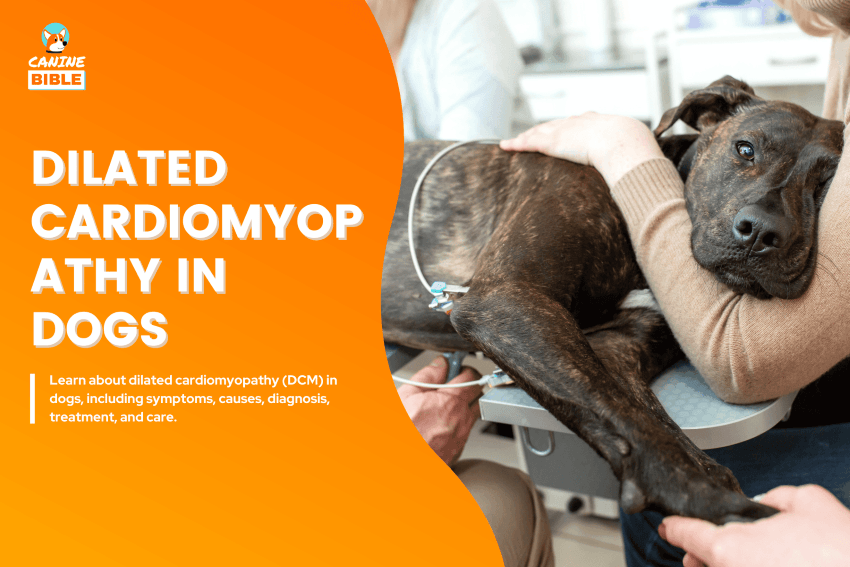
A comprehensive guide to dilated cardiomyopathy (DCM) in dogs, including causes, breed risk, warning signs, cardiac testing, treatment options, prognosis and what pet parents should know when caring for a dog with heart disease.
DCM at a Glance
Most common in
Large and giant breeds, especially Doberman Pinschers.
Common signs
Fatigue, coughing, rapid breathing, weakness and fainting.
Diagnosis
Echocardiogram, ECG, Holter monitoring and chest imaging.
Treatment
Heart medications, fluid control and rhythm management.
Prognosis
Depends on disease stage, arrhythmias and response to treatment.
Breed risk
Genetic susceptibility is especially high in some large breeds.
What Is DCM in Dogs?
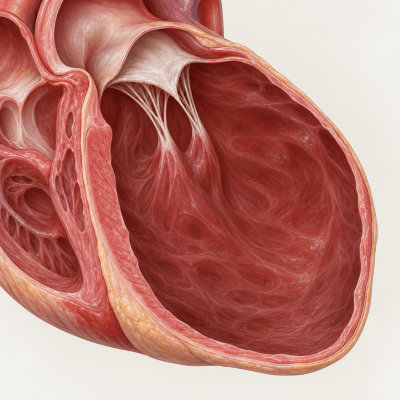
Dilated cardiomyopathy (DCM) is a disease of the heart muscle that causes the heart chambers, particularly the ventricles, to enlarge while the heart muscle becomes weaker and less able to pump blood effectively. As cardiac function declines, circulation becomes less efficient and affected dogs may develop abnormal heart rhythms, exercise intolerance, weakness, coughing or breathing difficulties. In advanced cases, DCM can lead to congestive heart failure, fluid accumulation in the lungs or abdomen, collapse and potentially sudden cardiac death. The disease is especially common in certain large and giant breeds and may have genetic, nutritional or other underlying causes.


Types
Dogs can develop different forms of dilated cardiomyopathy (DCM), and each can affect the heart in different ways. Some cases are inherited and linked to breed predisposition, while others may be associated with nutritional deficiencies, abnormal heart rhythms, certain toxins, or underlying disease. Understanding the main types of DCM can help pet parents recognize risk factors, treatment options, and why prognosis can vary from one dog to another.
Primary / Idiopathic DCM
DCM that develops without an identifiable underlying cause, often occurring in genetically predisposed large and giant breeds.
Genetic / Familial DCM
An inherited form linked to genetic susceptibility in breeds such as Doberman Pinschers, Great Danes, and Irish Wolfhounds.
Nutrition-Associated DCM
Heart muscle dysfunction associated in some dogs with nutritional deficiencies or imbalances, including low taurine status.
Tachycardia-Induced Cardiomyopathy
Develops when a persistently rapid abnormal heart rhythm places prolonged strain on the heart and weakens its pumping ability.
Toxin / Drug-Associated DCM
Heart muscle damage can occur after exposure to certain cardiotoxic medications or substances, potentially producing DCM-like changes.


Secondary Myocardial Dysfunction
DCM-like changes may occur secondary to metabolic disease, systemic illness, nutritional problems, or other heart muscle injury.
Juvenile Inherited DCM
A rare inherited form that develops in young dogs or puppies and may progress rapidly to severe heart failure.
Predisposed Dog Breeds
While dilated cardiomyopathy (DCM) can affect any dog, certain breeds have a much higher inherited risk. Factors such as genetics, body size, and breed-specific heart muscle abnormalities make some large and giant breeds more prone to developing DCM than others.
| Size / Group | Breeds | Notes on Risk Factors |
|---|---|---|
| Highest-Risk Breeds | Doberman Pinscher, Irish Wolfhound, Great Dane, Boxer | Strong hereditary predisposition to DCM and cardiac arrhythmias. Disease may begin during an occult stage before visible symptoms develop. |
| Giant Breeds | Great Dane, Irish Wolfhound, Newfoundland, Saint Bernard, Scottish Deerhound | Large body size and inherited cardiac traits increase susceptibility to ventricular enlargement and weakened heart muscle contractions. |
| Large & Working Breeds | Doberman Pinscher, Boxer, German Shepherd, Old English Sheepdog, Weimaraner | Several large working breeds have familial forms of cardiomyopathy. Dobermans are particularly prone to occult DCM and ventricular arrhythmias. |
| Spaniels | American Cocker Spaniel, English Cocker Spaniel | Some affected dogs may develop taurine-associated myocardial dysfunction and may improve when nutritional deficiencies are identified and corrected. |
| Juvenile Predisposition | Portuguese Water Dog | A rare inherited juvenile form of DCM can occur in puppies, sometimes progressing rapidly to severe heart failure. |
| Other Susceptible Dogs | Mixed-breed and other medium-to-large dogs | DCM can occur in any breed. Genetics, nutritional deficiencies, persistent arrhythmias, metabolic disease, or cardiotoxic exposure may contribute in some dogs. |
Causes
Dilated cardiomyopathy (DCM) in dogs usually develops from a combination of genetic, nutritional, metabolic, and heart-related factors rather than a single cause. While inherited forms cannot always be prevented, understanding the factors that may increase risk can help pet parents make informed decisions about screening, nutrition, lifestyle, and early cardiac monitoring.
Genetics
Inherited factors play a major role in DCM, particularly in predisposed breeds such as Doberman Pinschers, Great Danes, Irish Wolfhounds, and Boxers.
Age
DCM is diagnosed most often in adult and middle-aged dogs, although certain inherited forms can appear much earlier in life.
Nutritional Factors
In some dogs, deficiencies or imbalances involving nutrients such as taurine or L-carnitine may contribute to weakened heart muscle and DCM-like changes.
Abnormal Heart Rhythms
Persistent rapid arrhythmias can overwork the heart and may eventually weaken the heart muscle, causing tachycardia-induced cardiomyopathy.
Toxins & Medications
Certain cardiotoxic drugs and substances can damage heart muscle. Some chemotherapy medications, such as doxorubicin, are known to carry a risk of cardiac injury.
Metabolic & Systemic Disease
Certain metabolic disorders, severe systemic illnesses, or other conditions affecting heart muscle may contribute to secondary myocardial dysfunction.
Idiopathic / Unknown Causes
In many dogs, no single underlying cause can be identified. These cases are classified as idiopathic DCM and are often influenced by breed or inherited susceptibility.
Symptoms
Dilated cardiomyopathy (DCM) symptoms in dogs can vary depending on the stage of the disease, breed, severity of heart dysfunction, and presence of arrhythmias or congestive heart failure. Some signs may be subtle at first, while others become more noticeable as the condition progresses. Common warning signs include reduced stamina, coughing, rapid or labored breathing, weakness, fainting, decreased appetite, or abdominal swelling. Because many of these symptoms can also be caused by other conditions, any persistent or unusual changes should be evaluated by a veterinarian.
- Reduced stamina or exercise intolerance
- Rapid breathing while resting
- Labored or difficult breathing
- Persistent coughing
- Weakness or unusual fatigue
- Fainting or sudden collapse
- Decreased appetite
- Weight loss or muscle wasting
- Abdominal swelling from fluid buildup
- Restlessness, especially at night
DCM primarily affects the heart but can reduce circulation throughout the body.
Stages & Progression of Dilated Cardiomyopathy (DCM) in Dogs
Dilated cardiomyopathy (DCM) in dogs can progress at very different rates depending on the breed, underlying cause, severity of heart muscle dysfunction, and presence of arrhythmias or congestive heart failure. Staging helps veterinarians determine how advanced the disease is, whether clinical signs or heart failure are present, and which treatment options may be most appropriate. Understanding the stage of DCM can also provide important insight into prognosis, expected progression, monitoring needs, and the level of care your dog may need.
Early Risk / Predisposed
The dog may appear completely healthy but belongs to a predisposed breed or family line. Routine cardiac screening may help detect disease before symptoms develop.
Occult DCM
Heart enlargement, weakened contractions, or arrhythmias may be detectable even though the dog still shows few or no outward clinical signs.
Clinical DCM
Reduced stamina, coughing, weakness, rapid breathing, fainting, or exercise intolerance may appear as heart function becomes increasingly impaired.
Advanced DCM
Severe heart dysfunction may lead to congestive heart failure, pulmonary edema, fluid buildup, dangerous arrhythmias, collapse, or other life-threatening complications.
This chart is a simplified visual guide rather than a universal formal staging system. DCM can progress at very different rates depending on breed, underlying cause, arrhythmias, disease severity, treatment, and individual response.
Top Ways to Prevent Dilated Cardiomyopathy (DCM) in Dogs
Because DCM can be influenced by genetics, nutrition, and underlying heart disease, early prevention and regular monitoring are essential. By feeding a balanced, complete diet, avoiding unproven diet trends, screening breeds at higher risk, and scheduling regular veterinary or cardiology checkups, the risk of complications can be reduced. Proactive care helps detect heart changes early, improving your dog’s chances for better long-term heart health and quality of life.
| Prevention Strategy | Why It Helps | How to Do It |
|---|---|---|
| Feed a Complete, Balanced Diet | Proper nutrition provides the amino acids, vitamins, minerals, and fatty acids needed for normal heart muscle function. | Choose a nutritionally complete dog food and discuss any homemade, boutique, or unconventional diet with your veterinarian. |
| Screen High-Risk Breeds | DCM can develop silently for months or years before obvious symptoms appear, particularly in genetically predisposed breeds. | Ask your veterinarian about routine echocardiograms, ECGs, and Holter monitoring for breeds such as Doberman Pinschers, Great Danes, and Irish Wolfhounds. |
| Know Your Dog’s Genetic Risk | Several forms of DCM have a strong inherited component, making family history and breed predisposition important. | Review your dog’s family history, discuss breed-specific screening, and consider available genetic testing when appropriate. |
| Maintain a Healthy Weight | Excess body weight increases cardiovascular workload and can make breathing and exercise more difficult in dogs with heart disease. | Feed measured portions, limit high-calorie treats, and monitor body condition regularly with your veterinarian. |
| Monitor Taurine & Nutritional Status | Some dogs with DCM may have taurine or other nutritional abnormalities that contribute to impaired heart function. | Ask your veterinarian about taurine testing or dietary evaluation if nutritional DCM is suspected; supplement only when advised. |
| Use Appropriate Exercise | Moderate activity helps maintain conditioning, while excessive exertion may place added stress on a weakened heart. | Provide regular, moderate exercise suited to your dog’s health, and reduce strenuous activity if DCM or significant arrhythmias are diagnosed. |
| Regular Veterinary & Cardiac Checkups | Routine examinations can identify abnormal heart rhythms, murmurs, breathing changes, or early signs of cardiac dysfunction. | Schedule regular veterinary exams and follow recommended cardiology testing for dogs considered at increased risk. |
| Monitor for Early Warning Signs | Prompt recognition of symptoms may allow DCM or congestive heart failure to be diagnosed and treated earlier. | Watch for reduced stamina, coughing, rapid breathing, weakness, fainting, appetite loss, or abdominal swelling and report changes promptly. |
Actionable Resources
If you want to prevent or reduce the progression of dilated cardiomyopathy (DCM) in your dog, here are some things you can do under veterinary guidance.
How Is Dilated Cardiomyopathy (DCM) in Dogs Diagnosed
Diagnosing dilated cardiomyopathy (DCM) in dogs requires a comprehensive veterinary cardiac evaluation to assess heart size, pumping ability, rhythm, and whether congestive heart failure is present. Key steps include:
1. Examination
Your veterinarian performs a physical examination and reviews your dog’s medical history, symptoms, and any new or changing lumps or abnormalities.
2. Laboratory Tests
Bloodwork, urinalysis, and other laboratory tests help assess overall health, organ function, and abnormalities that may require further investigation.
3. Imaging
X-rays, ultrasound, CT scans, or MRI may be used to locate tumors, evaluate internal organs, and look for evidence that cancer has spread.
4. Cytology / Biopsy
Cells or tissue are collected from the mass using techniques such as fine-needle aspiration or biopsy so the abnormal cells can be examined.
5. Pathology
A veterinary pathologist examines the collected cells or tissue to determine whether cancer is present and, when possible, identify the tumor type and grade.
6. Staging
Additional testing may be performed to determine how extensive the cancer is and whether it has spread to lymph nodes, lungs, or other organs.
Early detection is vital because DCM can progress silently before symptoms appear—allowing for earlier treatment, closer monitoring, and a better chance of preserving heart function and quality of life.
Nutritional Support & Supplements
Proper nutrition can play an important supportive role for dogs with dilated cardiomyopathy (DCM) by helping maintain energy, muscle mass, heart function, and overall quality of life. Depending on your dog’s needs, veterinarians may recommend a complete, balanced diet with appropriate sodium levels and supplements such as omega-3 fatty acids, taurine, L-carnitine, or CoQ10 when clinically indicated.
Important: Supplements do not replace prescribed heart medications and may interact with other treatments. Taurine, L-carnitine, potassium, magnesium, and other nutrients should be used under veterinary guidance based on your dog’s diet, bloodwork, medications, and individual needs.
Supportive care—such as pain management, nutritional support, and lifestyle adjustments—plays a crucial role in maintaining comfort and quality of life during treatment. These options are not a cure for cancer and may interact with chemotherapy or other medications, so any diet or supplement plan should be reviewed with your veterinarian or veterinary oncologist.
Over-the-Counter Products
Over-the-counter treatments and supplements mentioned in this article for cancer in dogs can be found on Amazon and Chewy.



Always consult your veterinarian before starting any new treatment, medication, or home-care regimen for canine dilated cardiomyopathy (DCM). Puppies and dogs with persistent vomiting, diarrhea, weakness, or dehydration may require prompt veterinary care. If you can’t reach your vet, you can chat live with a registered online veterinary professional via our online vet chat or video chat support (24 hours a day, 7 days a week). Or use Chewy’s online vet services (6 a.m. – midnight ET).
Treatment & Care
According to current veterinary cardiology research, the most effective treatments for dilated cardiomyopathy (DCM) in dogs are multimodal, combining several approaches to support heart function and improve quality of life. These may include heart medications to improve pumping ability and control fluid buildup, anti-arrhythmic drugs to manage abnormal heart rhythms, and nutritional support or targeted supplements such as taurine or L-carnitine when indicated.
Medications
Common medications used to treat dilated cardiomyopathy (DCM) in dogs include:
| Medication / Class | Examples | How It Is Used | Important Considerations |
|---|---|---|---|
| Inodilator | Pimobendan | Improves the strength of heart contractions and helps blood vessels relax, allowing the weakened heart to pump blood more efficiently. | Commonly used in dogs with DCM and congestive heart failure. Dosing and monitoring should be directed by a veterinarian or veterinary cardiologist. |
| Loop Diuretics | Furosemide, torsemide | Remove excess fluid from the body and are commonly used when DCM causes pulmonary edema, pleural effusion, or other signs of congestive heart failure. | Kidney values, hydration, and electrolytes require monitoring. Increased thirst and urination are common during treatment. |
| ACE Inhibitors | Enalapril, benazepril | Help relax blood vessels and reduce activation of hormonal systems that increase fluid retention and cardiac workload. | Blood pressure, kidney function, and potassium levels should be monitored, particularly when combined with diuretics. |
| Aldosterone Antagonist | Spironolactone | Blocks the effects of aldosterone and provides mild potassium-sparing diuretic activity as part of chronic congestive heart failure management. | Kidney function and potassium may need monitoring, especially when used with ACE inhibitors or other heart medications. |
| Ventricular Antiarrhythmics | Sotalol, mexiletine | May be prescribed to control frequent or dangerous ventricular arrhythmias associated with DCM, particularly in predisposed breeds. | Drug selection depends on the type and severity of arrhythmia. ECG or Holter monitoring is often used to evaluate treatment response. |
| Calcium Channel Blocker | Diltiazem | May be used to slow the ventricular rate in dogs with atrial fibrillation or certain supraventricular arrhythmias. | Heart rate and blood pressure should be monitored. It may be combined with other rate-control medications in selected dogs. |
| Cardiac Glycoside | Digoxin | May help control heart rate in dogs with atrial fibrillation and can provide additional support for cardiac contractility. | Has a narrow safety margin. Blood levels, kidney function, appetite, heart rhythm, and signs of toxicity require careful monitoring. |
| Antiarrhythmic Medication | Amiodarone | May be considered for serious or difficult-to-control ventricular or supraventricular arrhythmias. | Can cause significant adverse effects and generally requires close veterinary monitoring, including liver and thyroid testing. |
| Electrolyte Supplementation | Potassium or magnesium supplements when indicated | Used when blood testing identifies electrolyte abnormalities that could contribute to weakness or abnormal heart rhythms. | Should only be given when recommended by a veterinarian. Excess supplementation can itself cause dangerous heart rhythm changes. |
| Nutritional Cardiac Support | Taurine, L-carnitine | May be recommended when nutritional deficiency or nutrition-associated myocardial dysfunction is suspected or confirmed. | These supplements do not replace standard DCM medications. Testing and veterinary nutritional guidance can help determine whether supplementation is appropriate. |
The best way to get these medications is at Chewy Pet Pharmacy:
Alternative & Integrative Therapies
Integrative and supportive therapies can help reduce stress, support comfort, and improve quality of life for dogs with dilated cardiomyopathy (DCM). Options such as gentle massage, acupuncture, veterinarian-guided exercise, nutritional support, and stress-reduction strategies may be used alongside conventional heart treatment, but should always be discussed with your veterinarian to ensure they are safe and appropriate for your dog.
Surgical Options
Surgery is not a routine treatment for dilated cardiomyopathy (DCM) because the disease affects the heart muscle throughout the heart rather than a single area that can be removed. In select cases, however, interventional procedures such as pacemaker implantation may be considered for certain rhythm disorders, while fluid-drainage procedures may help relieve severe complications such as pleural effusion or abdominal fluid buildup. Your veterinarian or veterinary cardiologist will determine whether any procedure is appropriate based on your dog’s heart rhythm, disease severity, complications, and overall health.
Emotional & Lifestyle Impact
A diagnosis of dilated cardiomyopathy (DCM) can be emotionally challenging for both dogs and their families. Dogs may experience changes in energy, stamina, appetite, breathing, and activity levels, while medications and exercise restrictions can alter daily routines. With thoughtful care, regular monitoring, and veterinary support, many dogs can continue to enjoy meaningful, comfortable time with their families throughout treatment.
For Dogs
- Reduced stamina and less interest in strenuous activity
- May tire easily during walks, play, or excitement
- Medication schedules can become part of daily routines
- May need shorter walks and more frequent rest periods
- Can still enjoy affection, enrichment, and quiet family time
For Pet Parents
- It’s normal to feel worried about disease progression
- Daily breathing-rate monitoring may become part of care
- Regular cardiology visits and medications require planning
- Focus on comfort, stability, and your dog’s quality of life
- Seek veterinary support when symptoms or behavior change
“A DCM diagnosis may change your dog’s routine, but thoughtful care, monitoring, and quiet moments together can still make every day meaningful.”
Quality time.
Dog Dilated Cardiomyopathy (DCM) Prognosis
A dog’s prognosis with dilated cardiomyopathy (DCM) depends on several factors, including the stage at diagnosis, severity of heart dysfunction, presence of arrhythmias or congestive heart failure, response to treatment, overall health, and level of supportive care. Some dogs remain stable for extended periods with early detection and treatment, while others may progress more rapidly. Working closely with your veterinarian or veterinary cardiologist can help guide treatment decisions, monitor heart function, manage symptoms, and maintain the best possible quality of life for your dog.
Key Factors That Influence Prognosis
Typical Annual Cost of Treating Canine Dilated Cardiomyopathy (DCM)
| Category | Estimated Annual Cost Range | Notes |
|---|---|---|
| Initial Cardiology Evaluation & Testing | $600 – $2,000 | May include specialist consultation, echocardiogram, ECG, chest X-rays, bloodwork, and cardiac biomarker testing. |
| Echocardiograms & Follow-Up Imaging | $500 – $1,800 | Periodic cardiac ultrasound and chest imaging may be used to monitor heart size, pumping function, and fluid buildup. |
| Holter Monitoring & ECG Testing | $300 – $1,200 | Used to detect and monitor intermittent or dangerous arrhythmias, especially in breeds predisposed to DCM. |
| Heart Medications | $500 – $2,500+ | May include pimobendan, diuretics, ACE inhibitors, spironolactone, and other medications depending on disease stage. |
| Antiarrhythmic Medications | $300 – $1,500+ | Drugs such as sotalol, mexiletine, diltiazem, or other rhythm-control medications may be prescribed when needed. |
| Bloodwork & Medication Monitoring | $300 – $1,200 | Kidney function, electrolytes, blood pressure, and medication effects may need regular monitoring throughout treatment. |
| Emergency Care & Hospitalization | $1,500 – $5,000+ | Acute congestive heart failure, pulmonary edema, collapse, or severe arrhythmias may require oxygen therapy and hospitalization. |
| Nutritional Support & Supplements | $300 – $1,200 | May include cardiac diets, omega-3 fatty acids, taurine, L-carnitine, or other veterinarian-recommended support. |
| Interventional Procedures | $1,500 – $6,000+ | Procedures such as pacemaker implantation, fluid drainage, or specialized rhythm interventions are only needed in select cases. |
| Pet Insurance Coverage | Varies | Coverage depends on the policy, deductible, reimbursement level, and whether DCM was considered a pre-existing condition. |
| Typical Annual Range | Stable / Managed DCM: $1,500 – $5,000 | Advanced DCM or Heart Failure: $3,000 – $10,000+ | |
Dilated Cardiomyopathy (DCM) care can add up quickly — from daily medications to possible surgeries. Pet insurance can ease the financial burden and ensure your dog gets the best treatment without compromise. If you want to compare plans and find out which providers offer the best coverage for dilated cardiomyopathy (DCM) and chronic conditions, check out our full guides to the Best Pet Insurance for Dogs and Best Pet Wellness Plans.
Related Health Conditions
Some health conditions are closely linked to dilated cardiomyopathy (DCM) because they may affect heart function, cause similar symptoms, or develop as complications of progressive cardiac disease. Understanding these related conditions can help dog owners recognize warning signs and better understand the diagnostic, monitoring, and treatment options their veterinarian may recommend. DCM can notably progress to heart failure and is often associated with abnormal heart rhythms.
- Heart Failure
- Arrhythmia
- Tricuspid Valve Disease
- Pulmonic Valve Disease
- Aortic Stenosis
- Congenital Heart Defects
- Pulmonary Edema
- Atrial Fibrillation
- Fainting / Syncope
- Cardiac Cachexia / Muscle Loss
Frequently Asked Questions
The Bottom Line
Dilated cardiomyopathy (DCM) is a serious heart condition, but early detection and consistent management can make a meaningful difference. Advances in veterinary cardiology, cardiac screening, and medications now help many dogs maintain comfort and quality of life for longer. By recognizing early warning signs, scheduling regular veterinary or cardiology checkups, providing balanced nutrition, and following prescribed treatment, you can help protect your dog’s heart health. Above all, attentive monitoring, supportive care, and close partnership with your veterinarian can help your dog remain as comfortable and active as possible throughout every stage of DCM.