Pica in Dogs: Symptoms, Types, Causes, Signs & Prevention

Canine Bible is reader-supported. We receive affiliate commissions via some of our links. Learn more.
A comprehensive guide to pica in dogs, including common causes, warning signs, potential complications, diagnosis, treatment, prevention and what pet parents should know when caring for a dog that repeatedly eats non-food items.
Pica at a Glance
Most common in
Puppies, young dogs and dogs with behavioral or medical triggers.
Common signs
Eating rocks, fabric, plastic, paper, soil or other non-food items.
Diagnosis
History, physical exam, bloodwork, fecal tests and imaging.
Treatment
Treat underlying causes, modify behavior and restrict access to objects.
Prognosis
Often good when the underlying trigger is identified and managed.
Major risk
Foreign-body obstruction, poisoning, choking or intestinal injury.
What Is Pica in Dogs?
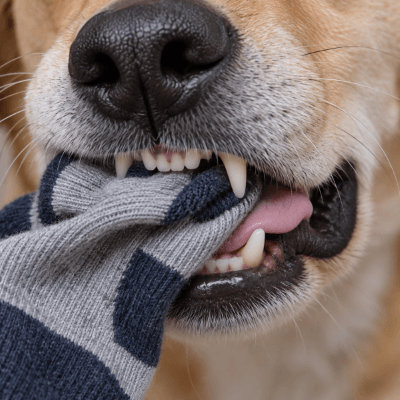
Pica is the repeated eating or attempted eating of non-food items that provide little or no nutritional value. Dogs with pica may consume objects such as rocks, soil, plastic, paper, fabric, wood, socks or other household materials. Occasional chewing or swallowing of an inappropriate item does not always mean a dog has pica, but persistent or recurrent ingestion may indicate an underlying medical, nutritional, behavioral or environmental problem. Pica can become dangerous when swallowed objects cause choking, gastrointestinal irritation, intestinal obstruction, poisoning or internal injury.


Types
Dogs can develop different forms of pica depending on the type of non-food material they repeatedly consume and the underlying cause of the behavior. Some dogs may eat soil, rocks, fabric, paper, plastic, feces, or other inappropriate objects. Understanding the different patterns of pica can help pet parents recognize potential triggers, health risks, and the most appropriate treatment or management approach.
Geophagia
Repeated eating of soil, dirt, clay, or similar ground materials.
Coprophagia
Consumption of feces, either the dog’s own stool or feces from other animals.
Fabric & Textile Eating
Repeated chewing or swallowing of socks, blankets, clothing, towels, or other fabrics.
Rock & Stone Eating
Chewing or swallowing rocks, gravel, pebbles, or stones, which can damage teeth or obstruct the digestive tract.
Plastic & Rubber Eating
Ingestion of plastic bags, packaging, toys, rubber pieces, or other synthetic materials.
Paper & Cardboard Eating
Repeated consumption of paper, tissues, books, cardboard, or similar household materials.


Wood Eating
Chewing and swallowing sticks, branches, furniture, mulch, or pieces of wood.
Trichophagia
Repeated ingestion of hair or fur, sometimes associated with grooming, anxiety, or compulsive behavior.
Metal & Hard-Object Eating
Ingestion of coins, hardware, jewelry, or other hard objects that may cause toxicity, injury, or obstruction.
Other Non-Food Items
Some dogs consume multiple types of inappropriate objects, including foam, string, plants, household items, or other materials.
Predisposed Dog Breeds
While pica can affect any dog, certain breeds may be more prone due to temperament and behavior. Factors such as food drive, anxiety, and curiosity can increase the risk.
| Size / Group | Breeds | Notes on Risk Factors |
|---|---|---|
| Sporting Breeds | Labrador Retriever, Golden Retriever, Cocker Spaniel, English Springer Spaniel | Strong food motivation, retrieving instincts, and exploratory behavior may increase the likelihood of chewing or swallowing inappropriate objects. |
| Working & Herding Breeds | German Shepherd, Border Collie, Australian Shepherd, Belgian Malinois, Siberian Husky | High intelligence and energy levels can contribute to boredom, stress, or repetitive behaviors when physical and mental needs are not adequately met. |
| Hound Breeds | Beagle, Basset Hound, Dachshund | Strong scent drive and food-seeking behavior may encourage exploration and ingestion of non-food items found indoors or outdoors. |
| Terrier Breeds | Jack Russell Terrier, Staffordshire Bull Terrier, Yorkshire Terrier, Bull Terrier | Curiosity, persistence, high activity levels, and strong chewing tendencies may contribute to inappropriate object ingestion. |
| Toy & Companion Breeds | Chihuahua, Shih Tzu, Maltese, Toy Poodle, Pug | Anxiety, attention-seeking behavior, boredom, or compulsive tendencies may contribute to repeated chewing or eating of non-food objects. |
| Any Breed or Mixed Breed | Mixed-breed dogs and dogs of any size or breed | Pica is not considered a breed-specific disorder. Medical conditions, nutritional problems, anxiety, boredom, and environmental access can affect any dog. |
Causes
Pica in dogs usually develops from a combination of medical, nutritional, behavioral, and environmental factors rather than a single cause. While not every case can be prevented, understanding potential triggers can help pet parents make informed decisions about diet, enrichment, supervision, and veterinary care.
Medical Conditions
Gastrointestinal disease, anemia, endocrine disorders, and other illnesses may contribute to persistent non-food eating.
Nutritional Deficiencies
Inadequate nutrition or poor nutrient absorption may contribute to abnormal eating behavior in some dogs.
Anxiety & Stress
Stress, separation anxiety, fear, or changes in routine can trigger repetitive chewing or ingestion of non-food items.
Boredom & Low Stimulation
Dogs without enough exercise, play, training, or mental enrichment may turn to inappropriate objects for stimulation.
Compulsive Behavior
Some dogs develop repetitive, difficult-to-control behaviors in which chewing or swallowing objects becomes habitual.
Intestinal Parasites
Parasites may interfere with digestion or nutrient absorption and can contribute to unusual appetite or eating behaviors.
Environmental Access
Easy access to rocks, fabric, plastic, trash, paper, or other tempting objects makes repeated ingestion more likely.
Exploratory Behavior
Puppies and curious dogs naturally investigate objects with their mouths, which can progress to swallowing inappropriate materials.
Symptoms
Pica symptoms in dogs can vary depending on the type, amount, and frequency of non-food material consumed. Some signs may be subtle at first, while others become more noticeable if irritation, toxicity, or obstruction develops. Common warning signs include eating non-food objects, vomiting, diarrhea, constipation, loss of appetite, abdominal discomfort, lethargy, weight loss, or behavioral changes. Because these symptoms can also be caused by other conditions, any persistent or unusual changes should be evaluated by a veterinarian.
- Eating non-food objects
- Chewing rocks, fabric, plastic or paper
- Vomiting or retching
- Diarrhea or constipation
- Reduced or changing appetite
- Abdominal discomfort
- Lethargy or reduced activity
- Weight loss
- Difficulty passing stool
- Anxiety or compulsive behavior
Pica can affect the mouth and gastrointestinal tract and may cause serious complications.
Stages & Progression of Pica in Dogs
Pica in dogs can progress at different rates depending on the underlying cause, the frequency of the behavior, and the types of non-food items consumed. Severity is generally determined by how persistent the behavior is, whether medical or behavioral triggers are present, and whether complications have developed. Understanding how pica is progressing can also provide important insight into treatment needs, safety risks, and the level of supervision your dog may require.
Mild
Occasional chewing or ingestion of non-food items may occur without obvious illness or digestive complications.
Moderate
Non-food eating becomes more frequent and may be accompanied by vomiting, appetite changes, diarrhea, or constipation.
Severe
Persistent pica may cause abdominal pain, weight loss, recurrent digestive upset, or repeated foreign-body ingestion.
Emergency Complications
Swallowed objects may cause choking, intestinal obstruction, perforation, poisoning, or other life-threatening complications.
This chart is a simplified visual guide. Pica does not have a formal four-stage veterinary staging system, and individual dogs may remain mild, improve with treatment, or develop serious complications suddenly.
Top Ways to Prevent Pica in Dogs
Because pica is often linked to medical, nutritional, behavioral, and environmental factors, prevention focuses on reducing triggers and limiting access to non-food items. Providing a balanced diet, regular exercise, mental enrichment, safe chew alternatives, and routine veterinary care can help lower the risk. Proactive management also helps identify underlying problems early and prevent dangerous complications.
| Prevention Strategy | Why It Helps | How to Do It |
|---|---|---|
| Feed a Complete, Balanced Diet | Proper nutrition helps reduce the risk of dietary deficiencies or imbalances that may contribute to abnormal eating behavior. | Feed a nutritionally complete diet appropriate for your dog’s age, size, activity level, and health needs. |
| Limit Access to Non-Food Objects | Preventing access reduces opportunities to chew or swallow dangerous objects. | Keep rocks, socks, plastic, paper, trash, fabric, and other tempting items safely out of reach. |
| Provide Mental Enrichment | Boredom can contribute to destructive chewing and repetitive object-seeking behavior. | Use puzzle toys, scent games, interactive feeders, training sessions, and rotating toys to keep your dog engaged. |
| Offer Safe Chew Alternatives | Appropriate chew options give dogs a safer outlet for natural chewing and exploratory behavior. | Provide durable, size-appropriate chew toys and supervise their use to prevent pieces from being swallowed. |
| Maintain Regular Exercise | Physical activity helps reduce boredom, stress, and excess energy that may contribute to pica. | Provide daily walks, playtime, and age-appropriate exercise based on your dog’s health and energy level. |
| Address Anxiety & Stress | Anxiety, separation distress, and compulsive behavior may trigger repeated chewing or ingestion of non-food items. | Maintain predictable routines, reduce known stressors, and seek veterinary or behavioral support if anxiety persists. |
| Use Positive-Reinforcement Training | Training can help dogs disengage from inappropriate objects before they are swallowed. | Teach commands such as “leave it” and “drop it” using rewards, consistency, and supervision rather than punishment. |
| Schedule Regular Vet Checkups | Medical conditions, parasites, anemia, or gastrointestinal problems may contribute to persistent pica. | Arrange routine exams and discuss repeated non-food eating with your veterinarian so underlying causes can be investigated early. |
| Monitor for Early Signs | Recognizing pica early can help prevent foreign-body ingestion, poisoning, choking, or intestinal obstruction. | Watch for repeated object chewing, vomiting, appetite changes, abdominal discomfort, constipation, or unusual eating behavior. |
Actionable Resources
If you want to prevent or reduce pica in your dog, here are some things you can do under veterinary guidance.
How Is Pica In Dogs Diagnosed
Diagnosing pica in dogs requires a comprehensive veterinary evaluation to identify possible medical, nutritional, behavioral, or environmental causes. Key steps include:
1. Examination
Your veterinarian performs a physical examination and reviews your dog’s overall health, body condition, mouth, abdomen, appetite, digestion, and any signs of pain or illness.
2. History & Behavior Review
Your veterinarian asks what your dog eats, which non-food items are targeted, how often the behavior occurs, and whether stress, boredom, anxiety, or environmental triggers may be involved.
3. Laboratory Tests
Bloodwork and other laboratory tests may be used to check for anemia, metabolic abnormalities, nutritional problems, gastrointestinal disease, or other medical conditions.
4. Fecal & Parasite Testing
Fecal testing may be recommended to identify intestinal parasites or other digestive problems that could contribute to abnormal appetite or non-food eating.
5. Imaging
X-rays or ultrasound may be used if a dog has swallowed a foreign object or develops vomiting, abdominal pain, appetite loss, constipation, or signs of gastrointestinal obstruction.
6. Behavioral Assessment
If medical causes are not identified, your veterinarian may evaluate anxiety, boredom, compulsive behavior, environmental factors, and other behavioral triggers contributing to pica.
Early recognition is important because pica often responds best when the underlying cause is identified and addressed early—allowing for safer management and helping prevent serious complications.
Nutritional Support & Supplements
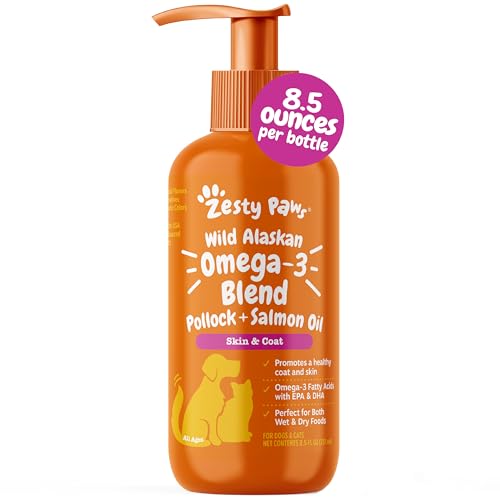
Proper nutrition can play an important supportive role for dogs with pica by helping maintain balanced nutrient intake, digestive health, energy, and overall well-being. Depending on the underlying cause, veterinarians may recommend strategies such as a complete and balanced diet, added fiber, probiotics, omega-3 fatty acids, vitamin B12, iron, zinc, or other targeted supplements when a deficiency or gastrointestinal problem is identified.
Important: Pica should not be treated with supplements alone.
Nutrients such as iron, zinc, or vitamin B12 should only be supplemented when
a veterinarian identifies a specific need or deficiency.
Always discuss dietary changes and supplements with your veterinarian.
Supportive care—such as nutritional support, behavioral management, environmental changes, and treatment of underlying medical conditions—plays an important role in reducing pica and preventing complications. These strategies are not a substitute for veterinary diagnosis, so any diet, supplement, medication, or behavior plan should be reviewed with your veterinarian.
Over-the-Counter Products
Over-the-counter treatments and supplements mentioned in this article for pica in dogs can be found on Amazon and Chewy.


Always consult your veterinarian before starting any new treatment, medication, or home-care regimen for canine pica. Puppies and dogs with persistent vomiting, diarrhea, weakness, or dehydration may require prompt veterinary care. If you can’t reach your vet, you can chat live with a registered online veterinary professional via our online vet chat or video chat support (24 hours a day, 7 days a week). Or use Chewy’s online vet services (6 a.m. – midnight ET).
Treatment & Care
According to current veterinary guidance, the most effective treatment for pica in dogs is multimodal, combining several approaches based on the underlying cause. These may include medical treatment for gastrointestinal or nutritional problems, behavior modification and training to reduce non-food eating, and environmental management to limit access to dangerous objects and prevent complications.
Medications
Common medications used to treat pica in dogs include:
| Treatment / Class | Examples | How It Is Used | Important Considerations |
|---|---|---|---|
| Treatment of Gastrointestinal Disease | Diet changes, probiotics, GI medications | Used when pica is associated with gastrointestinal discomfort, malabsorption, chronic enteropathy, or other digestive disorders. | Treatment depends on the specific diagnosis. Persistent vomiting, diarrhea, weight loss, or appetite changes should be evaluated by a veterinarian. |
| Antiparasitic Treatment | Veterinarian-selected dewormers | Used when intestinal parasites are identified or strongly suspected as a contributor to abnormal appetite or nutrient loss. | The medication and dosing depend on the parasite involved. Fecal testing may be recommended before or after treatment. |
| Nutritional Correction | Iron, vitamin B12, zinc, targeted dietary supplementation | Used when laboratory testing identifies a nutritional deficiency or malabsorption problem that may be contributing to pica. | Supplements should not be given blindly. Excessive amounts of certain vitamins or minerals can be harmful, so supplementation should be veterinarian-directed. |
| Dietary Management | Complete and balanced diets, highly digestible diets, veterinary therapeutic diets | Helps ensure adequate nutrition and may support dogs with gastrointestinal disease or other dietary triggers. | Diet selection should be based on the dog’s age, health, body condition, and any underlying medical diagnosis. |
| Behavioral Medications | Fluoxetine, clomipramine, other veterinarian-prescribed medications | May be considered when pica is associated with anxiety, compulsive behavior, or other behavioral disorders. | Medication is usually most effective when combined with behavior modification and environmental management. These drugs require veterinary supervision. |
| Behavior Modification | “Leave it,” “drop it,” redirection, positive reinforcement | Helps interrupt object-seeking behavior and teaches dogs safer responses around inappropriate items. | Consistency is important. Punishment may increase anxiety and should generally be avoided in favor of reward-based training. |
| Environmental Management | Barriers, supervision, removing hazards, basket muzzle when appropriate | Limits access to rocks, fabric, plastic, trash, and other objects a dog may attempt to swallow. | Management is especially important while the underlying cause is being investigated. Any muzzle used should allow panting, drinking, and safe breathing. |
| Enrichment & Exercise | Puzzle feeders, scent games, safe chew toys, structured activity | Provides appropriate outlets for chewing and exploration while reducing boredom and excess energy. | Toys should be appropriately sized and durable enough to reduce the risk of pieces being swallowed. |
| Anti-Nausea Medications | Maropitant, ondansetron | May be used when pica or an underlying gastrointestinal condition is accompanied by nausea or vomiting. | These medications treat symptoms rather than the behavioral cause of pica and should be used under veterinary guidance. |
| Foreign-Body Removal | Endoscopy, gastrotomy, enterotomy | Used when a swallowed object becomes lodged in the stomach or intestines or poses a significant risk of obstruction or injury. | This may become an emergency. Repeated vomiting, abdominal pain, inability to pass stool, severe lethargy, or known ingestion of a dangerous object requires prompt veterinary attention. |
The best way to get these medications is at Chewy Pet Pharmacy:
Alternative & Integrative Therapies
Integrative and supportive approaches can help reduce stress, improve behavior, and support overall well-being in dogs with pica. Options such as structured enrichment, exercise, behavior modification, calming strategies, and gastrointestinal support may be used alongside conventional treatment, but should always be discussed with your veterinarian to ensure they are safe and appropriate for your dog.
Surgical Options
Surgery is sometimes necessary for dogs with pica, particularly when a swallowed object becomes lodged in the stomach or intestines and cannot pass safely. Depending on the object’s size, shape, location, and the damage it has caused, treatment may involve endoscopic removal, gastrotomy, enterotomy, or removal of damaged intestinal tissue. Surgery may also be needed to relieve an obstruction, repair perforation, or prevent life-threatening complications. Your veterinarian or veterinary surgeon will determine whether surgery is appropriate based on imaging findings, symptoms, and your dog’s overall condition.
Emotional & Lifestyle Impact
Pica can be stressful for both dogs and their families. Dogs may experience changes in behavior, appetite, digestion, energy, and anxiety, while owners often need to provide closer supervision and make changes at home to prevent access to unsafe objects. With consistent management, enrichment, training, and veterinary support, many dogs with pica can continue to live safe, comfortable, and fulfilling lives.
For Dogs
- May experience anxiety, boredom, or compulsive behavior
- Can develop digestive discomfort after eating unsafe objects
- May require closer supervision during walks and playtime
- Benefit from enrichment, safe chew toys, and predictable routines
- Can still enjoy normal play, exercise, affection, and family time
For Pet Parents
- Constant supervision can feel stressful or exhausting
- Home environments may need to be adjusted for safety
- Walks may require closer monitoring around rocks or debris
- Training and enrichment may become part of the daily routine
- Veterinary and behavioral support can make management easier
“Managing pica takes patience and consistency, but creating a safer environment and addressing the underlying cause can help your dog live a happy, fulfilling life.”
Happier dogs.
Dog Pica Prognosis
A dog’s prognosis with pica depends on several factors, including the underlying cause, severity of the behavior, objects being consumed, response to treatment, overall health, and whether complications have occurred. Many dogs improve significantly when medical or behavioral triggers are identified and managed, while others may require long-term supervision and environmental control. Working closely with your veterinarian can help reduce risks, prevent foreign-body emergencies, and maintain the best possible quality of life for your dog.
Key Factors That Influence Prognosis
Typical Annual Cost of Treating Canine Pica
| Category | Estimated Annual Cost Range | Notes |
|---|---|---|
| Initial Veterinary Evaluation & Testing | $200 – $800 | May include physical examination, bloodwork, fecal testing, urinalysis, and evaluation for nutritional or medical causes. |
| Diagnostic Imaging | $300 – $1,500+ | X-rays or ultrasound may be needed if a swallowed object, gastrointestinal problem, or obstruction is suspected. |
| Behavioral Training & Consultation | $200 – $1,500+ | May include private training, behavior modification, or consultation with a veterinary behavior professional. |
| Medications | $100 – $1,200+ | May include treatment for gastrointestinal disease, anxiety, compulsive behavior, parasites, nausea, or other underlying conditions. |
| Nutritional Support & Special Diets | $300 – $1,500+ | Veterinary therapeutic diets, probiotics, fiber, or targeted supplements may be recommended when nutritional or digestive problems contribute to pica. |
| Enrichment & Environmental Management | $100 – $600+ | Puzzle feeders, safe chew toys, barriers, storage solutions, and other tools can help reduce access to non-food objects. |
| Endoscopic Foreign-Body Removal | $1,000 – $3,500+ | May be used to retrieve certain swallowed objects from the esophagus or stomach without open abdominal surgery. |
| Emergency Abdominal Surgery | $2,000 – $8,000+ | Gastrotomy, enterotomy, or intestinal resection may be required when a foreign object causes obstruction, perforation, or tissue damage. |
| Follow-Up Veterinary Care | $200 – $800+ | Follow-up exams may be needed to monitor medical treatment, behavior changes, nutrition, or recovery after foreign-body removal. |
| Pet Insurance Coverage | Varies | Depending on the policy, insurance may help cover accidents, diagnostics, foreign-body removal, and emergency surgery after deductibles and exclusions. |
| Typical Annual Range | Routine Management: $500 – $3,000+ | With Foreign-Body Emergency: $2,500 – $10,000+ | |
Pica care can add up quickly — from daily medications to possible surgeries. Pet insurance can ease the financial burden and ensure your dog gets the best treatment without compromise. If you want to compare plans and find out which providers offer the best coverage for pica and chronic conditions, check out our full guides to the Best Pet Insurance for Dogs and Best Pet Wellness Plans.
Related Health Conditions
Some health conditions are closely linked to pica because they may trigger abnormal eating behavior, result from swallowing non-food objects, or cause overlapping digestive symptoms. Understanding these related conditions can help dog owners recognize complications, identify possible underlying causes, and know when veterinary care may be needed.
- Intestinal Blockage
- Vomiting
- Gastroenteritis
- Upset Stomach
- Constipation
- Diarrhea
- Nutritional Deficiencies
- Anemia
- Intestinal Parasites
- Gastrointestinal Inflammation
- Intestinal Perforation
- Poisoning / Toxicity
- Dental Damage
- Choking
- Anxiety / Compulsive Behaviors
Frequently Asked Questions
The Bottom Line
Pica in dogs can be challenging and potentially dangerous, but many cases can be managed successfully with early recognition, veterinary evaluation, and consistent prevention strategies. By identifying underlying medical or behavioral causes, limiting access to unsafe objects, providing proper nutrition and enrichment, and using reward-based training, you can greatly reduce your dog’s risk of complications. Above all, close supervision, routine veterinary care, and a safe home environment can help your dog enjoy a healthier, happier, and more secure life.