Whipworms in Dogs: Symptoms, Types, Causes, Signs & Prevention

Canine Bible is reader-supported. We receive affiliate commissions via some of our links. Learn more.
A comprehensive guide to whipworms in dogs, including how infections spread, symptoms, diagnosis, deworming treatments, prevention, and when to seek veterinary care.
Whipworms at a Glance
Who is at risk
Dogs of any age exposed to soil contaminated with infected feces.
Common signs
Diarrhea, mucus or blood in stool, and weight loss; some dogs show no signs.
Diagnosis
Fecal flotation with centrifugation; antigen or PCR testing may help.
Treatment
Veterinary dewormers, repeat treatment when needed, and parasite prevention.
Prognosis
Usually good with appropriate treatment; severe cases may need fluids.
Egg survival
Infective eggs can persist outdoors for several years.
What Are Whipworms in Dogs?
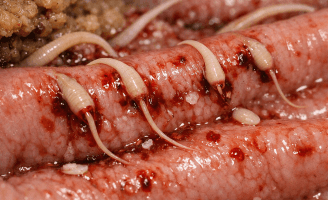
Whipworms are intestinal parasites caused by Trichuris vulpis. Adult worms live mainly in a dog’s cecum and colon, where they attach to the intestinal lining and may cause inflammation. Dogs become infected by swallowing infective whipworm eggs from contaminated soil or other outdoor surfaces. Mild infections may cause no obvious symptoms, while heavier infections can lead to recurring diarrhea, mucus or fresh blood in the stool, weight loss, dehydration, or anemia. Veterinary-prescribed deworming can treat the infection, but eggs can remain in the environment for years, so prompt stool cleanup and ongoing parasite prevention are important to reduce reinfection.


Types
Dogs can develop whipworm infections that range from mild to severe, and each case can affect the body differently. Some dogs show no symptoms at all, while others develop diarrhea, mucus or blood in the stool, weight loss, dehydration, or weakness. Understanding the different ways whipworms can affect dogs can help pet parents recognize symptoms, understand treatment options, and know why recovery time and severity can vary.
Asymptomatic Whipworm Infection
Some dogs carry whipworms without showing noticeable symptoms, although adult worms can still produce eggs that contaminate the environment.
Mild Whipworm Infection
Dogs with a light parasite burden may experience occasional soft stools or mild intestinal discomfort without significant changes in appetite or activity.
Whipworm-Associated Colitis
Whipworms attach to the lining of the large intestine, causing inflammation that can lead to frequent diarrhea, mucus in the stool, and straining during defecation.
Whipworm Infection With Bloody Diarrhea
Intestinal irritation from whipworms can cause fresh blood to appear in the stool. Significant or persistent bleeding requires prompt veterinary evaluation.
Chronic Whipworm Infection
Long-standing infections may cause recurring diarrhea, gradual weight loss, and poor body condition, particularly when the intestinal inflammation remains untreated.


Heavy Whipworm Infection
Large numbers of whipworms can cause significant intestinal damage, severe diarrhea, dehydration, weight loss, and sometimes anemia.
Severe Whipworm Infection With Electrolyte Imbalance
In uncommon severe cases, whipworms can cause dehydration and electrolyte disturbances that resemble Addison’s disease, sometimes called pseudo-Addison’s disease.
Recurrent Whipworm Infection
Dogs can become reinfected after treatment by swallowing infective eggs from contaminated soil. Environmental hygiene and ongoing parasite prevention help reduce recurrence.
Early or Prepatent Whipworm Infection
During the early stages, immature whipworms develop in the intestine before eggs are produced. Standard fecal tests may be negative during this period.
Whipworms With Other Intestinal Parasites
Dogs may have whipworms alongside other intestinal parasites, such as roundworms or hookworms. Multiple infections can complicate symptoms and treatment.
Predisposed Dog Breeds
While whipworms can affect any dog, no specific breeds are known to have a higher genetic risk. Factors such as environmental exposure, hygiene, and parasite prevention make some dogs more prone to whipworm infections than others.
| Risk Category | Dogs Most at Risk | Notes on Risk Factors |
|---|---|---|
| All Breeds | All dog breeds can be affected by whipworms | There is no well-established breed-specific genetic predisposition. Whipworm risk is mainly linked to environmental exposure rather than breed. |
| Dogs with Outdoor Exposure | Dogs that spend time in yards, parks, kennels, or other outdoor areas | Whipworm eggs develop in contaminated soil and can remain infective for years. Dogs are infected by swallowing these eggs from the environment. |
| Dogs in Crowded Environments | Shelter dogs, kennel dogs, rescue dogs, and dogs in multi-dog households | Environments with many dogs can increase the chance of fecal contamination and repeated exposure to infective whipworm eggs. |
| Dogs Without Regular Parasite Prevention | Dogs not receiving routine deworming or monthly parasite preventives | Lack of consistent parasite control increases the risk of infection and reinfection, especially in areas where whipworms are present. |
| Puppies and Young Dogs | Puppies, adolescents, and younger dogs with developing immune systems | Although dogs of any age can be infected, younger dogs may be more vulnerable to the effects of diarrhea, dehydration, and poor weight gain. |
| Dogs with Recurrent Exposure | Dogs living in previously contaminated yards or frequently returning to the same outdoor areas | Because whipworm eggs can survive in soil for years, dogs may become reinfected even after successful treatment. |
Causes
Whipworms in dogs develop when a dog swallows infective whipworm eggs from contaminated soil, water, or surfaces rather than from genetic or inherited factors. While exposure cannot always be completely prevented, understanding the factors that increase infection risk can help pet parents make informed decisions about hygiene, regular deworming, and parasite prevention.
Ingestion of Infective Eggs
Dogs become infected by swallowing infective whipworm eggs from contaminated soil, surfaces, or objects. The eggs hatch and develop into worms in the intestines.
Contaminated Soil
Whipworm eggs develop in soil contaminated with infected dog feces. Once infective, these eggs can survive for years and remain a source of infection.
Environmental Exposure
Dogs that frequently visit parks, kennels, shelters, or shared outdoor spaces may encounter contaminated environments where infective whipworm eggs are present.
Poor Sanitation
Infrequent feces removal allows whipworm eggs to accumulate and develop in the environment. Regular waste cleanup helps reduce contamination and infection risk.
Lack of Parasite Prevention
Dogs not receiving regular parasite prevention that specifically covers whipworms may be more susceptible to infections and repeated exposure.
Reinfection
Dogs can become reinfected after successful treatment if they return to contaminated environments. Long-lasting whipworm eggs make ongoing prevention important.
Outdoor Activities
Digging, sniffing, or licking objects in contaminated areas can increase the chance of swallowing infective whipworm eggs, particularly in heavily used outdoor spaces.
Symptoms
Whipworm symptoms in dogs can vary widely depending on the severity of infection, number of parasites, and overall health of the dog. Some dogs may show no symptoms at first, while others develop more noticeable signs as the infection progresses. Common warning signs include diarrhea, bloody or mucus-filled stools, weight loss, dehydration, low energy, abdominal discomfort, and straining to defecate. Because many of these symptoms can also be caused by other conditions, any persistent or unusual changes should be evaluated by a veterinarian.
- Persistent or recurring diarrhea
- Fresh blood in the stool
- Mucus in the stool
- Frequent or urgent bowel movements
- Straining during defecation
- Unexplained weight loss
- Decreased appetite
- Lethargy or decreased activity
- Abdominal discomfort or pain
- Dehydration or weakness in severe cases
Whipworms primarily affect the large intestine; some dogs show no symptoms.
Stages & Progression of Whipworms in Dogs
Whipworm infections in dogs can progress at different rates depending on the number of parasites, severity of intestinal inflammation, and the dog’s overall health. Understanding how the infection develops, from swallowing infective eggs to the maturation of adult worms and the onset of symptoms, helps veterinarians determine how advanced the infection is, whether complications have developed, and which treatment options may be most appropriate. Recognizing the progression of whipworms can also provide important insight into recovery, reinfection risks, and the level of care your dog may need.
Egg Ingestion
Infection begins when a dog swallows infective whipworm eggs from contaminated soil or surfaces. The eggs enter the digestive tract.
Larval Development
Whipworm larvae hatch and develop in the intestinal lining. During this early period, fecal tests may not detect the infection because eggs are not yet produced.
Intestinal Maturation
Developing worms establish themselves in the cecum and colon, where they mature. Increasing parasite burdens may cause intestinal inflammation and diarrhea.
Adult Worms & Egg Shedding
Mature female whipworms begin producing eggs, typically 74–90 days after infection. Eggs pass in the feces and can contaminate the environment.
This chart illustrates the typical whipworm life cycle, not a formal disease-staging system. Development times vary, and clinical symptoms do not necessarily increase as each phase progresses. Many infected dogs show no obvious signs, while heavy infections may cause bloody diarrhea, weight loss, dehydration, or anemia. Veterinary treatment can interrupt the life cycle at different points.
Top Ways to Prevent Whipworms in Dogs
Because whipworms are an intestinal parasite spread through contaminated soil and feces, prevention focuses on hygiene, routine parasite control, and limiting environmental exposure. By promptly picking up stool, keeping living areas clean, and using veterinarian-recommended deworming or monthly preventives, the risk of whipworm infection can be significantly reduced. Proactive care helps protect dogs from illness, reinfection, and long-term intestinal irritation.
| Prevention Strategy | Why It Helps | How to Do It |
|---|---|---|
| Use Regular Parasite Prevention | Veterinarian-recommended preventives that specifically target whipworms help reduce infection and reinfection risk. | Follow a consistent preventive schedule using a product effective against whipworms. Consult your veterinarian about the appropriate medication and dosage. |
| Clean Up Dog Waste Promptly | Whipworm eggs are passed in infected feces and develop into infective eggs in the environment. Prompt removal helps prevent soil contamination. | Pick up and properly dispose of dog feces daily, especially in yards, kennels, parks, and shared outdoor spaces. |
| Maintain a Clean Living Environment | Whipworm eggs can survive in contaminated soil for years, increasing the risk of repeated infections. | Regularly remove feces and contaminated debris, clean kennel surfaces, and wash bedding. Routine disinfectants may not reliably destroy whipworm eggs. |
| Schedule Regular Fecal Testing | Routine stool examinations can identify whipworm infections before serious intestinal symptoms develop, although eggs may not always be detectable. | Arrange fecal examinations as recommended by your veterinarian. Repeat testing or additional diagnostic tests may be necessary if infection is suspected. |
| Limit Exposure to Contaminated Areas | Dogs become infected by swallowing infective whipworm eggs from contaminated soil, surfaces, or objects. | Avoid areas with visible dog waste, discourage soil eating, and supervise dogs in parks, kennels, and heavily used outdoor areas. |
| Follow Proper Deworming Treatment | Appropriate deworming eliminates susceptible whipworms and helps prevent ongoing intestinal damage and environmental contamination. | Administer veterinarian-prescribed dewormers exactly as directed. Complete repeat treatments when prescribed, even if your dog’s symptoms improve. |
| Prevent Reinfection | Whipworm eggs can remain infective in the environment long after treatment, allowing dogs to become infected again. | Maintain ongoing parasite prevention, remove feces promptly, and discuss testing or treatment of other household dogs with your veterinarian. |
| Monitor for Early Signs | Recognizing symptoms early allows for faster diagnosis and treatment before an infection causes significant intestinal inflammation or dehydration. | Watch for diarrhea, mucus or blood in the stool, weight loss, straining, or lethargy. Contact your veterinarian if symptoms appear or persist. |
Actionable Resources
If you want to prevent whipworm infections or support your dog’s recovery, here are some things you can do under veterinary guidance.
How Are Whipworms in Dogs Diagnosed
Diagnosing whipworms in dogs requires a comprehensive veterinary evaluation to determine the presence of whipworm infection, severity of intestinal symptoms, and potential complications. Key steps include:
1. Veterinary Examination
Your veterinarian reviews your dog’s medical history, parasite prevention, environmental exposure, and symptoms such as diarrhea, bloody stools, weight loss, or abdominal discomfort before performing a physical examination.
2. Stool Sample Collection
A fresh fecal sample is collected and submitted for parasite testing. Your veterinarian may request additional samples because whipworm eggs are shed intermittently and may not appear in every stool examination.
3. Fecal Flotation
Fecal flotation with centrifugation is commonly used to identify whipworm eggs under a microscope. The eggs have a distinctive barrel shape with plugs at both ends, helping veterinarians recognize the parasite.
4. Additional Fecal Testing
If whipworms are suspected despite a negative fecal test, your veterinarian may recommend repeat flotation, whipworm antigen testing, or PCR testing to help detect infections that routine microscopy may miss.
5. Bloodwork
Blood tests may be recommended for dogs with severe symptoms to evaluate anemia, dehydration, electrolyte imbalances, and overall health. Bloodwork helps assess complications but does not directly confirm whipworms.
6. Diagnosis & Follow-Up
Your veterinarian interprets the test results alongside your dog’s symptoms and exposure history to determine whether whipworms are present or strongly suspected. Treatment, parasite prevention, and follow-up fecal testing may be recommended to monitor recovery.
Early detection is important because whipworm infections are generally easier to manage before severe intestinal inflammation, dehydration, or anemia develops—allowing for timely treatment, faster recovery, and improved quality of life.
Nutritional Support & Supplements
Proper nutrition can play an important supportive role for dogs with whipworms by helping maintain energy, healthy body weight, digestive function, and overall well-being during treatment. Depending on your dog’s needs, veterinarians may recommend strategies such as highly digestible diets, adequate hydration, probiotics, prebiotics, or nutritional supplements to support intestinal recovery. However, these measures do not eliminate whipworms and should be used alongside veterinarian-prescribed deworming medication.
Important: Nutrition and supplements can support
digestive recovery but cannot eliminate whipworms.
Veterinarian-prescribed deworming medication is necessary to treat
the infection. Always consult your veterinarian before adding
supplements or changing your dog’s diet.
Supportive care—such as hydration, nutritional support, and dietary adjustments—plays a crucial role in maintaining comfort and digestive health during whipworm treatment. These measures do not eliminate whipworms and should be used alongside veterinarian-prescribed deworming medication. Because some supplements may interact with medications or worsen digestive symptoms, any diet or supplement plan should be reviewed with your veterinarian.
Over-the-Counter Products
Over-the-counter treatments and supplements mentioned in this article for whipworms in dogs can be found on Amazon and Chewy.
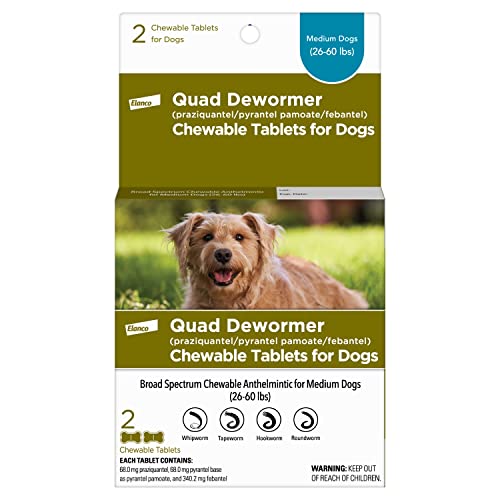

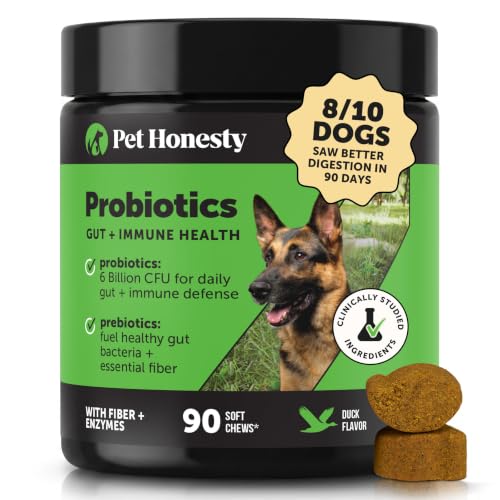
Always consult your veterinarian before starting any new treatment, medication, or home-care regimen for canine whipworms. Puppies and dogs with persistent vomiting, diarrhea, weakness, or dehydration may require prompt veterinary care. If you can’t reach your vet, you can chat live with a registered online veterinary professional via our online vet chat or video chat support (24 hours a day, 7 days a week). Or use Chewy’s online vet services (6 a.m. – midnight ET).
Treatment & Care
According to current veterinary parasitology guidelines, the most effective treatments for whipworms in dogs involve veterinarian-prescribed deworming medications, combined with supportive care and preventive measures for the best outcome. These may include fenbendazole, febantel, or milbemycin oxime to eliminate whipworms, fluid therapy and nutritional support to manage dehydration and digestive symptoms, and regular parasite prevention and environmental hygiene to reduce the risk of reinfection.
Medications
Common medications used to treat whipworms in dogs include:
| Medication / Class | Examples | How It Is Used | Important Considerations |
|---|---|---|---|
| Benzimidazole Dewormers | Fenbendazole | Commonly prescribed to treat whipworm infections in dogs. It works by killing susceptible intestinal worms and is often given as a short treatment course. | Treatment may need to be repeated because whipworm eggs can survive in the environment and reinfection is common. Only use according to your veterinarian’s instructions. |
| Combination Dewormers | Febantel-containing products | Used in certain broad-spectrum deworming combinations to treat whipworms along with some other intestinal parasites. | Not all combination dewormers cover whipworms, so product selection matters. Follow label directions and veterinary guidance carefully. |
| Macrocyclic Lactones | Milbemycin oxime | May be used to treat existing whipworm infections and is also found in some monthly parasite preventives that help control reinfection. | Preventive products vary in parasite coverage. Your veterinarian can help determine whether a product is appropriate for treatment, prevention, or both. |
| Topical / Systemic Preventive Dewormers | Moxidectin-containing products | Some veterinarian-prescribed products containing moxidectin may help treat and control whipworms while also covering additional parasites. | These medications should only be used as directed by your veterinarian. Dosing, age restrictions, and parasite coverage differ between products. |
| Monthly Parasite Prevention | Vet-recommended preventives that include whipworm coverage | Used after treatment or as part of an ongoing parasite-control plan to help reduce the risk of reinfection. | Monthly prevention does not immediately eliminate environmental contamination. Regular feces removal and follow-up care are still important. |
| Fluid & Electrolyte Support | Oral rehydration support, subcutaneous fluids, IV fluids | Used in dogs with significant diarrhea, dehydration, weakness, or electrolyte imbalances caused by more severe whipworm infections. | This supportive care does not kill whipworms but may be essential in moderate to severe cases. Veterinary assessment is important, especially if your dog is weak or not drinking well. |
| Gastrointestinal Support | Probiotics, veterinarian-recommended GI support products | May be used to support intestinal recovery, improve stool quality, and help restore digestive balance during or after treatment. | These are supportive measures only and do not replace deworming. Some products may not be appropriate for every dog. |
| Nutritional Support | Highly digestible diets, bland diet plans, prescription GI diets | Often recommended for dogs with diarrhea, poor appetite, weight loss, or intestinal irritation during recovery. | Dietary support can improve comfort and help recovery but does not treat the parasite itself. Persistent symptoms should be re-evaluated by a veterinarian. |
| Follow-Up Monitoring | Repeat fecal exams, repeat treatment when prescribed | Used to confirm that treatment has been effective and to check for reinfection or ongoing egg shedding. | Whipworm eggs may be shed intermittently, so a single negative fecal test does not always rule out infection. Your veterinarian may recommend repeat testing. |
| Environmental Management | Prompt feces removal, yard hygiene, kennel sanitation | Helps reduce exposure to infective whipworm eggs and lowers the chance of reinfection after treatment. | Whipworm eggs can survive in soil for years. Environmental control is a critical part of long-term management, even when medication is used successfully. |
The best way to get these medications is at Chewy Pet Pharmacy:
Alternative & Integrative Therapies
Integrative and supportive therapies can help manage symptoms, reduce digestive discomfort, and improve quality of life for dogs with whipworms. Options such as probiotics, easily digestible diets, hydration support, and veterinarian-recommended nutritional supplements may be used alongside prescribed deworming medication, but these approaches do not eliminate whipworms and should always be discussed with your veterinarian to ensure they are safe and appropriate for your dog.
Surgical Options
Surgery is rarely needed for whipworms in dogs, as most infections can be effectively treated with veterinarian-prescribed deworming medications. In exceptional cases, surgical intervention may be necessary if a dog develops a separate, serious intestinal complication, such as an obstruction, perforation, or other life-threatening abdominal condition. However, surgery does not eliminate whipworms or prevent reinfection, and antiparasitic treatment remains essential. Your veterinarian will determine whether additional diagnostic procedures or surgical care are appropriate based on your dog’s symptoms, intestinal health, and overall condition.
Emotional & Lifestyle Impact
A whipworm infection can be stressful for both dogs and their families. Dogs may experience changes in energy, appetite, digestive health, and behavior, while symptoms such as diarrhea and abdominal discomfort can disrupt daily routines. With proper veterinary treatment, good hygiene, and supportive care, most dogs can recover fully and return to happy, comfortable lives.
For Dogs
- Possible changes in energy, appetite, and activity
- Digestive discomfort, diarrhea, or frequent bowel movements
- May need extra bathroom breaks, rest, and hydration
- Can return to normal play and routines as symptoms improve
For Pet Parents
- It’s normal to feel concerned about your dog’s symptoms
- Maintain regular cleaning and proper waste disposal
- Follow prescribed deworming and prevention schedules
- Work with your veterinarian to monitor recovery
- Provide comfort, patience, and a consistent daily routine
A whipworm infection may disrupt your dog’s routine, but with proper treatment, patience, and care, most dogs can recover and return to the happy, active lives they enjoy.
Happier tomorrows.
Dog Whipworm Prognosis
A dog’s whipworm prognosis depends on several factors, including the severity of infection, parasite burden, response to treatment, overall health, and level of supportive care. Most dogs recover successfully with appropriate deworming, while severe or untreated infections may cause persistent diarrhea, dehydration, anemia, or weight loss. Working closely with your veterinary team can help guide treatment decisions, prevent reinfection, manage symptoms, and maintain the best possible quality of life for your dog.
Key Factors That Influence Prognosis
Typical Annual Cost of Treating Canine Whipworm
| Category | Estimated Annual Cost Range | Notes |
|---|---|---|
| Initial Diagnosis & Fecal Testing | $65 – $180 | Includes a veterinary examination and routine fecal flotation to identify whipworm eggs. Additional diagnostic testing may increase costs. |
| Advanced Fecal Testing | $60 – $200 | Whipworm antigen testing or PCR may be recommended when routine stool examinations are negative despite symptoms. Not required for every dog. |
| Prescription Deworming Medication | $20 – $150 | Includes medications such as fenbendazole or febantel-containing dewormers. Repeat treatments may be needed depending on the prescribed protocol. |
| Follow-Up Exams & Fecal Testing | $25 – $150 | Repeat stool examinations or veterinary visits may be recommended to assess treatment response and check for persistent infection or reinfection. |
| Monthly Parasite Prevention | $180 – $540 | Year-round preventive medications with specific whipworm coverage help reduce reinfection risk. Costs vary by dog size, medication, and coverage. |
| Bloodwork & Additional Diagnostics | $75 – $250 | Dogs with severe diarrhea, dehydration, weakness, or suspected anemia may need blood tests to evaluate complications and overall health. |
| Fluid Therapy & Emergency Care | $300 – $2,500+ | Severe cases may require intravenous fluids, electrolyte correction, hospitalization, and monitoring. Most uncomplicated infections do not require emergency treatment. |
| Nutritional Support & Supplements | $30 – $200 | May include highly digestible diets, probiotics, or veterinarian-recommended digestive support during recovery. These do not eliminate whipworms. |
| Environmental Cleaning & Prevention | $20 – $120 | Includes waste disposal supplies and kennel sanitation. Prompt feces removal helps limit contamination because whipworm eggs can survive in soil for years. |
| Pet Insurance Coverage | Varies | Some accident-and-illness policies may cover eligible diagnostic testing and treatment after deductibles. Routine deworming and prevention may require separate wellness coverage. |
| Typical Annual Range | Uncomplicated Infection: $100 – $400 | Including Year-Round Prevention: $280 – $900 | Severe Cases: $800 – $3,000+ | |
Whipworm care can add up quickly — from daily medications to possible surgeries. Pet insurance can ease the financial burden and ensure your dog gets the best treatment without compromise. If you want to compare plans and find out which providers offer the best coverage for whipworm and chronic conditions, check out our full guides to the Best Pet Insurance for Dogs and Best Pet Wellness Plans.
Related Health Conditions
Some health conditions are closely linked to whipworms because they involve other intestinal parasites, affect the digestive system, or cause overlapping symptoms. Understanding these related conditions can help dog owners recognize potential warning signs, distinguish whipworm infections from other gastrointestinal illnesses, and better understand the diagnostic and treatment options their veterinarian may recommend.
- Roundworms
- Hookworms
- Tapeworms
- Giardia
- Coccidia
- Parvovirus
- Gastroenteritis
- Diarrhea
- Colitis
- Anemia
Frequently Asked Questions
The Bottom Line
Whipworms in dogs are a common intestinal parasite that can cause digestive discomfort, diarrhea, weight loss, and potentially serious complications if left untreated. Fortunately, most dogs recover successfully with proper veterinary diagnosis, effective deworming medications, and consistent preventive care. Because whipworm eggs can survive in the environment for years, maintaining good hygiene, promptly removing feces, and following a regular parasite prevention schedule are essential for reducing reinfection risks. By recognizing early warning signs, scheduling routine veterinary checkups, and providing appropriate nutritional and supportive care, you can play a vital role in protecting your dog’s digestive health. Above all, your love, care, and commitment can help your dog recover comfortably and enjoy a healthier, happier life.