
Tapeworms in Dogs: Symptoms, Types, Causes, Signs & Prevention

Canine Bible is reader-supported. We receive affiliate commissions via some of our links. Learn more.
A comprehensive guide to tapeworms in dogs, including common types, causes, transmission, warning signs, diagnostic testing, treatment options, prevention, prognosis and what pet parents should know when caring for a dog with tapeworms.
Tapeworms at a Glance
Most common in
Dogs exposed to infected fleas or prey animals.
Common signs
Rice-like segments in stool or fur, scooting and anal irritation.
Diagnosis
Identification of tapeworm segments and veterinary stool examination.
Treatment
Tapeworm-specific deworming medication and flea control.
Prognosis
Excellent with appropriate treatment and prevention of reinfection.
Transmission
Swallowing infected fleas or eating infected rodents and other prey.
What Are Tapeworms in Dogs?
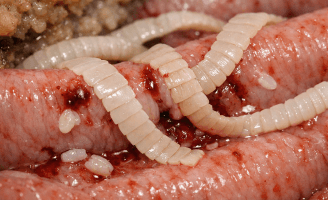
Tapeworms are flat, segmented intestinal parasites that live in a dog’s small intestine and absorb nutrients from their host. The most common tapeworm affecting dogs is Dipylidium caninum, which is typically transmitted when a dog accidentally swallows an infected flea while grooming or biting at its skin. Dogs can also acquire other tapeworm species, such as Taenia, by eating infected rodents, rabbits or other prey animals. As tapeworms mature, they release small segments called proglottids that may appear in a dog’s stool, around the anus or on bedding. These segments often resemble grains of rice or cucumber seeds and may move when freshly passed. Many infected dogs show no obvious symptoms, although some experience anal irritation, scooting or mild digestive upset. Heavy infections are uncommon but may contribute to weight loss or other gastrointestinal problems. Veterinarians typically diagnose tapeworms by identifying these segments, since routine fecal examinations may not consistently detect tapeworm eggs. Treatment generally involves a tapeworm-specific deworming medication, such as praziquantel, along with effective flea prevention and measures to reduce exposure to infected prey. Most dogs recover completely with appropriate treatment, but reinfection can occur if the source of exposure is not controlled.


Types
Dogs can develop different types of tapeworms, and each species can affect the body in slightly different ways. The most common tapeworm in dogs is Dipylidium caninum, which is usually spread through infected fleas, while other types, such as Taenia species, may be contracted by eating infected rodents or other prey. Understanding the most common types can help pet parents recognize how tapeworm infections occur, what signs to watch for, and why treatment and prevention may vary.
Flea Tapeworm (Dipylidium caninum)
The most common tapeworm in dogs, transmitted when a dog accidentally swallows an infected flea.
Rabbit Tapeworm (Taenia pisiformis)
An intestinal tapeworm acquired when dogs eat infected rabbits or hares.
Livestock Tapeworm (Taenia hydatigena)
A tapeworm transmitted when dogs consume infected organs from livestock or wild ungulates.
Sheep Tapeworm (Taenia multiceps)
A tapeworm acquired when dogs eat infected sheep tissues, particularly brain or spinal tissue.
Hydatid Tapeworm (Echinococcus granulosus)
A small tapeworm contracted through infected livestock organs whose eggs can cause serious disease in humans.
Fox Tapeworm (Echinococcus multilocularis)
A zoonotic tapeworm that dogs may acquire by eating infected rodents in endemic areas.


Mesocestoides Tapeworms
Tapeworms associated with eating infected prey animals, including rodents, birds and reptiles.
Spirometra Tapeworms
Tapeworms acquired through infected amphibians, reptiles or other intermediate and transport hosts.
Fish Tapeworms (Diphyllobothrium spp.)
Uncommon intestinal tapeworms that dogs can acquire by eating raw or undercooked infected fish.
Other Taenia Species
Includes Taenia serialis and Taenia crassiceps, acquired through infected rabbits, rodents or other prey.
Predisposed Dog Breeds
While tapeworms can affect any dog, no specific breeds have a known genetic predisposition. Factors such as flea exposure, hunting habits, and poor parasite prevention make some dogs more prone to tapeworm infections than others.
| Size / Group | Breeds | Notes on Risk Factors |
|---|---|---|
| Large & Giant Breeds | Golden Retriever, Rottweiler, Great Dane, Bernese Mountain Dog, Irish Wolfhound, Mastiff, Saint Bernard | No inherited predisposition. Dogs spending time outdoors may encounter infected fleas or prey animals, increasing exposure to tapeworms. |
| Medium Breeds | Boxer, German Shepherd, Labrador Retriever, Standard Poodle, Flat-Coated Retriever | Dogs that hunt, scavenge, or frequently explore outdoor environments may swallow infected fleas or consume prey carrying tapeworm larvae. |
| Small Breeds | Beagle, Boston Terrier, Cocker Spaniel, Dachshund | Exposure to infected fleas during grooming can lead to tapeworm infections. Hunting or scavenging may also increase risk regardless of breed size. |
| Toy Breeds | Miniature Poodle, Chihuahua, Maltese, Yorkshire Terrier | Indoor dogs are not immune to tapeworms. Fleas brought into the home by other pets or from the environment can transmit infection. |
| Working & Herding Breeds | Australian Shepherd, Border Collie, Doberman Pinscher, Belgian Malinois | Frequent outdoor activity, farm environments, and contact with rodents or livestock remains may increase exposure to certain tapeworm species. |
| Other Breeds & Mixed Breeds | Scottish Terrier, Bouvier des Flandres, Vizsla, Weimaraner, Mixed-Breed Dogs | All breeds are susceptible. Risk depends mainly on flea exposure, hunting habits, access to infected prey, and consistency of parasite prevention. |
Causes
Tapeworms in dogs usually develop when a dog accidentally swallows an infected flea or consumes infected rodents, rabbits, or other prey animals rather than through direct contact with another infected dog. While tapeworm infections cannot always be completely prevented, understanding the factors that increase exposure can help pet parents make informed decisions about flea control, deworming, and parasite prevention.
Infected Fleas
Dogs commonly develop tapeworm infections after swallowing fleas carrying Dipylidium caninum larvae.
Accidental Flea Ingestion
Dogs may accidentally swallow infected fleas while grooming, licking, or biting their skin.
Hunting and Scavenging
Eating infected rodents, rabbits, or other prey animals can transmit certain tapeworm species to dogs.
Consuming Infected Animal Organs
Eating raw, infected livestock organs or tissues can expose dogs to Taenia and Echinococcus tapeworms.
Raw or Undercooked Fish
Eating raw or inadequately cooked infected fish can transmit certain fish tapeworm species to dogs.
Inadequate Flea Prevention
Poor flea control increases the likelihood of exposure to infected fleas and recurring tapeworm infections.
Outdoor and Wildlife Exposure
Dogs roaming in areas with fleas, rodents, or wildlife may have greater opportunities to encounter infected hosts.
Symptoms
Tapeworm symptoms in dogs can vary depending on the type of tapeworm, severity of infection, and overall health of the dog. Some dogs may show no noticeable symptoms, while others develop more obvious signs as the infection progresses. Common warning signs include rice-like segments in the stool or around the anus, scooting, excessive licking of the rear end, mild digestive upset, vomiting, or weight loss. Because many of these symptoms can also be caused by other conditions, any persistent or unusual changes should be evaluated by a veterinarian.
- Rice-like segments in stool
- Small white segments around the anus
- Tapeworm segments on bedding or fur
- Scooting or dragging the rear end
- Excessive licking around the anus
- Fleas or signs of flea exposure
- Occasional mild digestive upset
- Vomiting in some cases
- Weight loss in uncommon, heavy infections
- No noticeable symptoms in many dogs
Tapeworm infections often cause few or no obvious symptoms.
Stages & Progression of Tapeworms in Dogs
Tapeworm infections in dogs can progress at different rates depending on the tapeworm species, level of exposure, and overall health of the dog. Understanding how the infection develops helps veterinarians determine how advanced the infection is, whether symptoms are present, and which treatment options may be most appropriate. Recognizing the progression of tapeworm infections can also provide important insight into recovery, the risk of reinfection, and the level of care your dog may need.
Initial Exposure
A dog becomes infected after swallowing a flea carrying tapeworm larvae, often while grooming or biting its fur.
Intestinal Development
The immature tapeworm develops in the small intestine. Most dogs show no noticeable symptoms during this period.
Segment Shedding
Within approximately 2–3 weeks, mature tapeworms may release rice-like segments visible in stool or around the anus.
Ongoing Infection
Without treatment, tapeworms may continue shedding segments. Reinfection can occur if infected fleas remain in the dog’s environment.
This chart illustrates the typical development of Dipylidium caninum, the common flea tapeworm in dogs. Tapeworm infections do not have formal clinical stages, and progression times vary by species. Appropriate deworming and effective flea control can eliminate the infection and help prevent reinfection.
Top Ways to Prevent Tapeworms in Dogs
Because tapeworm infections are commonly linked to flea exposure and infected prey animals, prevention focuses on reducing those risks. By using consistent flea prevention, limiting access to rodents or other prey, and scheduling regular veterinary checkups, the risk of tapeworm infection can be significantly reduced. Proactive care helps detect issues early, prevent reinfection, and support your dog’s overall health.
| Prevention Strategy | Why It Helps | How to Do It |
|---|---|---|
| Maintain Consistent Flea Prevention | Infected fleas are the primary source of Dipylidium caninum, the most common tapeworm in dogs. | Use veterinarian-recommended flea preventives consistently throughout the year, following the product’s dosing and application instructions. |
| Control Fleas in the Home | Fleas living in carpets, bedding, and other areas can reinfest dogs and increase the risk of tapeworm infections. | Wash pet bedding regularly, vacuum carpets and furniture, and ensure all household pets receive appropriate flea prevention. |
| Prevent Hunting and Scavenging | Dogs can acquire certain tapeworm species by eating infected rodents, rabbits, or other prey animals. | Supervise outdoor activities, discourage scavenging, and prevent dogs from catching or consuming wild animals. |
| Schedule Regular Veterinary Checkups | Routine examinations help identify intestinal parasites and ensure dogs receive appropriate prevention and treatment. | Schedule regular veterinary visits and fecal examinations as recommended. Report any rice-like segments found in stool or around your dog’s anus. |
| Avoid Raw Meat and Infected Animal Organs | Certain tapeworms can be transmitted when dogs consume infected raw organs, tissues, or fish. | Avoid feeding raw livestock organs, wild animal tissues, or raw fish that may contain parasites. Feed properly cooked food from reliable sources. |
| Practice Proper Waste Disposal | Prompt waste removal helps reduce environmental contamination with parasite eggs, including those of certain zoonotic tapeworm species. | Pick up dog feces promptly, dispose of waste safely, clean contaminated areas, and wash your hands after handling pet waste. |
| Follow Veterinarian-Recommended Deworming | Appropriate deworming medications eliminate existing tapeworm infections and reduce continued parasite shedding. | Use tapeworm-specific medications such as praziquantel when prescribed or recommended by your veterinarian. Combine treatment with flea control to prevent reinfection. |
| Monitor for Early Signs | Recognizing tapeworm segments early allows prompt diagnosis and treatment before reinfection or ongoing parasite shedding occurs. | Regularly check your dog’s stool, bedding, and fur around the anus for rice-like segments. Contact your veterinarian if suspicious signs appear. |
Actionable Resources
If you want to prevent or manage tapeworm infections in your dog, here are some things you can do under veterinary guidance.
How Are Tapeworms in Dogs Diagnosed
Diagnosing tapeworms in dogs requires a veterinary evaluation to determine the presence and type of intestinal parasite infection. Key steps include:
1. Physical Examination
Your veterinarian examines your dog, reviews symptoms, and checks for anal irritation, scooting, visible tapeworm segments, and signs of flea infestation.
2. Medical History
Your veterinarian reviews flea prevention, previous deworming treatments, hunting habits, and possible exposure to infected rodents, rabbits, or raw animal tissues.
3. Stool Examination
A stool sample is examined for tapeworm segments or eggs. However, routine fecal tests may miss tapeworm infections because eggs are shed intermittently and may remain enclosed within segments.
4. Microscopic Identification
Suspected tapeworm segments or eggs may be examined under a microscope. Their appearance can help distinguish common flea tapeworms from other intestinal parasites.
5. Parasite Confirmation
Identification of characteristic rice-like segments often confirms tapeworm infection. Additional laboratory testing may be recommended when the species is uncertain or a less common tapeworm is suspected.
6. Treatment & Follow-Up
Once diagnosed, your veterinarian recommends appropriate deworming medication, such as praziquantel, and effective flea control. Follow-up may be needed if segments persist or reinfection is suspected.
Early detection is important because tapeworm infections respond well to appropriate deworming treatment—allowing for faster parasite elimination, prevention of reinfection, and improved overall health.
Nutritional Support & Supplements
Proper nutrition can play an important supportive role for dogs with tapeworms by helping maintain energy, healthy weight, digestive function, and overall well-being during recovery. Depending on your dog’s needs, veterinarians may recommend strategies such as highly digestible, balanced diets and supplements including probiotics, prebiotics, omega-3 fatty acids, or digestive-support nutrients. However, nutritional support cannot eliminate tapeworms and should be used alongside appropriate deworming treatment and flea prevention.
Important: Nutrition and supplements cannot eliminate
tapeworm infections. Tapeworm-specific deworming medication and
appropriate flea control are essential.
Always consult your veterinarian before adding supplements or
changing your dog’s diet during tapeworm treatment.
Supportive care—such as nutritional support, proper hydration, flea prevention, and hygiene management—plays an important role in maintaining comfort and overall health during tapeworm treatment. These measures cannot eliminate tapeworms and should be combined with appropriate deworming medication. Any diet, supplement, or parasite prevention plan should be reviewed with your veterinarian to ensure safe and effective treatment.
Over-the-Counter Products
Over-the-counter treatments and supplements mentioned in this article for tapeworms in dogs can be found on Amazon and Chewy.


Always consult your veterinarian before starting any new treatment, medication, or home-care regimen for canine tapeworms. Puppies and dogs with persistent vomiting, diarrhea, weakness, or dehydration may require prompt veterinary care. If you can’t reach your vet, you can chat live with a registered online veterinary professional via our online vet chat or video chat support (24 hours a day, 7 days a week). Or use Chewy’s online vet services (6 a.m. – midnight ET).
Treatment & Care
According to current veterinary guidelines, the most effective treatment for tapeworms in dogs involves targeted deworming medication combined with flea control and reinfection prevention. These may include praziquantel or other appropriate antiparasitic medications to eliminate tapeworms, veterinarian-recommended flea preventives to stop transmission, and proper hygiene, environmental cleaning, and supportive care to promote recovery and reduce the risk of future infections.
Medications
Common medications used to treat tapeworms in dogs include:
| Medication / Class | Examples | How It Is Used | Important Considerations |
|---|---|---|---|
| Praziquantel | Praziquantel | A commonly recommended deworming medication effective against Dipylidium caninum, Taenia species, and several other tapeworms that infect dogs. | Usually highly effective when administered correctly. Possible side effects include mild vomiting, diarrhea, or temporary lethargy. Flea control is essential to prevent reinfection. |
| Epsiprantel | Epsiprantel | An antiparasitic medication used to eliminate common intestinal tapeworms, particularly Dipylidium caninum and Taenia pisiformis. | Generally well tolerated. May occasionally cause mild gastrointestinal upset. Availability varies by region, and treatment should follow veterinary guidance. |
| Benzimidazole Anthelmintics | Fenbendazole | Used to treat selected Taenia tapeworm infections and other intestinal parasites in dogs. | Not considered effective against the common flea tapeworm, Dipylidium caninum. The appropriate medication depends on the parasite species and veterinary diagnosis. |
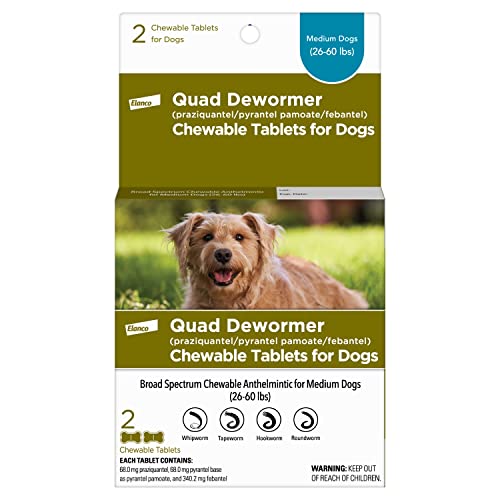
| Combination Dewormers | Praziquantel, pyrantel pamoate | Broad-spectrum deworming combinations used to eliminate tapeworms as well as certain roundworms and hookworms. | Praziquantel is the ingredient responsible for tapeworm treatment. Follow product-specific age, weight, and dosing requirements. |
| Multi-Parasite Dewormers | Praziquantel, pyrantel pamoate, febantel | Combination medications designed to treat several intestinal parasites, including common tapeworms, roundworms, hookworms, and whipworms. | Not every dewormer treats tapeworms. Confirm that the chosen product contains an effective tapeworm ingredient and is appropriate for your dog’s age and weight. |
| Combination Parasite Preventives | Praziquantel with milbemycin oxime or other approved antiparasitic ingredients | Certain combination parasite-control products include praziquantel to treat susceptible intestinal tapeworm infections while controlling additional parasites. | Tapeworm coverage depends on the specific product and its active ingredients. Heartworm preventives without praziquantel do not necessarily treat tapeworms. |
| Alternative Tapeworm Treatments | Nitroscanate | A less commonly used anthelmintic that may be considered for certain tapeworm infections, including selected difficult-to-treat cases of Dipylidium caninum. | Availability and regulatory approval vary by country. It should only be used under veterinary supervision, especially when standard treatment fails. |
| Oral Flea Preventives | Afoxolaner, fluralaner, sarolaner | Used to kill fleas and reduce the risk of flea-transmitted tapeworm infections caused by Dipylidium caninum. | These medications do not directly eliminate intestinal tapeworms. Some isoxazoline products have been associated with neurologic adverse reactions, including tremors and seizures. |
| Topical Flea Preventives | Fipronil, imidacloprid, selamectin | Applied to the skin to control fleas and help prevent reinfection with flea-transmitted tapeworms. | These ingredients do not directly treat intestinal tapeworm infections. Correct application and consistent flea control are important for effective prevention. |
| Supportive Medications | Maropitant, ondansetron, veterinarian-prescribed supportive treatments | May be used when dogs experience vomiting, nausea, or other gastrointestinal symptoms requiring additional veterinary care. | Supportive medications do not kill tapeworms. Most uncomplicated infections do not require these treatments. Persistent or severe digestive symptoms warrant further veterinary evaluation. |
The best way to get these medications is at Chewy Pet Pharmacy:
Alternative & Integrative Therapies
Integrative and supportive therapies can help manage symptoms, reduce digestive discomfort, and improve quality of life for dogs with tapeworm infections. Options such as probiotics, nutritional support, proper hydration, hygiene management, and flea prevention may be used alongside conventional deworming treatment, but should always be discussed with your veterinarian to ensure they are safe and appropriate for your dog. These supportive measures do not eliminate tapeworms.
Surgical Options
Surgery is rarely necessary for tapeworm infections in dogs, as most cases can be effectively treated with appropriate deworming medications. In extremely rare cases, surgery may be required if a severe infection causes intestinal obstruction, significant abdominal complications, or damage to the digestive tract. Depending on the severity and location of the problem, surgery may be used to remove an obstruction, relieve intestinal blockage, or repair damaged tissues. Your veterinarian will determine whether surgery is appropriate based on your dog’s symptoms, diagnostic findings, and overall health.
Emotional & Lifestyle Impact
A tapeworm infection can cause concern for dog owners, although most dogs experience few or no noticeable symptoms. Some dogs may develop anal irritation, scooting, mild digestive discomfort, or occasional changes in appetite and behavior. With appropriate deworming treatment, consistent flea prevention, and proper hygiene, most dogs recover quickly and can continue living happy, comfortable lives.
For Dogs
- Most dogs show few or no noticeable symptoms
- May experience anal irritation, scooting, or excessive licking
- Occasional digestive discomfort or appetite changes
- Usually recover well with appropriate deworming and flea control
For Pet Parents
- Finding tapeworm segments can cause worry or concern
- Focus on timely treatment and preventing reinfection
- Maintain consistent flea prevention and household hygiene
- Follow your veterinarian’s deworming recommendations
- Enjoy normal activities and bonding as your dog recovers
“A tapeworm infection may be unpleasant, but it is usually treatable. With proper deworming, flea prevention, and care, your dog can return to a happy, healthy routine.”
Brighter tomorrows.
Dog Tapeworm Prognosis
A dog’s tapeworm prognosis depends on several factors, including the type of tapeworm, severity of infection, response to treatment, overall health, and effectiveness of flea prevention. Most tapeworm infections have an excellent prognosis and can be successfully treated with appropriate deworming medication, although reinfection may occur if the source of exposure is not controlled. Working closely with your veterinarian can help guide treatment decisions, prevent recurring infections, and maintain the best possible quality of life for your dog.
Key Factors That Influence Prognosis
Typical Annual Cost of Treating Canine Tapeworms
| Category | Estimated Annual Cost Range | Notes |
|---|---|---|
| Initial Diagnosis & Testing | $75 – $250 | Includes veterinary examinations, fecal testing, and identification of tapeworm segments to confirm infection. |
| Tapeworm Deworming Medication | $15 – $100 | Includes tapeworm-specific medications such as praziquantel. Most uncomplicated infections require only a short course of treatment. |
| Year-Round Flea Prevention | $120 – $400 | Monthly or long-lasting flea preventives help prevent reinfection with Dipylidium caninum, the most common tapeworm in dogs. |
| Household Flea Control | $30 – $200 | Includes flea-control products, bedding cleaning, and environmental treatments when needed to eliminate household flea infestations. |
| Follow-Up Exams & Testing | $0 – $200 | Additional veterinary visits or parasite testing may be recommended if tapeworm segments persist, symptoms continue, or reinfection is suspected. |
| Additional Household Pet Treatment | $30 – $250 | Other household pets may require flea prevention or deworming if infected. Costs depend on the number of pets and treatments needed. |
| Supportive Medications & Care | $0 – $150 | Most dogs require no additional medications. Dogs with digestive symptoms may need veterinary supportive care or symptom management. |
| Nutritional Support & Supplements | $0 – $200 | Digestible diets, probiotics, or nutritional adjustments may be recommended for dogs experiencing gastrointestinal discomfort. |
| Pet Insurance Coverage | Varies | Some accident-and-illness plans may cover eligible diagnosis and treatment costs. Routine flea prevention and deworming are often excluded unless wellness coverage applies. |
| Typical Annual Range | Uncomplicated Infection & Prevention: $150 – $600 | Recurring Infection or Multiple Pets: $400 – $1,200+ | |
Tapeworms care can add up quickly — from daily medications to possible surgeries. Pet insurance can ease the financial burden and ensure your dog gets the best treatment without compromise. If you want to compare plans and find out which providers offer the best coverage for tapeworms and chronic conditions, check out our full guides to the Best Pet Insurance for Dogs and Best Pet Wellness Plans.
Related Health Conditions
Some health conditions are closely linked to tapeworms because they involve other intestinal parasites, affect the digestive system, share similar symptoms, or increase the risk of infection. Understanding these related conditions can help dog owners recognize potential warning signs, distinguish tapeworm infections from other gastrointestinal illnesses, and better understand the diagnostic and treatment options their veterinarian may recommend.
- Flea Infestations
- Flea Allergy Dermatitis
- Roundworms
- Hookworms
- Whipworms
- Giardia
- Coccidia
- Gastroenteritis
- Diarrhea
- Parvovirus
Frequently Asked Questions
The Bottom Line
Tapeworms in dogs are common intestinal parasites, but most infections are highly treatable and rarely cause serious health problems. With appropriate deworming medications, consistent flea prevention, and good hygiene practices, most dogs recover completely and continue living happy, healthy lives. By learning to recognize early warning signs, checking for tapeworm segments, scheduling regular veterinary checkups, and preventing exposure to infected fleas or prey animals, you can play a vital role in protecting your dog’s health. Above all, early treatment, responsible parasite prevention, and consistent care can help keep your dog comfortable, healthy, and free from recurring tapeworm infections.