Roundworms in Dogs: Symptoms, Types, Causes, Signs & Prevention

Canine Bible is reader-supported. We receive affiliate commissions via some of our links. Learn more.
A comprehensive guide to roundworms in dogs, including common causes, risk factors, warning signs, diagnostic testing, treatment options, prognosis and what pet parents should know when caring for a dog with roundworms.
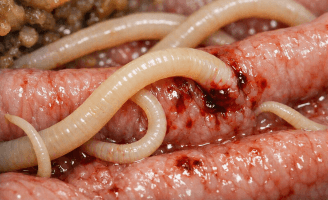
Roundworms at a Glance
Most common in
Puppies, especially those without routine deworming.
Common signs
Pot belly, diarrhea, vomiting and poor growth.
Diagnosis
Fecal examination for roundworm eggs.
Treatment
Deworming medication and follow-up care.
Prognosis
Usually good with prompt, appropriate treatment.
Transmission
Infective eggs, infected prey or transmission from the mother.
What Are Roundworms in Dogs?
Roundworms are intestinal parasites that live in a dog’s small intestine. The most common roundworm species affecting dogs include Toxocara canis and Toxascaris leonina. Dogs can become infected by swallowing infective eggs from contaminated soil or other environments, or by eating infected animals. Puppies can also acquire Toxocara canis from their mothers before birth or through nursing. Some infected dogs show no obvious symptoms, while others may develop a pot-bellied appearance, diarrhea, vomiting, weight loss or poor growth. Heavy infections can cause serious complications, particularly in puppies, and the signs, treatment options and prognosis depend on the severity of infection, the dog’s age and overall health, and how quickly treatment begins.


Types
Dogs can develop different types of roundworms, and each can affect the body in different ways. The most common roundworms in dogs are Toxocara canis and Toxascaris leonina. Puppies are especially vulnerable, and some infections can be passed from the mother before birth or through nursing. Understanding the most common types can help pet parents recognize risk factors, symptoms, treatment options, and how serious an infection may become.
Toxocara canis
The most common roundworm in dogs, especially puppies. It can spread from mother to puppies before birth and cause poor growth, vomiting, diarrhea, and a pot-bellied appearance.
Toxascaris leonina
An intestinal roundworm affecting dogs and cats. Infection occurs through contaminated environments or infected prey and is often mild or asymptomatic.
Baylisascaris procyonis (Raccoon Roundworm)
A less common roundworm that occasionally infects dogs exposed to raccoon-contaminated environments or infected prey. Migrating larvae can sometimes cause serious neurological disease.
Predisposed Dog Breeds
While roundworms can affect any dog, puppies are at the highest risk because of their immature immune systems and the possibility of infection before birth or through nursing. Dogs living in crowded, unsanitary, or high-exposure environments may also be more likely to become infected. Although roundworms are not usually linked to specific breeds, age, hygiene, and parasite prevention habits can make some dogs more vulnerable than others.


| Age / Risk Group | Dogs Most Affected | Notes on Risk Factors |
|---|---|---|
| Newborn & Young Puppies | Puppies of all breeds, particularly those younger than 6 months. | Highest risk of significant roundworm infections. Puppies can acquire Toxocara canis before birth or through nursing, potentially causing poor growth, diarrhea, vomiting, and a pot-bellied appearance. |
| Pregnant & Nursing Dogs | Pregnant and lactating female dogs of any breed. | Dormant Toxocara canis larvae can reactivate during pregnancy and pass to developing puppies. Nursing may also transmit infection, even when the mother shows no obvious symptoms. |
| Shelter & Kennel Dogs | Dogs living in shelters, breeding facilities, kennels, or crowded environments. | Shared environments with inadequate sanitation can increase exposure to infective roundworm eggs. Regular fecal cleanup, parasite screening, and deworming help reduce infection risks. |
| Outdoor & Roaming Dogs | Dogs that frequently explore parks, yards, soil, and other outdoor environments. | Increased exposure to contaminated soil or environments containing infective roundworm eggs. Dogs may swallow eggs while sniffing, licking, or grooming after outdoor activity. |
| Hunting & Scavenging Dogs | Hunting breeds, working dogs, and dogs that consume rodents or other prey. | Eating infected rodents or other small animals can transmit roundworm larvae. Frequent scavenging and contact with contaminated environments may increase infection risk. |
| Dogs Without Routine Parasite Prevention | Dogs of all breeds and ages, particularly those without regular veterinary care. | Lack of routine deworming, fecal examinations, and preventive medication increases the risk of undetected or persistent infections. Reinfection can occur when dogs remain exposed to contaminated environments. |
Causes
Roundworms in dogs are caused by intestinal parasites, primarily Toxocara canis and Toxascaris leonina. Dogs can become infected by swallowing infective eggs from contaminated soil, feces, or other environments, or by eating infected prey. Puppies may also acquire roundworms from their mothers before birth or through nursing. Understanding these transmission routes can help pet parents reduce exposure, prevent reinfection, and protect their dogs through proper hygiene and routine deworming.
Ingestion of Infective Eggs
Dogs can become infected by swallowing roundworm eggs that have developed into an infective stage in contaminated soil, water, or other environmental materials.
Age & Puppy Vulnerability
Puppies are particularly susceptible to roundworm infections because of their immature immune systems and the possibility of acquiring parasites from their mothers.
Contaminated Environments
Exposure to soil, yards, parks, or kennels contaminated with infective roundworm eggs increases infection risk, especially when feces are not removed regularly.
Maternal Transmission
Toxocara canis larvae can reactivate in pregnant dogs and pass to puppies before birth. Puppies may also acquire roundworms through their mother’s milk.
Ingestion of Infected Prey
Dogs that hunt or consume infected rodents, birds, or other small animals may acquire roundworm larvae, increasing their risk of intestinal infection.
Poor Sanitation
Infrequent fecal cleanup and unsanitary living conditions allow roundworm eggs to accumulate and become infective, increasing the likelihood of exposure and reinfection.
Lack of Parasite Prevention
Dogs without routine deworming, veterinary fecal examinations, or appropriate parasite prevention are more likely to develop undetected infections or experience repeated roundworm exposure.
Symptoms
Roundworm symptoms in dogs can vary depending on the severity of infection, number of parasites, and the dog’s age and overall health. Some dogs may show no noticeable symptoms, while others develop more obvious signs as the infection progresses. Common warning signs include a pot-bellied appearance, diarrhea, vomiting, weight loss, poor growth, dull coat, low energy, and visible worms in stool or vomit. Because these symptoms can also be caused by other conditions, any persistent or unusual changes should be evaluated by a veterinarian.
- Pot-bellied appearance, especially in puppies
- Diarrhea or loose stools
- Vomiting or recurring digestive upset
- Visible roundworms in stool or vomit
- Unexplained weight loss
- Poor growth or failure to gain weight
- Decreased appetite
- Lethargy or decreased activity
- Dull coat or poor overall condition
- Coughing during larval migration in some dogs
Roundworm infections primarily affect the digestive system.
Stages & Progression of Roundworms in Dogs
Roundworm infections in dogs can progress at different rates depending on the dog’s age, parasite burden, immune health, and level of exposure. Unlike cancer, roundworm infections are not classified into formal disease stages but follow a life cycle involving egg ingestion or maternal transmission, larval migration, and the development of adult worms in the intestines. Understanding how the infection develops, how severe it may become, and which treatment options are most appropriate can help pet parents recognize warning signs, prevent complications, and provide timely veterinary care.
Exposure & Infection
Dogs become infected by swallowing infective roundworm eggs or eating infected prey. Puppies may also acquire Toxocara canis from their mothers before birth or through nursing.
Larval Development
Roundworm larvae develop inside the dog. Toxocara canis larvae may migrate through the liver and lungs in young dogs, while some larvae remain dormant in body tissues.
Intestinal Infection
Some larvae mature into adult roundworms in the small intestine. Infected dogs, especially puppies, may develop vomiting, diarrhea, poor growth, or a pot belly.
Egg Shedding
Mature female roundworms produce eggs that pass through the dog’s feces. These eggs can become infective after developing in the environment, creating opportunities for new infections.
This chart is a simplified visual guide to roundworm development, particularly Toxocara canis. Roundworm infections do not have formal clinical stages like cancer, and not every infection follows this sequence. The timing and migration patterns vary by roundworm species, infection route, and the dog’s age. Untreated infections may persist, while appropriate deworming can interrupt parasite development.
Top Ways to Prevent Roundworms in Dogs
Because roundworm infections are common, highly contagious, and especially risky for puppies, prevention plays an essential role in protecting your dog’s health. By following a regular deworming schedule, cleaning up feces promptly, preventing scavenging or hunting, and scheduling routine veterinary fecal exams, the risk of infection can be significantly reduced. Proactive parasite prevention helps limit reinfection, protects other pets, and supports your dog’s long-term health.
| Prevention Strategy | Why It Helps | How to Do It |
|---|---|---|
| Follow a Regular Deworming Schedule | Routine deworming helps eliminate intestinal roundworms and reduces the risk of ongoing infections and egg shedding. | Use veterinarian-recommended deworming medications based on your dog’s age, weight, and risk factors. Puppies require more frequent deworming during early life. |
| Schedule Routine Fecal Examinations | Regular stool testing helps detect roundworm infections early, including cases where dogs show no visible symptoms. | Schedule fecal examinations as recommended by your veterinarian. Puppies generally require more frequent testing, while adult dogs should be screened based on individual risk. |
| Clean Up Feces Promptly | Roundworm eggs are passed through infected dogs’ feces and can become infective after developing in the environment. Prompt removal helps reduce contamination. | Pick up dog waste immediately from yards, parks, and shared spaces. Dispose of feces properly and keep living areas free of accumulated waste. |
| Maintain a Clean Living Environment | Roundworm eggs can survive in contaminated soil and outdoor environments for long periods, increasing the risk of repeated exposure. | Clean kennels, bedding, and feeding areas regularly. Remove feces promptly, replace heavily contaminated materials when necessary, and prevent overcrowding. |
| Protect Puppies & Pregnant Dogs | Puppies can acquire Toxocara canis from their mothers before birth or through nursing, making early parasite prevention especially important. | Consult your veterinarian about safe parasite prevention during pregnancy and nursing. Begin puppy deworming at the recommended age and continue according to veterinary guidance. |
| Prevent Hunting & Scavenging | Dogs may acquire roundworm infections by consuming infected rodents, birds, or other small animals carrying parasite larvae. | Supervise outdoor activities, discourage scavenging, prevent access to animal carcasses, and use a leash when necessary to limit hunting and prey consumption. |
| Practice Good Hygiene | Proper hygiene reduces environmental contamination and helps protect people from accidental exposure to infective roundworm eggs. | Wash hands after handling dog waste, wear gloves during cleanup, wash contaminated items, and teach children to avoid contact with animal feces or contaminated soil. |
| Monitor for Early Signs | Recognizing symptoms early allows for prompt diagnosis and treatment, helping prevent complications from heavy roundworm infections. | Watch for a pot-bellied appearance, vomiting, diarrhea, weight loss, poor growth, or visible worms in stool. Contact your veterinarian if any unusual symptoms develop. |
Actionable Resources
If you want to prevent or manage roundworm infections in your dog, here are some practical resources you can use under veterinary guidance.
How Are Roundworms in Dogs Diagnosed
Diagnosing roundworms in dogs requires a veterinary evaluation to determine the presence, type, and severity of the infection. Veterinarians typically use fecal examinations to detect roundworm eggs, along with a review of symptoms, medical history, and possible exposure to parasites. Key steps include:
1. Examination
Your veterinarian performs a physical examination and reviews your dog’s medical history, age, symptoms, deworming history, and possible exposure to contaminated environments.
2. Fecal Sample Collection
A fresh stool sample is collected for laboratory examination. The veterinarian checks for evidence of intestinal parasites, including roundworm eggs that may be present even when no visible worms appear in the stool.
3. Fecal Flotation
A fecal flotation test, preferably using centrifugation, helps separate parasite eggs from stool material. The prepared sample is examined under a microscope to detect roundworm eggs and other intestinal parasites.
4. Parasite Identification
The veterinarian examines the appearance of parasite eggs to help identify the type of roundworm involved. Adult worms found in stool or vomit may also be examined to support the diagnosis.
5. Additional Testing
If infection is suspected but no eggs are detected, repeat fecal testing or other parasite tests may be recommended. Bloodwork or abdominal imaging may be needed in severely ill dogs or when complications such as intestinal obstruction are suspected.
6. Diagnosis & Follow-Up
The veterinarian interprets the test results alongside your dog’s symptoms and medical history to confirm or assess suspected infection. Appropriate deworming treatment and follow-up fecal examinations may be recommended to monitor treatment success and reinfection.
Early detection is vital because roundworm infections respond well to prompt deworming treatment, helping prevent serious complications, reduce parasite transmission, and improve your dog’s overall health and quality of life.
Nutritional Support & Supplements
Proper nutrition can play an important supportive role for dogs with roundworms by helping restore energy, healthy weight, digestive function, immune health, and overall well-being during recovery. Depending on your dog’s needs, veterinarians may recommend strategies such as highly digestible, nutrient-rich diets and supplements including probiotics, prebiotics, omega-3 fatty acids, and essential vitamins or minerals when appropriate. These measures support recovery but do not replace veterinary-recommended deworming medications.
Important: Nutrition and supplements can support
recovery but cannot eliminate roundworm infections.
Veterinary-recommended deworming medication is necessary to
treat intestinal roundworms. Always consult your veterinarian
before introducing supplements or changing your dog’s diet,
especially for puppies or dogs with severe digestive symptoms.
Supportive care—such as nutritional support, hydration, digestive care, and proper hygiene—plays an important role in helping dogs recover from roundworm infections and maintain their overall health. These measures are not a substitute for deworming medication but can help manage symptoms, support recovery, and reduce the risk of reinfection. Any diet or supplement plan should be reviewed with your veterinarian to ensure it is safe and appropriate for your dog’s needs.
Over-the-Counter Products
Over-the-counter treatments and supplements mentioned in this article for roundworms in dogs can be found on Amazon and Chewy.

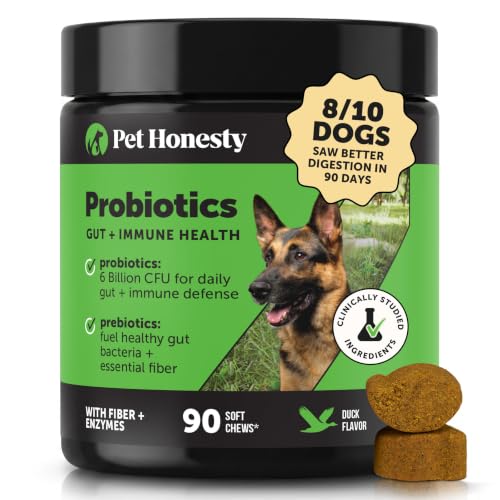
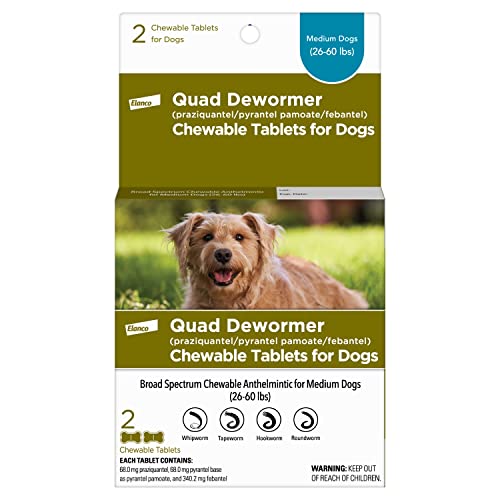
Always consult your veterinarian before starting any new treatment, medication, or home-care regimen for canine roundworms. Puppies and dogs with persistent vomiting, diarrhea, weakness, or dehydration may require prompt veterinary care. If you can’t reach your vet, you can chat live with a registered online veterinary professional via our online vet chat or video chat support (24 hours a day, 7 days a week). Or use Chewy’s online vet services (6 a.m. – midnight ET).
Treatment & Care
According to current veterinary parasite-control guidelines, the most effective treatment for roundworms in dogs involves appropriate deworming medication combined with preventive care to reduce reinfection. Treatments may include pyrantel pamoate or fenbendazole to eliminate intestinal roundworms, repeat deworming treatments to address developing parasites, and follow-up fecal examinations and proper sanitation to monitor recovery and prevent further exposure.
Medications
Common medications used to treat roundworms in dogs include:
| Medication / Class | Examples | How It Is Used | Important Considerations |
|---|---|---|---|
| Pyrantel Pamoate | Pyrantel pamoate | Commonly used to treat intestinal roundworms, especially in puppies and newly diagnosed dogs. It paralyzes susceptible worms so they can be expelled from the intestinal tract. | Often effective against adult intestinal roundworms but does not eliminate migrating larvae in body tissues. Repeat dosing is commonly needed, especially in puppies, based on your veterinarian’s schedule. |
| Benzimidazoles | Fenbendazole, febantel | Broad-spectrum dewormers frequently used to treat roundworms and other intestinal parasites. They may be given over several consecutive days depending on the product and treatment plan. | Dosing varies by product, parasite burden, and the dog’s age. Treatment may need to be repeated to address newly developing worms or reinfection from the environment. |
| Milbemycin Oxime | Milbemycin oxime | Used in some monthly parasite preventives and can help treat or control certain intestinal roundworms while also supporting broader parasite prevention. | Best used under veterinary guidance because products vary in approved uses and parasite coverage. Dogs still need routine fecal checks and environmental control measures. |
| Macrocyclic Lactones | Moxidectin | Included in some veterinary parasite-prevention products and may help treat or prevent roundworm infections as part of a broader preventive plan. | Not all products are interchangeable. Your veterinarian will select the most appropriate formulation based on your dog’s age, weight, lifestyle, and parasite risk. |
| Topical Parasite Preventives | Selamectin and veterinarian-selected combination products | Some topical preventives help control roundworms while also addressing other parasites, making them useful for ongoing prevention in appropriate dogs. | Coverage depends on the specific product label. These medications should be used exactly as directed and may not replace all treatment protocols for active infection. |
| Combination Dewormers | Pyrantel + praziquantel, pyrantel + febantel + praziquantel | Combination products are often chosen when dogs may have roundworms along with other intestinal parasites such as hookworms, whipworms, or tapeworms. | These products broaden parasite coverage but still require accurate dosing and veterinary guidance. Follow-up testing may be recommended to confirm treatment success. |
| Anti-Nausea Medications | Maropitant, ondansetron | May be prescribed for dogs with vomiting or digestive upset associated with heavy roundworm infections or deworming treatment, particularly when supportive care is needed. | These medications do not kill roundworms. They are used only to improve comfort, reduce vomiting, and support hydration while the underlying infection is treated. |
| Digestive Support | Veterinarian-recommended probiotics or supportive GI products | May help support stool quality, digestive comfort, and gut balance in dogs experiencing diarrhea or intestinal upset during recovery from roundworm infection. | Supportive products do not replace deworming medication. Dogs with persistent diarrhea, dehydration, or poor appetite should be evaluated promptly by a veterinarian. |
| Fluid & Supportive Therapy | Oral rehydration support, subcutaneous fluids, intravenous fluids | Used in puppies or severely affected dogs that develop dehydration, weakness, or significant vomiting and diarrhea from a heavy roundworm burden. | Supportive care is sometimes necessary in addition to deworming. Dogs showing collapse, severe abdominal pain, or signs of intestinal obstruction may require urgent care. |
| Repeat Deworming Protocols | Veterinarian-scheduled repeat doses of dewormers | Because some medications do not eliminate all life stages at once, repeat treatment is commonly recommended to target worms that mature after the initial dose. | Follow the full schedule exactly as prescribed. Puppies, pregnant dogs, and dogs in high-risk environments often need carefully timed repeat treatment and follow-up fecal tests. |
The best way to get these medications is at Chewy Pet Pharmacy:
Alternative & Integrative Therapies
Supportive and integrative therapies may help manage digestive upset, reduce discomfort, and support recovery in dogs with roundworms. Options such as probiotics, hydration support, bland diets, and other veterinarian-approved supportive care measures may be used alongside conventional treatment, but they do not replace deworming medication. Any alternative or supportive therapy should always be discussed with your veterinarian to ensure it is safe, appropriate, and used as part of an effective treatment plan.
Surgical Options
Surgery is rarely needed for roundworms in dogs because most infections can be effectively treated with veterinary-recommended deworming medications. However, in severe cases, particularly in puppies with heavy worm burdens, roundworms may cause intestinal obstruction, severe abdominal pain, or damage to the intestinal tract. Emergency surgery may be necessary to remove a blockage, repair damaged intestinal tissue, or treat life-threatening complications. Most dogs recover without surgical intervention, and your veterinarian will determine whether surgery is appropriate based on the severity of the obstruction, your dog’s overall condition, and its response to medical treatment.
Emotional & Lifestyle Impact
A roundworm infection can be concerning for both dogs and their families. Dogs may experience changes in energy, appetite, digestion, and behavior, while deworming treatments may occasionally cause temporary digestive side effects. With prompt veterinary treatment, proper hygiene, nutritional support, and preventive care, most dogs can recover fully and return to their normal, happy, and comfortable lives.
For Dogs
- Possible changes in energy, appetite, and digestion
- May experience abdominal discomfort, vomiting, or diarrhea
- Adjusting to deworming treatments and veterinary visits
- May need extra rest, hydration, and nutritional support
- Most dogs can return to normal activities after successful treatment
For Pet Parents
- It’s normal to feel concerned about your dog’s health
- Follow the prescribed deworming schedule and veterinary advice
- Maintain proper hygiene to protect family members and other pets
- Clean up feces promptly to reduce environmental contamination
- Focus on your dog’s recovery, comfort, and long-term parasite prevention
A roundworm diagnosis can be worrying, but it doesn’t have to change your dog’s future. With proper treatment, patience, and preventive care, most dogs can return to happy, healthy lives.
Brighter tomorrows.
Roundworms in Dogs Prognosis
A dog’s prognosis for roundworm infection depends on several factors, including the severity of infection, number of parasites, age at diagnosis, response to treatment, overall health, and level of supportive care. Most dogs recover fully with appropriate deworming treatment, while puppies with heavy infections may face more serious complications, such as malnutrition or intestinal obstruction. Working closely with your veterinarian can help guide treatment decisions, prevent reinfection, manage symptoms, and maintain the best possible quality of life for your dog.
Key Factors That Influence Prognosis
Typical Annual Cost of Treating Canine Roundworms
| Category | Estimated Cost Range | Notes |
|---|---|---|
| Initial Diagnosis & Testing | $75 – $225 | Includes a veterinary examination and fecal testing to identify roundworm eggs. Additional laboratory tests may be recommended when symptoms are severe or the diagnosis is uncertain. |
| Deworming Medications | $15 – $100 | Includes medications such as pyrantel pamoate, fenbendazole, or other veterinarian-selected dewormers. Cost depends on the dog’s weight, medication, and number of treatments needed. |
| Repeat Deworming & Follow-Up Testing | $40 – $200 | Repeat treatments may be necessary to eliminate developing roundworms. Follow-up fecal examinations help determine whether the infection has cleared or additional treatment is required. |
| Year-Round Parasite Prevention | $120 – $400 annually | Monthly broad-spectrum parasite preventives that control roundworms help reduce reinfection. Annual costs vary by product, dog size, and whether protection against other parasites is included. |
| Supportive Medications & Hydration | $50 – $500 | Dogs experiencing vomiting, diarrhea, or dehydration may require anti-nausea medication, fluid therapy, or other supportive treatments. Mild infections usually do not require extensive care. |
| Nutritional Support & Supplements | $30 – $200 | May include easily digestible diets, probiotics, or nutritional support to help restore digestive health and body condition during recovery. These are optional and do not replace deworming. |
| Emergency Veterinary Care & Hospitalization | $500 – $2,500+ | Severe infections, particularly in puppies, may require emergency examinations, bloodwork, imaging, intravenous fluids, and hospitalization for dehydration or serious complications. |
| Surgery for Intestinal Obstruction | $2,000 – $10,000+ | Rarely necessary when heavy roundworm infections cause intestinal blockage or damage. Costs depend on surgical complexity, emergency care, hospital stay, and whether intestinal repair is required. |
| Pet Insurance Coverage | Varies | Some accident-and-illness policies may cover eligible treatment costs, depending on exclusions, waiting periods, and pre-existing conditions. Routine deworming and prevention may require separate wellness coverage. |
| Typical Cost Range | Uncomplicated Roundworm Infection: $100 – $350 | Severe Infection With Complications: $500 – $3,000+ | Rare Cases Requiring Surgery: $2,000 – $10,000+ | |
Roundworms care can add up quickly — from daily medications to possible surgeries. Pet insurance can ease the financial burden and ensure your dog gets the best treatment without compromise. If you want to compare plans and find out which providers offer the best coverage for roundworms and chronic conditions, check out our full guides to the Best Pet Insurance for Dogs and Best Pet Wellness Plans.
Related Health Conditions
Several health conditions are closely related to roundworms in dogs because they involve intestinal parasites, similar transmission routes, or overlapping digestive symptoms. These conditions may cause diarrhea, vomiting, weight loss, poor growth, or abdominal discomfort. Understanding these related conditions can help dog owners recognize potential warning signs, distinguish between different parasitic infections, and better understand the diagnostic and treatment options their veterinarian may recommend.
- Hookworms
- Whipworms
- Tapeworms
- Giardia
- Coccidia
- Parvovirus
- Gastroenteritis
- Diarrhea
- Vomiting
- Intestinal Blockage
Frequently Asked Questions
The Bottom Line
Roundworms are among the most common intestinal parasites affecting dogs, particularly puppies, but the good news is that most infections are highly treatable with proper veterinary care. Early detection, effective deworming medications, and preventive measures can help eliminate parasites, reduce complications, and protect your dog’s overall health. By recognizing common warning signs, scheduling routine fecal examinations, maintaining good hygiene, and following a veterinarian-recommended parasite prevention plan, you can significantly reduce the risk of infection and reinfection. Above all, consistent care, proper nutrition, and timely treatment can help your dog recover and continue enjoying a happy, healthy, and comfortable life.