What Can You Give a Dog for Gas? 5 At-Home Remedies


Canine Bible is reader-supported. We receive affiliate commissions via some of our links. Learn more.
If your dog is unusually gassy, there are several ways you may be able to help—but the safest choice depends on what is causing the gas in the first place. Some cases are linked to diet, eating habits, or mild digestive upset, while others may need veterinary attention rather than a home remedy. Knowing what you can safely give your dog is especially important because medications or supplements that seem harmless are not always appropriate for every pet. You also need to consider whether your dog has other symptoms, such as vomiting, diarrhea, abdominal swelling, loss of appetite, or discomfort. Simple changes to food, feeding habits, or daily routines may be enough for mild cases, but persistent or severe gas can signal an underlying digestive problem. So which remedies are safe, which products should you avoid, and when is gas serious enough to call your veterinarian? In this guide, we’ll cover the safest options for dog gas, common causes, warning signs, and practical ways to prevent it from coming back.
What to Consider Before Giving Your Dog Anything for Gas
| What to Consider | Why It Matters |
|---|---|
| How often the gas occurs | Occasional gas is different from persistent or suddenly worsening flatulence. |
| Other symptoms | Vomiting, diarrhea, appetite changes, pain, or weight loss may indicate digestive disease. |
| Abdominal swelling | A tight or enlarged abdomen with retching can signal an emergency such as GDV. |
| Recent diet changes | New foods, treats, or table scraps may explain a temporary increase in gas. |
| Eating speed | Dogs that gulp meals may swallow extra air and become more gassy. |
| Current medications | Some remedies or supplements may interact with medications or health conditions. |
| Product formulation | Human products may contain different strengths or ingredients that are unsuitable for dogs. |
| Underlying health problems | Chronic gastrointestinal or pancreatic disease requires treatment of the underlying cause. |
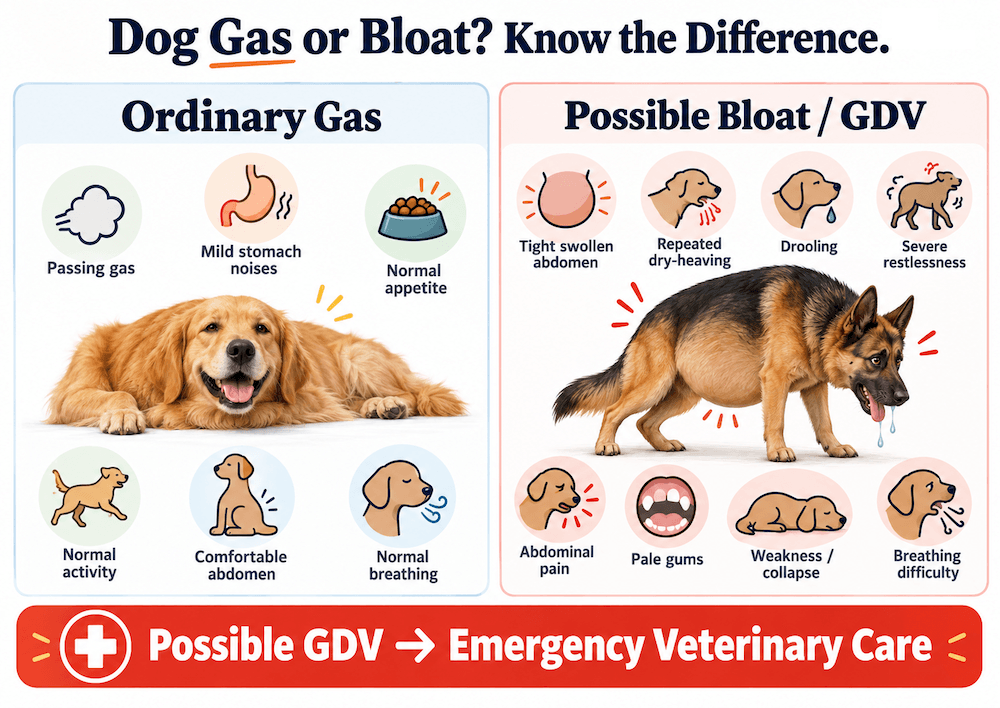
Dog Gas or Bloat? Know the Difference
Ordinary intestinal gas can be unpleasant, but it usually does not make an otherwise healthy dog severely ill. Bloat/GDV in dogs is different: the stomach becomes dangerously distended and may twist, making it a life-threatening emergency.
Remember to ALWAYS consult with your vet before making any changes that could affect your dog’s health, nutrition, or well-being. If you can’t reach your vet, you can chat live with a registered online veterinary professional via our online vet chat or video chat support (24 hours a day, 7 days a week). Or use Chewy’s online vet services (6 a.m. – midnight ET). Additionally, at-home dog gut health tests can analyze your dog’s microbiome, offering insights into which nutrients their diet should include. Similarly, at-home dog allergy testing kits can identify ingredients that may not be suitable for your dog, enabling you to choose the right diet and care plan to support optimal digestion, nutrition, and health.
What You Can Give Your Dog for Mild Gas: 5 Safe Options
There is no single best remedy for every gassy dog. Match the option to the likely cause rather than simply trying to suppress the symptom.
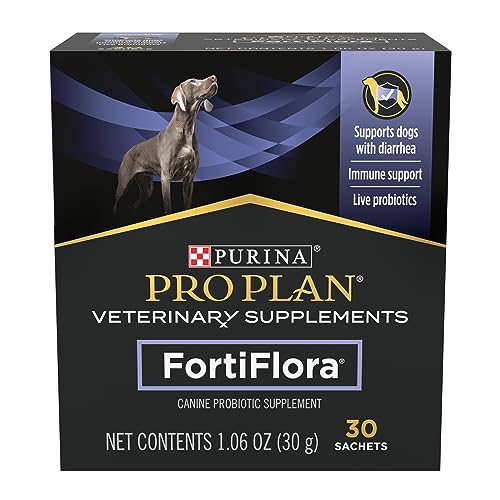
Purina Pro Plan
Best For: Mild digestive imbalance or recurring uncomplicated gas.
What to know: A veterinary or dog-formulated probiotic may help support the intestinal microbiome in some dogs, particularly when gas occurs alongside minor changes in stool quality. Effects are strain- and product-specific, however, so probiotics should not be treated as a guaranteed cure for flatulence. Choose a product formulated for dogs rather than randomly using a human probiotic. Persistent gas still warrants a diet review and, when appropriate, veterinary evaluation.


Hill’s Prescription Diet
Best For: Gas associated with poor digestibility.
What to know: When more nutrients are digested and absorbed before they reach the colon, less material may be available for bacteria to ferment. A highly digestible diet can therefore be useful for dogs whose flatulence appears strongly diet-related. Avoid switching foods repeatedly, since constant changes can create additional digestive upset. A controlled transition gives you a better chance of identifying whether the diet actually helps.
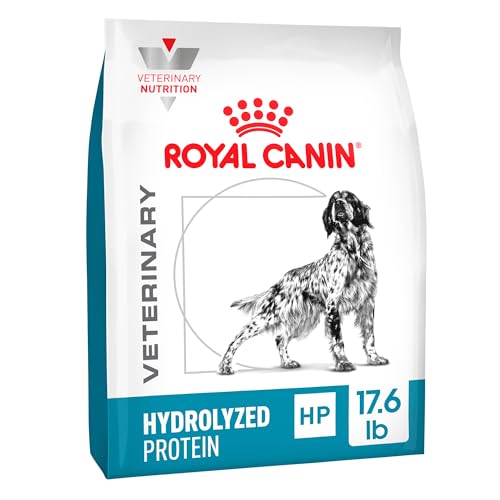
Royal Canin Veterinary Diet
Best For: Chronic gas with soft stool, diarrhea, itching, vomiting, or other signs suggesting a food-related problem.
What to know: Your veterinarian may recommend a structured diet trial using an appropriate novel-protein, limited-ingredient, or hydrolyzed diet, depending on your dog’s history. The diet must usually be fed consistently without unapproved treats or extras for the trial to be meaningful. Do not assume that one specific protein is automatically the problem. Digestibility, ingredient combinations, fat content, fiber, treats, and individual tolerance can all influence gastrointestinal signs.


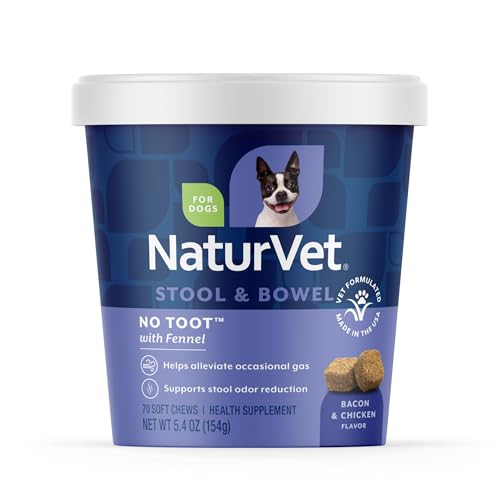
NaturVet No Toot Gas Aid
Best For: Particularly foul-smelling gas.
What to know: Some dog products contain Yucca schidigera as an odor-control ingredient. The important distinction is that reducing odor does not necessarily mean reducing the amount or frequency of gas. Choose products made specifically for dogs and follow their labeled use or veterinary advice. More concentrated herbal ingredients are not automatically better.

Vet’s Best Gas Busters
Best For: Mild digestive support in an otherwise well dog.
What to know: Dog digestive products may contain ingredients such as ginger, fennel, slippery elm, prebiotics, or combinations of gut-support ingredients. Evidence varies considerably between ingredients and products, so these are better viewed as supportive options rather than proven treatments for every case of canine gas. Avoid simply adapting doses from human herbal products. Formulation, concentration, added ingredients, and your dog’s health status all matter.
At-Home Ways to Relieve Mild Gas in Dogs
For otherwise healthy dogs with mild gas or bloating, simple at-home changes can sometimes help reduce swallowed air, improve digestion, and make meals easier to tolerate. Strategies such as feeding smaller meals, slowing down eating, keeping the diet consistent, and encouraging gentle activity may ease uncomplicated gas without medication. If bloating is severe, painful, or accompanied by retching, weakness, or abdominal swelling, it should not be managed at home.
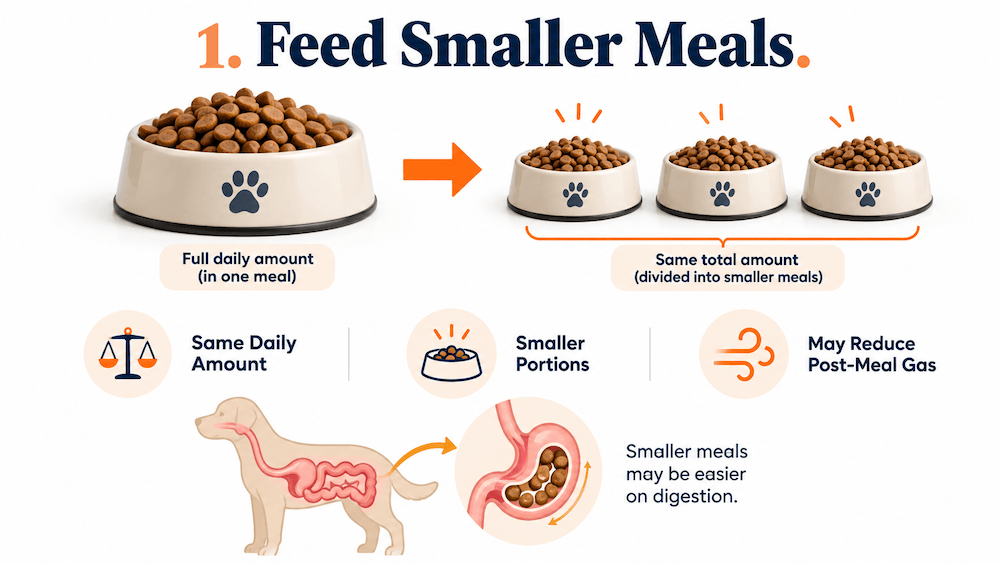
1. Feed Smaller Meals
Dividing your dog’s normal daily food allowance into smaller, more frequent meals may reduce the digestive workload at any one time. This can be particularly useful for dogs that become gassy after eating large portions, but the total daily calories should stay the same.
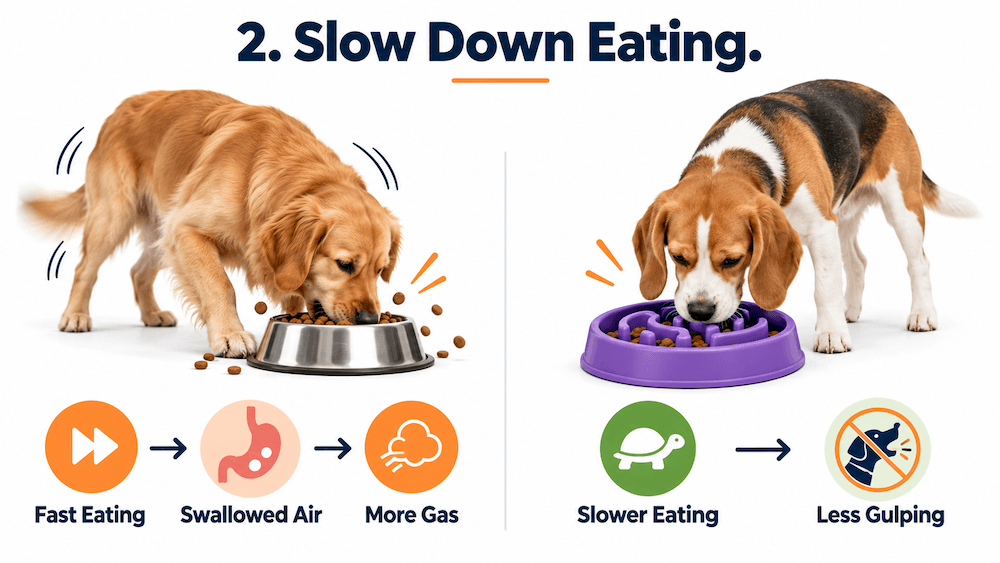
2. Slow Down Eating
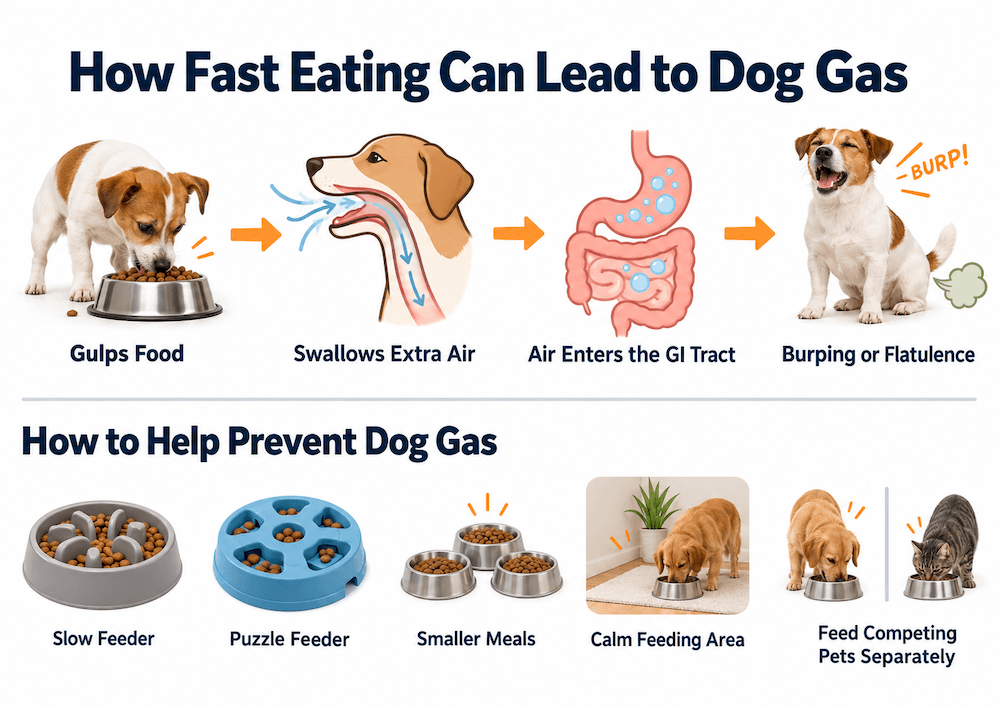
Dogs that gulp food quickly tend to swallow more air, which can contribute to belching and flatulence. A slow-feeder bowl, puzzle feeder, or other controlled feeding method can extend mealtime and reduce frantic gulping.
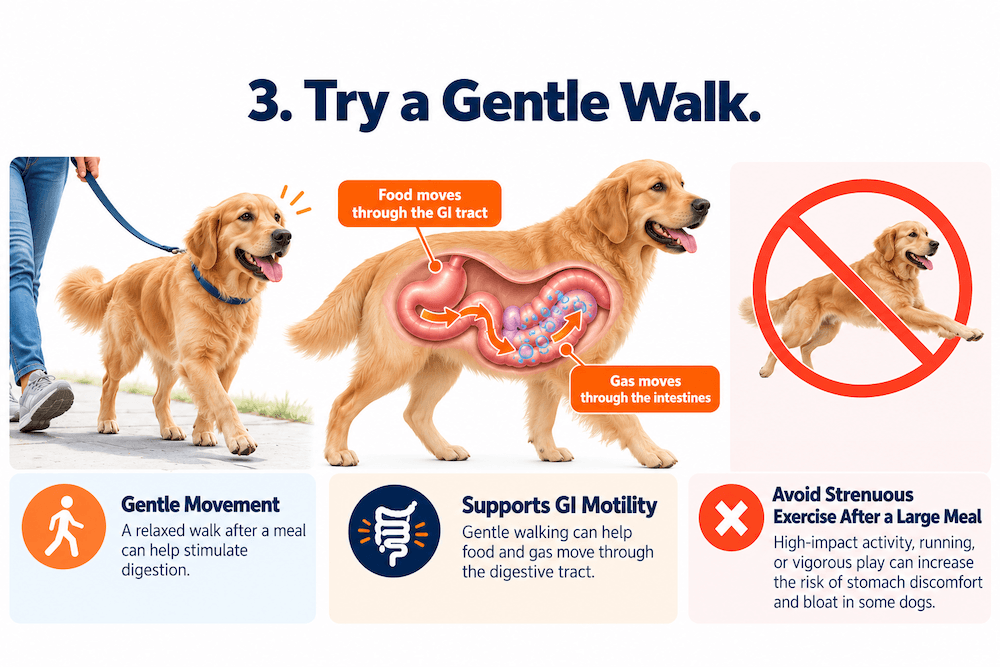
3. Take a Gentle Walk
For an otherwise comfortable dog with mild gas, a gentle walk after eating may encourage normal gastrointestinal movement and help trapped intestinal gas move along. Keep the activity relaxed rather than vigorous, particularly after a substantial meal.
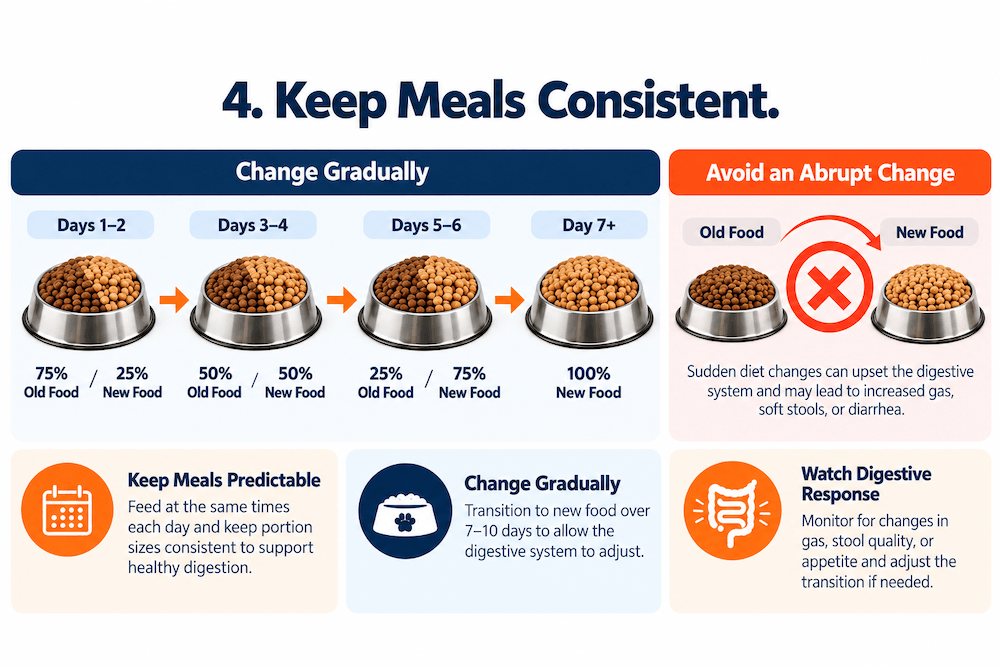
4. Keep Meals Consistent
Frequent food changes can make it difficult for your dog’s digestive system to adjust and can make dietary triggers harder to identify. When changing foods, transition gradually unless your veterinarian recommends a different approach.
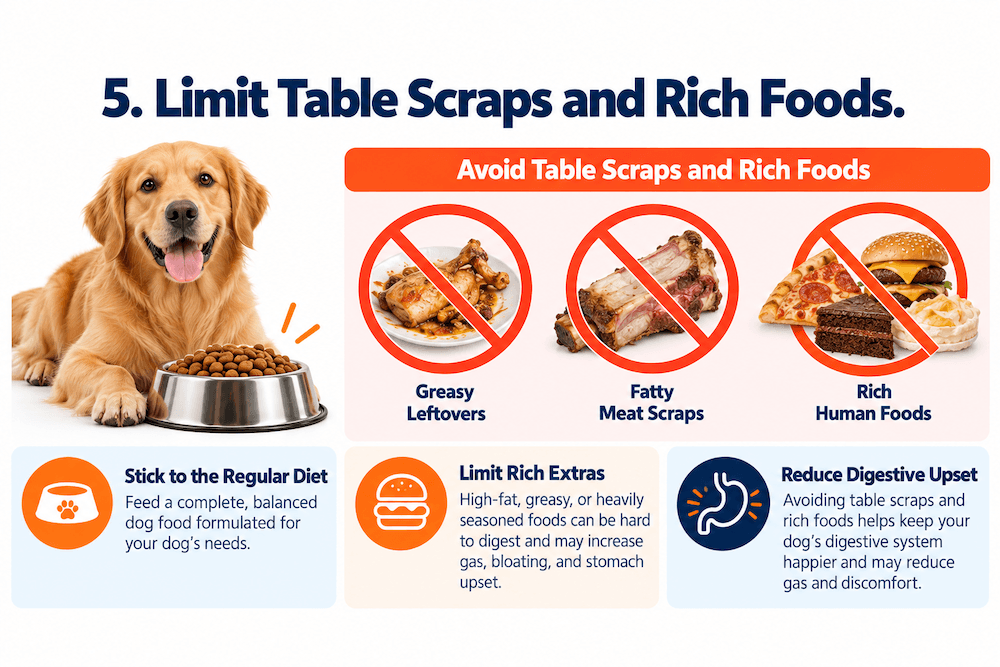
5. Limit Table Scraps and Rich Foods
Fatty leftovers, rich foods, and foods your dog does not tolerate well can worsen digestive upset and flatulence. Keeping extras limited also makes it easier to determine whether the regular diet is contributing to recurring gas.
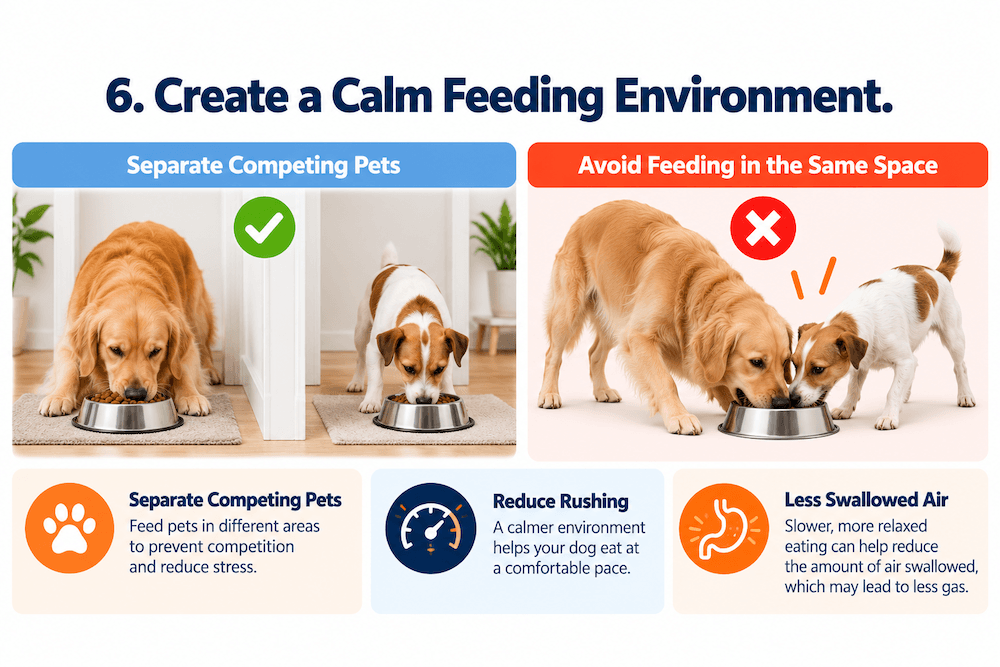
6. Feed in a Quiet, Noncompetitive Area
Dogs that feel rushed or compete with other pets may eat faster and swallow more air. Feeding dogs separately in a calm environment can reduce mealtime competition and encourage slower, more controlled eating.
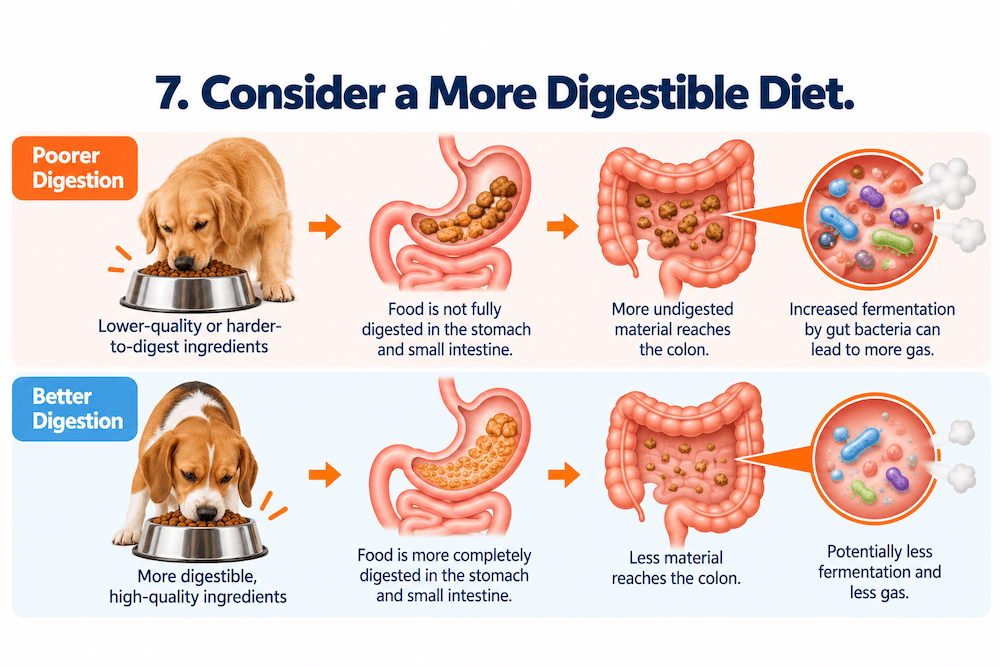
7. Consider a More Digestible Diet
If gas remains frequent despite better feeding habits, a more highly digestible dog food may be worth discussing with your veterinarian. Better digestion can mean less undigested material reaches the colon, leaving less substrate available for gas-producing bacterial fermentation.
Which Gas Remedy Makes Sense for Your Dog?
The pattern surrounding your dog’s gas often gives you more useful information than the smell alone.
| Situation | What May Help | What to Know |
|---|---|---|
| Mild occasional gas | Feeding adjustments | Often sufficient when your dog otherwise feels well. |
| Eats very quickly | Slow feeder and smaller meals | May reduce swallowed air during eating. |
| Gas after changing food | Gradual food transition | Abrupt changes can temporarily disturb digestion. |
| Frequent gas, otherwise well | Diet review or dog probiotic | Look for recurring dietary or feeding triggers. |
| Very foul-smelling gas | Diet review or appropriate supplement | Odor and total gas production are different issues. |
| Gas with diarrhea or weight loss | Veterinary evaluation | Digestive disease or malabsorption may be involved. |
| Swollen painful abdomen | Emergency veterinary care | Do not treat possible GDV as routine gas. |
Why Do Dogs Get Gas?
Dog gas comes mainly from air that is swallowed and gases produced when intestinal bacteria ferment material that reaches the colon. The amount and smell can change with eating habits, diet composition, digestion, and gastrointestinal health.
Dogs More Prone to Gas
Dogs that gulp food, compete intensely at mealtimes, or regularly swallow air are more likely to be gassy. Brachycephalic dogs may also swallow more air because of their upper-airway anatomy.
Dogs with chronic digestive disease can develop excessive gas for a different reason: nutrients may not be digested or absorbed normally, leaving more material for intestinal bacteria to ferment.
What Foods Can Cause Gas in Dogs?
There is no universal list of foods that make every dog gassy. Problems depend on portion size, digestibility, individual tolerance, and how much fermentable material reaches the large intestine.
| Potential Trigger | Why It May Cause Gas |
|---|---|
| Dairy | Some dogs digest lactose poorly. |
| Fatty table scraps | Rich foods may trigger digestive upset. |
| Sudden new food | Abrupt changes can disrupt normal digestion. |
| Beans or peas | Fermentable carbohydrates may increase intestinal gas. |
| Cruciferous vegetables | Larger portions may produce more fermentation. |
| Highly fermentable fiber | Gut bacteria may produce more gas during fermentation. |
| Spoiled food or trash | Dietary indiscretion can cause gastrointestinal upset. |
| Poorly tolerated foods | Incomplete digestion can leave more material for fermentation. |
Does Protein Make Dog Gas Smell Worse?
Protein itself does not automatically make a dog gassy. Gas volume and gas odor are separate issues, and fermentation of poorly digested nutrients can produce compounds with particularly strong smells.
The source and digestibility of the protein may therefore matter more than simply whether a food is “high protein.” Changing proteins repeatedly without identifying the actual trigger can make the problem harder to interpret.
How Eating Too Fast Can Cause Gas
Dogs that gulp meals can swallow considerable amounts of air along with their food. Some of that air is belched, while some may move farther through the gastrointestinal tract and contribute to flatulence.
How to Prevent Gas In Dogs
Preventing dog gas often comes down to consistent feeding habits, avoiding dietary indiscretion, and spotting recurring triggers early. Simple routines like measuring portions, storing food properly, maintaining regular activity, and keeping parasite care current can help reduce repeat episodes.
| Prevention Step | How It May Help Prevent Gas |
|---|---|
| Prevent scavenging | Keep trash, compost, and dropped food inaccessible to reduce dietary indiscretion. |
| Store food properly | Keep dog food sealed, dry, and within its recommended storage period. |
| Avoid overfeeding | Measure daily portions so your dog does not routinely consume excess food. |
| Introduce new treats carefully | Add one new treat at a time so digestive reactions are easier to identify. |
| Track recurring triggers | Record foods, treats, stool changes, and gas episodes to reveal patterns. |
| Maintain regular activity | Consistent appropriate exercise supports normal gastrointestinal function and overall health. |
| Keep parasite care current | Routine prevention and recommended fecal testing help reduce parasite-related digestive problems. |
| Address recurring gas early | Veterinary evaluation can identify digestive problems before gas becomes an ongoing issue. |
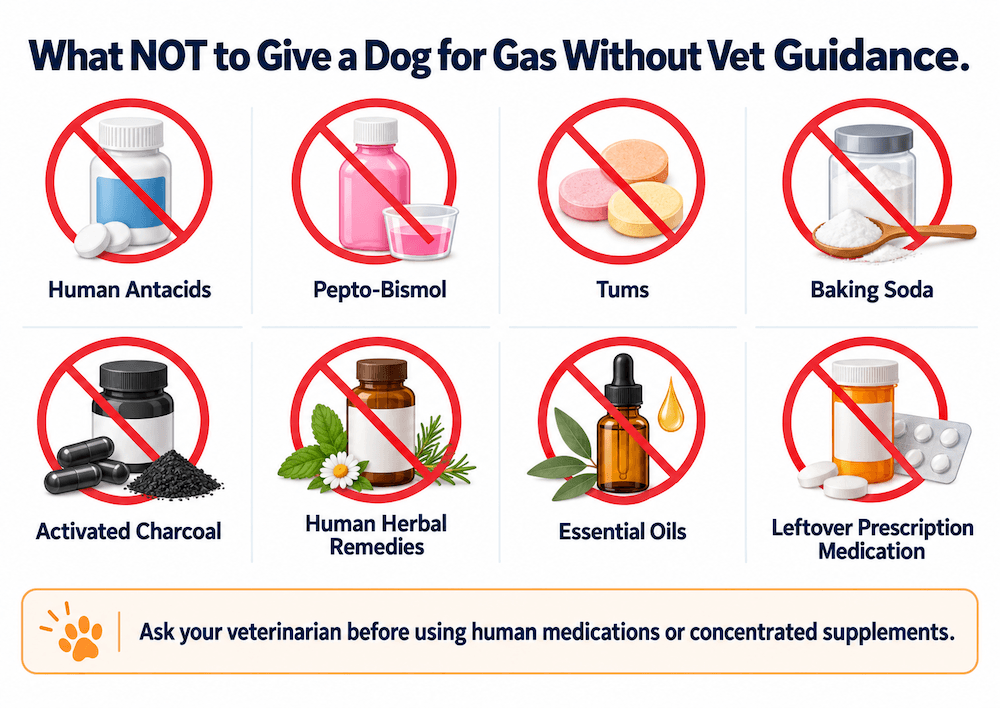
What Not to Give a Dog for Gas Without Veterinary Guidance
The fact that a product is available over the counter for people does not make it an appropriate dog gas remedy. Some products have different purposes, interact with medications, contain unnecessary ingredients, or can complicate the evaluation of a sick dog.
When Dog Gas May Signal a Medical Problem
Persistent flatulence becomes more meaningful when it occurs with other gastrointestinal or whole-body changes. Possible underlying causes include food allergies or sensitivities, parasites, gastrointestinal infection, chronic enteropathy, pancreatitis, exocrine pancreatic insufficiency (EPI), motility disorders, and other digestive diseases.
Less commonly, structural disease or gastrointestinal tumors may contribute to chronic digestive signs. Gas alone cannot identify the cause, so the surrounding symptoms matter.
When to Call a Veterinarian About Dog Gas
Occasional gas is usually less concerning when your dog has a normal appetite, normal stool, usual energy, and no signs of pain. In these cases, you can monitor briefly while reviewing recent diet changes, treats, eating speed, and feeding habits.
Contact your veterinarian if the gas becomes persistent, suddenly increases, develops a noticeably stronger odor, or occurs with recurrent diarrhea, vomiting, constipation, appetite changes, weight loss, or abdominal discomfort. These signs can point to a digestive problem that needs more than simple home management.
Seek emergency veterinary care if your dog develops a tight or enlarged abdomen, repeated unsuccessful retching, severe restlessness, pale gums, weakness, collapse, or difficulty breathing. These signs can occur with GDV or another acute abdominal emergency, so do not give a gas remedy and wait for improvement.
How Veterinarians Diagnose Persistent Gas
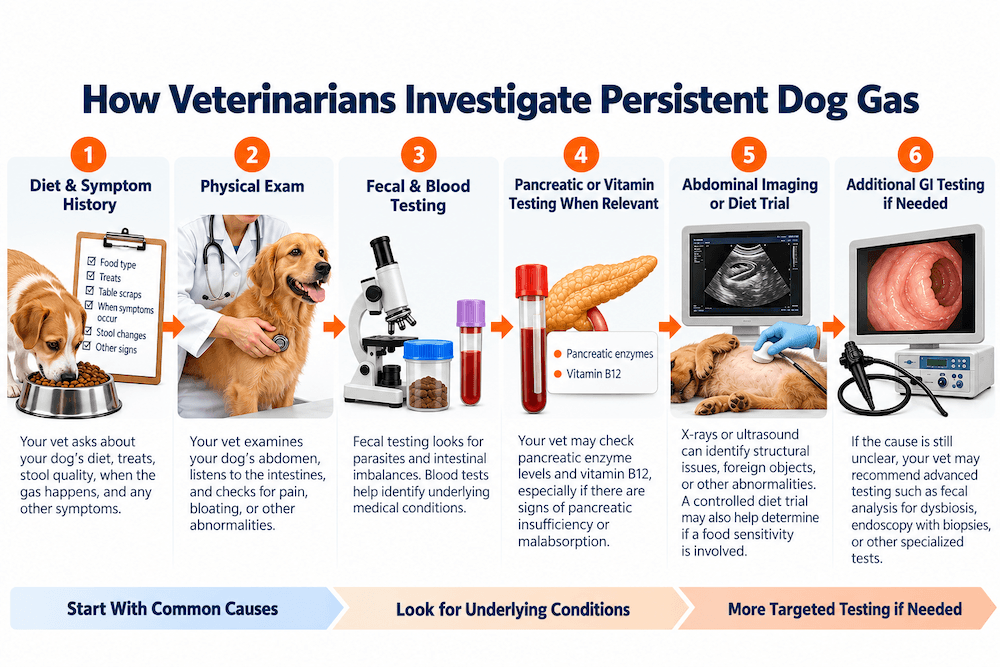
There is no single “gas test.” Veterinarians generally work backward from the dog’s diet, history, physical findings, stool changes, and accompanying symptoms to identify why excessive fermentation, swallowed air, or abnormal digestion may be occurring.
How Veterinarians Treat Chronic Gas
Treatment depends on the diagnosis. A dog that swallows air needs a very different plan from a dog that cannot digest nutrients properly because of pancreatic disease.
| Likely Cause | Typical Management Direction |
|---|---|
| Rapid eating | Slow feeding and mealtime modification. |
| Poor digestibility | Use an appropriately digestible diet. |
| Food intolerance | Veterinarian-guided elimination or therapeutic diet trial. |
| Parasites | Appropriate antiparasitic treatment after assessment. |
| EPI | Pancreatic enzymes plus individualized nutritional management. |
| Chronic enteropathy | Dietary therapy and additional treatment when required. |
| Pancreatitis | Condition-specific veterinary treatment and nutrition. |
| Other disease | Treat the diagnosed underlying disorder. |
What Research Says About Gas in Dogs
Gas odor and gas frequency are not the same thing. A randomized controlled trial published in the Journal of the American Veterinary Medical Association evaluated activated charcoal, Yucca schidigera, and zinc acetate in eight adult dogs. The combination reduced the proportion of flatulence episodes rated as having bad or unbearable odor by 86%, largely by reducing hydrogen sulfide, but it did not reduce total gas production or how often the dogs passed gas. For owners, this means an odor-control supplement may make flatulence less offensive without actually making a dog less gassy.[1]
Diet digestibility can influence what reaches the colon for bacterial fermentation. A 2023 study in the Journal of Animal Science tested diets differing in protein source and concentration in 12 healthy adult dogs. Diets containing highly digestible hydrolyzed chicken liver produced greater apparent protein digestibility and lower fecal concentrations of ammonia and branched-chain fatty acids—markers associated with protein fermentation—than diets based on poultry byproduct meal. The study did not directly measure flatulence, but it supports the biological rationale that better-digested nutrients leave less substrate available for potentially odor-producing fermentation in the large intestine.[2]
Evidence for simethicone as a routine treatment for canine flatulence remains limited. A 2021 prospective study in the Journal of Veterinary Internal Medicine involving 40 dogs undergoing video capsule endoscopy included 20 dogs that received simethicone and described its anti-foaming action: it lowers surface tension so small gastrointestinal gas bubbles can coalesce and disperse. Importantly, the researchers noted that controlled studies evaluating simethicone’s clinical usefulness and adverse effects in dogs were lacking, and their study was not designed to prove that simethicone treats ordinary canine flatulence. This supports using simethicone only with veterinary guidance rather than presenting it as a well-proven, one-size-fits-all home remedy for dog gas.[3]
Frequently Asked Questions
The Bottom Line
Occasional gas in dogs is often manageable with simple changes to diet, meal size, eating speed, and feeding habits. Dog-specific probiotics, highly digestible foods, and certain digestive supplements may also help when they are appropriate for the underlying cause. Human medications and home remedies should not be given automatically, and simethicone should be used only with veterinary guidance. Persistent or suddenly worsening gas deserves closer attention, especially when it occurs with vomiting, diarrhea, appetite changes, weight loss, or abdominal discomfort. Keeping meals consistent and identifying dietary or feeding triggers can help reduce recurring episodes. Most importantly, a swollen or tight abdomen, repeated unsuccessful retching, weakness, pale gums, or collapse should be treated as an emergency rather than ordinary gas.
If your dog has other digestive symptoms, read our guide on what to give a dog for an upset stomach. You can also learn more about probiotics for dogs and whether they may support digestive health. If gas started after changing foods, our dog food transition guide and calculator can help you make the switch more gradually. For dogs with recurring digestive sensitivity, see our guide to the best dog foods for gastrointestinal issues.
Sources
- Administration of charcoal, Yucca schidigera, and zinc acetate to reduce malodorous flatulence in dogs
- Effects of hydrolyzed chicken liver on digestibility, fecal and urinary characteristics, and fecal metabolites of adult dogs
- Feasibility, complications, and quality of visualization using video capsule endoscopy in 40 dogs with overt or questionable gastrointestinal bleeding