
Obsessive-Compulsive Behaviors in Dogs: Symptoms, Types, Causes, Signs & Prevention

Canine Bible is reader-supported. We receive affiliate commissions via some of our links. Learn more.
A comprehensive guide to obsessive-compulsive behaviors in dogs, including common signs, possible causes, triggers, diagnosis, treatment options, behavior modification and what pet parents should know when caring for an affected dog.
Obsessive-Compulsive Behaviors at a Glance
Most common in
Dogs with genetic predisposition, chronic stress, anxiety or frustration.
Common signs
Spinning, tail chasing, licking, pacing, flank sucking or repetitive movements.
Diagnosis
Behavioral history, observation and tests to rule out medical causes.
Treatment
Behavior modification, trigger management, enrichment and medication when needed.
Prognosis
Often manageable with early intervention and consistent long-term treatment.
Common triggers
Stress, conflict, frustration, confinement, excitement or environmental change.
What Are Obsessive-Compulsive Behaviors in Dogs?
Obsessive-compulsive behaviors in dogs are repetitive, exaggerated behaviors that are performed repeatedly and may become difficult for the dog to stop. Veterinarians commonly use the term canine compulsive disorder (CCD) because it is not possible to determine whether dogs experience the obsessive thoughts associated with obsessive-compulsive disorder in people. Behaviors may include spinning, persistent tail chasing, excessive licking, pacing, shadow or light chasing, flank sucking, repetitive barking or other repeated actions. These behaviors may begin as normal responses to excitement, stress, frustration or conflict but can become excessive and occur even when the original trigger is no longer present. Genetics, chronic anxiety, environmental stress and inadequate physical or mental stimulation may contribute. Medical conditions that cause pain, itching, neurological abnormalities or other discomfort can produce similar behaviors, so veterinary evaluation is important before assuming a behavioral disorder is responsible.


Types
Dogs can develop several types of obsessive-compulsive behaviors, and the pattern can vary from one dog to another. Common forms include tail chasing, spinning, excessive licking, flank sucking, pacing, shadow or light chasing, repetitive barking, and persistent chewing. Some behaviors are triggered by stress, excitement, frustration, or conflict, while others may continue even after the original trigger is gone. Identifying the specific type of compulsive behavior can help pet parents and veterinarians determine possible causes, recognize triggers, and choose the most appropriate treatment approach.
Tail Chasing
Repeatedly chasing, spinning toward, or biting at the tail, sometimes continuing even when there is no obvious trigger.
Spinning or Circling
Repetitive circling or spinning that occurs frequently, may be difficult to interrupt, and can increase during stress or excitement.
Excessive Licking
Persistent licking of the legs, paws, body, surfaces, or objects that may become repetitive enough to cause irritation or skin injury.
Flank Sucking
Repeatedly holding, licking, or sucking the skin along the side of the body, a behavior reported particularly in some predisposed breeds.
Repetitive Pacing
Walking the same route or pattern over and over, especially during periods of anxiety, frustration, anticipation, or environmental stress.
Light or Shadow Chasing
Fixating on and repeatedly chasing reflections, shadows, moving lights, or similar visual stimuli even when the activity interferes with normal behavior.


Fly Snapping
Repeated snapping at apparently invisible objects in the air. Because medical or neurological problems can cause similar episodes, veterinary evaluation is important.
Repetitive Barking or Vocalization
Persistent barking, whining, or other vocalization performed in a repetitive pattern without an obvious continuing environmental trigger.
Object Sucking or Chewing
Repetitive sucking, licking, or chewing of blankets, toys, fabrics, or other objects that becomes difficult for the dog to stop.
Self-Directed Behaviors
Repeated biting, chewing, scratching, or licking directed at the dog’s own body, sometimes resulting in hair loss, sores, or other injuries.
Predisposed Dog Breeds
While obsessive-compulsive behaviors can affect any dog, certain breeds appear to have a greater genetic predisposition to specific repetitive behaviors. Examples include tail chasing in Bull Terriers, flank sucking in Doberman Pinschers, and repetitive circling or pacing in some herding breeds. Genetics can interact with stress, anxiety, frustration, environment, and learned behavior, so being predisposed does not mean a dog will necessarily develop a compulsive disorder.
| Breed / Group | Common Compulsive Behavior | Notes on Predisposition & Triggers |
|---|---|---|
|
Bull Terrier & Miniature Bull Terrier |
Tail chasing, spinning and repetitive circling | Bull Terriers are among the breeds most commonly associated with repetitive tail chasing and spinning. Genetics may contribute, while excitement, stress and frustration can increase episodes. |
| Doberman Pinscher | Flank sucking, licking and other repetitive self-directed behaviors | Dobermans have a recognized breed predisposition to flank sucking, in which the dog repeatedly holds, licks or sucks the skin along the side of the body. |
| German Shepherd Dog | Tail chasing, spinning and repetitive pacing | Tail chasing has been reported more frequently in German Shepherds than in many other breeds. Stress, arousal and environmental frustration may worsen repetitive behavior. |
| Border Collie | Light chasing, shadow chasing and repetitive movement | Highly visually responsive dogs may develop excessive fixation on reflections, shadows or moving light. Repeated exposure to moving light sources can reinforce the behavior. |
| Australian Shepherd | Shadow chasing, circling and repetitive visual fixation | Some herding dogs may become intensely focused on movement, reflections or shadows. High arousal, insufficient mental stimulation and repeated exposure to triggers may contribute. |
| Large & Active Breeds | Repetitive licking or chewing of a limb | Breeds such as Doberman Pinschers, German Shepherds, Great Danes and Labrador Retrievers may develop persistent limb licking. Medical causes such as pain, allergies or skin disease should always be ruled out first. |
| Herding & Working Dogs | Pacing, circling, repetitive chasing and fixation | High-drive dogs may be more vulnerable to repetitive behaviors when chronically stressed, frustrated, under-stimulated or unable to perform normal physical and mental activities. |
| Other Breeds & Mixed-Breed Dogs | Licking, pacing, spinning, chewing, vocalizing or object fixation | Any dog can develop compulsive behavior. Genetics may influence susceptibility, but chronic stress, anxiety, conflict, frustration, learned behavior and environmental factors can also contribute. |
Causes
Obsessive-compulsive behaviors in dogs usually develop from a combination of genetic predisposition, personality, anxiety, frustration, and environmental or lifestyle factors rather than a single cause. In some dogs, a normal coping behavior may gradually become repetitive and difficult to interrupt. Medical problems such as pain, skin disease, neurologic disorders, or other underlying illnesses can also trigger or mimic compulsive behaviors, so veterinary evaluation is important. Understanding these contributing factors can help pet parents identify triggers, support an accurate diagnosis, and choose the most appropriate treatment plan.
Genetic Predisposition
Some dogs may inherit a greater susceptibility to particular compulsive behaviors, with certain patterns occurring more often in specific breeds or family lines.
Anxiety & Chronic Stress
Ongoing anxiety or stress can encourage repetitive behaviors that initially help a dog cope but may gradually become excessive and difficult to interrupt.
Frustration & Conflict
Situations in which a dog cannot perform a desired behavior, escape a stressful situation, or predict what will happen next may contribute to repetitive displacement behaviors.
Environmental Factors
Confinement, unpredictable routines, repeated exposure to stressful triggers, major household changes, or limited control over the environment may increase compulsive behavior in some dogs.
Inadequate Enrichment
Insufficient physical exercise, mental stimulation, social interaction, or opportunities to perform normal behaviors may contribute to repetitive behavior in susceptible dogs.
Medical Conditions
Pain, itching, skin disease, orthopedic problems, gastrointestinal discomfort, or neurological disorders can trigger or mimic repetitive behaviors and should be ruled out by a veterinarian.
Learned & Reinforced Patterns
A repetitive behavior may become stronger when it repeatedly provides relief, stimulation, or attention. Over time, the pattern may persist even after the original trigger is no longer present.
Symptoms
Obsessive-compulsive behaviors in dogs can vary depending on the type of repetitive behavior, its triggers, frequency, and severity. Some signs may begin occasionally but become more frequent, intense, and difficult to interrupt over time. Common symptoms include tail chasing, spinning, excessive licking or chewing, repetitive pacing, flank sucking, light or shadow chasing, air snapping, and persistent fixation on objects or movements. Affected dogs may also develop skin sores, hair loss, self-injury, disrupted sleep, or difficulty engaging in normal activities. Because repetitive behaviors can sometimes be caused by pain, skin disease, neurologic problems, or other medical conditions, persistent or worsening signs should be evaluated by a veterinarian.
- Repeated tail chasing or spinning
- Persistent pacing or circling
- Excessive licking or chewing
- Flank sucking
- Light or shadow chasing
- Air snapping or fly biting
- Fixation on particular objects or movements
- Repetitive barking or vocalization
- Hair loss, sores, or self-inflicted skin damage
- Difficulty stopping the behavior or returning to normal activities
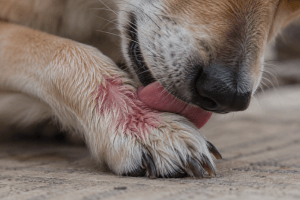
Compulsive behaviors can involve repeated movements, fixation or self-directed behaviors affecting different areas of the body.
Stages & Progression of Obsessive-Compulsive Behaviors in Dogs
Obsessive-compulsive behaviors in dogs can progress at different rates depending on the type of behavior, underlying triggers, frequency, intensity, and how long the pattern has been present. Early behaviors may occur only in specific situations, while more advanced compulsive patterns can become frequent, difficult to interrupt, and disruptive to normal daily activities. Understanding how the behavior progresses can help veterinarians and behavior professionals assess severity, identify contributing factors, and determine which management, behavior modification, or treatment strategies may be most appropriate.
Occasional Behavior
Repetitive behaviors occur occasionally, usually in response to identifiable triggers such as excitement, stress, frustration, or conflict, and are generally easy to interrupt.
Increasing Frequency
The behavior occurs more often, lasts longer, or appears in additional situations. Dogs may increasingly rely on the repetitive action during periods of anxiety or frustration.
Difficult to Interrupt
Repetitive behaviors become persistent and harder to stop. They may interfere with eating, resting, play, training, social interaction, or other normal daily activities.
Severe & Disruptive
Compulsive behavior becomes frequent or prolonged and may occur without an obvious trigger. Some dogs may develop self-injury, skin damage, exhaustion, or major disruption of normal daily functioning.
This chart is a simplified visual guide rather than a formal veterinary staging system. Canine compulsive disorders do not have standardized Level 1–4 stages, and individual dogs may progress differently or remain at a similar severity for long periods. Early veterinary and behavioral evaluation may help prevent repetitive behaviors from becoming more established.
- Level 1: Occasional repetitive behaviors such as brief tail chasing, pacing, licking, or fixation that are usually linked to an obvious trigger and are easy to interrupt.
- Level 2: Behaviors become more frequent or last longer, especially during stress, anxiety, excitement, or frustration.
- Level 3: Repetitive behaviors become difficult to interrupt and may begin interfering with eating, resting, play, training, or social interaction.
- Level 4: Severe compulsive behavior may occur with little or no obvious trigger and can lead to self-injury, skin damage, exhaustion, or major disruption of normal daily activities.
Top Ways to Help Prevent Obsessive-Compulsive Behaviors in Dogs
Because obsessive-compulsive behaviors can develop from a combination of genetic, emotional, environmental, and medical factors, they cannot always be completely prevented. However, providing regular physical exercise, mental enrichment, predictable routines, positive social interaction, and healthy outlets for natural behaviors may help reduce stress and frustration. Early veterinary evaluation of repetitive behaviors is also important, especially when pain, itching, neurological problems, or other medical conditions may be contributing. Addressing triggers early may help prevent repetitive behaviors from becoming more frequent, intense, or difficult to interrupt.
| Prevention Strategy | Why It Helps | How to Do It |
|---|---|---|
| Provide Regular Physical Exercise | Appropriate activity helps provide an outlet for energy and may reduce frustration, restlessness, and stress-related behavior. | Provide daily walks, play, and breed-appropriate exercise based on your dog’s age, health, and energy level. |
| Provide Mental Enrichment | Mental stimulation gives dogs healthy activities to focus on and may reduce repetitive behaviors associated with boredom or frustration. | Use food puzzles, scent games, training sessions, interactive toys, and opportunities to explore new environments safely. |
| Maintain a Predictable Routine | Consistency can reduce uncertainty and stress in dogs that are sensitive to changes in their environment. | Keep feeding, walks, playtime, rest, and training on a reasonably consistent daily schedule whenever possible. |
| Reduce Stress & Frustration | Anxiety, conflict, and frustration can trigger repetitive displacement behaviors that may become increasingly difficult to stop. | Identify common triggers, provide quiet resting areas, avoid overwhelming situations, and introduce changes gradually. |
| Use Reward-Based Training | Positive training can teach alternative behaviors and provide dogs with predictable, constructive ways to respond to triggers. | Reward calm behavior, teach cues such as “settle,” and redirect repetitive behavior toward appropriate activities without punishment. |
| Avoid Reinforcing Repetitive Behaviors | Attention, excitement, or play following a repetitive behavior can unintentionally strengthen the pattern. | Avoid encouraging tail chasing, light chasing, or similar behaviors for entertainment. Redirect your dog calmly to another activity instead. |
| Address Medical Problems Early | Pain, itching, skin disease, orthopedic problems, or neurological conditions can trigger or mimic compulsive behaviors. | Schedule veterinary evaluation for persistent licking, chewing, spinning, air snapping, pacing, or any sudden behavioral change. |
| Monitor for Early Warning Signs | Repetitive behavior may be easier to manage before it becomes frequent, prolonged, or difficult to interrupt. | Watch for increasing tail chasing, pacing, licking, flank sucking, fixation, shadow chasing, or repetitive movements and record when and where they occur. |
| Seek Behavioral Help Early | Early intervention can help identify triggers and reduce the chance that repetitive behavior becomes deeply established. | Consult your veterinarian or a qualified veterinary behavior professional if the behavior becomes frequent, causes injury, or interferes with normal daily activities. |
Actionable Resources
If you want to help manage or reduce obsessive-compulsive behaviors in your dog, these resources may be useful alongside veterinary or behavioral guidance:
How Are Obsessive-Compulsive Behaviors in Dogs Diagnosed
Diagnosing obsessive-compulsive behaviors in dogs requires a comprehensive veterinary evaluation to determine the presence, type, and severity of the behavior. Key steps include:
1. Behavioral History
Your veterinarian reviews when the repetitive behavior began, how often it occurs, how long it lasts, possible triggers, and whether the behavior can be interrupted.
2. Physical Examination
A full physical examination helps identify pain, skin disease, injury, orthopedic problems, or other medical conditions that could trigger repetitive licking, chewing, spinning, or pacing.
3. Medical Testing
Bloodwork, urinalysis, skin testing, or other laboratory tests may be recommended to look for underlying illness, itching, inflammation, infection, or metabolic problems.
4. Behavior Observation
Your veterinarian may observe the behavior directly or review videos recorded at home to assess the pattern, intensity, duration, triggers, and the dog’s response to interruption.
5. Targeted Diagnostics
Depending on the signs, additional testing such as X-rays, neurological evaluation, gastrointestinal testing, or dermatologic testing may be used to rule out other causes.
6. Behavioral Assessment
Once medical causes have been treated or ruled out, the pattern of repetitive behavior is assessed to determine whether it is consistent with a compulsive disorder and how severely it affects the dog’s normal daily activities.
Early intervention is vital because compulsive behaviors often respond best when addressed in their early stages—allowing for more effective management and improved quality of life.
Nutritional Support & Supplements
Proper nutrition can play an important supportive role for dogs with obsessive-compulsive behaviors by helping maintain overall health, gut balance, emotional wellness, and quality of life during treatment. Depending on your dog’s needs, veterinarians may recommend strategies such as highly digestible, nutrient-dense diets and supportive measures that fit into a broader behavioral plan. Environmental enrichment, predictable routines, exercise, and behavior-focused treatment are also important parts of long-term management.
Important: Supplements and calming diets are supportive
tools and should not replace veterinary evaluation, environmental
management, or behavior modification.
Always discuss supplements with your veterinarian because effectiveness
varies by product and some ingredients may interact with medications.
Supportive care—such as behavior modification, environmental enrichment, stress reduction, nutritional support, and lifestyle adjustments—plays a crucial role in improving comfort, function, and quality of life for dogs with obsessive-compulsive behaviors. These options are not a standalone cure and may need to be combined with behavioral therapy, medical evaluation, or prescription medications. Because some supplements or calming products may interact with other treatments, any diet, supplement, or behavior-support plan should be reviewed with your veterinarian or a veterinary behaviorist.
Over-the-Counter Products
Over-the-counter treatments and supplements mentioned in this article for obsessive-compulsive behaviors in dogs can be found on Amazon and Chewy.



Always consult your veterinarian before starting any new treatment, medication, or home-care regimen for canine obsessive-compulsive behavior. Puppies and dogs with persistent vomiting, diarrhea, weakness, or dehydration may require prompt veterinary care. If you can’t reach your vet, you can chat live with a registered online veterinary professional via our online vet chat or video chat support (24 hours a day, 7 days a week). Or use Chewy’s online vet services (6 a.m. – midnight ET).
Treatment & Care
According to current veterinary behavior medicine principles, the most effective treatments for obsessive-compulsive behaviors in dogs are usually multimodal, combining several approaches for the best outcome. These may include behavior modification to teach alternative responses, environmental management and enrichment to reduce stress and frustration, and medication to help control anxiety or compulsive behavior when needed. Treatment also often involves identifying and addressing underlying medical conditions or triggers that may be contributing to the behavior.
Medications
Common medications used to treat obsessive-compulsive behavior in dogs include:
| Medication / Class | Examples | How It Is Used | Important Considerations |
|---|---|---|---|
| Selective Serotonin Reuptake Inhibitors (SSRIs) | Fluoxetine, sertraline, paroxetine | Frequently used to reduce compulsive behavior and underlying anxiety, helping make behavior modification and redirection more effective. | Benefits may take several weeks to become apparent. Possible effects include appetite changes, gastrointestinal upset, restlessness, or sedation. Dose changes should be made only under veterinary supervision. |
| Tricyclic Antidepressants | Clomipramine | May be prescribed for repetitive behaviors such as tail chasing, spinning, excessive licking, or other compulsive patterns, particularly when anxiety is also present. | Possible adverse effects include sedation, gastrointestinal upset, dry mouth, or changes in heart rate. It can interact with other medications that affect serotonin. |
| Serotonin-Modulating Anxiolytics | Trazodone | May be used as an adjunct medication to reduce anxiety, arousal, or situational stress while a broader behavioral treatment plan is being implemented. | Sedation and gastrointestinal effects can occur. Combining trazodone with other serotonin-modifying medications requires veterinary guidance because of potential drug interactions. |
| Alpha-2 Adrenergic Agonists | Clonidine | Sometimes used as an adjunct for dogs with high arousal, anxiety, or stress-related behavior that contributes to repetitive behavioral episodes. | Can cause sedation, weakness, or changes in blood pressure and heart rate. Dosing and use should be individualized by a veterinarian. |
| Adjunct Anxiety & Pain Medication | Gabapentin | May be used when anxiety, heightened arousal, or pain is contributing to repetitive behaviors such as licking, chewing, or difficulty settling. | Sleepiness and poor coordination may occur, especially when treatment begins or the dose changes. Underlying pain should still be investigated and treated appropriately. |
| Benzodiazepines | Alprazolam, lorazepam | May occasionally be used for short-term or predictable episodes of intense anxiety when anxiety is contributing to repetitive behavior. | These drugs are generally not the primary long-term treatment for compulsive disorders. Sedation, increased appetite, disinhibition, or paradoxical excitement can occur. |
| Pain Management | Veterinarian-selected analgesics or anti-inflammatory medications | Used when pain from orthopedic disease, injury, or another medical condition is triggering repetitive licking, chewing, pacing, or other behaviors. | Treating the underlying pain is essential before assuming the behavior is purely compulsive. Medication choice depends on the cause of discomfort and the dog’s overall health. |
| Anti-Itch & Dermatologic Therapy | Veterinarian-selected allergy, infection, or anti-itch medications | May be necessary when allergies, infection, inflammation, or skin disease is triggering repetitive licking, scratching, or chewing. | Skin disease can closely resemble or contribute to compulsive behavior. The underlying dermatologic condition should be diagnosed rather than treating the repetitive behavior alone. |
| Anticonvulsant Therapy | Veterinarian-selected antiseizure medications | May be considered when behaviors such as fly snapping, unusual repetitive movements, staring episodes, or sudden behavioral events could represent seizure activity rather than a compulsive disorder. | Anticonvulsants are not routine treatment for canine compulsive disorder. Neurological evaluation may be needed when seizures or other neurologic disease are suspected. |
| Medication + Behavior Therapy | Individualized multimodal treatment | Medication is commonly paired with behavior modification, trigger management, predictable routines, exercise, and environmental enrichment. | Medication alone rarely addresses every contributing factor. Long-term improvement often depends on treating medical problems and changing the emotional and environmental triggers associated with the repetitive behavior. |
The best way to get these medications is at Chewy Pet Pharmacy:
Alternative & Integrative Therapies
Integrative and supportive therapies can help manage stress, reduce arousal, and improve quality of life for dogs with obsessive-compulsive behaviors. Options such as acupuncture, massage, calming supplements, pheromone therapy, structured enrichment, and comfort-focused environmental adjustments may be used alongside conventional treatment, but they should always be discussed with your veterinarian or veterinary behaviorist to ensure they are safe, appropriate, and used as part of a complete behavior treatment plan.
Surgical Options
Surgery is not a standard treatment for obsessive-compulsive behaviors in dogs, because these behaviors are usually managed through behavior modification, environmental changes, treatment of underlying medical problems, and medication when needed. However, surgery may occasionally be necessary when a separate physical condition is contributing to the behavior—for example, to treat a painful orthopedic problem, remove an irritating lesion, repair an injury caused by repetitive chewing or licking, or address another medical source of discomfort. In severe cases of self-injury, surgical treatment of damaged tissue may also be required. Your veterinarian will determine whether surgery is appropriate based on the underlying medical cause, the severity of tissue damage, and your dog’s overall health.
Emotional & Lifestyle Impact
Obsessive-compulsive behaviors can be emotionally challenging for both dogs and their families. Dogs may experience increased stress, anxiety, frustration, disrupted routines, and difficulty relaxing or engaging in normal activities, while persistent behaviors such as pacing, licking, spinning, or tail chasing can affect daily life and quality of life. With thoughtful management, environmental enrichment, behavior modification, and veterinary support, many dogs can learn healthier coping strategies and continue to enjoy comfortable, fulfilling lives.
For Dogs
- May experience increased stress, anxiety, or frustration
- Repetitive behaviors can interfere with rest, play, eating, or social interaction
- Persistent licking or chewing may cause hair loss, sores, or discomfort
- Dogs may become increasingly focused on specific movements, objects, lights, or triggers
- Predictable routines, enrichment, exercise, and calm environments can support quality of life
For Pet Parents
- Persistent repetitive behaviors can be stressful or frustrating to manage
- Focus on identifying triggers rather than punishing the behavior
- Keep notes or videos to help your veterinarian understand behavioral patterns
- Work with your veterinary team to create a consistent treatment and management plan
- Celebrate gradual improvements and maintain realistic expectations for long-term management
“Progress may be gradual, but consistent routines, thoughtful enrichment, and compassionate care can help dogs develop healthier ways to cope with stress and frustration.”
Brighter tomorrows.
Dog Obsessive-Compulsive Behaviors Prognosis
A dog’s prognosis for obsessive-compulsive behaviors depends on several factors, including the type and severity of the behavior, how long it has been present, underlying medical or emotional triggers, response to treatment, and consistency of management. Some dogs can improve significantly with behavior modification, environmental enrichment, stress reduction, and medication when needed, while others may require long-term management. Working closely with your veterinarian or veterinary behaviorist can help guide treatment decisions, reduce repetitive behaviors, prevent self-injury, and maintain the best possible quality of life for your dog.
Key Factors That Influence Prognosis
Typical Annual Cost of Treating Canine Obsessive-Compulsive Behaviors
| Category | Estimated Annual Cost Range | Notes |
|---|---|---|
| Initial Veterinary Evaluation & Testing | $150 – $1,000+ | May include a physical examination, bloodwork, skin testing, X-rays, or other diagnostics to rule out pain, neurologic disease, dermatologic problems, and other medical causes. |
| Veterinary Behavior Consultation | $300 – $900+ | A detailed behavioral assessment may include medical-record review, behavior history, video review, observation, trigger assessment, and development of an individualized treatment plan. |
| Follow-Up Behavior Visits | $300 – $1,500+ | Follow-up appointments may be needed to monitor progress, adjust medication, refine behavior modification, and address new or persistent triggers. |
| Behavior Modification & Training | $400 – $2,500+ | May include sessions with a qualified behavior professional, reward-based training, relaxation exercises, redirection techniques, and structured management of triggers. |
| Prescription Medications | $100 – $1,500+ | Medications such as fluoxetine, clomipramine, trazodone, or other veterinarian-selected drugs may be used depending on the dog’s symptoms and underlying anxiety. |
| Environmental Enrichment | $100 – $600+ | May include food puzzles, scent-work supplies, interactive toys, chew items, enrichment activities, and environmental changes designed to reduce boredom and frustration. |
| Calming Diets & Supplements | $200 – $1,200+ | Veterinary therapeutic diets or supplements containing ingredients such as L-theanine, alpha-casozepine, omega-3 fatty acids, or selected probiotics may be recommended as supportive care. |
| Treatment of Medical Triggers or Self-Injury | $200 – $3,000+ | Persistent licking, chewing, or tail biting may cause wounds, infection, or other complications requiring medications, wound care, imaging, procedures, or occasionally surgery. |
| Integrative & Supportive Therapies | $300 – $1,500+ | Optional supportive care may include veterinary-guided acupuncture, massage, pheromone products, calming aids, or other stress-reduction strategies. |
| Pet Insurance Coverage | Varies | Behavioral treatment coverage varies considerably between insurers. Some policies cover veterinary behavior treatment, while others exclude behavioral conditions or require an optional add-on. |
| Typical Annual Range | Mild / Early Cases: approximately $500 – $2,000 | Moderate to Severe / Specialty Care: approximately $2,000 – $6,000+ | |
Obsessive-compulsive behaviors care can add up quickly — from daily medications to possible surgeries. Pet insurance can ease the financial burden and ensure your dog gets the best treatment without compromise. If you want to compare plans and find out which providers offer the best coverage for obsessive-compulsive behaviors and chronic conditions, check out our full guides to the Best Pet Insurance for Dogs and Best Pet Wellness Plans.
Related Health Conditions
Some health conditions and behavioral issues are closely linked to obsessive-compulsive behaviors because they may share stress-related triggers, overlapping symptoms, or repetitive behavior patterns. Understanding these related conditions can help dog owners recognize possible underlying causes, identify warning signs earlier, and better understand what their veterinarian or behavior professional may recommend.
- Anxiety-related behaviors
- Separation Anxiety
- Pica
- Depression
- Skin allergies or other itchy skin conditions
- Pain-related conditions
- Neurological disorders
- Dermatologic disease
- Gastrointestinal discomfort
- Cognitive dysfunction in senior dogs
Frequently Asked Questions
The Bottom Line
Obsessive-compulsive behaviors in dogs can be challenging for both dogs and their families, but many cases can be managed successfully with the right combination of early recognition, veterinary evaluation, behavior modification, environmental enrichment, and medication when needed. By identifying triggers, maintaining predictable routines, providing appropriate physical and mental stimulation, and addressing underlying medical or emotional factors, pet parents can help reduce the frequency and severity of repetitive behaviors. Above all, patience, consistency, and ongoing veterinary support can help affected dogs enjoy a more comfortable, balanced, and fulfilling quality of life.