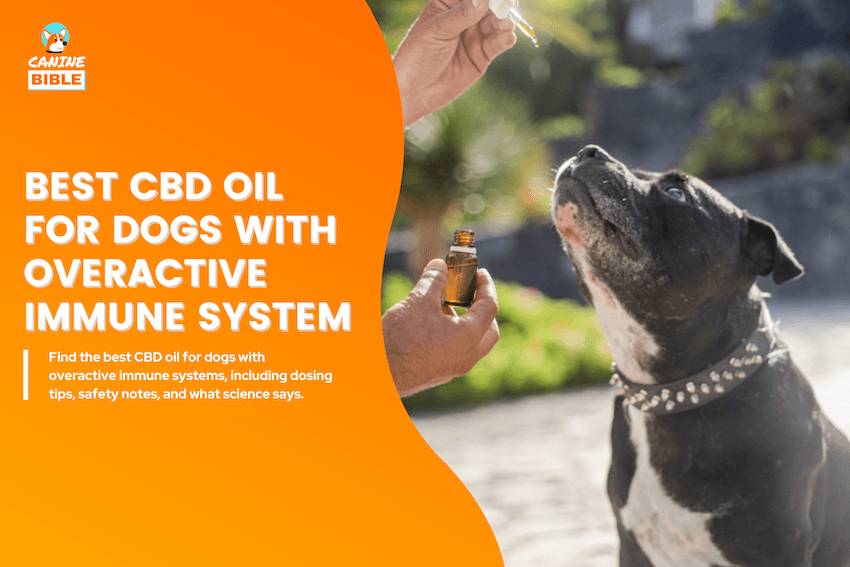
Best CBD Oil for Dogs with Overactive Immune System 2026: Review & Guide

Canine Bible is reader-supported. We receive affiliate commissions via some of our links. Learn more.
When your dog’s immune system seems to overreact to everything—itchy skin, flare-ups, allergies, or ongoing inflammation—it can feel like their body is fighting battles it was never meant to fight. For many dog owners, CBD oil has become a topic of interest because of its potential to support calm, comfort, and a more balanced wellness routine when used responsibly. Choosing the best CBD oil for dogs with an overactive immune system matters because sensitive dogs need clean ingredients, proper dosing, and products that won’t add more stress to their system. The wrong formula may be ineffective at best and irritating at worst, especially for dogs already dealing with chronic discomfort. In this guide, we’ll break down what to look for in CBD oil, which product features matter most, and how to choose an option that supports your dog safely alongside your vet’s guidance.
What Is CBD Oil?
CBD oil, or cannabidiol oil, is a natural extract derived from the hemp plant (Cannabis sativa). It is one of many compounds found in cannabis, but it is non-psychoactive, meaning it won’t get your dog “high” like THC (tetrahydrocannabinol), the primary psychoactive component in marijuana. The key difference between CBD and THC is how they interact with the body. While THC affects the brain’s receptors to create a “high,” CBD works differently, promoting relaxation and wellness without any intoxicating effects. That’s why CBD oil is considered safe for pets when used correctly.
Common Symptoms of an Overactive Immune System in Dogs
How Does CBD Work on Dogs with an Overactive Immune System?
CBD interacts with your dog’s endocannabinoid system (ECS), a network of receptors that helps regulate inflammation, immune response, stress, discomfort, and overall balance. When a dog has an overactive immune system, their body may react too strongly to triggers, leading to symptoms like itching, skin irritation, flare-ups, digestive upset, or general discomfort. CBD may help by supporting this system, promoting a calmer inflammatory response and helping your dog feel more comfortable during immune-related flare-ups. While CBD is not a cure or replacement for veterinary treatment, it may be a helpful part of a broader wellness plan when used safely and with your vet’s guidance.
The Science Behind CBD Oil & Overactive Immune System in Dogs
While still developing, current research suggests CBD may help dampen inflammatory and immune activity in dogs, but the evidence is still early, mixed, and mostly short-term.
Scientific Studies
- University of Messina Study (2021): This ex vivo study on LPS-stimulated canine whole blood found that CBD reduced key pro-inflammatory markers, including IL-6 and TNF-α. It also lowered NF-κB and COX-2 expression, suggesting a direct anti-inflammatory effect in stimulated canine blood, though this was not a clinical trial in dogs with immune-mediated disease.
- Mississippi State University College of Veterinary Medicine Study (2023): Researchers in this study found that canine immune cells express high levels of CB1 and CB2 cannabinoid receptors. Cannabinoids modestly suppressed cytokine expression, but the effects varied depending on the vehicle used and individual dog-to-dog differences.
- Animal Dermatology and Allergy Specialists / Cornell University Study (2022): This study evaluated oral CBD/CBDA oil in client-owned dogs with atopic dermatitis. CBD/CBDA at 2 mg/kg reduced itching over four weeks but did not improve skin lesion scores or serum cytokines, suggesting that benefits may be limited to certain symptoms.
- Federal University of Santa Maria Study (2023): This study tested full-spectrum high-CBD cannabis oil in dogs with atopic dermatitis. Researchers found no significant clinical difference compared with the control oil, highlighting that CBD results for immune-related skin disease are not consistently positive.
- Federal University of Santa Catarina Case Report (2024): This case report described a dog with discoid lupus erythematosus, an autoimmune skin disease, that showed marked improvement with CBD-rich oil after steroid treatment failed. However, this was only one dog, not a controlled clinical trial.
Anecdotal Evidence
Many dog owners report that CBD oil seems to help dogs with immune-related discomfort, especially when symptoms include itching, skin irritation, paw licking, restlessness, or recurring flare-ups. Some notice their dogs appear calmer, scratch less, or seem more comfortable during allergy-like episodes after adding CBD oil to a broader care plan. However, these reports are subjective and may be influenced by other factors, such as dietary changes, medications, seasonal allergens, or natural fluctuations in symptoms. While early research suggests CBD may have anti-inflammatory and immunomodulatory effects, anecdotal evidence alone is not enough to prove that CBD treats an overactive immune system in dogs. Dogs with persistent or worsening symptoms should be evaluated by a veterinarian, especially if autoimmune disease, chronic allergies, or infection is suspected.
The Benefits
Here’s how CBD may help dogs with an overactive immune system:
- Anti-inflammatory support
- Reduced itching and skin discomfort
- Calmer immune-related flare-ups
- Improved comfort and overall wellness
The veterinary community remains cautious regarding CBD use for a canine with an overactive immune system. While some veterinarians acknowledge potential benefits, they emphasize the need for more comprehensive research to determine optimal dosages, long-term effects, and possible drug interactions. Pet owners must consult with a veterinarian before introducing CBD into their dog’s regimen. Read our science-based article on all things CBD for dogs to learn more about the benefits and research.
Remember to ALWAYS consult with your vet before making any changes that could affect your dog’s health, nutrition, or well-being. If you can’t reach your vet, you can chat live with a registered online veterinary professional via our online vet chat or video chat support (24 hours a day, 7 days a week). Or use Chewy’s online vet services (6 a.m. – midnight ET).
Best CBD Oil For Dogs With Overactive Immune System
These are our top picks for the best CBD oil for dogs suffering from an overactive immune system.
Best Overall CBD Oil For Dog with Overactive Immune System
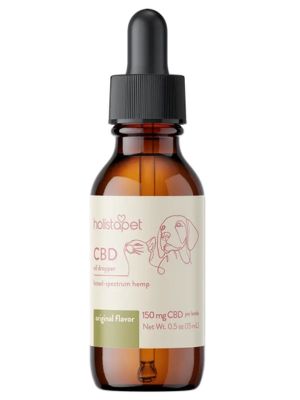
HolistaPet
Who It’s For: For those who want the highest quality CBD oil for dogs with an overactive immune system at a great value.
📢 Discount code below 💸
CBD type: Full-spectrum
Price: $25.95 – $144.95
Oil source: USA, CO
THC: 0%
Potency (mg): 150, 300, 600, 1200 & 3000
Key Features
Get 20% OFF with the code CANINEBIBLE. Use this link to get started.
Best Health Specialized Line For Dogs With Overactive Immune System
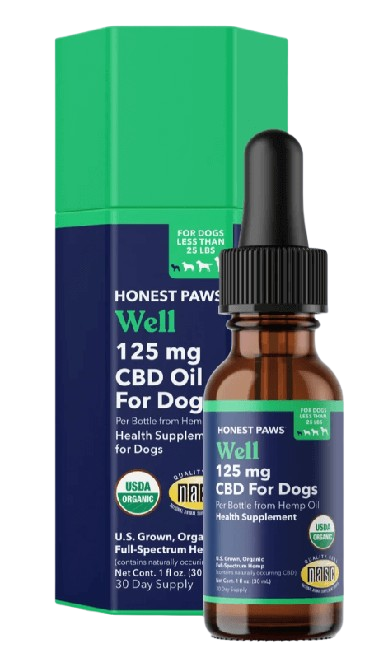
Honest Paws
Who It’s For: Ideal for individuals seeking a targeted CBD solution to address specific health issues, such as an overactive immune system in dogs.
📢 Discount code below 💸
CBD type: Full-spectrum
Price: $39.95 – $99.95
Oil source: USA, CO
THC: Less than 0.3%
Potency (mg): 125, 250, 500 & 1000
Key Features
Get 15% off at Honest Paws with the coupon code CANINEBIBLE. Use this link to get started.
My Video Review Experience
Best Isolate CBD Oil For Dogs With Overactive Immune System
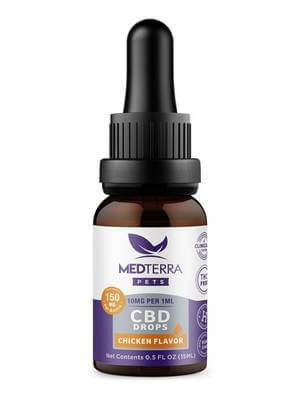
Medterra CBD Pets
Who It’s For: Great option if your anxious dog has had adverse reactions to THC or if you want to avoid the risks of it completely.
📢 Discount code below 💸
CBD type: Isolate
Price: $19.99 – $39.99
Oil source: USA, KY
THC: 0%
Potency: 150mg, 300mg & 750mg
Key Features
My Video Review Experience
Get 25% off at Medterra with the coupon code CANINEBIBLE. Just use this link to get started.
More Options
Finding the right CBD oil for your dog’s overactive immune system is essential to ensuring the best results. With various brands offering different formulations, potencies, and ingredients, choosing one that suits your dog’s specific needs is important. Whether you’re looking for organic hemp extracts, fast-acting formulas, or veterinarian-recommended options, we’ve compiled a list of the top CBD oils for dogs to help you make the best choice. Read our guide to the best CBD oils for dogs for other alternatives.
How Long Does CBD Take to Help With Overactive Immune System in Dogs?
CBD oil may begin to support comfort, calmness, or mild irritation within 30 to 60 minutes, especially during short-term flare-ups. However, for dogs with ongoing immune-related issues, consistent daily use is often needed for 1 to 4 weeks before owners may notice changes in itching, skin discomfort, inflammation, or overall comfort. Factors like dosage, your dog’s size, product quality, symptom severity, and the underlying immune condition all play a role in how quickly it may take effect.
💡 Want to learn more? Read our in-depth guide:
👉 How Long Does CBD Stay in a Dog’s System?
👉 How Long Does It Take for CBD to Work on Dogs?
CBD Dosage for Dogs with an Overactive Immune System
The right CBD dosage depends on your dog’s weight, immune symptoms, and how they respond to CBD. A general rule of thumb:
- Mild flare-ups: 0.25 mg per pound
- Moderate symptoms: 0.5 mg per pound
- Severe discomfort: 1 mg per pound
For best results, start with a low dose and gradually increase while monitoring your dog’s response.
📌 Need a detailed dosage chart? Check out our full guide:
👉 The Ultimate CBD Dosage Guide for Dogs (Infographic)
Other CBD Products to Treat Overactive Immune System in Dogs
The Bottom Line
CBD oil may offer supportive benefits for dogs with overactive immune responses, especially when symptoms involve itching, skin irritation, inflammation, or recurring discomfort. Current research suggests CBD can influence inflammatory and immune pathways, but the evidence is still early, mixed, and not strong enough to call it a proven treatment for immune-mediated disease. For this reason, CBD should be viewed as a helpful add-on rather than a replacement for veterinary diagnosis, medication, allergy management, or long-term immune care. Choosing a high-quality, dog-specific CBD oil with clear dosing and third-party testing can help reduce unnecessary risks. Start with a cautious dose, monitor your dog’s response closely, and watch for changes in appetite, energy, skin condition, digestion, and overall comfort. With the right product and your vet’s guidance, CBD may be one more tool to help your dog feel calmer, more comfortable, and better supported during flare-ups.
Like It? Subscribe & Share!
Sources
Canine Bible uses only high-quality sources, including peer-reviewed studies, to support the facts within our articles. Read our editorial process and product review methodology to learn more about how we fact-check, test products, and keep our content accurate, reliable, and trustworthy.