How to Stop Dog Diarrhea: 7 Vet-Approved Steps to Treat It At-Home

Canine Bible is reader-supported. We receive affiliate commissions via some of our links. Learn more.
To stop dog diarrhea, start with a short fast (12–24 hours for adults), then feed a bland diet like plain boiled chicken and white rice while keeping your dog well hydrated. In many mild cases, this alone helps firm up stools within 1–2 days. But not all diarrhea is the same. Sometimes it’s caused by a sudden food change, while other times it signals parasites, infections, or underlying health issues that need treatment. In this guide, we’ll break down exactly what works, what to avoid, and how to handle different scenarios so you can stop diarrhea quickly and safely.
Why Knowing How to Stop Dog Diarrhea Matters
| Why It Matters | Explanation |
|---|---|
| Prevents dehydration | Diarrhea can quickly drain fluids and electrolytes, especially in puppies, seniors, and small dogs. |
| Catches serious problems early | It may be a sign of parasites, infection, diet intolerance, toxins, or another underlying illness. |
| Relieves discomfort | Diarrhea can cause abdominal pain, urgency, irritation, and repeated trips outside. |
| Reduces mess and disruption | Faster treatment can mean fewer accidents in the house and less disruption to daily routines. |
| May lower vet costs | Taking action early can help prevent the issue from getting worse and becoming more expensive to treat. |
| Supports gut recovery | The right care can help the digestive tract settle and stools return to normal more safely. |
| Improves peace of mind | Knowing what to do helps reduce stress and makes it easier to monitor your dog with confidence. |
| Encourages prevention | Understanding common triggers can help reduce the chances of future diarrhea episodes. |
How to Stop Dog Diarrhea
Stopping dog diarrhea involves stabilizing your dog’s digestive system, preventing dehydration, and addressing the underlying cause. The goal is to firm up stools safely while avoiding complications like dehydration or worsening illness.
Most mild cases can be managed at home with fasting, a bland diet, and hydration—but knowing when to escalate to a vet is critical.
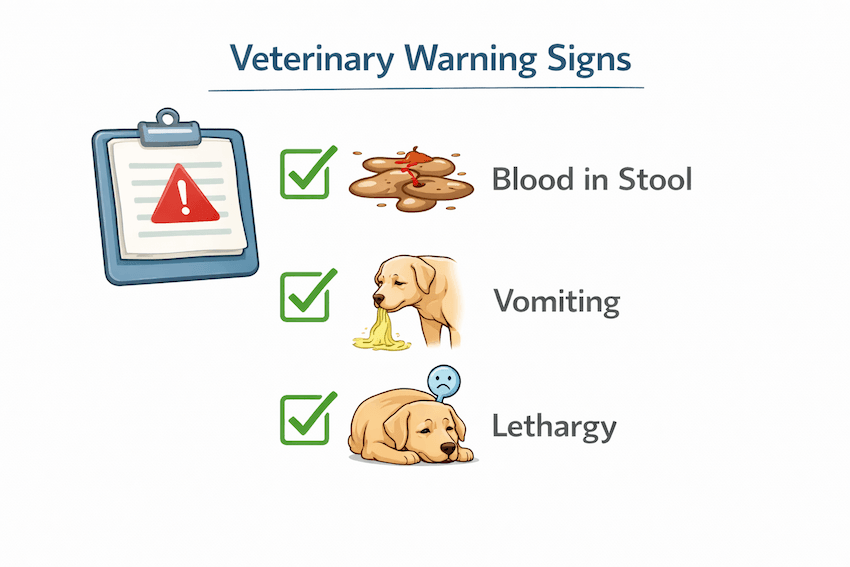
Contact your veterinarian immediately if your dog’s diarrhea includes blood (bright red or black/tarry), is accompanied by repeated vomiting, lethargy, fever, or signs of dehydration (dry gums, sunken eyes). You should also seek care if symptoms last longer than 24–48 hours, worsen quickly, or if your dog is a puppy, senior, or has an underlying health condition. Additionally, contact a vet right away if you suspect your dog ingested toxins, foreign objects, or spoiled food, as these situations can become serious very quickly.


Step-by-Step Guide to Stop Dog Diarrhea Safely
Follow these simple steps to stop dog diarrhea.
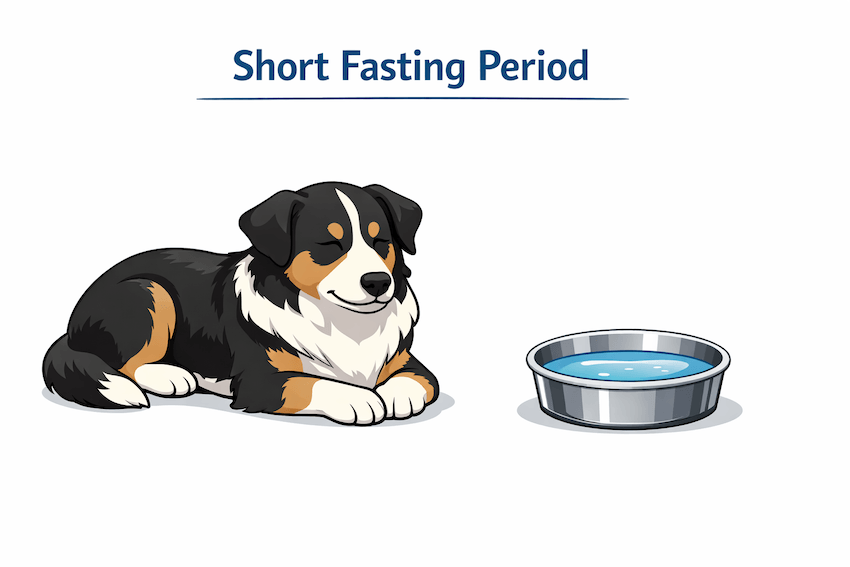
Step 1: Pause Food (Short Fast)
Withhold food for 12–24 hours in healthy adult dogs while continuing to provide fresh water, allowing the gastrointestinal tract to rest and reduce irritation.
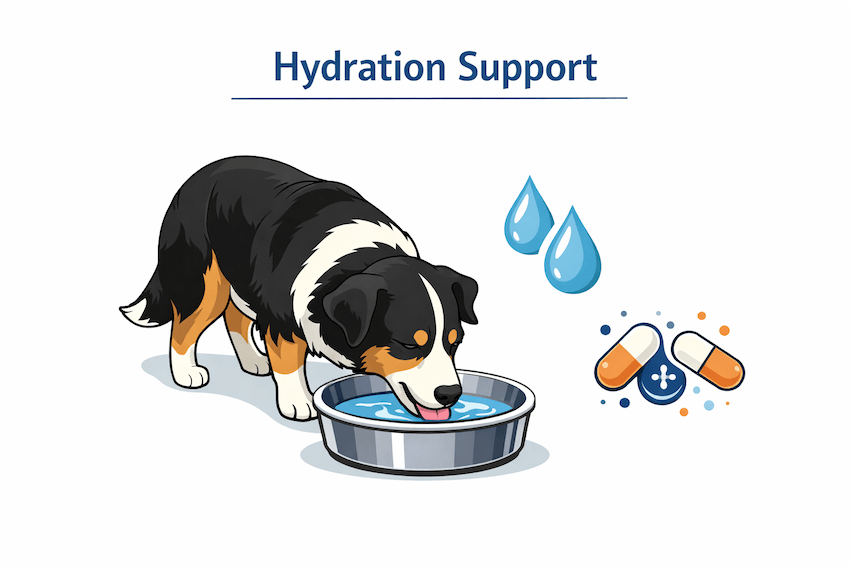
Step 2: Keep Your Dog Hydrated
Offer small, frequent amounts of clean water or a veterinarian-approved electrolyte solution to prevent dehydration and maintain fluid balance.


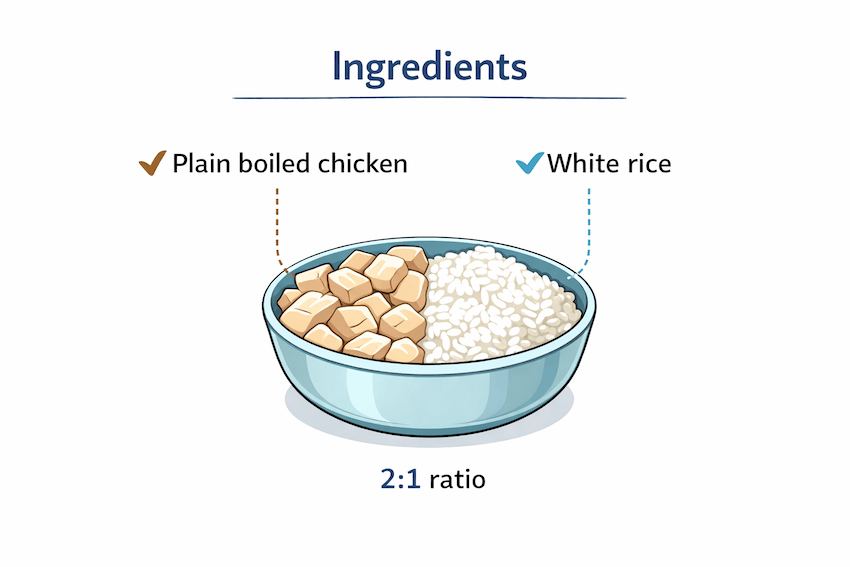
Step 3: Introduce a Bland Diet
Feed small portions of plain boiled chicken and white rice in a 2:1 ratio once fasting ends, using easily digestible foods to help firm stools and support recovery.
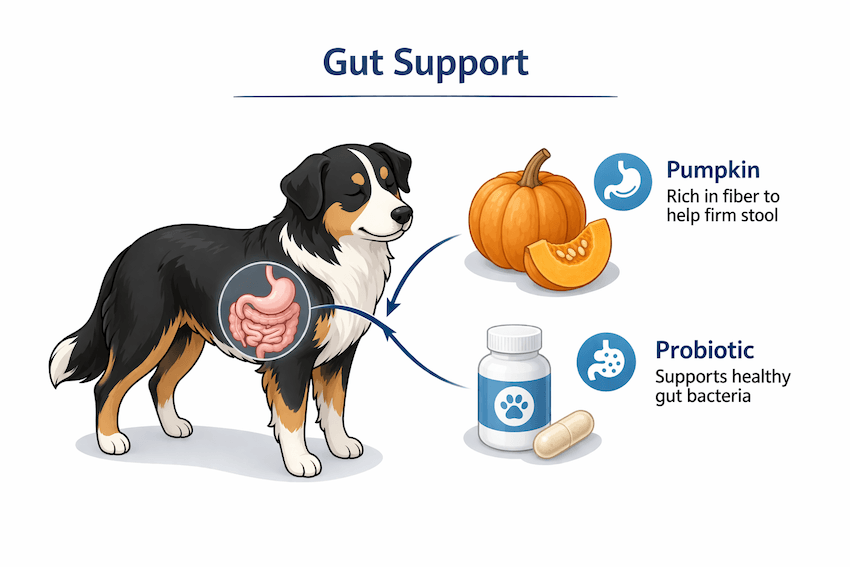
Step 4: Add Digestive Support
Incorporate plain canned pumpkin or veterinarian-recommended dog probiotics to help restore gut microbiota and improve stool consistency.
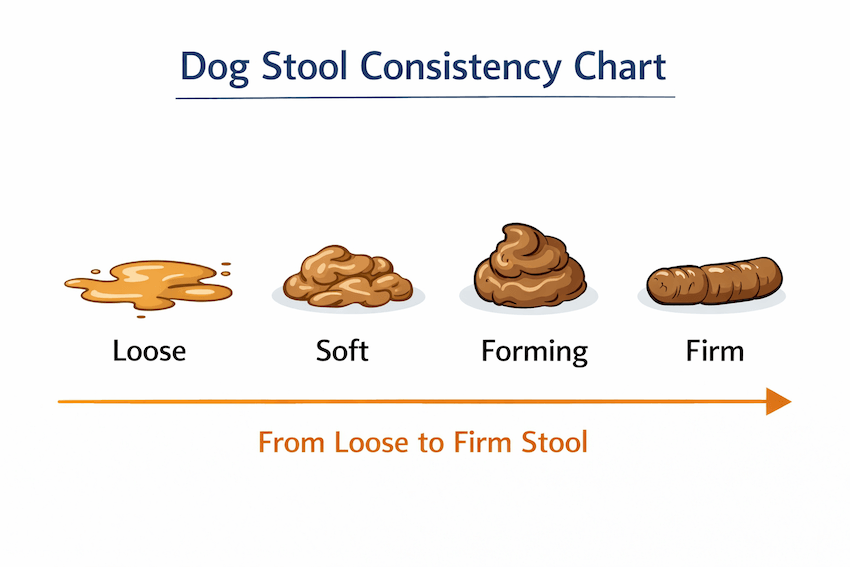
Step 5: Monitor Symptoms Closely
Observe stool quality, appetite, energy levels, and frequency over 24–48 hours to ensure signs of improvement and detect worsening symptoms early.
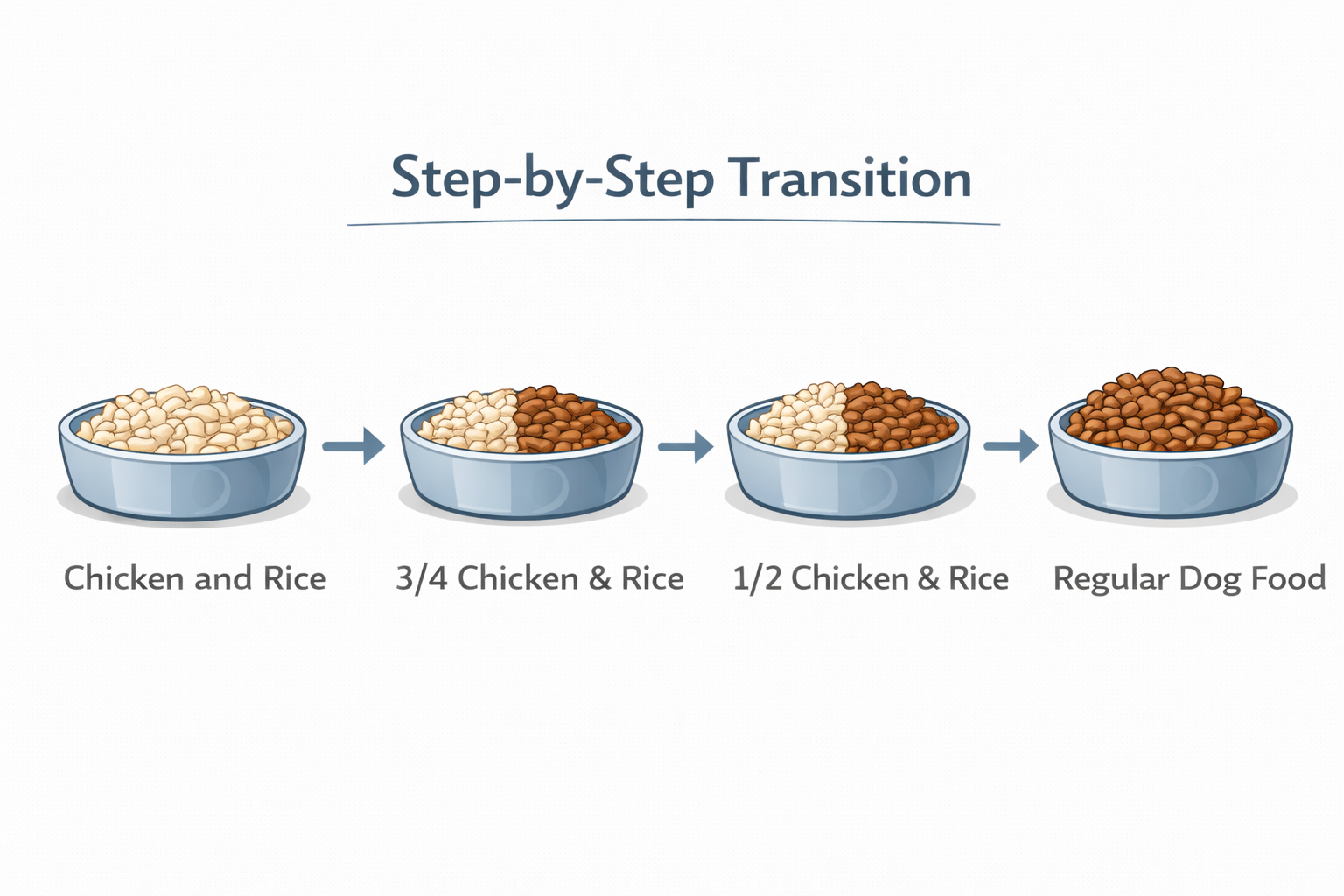
Step 6: Gradually Return to Normal Food
Gradually mix your dog’s regular food with the bland diet over 2–3 days to prevent relapse and allow the digestive system to adjust safely.
Step 7: Seek Veterinary Care When Needed
Contact a veterinarian immediately if diarrhea persists beyond 48 hours, includes red flags such as blood, vomiting, or lethargy, or occurs in puppies.
Evidence-Based Guidance for How to Stop Dog Diarrhea
Clinical research and veterinary guidelines support the step-by-step approach outlined above:
- A review published in the Journal of Veterinary Internal Medicine found that most cases of acute canine diarrhea resolve with supportive care, including fasting and easily digestible diets, highlighting the effectiveness of conservative management.[1]
- A study in Frontiers in Veterinary Science showed that probiotics can significantly improve stool consistency and shorten recovery time in dogs with acute gastrointestinal disorders, supporting their role in gut restoration.[2]
- Guidelines referenced by the American Veterinary Medical Association emphasize hydration and early monitoring as critical steps to prevent dehydration and complications in dogs with diarrhea.
Together, these findings confirm that hydration, dietary management, and monitoring are the most effective first-line strategies for stopping mild dog diarrhea safely.
Additional Tips to Stop Dog Diarrhea Faster
| Tip | Why It Helps | How to Apply It |
|---|---|---|
| Feed small meals | Smaller portions improve digestion and reduce gastrointestinal workload | Offer 3–4 small meals daily during recovery period |
| Use probiotics | Supports microbiome balance and improves stool consistency based on studies | Add vet-approved probiotic supplement to meals |
| Avoid fatty foods | High fat intake is linked to delayed gastric emptying | Stick to lean proteins like boiled chicken only |
| Keep water clean | Contaminated water may introduce pathogens causing diarrhea | Wash and refill bowls daily with fresh water |
| Reduce stress triggers | Stress can alter gut motility and worsen diarrhea | Maintain routine and avoid sudden environmental changes |
Common Mistakes When Trying to Stop Dog Diarrhea
| Mistake | Why It’s a Problem |
|---|---|
| Skipping fasting period | Prevents gut rest recommended in veterinary management guidelines |
| Not maintaining hydration | Increases risk of dehydration, a primary complication of diarrhea |
| Using human medications | Many drugs are toxic or not clinically safe for dogs |
| Rapid diet transition | Sudden changes disrupt gut microbiota and prolong symptoms |
| Ignoring warning signs | Delays treatment of infections or systemic illness |
Aftercare for Dogs Recovering From Diarrhea
After symptoms resolve, continue feeding a bland diet for 24–48 hours before fully returning to regular food, ensuring stools remain firm and consistent. Monitor your dog’s hydration, appetite, and energy levels daily, as relapse can occur if the transition is too fast. Signs of successful recovery include normal stool, stable energy, and no vomiting or discomfort. Seek veterinary care if diarrhea returns, persists beyond 48 hours, or if symptoms like blood in stool, lethargy, or dehydration appear.
Frequently Asked Questions
The Bottom Line
Stopping dog diarrhea comes down to three essentials: giving the gut time to rest, supporting it with the right diet, and keeping your dog properly hydrated. In many cases, simple steps like short fasting and a bland diet can resolve symptoms within a couple of days. But not all diarrhea is harmless. Knowing when to monitor at home and when to involve your vet can make a critical difference in your dog’s recovery. Consistency, patience, and careful observation are key to avoiding setbacks. By understanding the causes, applying the right treatment, and preventing common triggers, you can manage most cases with confidence—and keep your dog’s digestive health on track long term.