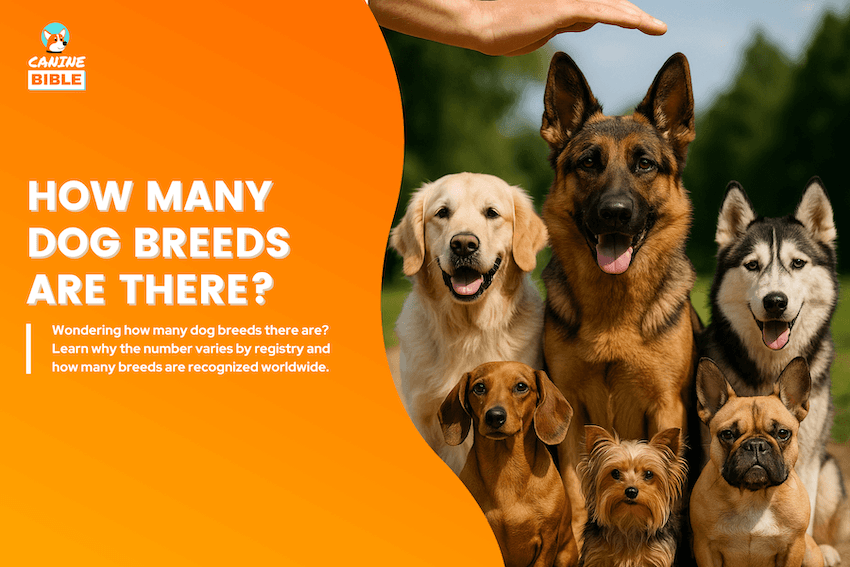
There isn’t a single universal number of dog breeds—it depends on which organization you ask. Most experts agree there are roughly 200 to 400 recognized dog breeds worldwide. For example, the American Kennel Club recognizes just over 200 breeds, while international organizations like the Fédération Cynologique Internationale list closer to 350. Different kennel clubs have their own standards, recognition processes, and timelines for approving new breeds. Some dogs are widely accepted in one country but considered “developing” or unrecognized in another. There are also rare, emerging, and designer breeds that blur the line between official and unofficial status. Understanding how breeds are classified—and why the numbers vary—reveals a much more complex and fascinating picture than a single number suggests.
How Many Dog Breeds Are There?
There is no single worldwide number, because different kennel clubs and breed registries recognize different breeds. As of 2026, the American Kennel Club recognizes 205 dog breeds, the Fédération Cynologique Internationale recognizes 364 breeds, and the United Kennel Club recognizes over 300 separate breeds. Bear in mind, we are not counting mixed and designer breeds, as these are not registered.
So the best answer is this: there are roughly 200 to 400 dog breeds worldwide, depending on which official organization you use as your reference. The variation comes from different recognition rules, timelines, and standards for when a population of dogs becomes an officially recognized breed.
These numbers differ because registries do not all work from the same rulebook. The AKC updates its list of recognized breeds over time, and on January 1, 2026, it listed 205 breeds. The FCI states it recognizes 364 breeds. The UKC states it currently recognizes over 300 separate breeds.
Why the Number of Dog Breeds Varies
A dog breed is not just “a type of dog people know by name.” For official recognition, registries usually require documented ancestry, a stable breed standard, enough population depth, and a formal recognition process. The FCI’s recognition procedure, for example, describes provisional recognition first and says definitive recognition can come only after additional time and development.
That means one registry may count a breed as official while another still considers it developing, provisional, or unrecognized. This is the main reason breed totals can look inconsistent across sources.
How Many Dog Breeds Do Major Kennel Clubs Recognize?
The total number of dog breeds isn’t universal—it depends on which kennel club you’re looking at. Organizations like the American Kennel Club (AKC), Fédération Cynologique Internationale (FCI), and United Kennel Club (UKC) each follow their own recognition standards, timelines, and classification systems. Some count only fully recognized breeds, while others include provisional or regional varieties. The table below breaks down how many breeds each major registry recognizes, giving you a clearer picture of why the numbers vary so much worldwide.
Official Kennel Club / Registry
Country / Scope
Total Recognized Breeds
How the Club States It
Notes
American Kennel Club (AKC)
United States
205
Exact published total
AKC added three breeds for 2026, bringing its official total to 205.
Fédération Cynologique Internationale (FCI)
International
364
Exact published total
FCI’s organization page says it recognizes 364 breeds. Its nomenclature also lists provisional breeds separately.
United Kennel Club (UKC)
United States / International
300+
Published as “over 300”
UKC does not present a single exact count on the cited breed standards page, but states it recognizes over 300 separate breeds.
The Royal Kennel Club
United Kingdom
221
Exact published total
Official Kennel Club media pages state the UK total rose to 221 recognized pedigree breeds.
Canadian Kennel Club (CKC)
Canada
193
Exact published total on About page
The CKC About page says 193 breeds, although some CKC breed pages still mention 187, suggesting site sections are not fully updated.
Dogs New Zealand (NZKC / Dogs NZ)
New Zealand
224
Exact published total
Dogs New Zealand states there are 224 recognized pedigree breeds.
Dogs Australia (ANKC)
Australia
200+
Published as “over 200”
Dogs Australia does not clearly publish one exact headline total on the cited page, but states it supports over 200 unique purebred breeds.
Important Note
Breed totals vary because each club has its own recognition rules, timelines, and treatment of provisional breeds, varieties, and imported breeds.
7 Dog Breed Classifications
To make dog breed classifications easier to understand, we’re using the structure from the American Kennel Club (AKC), which divides all recognized breeds into seven clear groups. This system is widely used and helps categorize dogs based on their original purpose and traits, such as hunting, herding, or companionship. While other organizations like the Fédération Cynologique Internationale (FCI) or United Kennel Club may have more or fewer groups, the AKC’s model offers a simple and practical way to understand how breeds are organized.
Dog Breed Classification
Number of Breeds
Original Purpose / General Traits
Sporting Group
33
Bred to work closely with hunters to locate, flush, point, and retrieve game birds.
Hound Group
33
Developed for hunting using scent, speed, endurance, or a mix of all three.
Working Group
32
Historically used for guarding, drafting, rescue work, and other practical jobs that required strength and intelligence.
Terrier Group
32
Originally bred to hunt vermin and protect homes or farms; often bold, energetic, and determined.
Toy Group
22
Small companion breeds known for their portability, charm, and adaptability to close human living.
Non-Sporting Group
20
A diverse catch-all group with breeds that do not neatly fit into the other six classifications.
Herding Group
33
Bred to gather, move, and control livestock, often with high trainability and strong work drive.
Total AKC Recognized Breeds
205
These seven classifications account for all currently AKC-recognized breeds.
Total Breed Population
The American Kennel Club currently recognizes a total of 205 dog breeds, making it one of the most referenced standards for breed classification in the United States. This number reflects breeds that meet the AKC’s strict criteria for pedigree, consistency, and nationwide representation. Many of these breeds are also recognized by other organizations, such as the Fédération Cynologique Internationale and United Kennel Club, but not always in the same way. Some clubs recognize additional regional or provisional breeds, while others group or classify them differently—so totals can vary depending on the registry.
Hover over for more information on the breed.
AKC Dog Breeds by Group
A visual list of AKC dog breeds organized by the seven regular breed groups.
Hover or tap a breed to see a quick description and origin.
7Regular AKC Groups
33Largest Group Size
20Smallest Group Size
205Breeds Shown Here
Sporting Group
33 breeds
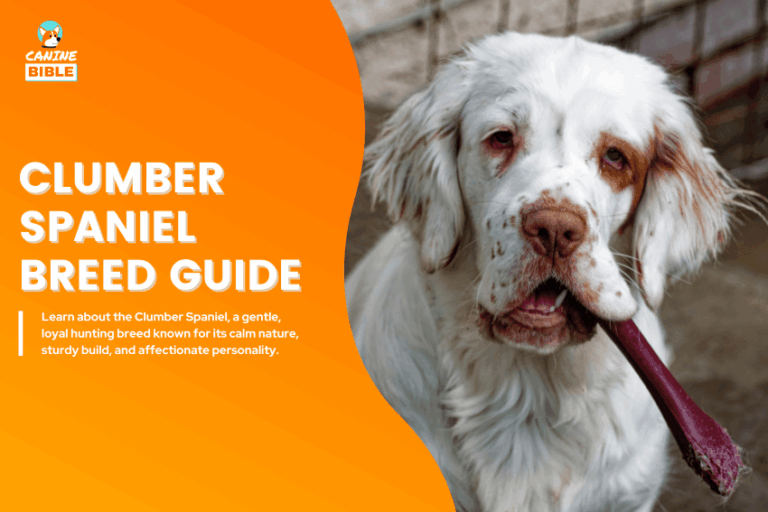
American Water Spaniel🇺🇸 Compact gundog bred to flush and retrieve in water.Barbet🇫🇷 Curly-coated French water dog known for retrieving.Boykin Spaniel🇺🇸 Friendly South Carolina spaniel developed for turkey and duck hunting.Bracco Italiano🇮🇹 Ancient Italian pointer valued for scenting and steady field work.Brittany🇫🇷 Energetic French bird dog prized for pointing and agility.Chesapeake Bay Retriever🇺🇸 Tough American retriever bred for icy water retrieves.Clumber Spaniel🇬🇧 Heavy-boned British flushing spaniel with a calm disposition.Cocker Spaniel🇬🇧 Cheerful sporting spaniel originally bred to flush woodcock.Curly-Coated Retriever🇬🇧 Distinctive curly retriever known for endurance and confidence.English Cocker Spaniel🇬🇧 Merry field-bred spaniel with strong flushing instincts.English Setter🇬🇧 Elegant bird dog bred to locate and set game.English Springer Spaniel🇬🇧 Versatile spaniel developed to spring birds from cover.Field Spaniel🇬🇧 Longer-bodied British spaniel bred for land-based flushing work.Flat-Coated Retriever🇬🇧 Upbeat retriever known for a glossy coat and spirit.German Shorthaired Pointer🇩🇪 Athletic all-purpose gun dog bred for pointing and retrieving.German Wirehaired Pointer🇩🇪 Rugged hunting dog with a weather-resistant wiry coat.Golden Retriever🏴 Friendly Scottish gundog famous for retrieving and trainability.Gordon Setter🏴 Black-and-tan Scottish setter built for stamina in the field.Irish Red and White Setter🇮🇪 Traditional Irish setter variety bred for bird work.Irish Setter🇮🇪 Flashy red setter known for speed and enthusiasm.Irish Water Spaniel🇮🇪 Curly-coated Irish retriever and spaniel with strong swimming skills.Labrador Retriever🇨🇦 Popular Canadian-origin retriever prized for friendliness and versatility.Lagotto Romagnolo🇮🇹 Italian truffle dog with a dense curly coat.Nederlandse Kooikerhondje🇳🇱 Dutch decoy dog originally used to lure ducks.Nova Scotia Duck Tolling Retriever🇨🇦 Small retriever bred to toll and retrieve waterfowl.Pointer🇬🇧 Classic British bird dog bred to point game precisely.Spinone Italiano🇮🇹 Rustic Italian pointer known for patience and endurance.Sussex Spaniel🇬🇧 Low, sturdy British spaniel with a deliberate working style.Vizsla🇭🇺 Sleek Hungarian pointer known for affection and speed.Weimaraner🇩🇪 Silver-gray German hunting dog bred for tracking and pointing.Welsh Springer Spaniel🏴 Red-and-white Welsh spaniel bred for flushing game.Wirehaired Pointing Griffon🇳🇱 Rough-coated versatile hunting dog developed in Europe.Wirehaired Vizsla🇭🇺 Hungarian sporting dog combining pointing drive with a harsh coat.
Hound Group
32 breeds
Afghan Hound🇦🇫 Elegant sighthound bred to chase game across rugged terrain.American English Coonhound🇺🇸 Fast American scent hound developed for raccoon hunting.American Foxhound🇺🇸 Enduring pack hound bred for fox hunting.Azawakh🇲🇱 West African sighthound known for speed and elegance.Basenji🇨🇩 Ancient Central African hunting dog famous for minimal barking.Basset Hound🇫🇷 Low-slung scent hound with an exceptional nose.Beagle🇬🇧 Cheerful small scent hound bred to trail rabbits.Black and Tan Coonhound🇺🇸 American coonhound bred to trail by scent at night.Bloodhound🇧🇪 Legendary tracking hound with a world-class scenting ability.Bluetick Coonhound🇺🇸 American scent hound known for its mottled blue coat.Borzoi🇷🇺 Tall Russian sighthound bred for coursing wolves.Cirneco Dell’Etna🇮🇹 Ancient Sicilian rabbit hound from the slopes of Etna.Dachshund🇩🇪 Long-bodied German hound originally bred for badgers.English Foxhound🇬🇧 Traditional British pack hound bred for fox hunting.Grand Basset Griffon Vendeen🇫🇷 Rough-coated French scent hound bred for hare hunting.Greyhound🇬🇧 Iconic sighthound built for explosive speed and grace.Harrier🇬🇧 Medium British pack hound traditionally used for hare.Ibizan Hound🇪🇸 Balearic rabbit hound known for agility and elegance.Irish Wolfhound🇮🇪 Giant Irish sighthound historically used on wolves and elk.Norwegian Elkhound🇳🇴 Nordic hunting spitz used to track large game.Otterhound🇬🇧 Rare British scent hound bred for hunting otter.Petit Basset Griffon Vendeen🇫🇷 Lively French scent hound developed for rabbit hunting.Pharaoh Hound🇲🇹 Sleek Maltese rabbit hound with a refined look.Plott Hound🇺🇸 North Carolina hound bred for boar and bear hunting.Portuguese Podengo Pequeno🇵🇹 Small Portuguese rabbit hunter with alert spitz features.Redbone Coonhound🇺🇸 Red-coated American scent hound known for determination.Rhodesian Ridgeback🇿🇼 African hound developed to track and corner lion.Saluki🇪🇬 Ancient desert sighthound prized for speed and stamina.Scottish Deerhound🏴 Tall rough-coated hound bred to course red deer.Sloughi🇲🇦 North African sighthound known for speed and reserve.Treeing Walker Coonhound🇺🇸 Fast, vocal American coonhound famed for treeing ability.Whippet🇬🇧 Small British sighthound built for sprinting and companionship.
Working Group
32 breeds
Akita🇯🇵 Powerful Japanese guardian originally used for big game.Alaskan Malamute🇺🇸 Arctic sled dog bred for hauling heavy loads.Anatolian Shepherd Dog🇹🇷 Livestock guardian from Türkiye known for independence.Bernese Mountain Dog🇨🇭 Swiss farm dog used for draft work and guarding.Black Russian Terrier🇷🇺 Robust working breed developed for military and guard duties.Boerboel🇿🇦 South African mastiff bred to protect homesteads.Boxer🇩🇪 Energetic German guardian with athletic build and humor.Bullmastiff🇬🇧 Powerful British estate guardian bred to stop poachers.Cane Corso🇮🇹 Muscular Italian guardian and working farm dog.Chinook🇺🇸 Rare American sled and draft dog with a gentle nature.Danish-Swedish Farmdog🇩🇰 Agile Scandinavian farm dog used for vermin control.Doberman Pinscher🇩🇪 Sleek German protection dog known for loyalty and drive.Dogo Argentino🇦🇷 Powerful Argentine hunting and guard dog developed for big game.Dogue de Bordeaux🇫🇷 Ancient French mastiff with a massive head and strength.German Pinscher🇩🇪 Smooth-coated German watchdog and versatile working breed.Giant Schnauzer🇩🇪 Large German working dog used for guarding and driving cattle.Great Dane🇩🇪 Giant German breed originally used for boar hunting.Great Pyrenees🇫🇷 Majestic livestock guardian developed in the Pyrenees Mountains.Greater Swiss Mountain Dog🇨🇭 Strong Swiss draft and farm dog with a tricolor coat.Komondor🇭🇺 Corded Hungarian flock guardian known for boldness.Kuvasz🇭🇺 White Hungarian guardian bred to protect livestock and estates.Leonberger🇩🇪 Giant German companion and draft dog with lion-like look.Mastiff🇬🇧 Massive British guardian breed with calm courage.Neapolitan Mastiff🇮🇹 Wrinkled Italian guardian with ancient Roman roots.Newfoundland🇨🇦 Gentle giant from Canada famed for water rescue ability.Portuguese Water Dog🇵🇹 Seafaring Portuguese working dog used by fishermen.Rottweiler🇩🇪 Powerful German drover and guardian with strong work ethic.Saint Bernard🇨🇭 Alpine rescue dog known for size, strength, and gentleness.Samoyed🇷🇺 Smiling Arctic herding and sled dog from Siberia.Siberian Husky🇷🇺 Endurance sled dog bred by the Chukchi people.Standard Schnauzer🇩🇪 Medium German farm dog used for guarding and ratting.Tibetan Mastiff🇨🇳 Ancient Himalayan guardian bred to protect flocks and property.
Terrier Group
31 breeds
Airedale Terrier🏴 Largest terrier, developed in Yorkshire for hunting and work.American Hairless Terrier🇺🇸 Lively American terrier developed from the Rat Terrier.American Staffordshire Terrier🇺🇸 Muscular companion terrier known for confidence and loyalty.Australian Terrier🇦🇺 Small rough-coated terrier bred for vermin control.Bedlington Terrier🏴 Lamb-like British terrier with speed and grit.Border Terrier🏴 Hardy British terrier bred to follow foxes underground.Bull Terrier🇬🇧 Distinctive egg-headed terrier known for playfulness and power.Cairn Terrier🏴 Small Scottish terrier developed to hunt vermin in cairns.Cesky Terrier🇨🇿 Czech terrier bred for hunting in forest terrain.Dandie Dinmont Terrier🏴 Unique low-set Scottish terrier with a silky topknot.Glen of Imaal Terrier🇮🇪 Sturdy Irish terrier bred for farm work and hunting.Irish Terrier🇮🇪 Fiery red terrier known for bravery and devotion.Kerry Blue Terrier🇮🇪 Blue-coated Irish terrier used for farm and guard work.Lakeland Terrier🏴 Compact British terrier developed to hunt fox in rough country.Manchester Terrier🏴 Sleek British terrier bred for ratting and rabbiting.Miniature Bull Terrier🇬🇧 Compact version of the Bull Terrier with bold spirit.Miniature Schnauzer🇩🇪 Small German farm terrier-type dog used for ratting.Norfolk Terrier🇬🇧 One of the smallest terriers, bred for vermin work.Norwich Terrier🇬🇧 Spirited British terrier bred to hunt rats and foxes.Parson Russell Terrier🇬🇧 Long-legged terrier bred for fox bolting on hunts.Rat Terrier🇺🇸 American farm dog developed for vermin control and agility.Russell Terrier🇬🇧 Compact working terrier descended from Jack Russell lines.Scottish Terrier🏴 Iconic Scottish terrier known for dignity and determination.Sealyham Terrier🏴 Welsh terrier bred to hunt otter, badger, and fox.Skye Terrier🏴 Long-coated Scottish terrier from the Isle of Skye.Smooth Fox Terrier🇬🇧 Smooth-coated British terrier bred to bolt foxes.Soft Coated Wheaten Terrier🇮🇪 Medium Irish farm terrier with a soft silky coat.Staffordshire Bull Terrier🇬🇧 Muscular British terrier known for courage and affection.Welsh Terrier🏴 Black-and-tan Welsh terrier bred for fox and badger.West Highland White Terrier🏴 Popular white Scottish terrier bred for vermin hunting.Wire Fox Terrier🇬🇧 Wiry-coated fox terrier with classic working roots.
Toy Group
23 breeds
Affenpinscher🇩🇪 Small German toy dog nicknamed the monkey terrier.Biewer Terrier🇩🇪 Tri-colored toy breed developed from Yorkshire Terrier lines.Brussels Griffon🇧🇪 Charming Belgian toy dog with an expressive face.Cavalier King Charles Spaniel🇬🇧 Gentle companion spaniel inspired by historic British toy dogs.Chihuahua🇲🇽 Tiny alert companion dog named after the Mexican state.Chinese Crested🇨🇳 Toy breed known for hairless and powderpuff varieties.English Toy Spaniel🇬🇧 Small royal companion spaniel with a domed head.Havanese🇨🇺 Silky Cuban companion dog with a cheerful temperament.Italian Greyhound🇮🇹 Delicate miniature sighthound bred for companionship and grace.Japanese Chin🇯🇵 Refined Asian toy companion with cat-like charm.Maltese🇲🇹 Ancient Mediterranean toy breed with a flowing white coat.Manchester Terrier🏴 Sleek British terrier also recognized in a toy size.Miniature Pinscher🇩🇪 Spirited German toy dog known as the King of Toys.Papillon🇫🇷 Butterfly-eared toy spaniel famous for brightness and agility.Pekingese🇨🇳 Regal Chinese lapdog once favored by imperial courts.Pomeranian🇩🇪 Fluffy spitz companion descending from larger Nordic dogs.Poodle (Toy)🇫🇷 Intelligent miniature companion variety of the Poodle.Pug🇨🇳 Wrinkled toy companion loved for charm and humor.Russian Toy🇷🇺 Delicate Russian companion dog with lively personality.Shih Tzu🇨🇳 Long-coated companion breed developed from palace dogs.Silky Terrier🇦🇺 Fine-coated Australian toy terrier with a bold attitude.Toy Fox Terrier🇺🇸 Small American terrier bred from fox terrier stock.Yorkshire Terrier🏴 Tiny British terrier with a glamorous silky coat.
Non-Sporting Group
20 breeds
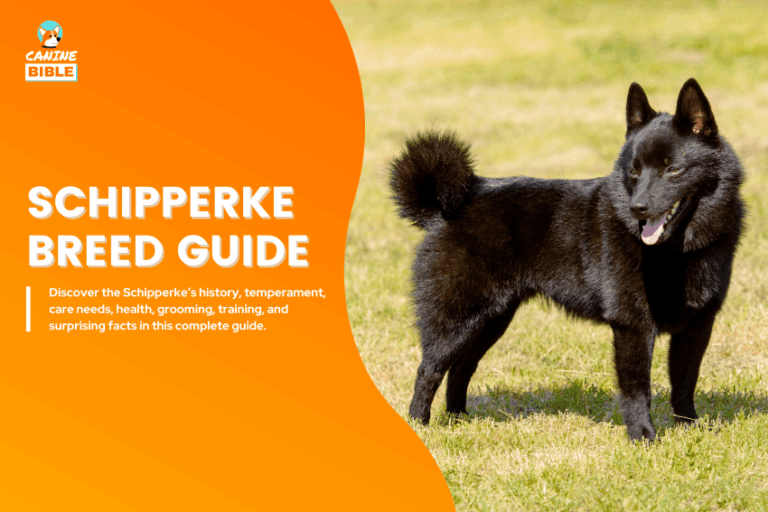
American Eskimo Dog🇺🇸 White spitz companion descended from German spitz lines.Bichon Frise🇫🇷 Cheerful white companion dog with a powder-puff coat.Boston Terrier🇺🇸 Compact American companion nicknamed the American Gentleman.Bulldog🇬🇧 Stout British companion breed with a distinctive wrinkled face.Chinese Shar-Pei🇨🇳 Wrinkled Chinese breed once used as a guard and farm dog.Chow Chow🇨🇳 Ancient Chinese breed known for its lion-like mane.Coton De Tulear🇲🇬 Soft-coated companion from Madagascar with a cottony coat.Dalmatian🇭🇷 Spotted carriage dog known for endurance and flair.Finnish Spitz🇫🇮 Fox-like Nordic barking bird dog and national breed of Finland.French Bulldog🇫🇷 Bat-eared companion dog known for charm and adaptability.Keeshond🇳🇱 Plush Dutch spitz bred as a barge watchdog.Lhasa Apso🇨🇳 Tibetan monastery watchdog with a long flowing coat.Lowchen🇫🇷 Rare little lion dog bred for companionship.Norwegian Lundhund🇳🇴 Unusual Norwegian puffin dog with extra toes and flexibility.Poodle🇫🇷 Highly intelligent breed developed as a water retriever.Schipperke🇧🇪 Small black Belgian watchdog with a big personality.Shiba Inu🇯🇵 Compact Japanese spitz known for boldness and independence.Tibetan Spaniel🇨🇳 Small Tibetan companion and monastery watchdog.Tibetan Terrier🇨🇳 Medium Tibetan companion breed despite its terrier name.Xoloitzcuintli🇲🇽 Ancient Mexican breed seen in hairless and coated forms.
Herding Group
33 breeds
Australian Cattle Dog🇦🇺 Tough Australian drover bred to move cattle long distances.Australian Shepherd🇺🇸 Athletic herding dog developed in the American West.Bearded Collie🏴 Shaggy Scottish sheepdog with energy and bounce.Beauceron🇫🇷 Powerful French herding and guarding dog.Belgian Laekenois🇧🇪 Rough-coated Belgian shepherd and versatile working dog.Belgian Malinois🇧🇪 Intense Belgian herding dog widely used in protection work.Belgian Sheepdog🇧🇪 Long-coated black Belgian shepherd with elegance and drive.Belgian Tervuren🇧🇪 Fawn-and-black Belgian shepherd known for versatility.Bergamasco🇮🇹 Italian sheepdog known for naturally forming flocks of mats.Berger Picard🇫🇷 Rustic French herding dog with a tousled coat.Border Collie🏴 Brilliant sheepdog renowned for herding instinct and focus.Bouvier des Flandres🇧🇪 Powerful Belgian drover and farm guardian.Briard🇫🇷 Shaggy French shepherd known for loyalty and courage.Canaan Dog🇮🇱 Ancient Middle Eastern pariah-type herder and guardian.Cardigan Welsh Corgi🏴 Long-tailed Welsh cattle dog with a sturdy frame.Collie🏴 Classic Scottish herding dog known for beauty and sensitivity.Entlebucher Mountain Dog🇨🇭 Smallest Swiss mountain dog used for driving cattle.Finnish Lapphund🇫🇮 Nordic reindeer herder with a thick weatherproof coat.German Shepherd Dog🇩🇪 Iconic working shepherd known for intelligence and versatility.Icelandic Sheepdog🇮🇸 Cheerful Nordic herder and Iceland’s only native breed.Lancashire Heeler🏴 Small British cattle dog with a quick, clever nature.Miniature American Shepherd🇺🇸 Smaller herding breed developed from Australian Shepherd lines.Mudi🇭🇺 Versatile Hungarian herding dog with a wavy coat.Norwegian Buhund🇳🇴 Nordic farm and herding spitz with a cheerful expression.Old English Sheepdog🏴 Shaggy British drover known for its bear-like gait.Pembroke Welsh Corgi🏴 Short-legged Welsh cattle dog loved for confidence and charm.Polish Lowland Sheepdog🇵🇱 Shaggy Polish herding dog with strong memory and drive.Puli🇭🇺 Corded Hungarian sheepdog built for agile flock work.Pumi🇭🇺 Spirited Hungarian herding dog with corkscrew curls.Pyrenean Shepherd🇫🇷 Small fast French herder from the Pyrenees region.Shetland Sheepdog🏴 Small Scottish herding dog known for intelligence and elegance.Spanish Water Dog🇪🇸 Curly all-purpose Spanish herder and water worker.Swedish Vallhund🇸🇪 Viking-era cattle dog with a long body and bold attitude.
Usually bred from toy companion breeds and often chosen for apartment living.
Small
10–24 lbs
Cavachon, Shih-Poo, Puggle, Cockapoo (mini), Schnoodle (mini), Jack Chi
This is one of the most popular designer dog size ranges because it balances portability with sturdiness.
Medium
25–49 lbs
Mini Labradoodle, Aussiedoodle, Bordoodle, Springerdoodle, Beagador, Bullmatian
Medium designer dogs often appeal to families wanting a more active but still manageable dog.
Large
50–89 lbs
Goldendoodle, Labradoodle, Boxador, Sheprador, Bernedoodle, German Sheprador
Large designer breeds are common among retriever, poodle, shepherd, and mountain dog crosses.
Extra Large / Giant
90+ lbs
Saint Berdoodle, Mastador, Pyredoodle, Great Danoodle, Newfypoo, Mastiff Mixes
These dogs can vary widely in build, coat type, and growth rate depending on the parent breeds.
Estimated Total Number of Named Designer Breeds
500+ (approximate, not an official kennel-club total)
Frequently Asked Questions
There is no single universal number because dog breed totals depend on the registry. The American Kennel Club recognizes 205 breeds, the Fédération Cynologique Internationale recognizes 364, and the United Kennel Club recognizes over 300. So, in practical terms, most people can say there are roughly 200 to 400 recognized dog breeds worldwide.
The AKC currently recognizes 205 dog breeds. That figure reflects breeds officially accepted by the American Kennel Club, which is one of the main U.S. breed registries. It is a trusted number for U.S.-based readers, but it is not the worldwide total. Other registries count differently.
If you are asking about purebred dogs, the number still varies by registry. The AKC lists 205 recognized breeds, while the FCI recognizes 364 breeds internationally, and the UKC recognizes over 300. So the best answer is that there are hundreds of purebred dog breeds, but no single organization defines the only official total.
“Types of dogs” is broader than “official breeds.” It can refer to breed groups, working roles, size categories, or simply all recognized breeds. If you mean formal breeds, the answer is roughly 200 to 400 worldwide, depending on the registry. If you mean mixed breeds and informal types as well, the number is much harder to pin down.
Different registries use different recognition standards, timelines, and approval systems. A breed may be fully recognized by one organization but still be provisional, developing, or unrecognized by another. The FCI, for example, distinguishes between definitively recognized and provisionally recognized breeds. That is one of the main reasons breed totals do not always match across sources.
No, there is no single worldwide authority that sets one final number everyone uses. Instead, major registries such as the AKC, FCI, and UKC each maintain their own official breed lists. That means the “correct” number depends on which registry you are referencing. For most articles, it is best to explain the range rather than give one absolute figure.
The Bottom Line
The number of dog breeds isn’t a fixed figure—it’s a range shaped by different registries, standards, and evolving recognition processes. Most reliable sources place the total somewhere between 200 and 400 breeds worldwide, depending on how “official” is defined. What matters more than the exact number is understanding why it varies and what those differences represent. Each registry reflects its own criteria, history, and perspective on what qualifies as a true breed. For dog owners, this means there are far more options—and variations—than most people realize. Whether you’re researching, adopting, or simply curious, knowing how breed recognition works gives you a clearer, more accurate picture of the canine world.
Like It? Subscribe & Share!
Sources
Canine Bible uses only high-quality sources, including peer-reviewed studies, to support the facts within our articles. Read our editorial process and product review methodology to learn more about how we fact-check, test products, and keep our content accurate, reliable, and trustworthy.
Canine Bible authorship represents the unified voice of our entire editorial team and our in-house veterinarians rather than a single author. Each article, blog post, and review published under the Canine Bible name undergoes a rigorous review process, involving all team members to guarantee accuracy and up-to-date in accordance with the latest veterinarian research. This collaborative effort is an integral part of our editorial process and aligns with our four pillars of content creation. This approach ensures our content is backed by expert knowledge and factual information, offering our readers reliable, actionable, and trustworthy content.