Hookworms in Dogs: Symptoms, Types, Causes, Signs & Prevention

Canine Bible is reader-supported. We receive affiliate commissions via some of our links. Learn more.
A comprehensive guide to hookworms in dogs, including how infections spread, common symptoms, diagnostic tests, deworming treatment, prevention, prognosis and when your dog needs urgent veterinary care.
Hookworms at a Glance
Most at risk
Puppies and dogs exposed to contaminated soil.
Common signs
Diarrhea, dark stools, pale gums and weakness.
Diagnosis
Fecal flotation, antigen testing or PCR.
Treatment
Veterinary deworming and supportive care if needed.
Prognosis
Usually good with prompt care; severe anemia can be fatal.
Zoonotic risk
Larvae in contaminated soil can penetrate human skin.
What Are Hookworms in Dogs?
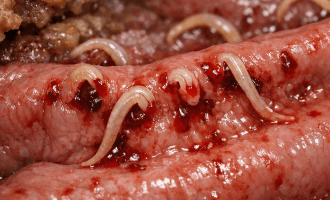
Hookworms are small, blood-feeding intestinal parasites that attach to the lining of a dog’s small intestine. One important canine species is Ancylostoma caninum. Dogs may become infected by swallowing larvae from contaminated soil, through larvae penetrating their skin or, in puppies, through their mother’s milk. Hookworms can cause intestinal bleeding, diarrhea, dark or tarry stools, weight loss and anemia. Young puppies are especially vulnerable to serious blood loss, while some infected adult dogs show no obvious signs. Veterinarians typically diagnose hookworms through fecal testing and treat them with appropriate deworming medication. Follow-up testing may be needed to confirm treatment success, and severely affected dogs may require additional care for anemia or dehydration. Prompt feces removal, good hygiene and regular parasite prevention help reduce exposure and reinfection.


Types
Dogs can be infected by different types of hookworms, and each can affect the body in slightly different ways. Some hookworms are more likely to cause severe blood loss and anemia, especially in puppies, while others may lead to milder digestive upset or skin irritation. Understanding the most common types of hookworms can help pet parents recognize risk factors, symptoms, treatment needs, and prevention strategies more effectively.
Ancylostoma caninum
A major canine hookworm species that feeds on blood in the small intestine. It can cause severe anemia, bloody diarrhea, weakness, and potentially fatal blood loss, especially in young puppies.
Ancylostoma braziliense
A hookworm found mainly in tropical and subtropical regions. It generally causes less blood loss in dogs than A. caninum but is an important cause of cutaneous larva migrans, a skin condition in humans.
Ancylostoma ceylanicum
A zoonotic hookworm found in dogs and cats, particularly in parts of Asia and the Pacific. It can cause intestinal disease and anemia in dogs and can also establish intestinal infections in humans.
Uncinaria stenocephala
Commonly called the northern hookworm, this species is more prevalent in cooler climates. It generally causes less severe blood loss than A. caninum but may produce diarrhea, weight loss, and intestinal inflammation.


Predisposed Dog Breeds
While hookworms can affect any dog, no specific breeds have a higher genetic risk. Factors such as age, environment, and exposure to contaminated soil make some dogs more prone to hookworm infections than others.
| Size / Group | Breeds | Notes on Risk Factors |
|---|---|---|
| Large & Giant Breeds | Golden Retriever, Rottweiler, Great Dane, Bernese Mountain Dog, Irish Wolfhound, Mastiff, Saint Bernard | No known breed-specific genetic risk. Dogs exposed to contaminated soil, outdoor environments, or infected feces may acquire hookworms regardless of body size. |
| Medium Breeds | Boxer, German Shepherd, Labrador Retriever, Standard Poodle, Flat-Coated Retriever | Risk depends primarily on environmental exposure rather than genetics. Shared yards, contaminated soil, and inadequate parasite prevention can increase the likelihood of infection. |
| Small Breeds | Beagle, Boston Terrier, Cocker Spaniel, Dachshund | Small breeds are not inherently more susceptible. However, young puppies can develop serious blood loss, anemia, and digestive symptoms when infected with hookworms. |
| Toy Breeds | Miniature Poodle, Chihuahua, Maltese, Yorkshire Terrier | Puppies of any breed or size are especially vulnerable to hookworm-related anemia. Pale gums, weakness, and bloody or dark stools require prompt veterinary attention. |
| Working & Herding Breeds | Australian Shepherd, Border Collie, Doberman Pinscher, Belgian Malinois | Dogs frequently working or exercising outdoors may encounter contaminated soil or feces. Regular fecal testing, parasite prevention, and prompt waste removal help reduce exposure. |
| Other & Mixed Breeds | Mixed-breed dogs, rescue dogs, shelter dogs, and all other breeds | All breeds can become infected. Puppies, dogs living in crowded or unsanitary conditions, and those without routine deworming or parasite prevention face greater risks. Warm, moist environments can favor larval survival. |
Causes
Hookworms in dogs usually develop through exposure to infective larvae in contaminated soil, feces, or environments rather than a single cause. While hookworm infections can often be prevented, understanding the factors that increase risk can help pet parents make informed decisions about deworming, hygiene, and early detection.
Contaminated Soil & Feces
Hookworm eggs passed in infected dog feces can develop into infective larvae in the environment. Dogs may become infected when they encounter contaminated soil, grass, or outdoor areas.
Ingestion of Infective Larvae
Dogs can swallow hookworm larvae while licking contaminated paws, grooming, or consuming soil or other contaminated materials. The larvae can then develop into intestinal parasites.
Skin Penetration
Infective hookworm larvae can penetrate a dog’s skin, particularly through the paws or areas contacting contaminated ground. Some larvae migrate through the body before reaching the intestines.
Transmission Through Mother’s Milk
Puppies can acquire certain hookworm species, especially Ancylostoma caninum, through nursing from an infected mother. This transmission route can cause serious infections and anemia in very young puppies.
Infected Prey & Other Animals
Some hookworm species can be transmitted when dogs eat infected small animals, such as rodents, that carry dormant larvae in their tissues. Hunting and scavenging may increase exposure.
Warm & Humid Environments
Hookworm larvae survive and develop more readily in warm, moist, shaded soil. Dogs living in tropical or humid climates may face greater exposure, particularly in contaminated outdoor environments.
Inadequate Parasite Prevention
Dogs without regular deworming, appropriate parasite preventives, or routine fecal testing may be more likely to develop persistent hookworm infections. Poor sanitation and delayed feces removal also increase exposure.
Symptoms
Hookworm symptoms in dogs can vary widely depending on the severity of infection, number of parasites, age, and overall health of the dog. Some signs may be subtle at first, while others can become more noticeable as blood loss and intestinal damage progress. Common warning signs include diarrhea, bloody or dark stools, pale gums, weight loss, reduced appetite, low energy, weakness, and anemia. Because many of these symptoms can also be caused by other conditions, any persistent or unusual changes should be evaluated by a veterinarian. Severe weakness, collapse, or very pale gums require immediate veterinary attention.
Common Symptoms
- Diarrhea or loose stools
- Dark, tarry, or bloody stools
- Pale gums
- Weakness or lethargy
- Weight loss
- Poor growth in puppies
- Decreased appetite
- Vomiting
- Skin irritation, especially on the paws
- Rapid breathing or collapse in severe cases
Hookworms primarily affect the intestines but can also cause anemia, weakness, and poor body condition.
Stages & Progression of Hookworms In Dogs
Hookworm infections in dogs can progress at different rates depending on the parasite burden, the dog’s age, overall health, and severity of intestinal blood loss. Although hookworms do not have a formal staging system, veterinarians assess how severe the infection is, whether anemia or dehydration has developed, and which treatment options may be most appropriate. Understanding the progression of hookworm infections can also provide important insight into prognosis, expected recovery, and the level of care your dog may need.
Initial Exposure
Dogs become infected by swallowing hookworm larvae, through skin penetration, or, in some puppies, through their mother’s milk. Symptoms may not appear immediately after exposure.
Intestinal Infection
Hookworms develop and attach to the intestinal lining, feeding on blood. Dogs may develop diarrhea, reduced appetite, or digestive discomfort, although some show no obvious signs.
Blood Loss & Anemia
Continued intestinal blood loss can cause anemia, pale gums, weakness, weight loss, and dark or bloody stools. Puppies are especially vulnerable and may deteriorate rapidly.
Severe Complications
Heavy infections can lead to life-threatening anemia, collapse, and shock. Emergency veterinary treatment, including hospitalization and potentially a blood transfusion, may be necessary.
This chart is a simplified illustration of possible hookworm infection progression, not an official clinical staging system or a fixed timeline. Not every dog develops severe disease, and serious anemia can occur rapidly in puppies, sometimes before hookworm eggs are detectable in stool samples. Prompt veterinary diagnosis, appropriate deworming, and supportive care can prevent or interrupt progression.
Top Ways to Prevent Hookworms in Dogs
Because hookworm infection is primarily caused by environmental exposure and parasite transmission, prevention and routine parasite control are essential. By using regular deworming or broad-spectrum parasite preventives, promptly removing feces, maintaining good hygiene, and scheduling routine veterinary checkups and fecal testing, the risk of hookworm infection can be significantly reduced. Proactive care helps prevent reinfection and protects your dog from anemia, digestive problems, and other complications.
| Prevention Strategy | Why It Helps | How to Do It |
|---|---|---|
| Use Regular Deworming & Parasite Prevention | Appropriate deworming medications and parasite preventives help control hookworm infections and reduce the risk of intestinal blood loss. | Follow a veterinarian-recommended deworming schedule and use year-round parasite prevention specifically labeled to control hookworms. |
| Start Puppy Deworming Early | Puppies are especially vulnerable to hookworms, which can cause severe anemia and potentially life-threatening blood loss at a young age. | Begin veterinarian-guided deworming at approximately 2 weeks of age and repeat as directed. Ask your vet about parasite control for pregnant or nursing dogs. |
| Promptly Remove Dog Feces | Hookworm eggs are passed in infected feces and develop into infective larvae in the environment. Removing waste reduces environmental contamination. | Pick up feces promptly from yards, kennels, and walking areas. Dispose of waste properly and clean shared pet spaces regularly. |
| Schedule Routine Fecal Testing | Hookworm infections may occur without obvious symptoms. Routine stool examinations help detect parasites before serious complications develop. | Schedule regular veterinary fecal examinations, especially for puppies and high-risk dogs. Follow your veterinarian’s testing frequency and repeat testing after treatment when advised. |
| Keep Living Areas Clean & Dry | Hookworm larvae develop and survive more readily in warm, moist environments. Good sanitation helps limit exposure to infective larvae. | Clean kennels, bedding, and outdoor pet areas regularly. Remove fecal contamination, improve drainage, and prevent persistent moisture in frequently used spaces. |
| Limit Exposure to Contaminated Soil | Dogs can become infected by swallowing hookworm larvae or through larvae penetrating their skin when contacting contaminated ground. | Avoid areas with visible fecal contamination, discourage eating soil or feces, and supervise outdoor activities in high-risk environments. |
| Practice Good Hygiene | Proper hygiene helps limit contact with infective larvae and reduces the risk of hookworm-related skin infections in humans. | Wash hands after handling dog waste or soil, wear shoes outdoors in potentially contaminated areas, and clean your dog’s paws when necessary. |
| Monitor Symptoms & Prevent Reinfection | Hookworm infections can persist or recur because of environmental exposure, dormant larvae, or reduced response to certain dewormers. Early detection helps prevent complications. | Watch for diarrhea, dark stools, pale gums, weakness, or weight loss. Complete prescribed treatment and attend follow-up appointments to confirm the infection has been controlled. |
Actionable Resources
If you want to prevent or manage hookworm infections in your dog, here are some things you can do under veterinary guidance.
How Are Hookworms In Dogs Diagnosed
Diagnosing hookworms in dogs requires a comprehensive veterinary evaluation to determine the presence of intestinal parasites, severity of infection, and any related complications. Key steps include:
1. Veterinary Examination
Your veterinarian reviews your dog’s symptoms, age, deworming history, and possible exposure to contaminated soil or feces. A physical examination checks for pale gums, weight loss, dehydration, weakness, and other signs of infection.
2. Fecal Flotation Test
A stool sample is examined under a microscope to identify hookworm eggs. Fecal flotation, often performed using centrifugation, is a standard diagnostic method. Early infections may test negative before adult worms begin producing detectable eggs.
3. Additional Fecal Testing
If hookworms are suspected despite a negative fecal examination, your veterinarian may recommend a fecal antigen test, PCR testing, or repeat stool examination. These methods may help detect infections missed by routine microscopic testing or clarify parasite identification.
4. Blood Tests
A complete blood count (CBC) or packed cell volume test helps identify anemia caused by intestinal blood loss. Bloodwork may also assess protein levels and overall health, particularly in puppies or dogs showing pale gums, fatigue, or severe weakness.
5. Severity Assessment
Your veterinarian evaluates the extent of blood loss, dehydration, and digestive symptoms to determine the level of care needed. Dogs with severe anemia may require hospitalization, fluid therapy, or blood transfusions in addition to appropriate deworming medication.
6. Follow-Up Testing
Repeat fecal examinations may be recommended after treatment to confirm that hookworm infection has been controlled. Follow-up blood tests may also be needed for dogs recovering from anemia. Persistent positive results can prompt evaluation for reinfection or reduced response to deworming medication.
Early detection is vital because hookworm infections can cause severe anemia and blood loss, especially in puppies. Prompt diagnosis and treatment help prevent serious complications and improve recovery outcomes.
Nutritional Support & Supplements
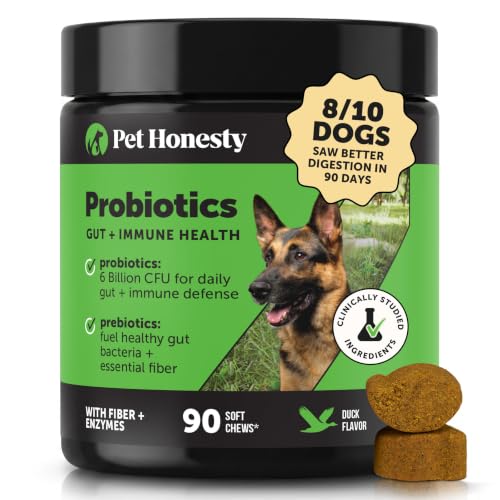
Proper nutrition can play an important supportive role for dogs with hookworms by helping maintain energy, healthy red blood cell production, immune function, and overall well-being during recovery. Depending on your dog’s needs, veterinarians may recommend strategies such as highly digestible, nutrient-dense diets and supplements, including iron, vitamin B12, folate, probiotics, or other blood-supporting nutrients when deficiencies are identified. Nutritional support should complement, not replace, prescribed deworming treatment.
Important: Nutritional support and supplements do not kill hookworms or replace veterinarian-prescribed deworming medication. Iron and vitamin supplements should only be used when recommended by a veterinarian. Dogs with severe anemia may require hospitalization or a blood transfusion. Pale gums, collapse, or profound weakness require immediate veterinary care.
Supportive care—such as nutritional support, hydration, and proper hygiene—plays a crucial role in maintaining comfort and promoting recovery during hookworm treatment. These options are not a cure for hookworms and may complement prescribed deworming medications, so any diet or supplement plan should be reviewed with your veterinarian to ensure safe and effective recovery.
Over-the-Counter Products
Over-the-counter treatments and supplements mentioned in this article for hookworms in dogs can be found on Amazon and Chewy.

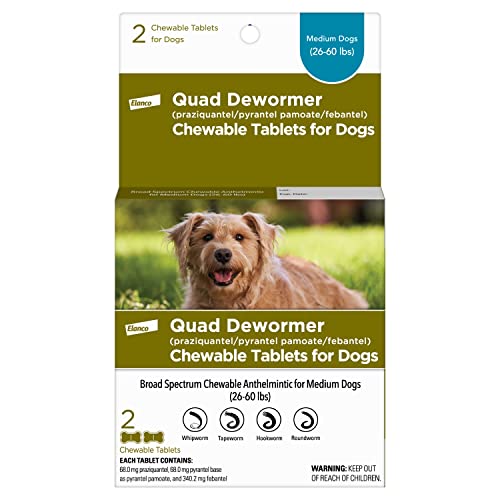
Always consult your veterinarian before starting any new treatment, medication, or home-care regimen for canine hookworms. Puppies and dogs with persistent vomiting, diarrhea, weakness, or dehydration may require prompt veterinary care. If you can’t reach your vet, you can chat live with a registered online veterinary professional via our online vet chat or video chat support (24 hours a day, 7 days a week). Or use Chewy’s online vet services (6 a.m. – midnight ET).
Treatment & Care
According to current veterinary research, the most effective treatments for hookworms in dogs involve a combination of deworming medication and supportive care to eliminate parasites and manage complications. These may include anthelmintic medications such as fenbendazole, pyrantel pamoate, or moxidectin to treat hookworm infections, alongside fluid therapy, nutritional support, and blood transfusions in severe cases to address dehydration, anemia, and blood loss.
Medications
Common medications used to treat hookworms in dogs include:
| Medication / Class | Examples | How It Is Used | Important Considerations |
|---|---|---|---|
| Pyrantel Pamoate | Pyrantel pamoate oral suspension or tablets | A commonly used deworming medication that targets susceptible intestinal hookworms, including Ancylostoma caninum. Frequently included in puppy deworming programs. | Repeat treatment may be necessary because dormant larvae in body tissues are not eliminated. Dosing depends on age, weight, and product instructions. Drug resistance can reduce effectiveness. |
| Benzimidazoles | Fenbendazole | A broad-spectrum anthelmintic used to treat intestinal hookworms and other gastrointestinal parasites. Often administered over several days according to veterinary instructions. | Generally well tolerated when used appropriately. Temporary digestive upset may occur. Follow-up fecal testing may be recommended to confirm treatment effectiveness, particularly when resistant hookworms are suspected. |
| Combination Dewormers | Febantel, pyrantel pamoate, praziquantel | Combination deworming products such as Drontal Plus treat several intestinal parasites, including susceptible hookworms, roundworms, whipworms, and tapeworms. | Each ingredient targets specific parasites. Praziquantel primarily treats tapeworms rather than hookworms. Use the correct canine formulation and follow veterinary instructions regarding age, weight, and repeat treatment. |
| Macrocyclic Lactones | Milbemycin oxime | Used in certain monthly parasite prevention products that control adult Ancylostoma caninum infections while also providing heartworm prevention and protection against other labeled intestinal parasites. | Effectiveness depends on the specific product and hookworm species. Use only veterinarian-approved formulations appropriate for the dog’s age and weight. Heartworm testing may be required before starting preventive medication. |
| Moxidectin | Moxidectin, imidacloprid plus moxidectin | Found in certain topical and injectable parasite-control products. Depending on the formulation, moxidectin can treat and control intestinal hookworms, including some immature stages, while also preventing heartworm disease. | Product approvals vary by formulation, parasite species, and country. Injectable products must be administered by a veterinarian. Some dogs may experience gastrointestinal or application-site reactions. |
| Ivermectin Combinations | Ivermectin plus pyrantel pamoate | Combination preventives such as Heartgard Plus help prevent heartworm disease and treat or control certain intestinal hookworm infections when administered according to the product label. | Only labeled canine formulations and doses should be used. High-dose ivermectin can cause serious neurologic toxicity, especially in dogs with MDR1-related drug sensitivity. Veterinary guidance is essential. |
| Combination Therapy for Resistant Hookworms | Veterinarian-selected combinations of fenbendazole, pyrantel, moxidectin, or other anthelmintics | May be recommended when hookworm infections persist despite appropriate treatment and testing indicates possible resistance. Multiple drug classes may be combined under veterinary supervision. | Multi-drug-resistant Ancylostoma caninum has been documented. Quantitative fecal egg count testing helps assess treatment response. Do not combine or increase deworming medications without veterinary direction. |
| Fluid & Electrolyte Therapy | Veterinary intravenous fluids, electrolyte solutions | Used as supportive treatment for dogs experiencing dehydration from diarrhea, vomiting, or other complications associated with hookworm infection. | Fluids do not kill hookworms. Treatment must be individualized, particularly in dogs with severe anemia or circulatory instability. Veterinary monitoring is important to avoid fluid-related complications. |
| Iron Supplementation | Veterinarian-prescribed oral or injectable iron | May help replenish depleted iron stores and support red blood cell production in dogs with iron-deficiency anemia caused by prolonged hookworm-related blood loss. | Iron is not appropriate for every type of anemia and excessive supplementation can be toxic. Blood tests may be required before and during treatment. Iron does not eliminate hookworms. |
| Blood Transfusions | Packed red blood cells, whole blood | Emergency supportive treatment for dogs with severe or life-threatening anemia caused by extensive intestinal blood loss. Particularly important in critically affected puppies. | Blood transfusions require veterinary hospitalization, appropriate blood compatibility assessment, and close monitoring. They stabilize severely affected dogs but do not eliminate hookworms, so deworming treatment is also required. |
The best way to get these medications is at Chewy Pet Pharmacy:
Alternative & Integrative Therapies
Integrative and supportive therapies can help manage symptoms, reduce discomfort, and support recovery for dogs with hookworms. Options such as probiotics, nutritional support, hydration, and easily digestible diets may be used alongside conventional deworming treatment. However, these therapies cannot eliminate hookworms and should always be discussed with your veterinarian to ensure they are safe and appropriate for your dog.
Surgical Options
Surgery is not typically required to treat hookworms in dogs, as these intestinal parasites can usually be eliminated with veterinarian-prescribed deworming medications. Depending on the severity of infection, treatment may include antiparasitic medication, fluid therapy, nutritional support, blood transfusions, or hospitalization to manage anemia and other complications. Surgical intervention is rarely necessary and would only be considered if a separate serious complication requires it. Your veterinarian will determine the most appropriate treatment based on the severity of infection, degree of blood loss, age, and your dog’s overall health.
Emotional & Lifestyle Impact
A hookworm infection can be physically challenging for dogs and stressful for their families. Dogs may experience changes in energy, appetite, activity levels, and behavior, while severe infections can cause anemia, weakness, and discomfort. With timely deworming, proper nutrition, and supportive veterinary care, most dogs can recover well and return to their normal, happy, active lives.
For Dogs
- May experience low energy, weakness, or reduced activity
- Can develop digestive upset such as diarrhea or poor appetite
- Severe infections may cause anemia and delayed recovery
- Most dogs improve well with prompt deworming and supportive care
For Pet Parents
- It is normal to feel worried when your dog seems weak or unwell
- You may need to monitor stools, appetite, and energy closely
- Cleaning up feces promptly and preventing reinfection become important daily tasks
- Your veterinary team can guide treatment, follow-up testing, and prevention
- Most dogs recover successfully when hookworms are treated early
“Hookworms can be stressful, but with early treatment, good hygiene, and supportive care, most dogs can recover and return to normal life.”
Stronger recoveries.
Dog Hookworm Prognosis
A dog’s hookworm prognosis depends on several factors, including the severity of infection, degree of anemia, response to treatment, overall health, and level of supportive care. Most dogs recover successfully with prompt deworming and appropriate veterinary care, while severe infections, especially in puppies, can cause life-threatening blood loss and complications. Working closely with your veterinary team can help guide treatment decisions, prevent reinfection, manage symptoms, and support the best possible recovery for your dog.
Key Factors That Influence Prognosis
Typical Annual Cost of Treating Canine Hookworms
| Category | Estimated Cost Range (USD) | Notes |
|---|---|---|
| Initial Diagnosis & Fecal Testing | $65 – $165 per visit | Includes a veterinary examination and routine fecal testing to identify hookworm eggs. Additional antigen or PCR testing may increase costs. |
| Deworming Medications | $10 – $60 per treatment course | Includes commonly prescribed medications such as pyrantel pamoate or fenbendazole. Costs depend on dog size, medication, and treatment duration. Repeat treatment may be necessary. |
| Bloodwork & Anemia Assessment | $50 – $200 per panel | A complete blood count or other blood tests may be recommended to assess anemia, blood loss, and overall health, especially in puppies or dogs with severe infections. |
| Follow-Up Fecal Testing | $25 – $75 per test | Repeat stool examinations help determine whether deworming treatment was successful and identify persistent infections, reinfection, or possible resistance to medication. |
| Year-Round Parasite Prevention | $180 – $400 annually | Monthly broad-spectrum parasite preventives with hookworm coverage help control infections and reduce future parasite burdens. Costs vary by product and dog weight. |
| Nutritional & Supportive Care | $50 – $300+ per episode | May include a veterinarian-recommended highly digestible diet, probiotics, or iron supplementation when a deficiency is identified. Mild cases may not need additional nutritional products. |
| Hospitalization & Fluid Therapy | $500 – $2,000+ per episode | Severe dehydration, weakness, or anemia may require hospitalization, intravenous fluids, medication, and close monitoring. Emergency and specialty hospitals may charge substantially more. |
| Blood Transfusions | $500 – $3,000 per transfusion episode | Dogs with life-threatening anemia may require blood transfusions to restore red blood cell levels. Additional hospitalization and diagnostic expenses can increase the total bill. |
| Pet Insurance Coverage | Varies by policy | Eligible hookworm-related treatment may be covered by accident-and-illness policies, subject to deductibles, reimbursement limits, waiting periods, and pre-existing condition exclusions. Routine preventive care may require optional wellness coverage. |
| Typical Treatment Cost Range | Uncomplicated Hookworm Infection: $100 – $350 | Severe Infection With Emergency Care: $1,000 – $5,000+ | |
Hookworms care can add up quickly — from daily medications to possible surgeries. Pet insurance can ease the financial burden and ensure your dog gets the best treatment without compromise. If you want to compare plans and find out which providers offer the best coverage for hookworms and chronic conditions, check out our full guides to the Best Pet Insurance for Dogs and Best Pet Wellness Plans.
Related Health Conditions
Some health conditions are closely linked to hookworms because they involve other intestinal parasites, affect the digestive system, or cause overlapping symptoms. Understanding these related conditions can help dog owners recognize potential warning signs, distinguish hookworm infections from other gastrointestinal illnesses, and better understand the diagnostic and treatment options their veterinarian may recommend.
- Roundworms
- Whipworms
- Tapeworms
- Giardia
- Coccidia
- Parvovirus
- Gastroenteritis
- Diarrhea
- Anemia
- Inflammatory Bowel Disease (IBD)
- Bacterial Enteritis
Frequently Asked Questions
The Bottom Line
Hookworms in dogs can cause serious health problems, especially in young puppies, but it’s important to remember that most infections are treatable with prompt veterinary care. Advances in parasite prevention, early diagnostic testing, and effective deworming medications allow many dogs to recover fully and return to healthy, active lives. By learning to recognize early warning signs, scheduling regular vet checkups, following a consistent deworming schedule, and maintaining proper hygiene, you can play a vital role in protecting your dog’s health. Above all, your love, care, and commitment can help prevent reinfection and give your dog the best possible chance for a long, happy, and healthy life.