15 Reasons Dogs Lick Their Paws (According to Science)

Canine Bible is reader-supported. We receive affiliate commissions via some of our links. Learn more.
Why do dogs lick their paws, and how can you tell when this common habit signals something more serious? While occasional paw licking is usually nothing to worry about, frequent or persistent licking may deserve a closer look. Some dogs focus on one paw, while others repeatedly lick all four, and these differences can offer important clues. You might also notice redness, swelling, unusual odors, or licking that becomes worse at certain times of the year. But how much paw licking is normal, and when should you be concerned? Could seemingly harmless licking develop into a bigger problem if left unchecked? Understanding what your dog’s paw-licking habits reveal can help you recognize warning signs, avoid common mistakes, and know when veterinary attention may be necessary.
Is It Normal for Dogs to Lick Their Paws?
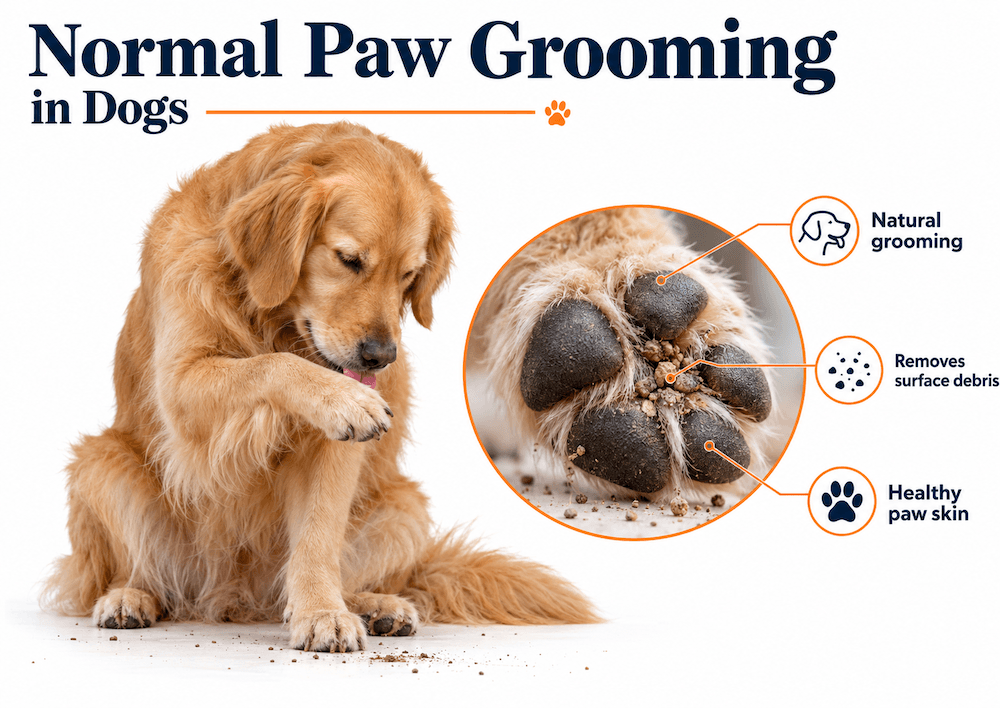
Yes, occasional paw licking is normal behavior in dogs and is often part of their natural grooming routine. Dogs may briefly lick their paws after walking, playing outdoors, or resting to remove dirt, debris, and other substances from their feet. This behavior is generally harmless when it occurs occasionally, stops naturally, and does not interfere with normal activities. Healthy paws should also appear free of redness, swelling, wounds, or other signs of irritation.
However, frequent, prolonged, or obsessive paw licking is not considered normal, particularly when a dog repeatedly focuses on the same paw or has difficulty stopping. Excessive licking may indicate itching, pain, skin inflammation, or an underlying medical condition. Warning signs include redness, hair loss, unusual odors, swelling, limping, or irritated skin between the toes. If your dog’s licking becomes persistent, worsens over time, or causes visible skin changes, a veterinary examination can help identify the cause before further complications develop.
15 Possible Reasons Dogs Lick Their Paws According to Science
Paw licking can result from everyday grooming instincts, environmental exposure, inflammation, physical discomfort, or behavioral influences. Some causes are temporary and harmless, while others involve underlying conditions that require veterinary treatment. Identifying the reason behind the licking is important because different problems can produce similar symptoms, and more than one cause may be present at the same time.
1. Normal Grooming and Cleaning
Dogs naturally lick their paws as part of routine self-grooming, using their tongues to remove dirt, dust, and loose debris from their feet. This behavior is particularly common after outdoor activities, when sand, mud, or other material accumulates between the toes or around the paw pads. Brief, occasional licking that stops once the paws are clean is generally normal, provided the skin appears healthy and the dog shows no discomfort.
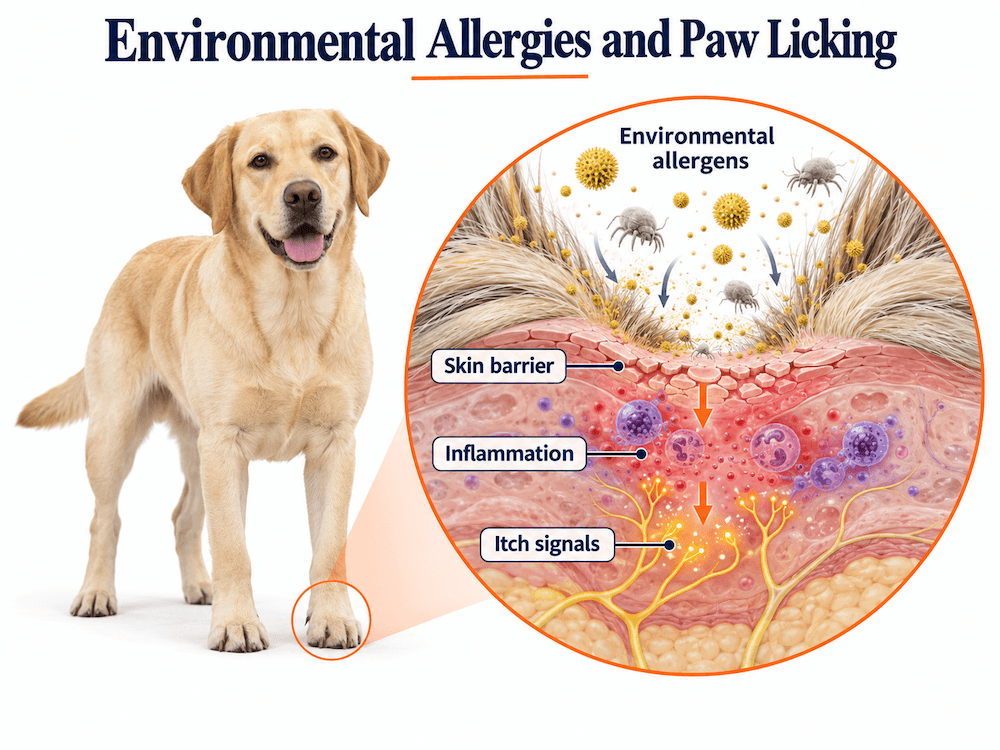
2. Environmental Allergies (Atopic Dermatitis)
Dogs with environmental allergies may lick their paws because allergic skin inflammation triggers itching. Pollen, dust mites, and other environmental allergens can contribute to atopic dermatitis, which frequently affects the feet. Affected dogs may also experience itching around the face, ears, or other body regions.[1][2]
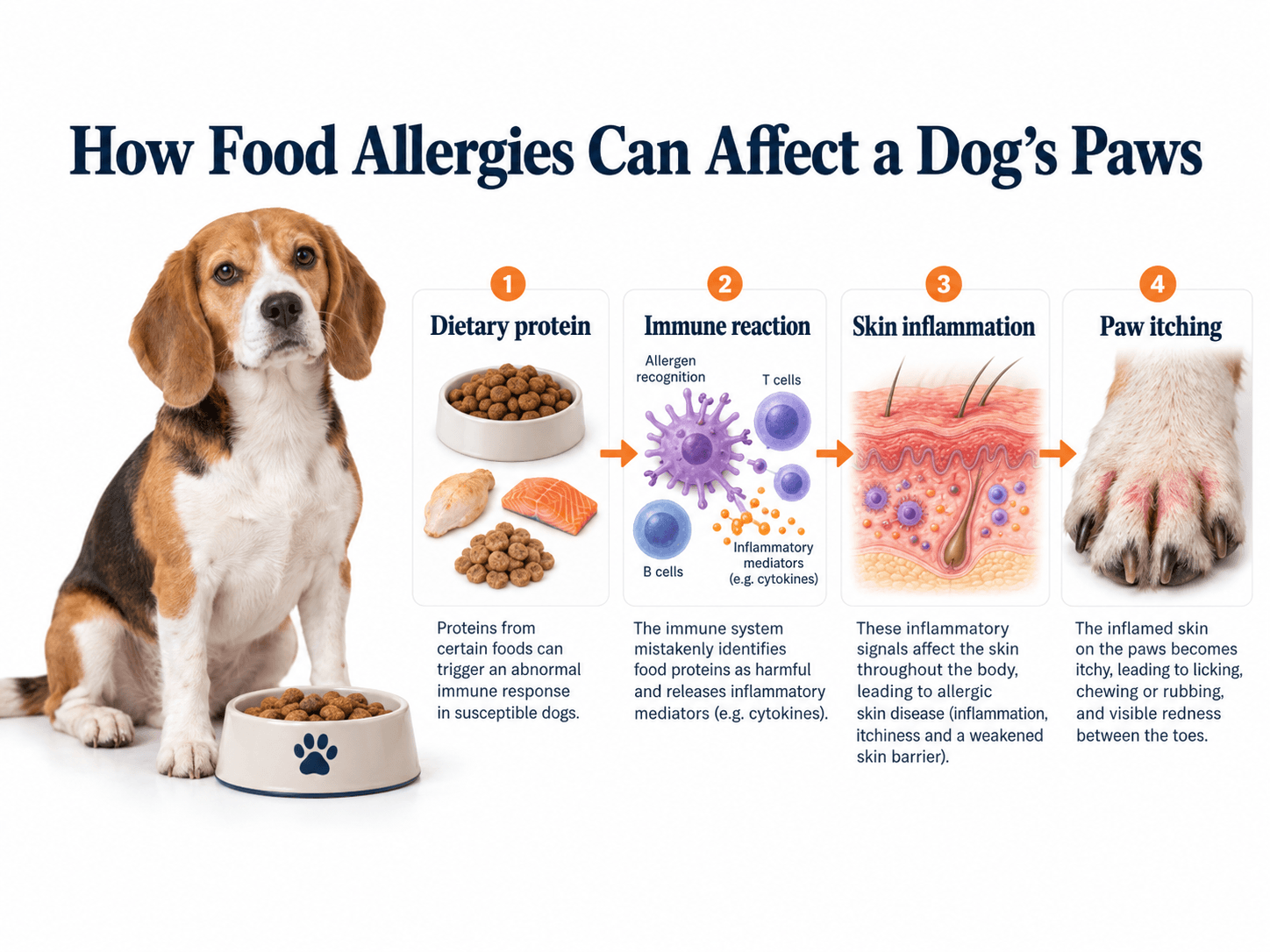
3. Food Allergies
Some dogs develop allergic reactions to dietary proteins that result in persistent skin itching, including itching of the feet. Food-related skin disease may produce paw licking alongside ear inflammation or other dermatological symptoms. A food allergy cannot be confirmed from licking alone and requires an appropriate elimination diet and food challenge.[3]


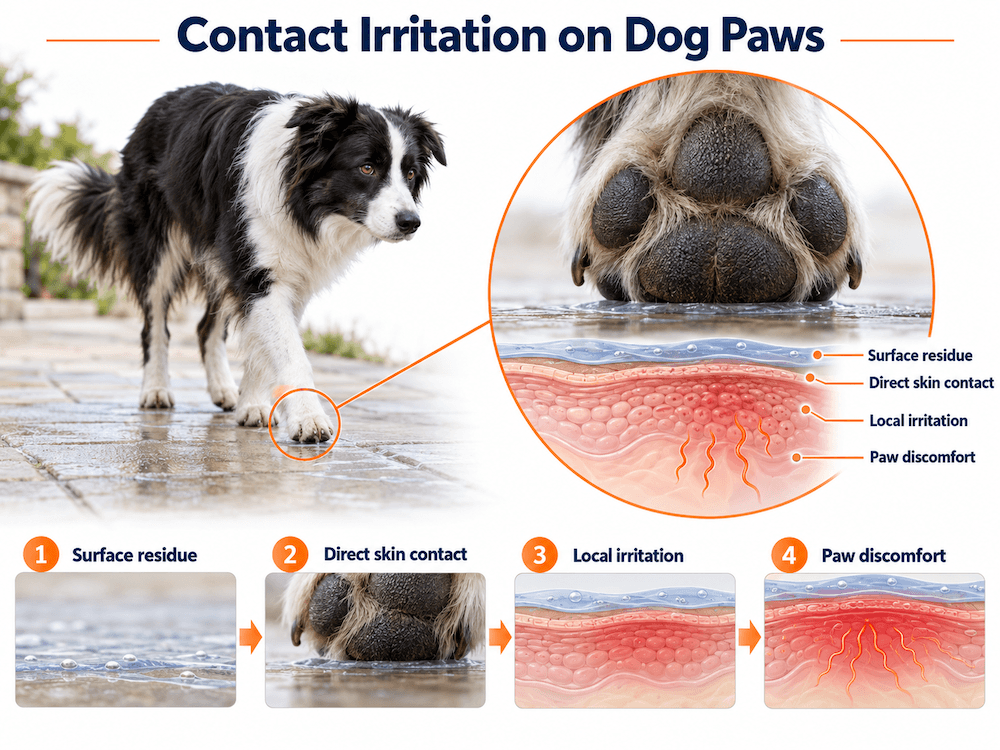
4. Contact Irritation From Chemicals and Outdoor Surfaces
Direct contact with irritating substances can damage a dog’s skin and produce localized inflammation and discomfort. Cleaning products, lawn chemicals, and other environmental irritants may affect exposed areas of the feet, particularly when contact is repeated. Contact dermatitis can be irritant-mediated or allergic, and the two involve different biological mechanisms.[4]
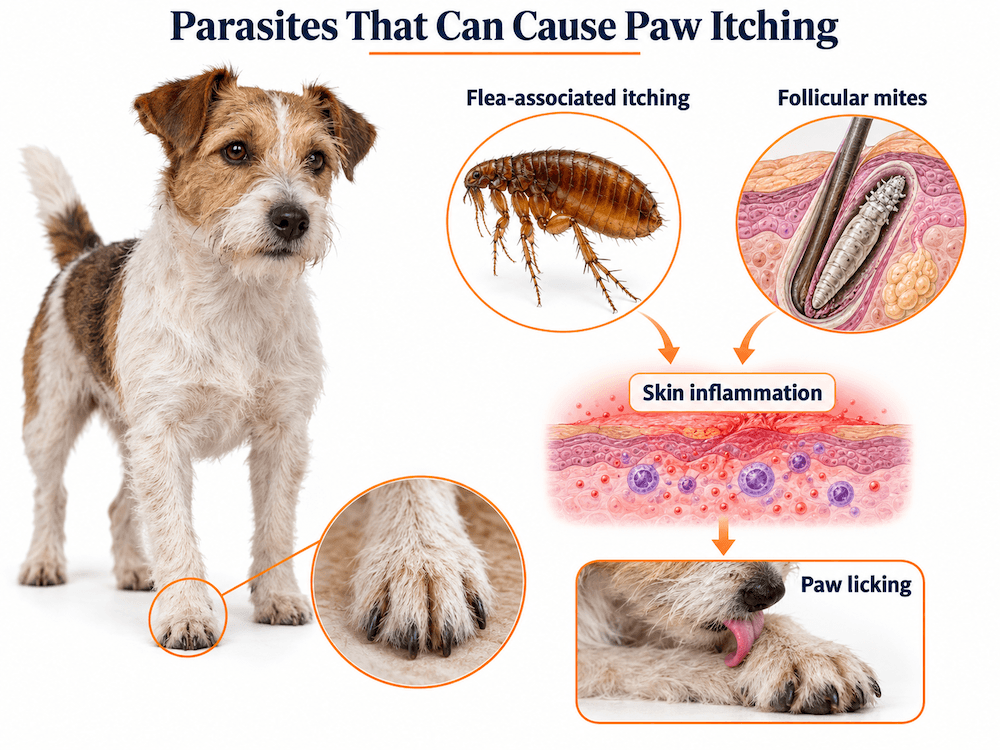
5. Fleas, Mites, and Other Parasites
External parasites can contribute to paw licking by causing itching, inflammation, and skin damage. Mite infestations, particularly pododemodicosis, may directly affect the skin between the toes, while flea-related itching can affect several body regions. Hair loss, crusting, or persistent irritation may accompany parasite-associated problems.[1][5]
6. Bacterial or Yeast Infections
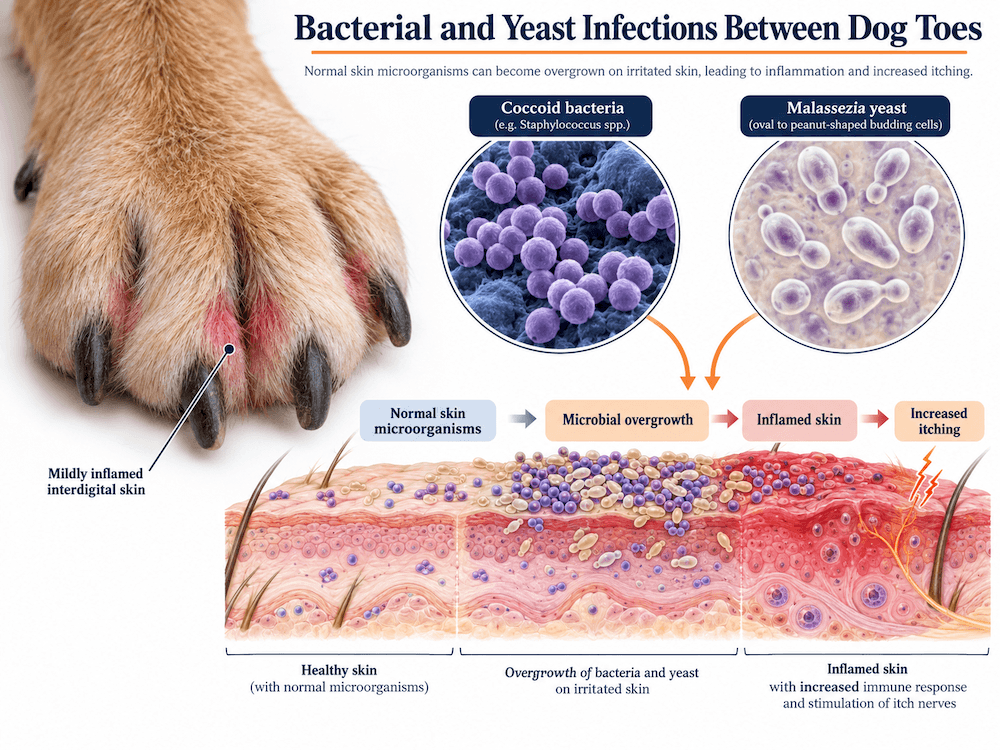
Bacteria and yeast normally inhabit canine skin, but microbial overgrowth can worsen existing inflammation and contribute to itching or discomfort. Interdigital infections may develop when the skin barrier is disrupted by an underlying disease. Affected paws can become red, swollen, moist, or unusually odorous, sometimes encouraging further licking.[5][6]
7. Foreign Objects Stuck Between the Toes
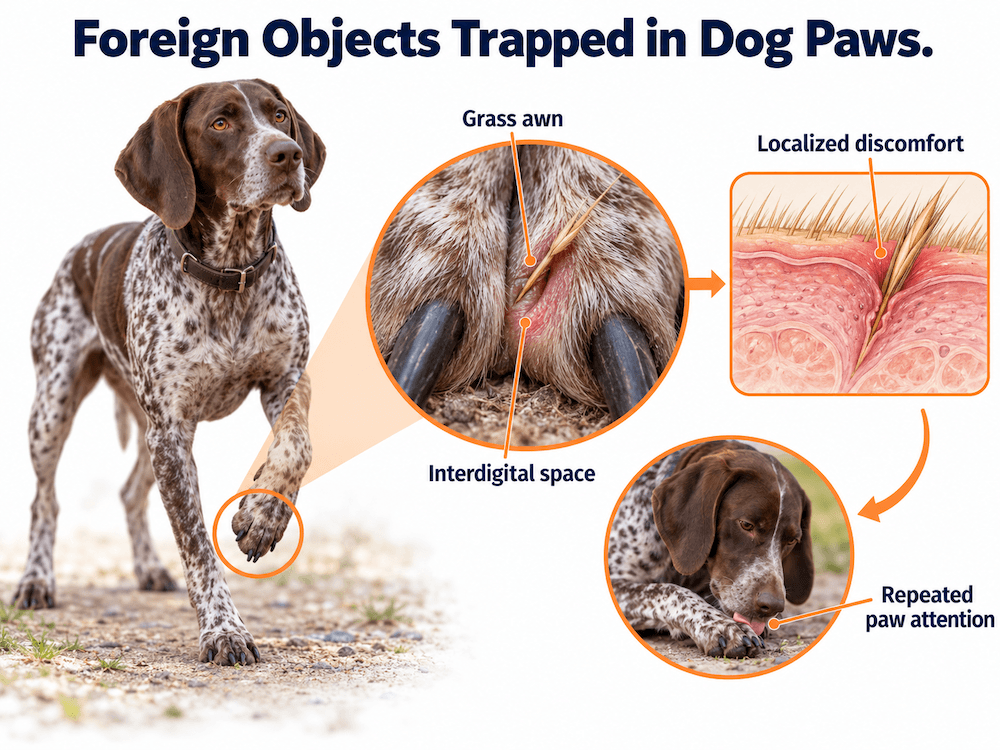
Grass awns and other penetrating materials can become embedded in the skin between a dog’s toes, producing localized tissue inflammation and pain. Dogs may repeatedly lick the affected foot, particularly when the object migrates deeper into the tissue. Persistent interdigital swelling or drainage may develop even when the original foreign body is no longer visible.[7]
8. Paw Pad Injuries, Burns, and Insect Stings
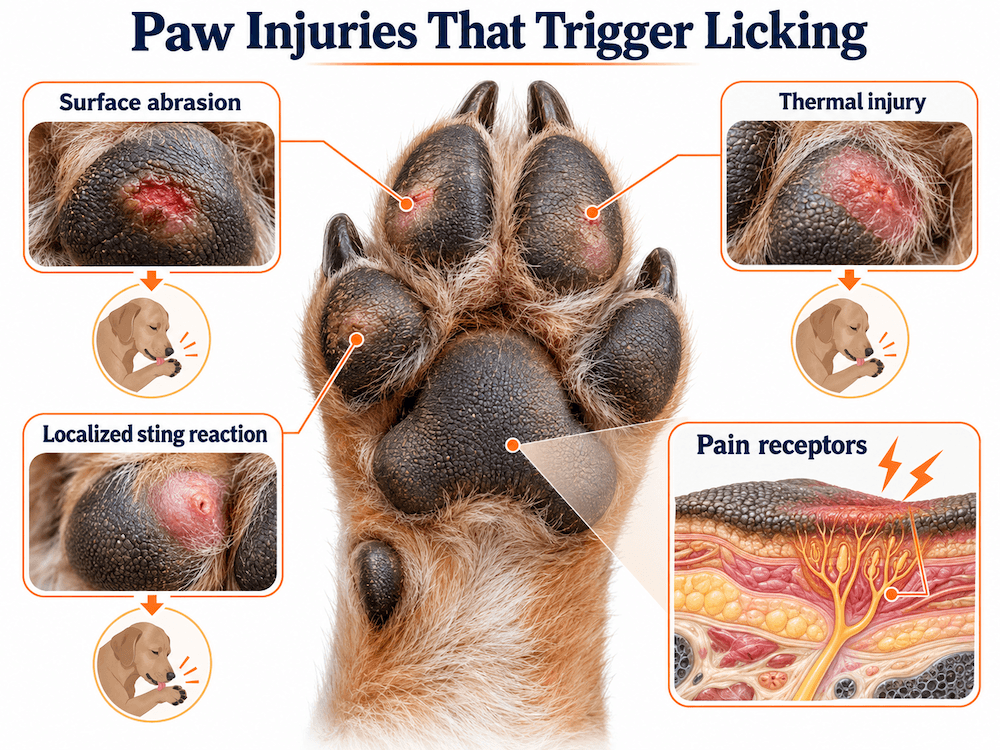
Cuts, abrasions, burns, and stings may cause dogs to lick their paws because tissue damage activates pain and inflammatory responses. Dogs may begin licking suddenly after outdoor exercise, exposure to hot surfaces, or an injury to the foot. Visible wounds, tenderness, swelling, or limping can provide additional clues.[8]
9. Broken Nails and Nail-Bed Problems
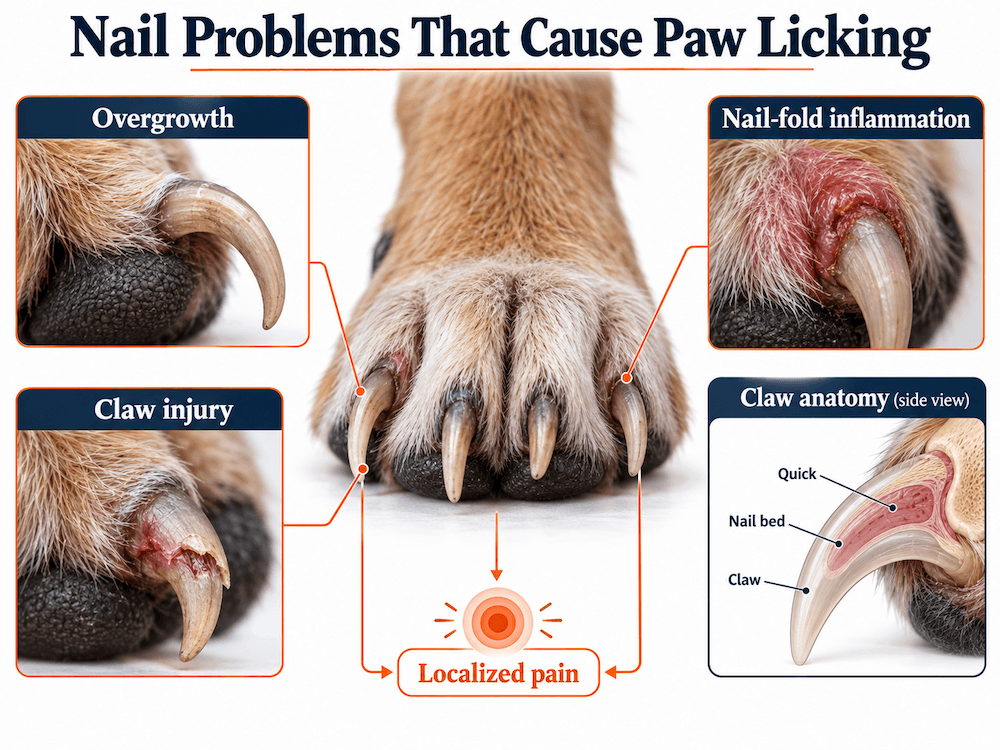
Damaged claws and inflamed nail beds can produce localized pain and inflammation, causing dogs to pay repeated attention to their feet. Dogs with claw disorders may lick around affected toes, resist paw handling, or develop abnormal nail growth. Claw splitting, detachment, and inflammation may occur with traumatic injuries or underlying nail diseases.[9]
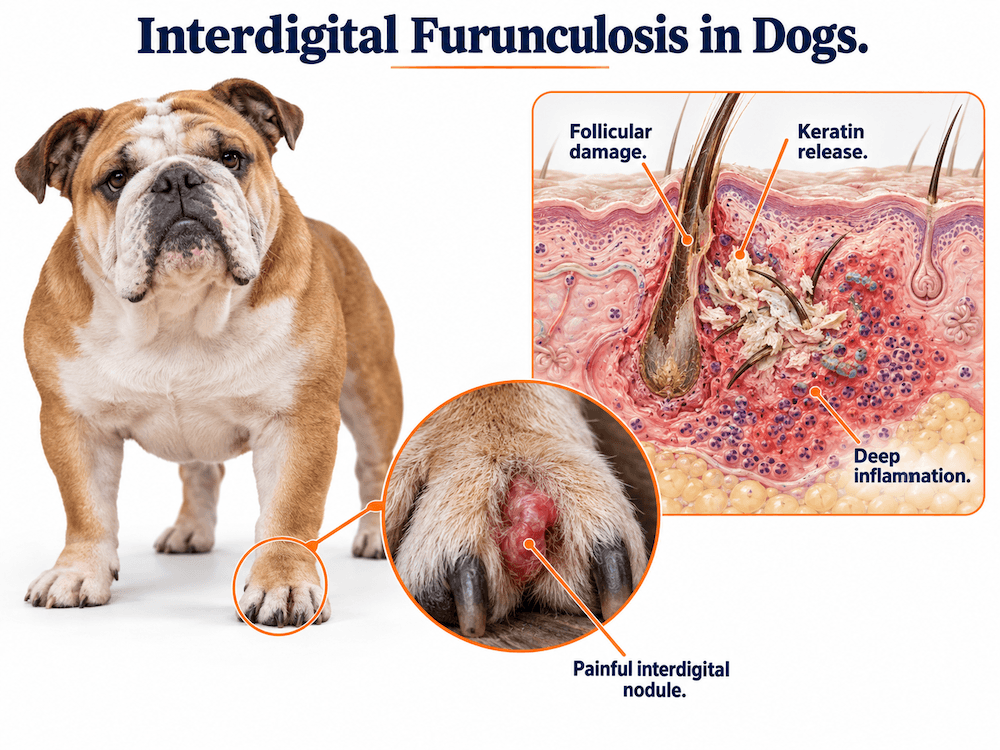
10. Interdigital Furunculosis
Interdigital furunculosis develops when hair follicles become damaged or rupture, releasing material into surrounding tissue and triggering inflammation. The resulting lesions may become painful, swollen, and prone to secondary infection. Dogs can develop persistent licking, draining nodules, and difficulty walking when inflammation becomes severe.[7][10]
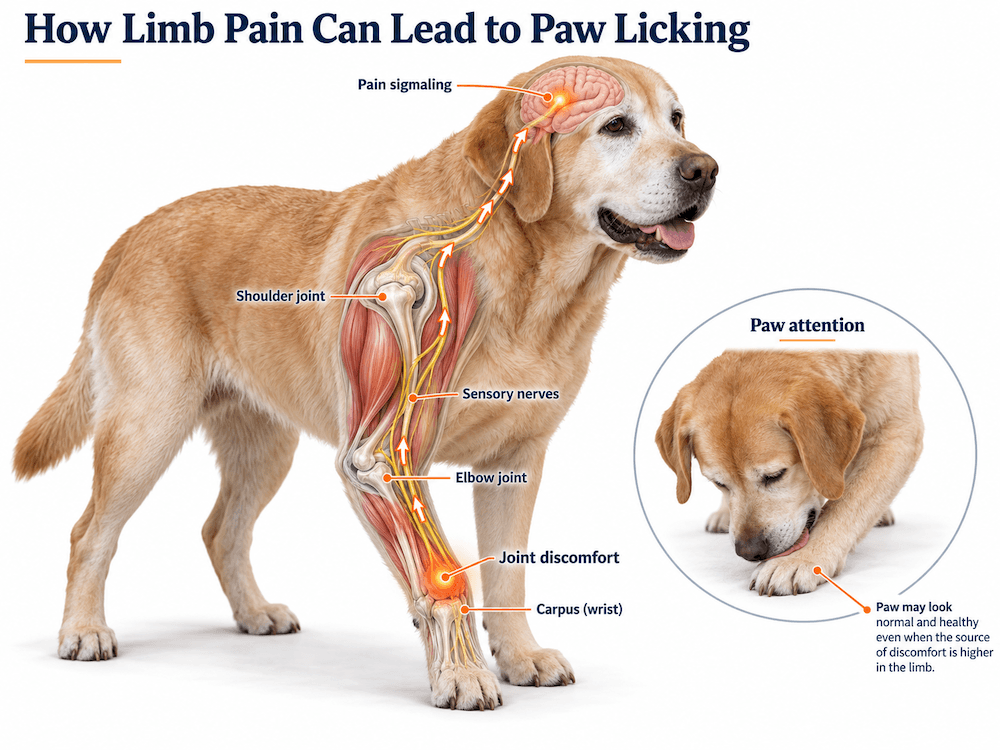
11. Joint, Muscle, or Nerve-Related Pain
Dogs may lick a paw or lower limb because of discomfort originating in deeper tissues, even when the skin appears relatively normal. Joint disease, orthopedic injuries, and certain neurological problems can contribute to persistent attention toward an affected limb. Changes in mobility, stiffness, or limping may accompany the behavior.[11][12]


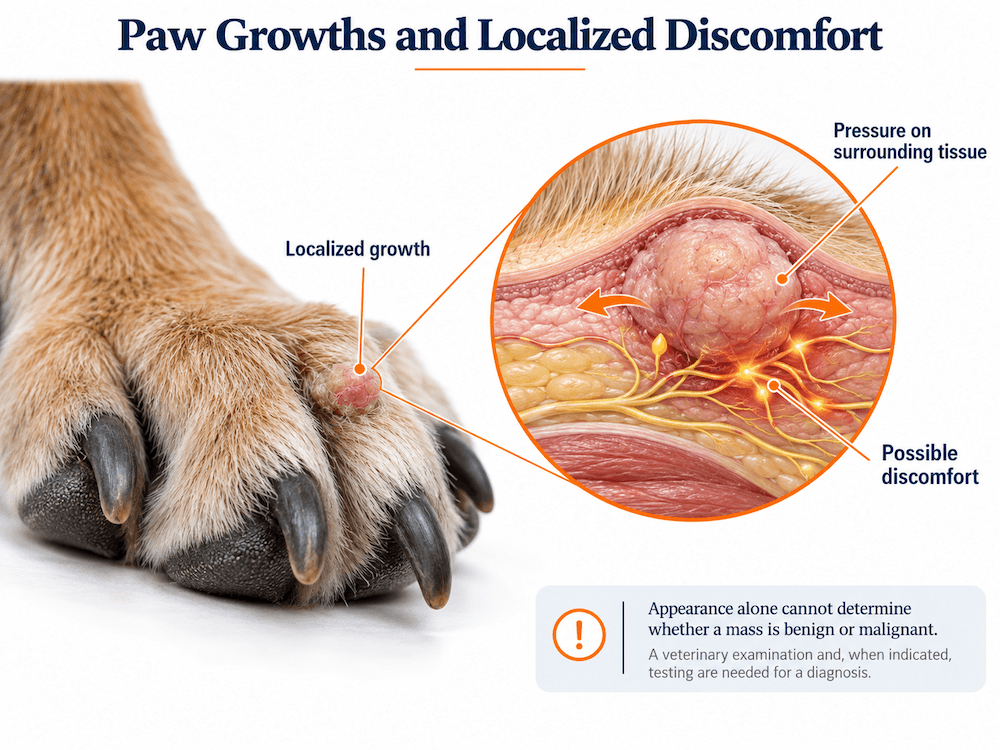
12. Skin Growths and Tumors
Growths affecting the toes or paw tissues can cause localized discomfort and irritation, particularly when they involve weight-bearing areas or sensitive structures. Some dogs repeatedly lick a painful digit, while others develop swelling, abnormal nails, bleeding, or lameness. Because benign and malignant lesions can resemble one another, persistent changes warrant veterinary examination.[12][13]
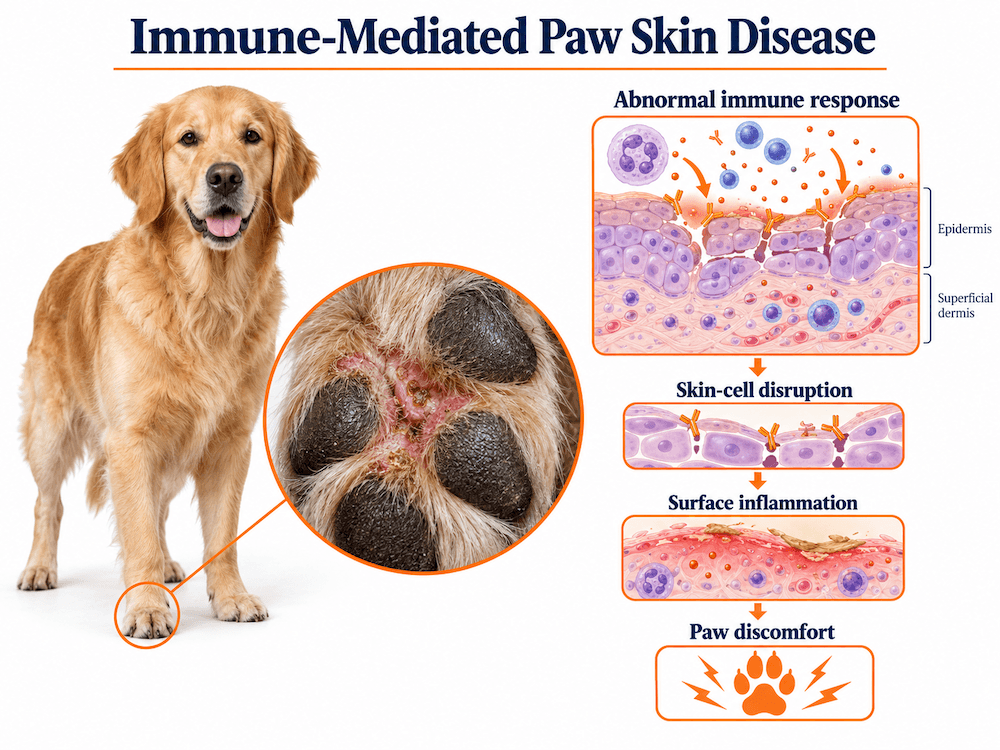
13. Immune-Mediated Skin Diseases
Some immune-mediated skin disorders cause inflammation and damage to paw-pad tissues, potentially resulting in discomfort and repeated attention to the feet. Pemphigus foliaceus, for example, may produce crusting, erosions, thickening, or painful fissures involving the paw pads. These conditions are uncommon and typically require diagnostic testing to distinguish them from more frequently encountered skin diseases.[14]
14. Hormonal and Metabolic Disorders
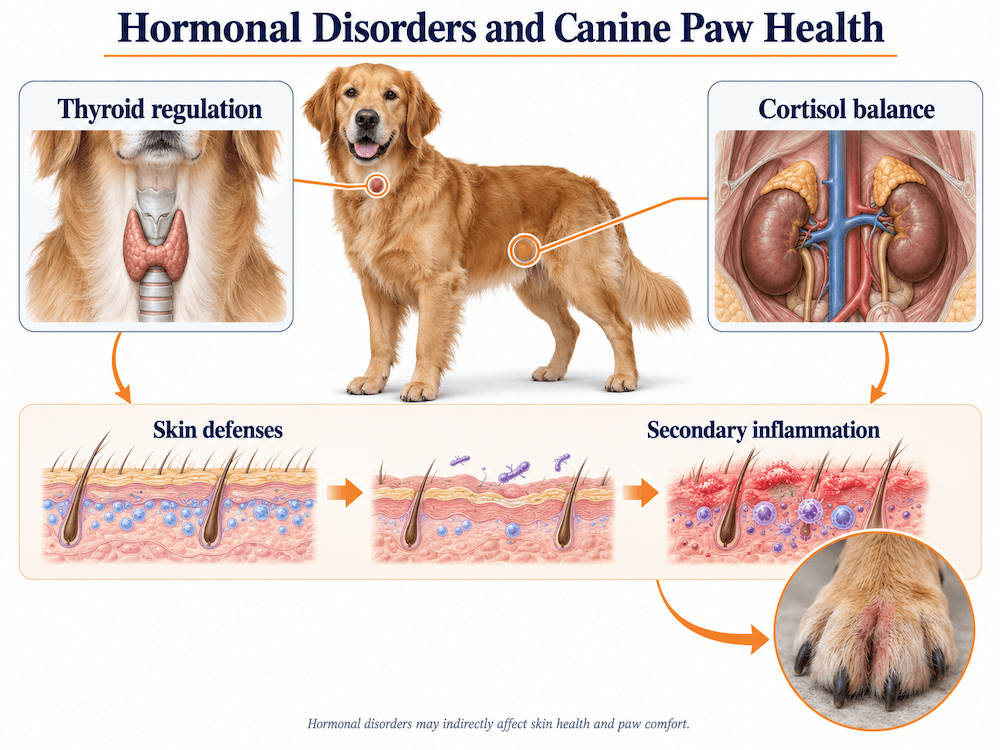
Hormonal disorders such as hypothyroidism and Cushing’s disease may indirectly contribute to paw licking by altering skin health and increasing susceptibility to secondary infections. Dogs with these conditions can develop recurring dermatological problems that produce discomfort. However, paw licking is not a characteristic diagnostic sign of either endocrine disorder.[15]
15. Stress, Anxiety, and Repetitive Licking Behavior
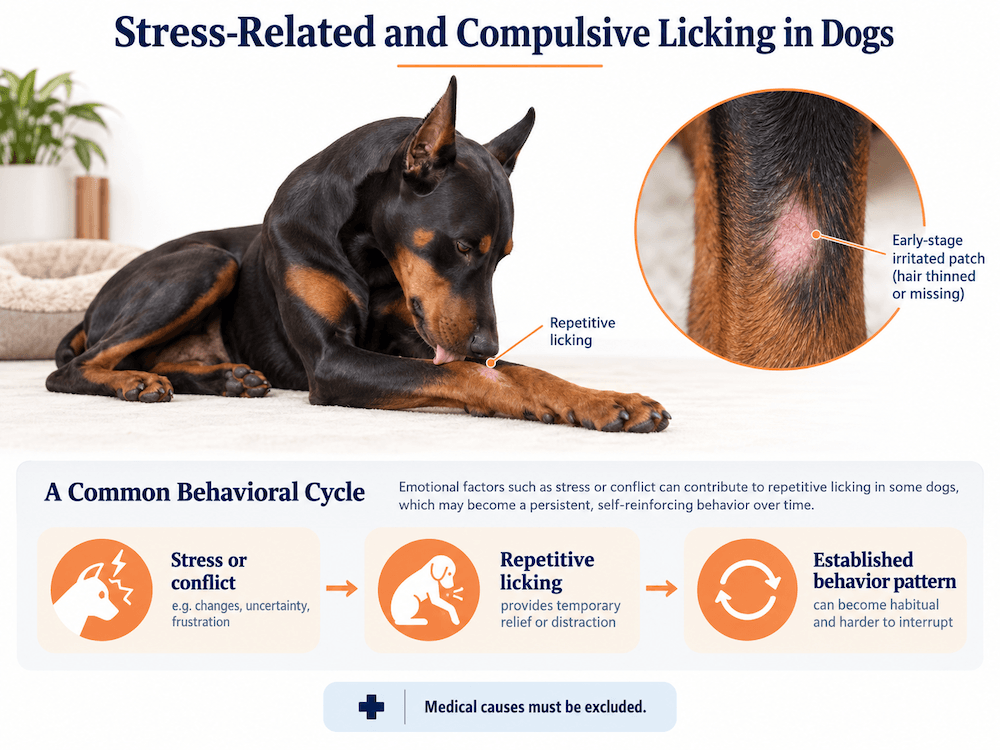
Stress, anxiety, or established repetitive behavior patterns can contribute to persistent self-directed licking in some dogs. Repeated licking may continue even after the initial trigger disappears, potentially causing chronic inflammatory lesions known as acral lick dermatitis. However, owners must investigate physical causes before assuming a dog’s licking is psychological.[16]
Why Some Dogs Are More Prone to Paw Problems
Certain dogs are more susceptible to paw irritation because of their physical characteristics, age, health, and daily activities. Several factors can increase the likelihood of paw problems:
What Your Dog’s Paw-Licking Pattern May Tell You
The location, timing, and frequency of paw licking can provide important clues about the underlying cause. Some patterns suggest localized discomfort, while others may indicate a more widespread skin problem.
| Paw-Licking Pattern | What It Might Suggest |
|---|---|
| Licking only one paw | Injury, foreign object, nail problem, or localized pain. |
| Licking all four paws | Allergies, irritants, or widespread skin inflammation. |
| Licking after walks | Dirt, environmental irritants, hot surfaces, or minor injuries. |
| Licking mostly at night | Itching or discomfort becoming more noticeable during quiet periods. |
| Licking between toes | Interdigital inflammation, infection, allergies, or trapped debris. |
| Licking with limping | Potential injury, significant pain, or deeper limb problems. |
| Licking with redness or swelling | Skin inflammation, irritation, infection, or injury. |
| Licking with unusual odor or discharge | Possible secondary bacterial or yeast infection. |
| Persistent licking of the same area | Ongoing discomfort or an established repetitive licking pattern. |
Dog Paw Licking: Medical Warning Signs You Shouldn’t Ignore
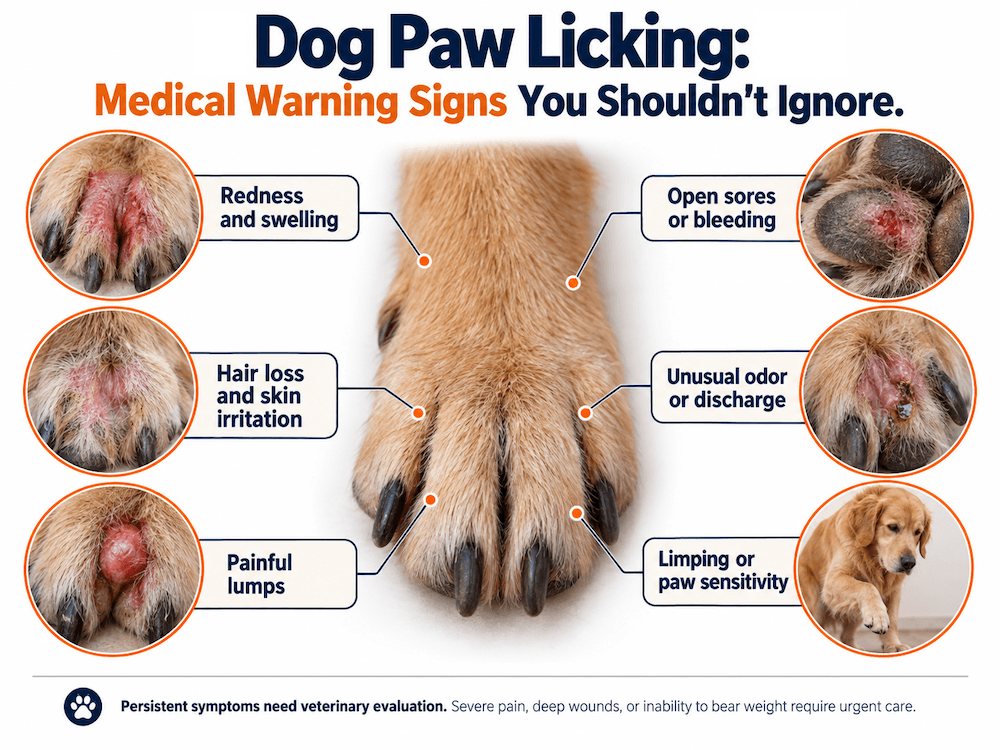
While occasional paw licking is harmless, persistent licking accompanied by physical symptoms may indicate an underlying medical problem. Warning signs include redness, swelling, bleeding, open sores, hair loss, unusual odors, discharge, or painful lumps between the toes. Limping, difficulty bearing weight, sudden intense licking, or noticeable changes in behavior may also suggest injury, infection, or significant discomfort.
How Repeated Paw Licking Can Make the Problem Worse
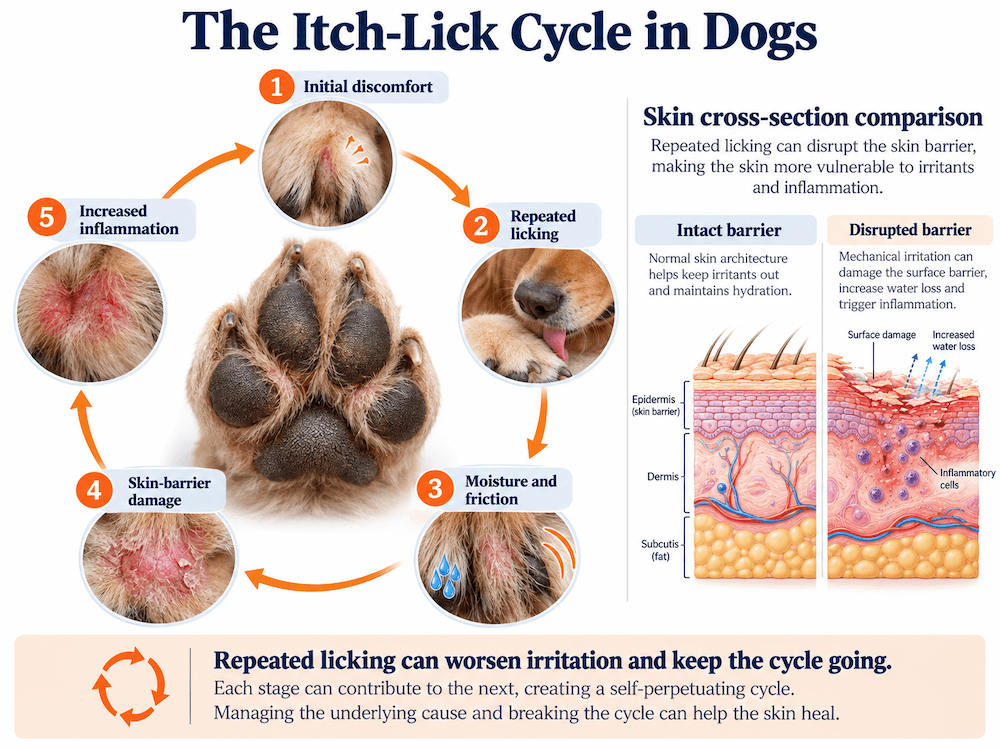
Licking may temporarily remove debris or change how a dog experiences discomfort, but persistent licking can have the opposite effect. A dog’s tongue repeatedly wets and mechanically rubs the skin, potentially damaging its protective outer layer. This can create an itch-lick cycle, where irritation encourages more licking, and the additional licking increases inflammation.
The problem becomes more complicated when the skin remains damp or develops small abrasions. Loss of normal skin-barrier protection can make the area more vulnerable to secondary infection and prolong healing. Over time, some dogs develop hair loss, thickened skin, or open sores, making it increasingly difficult to stop the behavior without addressing the underlying condition.
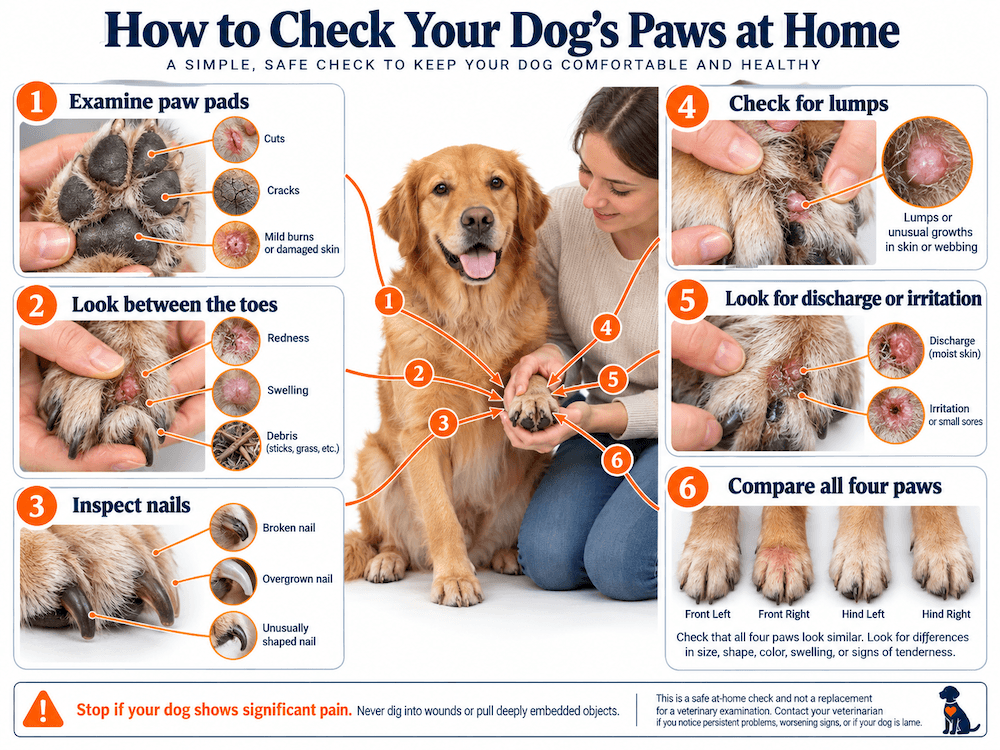
How to Check Your Dog’s Paws at Home
Regular paw inspections can help you identify early signs of irritation, injury, or infection before they become more serious. Begin by gently examining the paw pads for cracks, cuts, or unusual discoloration, then carefully separate the toes to check for redness, swelling, debris, or trapped objects. Inspect the nails and surrounding skin for damage, overgrowth, or tenderness, and compare all four paws for differences. If your dog shows significant pain, resists handling, or has a deeply embedded object, stop the examination and contact your veterinarian rather than forcing the inspection.
When to Call a Veterinarian About Excessive Paw Licking
Seek immediate veterinary attention if paw licking accompanies uncontrolled bleeding, a deep wound, a severe burn, rapidly worsening swelling, or extreme pain. A dog that suddenly cannot bear weight on a limb also needs urgent assessment, even if no injury is visible. If licking begins after a suspected sting or chemical exposure and the dog develops breathing difficulty, collapse, or significant facial swelling, seek emergency care immediately. These signs may indicate a serious injury, systemic reaction, or another condition requiring prompt treatment.
Schedule a veterinary appointment if your dog develops persistent or worsening paw licking, particularly when accompanied by redness, hair loss, swelling, unusual odors, discharge, or recurrent sores. Licking that interrupts sleep, causes skin damage, or repeatedly returns after temporary improvement should also be investigated. Even without obvious skin changes, a sudden and sustained increase in licking deserves attention. Early assessment can help prevent minor irritation from progressing into more complicated inflammation.
A veterinarian should also evaluate your dog when the cause remains unclear or home care is not helping. Dogs with recurring skin problems, multiple affected paws, chronic health conditions, or unexplained mobility changes may require a more detailed examination. Depending on the findings, your veterinarian may recommend dermatological testing, pain assessment, or further investigation of underlying disease. Identifying the primary problem is essential for selecting an appropriate treatment and reducing recurrence.
How to Stop Your Dog From Licking Their Paws
The best way to stop excessive paw licking is to address the underlying cause rather than simply interrupt the behavior. Minor irritation may improve with gentle cleaning and avoiding triggers, while infections, injuries, allergies, or persistent licking often require veterinary care.
| Possible Problem | What to Do | What to Avoid |
|---|---|---|
| Dirt or mild irritation | Gently rinse with lukewarm water and dry thoroughly. | Harsh soaps or excessive washing. |
| Environmental allergies | Reduce known triggers and discuss itch management with your veterinarian. | Unprescribed allergy medications or home remedies. |
| Suspected infection | Seek veterinary testing and appropriate treatment. | Leftover antibiotics or antifungal creams. |
| Minor surface injury | Gently clean and protect the paw; seek advice if painful. | Alcohol, hydrogen peroxide, or tight bandages. |
| Persistent licking | Use a properly fitted protective collar when appropriate. | Punishment or prolonged use of damp coverings. |
| Stress-related licking | Provide enrichment and seek behavioral guidance after ruling out medical causes. | Scolding or assuming the problem is purely behavioral. |
| Severe pain or limping | Restrict activity and seek prompt veterinary assessment. | Human painkillers or forcing your dog to walk. |
Dog Paw Licking Treatment Options Based on the Cause
Treatment for excessive paw licking depends on identifying and addressing the underlying cause. While minor grooming-related irritation may resolve without medication, allergies, infections, injuries, and chronic skin conditions often require targeted veterinary treatment.
| Underlying Cause | Treatment Options |
|---|---|
| Environmental allergies | Veterinary anti-itch medications, allergen immunotherapy, and appropriate skin care. |
| Food allergies | Veterinary elimination diet followed by long-term avoidance of confirmed allergens. |
| Contact irritation | Remove irritants, gently rinse paws, and treat persistent inflammation. |
| Fleas and mites | Veterinarian-selected parasite treatments and management of associated skin problems. |
| Bacterial or yeast infections | Targeted topical or systemic antimicrobials, depending on diagnosis and severity. |
| Embedded foreign objects | Veterinary removal, wound cleaning, and treatment of resulting inflammation or infection. |
| Paw injuries, burns, or stings | Appropriate wound care, pain relief, and emergency treatment when necessary. |
| Broken nails or nail-bed problems | Damaged-claw management, pain relief, and treatment of underlying nail disease. |
| Interdigital furunculosis | Address underlying triggers, inflammation, and confirmed secondary infections. |
| Joint or nerve-related pain | Cause-specific pain management, rehabilitation, or other veterinary treatment. |
| Skin growths or tumors | Diagnostic sampling followed by surgery or other condition-specific treatment. |
| Immune-mediated skin disease | Veterinarian-prescribed immunosuppressive treatment and management of skin lesions. |
| Hormonal disorders | Treat the diagnosed endocrine condition and associated skin complications. |
| Stress or compulsive licking | Behavior modification, environmental enrichment, and medication when appropriate. |
At-Home Remedies and Care for Dog Paw Licking
For mild, occasional paw licking without visible injury or significant discomfort, simple at-home care may help soothe irritation and protect your dog’s paws. However, home remedies should provide temporary relief rather than replace veterinary treatment when an underlying medical condition is present.

Earth Rated Wipes
Best For: Removing dirt, pollen, and mild environmental irritants from your dog’s paws after walks.
What to know: Dog-safe grooming wipes offer a convenient way to clean paws without frequent bathing. Earth Rated Unscented Dog Grooming Wipes are fragrance-free and formulated for gentle, everyday cleaning. They help remove surface debris while keeping the skin comfortable. Avoid vigorous wiping on irritated or broken skin.

DOUXO S3 PYO Pads
Best For: Managing localized bacterial or yeast-related paw irritation under veterinary guidance.
What to know: Medicated paw pads contain antimicrobial ingredients that help control bacterial and yeast overgrowth. DOUXO S3 PYO Pads contain 3% chlorhexidine and are designed for targeted skin cleansing while supporting hydration. They may be useful for certain interdigital skin problems, but persistent infections require veterinary diagnosis. Follow the product directions and discontinue use if irritation occurs.

Musher’s Secret Paw Protection Wax
Best For: Moisturizing dry paw pads and providing additional protection against rough or irritating outdoor surfaces.
What to know: Protective paw waxes help condition dry paw pads and create a temporary barrier against environmental exposure. Musher’s Secret Paw Protection Wax contains food-grade waxes and oils designed to support paw comfort during outdoor activities. Apply a thin layer to clean, intact paw pads as directed. Paw wax cannot replace protection from dangerously hot pavement or treat underlying skin infections.

Vetericyn Plus Antimicrobial Spray
Best For: Gently cleaning minor paw abrasions, superficial cuts, and irritated skin.
What to know: Dog-safe wound sprays can help flush debris from minor injuries while supporting a clean healing environment. Vetericyn Plus Antimicrobial Wound Care Spray uses hypochlorous acid and is formulated without alcohol or antibiotics. It can be applied directly to affected areas according to label instructions. Deep wounds, significant swelling, or signs of infection still require veterinary treatment.

GLADOG Dog Collar
Best For: Preventing excessive licking or chewing while irritated paws or minor wounds heal.
What to know: Recovery collars create a physical barrier that prevents dogs from repeatedly irritating affected areas. The GLADOG Soft Dog Cone Collar features a transparent, flexible design with soft fabric edges for improved comfort and visibility. Choose the correct size and ensure the cone extends far enough to prevent your dog from reaching its paws. While it helps protect irritated or healing skin from repeated licking, it does not address the underlying cause.

KONG Classic Dog Toy
Best For: Providing mental stimulation and appropriate chewing activities for dogs with boredom-related or repetitive licking behaviors.
What to know: Interactive enrichment toys provide an appropriate outlet for chewing, play, and food-seeking behavior. The KONG Classic can be filled with suitable dog treats or part of a dog’s regular food to encourage prolonged engagement. Choose the appropriate size and supervise use, especially with strong chewers. Enrichment may help redirect some repetitive behaviors but should not replace veterinary assessment for persistent paw licking.
How to Prevent Excessive Paw Licking
Although not every cause of paw licking is preventable, consistent paw care and early attention to irritation can reduce avoidable problems. These habits can help keep your dog’s feet healthy:
How to Tell Whether Your Dog’s Paw Licking Is Improving
Monitoring your dog’s recovery helps determine whether treatment or home management is working. Look for changes in licking frequency, skin condition, comfort, and normal activities rather than expecting immediate improvement. The table below highlights useful signs of progress and when reassessment may be necessary.
| What to Monitor | Signs of Improvement |
|---|---|
| Licking frequency | Fewer licking episodes and less frequent paw chewing. |
| Licking duration | Shorter episodes that stop more easily. |
| Skin redness and swelling | Gradually decreasing inflammation and irritation. |
| Wounds and sores | Lesions heal without new damage or discharge. |
| Hair regrowth | Fur gradually returns to previously irritated areas. |
| Walking and comfort | Normal movement without limping or paw sensitivity. |
| Sleep and daily activities | Resting, playing, and walking without licking interruptions. |
| Recurring symptoms | Fewer flare-ups with consistent, appropriate management. |
Important: Recovery times vary depending on the underlying condition.
Frequently Asked Questions
The Bottom Line
Paw licking is a normal part of canine grooming, but changes in the habit can signal underlying discomfort. Its causes range from everyday debris to allergies, infections, injuries, pain, and repetitive behaviors. The timing, location, and intensity of licking can provide valuable clues, although no single pattern confirms a diagnosis. Redness, swelling, unusual odors, limping, or damaged skin are important signs that shouldn’t be overlooked. Gentle paw inspections and proper hygiene can help with minor irritation, while persistent problems often require veterinary treatment. Monitoring your dog’s symptoms and response to care can help determine whether the condition is improving. By recognizing what’s normal for your dog and responding to concerning changes, you can help keep their paws healthy, comfortable, and protected.
For more information about itchy paws and recurring skin problems, explore our guide to allergies in dogs, including common triggers, symptoms, and treatment options. If you suspect your dog’s diet may be contributing to persistent itching, read about food allergies and sensitivities in dogs. For additional skin-care guidance, discover safe home remedies for dry skin in dogs. These resources can help you better understand your dog’s skin health and recognize when veterinary care is necessary.
Sources
- Characterization of Pruritus in Canine Atopic Dermatitis, Flea Bite Hypersensitivity and Flea Infestation
- Development and Validation of a New Standardised Data Collection Tool to Aid in the Diagnosis of Canine Skin Allergies
- Results of Food Challenge in Dogs With Cutaneous Adverse Food Reactions
- A Comparative Study of Allergic and Primary Irritant Contact Dermatitis With Dinitrochlorobenzene in Dogs
- Canine Pododermatitis: A Retrospective Study of 300 Cases
- Study of the Variation of the Malassezia Load in the Interdigital Fold of Dogs With Pododermatitis
- Ultrasonographic Findings May Be Useful for Differentiating Interdigital Abscesses Secondary to Migrating Grass Awns and Interdigital Furunculosis in Dogs
- Distribution, Complications, and Outcome of Footpad Injuries in Pet and Military Working Dogs
- Canine Symmetrical Lupoid Onychodystrophy: A Retrospective Study With Particular Reference to Management
- Pathogenesis of Canine Interdigital Palmar and Plantar Comedones and Follicular Cysts, and Their Response to Laser Surgery
- Could It Be Osteoarthritis? How Dog Owners and Veterinary Surgeons Describe Identifying Canine Osteoarthritis in a General Practice Setting
- Organic Diseases Mimicking Acral Lick Dermatitis in Six Dogs
- Clinical Features and Outcome of 79 Dogs With Digital Squamous Cell Carcinoma Undergoing Treatment
- Pemphigus Foliaceus in 91 Dogs
- Recurrent Pyoderma and Its Underlying Primary Diseases: A Retrospective Evaluation of 157 Dogs
- Fluoxetine Treatment of Acral Lick Dermatitis in Dogs: A Placebo-Controlled Randomized Double Blind Trial