Vomiting in Dogs: Symptoms, Types, Causes, Signs & Prevention

Canine Bible is reader-supported. We receive affiliate commissions via some of our links. Learn more.
A comprehensive guide to vomiting in dogs, including common causes, warning signs, diagnostic testing, treatment options, prevention and when vomiting may require immediate veterinary care.
Vomiting at a Glance
Most common in
Dogs of any age, breed or size.
Common signs
Nausea, drooling, retching, appetite loss and lethargy.
Diagnosis
Exam, bloodwork, fecal testing, X-rays or ultrasound.
Treatment
Fluids, anti-nausea medication, diet and cause-specific care.
Prognosis
Usually good when the underlying cause is mild and treated early.
Key risk
Persistent vomiting can quickly cause dehydration and electrolyte loss.
What Is Vomiting in Dogs?
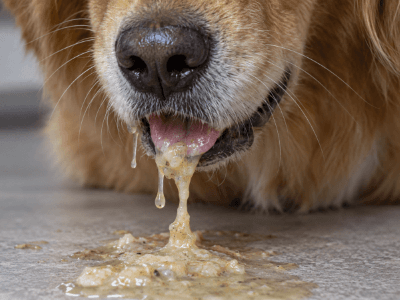
Vomiting is the forceful expulsion of stomach or upper intestinal contents through the mouth. It is a clinical sign rather than a disease itself and may result from dietary indiscretion, infections, parasites, toxins, medications, gastrointestinal disorders or underlying health conditions. Vomiting is usually preceded by signs of nausea such as drooling, lip licking, repeated swallowing or restlessness, followed by abdominal contractions and retching. An isolated episode may be mild, but repeated or severe vomiting can cause dehydration, electrolyte imbalances and weakness and may indicate a more serious underlying problem.


Types
Dogs can experience several different types of vomiting, and each may provide clues about the underlying cause. Vomiting can be acute or chronic, contain food, bile, foam, or blood, and may vary in frequency and severity. Understanding the different types can help pet parents recognize important warning signs, monitor changes, and know when veterinary care may be needed.
Acute Vomiting
Sudden vomiting that develops over a short period, often after dietary indiscretion, infection, or irritation.
Chronic Vomiting
Repeated or recurring vomiting that persists over time and may indicate an ongoing gastrointestinal or systemic disease.
Bilious Vomiting
Yellow or green vomit containing bile, often seen when the stomach is empty or after prolonged fasting.
Food-Related Vomiting
Vomiting triggered by spoiled food, sudden diet changes, overeating, table scraps, or unfamiliar ingredients.
Projectile Vomiting
Forceful vomiting in which stomach contents are expelled rapidly and may indicate obstruction or another serious problem.


Vomiting With Blood
Vomit containing fresh red blood or dark coffee-ground-like material that may indicate bleeding in the digestive tract.
Foamy Vomiting
White or clear foam may occur when the stomach is empty or irritated and can sometimes accompany nausea or reflux.
Vomiting Undigested Food
Food may appear largely undigested when vomiting occurs soon after eating or when stomach emptying is disrupted.
Predisposed Dog Breeds
While vomiting can affect any dog, certain dogs are more prone to episodes. Factors such as age, diet, health conditions, and scavenging habits can increase their risk of frequent vomiting.
| Age / Group | Examples | Notes on Risk Factors |
|---|---|---|
| Puppies | Young dogs of any breed | More likely to eat inappropriate objects, develop intestinal parasites, or experience infectious diseases that can trigger vomiting. |
| Senior Dogs | Older dogs of any breed | More prone to kidney, liver, gastrointestinal, pancreatic, and other systemic diseases that may cause recurrent or persistent vomiting. |
| Food-Motivated Dogs | Dogs that scavenge, eat quickly, or frequently seek food | Increased risk from overeating, garbage ingestion, spoiled food, table scraps, and sudden dietary changes. |
| Small Breeds | Chihuahua, Yorkshire Terrier, Maltese, Shih Tzu | Small dogs may become dehydrated more quickly during repeated vomiting because of their smaller body size and lower fluid reserves. |
| Dogs With Chronic Conditions | Dogs with gastrointestinal, kidney, liver, or pancreatic disease | Underlying medical conditions can increase the likelihood of recurrent vomiting and may require long-term veterinary management. |
| Highly Curious or Active Dogs | Working, sporting, hunting, and exploratory dogs | Greater exposure to plants, foreign objects, contaminated foods, chemicals, and other environmental substances may increase vomiting risk. |
Causes
Vomiting in dogs can develop from dietary, infectious, gastrointestinal, toxic, medication-related, or underlying health problems rather than a single cause. While some episodes are mild and temporary, understanding the factors that trigger vomiting can help pet parents make informed decisions about prevention, monitoring, and veterinary care.
Dietary Indiscretion
Eating garbage, spoiled food, table scraps, unfamiliar foods, or excessive amounts of food can trigger vomiting.
Infections
Viral, bacterial, and parasitic infections can irritate the gastrointestinal tract and cause nausea and vomiting.
Toxins
Poisonous plants, chemicals, human medications, and other toxic substances can cause sudden or severe vomiting.
Foreign Objects
Swallowed toys, bones, fabric, or other objects may irritate or obstruct the digestive tract and lead to vomiting.
Gastrointestinal Disorders
Gastritis, gastroenteritis, inflammatory bowel disease, and intestinal obstruction may cause recurrent or persistent vomiting.
Underlying Health Conditions
Pancreatitis, kidney disease, liver disease, hormonal disorders, and other systemic illnesses can trigger vomiting.
Medications & Treatments
Certain medications, anesthesia, and medical treatments may cause nausea or vomiting as a side effect in some dogs.
Symptoms
Vomiting symptoms in dogs can vary depending on the cause, frequency, severity, and duration of the episodes. Some signs may be mild at first, while others can become more noticeable as the problem continues. Common warning signs include nausea, drooling, lip licking, repeated swallowing, retching, appetite loss, lethargy, dehydration, abdominal discomfort, or blood in the vomit. Because many of these symptoms can also occur with other conditions, persistent or unusual changes should be evaluated by a veterinarian.
- Vomiting or repeated retching
- Nausea or excessive drooling
- Lip licking or repeated swallowing
- Loss of appetite
- Abdominal pain or discomfort
- Lethargy or reduced activity
- Dehydration or dry gums
- Diarrhea or loose stools
- Weakness or low energy
- Blood, bile, or foam in vomit
Vomiting can affect digestion, hydration, energy, and overall comfort.
Stages & Progression of Vomiting In Dogs
Vomiting in dogs can progress at very different rates depending on the underlying cause, frequency, severity, and duration of the episodes. Monitoring helps veterinarians determine how serious the vomiting has become, whether dehydration or other complications are developing, and which treatment options may be most appropriate. Understanding the progression can also provide important insight into urgency, expected recovery, and the level of care your dog may need.
Mild
One or occasional vomiting episodes may occur while the dog remains alert, comfortable, and otherwise behaves normally.
Moderate
Vomiting becomes more frequent and may be accompanied by reduced appetite, nausea, lethargy, diarrhea, or early dehydration.
Severe
Persistent vomiting can cause significant dehydration, weakness, electrolyte disturbances, abdominal discomfort, and worsening illness.
Emergency
Repeated vomiting with blood, collapse, severe abdominal swelling, toxin exposure, or inability to keep water down requires urgent care.
This chart is a simplified visual guide. Vomiting does not follow a fixed progression or timeline, and some serious causes can become emergencies very quickly. Severity depends on the underlying cause and the individual dog.
Top Ways to Prevent Vomiting in Dogs
Because vomiting is a symptom rather than a disease, prevention focuses on reducing common triggers and supporting digestive health. By feeding a consistent diet, preventing access to garbage, toxins, and foreign objects, maintaining hydration, and scheduling regular veterinary checkups, many vomiting episodes can be avoided. Proactive care also helps identify underlying conditions early, reducing the risk of dehydration and other complications.
| Prevention Strategy | Why It Helps | How to Do It |
|---|---|---|
| Feed a Consistent, Balanced Diet | Sudden diet changes and inappropriate foods can irritate the stomach and trigger vomiting. | Feed a nutritionally balanced diet and introduce any new food gradually over several days. |
| Prevent Dietary Indiscretion | Garbage, spoiled food, table scraps, and unfamiliar foods are common triggers of vomiting. | Keep trash secured, avoid unsafe table scraps, and prevent your dog from scavenging indoors or outdoors. |
| Control Meal Portions | Overeating or eating too quickly may lead to stomach upset, regurgitation, or vomiting. | Feed measured portions and consider smaller, more frequent meals if recommended by your veterinarian. |
| Keep Toxins Out of Reach | Household chemicals, human medications, toxic plants, and certain foods can cause sudden or severe vomiting. | Store medications, cleaners, chemicals, and unsafe foods securely where your dog cannot access them. |
| Prevent Foreign-Object Ingestion | Swallowed toys, bones, clothing, or other objects can irritate or obstruct the digestive tract. | Supervise chewing, provide appropriately sized toys, and keep small household objects out of reach. |
| Maintain Parasite Prevention | Intestinal parasites can irritate the gastrointestinal tract and contribute to vomiting and diarrhea. | Follow your veterinarian’s recommendations for fecal testing, deworming, and year-round parasite prevention. |
| Schedule Regular Vet Checkups | Routine examinations can identify underlying health problems before vomiting becomes recurrent or severe. | Keep up with wellness exams and recommended blood, urine, or diagnostic testing based on your dog’s age and health. |
| Monitor Early Warning Signs | Recognizing changes early can help prevent dehydration and other complications from persistent vomiting. | Watch for repeated vomiting, appetite loss, lethargy, diarrhea, abdominal pain, blood in vomit, or difficulty keeping water down. |
Actionable Resources
If you want to prevent, manage, or reduce vomiting in your dog, here are some expert-backed resources to explore under veterinary guidance.
How Is Vomiting In Dogs Diagnosed
Diagnosing vomiting in dogs requires a comprehensive veterinary evaluation to determine the underlying cause, severity, and potential complications. Key steps include:
1. Examination & History
Your veterinarian reviews when the vomiting started, how often it occurs, what the vomit looks like, recent diet changes, medications, toxin exposure, foreign-object risks, and other symptoms.
2. Physical Examination
The veterinarian checks hydration, gum color, temperature, heart rate, abdominal pain or swelling, body condition, and other signs that may help identify the severity or cause.
3. Bloodwork
A complete blood count and chemistry panel can help detect dehydration, infection, inflammation, electrolyte abnormalities, anemia, and changes in kidney, liver, or pancreatic function.
4. Fecal & Urine Testing
Fecal testing may identify intestinal parasites or infectious organisms, while urinalysis can help evaluate hydration, kidney function, and other systemic conditions.
5. X-Rays
Abdominal X-rays may help identify swallowed foreign objects, intestinal obstruction, abnormal gas patterns, organ enlargement, or other changes associated with vomiting.
6. Ultrasound & Additional Tests
Ultrasound provides a closer look at the stomach, intestines, pancreas, liver, and other abdominal organs. Depending on findings, additional testing such as endoscopy or tissue sampling may be recommended.
Early evaluation is important because persistent or severe vomiting can quickly lead to dehydration and other complications—allowing for faster treatment and a safer recovery.
Nutritional Support & Supplements
Proper nutrition can play an important supportive role for dogs with vomiting by helping maintain hydration, support digestion, restore nutrients, and promote recovery. Depending on your dog’s needs, veterinarians may recommend highly digestible diets and supportive options including probiotics, soluble fiber, omega-3 fatty acids, electrolytes, or other gastrointestinal supplements.
Important: Do not give supplements, electrolyte products,
or make major dietary changes without veterinary guidance.
Persistent vomiting, blood in vomit, weakness, abdominal swelling, or inability
to keep water down requires prompt veterinary attention.
Supportive care—such as hydration, nutritional support, anti-nausea treatment, and dietary adjustments—plays an important role in maintaining comfort and supporting recovery in dogs with vomiting. These measures are not a substitute for treating the underlying cause and may interact with medications or medical conditions, so any diet, supplement, or supportive-care plan should be reviewed with your veterinarian.
Over-the-Counter Products
Over-the-counter treatments and supplements mentioned in this article for vomiting in dogs can be found on Amazon and Chewy.


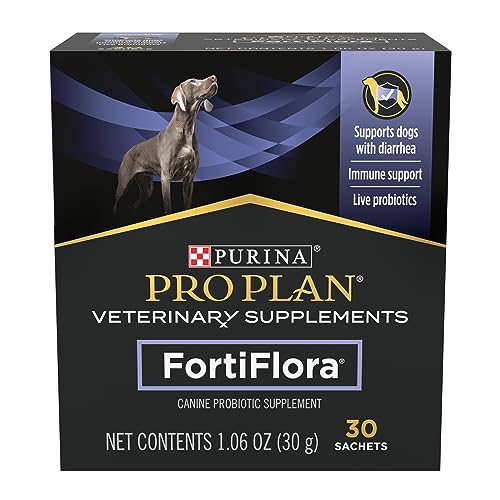
Always consult your veterinarian before starting any new treatment, medication, or home-care regimen for canine vomiting. Puppies and dogs with persistent vomiting, diarrhea, weakness, or dehydration may require prompt veterinary care. If you can’t reach your vet, you can chat live with a registered online veterinary professional via our online vet chat or video chat support (24 hours a day, 7 days a week). Or use Chewy’s online vet services (6 a.m. – midnight ET).
Treatment & Care
According to current veterinary guidance, the most effective treatment for vomiting in dogs depends on the underlying cause and severity of the symptoms. Treatment may include fluid therapy to correct dehydration, anti-nausea medications to control vomiting, and dietary management or gastrointestinal medications to support recovery. More serious cases may require hospitalization, treatment of an underlying disease, or surgery to remove a foreign object or intestinal obstruction.
Medications
Common medications used to treat vomiting in dogs include:
| Medication / Class | Examples | How It Is Used | Important Considerations |
|---|---|---|---|
| Anti-Nausea Medications | Maropitant, ondansetron | Used to control nausea and vomiting from gastrointestinal disease, pancreatitis, medications, toxins, or other underlying conditions. | These medications reduce vomiting but do not necessarily treat the underlying cause. Veterinary assessment may still be needed. |
| Dopamine Antagonists | Metoclopramide | May help control vomiting and improve movement of food through the upper gastrointestinal tract in selected cases. | Should not be used when gastrointestinal obstruction or perforation is suspected and should only be given under veterinary direction. |
| Gastric Acid Reducers | Omeprazole, pantoprazole, famotidine | May be prescribed when excessive stomach acid, gastritis, esophagitis, or gastrointestinal ulceration is suspected. | Acid-reducing medications are not appropriate for every vomiting episode and should be used when medically indicated. |
| Gastrointestinal Protectants | Sucralfate | Forms a protective barrier over irritated or ulcerated tissue in the stomach and upper gastrointestinal tract. | Can interfere with absorption of some medications, so doses may need to be separated according to veterinary instructions. |
| Fluid & Electrolyte Therapy | Intravenous or subcutaneous fluids | Used to correct dehydration and electrolyte losses caused by repeated or severe vomiting. | The type and amount of fluid depend on dehydration severity, electrolyte changes, and any underlying kidney or heart disease. |
| Antiparasitic Medications | Fenbendazole, pyrantel, other veterinarian-selected dewormers | Used when intestinal parasites are identified or strongly suspected as the cause of vomiting or gastrointestinal upset. | The appropriate medication depends on the parasite involved, so fecal testing may be recommended before or during treatment. |
| Antibiotics | Veterinarian-selected antibiotics when medically indicated | May be used when a bacterial infection, sepsis, or another specific bacterial condition contributes to vomiting. | Antibiotics are not routinely needed for uncomplicated vomiting and should only be used when a bacterial cause is suspected or confirmed. |
| Pain Management | Veterinarian-prescribed analgesics | May be needed when vomiting is associated with painful conditions such as pancreatitis, abdominal inflammation, or surgery. | Some pain medications can worsen gastrointestinal irritation, so medication selection must be individualized by a veterinarian. |
| Dietary Management | Highly digestible diets, gastrointestinal prescription diets | Used to reduce digestive workload and support recovery after vomiting has been controlled. | Feeding recommendations vary by cause, age, and health status. Puppies and dogs with certain medical conditions should not be fasted without veterinary guidance. |
| Cause-Specific Treatment | Pancreatitis therapy, toxin treatment, endocrine medications, surgery | Targets the underlying disease or problem responsible for vomiting rather than treating the symptom alone. | Foreign-body obstruction, toxin exposure, severe abdominal pain, or persistent vomiting may require urgent hospitalization or surgery. |
The best way to get these medications is at Chewy Pet Pharmacy:
Alternative & Integrative Therapies
Integrative and supportive therapies can help manage nausea, support digestion, reduce discomfort, and improve overall well-being for dogs with vomiting. Options such as probiotics, dietary adjustments, hydration support, acupuncture, and certain veterinarian-approved supplements may be used alongside conventional treatment, but should always be discussed with your veterinarian to ensure they are safe and appropriate for your dog.
Surgical Options
Surgery may be necessary when vomiting is caused by a foreign object, intestinal obstruction, gastrointestinal injury, or other condition that cannot be managed medically. Depending on the underlying cause, surgery may be used to remove an obstruction, retrieve a swallowed object, repair damaged tissue, obtain a biopsy, or correct an abnormality. Your veterinarian or veterinary surgeon will determine whether surgery is appropriate based on diagnostic findings, the severity of the condition, and your dog’s overall health.
Emotional & Lifestyle Impact
Frequent or severe vomiting can be stressful for both dogs and their families. Dogs may experience changes in appetite, energy, hydration, comfort, and behavior, while ongoing symptoms can disrupt feeding routines and daily activity. With prompt veterinary care, appropriate nutrition, hydration, rest, and close monitoring, many dogs can recover comfortably and return to their normal routines.
For Dogs
- May experience nausea, weakness, and low energy
- Appetite and drinking habits may temporarily change
- Frequent vomiting can disrupt normal feeding routines
- May need extra rest, hydration, and close monitoring
- Most dogs can return to normal routines after recovery
For Pet Parents
- Repeated vomiting can be worrying and stressful
- Monitor vomiting frequency, appearance, and accompanying signs
- Follow your veterinarian’s feeding and hydration instructions
- Keep unsafe foods, toxins, and foreign objects out of reach
- Seek veterinary care promptly if symptoms become severe
“A quiet environment, careful monitoring, and proper veterinary care can help your dog feel more comfortable while recovering from vomiting.”
Healthy recovery.
Dog Vomiting Prognosis
A dog’s prognosis for vomiting depends on several factors, including the underlying cause, severity and duration of vomiting, response to treatment, overall health, and presence of complications. Many mild cases resolve quickly with appropriate care, while vomiting caused by serious underlying conditions may require intensive treatment. Working closely with your veterinary team can help identify the cause, manage symptoms, prevent dehydration, and support the best possible recovery for your dog.
Key Factors That Influence Prognosis
Typical Annual Cost of Treating Canine Vomiting
| Category | Estimated Cost Range | Notes |
|---|---|---|
| Initial Veterinary Examination | $50 – $150 | Includes physical examination, symptom review, hydration assessment, and discussion of possible dietary, toxic, or medical causes. |
| Bloodwork & Laboratory Testing | $100 – $500 | May include blood chemistry, complete blood count, urinalysis, fecal testing, or other tests to identify underlying disease. |
| Medications | $30 – $200 | May include anti-nausea medications, gastrointestinal protectants, dewormers, or other cause-specific treatments. |
| Fluid Therapy | $100 – $500+ | Subcutaneous or intravenous fluids may be needed to correct dehydration and electrolyte losses from repeated vomiting. |
| X-Rays & Ultrasound | $150 – $800+ | Imaging may be recommended to look for foreign objects, intestinal obstruction, pancreatitis, organ abnormalities, or other causes. |
| Emergency or Hospital Care | $500 – $2,000+ | Severe vomiting may require hospitalization, intravenous fluids, injectable medications, monitoring, and additional diagnostics. |
| Endoscopy | $800 – $2,500+ | May be used to examine the stomach or esophagus, retrieve certain foreign objects, or collect tissue samples without open surgery. |
| Surgery | $1,500 – $5,000+ | May be required for intestinal obstruction, foreign-body removal, perforation, or other serious gastrointestinal problems. |
| Prescription Diets & Supportive Care | $50 – $300+ | Includes veterinary gastrointestinal diets, probiotics, and other supportive products used during recovery or long-term management. |
| Typical Cost Range | Mild, Uncomplicated Cases: $50 – $300 | Diagnostic or Hospital Cases: $500 – $2,000+ | Cases Requiring Surgery: $1,500 – $5,000+ | |
Vomiting care can add up quickly — from daily medications to possible surgeries. Pet insurance can ease the financial burden and ensure your dog gets the best treatment without compromise. If you want to compare plans and find out which providers offer the best coverage for vomiting and chronic conditions, check out our full guides to the Best Pet Insurance for Dogs and Best Pet Wellness Plans.
Related Health Conditions
Several health conditions are closely linked to vomiting because they can cause nausea, gastrointestinal irritation, abdominal pain, or repeated vomiting. Understanding these related conditions can help pet parents recognize warning signs, distinguish mild digestive upset from more serious illness, and better understand the diagnostic or treatment options a veterinarian may recommend.
- Upset Stomach
- Gastroenteritis
- Diarrhea
- Pancreatitis
- Intestinal Blockage
- Bloat
- Throwing up with white foam
- Dog Symptoms Checker
Frequently Asked Questions
The Bottom Line
Vomiting is one of the most common digestive problems dogs experience, but it can range from a mild, temporary upset to a sign of a serious underlying condition. Prompt veterinary evaluation, proper hydration, and treatment of the underlying cause can greatly improve recovery and reduce complications. By monitoring your dog closely, preventing access to toxins and foreign objects, feeding an appropriate diet, and seeking care when vomiting is persistent or severe, you can play an important role in protecting your dog’s health. Above all, timely attention and supportive care can help your dog recover comfortably and return to their normal routine.