Glaucoma in Dogs: Symptoms, Types, Causes, Signs & Prevention

Canine Bible is reader-supported. We receive affiliate commissions via some of our links. Learn more.
Glaucoma is a serious and potentially blinding eye disease in dogs caused by increased pressure inside the eye. It affects an estimated 1.7% of dogs in North America, with breeds such as Cocker Spaniels, Basset Hounds, Beagles, and Chow Chows at significantly higher risk. Many owners mistake early warning signs—red eyes, squinting, excessive tearing, cloudiness, or mild vision changes—for simple irritation or aging. However, untreated glaucoma can rapidly lead to severe pain, optic nerve damage, and permanent blindness within hours or days. The good news is that early diagnosis and treatment can help reduce pressure, relieve discomfort, and preserve vision in some cases. Advances in veterinary ophthalmology, combined with consistent home care and monitoring, now make long-term management more effective and improve a dog’s overall quality of life.
What Is Glaucoma in Dogs?
Glaucoma is a serious eye condition caused by increased pressure inside the eye, leading to pain and vision damage. In dogs, it usually occurs when eye fluid cannot drain properly, causing pressure to build and damage the optic nerve. Common signs include redness, cloudiness, squinting, and vision loss. Without prompt treatment, glaucoma can quickly lead to permanent blindness.
Types
Glaucoma can take several forms, each with different causes:
| Type | Description |
|---|---|
| Primary Glaucoma | An inherited condition caused by abnormal eye drainage, common in certain dog breeds. |
| Secondary Glaucoma | Develops due to another eye disease or injury that blocks fluid drainage inside the eye. |
| Open-Angle Glaucoma | A slower-progressing form where the drainage angle remains open but fluid outflow is reduced. |
| Closed-Angle Glaucoma | A rapid and painful form caused by sudden blockage of the eye’s drainage angle. |
| Acute Glaucoma | Occurs suddenly with a rapid increase in eye pressure and requires emergency treatment. |
| Chronic Glaucoma | A long-term form that gradually damages the optic nerve and vision over time. |
Predisposed Dog Breeds
Glaucoma can affect any dog, but breeds such as Cocker Spaniels, Basset Hounds, and Beagles are genetically more prone to developing the condition.


| Breed Group | Breeds | Notes on Risk Factors |
|---|---|---|
| Sporting Breeds | Cocker Spaniel, Basset Hound, Beagle | Inherited abnormalities in eye drainage angles increase the risk of primary glaucoma. |
| Asian Breeds | Chow Chow, Shar-Pei, Shiba Inu | Genetic predisposition to narrow drainage angles and elevated intraocular pressure. |
| Terrier Breeds | Boston Terrier, Jack Russell Terrier, Wire Fox Terrier | Higher risk of inherited eye conditions associated with glaucoma development. |
| Nordic Breeds | Siberian Husky, Samoyed | Can develop glaucoma secondary to inherited retinal and eye abnormalities. |
| Toy & Small Breeds | Poodle, Chihuahua, Pekingese | More prone to lens luxation and other eye disorders that may trigger secondary glaucoma. |
| Working & Large Breeds | Labrador Retriever, Golden Retriever, German Shepherd | May develop secondary glaucoma linked to cataracts, inflammation, or eye trauma. |
Causes
Glaucoma develops when fluid inside the eye cannot drain properly, causing pressure to build and damage the optic nerve. The condition may be primary (inherited), affecting breeds such as Cocker Spaniels, Basset Hounds, and Beagles, or secondary, resulting from other eye problems like cataracts, uveitis (eye inflammation), lens luxation, tumors, or trauma. As eye pressure rises, vision can deteriorate rapidly, making early detection and treatment essential to preserving sight and reducing pain.
Symptoms
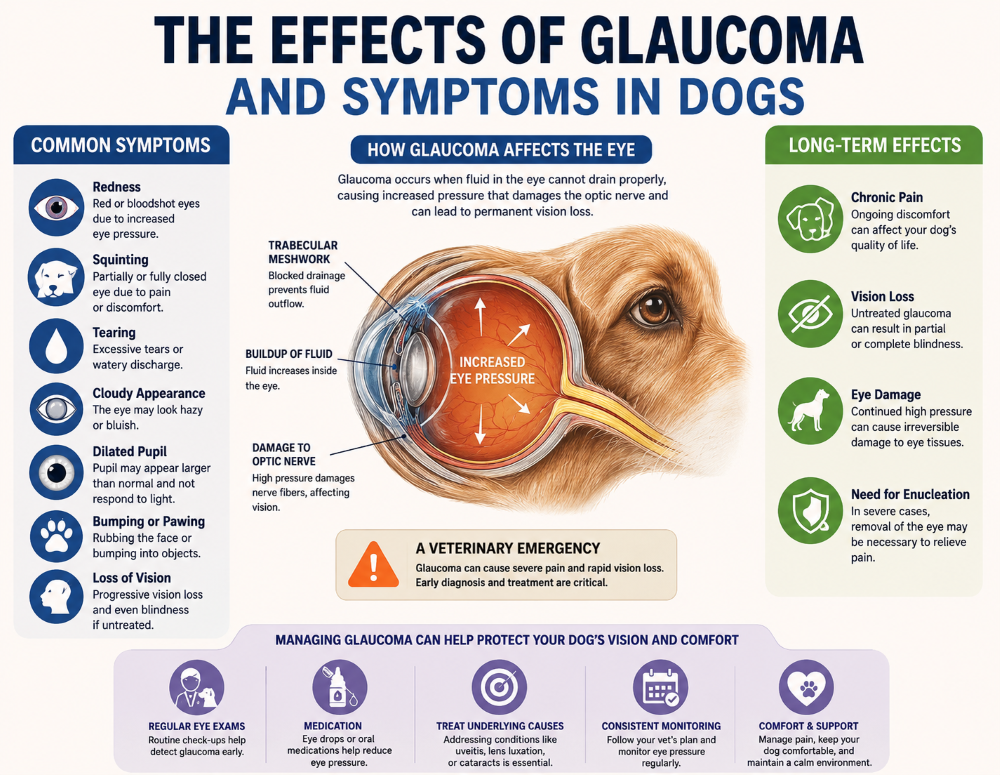
Glaucoma in dogs is a serious, progressive eye condition that affects the optic nerve and can significantly impact vision and comfort. Early signs are often subtle—like mild redness, squinting, or tearing—but can worsen rapidly if left untreated.
This visual guide highlights the most common symptoms of glaucoma and how increased eye pressure affects different parts of a dog’s eye, helping you recognize changes early and seek prompt veterinary care.


Stages of Glaucoma
- Early stage: Mild redness, tearing, squinting, or subtle eye discomfort.
- Moderate stage: Increased eye pressure, cloudiness, vision changes, and noticeable pain.
- Advanced stage: Severe pain, optic nerve damage, enlarged eye, and partial or complete blindness.
Top Ways to Prevent Glaucoma in Dogs
Because glaucoma is a progressive and potentially blinding eye condition, early detection and proactive eye care are crucial. With timely diagnosis, routine monitoring, and proper treatment, the progression of glaucoma may be slowed, helping preserve your dog’s vision and overall quality of life.
| Prevention Strategy | Why It Helps | How to Do It |
|---|---|---|
| Routine Eye Exams | Early detection helps identify pressure changes before vision damage occurs. | Schedule regular veterinary eye exams, especially for high-risk breeds. |
| Monitor Predisposed Breeds | Genetically prone dogs have a higher risk of developing glaucoma. | Closely monitor breeds like Cocker Spaniels, Beagles, and Basset Hounds. |
| Treat Eye Conditions Promptly | Conditions like uveitis, cataracts, or lens luxation can trigger secondary glaucoma. | Seek veterinary care immediately for redness, cloudiness, or eye pain. |
| Prevent Eye Injuries | Trauma can damage eye structures and increase intraocular pressure. | Avoid rough play, protect eyes during outdoor activities, and trim sharp objects around the home. |
| Follow Medication Plans | Consistent treatment can help control eye pressure and slow progression. | Administer prescribed eye drops or medications exactly as directed. |
| Maintain Overall Health | Good overall health supports eye function and reduces complications. | Provide a balanced diet, regular exercise, hydration, and routine wellness visits. |
| Watch for Early Symptoms | Recognizing signs early improves the chances of preserving vision. | Look for redness, squinting, tearing, cloudy eyes, or sudden vision changes. |
Actionable Resources
If you want to help protect your dog’s vision and manage glaucoma progression, here are some things you can do under veterinary guidance.
How Glaucoma Is Diagnosed in Dogs
Diagnosing glaucoma requires a thorough veterinary eye examination to confirm increased eye pressure and identify underlying causes. Key steps include:
- Physical & Eye Examination: A veterinarian checks for redness, cloudiness, pupil changes, pain, swelling, and vision abnormalities.
- Eye Pressure Testing (Tonometry):
- Imaging & Eye Evaluation: Eye ultrasound or retinal examination may be used to assess optic nerve damage and internal eye structures.
- Laboratory Tests: Blood work and additional testing may be performed if infection, inflammation, or underlying disease is suspected.
- Vision & Optic Nerve Assessment: Veterinarians may evaluate vision loss, retinal health, and optic nerve damage to determine disease severity.
Early diagnosis is crucial because glaucoma is a progressive condition—catching it sooner improves the chances of preserving vision and reducing pain.
Treatment & Care
According to the latest research, the most effective treatments for glaucoma in dogs are multimodal, combining pressure-lowering eye medications, pain management, treatment of underlying eye conditions, and in some cases surgical intervention, to help preserve vision and improve comfort.
Always consult your veterinarian before starting any new treatment or supplement for glaucoma. If you can’t reach your vet, you can chat live with a registered online veterinary professional via our online vet chat or video chat support (24 hours a day, 7 days a week). Or use Chewy’s online vet services (6 a.m. – midnight ET).
Conventional Medical Treatments
| Treatments | Benefits / Role |
|---|---|
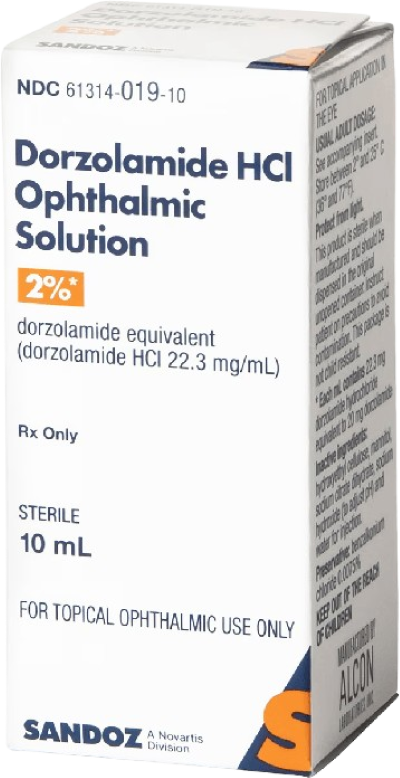
| Pressure-Lowering Eye Drops | Medications such as dorzolamide, timolol, or latanoprost help reduce intraocular pressure. |
| Pain Medications | Used to improve comfort and manage pain associated with increased eye pressure. |
| Anti-Inflammatory Medications | Help control inflammation that may worsen glaucoma or contribute to secondary eye damage. |
| Laser Therapy or Surgery | Procedures may improve fluid drainage, reduce pressure, or slow disease progression. |
| Eye Removal Surgery (Enucleation) | Recommended in severe painful blind eyes to permanently relieve discomfort and improve quality of life. |
Supplement Support
| Supplement / Nutrient | Benefits / Role |
|---|---|
| Omega-3 Fatty Acids (Fish Oil) | May help support retinal health, reduce inflammation, and promote overall eye function. |
| Lutein & Zeaxanthin | Antioxidants that help protect eye tissues from oxidative stress and support vision health. |
| Vitamin C | Provides antioxidant support that may help protect eye structures from free radical damage. |
| Vitamin E | Helps protect eye cells and tissues from oxidative stress and cellular damage. |
| Zinc | Supports normal eye function and contributes to retinal and optic nerve health. |
| Taurine | An amino acid that supports retinal function and overall ocular health in dogs. |
| Astaxanthin | A potent antioxidant that may help reduce oxidative stress within the eyes. |
| Bilberry Extract | Traditionally used to support circulation and antioxidant protection in the eyes. |
| Coenzyme Q10 (CoQ10) | Supports cellular energy production and may help protect optic nerve cells. |
Find the best over-the-counter treatments and supplements for glaucoma in dogs on Chewy.
Alternative & Integrative Therapies
| Therapy | Benefits / Role |
|---|---|
| Acupuncture | May help improve comfort, circulation, and overall well-being in dogs with chronic eye conditions. |
| Laser Therapy | In some veterinary settings, laser procedures may help reduce intraocular pressure. |
| Nutritional Therapy | Antioxidant-rich diets and supplements may support eye and optic nerve health. |
| Massage Therapy | Can help reduce stress and improve relaxation in dogs coping with chronic discomfort or vision loss. |
| Environmental Modification | Keeping furniture consistent and reducing hazards helps visually impaired dogs navigate safely. |
| Stress Reduction & Comfort Care | Calm routines and supportive home environments may improve quality of life for affected dogs. |
| Vision Support Training | Training with verbal cues and scent markers can help dogs adapt to partial or complete vision loss. |
Surgical Options
| Surgical Option | Benefits / Role |
|---|---|
| Laser Cyclophotocoagulation | Uses laser energy to reduce fluid production inside the eye and lower intraocular pressure. |
| Gonioimplant Surgery | Implants a drainage device to help excess eye fluid drain more effectively. |
| Enucleation (Eye Removal) | Recommended for painful blind eyes to permanently relieve discomfort and improve quality of life. |
| Intraocular Prosthesis | Removes internal eye contents while preserving the outer eye appearance for cosmetic purposes. |
Emotional & Lifestyle Impact
Glaucoma affects more than just a dog’s eyesight—it can reshape both their daily life and emotional well-being. Dogs living with chronic eye pain or vision loss may become less playful, more withdrawn, anxious, or easily startled, as reduced vision can make familiar activities and environments more difficult to navigate.
For owners, the experience can also be emotionally challenging, especially when managing long-term treatment, frequent medications, and concerns about blindness or discomfort. Daily routines may need to shift toward safer home layouts, supervised outdoor activity, and consistent medication schedules, while home environments often require adjustments such as keeping furniture in place, blocking hazards, and using verbal cues for guidance. With patience, support, and proper veterinary care, many dogs with glaucoma can continue to live comfortable, happy, and fulfilling lives.
Typical Annual Cost of Treating Canine Glaucoma
| Category | Estimated Annual Cost Range | Notes |
|---|---|---|
| Routine Vet Visits & Eye Exams | $300 – $1,000 | Includes eye pressure checks, exams, and monitoring visits. |
| Medications (Eye Drops & Pain Relief) | $500 – $2,000 | Depends on medication type, frequency, and duration of treatment. |
| Supplements & Nutritional Support | $200 – $1,000 | Omega-3s, antioxidants, and eye-support supplements vary by quality and brand. |
| Specialist & Diagnostic Testing | $500 – $2,500 | Includes ophthalmology consultations, tonometry, imaging, and advanced diagnostics. |
| Surgery (if needed) | $1,500 – $5,000+ | Laser procedures, drainage implants, or eye removal surgery may be required. |
| Insurance & Wellness Plans | $360 – $1,200 | May help offset costs for medications, diagnostics, and surgery. |
| Typical Annual Range | Non-Surgical Cases: $1,000 – $4,000 | With Surgery: $3,000 – $8,000+ | |
Glaucoma care can become expensive over time — from lifelong eye medications to specialist visits and possible surgery. Pet insurance and pet wellness plans can help reduce the financial burden and ensure your dog receives timely treatment and ongoing eye care. If you want to compare plans and find providers that offer strong coverage for glaucoma and chronic eye conditions, check out our full guide to the Best Pet Insurance for Dogs and Best Pet Wellness Plans.
Other Health Issues Related to Arthritis in Dogs
As mobility decreases and discomfort persists, dogs may develop additional physical and behavioral issues, and some arthritis symptoms may also be linked to these conditions rather than arthritis alone.
- Vision Loss / Blindness
- Chronic Eye Pain
- Eye Enlargement (Buphthalmos)
- Corneal Ulcers
- Retinal Damage
- Optic Nerve Degeneration
- Cataracts
- Lens Luxation
- Uveitis (Eye Inflammation)
- Anxiety or Startle Responses
- Depression / Reduced Engagement
- Disorientation or Confusion
- Sleep Disturbances
- Reduced Mobility Due to Vision Loss
- Decreased Quality of Life
Frequently Asked Questions
The Bottom Line
Glaucoma is one of the most serious and potentially blinding eye conditions dogs can face, but it doesn’t have to define their quality of life. While there is no guaranteed cure, early recognition, prompt veterinary care, and consistent treatment can make a significant difference in preserving vision and reducing pain. By monitoring eye health closely, following treatment plans, adapting the home environment, and working with a veterinarian, pet parents can help their dogs remain comfortable, confident, and emotionally supported. Ultimately, the goal is not only to protect eyesight when possible but also to ensure every dog with glaucoma lives a safe, happy, and well-cared-for life.