25 Best Dog Breeds for Seniors & the Elderly (With Info & Pictures)


Canine Bible is reader-supported. We receive affiliate commissions via some of our links. Learn more.
Looking for the best dogs for seniors? The right canine companion can bring comfort, joy, and a sense of purpose to your golden years. But not every breed is a perfect match for older adults. Some dogs require hours of exercise and constant attention, while others are happiest relaxing by your side and enjoying leisurely walks. From affectionate lap dogs to gentle, easygoing companions, certain breeds are especially well-suited to a more relaxed lifestyle. In this guide, we explore the best dog breeds for seniors—highlighting their temperament, exercise needs, grooming requirements, and what makes them wonderful companions for older adults.
What Makes a Dog Good for Seniors?
The best dogs for seniors aren’t necessarily the smallest or least active breeds. What matters most is how well a dog’s temperament, energy level, size, and care requirements match an older adult’s lifestyle and physical abilities. Some seniors prefer a relaxed lap dog, while others enjoy an active walking companion. The ideal dog should offer companionship without overwhelming physical, financial, or emotional demands.
When choosing a dog, consider exercise needs, grooming costs, trainability, and potential health problems. A low-shedding breed may require frequent grooming, while a larger dog could be difficult to handle on walks. A well-trained adult dog may also be more suitable than an energetic puppy. Ultimately, the best choice is a dog whose personality and needs fit the owner’s daily routine. The table below highlights the key qualities to consider.


| Key Factor | Why It Matters | Example Breeds | What Seniors Should Consider |
|---|---|---|---|
| Temperament & Personality | Gentle, adaptable dogs are often easier to live with and manage. |
Gentle: Cavalier King Charles
Spaniel, Japanese Chin
Independent: Pekingese, Lhasa Apso |
✅ Look for calm, friendly behavior.
⚠️ Personality varies by dog. |
| Exercise & Energy Level | Daily activity needs should match the owner’s mobility and lifestyle. |
Low: Japanese Chin
Moderate: Havanese High: Papillon |
✅ Match energy levels.
⚠️ All dogs need daily activity. |
| Size & Ease of Handling | Size affects walking, lifting, and physical control. |
Tiny: Chihuahua, Maltese
Medium: Whippet Large: Greyhound |
✅ Choose a manageable size.
⚠️ Consider leash strength and stability. |
| Trainability & Behavior | Good manners make everyday care and routines easier. |
Eager learners: Toy Poodle,
Papillon
Independent: Dachshund, Affenpinscher |
✅ Prioritize leash and house manners.
💡 Use patient, positive training. |
| Grooming & Shedding | Brushing, shedding, and trimming affect time and costs. |
Lower upkeep: Boston Terrier,
Whippet
Higher upkeep: Shih Tzu, Toy Poodle |
✅ Consider grooming costs.
⚠️ Low shedding doesn’t mean low upkeep. |
| Health & Veterinary Needs | Breed-related health risks can increase care needs and expenses. |
Back: Dachshund
Breathing: Pekingese, Boston Terrier Heart: Cavalier King Charles Spaniel |
✅ Review health history.
⚠️ Budget for veterinary care. |
| Companionship & Lifestyle Fit | Social needs should fit the owner’s daily schedule. |
People-oriented: Havanese,
Brussels Griffon
Independent: Tibetan Spaniel, Lhasa Apso |
✅ Consider time spent at home.
💡 Adult dogs can be a great match. |
Benefits of Owning a Dog for Seniors
Owning a dog can offer seniors more than companionship, providing opportunities for physical activity, emotional well-being, and social connection. Regular interactions and daily care routines may also promote mental engagement and a greater sense of purpose.
| Benefit | How It Helps Seniors |
|---|---|
| Companionship | Provides affection and daily interaction, which may reduce feelings of loneliness. |
| Physical Activity | Encourages regular walks, gentle movement, and a more active lifestyle. |
| Emotional Well-Being | Offers comfort, affection, and opportunities for stress relief. |
| Social Interaction | Creates opportunities to meet neighbors and connect with other dog owners. |
| Daily Routine | Establishes structure through feeding, walks, playtime, and regular care. |
| Mental Stimulation | Encourages engagement through training, play, and shared activities. |
Best Dog Breeds for Seniors
Here are the best dog breeds for seniors:


If you’re ready to bring home your family’s next furry friend, Pawrade and PuppySpot are the top resources for getting one of these dog breeds. They offer puppies from reputable breeders in the U.S.
-

About this breed
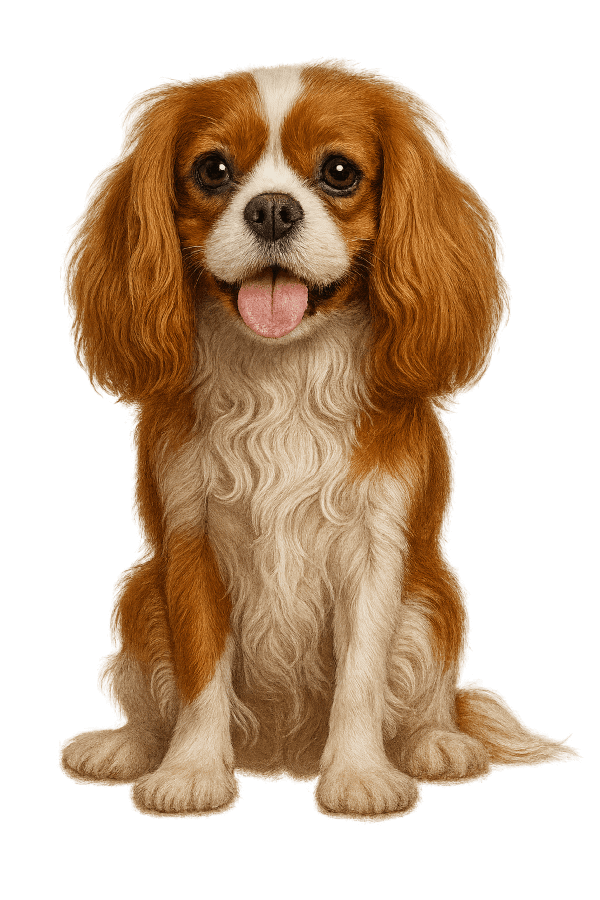
The Cavalier King Charles Spaniel is a small, affectionate breed known for its silky, feathered coat and gentle nature. Cavaliers enjoy easy walks, lap time, and staying close to their families. Their adaptable temperament makes them well suited to many senior households, though they dislike being left alone for long periods. Regular brushing and veterinary care are important, especially because of inherited heart and neurological risks. Read the full breed guide
- Height
- 12–13 inches
- Weight
- 13–18 lbs
- Coat
- Silky · Medium-length · Feathered
- Energy
- Moderate
- Grooming
- Moderate
- Shedding
- Moderate
Common coat colors
- Blenheim
- Tricolor
- Ruby
- Black & Tan
General temperament
Hypoallergenic
NoBest for:
Seniors seeking a gentle, affectionate companion who enjoys leisurely walks and lap time.
-
About this breed
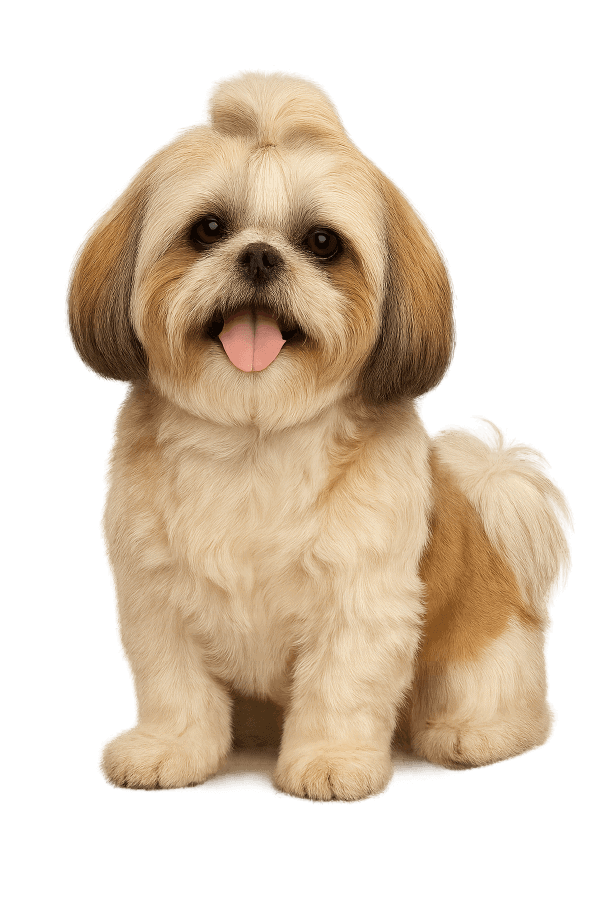
The Shih Tzu is an affectionate toy breed developed as a companion in Chinese royal households. Its small size, friendly personality, and preference for short walks make it appealing to seniors who enjoy a relaxed daily routine. Shih Tzus are devoted lap dogs, but their long coats need frequent brushing and regular trims. Their short muzzles and prominent eyes also require care, particularly in hot weather. Read the full breed guide
- Height
- 9–10.5 inches
- Weight
- 9–16 lbs
- Coat
- Long · Dense · Silky · Double coat
- Energy
- Low–moderate
- Grooming
- High
- Shedding
- Low
Common coat colors
- Gold & White
- Black & White
- Black
- Liver
- Brindle
- White
General temperament
Hypoallergenic
Low-shedding; not allergy-freeBest for:
Seniors seeking an affectionate indoor companion with modest exercise needs who can manage regular grooming.
-
About this breed
The Bichon Frise is a cheerful, affectionate companion known for its fluffy white curls and friendly personality. Bichons enjoy short walks, gentle games, and social time, making them a good match for seniors who want a lively but manageable small dog. They generally adapt well to apartment living and respond positively to patient training. Although they shed very little, their coats need frequent brushing and professional grooming, and routine dental and skin care remain important. Read the full breed guide
- Height
- 9.5–11.5 inches
- Weight
- 12–18 lbs
- Coat
- Soft · Curly · Dense double coat
- Energy
- Moderate
- Grooming
- High
- Shedding
- Very low
Common coat colors
- White
- White with Cream
- White with Apricot
General temperament
Hypoallergenic
Low-shedding; not allergy-freeBest for:
Seniors wanting a sociable, playful small companion who can provide daily interaction and regular coat care.

-

About this breed
The Maltese is a tiny Mediterranean companion breed admired for its flowing white coat and devoted personality. Maltese dogs enjoy short walks, indoor play, and spending time close to their owners, making them appealing to seniors in smaller homes. Their delicate size calls for careful handling, while their alert nature can lead to barking. Although they shed very little, they require daily coat care or regular trimming, along with attention to dental and kneecap health. Read the full breed guide
- Height
- 7–9 inches
- Weight
- 4–7 lbs
- Coat
- Long · Straight · Silky · Single coat
- Energy
- Moderate
- Grooming
- High
- Shedding
- Very low
Common coat colors
- White
- White with Ivory Shading
- White with Pale Lemon Shading
General temperament
Hypoallergenic
Low-shedding; not allergy-freeBest for:
Seniors who want a tiny, devoted lap dog and can provide gentle handling and consistent grooming.

-
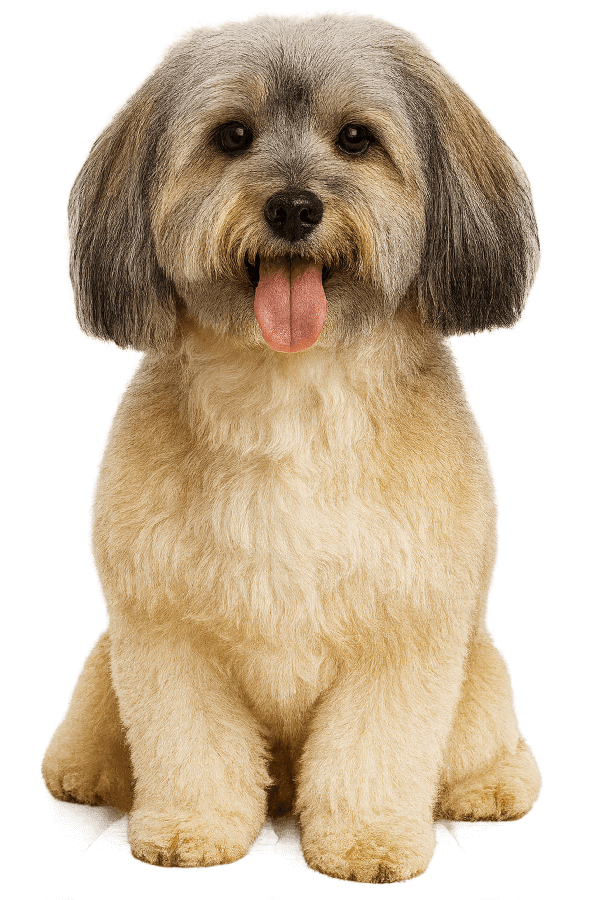
About this breed
The Havanese is a friendly Cuban toy breed known for its silky coat, playful personality, and strong attachment to people. Havanese enjoy short walks, gentle games, and relaxing beside their owners, making them appealing to seniors who spend plenty of time at home. They are intelligent and adaptable, but may become anxious when left alone for extended periods. Their low-shedding coats need frequent brushing and grooming, while routine veterinary care should include dental, eye, and joint checks. Read the full breed guide
- Height
- 8.5–11.5 inches
- Weight
- 7–13 lbs
- Coat
- Long · Silky · Wavy · Double coat
- Energy
- Moderate
- Grooming
- High
- Shedding
- Low
Common coat colors
- White
- Cream
- Gold
- Black
- Chocolate
- Sable
- Parti-color
General temperament
Hypoallergenic
Low-shedding; not allergy-freeBest for:
Seniors looking for a cheerful, devoted companion who enjoys daily interaction, gentle exercise, and close companionship.
-
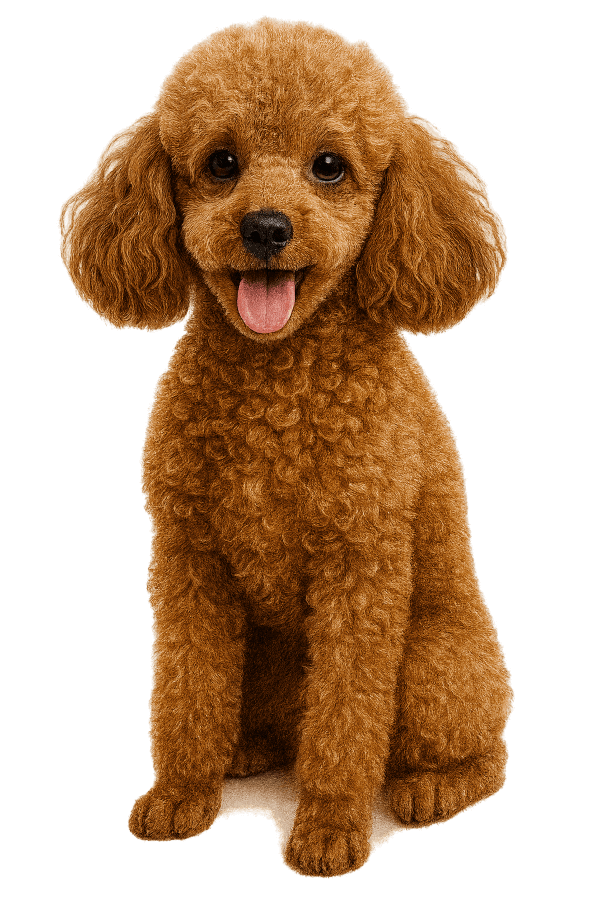
About this breed
The Toy Poodle is a bright, affectionate little dog known for its curly coat and exceptional trainability. Toy Poodles enjoy daily walks, puzzle games, and learning tricks, making them excellent companions for seniors who like mental engagement. They adapt well to apartments but can become vocal or restless without attention and stimulation. Their low-shedding coats require frequent brushing and professional grooming, while dental, eye, and kneecap health deserve monitoring. Read the full breed guide
- Height
- 9–11 inches
- Weight
- 4–6 lbs
- Coat
- Dense · Curly · Single coat
- Energy
- Moderate–high
- Grooming
- High
- Shedding
- Very low
Common coat colors
- Apricot
- Black
- White
- Cream
- Red
- Brown
- Silver
General temperament
Hypoallergenic
Low-shedding; not allergy-freeBest for:
Seniors who enjoy training and interactive play and can provide regular professional grooming.
-
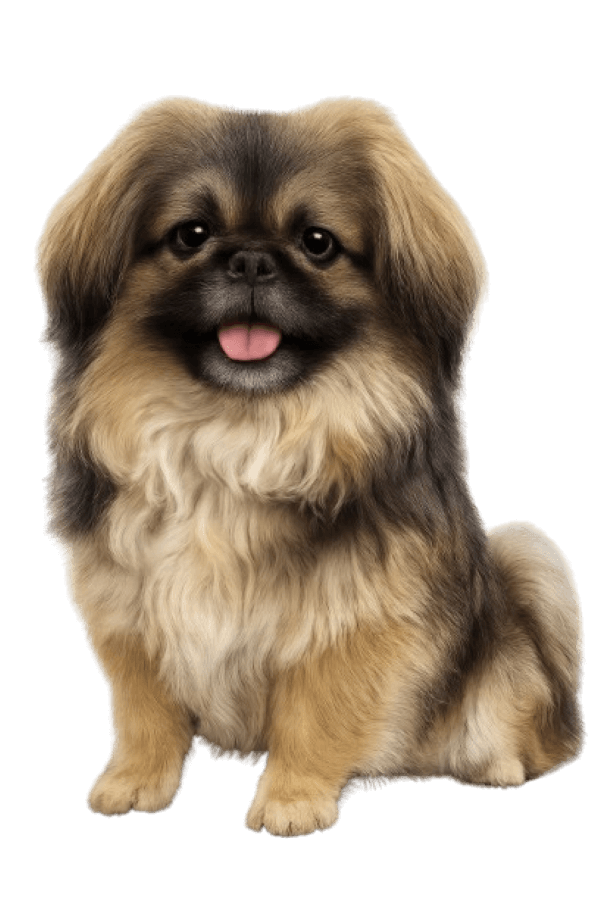
About this breed
The Pekingese is an ancient Chinese companion dog admired for its lion-like mane, dignified manner, and loyalty. Pekingese enjoy calm homes, short walks, and resting with familiar people, which can suit seniors seeking a quieter companion. However, they may be independent and vocal, and their heavy double coats need frequent brushing. Their flat faces also make them vulnerable to breathing difficulties and overheating, especially during warm or humid weather. Read the full breed guide
- Height
- 6–9 inches
- Weight
- 7–14 lbs
- Coat
- Long · Straight · Dense double coat
- Energy
- Low–moderate
- Grooming
- High
- Shedding
- High
Common coat colors
- Fawn
- Red
- Sable
- Black
- Cream
- White
- Parti-color
General temperament
Hypoallergenic
NoBest for:
Seniors preferring a calm, devoted indoor companion who can manage heavy grooming and heat precautions.
-
About this breed
The Pomeranian is a lively little Spitz breed recognized for its plush coat, fox-like face, and confident personality. Pomeranians enjoy short daily walks and indoor games, making them entertaining companions for seniors who appreciate an alert, playful pet. They form strong attachments and learn quickly, although frequent barking may require patient training. Their thick double coats need consistent brushing, and their small size calls for gentle handling and dental and kneecap care. Read the full breed guide
- Height
- 6–7 inches
- Weight
- 3–7 lbs
- Coat
- Thick · Fluffy · Double coat
- Energy
- Moderate–high
- Grooming
- Moderate–high
- Shedding
- Moderate–high
Common coat colors
- Orange
- Black
- White
- Cream
- Sable
- Blue
- Chocolate
General temperament
Hypoallergenic
NoBest for:
Seniors who enjoy a spirited, compact companion and can provide regular brushing and positive barking training.

-
About this breed
The Yorkshire Terrier, or Yorkie, is a tiny English terrier with a silky coat and a bold personality. Yorkies are affectionate and attentive companions that enjoy short walks, indoor play, and close contact with their owners. For seniors, their light weight is convenient, but their strong-willed nature and tendency to bark call for patient training. Their fine coats need regular brushing or trimming, and their delicate frames require careful handling and attention to dental and kneecap health. Read the full breed guide
- Height
- 7–8 inches
- Weight
- 4–7 lbs
- Coat
- Long · Straight · Silky · Single coat
- Energy
- Moderate–high
- Grooming
- High
- Shedding
- Very low
Common coat colors
- Blue & Tan
- Blue & Gold
- Black & Tan
- Black & Gold
General temperament
Hypoallergenic
Low-shedding; not allergy-freeBest for:
Seniors seeking a tiny, lively companion who can manage regular grooming, careful handling, and consistent training.

-

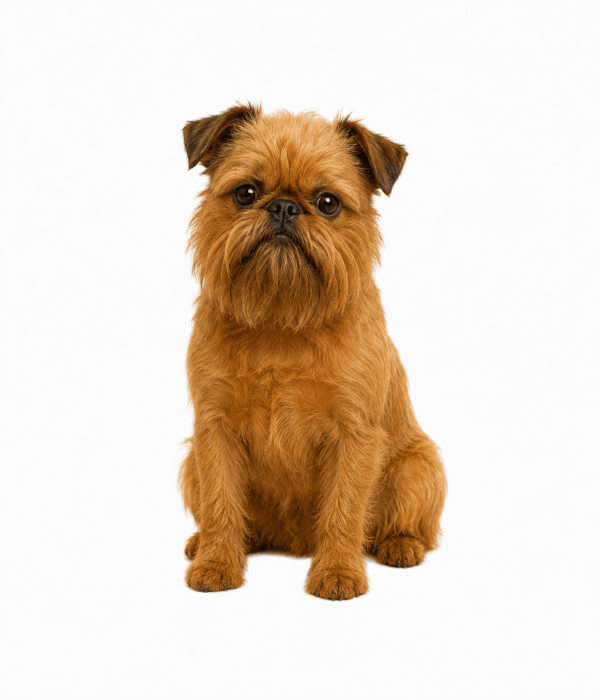
About this breed
The Brussels Griffon is a small Belgian companion dog with an expressive face, lively personality, and strong devotion to its owner. Griffons enjoy gentle walks, indoor games, and staying close to familiar people, making them appealing to seniors who spend plenty of time at home. They can be sensitive to prolonged separation and may alert-bark at unfamiliar sounds. Their grooming needs depend on whether the coat is rough or smooth, while their short muzzles and prominent eyes require special attention. Read the full breed guide
- Height
- 7–10 inches
- Weight
- 8–12 lbs
- Coat
- Rough · Wiry or Short · Smooth
- Energy
- Moderate
- Grooming
- Low–high; coat-dependent
- Shedding
- Low–moderate
Common coat colors
- Red
- Black
- Belge
- Black & Tan
General temperament
Hypoallergenic
NoBest for:
Seniors who want a devoted, engaging indoor companion and can provide companionship, gentle activity, and coat-specific care.
-
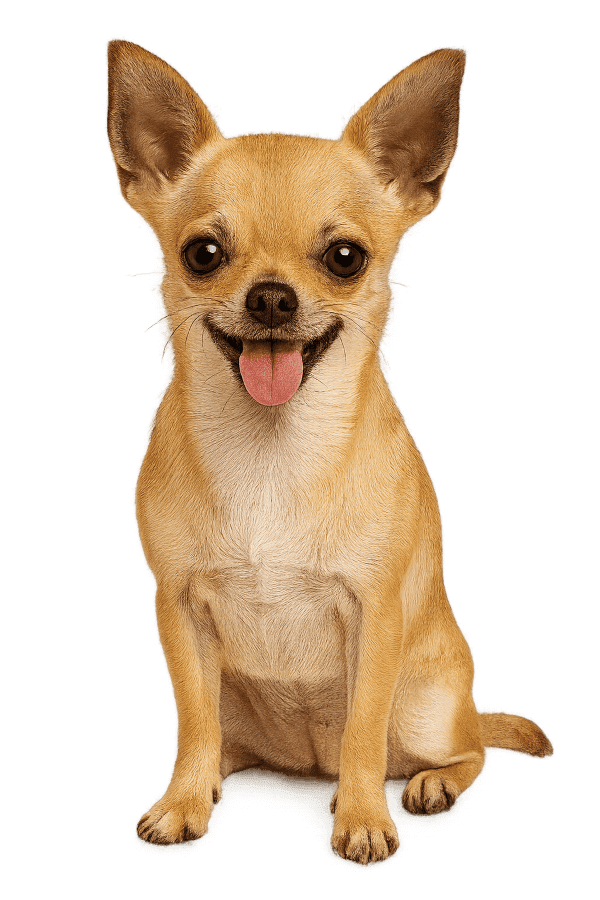
About this breed
The Chihuahua is a tiny Mexican toy breed with a bold personality and strong devotion to its owner. Chihuahuas enjoy lap time, indoor play, and short walks, making them appealing to seniors who want a portable companion. Despite their size, they can be vocal and protective, so gentle socialization and consistent training are important. Smooth-coated dogs need minimal brushing, while long-coated varieties need more attention. Their fragile build and susceptibility to dental disease and kneecap problems also deserve care. Read the full breed guide
- Height
- 5–8 inches
- Weight
- 2–6 lbs
- Coat
- Short · Smooth or Long · Soft
- Energy
- Moderate–high
- Grooming
- Low–moderate
- Shedding
- Moderate
Common coat colors
- Fawn
- Black
- White
- Chocolate
- Cream
- Red
- Black & Tan
General temperament
Hypoallergenic
NoBest for:
Seniors who want a tiny, loyal companion and can provide gentle handling, socialization, and consistent training.
-

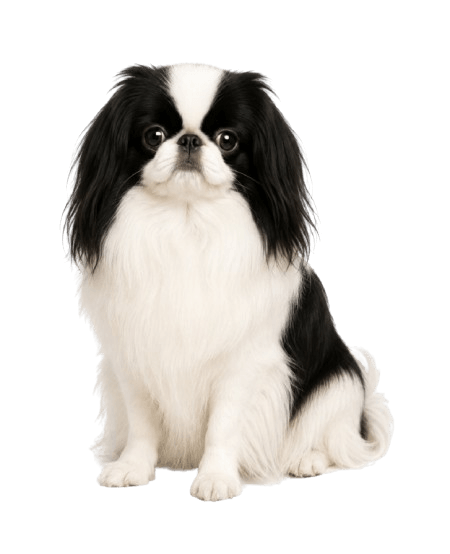
About this breed
The Japanese Chin is an elegant Asian toy breed known for its silky coat, expressive face, and gentle, catlike personality. Chins often enjoy quiet companionship, short walks, and occasional indoor games, making them appealing to seniors who prefer a relaxed household. They form close bonds with familiar people but may be reserved with strangers. Their feathered coats need regular brushing, and their small frames and short muzzles call for careful handling and protection from heat. Read the full breed guide
- Height
- 8–11 inches
- Weight
- 7–11 lbs
- Coat
- Long · Straight · Silky · Feathered
- Energy
- Low–moderate
- Grooming
- Moderate
- Shedding
- Moderate
Common coat colors
- Black & White
- Red & White
- Black, Tan & White
General temperament
Hypoallergenic
NoBest for:
Seniors who want a gentle, quiet companion with modest exercise needs and can provide careful handling and regular brushing.
-

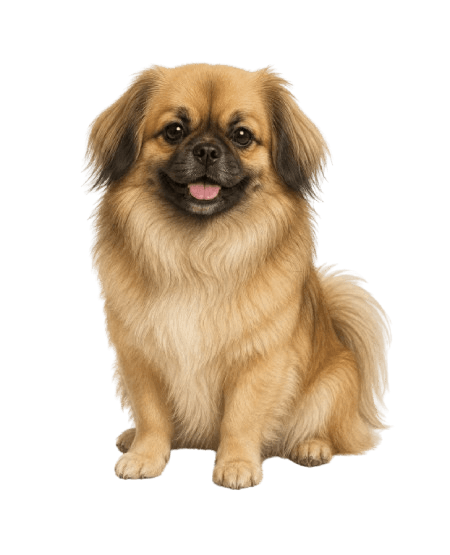
About this breed
The Tibetan Spaniel is a small, affectionate companion originally kept by monks in Tibetan monasteries. Known for its silky mane and alert, independent personality, this breed enjoys short walks, watching its surroundings, and relaxing near familiar people. Tibetan Spaniels can suit seniors who appreciate a devoted dog that is not constantly demanding attention. Their alert barking and independent streak benefit from positive training, while their feathered double coats need brushing and occasional extra care during seasonal shedding. Read the full breed guide
- Height
- About 10 inches
- Weight
- 9–15 lbs
- Coat
- Silky · Feathered · Double coat
- Energy
- Moderate
- Grooming
- Moderate
- Shedding
- Moderate · Seasonal
Common coat colors
- Gold
- Cream
- Red
- Black
- White
- Sable
- Black & Tan
General temperament
Hypoallergenic
NoBest for:
Seniors seeking an affectionate but independent small dog with manageable exercise needs and an alert personality.
-
About this breed
The Lhasa Apso is a sturdy Tibetan companion breed originally kept as an alert watchdog in monasteries and palaces. Lhasas are devoted to their families but often reserved with strangers, making them suitable for seniors who appreciate an independent personality. Their modest exercise requirements can fit a relaxed routine, although they still enjoy walks and indoor play. Their long coats require frequent brushing or regular trims, and their strong-willed nature benefits from patient, positive training. Read the full breed guide
- Height
- 10–11 inches
- Weight
- 12–18 lbs
- Coat
- Long · Dense · Straight · Double coat
- Energy
- Low–moderate
- Grooming
- High
- Shedding
- Low
Common coat colors
- Gold
- Cream
- Honey
- White
- Black
- Grizzle
- Red
- Parti-color
General temperament
Hypoallergenic
Low-shedding; not allergy-freeBest for:
Seniors wanting a small, confident companion with modest exercise needs who can maintain a long coat and patient training.

-

About this breed
The Papillon is a lively European toy spaniel distinguished by its butterfly-shaped ears and silky, feathered coat. Despite its delicate appearance, this breed is athletic, intelligent, and eager to learn. Papillons can be excellent companions for active seniors who enjoy daily walks, trick training, and interactive games. They adapt well to smaller homes but need mental stimulation and may bark when excited. Regular brushing, gentle handling, and routine dental and kneecap care are important. Read the full breed guide
- Height
- 8–11 inches
- Weight
- 5–10 lbs
- Coat
- Long · Silky · Straight · Single coat
- Energy
- High
- Grooming
- Moderate
- Shedding
- Moderate
Common coat colors
- White & Sable
- White & Black
- White & Red
- Tricolor
- White & Lemon
General temperament
Hypoallergenic
NoBest for:
Active seniors who want a small, intelligent walking companion and enjoy training, games, and regular interaction.

-
About this breed
The Miniature Schnauzer is a sturdy German terrier known for its distinctive beard, lively personality, and intelligence. These friendly dogs enjoy daily walks, interactive games, and learning commands, making them good companions for active seniors. Their compact size is manageable, but alert barking and a strong interest in their surroundings call for consistent training. The wiry double coat sheds relatively little but needs regular brushing, clipping, or hand-stripping. Owners should also monitor dental health and potential metabolic concerns. Read the full breed guide
- Height
- 12–14 inches
- Weight
- 11–20 lbs
- Coat
- Wiry · Dense · Double coat
- Energy
- Moderate–high
- Grooming
- Moderate–high
- Shedding
- Low
Common coat colors
- Salt & Pepper
- Black & Silver
- Black
General temperament
Hypoallergenic
Low-shedding; not allergy-freeBest for:
Active seniors who want an intelligent, sturdy small dog and can provide daily walks, training, and regular coat maintenance.

-
About this breed
The Boston Terrier is a friendly American companion nicknamed the “American Gentleman” for its distinctive tuxedo markings. Boston Terriers are affectionate, playful, and adaptable, enjoying daily walks, indoor games, and relaxed time with their owners. Their compact build and easy-care coat can appeal to seniors, although they still need regular activity. Because of their short muzzles, Boston Terriers can have breathing difficulties and are vulnerable to overheating. Eye care and choosing a dog with comfortable breathing are also important. Read the full breed guide
- Height
- 15–17 inches
- Weight
- 12–25 lbs
- Coat
- Short · Smooth · Fine
- Energy
- Moderate
- Grooming
- Low
- Shedding
- Low–moderate
Common coat colors
- Black & White
- Brindle & White
- Seal & White
General temperament
Hypoallergenic
NoBest for:
Seniors seeking a friendly, playful companion with minimal coat care who can accommodate its breathing and heat-related needs.

-
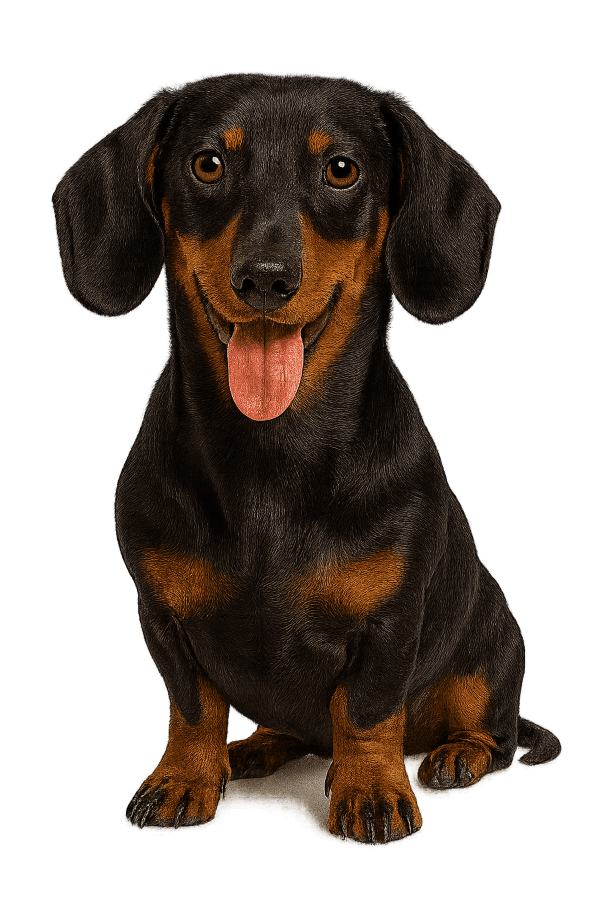
About this breed
The Dachshund is a German scent hound known for its long body, short legs, and courageous personality. Dachshunds are loyal, entertaining companions that enjoy daily sniffing walks, play, and time with their families. Their compact size can appeal to seniors, although they can be vocal and stubborn. Their elongated backs make them especially vulnerable to intervertebral disc disease (IVDD), so maintaining a healthy weight, limiting jumping, and providing proper support when lifting are important. Grooming needs vary among smooth, longhaired, and wirehaired varieties. Read the full breed guide
- Height
- 5–9 inches
- Weight
- Mini: up to 11 lbs; standard: 16–32 lbs
- Coat
- Smooth · Longhaired · Wirehaired
- Energy
- Moderate
- Grooming
- Low–moderate; coat-dependent
- Shedding
- Low–moderate; coat-dependent
Common coat colors
- Red
- Black & Tan
- Chocolate & Tan
- Cream
- Dapple
- Wild Boar
General temperament
Hypoallergenic
NoBest for:
Seniors who enjoy an affectionate, spirited companion and can manage regular activity, consistent training, and essential back-care precautions.
-
About this breed
The West Highland White Terrier, or Westie, is a sturdy Scottish terrier with a distinctive white coat and confident personality. Westies are affectionate, lively dogs that enjoy daily walks, play, and exploring new scents. They can suit active seniors who want a compact but spirited companion, although their independent nature and instinct to chase small animals require consistent training and secure walks. Their harsh double coats need regular brushing, trimming, or hand-stripping, and some Westies are prone to skin and allergy problems. Read the full breed guide
- Height
- 10–11 inches
- Weight
- 15–20 lbs
- Coat
- Harsh · Straight · Double coat
- Energy
- Moderate–high
- Grooming
- Moderate–high
- Shedding
- Low–moderate
Common coat colors
- White
General temperament
Hypoallergenic
Low-shedding; not allergy-freeBest for:
Active seniors seeking a sturdy, cheerful small dog who can provide daily exercise, consistent training, and coat care.

-
About this breed
The Whippet is a gentle English sighthound known for its slim build, impressive speed, and surprisingly relaxed indoor personality. Whippets often enjoy lounging near their owners between daily walks and occasional short runs, making them appealing to active seniors seeking a calm house companion. Their smooth, short coats require little grooming, but their 25–40-pound size and sudden sprinting ability require confident leash handling. Because of their strong prey drive, exercise in open areas should be securely fenced. They also appreciate warmth in cooler weather. Read the full breed guide
- Height
- 18–22 inches
- Weight
- 25–40 lbs
- Coat
- Short · Smooth · Fine
- Energy
- Moderate · Sprinting bursts
- Grooming
- Low
- Shedding
- Low
Common coat colors
- Fawn
- Brindle
- Black
- White
- Blue
- Red
- Fawn & White
General temperament
Hypoallergenic
NoBest for:
Active seniors who can comfortably handle a medium-sized dog and want a gentle, low-grooming companion with a relaxed indoor nature.

-
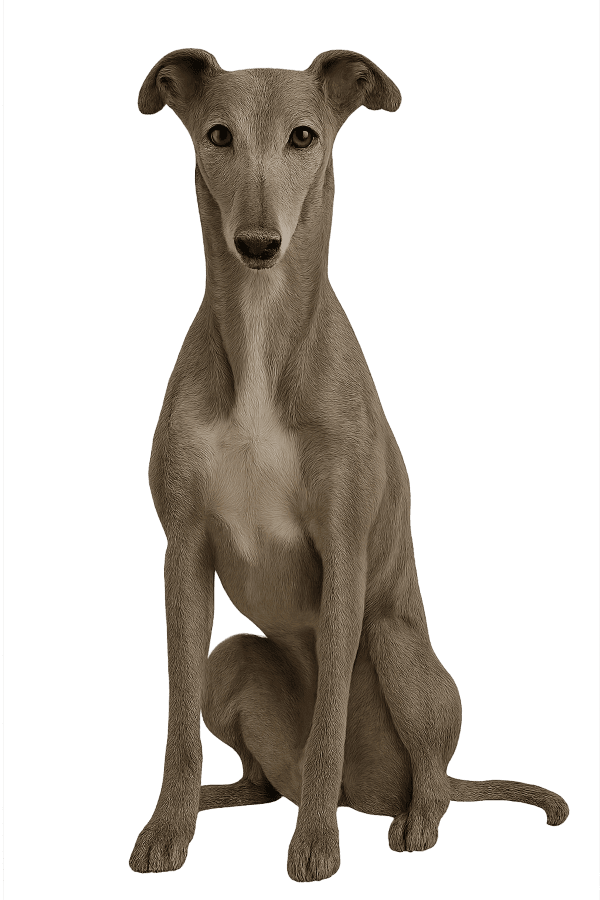
About this breed
The Greyhound is a tall, graceful sighthound famous for its speed and surprisingly relaxed indoor temperament. Many adult Greyhounds enjoy spending most of the day resting between daily walks and occasional runs in safely enclosed areas. Their quiet, affectionate nature can suit seniors who want a calm large dog. However, their strength, sudden acceleration, and instinct to chase moving animals require confident leash handling. Their short coats need little grooming, but they benefit from soft bedding, dental care, and protection from cold weather. Read the full breed guide
- Height
- 27–30 inches
- Weight
- 60–70 lbs
- Coat
- Short · Smooth · Fine
- Energy
- Moderate · Sprinting bursts
- Grooming
- Low
- Shedding
- Low–moderate
Common coat colors
- Black
- White
- Fawn
- Blue
- Brindle
- Red
- Black & White
General temperament
Hypoallergenic
NoBest for:
Seniors who can comfortably handle a large dog and want a quiet, affectionate companion with low grooming needs and a relaxed indoor lifestyle.
-

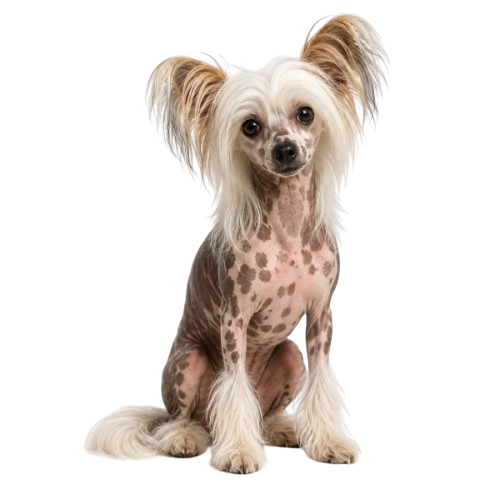
About this breed
The Chinese Crested is an affectionate toy breed available in two varieties: Hairless, with silky furnishings on the head, feet, and tail, and Powderpuff, with a full, soft coat. Both are playful, attentive companions that enjoy short walks and close contact with their owners. Their small size can suit senior households, but they need regular companionship. Hairless dogs require skin care, sun protection, and warmth, while Powderpuffs need brushing to prevent mats. Dental care is especially important in the Hairless variety. Read the full breed guide
- Height
- 11–13 inches
- Weight
- 8–12 lbs
- Coat
- Hairless or Soft · Long Powderpuff
- Energy
- Moderate
- Grooming
- Moderate–high; variety-dependent
- Shedding
- Very low–low
Common coat colors
- White
- Black
- Cream
- Blue
- Chocolate
- Apricot
- Slate
General temperament
Hypoallergenic
Low-shedding; not allergy-freeBest for:
Seniors wanting a small, devoted indoor companion who can provide regular companionship and the appropriate skin or coat care.
-
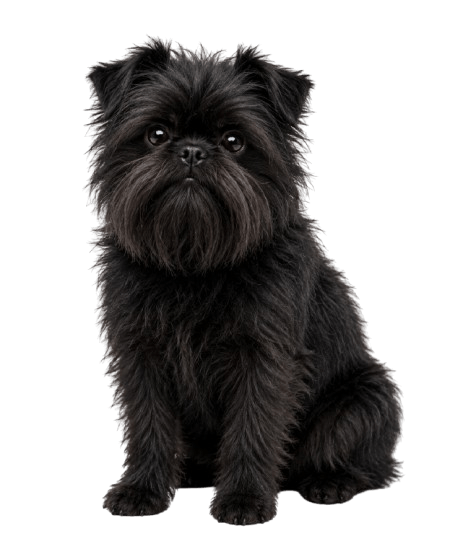
About this breed
The Affenpinscher is a small German toy breed known for its shaggy, wiry coat and expressive, monkey-like face. Despite its tiny size, this dog is confident, curious, and playful. Affenpinschers can suit seniors who enjoy an entertaining companion and have time for short walks, training, and indoor games. Their independent streak and alert barking require patient guidance. Their coarse coats need regular brushing and occasional professional grooming, while their delicate build and relatively short muzzle call for careful handling and attention to breathing and dental health. Read the full breed guide
- Height
- 9–11.5 inches
- Weight
- 7–10 lbs
- Coat
- Dense · Rough · Wiry · Shaggy
- Energy
- Moderate
- Grooming
- Moderate
- Shedding
- Low
Common coat colors
- Black
- Gray
- Silver
- Red
- Beige
- Black & Tan
General temperament
Hypoallergenic
NoBest for:
Seniors who want a bold, playful small companion and can provide gentle handling, patient training, and regular grooming.
-
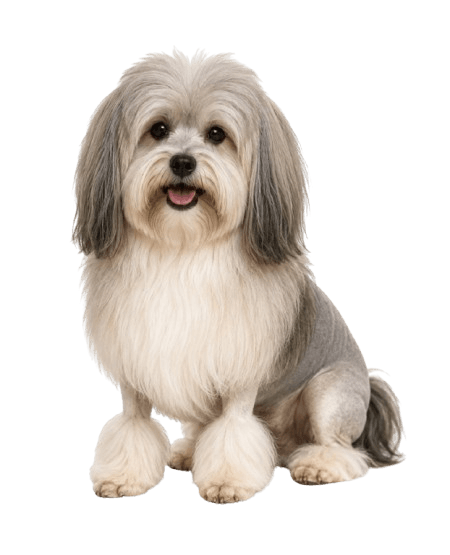
About this breed
The Löwchen, also called the Little Lion Dog, is a rare European companion breed recognized for its cheerful nature and distinctive lion-style trim. Löwchens are affectionate, intelligent, and adaptable, enjoying daily walks, gentle games, and spending time with their families. Their manageable size can appeal to seniors who want a friendly, trainable companion, although they still need regular activity and attention. Their long, soft coats shed relatively little but require frequent brushing and professional grooming. The traditional lion clip is optional for household pets. Read the full breed guide
- Height
- 11–14 inches
- Weight
- 15–18 lbs
- Coat
- Long · Soft · Slightly Wavy
- Energy
- Moderate
- Grooming
- High
- Shedding
- Low
Common coat colors
- Black
- White
- Cream
- Brown
- Gray
- Red
- Gold
General temperament
Hypoallergenic
Low-shedding; not allergy-freeBest for:
Seniors who want a cheerful, sociable small companion and can provide daily interaction, moderate exercise, and regular grooming.
-
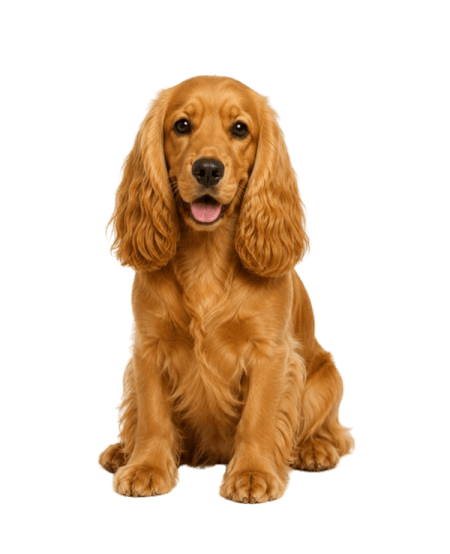
About this breed
The English Cocker Spaniel is a cheerful, affectionate sporting dog recognized for its silky feathered coat, long ears, and gentle expression. Originally bred to flush game birds, this breed remains energetic and enjoys daily walks, outdoor exploration, and interactive play. English Cockers can make wonderful companions for active seniors who appreciate a friendly, trainable dog and can manage its medium size. Their coats need regular brushing and trimming, while their floppy ears require attention to prevent infections. They thrive on companionship and mental stimulation. Read the full breed guide
- Height
- 15–17 inches
- Weight
- 26–34 lbs
- Coat
- Medium · Silky · Feathered
- Energy
- High
- Grooming
- Moderate–high
- Shedding
- Moderate
Common coat colors
- Black
- Golden
- Liver
- Red
- Blue Roan
- Orange Roan
- Black & White
General temperament
Hypoallergenic
NoBest for:
Active seniors who enjoy longer daily walks and want an affectionate, trainable medium-sized dog with regular grooming and exercise needs.
Should Seniors Get a Puppy, Adult Dog, or Senior Dog?
The age of a dog can significantly affect its behavior, training needs, and adjustment to a new home. Puppies require more patience and supervision, while adult and senior dogs often have more established personalities and predictable routines.
| Life Stage | Behavioral Expectations | Adjustment to a New Home |
|---|---|---|
| Puppy | High energy, chewing, housetraining accidents, and developing habits. | Requires frequent supervision, socialization, and consistent training. |
| Adult Dog | More predictable temperament and energy; may have established habits. | Often settles with a consistent routine, though some behaviors may need retraining. |
| Senior Dog | Often calmer, with established preferences and more relaxed routines. | Benefits from a quiet environment, familiar routines, and patient introductions. |
Note: Life-stage ages vary by breed and size. Individual behavior and adjustment also differ. An adult dog is often the most predictable choice for seniors, but a calm senior dog can also be an excellent companion. Puppies generally require the most training and supervision.
How Much Does It Cost to Own a Dog?
Owning a dog involves more than the initial adoption or purchase price. Food, veterinary care, grooming, and other recurring expenses can add up over time.
| Expense | Estimated Cost (USD) | Frequency |
|---|---|---|
| Adoption or Purchase |
Adoption: $50–$300 Breeder: $500–$5,000+ |
One-time |
| Starter Supplies | $150–$350 | Initial purchase |
| Food | $275–$800 | Annually |
| Routine Vet Care & Prevention | $430–$890 | Annually |
| Grooming | $50–$500 | Annually |
| Pet Insurance (Optional) | About $749 average (2024) | Annually |
| Boarding, Pet Sitting & Walking | Varies by usage | As needed |
| Emergency Veterinary Care | Variable; potentially substantial | Unexpected |
Note: These are approximate U.S. costs, not guaranteed prices. Routine veterinary care includes preventive medications. Insurance premiums vary by dog and coverage. Initial veterinary procedures, taxes, and emergencies can add to these amounts.
Key Tips for Seniors Preparing to Own a Dog
Preparing for a new dog involves more than gathering supplies. A safe home, consistent daily routine, and reliable support system can help seniors manage pet care responsibilities while making the transition easier for their new companion. Here are some practical steps to take before bringing a dog home.
Frequently Asked Questions
The Bottom Line
The best dogs for seniors are those whose needs fit comfortably into their owner’s everyday life. Among the 25 breeds covered in this guide, there are gentle lap dogs, independent companions, and energetic walking partners to suit different lifestyles. Temperament, trainability, and ease of handling are just as important as a dog’s size or appearance. Exercise requirements, grooming responsibilities, and potential health concerns should also factor into the decision. While puppies can be rewarding, adult and senior dogs may offer more predictable personalities and established routines. Taking time to meet a dog and understand its individual needs can help ensure a successful match. Ultimately, choosing the right companion is about creating a happy, manageable, and lasting relationship for both the senior and the dog.
If you’re still deciding which dog is right for you, explore our guide to choosing the right dog for your lifestyle to compare breeds based on your daily routine and preferences. For those living in smaller homes, our list of the best dog breeds for apartments offers more suitable options. If you’re considering a rescue companion, read our complete guide to adopting a dog for help navigating the process.