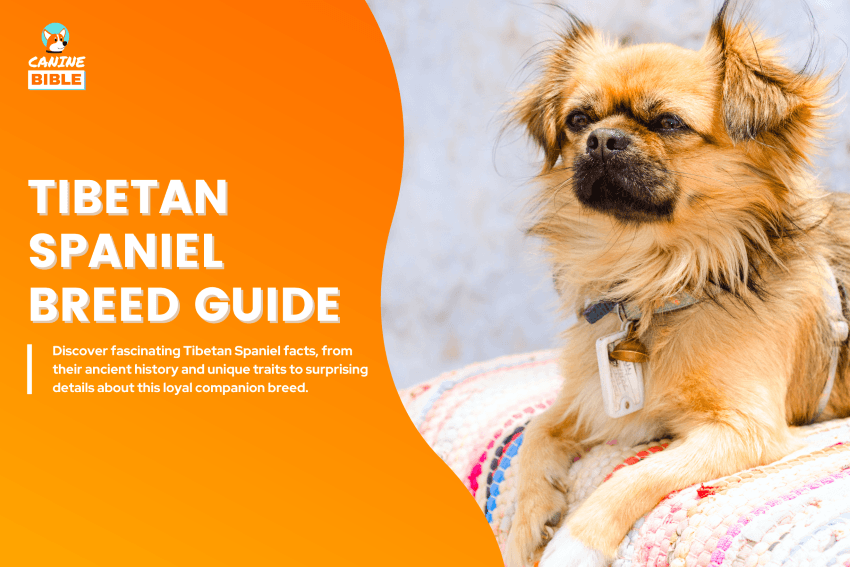
Tibetan Spaniel Dog Breed Information: Traits, Facts, Care & More

Canine Bible is reader-supported. We receive affiliate commissions via some of our links. Learn more.
Tibetan Spaniel Distribution Map
Click a country to see estimated Tibetan Spaniel population numbers.
Estimated Tibetan Spaniel Population by Country (Top 10)
Population numbers are directional estimates, not official registry counts.
At a Glance
A good fit if…
You want an affectionate, intelligent companion that enjoys staying close to the family without requiring excessive exercise.
Be prepared for…
An independent thinker, seasonal shedding, regular brushing and an alert nature that notices changes around the home.
Did you know?
Tibetan Spaniels were traditionally treasured by Buddhist monks and lamas and were historically given as gifts rather than sold.
Scientific Classification
Tibetan Spaniel Growth Chart
Tibetan Spaniels typically grow rapidly during their first 6 months, then their growth gradually slows as they approach adulthood. Most reach an adult weight of about 9–15 pounds and stand around 10 inches tall, with their full size usually reached by about 10–12 months of age.
Typical weight and height development from 1 to 12 months.
Size comparison
Human
5’8″ 173 cm
Tibetan Spaniel
10 in 25 cm
Dog height is measured from the ground to the top of the shoulders (withers).


Physical Measurements
| Measurement | Male | Female |
|---|---|---|
|
Height
|
59 cm 23.2 in 56–61 cm 22.0–24.0 in | 54 cm 21.3 in 51–56 cm 20.1–22.0 in |
|
Length
|
1.1 m 43.3 in 95 cm–1.1 m 37.4–43.3 in | 1.3 m 51.2 in 1.1–1.4 m 43.3–55.1 in |
|
Weight
|
32 kg 70.5 lb 29–34 kg 63.9–75.0 lb | 29 kg 63.9 lb 25–32 kg 55.1–70.5 lb |
|
Tail length
|
35 cm 13.8 in 30–40 cm 11.8–15.7 in | 35 cm 13.8 in 30–40 cm 11.8–15.7 in |
|
Top speed
|
35 km/h 21.7 mph | 35 km/h 21.7 mph |
History & Origin
Tibet
Tibetan Spaniels developed in the Himalayan region of Tibet, where Buddhist monks and lamas kept them as valued companions and alert monastery sentinels. Their keen eyesight and hearing made them especially suited to watching from elevated monastery walls and sounding an alarm when something unusual approached. Over centuries, these small dogs became closely associated with monastery life and were valued not only for their vigilance but also for their intelligence and close relationship with people. The breed later spread beyond Tibet and eventually became established in Europe and the United States.
Ancient Tibetan origins
Tibetan Spaniels have been known in Tibet for more than 2,000 years, developing alongside Buddhist monasteries in the Himalayan region.
Monastery companions & sentinels
Monks and lamas kept the small dogs as close companions and used their sharp sight and hearing as an early-warning system from high monastery walls. They became affectionately associated with Tibetan religious life and were sometimes called “little lions.”
Arrival in England
Tibetan Spaniels reached England by the end of the 19th century. The breed remained uncommon there for decades, with relatively few dogs bred before World War II.
Postwar breed recovery
World War II severely reduced the Tibetan Spaniel population in Britain. Dedicated breeders later imported new dogs and rebuilt the breeding population, helping establish the modern breed in the West.
U.S. importation begins
Organized importation of Tibetan Spaniels into the United States began, laying the foundation for a growing American breed community.
National breed club formed
The Tibetan Spaniel Club of America was established to support responsible breeding, breed education and preservation in the United States.
AKC recognition
The American Kennel Club officially recognized the Tibetan Spaniel, placing the breed in the Non-Sporting Group.
An ancient companion at home
Modern Tibetan Spaniels retain many characteristics associated with their monastery heritage: close attachment to their families, independence, intelligence and a natural tendency to seek elevated places from which they can watch their surroundings.
Appearance
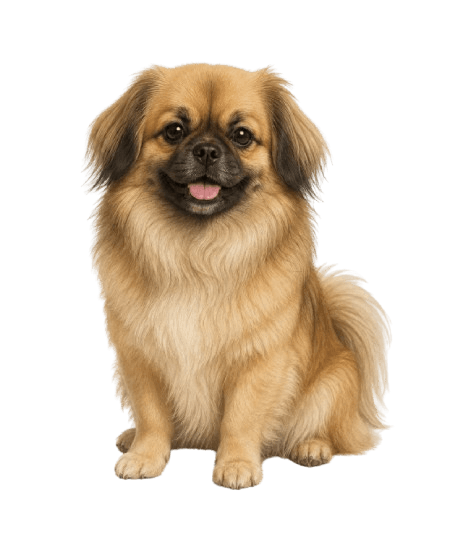
The Tibetan Spaniel dog breed possesses a confident charm and distinctive elegance that gives them a refined, spirited appearance despite their small size. With their silky double coat, compact, rectangular body, feathered tail, and unmistakably expressive faces, Tibetan Spaniels are devoted companion dogs known for their alert expressions and independent personalities.
Coat Colors
Tibetan Spaniels can appear in a wide variety of coat colors and combinations, ranging from warm gold, cream, and red tones to darker black, sable, white, and black-and-tan patterns.
Coat Type
Silky double coat with a soft, dense undercoat and a flat-lying outer coat; feathering around the ears, legs, chest, and tail with a prominent mane around the neck.
Skin Type
Normal, well-pigmented skin beneath the double coat, with darker pigmentation commonly visible around the nose, lips, eye rims, and paw pads.
Tibetan Spaniel Distinctive Features
Hover or tap each numbered marker to explore key breed features.



1. Body Build
Tibetan Spaniels have a small, compact, and well-balanced body with a slightly longer back. Their sturdy frame gives them a confident, graceful stance. Their silky coat adds volume, especially around the neck and chest, making them appear fuller than their actual small size.
2. Coat Type
The Tibetan Spaniel has a soft double coat made up of a fine, dense undercoat and a longer, silky outer coat. This combination creates the breed’s distinctive feathered appearance. The coat is fuller around the neck, chest, ears, and tail, while lying flatter along the body.
3. Coat Colors
Tibetan Spaniels come in many colors, including gold, cream, red, black, white, sable, and more. Golden shades are commonly seen, but the breed has a wide range of accepted coat colors and patterns. Some Tibetan Spaniels may also have parti-color markings, black masks, or white trim.
4. Facial Markings
Facial markings vary depending on the dog’s coat color and pattern. Many Tibetan Spaniels have a distinctive dark mask with large, expressive eyes, a short muzzle, and an alert look. Their facial expression often gives them a confident, intelligent, and slightly mischievous appearance.
5. Chest Markings
The chest is usually well-covered with soft, feathered fur, adding to the breed’s elegant outline. Chest coloring may be lighter, darker, or match the rest of the coat depending on the dog’s color pattern. The full chest ruff helps create the Tibetan Spaniel’s refined appearance.
6. Tail
The Tibetan Spaniel’s tail is high-set, heavily feathered, and carried over the back. It typically forms a graceful curve and blends into the thick coat. This plumed tail is one of the breed’s most distinctive features and adds balance to its elegant silhouette.
7. Ears
Tibetan Spaniel ears are medium-sized, pendant, and feathered. They usually hang down along the sides of the head, giving the dog a soft and expressive look. Because they are set high on the head, the ears help enhance the breed’s distinctive, alert expression.
8. Eyes
Their eyes are dark, oval-shaped, and bright. Tibetan Spaniels often have an alert, intelligent, and expressive expression. The eyes should appear clear and lively, adding to the breed’s confident and attentive personality.
9. Nose
The nose is usually black and proportionate to the breed’s short muzzle. It is small, well-defined, and complements the dark facial features. Together with the eyes and ears, the nose helps complete the Tibetan Spaniel’s distinctive expressive face.
10. Feet
Tibetan Spaniel feet are small, neat, and well-shaped. Their feathered toes support agile, confident movement. Despite their small size, their feet should look sturdy and balanced with the rest of the body.
11. Overall Expression
Tibetan Spaniels have a confident, alert, and intelligent expression. Their bright eyes and proud carriage often give them an engaging and self-assured appearance. The combination of expressive eyes, feathered ears, and a compact body gives them their signature elegant look.
Sexual Dimorphism
Male and female Tibetan Spaniels are very similar in overall appearance, size, coat type, and breed standard. Differences are usually subtle and may be more related to individual build, hormones, coat fullness, and personality than dramatic physical separation.
- May appear slightly broader through the chest, neck, or head, though this varies by bloodline and individual dog.
- Often has a somewhat heavier build and fuller outline, particularly through the neck and body coat.
- No consistent breed-standard difference in accepted size, coat color, or markings compared with females.
- May look slightly finer-boned or more refined in the face and frame, although females can be equally sturdy and well-proportioned.
- Coat fullness can fluctuate with hormonal cycles, pregnancy, nursing, or spaying.
- No consistent breed-standard difference in accepted size, coat color, or markings compared with males.
Photo Gallery

Tibetan Spaniel puppy
Tibetan Spaniel close up
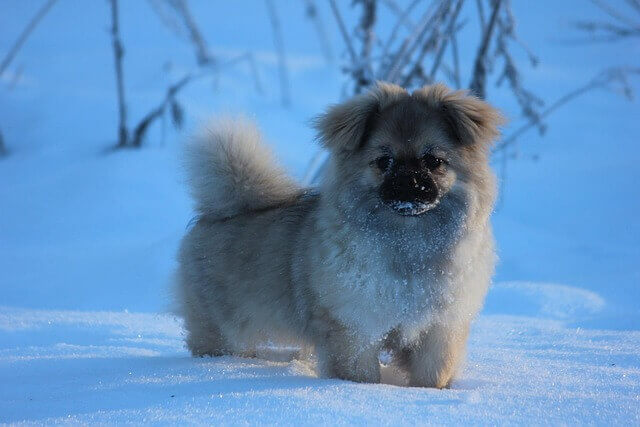
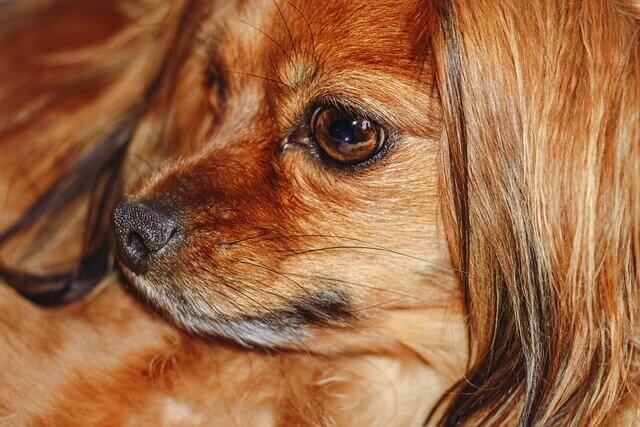

Traits & Characteristics
Tibetan Spaniels are affectionate, intelligent, and full of personality. Despite their small size, they are confident, observant, and often act like much larger dogs. They tend to be alert watchdogs, quick to notice unfamiliar sounds, and deeply attached to their families. Tibbies are playful, devoted, intelligent, and social, but they can also be independent, stubborn, and selective with training. Their spirited nature makes them charming companions, but they do best with early socialization, gentle boundaries, and regular mental stimulation.
Core Traits
The further out a point is along a spoke, the stronger that trait is in the breed (on a scale of 1 to 10).
| Trait | Description |
|---|---|
| Temperament 9/10 |
Tibetan Spaniels are generally affectionate, confident, alert, and independent. They tend to form strong bonds with their families while retaining the self-assured personality for which the breed is known. |
| Sociability & Friendliness 8/10 |
They are typically warm and affectionate with familiar people but may be more reserved when meeting strangers. Proper socialization helps them become comfortable in a variety of social situations. |
| Intelligence 8/10 |
Tibetan Spaniels are intelligent and observant dogs that tend to learn routines quickly. Their independent nature means they may also prefer deciding for themselves whether a request is worth following. |
| Trainability 7/10 |
They can learn commands and household rules well, especially with positive reinforcement, but their independent streak can make training less automatic than with highly handler-focused breeds. |
| Energy Level 6/10 |
The breed generally has moderate exercise needs. Daily walks, play sessions, and opportunities to explore are usually appropriate without requiring the intensive exercise associated with highly energetic working breeds. |
| Shedding Level 7/10 |
Their double coat sheds throughout the year and may shed more heavily during seasonal coat changes. Regular brushing helps remove loose hair and maintain the feathered coat. |
| Protective Instinct 8/10 |
Tibetan Spaniels are naturally alert and historically served as watchful companions. They often notice unfamiliar people, sounds, or activity quickly and may alert their household by barking. |
| Loyalty 9/10 |
They are known for developing close attachments to their people and often enjoy staying near family members while still maintaining a degree of independence. |
| Barking Level 8/10 |
Tibetan Spaniels can be fairly vocal, particularly when they notice visitors, unusual noises, or activity outside the home. Training and enrichment can help manage unnecessary alert barking. |
| Adaptability 8/10 |
Their small size and moderate exercise requirements allow them to adapt well to many living arrangements, including apartments, provided they receive companionship, activity, and mental stimulation. |
Remember: Dogs are individuals and not all dogs, even those of the same breed, will exhibit all the same qualities.
Breed Characteristics Profile
Exercise & Mental Stimulation
Tibetan Spaniels are energetic and alert dogs with a playful, curious nature. While they don’t need the intense physical activity that larger breeds do, they do require regular daily exercise and mental stimulation to stay happy and prevent behavioral issues such as barking, boredom, or destructiveness.
Adult daily breakdown
Walk
Steady daily walks at a comfortable pace.
Sniff
Time to explore and follow scents.
Play
Short, engaging play sessions.
Rest
Quiet time to relax and recharge.
Adult
Adult Tibetan Spaniels typically do well with a balanced routine of daily walks, scent-based exploration, short play sessions and mental challenges. Puzzle toys, reward-based training and light canine sports can provide additional stimulation without requiring prolonged high-intensity exercise.
Nutrition
Tibetan Spaniels do best on a high-quality, complete and balanced diet appropriate for their life stage, body condition, and activity level. As a small breed with moderate energy needs, they may benefit from a small-breed formula that provides appropriately sized kibble, concentrated nutrition, and enough protein and fat to support lean muscle, healthy skin, and their thick double coat.
Portion control is especially important because excess calories can contribute to unwanted weight gain, while regular dental care should remain part of their overall routine. Look for diets that provide balanced levels of protein, essential fatty acids, vitamins, and minerals. As Tibetan Spaniels age, nutrients such as omega-3 fatty acids, antioxidants, and joint-supporting compounds may help support mobility, skin and coat health, and cognitive function. Read our Best Tibetan Spaniel Dog Food Guide for more detailed nutrition guidance and food recommendations.
Nutrient profile by activity level
Projected dry-matter nutrient profile for a healthy adult Tibetan Spaniel at different activity levels.
Activity-level guide
A less active adult may benefit from moderate protein and lower fat while total calorie intake is controlled. Slightly more fiber may help promote fullness when the dog requires less dietary energy.
A typically active adult can use a balanced combination of protein, fat and carbohydrate to support everyday movement, play and training while maintaining an ideal body condition.
A highly active adult may benefit from more protein and fat plus greater total dietary energy to support activity, lean tissue and recovery during frequent exercise.
Common Health Issues
Tibetan Spaniels are generally healthy, long-lived dogs, but like many small breeds, they can be prone to certain health concerns. Common issues may include patellar luxation, dental disease, eye conditions, progressive retinal atrophy, retinal dysplasia, allergies, and portosystemic shunts. Understanding these risks can help owners spot early warning signs, schedule routine veterinary checkups, and make proactive choices around diet, exercise, grooming, and preventive care.
How to read this chart: the full bar represents 100% of Tibetan Spaniels. The filled portion shows the estimated percentage associated with each condition. Percentages indicate estimated prevalence, not disease severity.
Recommended Health Tests
Routine veterinary exams and breed-appropriate screenings are important for early detection and prevention.
| Health screening | Screening focus |
|---|---|
| 01 Patella Evaluation | Kneecap stability and signs of patellar luxation. |
| 02 Ophthalmologist Eye Exam | Retinal health, dry eye and inherited or structural eye disorders. |
| 03 Cardiac Screening | Heart structure, rhythm and other cardiac abnormalities. |
| 04 Liver Function Testing | Liver function and abnormalities such as portosystemic shunts. |
| 05 Dental Examination | Teeth, gums, tartar buildup and signs of periodontal disease. |
| 06 Neurological Assessment | Seizures and other signs of neurological dysfunction. |
| 07 Thyroid Panel | Thyroid hormone levels and evidence of hypothyroidism. |
| 08 DNA Test | Genetic health risks, inherited disorders and lineage information. We recommend Embark , our top dog DNA test . |
| 09 Dog Allergy Test | Potential environmental or food-related allergies and food sensitivities. Consider at-home dog allergy tests such as EasyDNA for allergies and 5Strands for food intolerances. |
| 10 Gut Health Test | Digestive health, microbiome balance and possible gastrointestinal imbalances. A dog gut health test , such as the Embark Gut Health Test , can provide additional insight. |
| 11 Drug Sensitivity Testing | MDR1 gene variants associated with sensitivity to certain medications. The EasyDNA MDR1 test is one testing option. |
| 12 Cancer Screening | Potential indicators associated with common canine cancers. Oncotect offers a non-invasive at-home dog cancer testing kit . |
| 13 Critical Health Indicators | Urinary and metabolic indicators including leukocytes, nitrite, protein, pH, blood, specific gravity, ketones, bilirubin and glucose. The One Step Pet Urine Testing Strips can help monitor these markers at home. |
Proactive health measures, attentive care, and regular veterinary visits can help ensure your Tibetan Spaniel lives a happy and healthy life as your loyal companion.
💡 Due to this breed's potential for health issues, we recommend getting pet insurance and a wellness plan for financial protection against unexpected medical emergencies, ensuring your pet receives the best possible care without the burden of high out-of-pocket expenses. Check out our best pet insurance and best pet wellness guides to find a plan that suits your pet.
Care Requirements
| Grooming Task | Recommended Frequency | Importance | Tools Needed | Recommended Product |
|---|---|---|---|---|
| Brushing | 2–3 times per week | Prevents mats and tangles, removes loose fur, and promotes healthy skin | Slicker brush, de-shedding tool, grooming mitt | Hertzko Self Cleaning Slicker Dog Brush (View on Amazon) |
| Bathing | Every 6–8 weeks | Keeps the long coat clean, reduces odor, and helps maintain healthy skin and fur | dog-safe shampoo, conditioner, towel, hair dryer (optional) | OUAI Fur Bébé Pet Shampoo (View on Amazon) |
| Nail Trimming | Every 3–4 weeks | Prevents overgrown nails, discomfort, and changes in posture or walking | dog nail clippers, nail grinder, styptic powder | Coastal Pet Safari Nail Clipper (View on Amazon) |
| Ear Cleaning | Every 2–4 weeks | Helps remove wax and debris and lowers the risk of ear irritation and infections | Ear cleaning solution, cotton balls or pads (no Q-tips) | Zymox Ear Cleanser (View on Amazon) |
| Oral Care (Brushing Teeth) | Daily | Reduces plaque and tartar buildup, supports gum health, and helps prevent dental disease | Dog toothbrush, enzymatic toothpaste, dental chews | Greenies Dental Care Chews (View on Amazon) |
Tibetan Spaniel Trainability
Tibetan Spaniels are intelligent, independent, and spirited companion dogs. While they can learn quickly, their confident personalities and occasional stubborn streaks can make training both rewarding and a bit challenging. Consistent, structured training that uses clear, positive reinforcement techniques is essential. They respond well to praise, treats, and playful engagement—especially when training is kept short, upbeat, and interesting to maintain their attention.
Compared with other breeds, Tibetan Spaniels benefit from gentle guidance, early socialization, and firm yet positive training. Their intelligence and curiosity flourish in environments where learning feels engaging. With patience, repetition, and clear boundaries, they grow into confident, well-mannered companions.
Trainability Comparison
Higher positions indicate greater ease of training, while positions farther to the right indicate greater willingness to please or respond to obedience. Breed tendencies can vary considerably between individual dogs.
Intelligence
According to canine psychologist Stanley Coren (author of The Intelligence of Dogs - View on Amazon), dog intelligence can be broken down into three types:
- Instinctive Intelligence – What a dog is bred to do (herding, guarding, retrieving).
- Adaptive Intelligence – A dog’s ability to solve problems and learn from the environment.
- Working & Obedience Intelligence – How quickly a dog learns commands and obeys them.
Tibetan Spaniel intelligence profile
Scores shown out of 10
IQ Comparison
Tibetan Spaniels are known for their keen intelligence and observant nature, especially in environments that encourage interaction, attention, and independent thinking. Though small in size, they can learn new commands well when training is consistent and engaging, while their alert minds and natural curiosity make them capable of trick training, puzzle games, and interactive routines, often thriving in roles where they can stay involved and earn praise.
Tibetan Spaniels shine when training feels rewarding and purposeful. While their independent nature may challenge novice owners, they’re responsive learners who excel with patient guidance and consistent routines. Their keen awareness and confidence allow them to perform well despite their small size, especially when training respects their intelligence and independent spirit.
Tibetan Spaniel intelligence comparison
Scores shown out of 10Breeding
Tibetan Spaniels can be prone to inherited health conditions, making responsible breeding especially important. Breeding dogs should be physically healthy, genetically screened, and have stable, breed-appropriate temperaments. Careful reproductive planning and veterinary oversight help protect the health and welfare of both the dam and puppies.
Physical & behavioral maturity
Health & genetic testing
Alert, confident & affectionate
Typical canine pregnancy
Around 4 puppies on average
Delivery, neonatal care & socialization
Behavior & Communication
Tibetan Spaniels communicate through vocalizations, facial expressions, body posture, physical contact, and scent. Reading several signals together can provide a clearer picture of what a dog may be feeling or trying to communicate.
Barking
Vocal communication
Is The Tibetan Spaniel Right for Me?
Explore how the Tibetan Spaniel fits different households, lifestyles, and ownership needs, then personalize the results based on what matters most to you.
Trait scores describe the strength or intensity of a characteristic. A high score is not automatically better; for example, an 8/10 barking score means a relatively high barking tendency.
Is a Tibetan Spaniel right for you?
Select the household and lifestyle factors that matter most to you. The tool will compare those priorities with the Tibetan Spaniel profile.
These scores summarize typical breed tendencies and are intended as a general comparison tool. Individual dogs can differ in temperament, training, health and behavior.
Best Places to Get A Tibetan Spaniel
These are the best places to get a Tibetan Spaniel
Online Marketplaces
For pre-screened, healthy puppies, Pawrade and PuppySpot are recommended resources that offer puppies from reputable U.S. breeders.
Rescue Shelters
While Tibetan Spaniels may be uncommon at local shelters, opportunities can occasionally arise. Check your local animal shelters or dog rescue organizations for information. Online communities, such as Facebook groups, can also be helpful resources.
Breeders
Finding a reputable Tibetan Spaniel breeder can be challenging due to the limited availability of this small, ancient companion breed. Start by searching locally within your state. You may need to travel out of state if local options are unavailable. If purchasing from a breeder farther away, consider shipping the puppy if pickup is not an option. It’s essential to request medical records and health certifications for both parents. The Tibetan Spaniel Club of America is a trusted resource for finding ethical breeders.
Avoid breeders who:
- Don’t provide health clearances for both parents
- Don’t allow visits to meet the dogs or see their living conditions
- Have frequent litters with no waiting list
- Emphasize appearance over health and temperament
Perfect Owner Profile for a Tibetan Spaniel
The perfect Tibetan Spaniel owner is someone who wants a small dog with a confident personality. Tibetan Spaniels are best suited for people who enjoy an affectionate, alert, and intelligent companion but are also willing to provide structure, training, and regular grooming. They thrive with owners who can give them daily attention, mental stimulation, short walks, and consistent boundaries to manage barking, independence, and stubbornness.
A Tibetan Spaniel is a great fit for singles, couples, seniors, or families with older children who understand how to handle a small dog gently. The ideal owner should be patient, attentive, and comfortable with a dog that loves being involved in daily life. Tibbies may be small enough for apartments, but they still need engagement, socialization, and a confident owner who will not let their independent nature excuse bad habits.
Ownership Cost
Estimates are general planning ranges and actual ownership costs can vary.
Frequently Asked Questions
Tibetan Spaniel Breed Connections
Tibetan Spaniels are ancient companion dogs from Tibet, historically associated with monasteries and valued as alert watchdogs and close companions. This section shows their cultural origins, related breeds, and dogs often compared with or loved by Tibetan Spaniel owners.
Ancestry & Lineage
The Tibetan Spaniel developed in Tibet as a small companion and watchdog, with a long history connected to Buddhist monasteries and Tibetan households.
- Ancient Tibetan dogs
- Tibetan monastery dogs
- Tibetan companion dogs
- Asian small companion dogs
Related Breeds
Tibetan Spaniels share historical and regional connections with other Tibetan breeds and Asian companion dogs known for their alert nature, distinctive coats, and close bonds with people.
- Tibetan Terrier
- Lhasa Apso
- Shih Tzu
- Pekingese
- Japanese Chin
- Chow Chow
- Chinese Crested
- Pug
Commonly Compared Breeds
People often compare Tibetan Spaniels with other small companion breeds when choosing a dog for apartment living, family life, or a loyal and independent household companion.
- Pekingese
- Lhasa Apso
- Shih Tzu
- Japanese Chin
- Papillon
- Cavalier King Charles Spaniel
- Havanese
- Pug
Breeds Tibetan Spaniel Owners Also Love
Tibetan Spaniel fans often enjoy other small, expressive companion dogs with independent personalities, adaptable size, and strong bonds with their families.
Surprising Tibetan Spaniel Facts
-
They were prized by Tibetan monasteries: Tibetan Spaniels were kept in Buddhist monasteries, where they served as companion dogs and alert watchdogs, often perched high on walls or rooftops.
-
They are not true spaniels: despite the name, Tibetan Spaniels were not bred as sporting spaniels. The name likely reflects their small size and somewhat spaniel-like appearance.
-
They were nicknamed "little lions": their full coat, feathered tail, and confident expression gave Tibetan Spaniels a distinctive appearance that was admired in their native Tibet.
-
They love high vantage points: Tibetan Spaniels often enjoy sitting on sofas, furniture, or other elevated spots, reflecting their historical habit of watching surroundings from monastery walls.
-
They have an independent streak: Tibetan Spaniels are intelligent and affectionate but can think for themselves, which means training works best with patience, consistency, and positive reinforcement.
-
They have a long history: Tibetan Spaniels are an ancient breed that developed in the Himalayan region and were valued for centuries as devoted companions and watchful little guardians.