Bulldog Dog Breed Information: Traits, Health, Facts, Care & More

Canine Bible is reader-supported. We receive affiliate commissions via some of our links. Learn more.
Bulldog
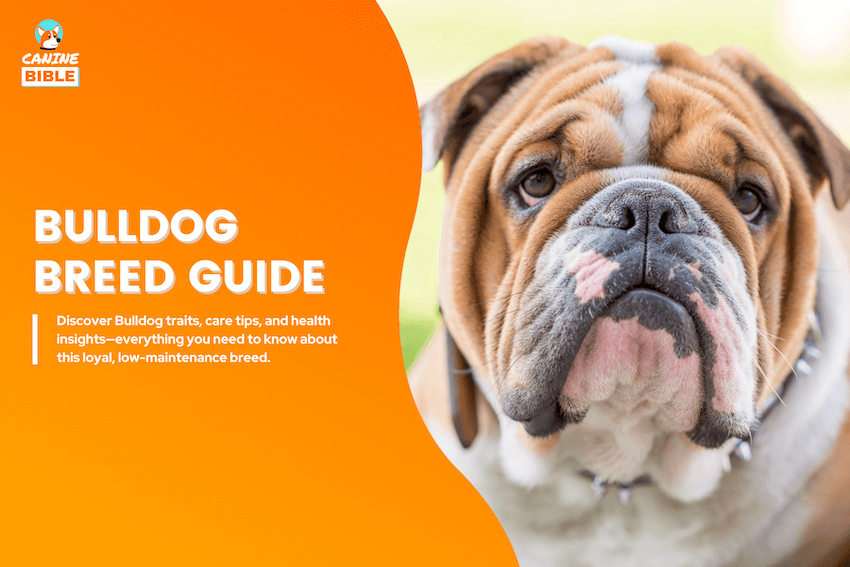
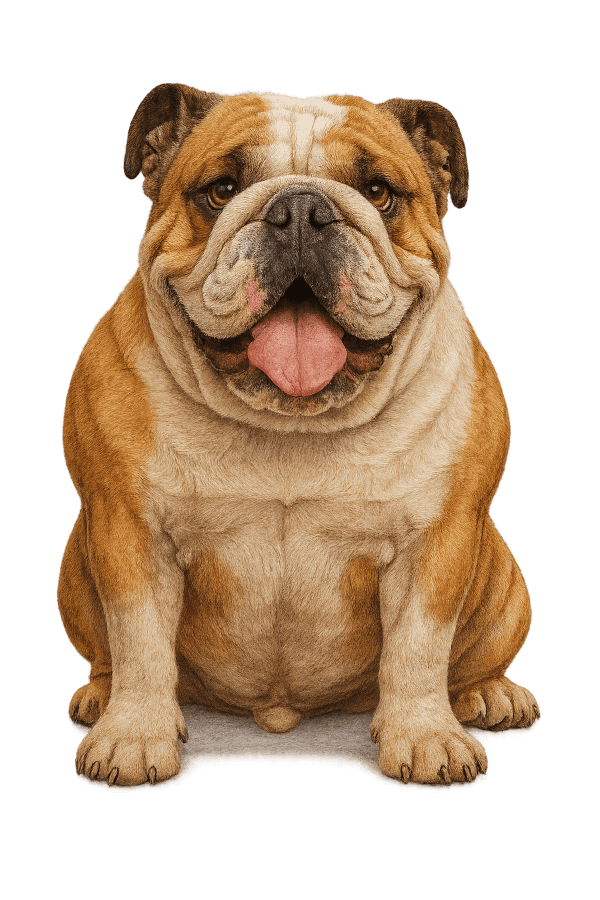
Bulldogs are calm, courageous, and affectionate companions known for their muscular build, loose skin, and distinctive pushed-in nose. Originally bred for bull-baiting, modern Bulldogs are gentle, loyal, and loving members of the family. Despite their tough appearance, Bulldogs are known for their friendly demeanor and get along well with children and other pets. They thrive in relaxed environments and prefer lounging to high-energy activity, making them ideal for apartment dwellers or those with a more laid-back lifestyle. Bulldogs are very people-oriented and form strong bonds with their families. However, due to their short snouts, they can be sensitive to extreme heat and require proper care, especially during warmer months. Regular grooming and attention to their skin folds are essential for their health and comfort. With their unmistakable look and easygoing nature, Bulldogs make wonderful companions for individuals and families seeking a loyal, low-maintenance dog with a big heart.
- Breed popularity ranking: 6 of 202
- Club: Bulldog Club of America
- Population: ~200,000 (estimated in the U.S.)
- Price: $1,500 – $4,000

Weight
40–50 lbs

Height
14–15 inches

Lifespan
8–10 years



Breed Group
Non-Sporting Group
Bulldog Growth Chart
History and Origin
The Bulldog, a courageous and affectionate breed known for its muscular build, distinctive wrinkled face, and loyal nature, traces its origins to England. Bulldogs were originally bred in the 13th century for bull-baiting, a popular sport where dogs were pitted against bulls. Their name comes directly from this brutal pastime. When bull-baiting was outlawed in 1835, the breed faced extinction, but enthusiasts refined the Bulldog’s temperament, transforming it from a fierce competitor into a gentle and devoted companion.
Historically, Bulldogs were prized for their strength, determination, and protective instincts. These qualities made them formidable working dogs, but their affectionate and dependable nature soon endeared them to families as beloved household pets. With careful breeding, their once-aggressive traits were softened, resulting in the calm, loving, and friendly Bulldogs we know today.
The breed gained formal recognition in the late 19th century and was officially recognized by the American Kennel Club (AKC) in 1886. Today, Bulldogs remain one of the most popular companion breeds worldwide, celebrated for their unique appearance, gentle temperament, and unwavering devotion to their families.


Appearance
| Feature | Description |
|---|---|
| Body Build | Muscular, low-set, and heavy with a broad chest and wide shoulders |
| Coat Type | Smooth, short, and fine-textured |
| Coat Colors | Brindle, white, fawn, red, or piebald combinations |
| Facial Markings | Characteristic wrinkles with a short muzzle and distinctive underbite |
| Chest Markings | Often white or matching the primary coat color |
| Tail | Short and either straight or screwed, carried low |
| Ears | Small, thin, and rose-shaped (folded backward) |
| Eyes | Dark, round, and set low and wide apart |
| Nose | Large and black with wide nostrils |
| Feet | Compact and straight with well-arched toes |
| Overall Expression | Gentle, dignified, and alert with a characteristic scowl |

Bulldog Characteristics
The further out a point is along a spoke, the stronger that trait is in the breed (on a scale of 1 to 10).
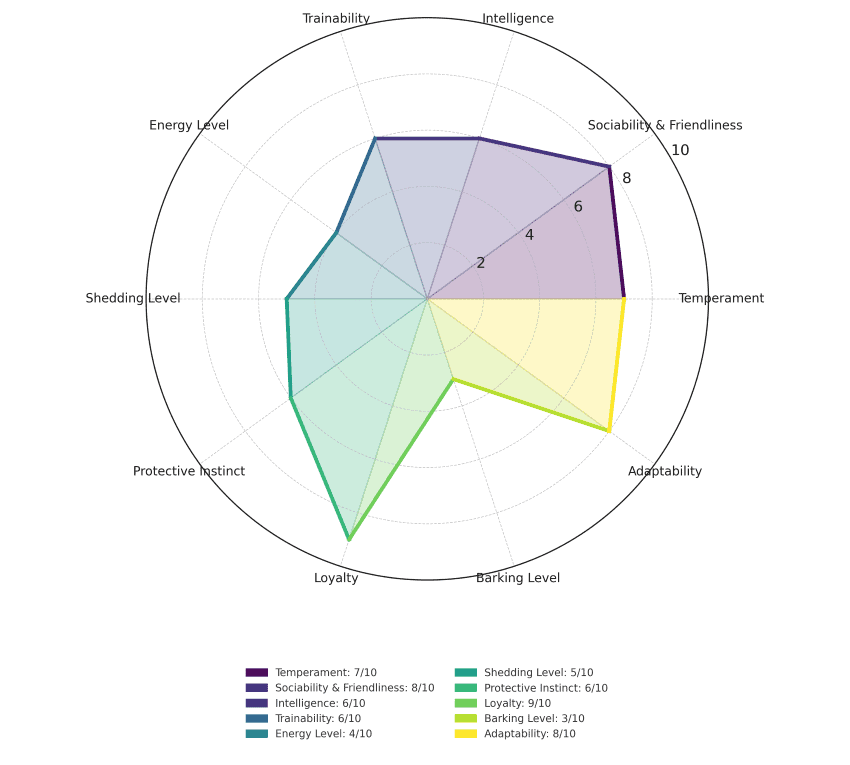
| Trait | Score | Description |
|---|---|---|
| Temperament | 7 | Calm and courageous, Bulldogs are gentle companions with a dignified but lovable personality. |
| Sociability & Friendliness | 8 | Generally friendly with people and other pets; thrives on human companionship and affection. |
| Intelligence | 6 | Moderately intelligent but can be stubborn; not the fastest learner but understands routines well. |
| Trainability | 6 | Can be trained with consistency and positive reinforcement, but may require extra patience. |
| Energy Level | 4 | Low-energy dogs that enjoy lounging; short daily walks are usually enough for their activity needs. |
| Shedding Level | 5 | Moderate shedding throughout the year; regular brushing helps manage loose hair. |
| Protective Instinct | 6 | Instinctively protective of their home and family but not overly aggressive. |
| Loyalty | 9 | Extremely loyal and bonds closely with their family, often forming strong attachments. |
| Barking Level | 3 | Relatively quiet; tends to bark only when necessary or startled. |
| Adaptability | 8 | Adapts well to apartment living and urban environments; sensitive to heat and humidity. |
Exercise & Activity Breakdown
Bulldogs are calm and low-energy dogs with a relaxed, easygoing temperament. While they don’t require much physical activity, regular daily walks and light play are important to maintain their weight, support joint health, and prevent boredom-related behaviors like chewing or stubbornness.
- Puppy (0–12 months): At this stage, Bulldog puppies are curious and playful but can tire quickly. Short, gentle play sessions, interactive games, early socialization, and light leash training are ideal. Avoid strenuous activity to protect their developing joints and respiratory system.
- Adult (1–6 years): Adult Bulldogs benefit from short daily walks, canine sports, indoor play, and interactive toys that engage their mind without overexerting their body. Because of their brachycephalic (short-nosed) structure, it’s important to avoid heat and intense activity. Gentle training and food puzzles can help keep them stimulated.
- Senior (7+ years): As they age, Bulldogs tend to slow down significantly and may develop joint stiffness or breathing challenges. Light, consistent activity—like brief walks and mental stimulation—helps support mobility and overall well-being. Keep them cool and comfortable during any physical exertion.
Bulldog Daily Activity Breakdown
Nutrition
Bulldogs need a high-quality diet tailored to their life stage (e.g., puppy, adult, senior). As a medium-sized breed with a stocky build and a tendency toward weight gain, it’s important to feed them food specifically formulated for bulldog breeds or medium-sized dogs to support joint health, weight control, and skin integrity.
These diets should include balanced nutrients to promote healthy skin, reduce inflammation, and support digestion. Because Bulldogs are prone to allergies, flatulence, and obesity, limited-ingredient diets, low-fat formulas, and controlled portions are crucial. As they age, a diet rich in omega-3s, probiotics, and joint-supporting nutrients like glucosamine and chondroitin can aid mobility and reduce discomfort from joint stress. Read our “Best Bulldog Food Guide” to explore targeted nutrition tips and top food recommendations.
Nutritional Breakdown by Activity Level for Bulldog
Common Health Issues
Most Bulldogs are healthy, but like all dogs, they can be prone to certain health conditions. Common health concerns include:
*HT: Hypothyroidism
*OB: Obesity
Recommended Health Tests for Bulldogs:
Proactive health measures, attentive care, and regular veterinary visits can help ensure your Bulldog lives a happy and healthy life as your loyal companion.
💡 Due to this breed’s high proclivity to health issues, we recommend getting pet insurance for financial protection against unexpected medical emergencies, ensuring your pet receives the best possible care without the burden of high out-of-pocket expenses. Check out our best pet insurance guide to find a suitable plan for your pet.
Care Requirements
| Grooming Task | Recommended Frequency | Importance | Tools Needed | Recommended Product |
|---|---|---|---|---|
| Brushing | 2–3 times per week | Prevents mats and tangles, removes loose fur, and promotes healthy skin | Slicker brush, de-shedding tool, grooming mitt | Hertzko Self Cleaning Slicker Dog Brush (View on Amazon) |
| Bathing | Every 4–6 weeks | Keeps coat clean, reduces odor, and helps control shedding | dog-safe shampoo, conditioner, towel, hair dryer (optional) | OUAI Fur Bébé Pet Shampoo (View on Amazon) |
| Nail Trimming | Every 2–4 weeks | Prevents overgrowth, pain, and potential injury while walking | dog nail clippers, nail grinder, styptic powder | Coastal Pet Safari Nail Clipper (View on Amazon) |
| Ear Cleaning | Every 1–2 weeks | Prevents ear infections, especially in floppy-eared breeds | Ear cleaning solution, cotton balls or pads (no Q-tips) | Zymox Ear Cleanser (View on Amazon) |
| Oral Care (Brushing Teeth) | Daily | Reduces plaque and tartar buildup, prevents gum disease and bad breath | Dog toothbrush, enzymatic toothpaste, dental chews | Greenies Dental Care Chews (View on Amazon) |
Bulldog Dog Trainability
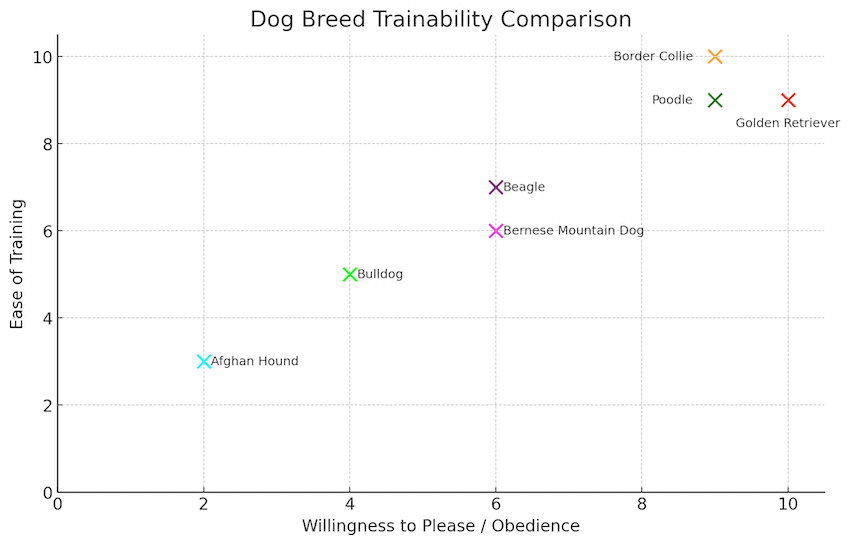
Bulldogs are loyal, calm, and people-oriented dogs with a gentle nature. While they aren’t the quickest learners, their affectionate temperament and desire to please make them responsive to training when handled with patience. Consistent, low-pressure training that emphasizes positive reinforcement is key. Bulldogs respond well to praise, food rewards, and routines—but may become uncooperative if pushed too hard or faced with repetitive commands.
When compared to other breeds, Bulldogs benefit from short, structured training sessions and early socialization. Their stubborn streak can be softened with calm, confident leadership and gentle encouragement. With persistence, consistency, and lots of positive feedback, Bulldogs can become well-behaved and loving companions.
Intelligence
According to canine psychologist Stanley Coren (author of The Intelligence of Dogs – View on Amazon), dog intelligence can be broken down into three types:
- Instinctive Intelligence – What a dog is bred to do (herding, guarding, retrieving).
- Adaptive Intelligence – A dog’s ability to solve problems and learn from the environment.
- Working & Obedience Intelligence – How quickly a dog learns commands and obeys them.
IQ Comparison
Bulldogs may not top obedience-based IQ rankings, but they possess a quiet, observant intelligence and strong emotional awareness. While not known for quick learning, Bulldogs excel when taught at a slow, steady pace with consistent reinforcement. They are more motivated by affection and food than mental challenges, and thrive in environments where routines are predictable and pressure is low.
Bulldogs shine when training is relaxed and reinforced with plenty of praise. While their stubborn streak can frustrate inexperienced owners, Bulldogs are capable of learning a wide range of commands and behaviors when guided with patience and repetition. Their calm demeanor and loyalty make them excellent companions—not for flashy tricks, but for steady, dependable companionship.
Dog Breed Intelligence Comparison
Breeding
Bulldogs are beloved for their loyalty, affectionate nature, and distinctive appearance. However, like many purebred dogs, they are prone to inherited health conditions such as brachycephalic syndrome, hip dysplasia, cherry eye, skin fold dermatitis, elongated soft palate, and heart disease. This makes responsible breeding absolutely critical. Ethical breeders should perform comprehensive health screenings and genetic testing to help minimize the risk of passing on serious conditions. Proper rest between litters is also important to safeguard the health of both the mother and her puppies, ensuring only physically sound and emotionally stable Bulldogs are bred.
- Age: Bulldogs should not be bred until they are fully mature—usually between 18 and 24 months of age.
- Litter size: A typical Bulldog litter includes 4–5 puppies, though litters often require C-section delivery due to the breed’s large head size.
- Temperament: Breeding dogs should have calm, stable temperaments—gentle, confident, and even-tempered, without signs of aggression, anxiety, or excessive stubbornness.
Is The Bulldog A Good Family Dog?
If the conditions below align with your lifestyle, personal preferences, and living situation, a Bulldog could be a wonderful pet for your family. Otherwise, you may want to consider other breeds.
✅ = Ideal / Strong Match | ⚠️ = Needs Consideration | ❌ = Not Recommended
| Suitability | Category | Score (1–10) | Notes |
|---|---|---|---|
| ✅ | Family Bonding | 9 | Deeply loyal and forms strong bonds with family members. |
| ⚠️ | Child Friendliness | 7 | Generally good with kids; supervise around toddlers due to size and strength. |
| ⚠️ | Good With Other Pets | 6 | Can be territorial or stubborn; early socialization is key. |
| ⚠️ | Maintenance Level | 6 | Wrinkle cleaning and skin care needed; moderate shedding. |
| ⚠️ | Monthly Expenses | 7 | Vet visits and special care may increase costs. |
| ✅ | Home Size Compatibility | 9 | Well-suited for apartments or homes with small yards. |
| ✅ | Lifestyle Match | 8 | Great for laid-back owners; short walks and cuddles preferred. |
| ⚠️ | Trainability | 6 | Can be stubborn; positive reinforcement works best. |
| ⚠️ | Alone Time Tolerance | 5 | Prefers company; may become anxious if left alone too long. |
| ⚠️ | Shedding & Drool Level | 7 | Moderate shedding; noticeable drooling is common. |
| ❌ | Hypoallergenic | 2 | Not suitable for allergy sufferers due to dander and drool. |
| ⚠️ | Protectiveness | 6 | Protective but not aggressive; will alert to strangers. |
| ✅ | Mental Stimulation Needs | 7 | Enjoys puzzle toys and slow-paced games. |
| ⚠️ | Climate Tolerance | 4 | Poor heat tolerance; monitor closely in warm climates. |
| ⚠️ | Life Expectancy | 5 | Average 8–10 years; regular vet care helps longevity. |
| ⚠️ | Barking Level | 4 | Not a frequent barker; vocal when necessary. |
| ✅ | Travel Friendliness | 6 | Calm traveler with crate training; avoid air travel due to breathing issues. |
| ⚠️ | Potty Training Ease | 6 | Can be slow to train; consistency and patience required. |
Average Score: 6.67 / 10
Annual Cost of Ownership
| Category | Estimated Annual Cost (USD) |
|---|---|
| Food & Treats | $500 – $800 |
| Routine Vet Care | $350 – $600 |
| Vaccinations & Preventatives | $250 – $450 |
| Pet Insurance | $300 – $600 |
| Grooming | $100 – $250 |
| Training & Socialization | $200 – $400 |
| Toys & Enrichment | $100 – $200 |
| Supplies (bed, bowls, leash, etc.) | $150 – $250 |
| Emergency Vet Fund (recommended) | $400 – $800 |
| Boarding or Pet Sitting | $300 – $500 |
$2,650 – $4,850
Best Places to Get A Bulldog
Online marketplaces: For pre-screened, healthy puppies, Pawrade and PuppySpot are recommended resources, offering puppies from reputable U.S. breeders.
Rescue shelters: While Bulldogs are rarely available at local shelters, opportunities can occasionally arise. Check your local animal shelters or dog rescue organizations for information. Online communities, such as Facebook groups, can also be helpful resources.
Breeders: Finding a reputable Bulldog breeder can be challenging due to the complex nature of breeding this large, purebred working dog. Start by searching locally within your state. You may need to travel out of state if local options are unavailable. If purchasing from a breeder further away, consider the possibility of shipping the puppy if pickup is not an option. It’s essential to request medical records and health certifications for both parents. The American Bulldog Association’s approved breeder list is a trusted resource for finding ethical breeders.
Avoid breeders who:
- Don’t provide health clearances for both parents
- Don’t allow visits to meet the dogs or see their living conditions
- Have frequent litters with no waiting list
- Emphasize appearance over health and temperament