Chinese Shar-Pei Dog Breed Information: Traits, Facts, Care & More

Canine Bible is reader-supported. We receive affiliate commissions via some of our links. Learn more.

Chinese Shar-Pei
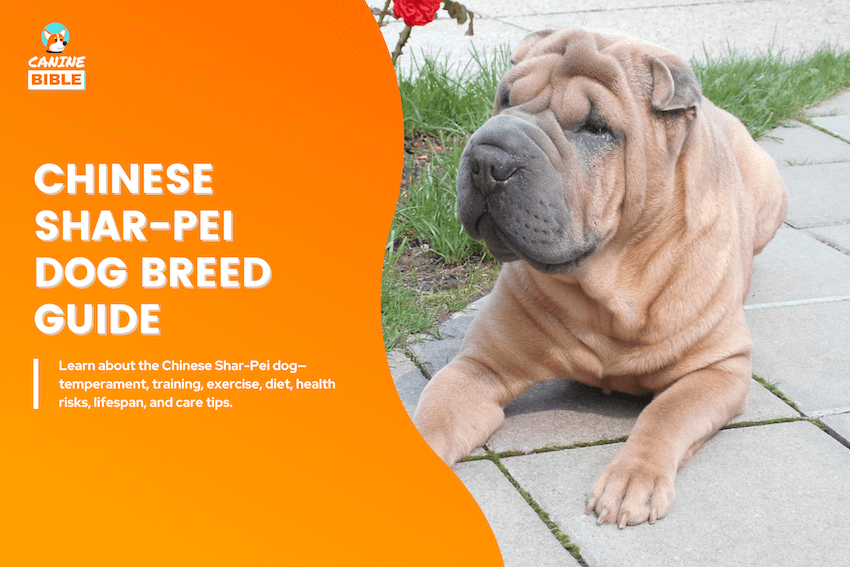
Chinese Shar-Peis are calm, loyal, and deeply devoted dogs known for their distinctive wrinkled skin, broad “hippopotamus” muzzle, and serious, almost regal expression. Originating in China as versatile farm dogs, they were historically used for guarding property, hunting, and livestock protection. Today’s Shar-Peis are affectionate and devoted to their families, often forming strong bonds with one or two people while remaining naturally reserved around strangers. Despite their sturdy, medium-sized build, Shar-Peis are relatively low-energy indoors and adapt well to apartment living when given regular walks and mental stimulation. They are intelligent and independent thinkers, which can make training a bit challenging, but with consistent, positive reinforcement, they become well-mannered companions. Shar-Peis thrive in calm households that appreciate their quiet confidence, loyalty, and unique appearance. Their short coat requires minimal grooming, though special attention is needed for skin folds to prevent irritation and infections.
- Breed popularity ranking: 64 of 202
- Club: Chinese Shar-Pei Club of America
- Population: 200,000+ (estimated in the U.S.)
- Hypoallergenic: No
- Temperament: Loyal, calm, independent, reserved, protective
- Price: $1,200 – $3,000
- Best for: Owners seeking a loyal, low-shedding guardian companion with a calm demeanor and a strong bond to family.

Weight
45–60 lbs

Height
18–20 inches

Lifespan
8–12 years



Breed Group
Non-Sporting Group
History and Origin
The Chinese Shar-Pei, a distinctive and ancient breed known for its deep wrinkles and calm, dignified nature, traces its origins back more than 2,000 years to southern China, particularly the Guangdong province. Originally bred as an all-purpose working dog, the Shar-Pei was used by rural farmers for guarding homes and livestock, hunting game, and protecting property. Its loose, wrinkled skin and harsh coat served a practical purpose, helping protect the dog during confrontations with predators and other animals.
Historically, Chinese Shar-Peis were valued for their strength, independence, and natural guarding instincts rather than companionship alone. During the mid-20th century, the breed nearly went extinct due to political upheaval and dog ownership restrictions in China. The Shar-Pei’s survival is largely credited to breeders in Hong Kong who preserved the remaining bloodlines and reintroduced the breed to the Western world.
The breed gained international attention in the 1970s after being labeled one of the rarest dog breeds in the world. The American Kennel Club (AKC) officially recognized the Chinese Shar-Pei in 1992. Today, Shar-Peis are admired for their unique appearance, loyal temperament, and quiet confidence, making them devoted family companions and natural guardians with a strong sense of independence.


Appearance
Coats Types & Colors

Chinese Shar-Pei Characteristics
The further out a point is along a spoke, the stronger that trait is in the breed (on a scale of 1 to 10).

| Trait | Score | Description |
|---|---|---|
| Temperament | 7 | Calm, dignified, and independent. Chinese Shar-Peis are reserved dogs that form strong bonds with their family. |
| Sociability & Friendliness | 5 | Loyal to family but often aloof with strangers and other dogs. Early socialization is essential. |
| Intelligence | 7 | Intelligent and observant, though known for independent thinking rather than eager obedience. |
| Trainability | 6 | Trainable with consistency and firm, positive leadership. Can be stubborn if training lacks structure. |
| Energy Level | 5 | Moderate energy levels. Enjoys daily walks and playtime but is generally calm indoors. |
| Shedding Level | 4 | Low to moderate shedding with a short coat that is relatively easy to maintain. |
| Protective Instinct | 8 | Naturally protective and territorial, making them excellent watchdogs for the household. |
| Loyalty | 8 | Deeply loyal to their owners and family, often forming strong attachments to one or two people. |
| Barking Level | 4 | Generally quiet and reserved, barking only when necessary or to alert their owners. |
| Adaptability | 6 | Adaptable to apartment or house living, but prefers a calm environment and consistent routine. |
Exercise & Activity Breakdown
Chinese Shar-Peis are moderately active, calm dogs with an independent nature. Unlike high-energy working breeds, they don’t require intense daily exercise, but regular, structured activity and mental stimulation are essential to keep them healthy, balanced, and well-behaved. Without enough engagement, Shar-Peis may become stubborn, withdrawn, or territorial.
- Puppy (0–12 months): Shar-Pei puppies are curious and alert but should not be over-exercised due to their developing joints. Short walks, gentle play sessions, early socialization, and basic obedience training are ideal at this stage. Activities like light tug, early interactive games, supervised exploration, and simple problem-solving games help build confidence and reinforce positive behavior.
- Adult (1–6 years): Adult Shar-Peis benefit from daily walks, structured routines, and mentally stimulating activities rather than high-impact exercise. Leash walks, scent work, canine sports, obedience training, and controlled play sessions help satisfy their natural guarding instincts and intelligence. They typically prefer purposeful activity over repetitive games and puzzle toys, and do best with consistent leadership.
- Senior (7+ years): As Shar-Peis age, activity levels naturally decrease, but gentle daily walks remain important to maintain joint health and mobility. Short, low-impact play sessions and enrichment activities—such as food puzzles or scent games—support cognitive health while respecting their slower pace. A predictable routine helps reduce stress and supports overall well-being.
Nutrition
Chinese Shar-Peis need a high-quality, well-balanced diet that aligns with their life stage (puppy, adult, senior) and supports their unique health needs. As a medium-sized breed with a slower metabolism and a tendency toward skin sensitivities, it’s important to choose food formulated for skin health, joint support, and controlled calorie intake to maintain a healthy weight and reduce inflammation.
A proper Shar-Pei diet should feature high-quality animal protein as the first ingredient, moderate healthy fats, and limited fillers that may trigger allergies. Because the breed is prone to skin fold infections, food sensitivities, and joint issues, diets rich in omega-3 and omega-6 fatty acids, antioxidants, and anti-inflammatory ingredients can help support skin integrity and immune health. Portion control is essential, as Shar-Peis can gain weight easily if overfed. As they age, incorporating nutrients such as glucosamine, chondroitin, and antioxidants helps support joint health, mobility, and cognitive function. Some Shar-Peis also benefit from limited-ingredient or novel-protein diets to reduce allergic reactions. Feeding a consistent, nutrient-dense diet tailored to the breed helps promote long-term health, comfort, and vitality throughout every life stage. Read our “Best Chinese Shar-Pei Dog Food Guide” to explore targeted nutrition tips and top food recommendations.
Common Health Issues
Most Chinese Shar-Peis are healthy, but like all dogs, they can be prone to certain health conditions. Common health concerns include:
*PL: Patellar Luxation
*HC: Hearth Conditions
Recommended Health Tests for Chinese Shar-Peis:
Proactive health measures, attentive care, and regular veterinary visits can help ensure your Chinese Shar-Pei lives a happy and healthy life as your loyal companion.
💡 Due to this breed’s high proclivity to health issues, we recommend getting pet insurance for financial protection against unexpected medical emergencies, ensuring your pet receives the best possible care without the burden of high out-of-pocket expenses. Check out our best pet insurance guide to find a suitable plan for your pet.
Care Requirements
Chinese Shar-Pei Dog Trainability
Chinese Shar-Peis are intelligent, observant, and naturally independent dogs. Rather than being eager-to-please, they are thoughtful decision-makers who respond best to training that is calm, consistent, and purposeful. While fully capable of learning commands, their strong-willed nature means training can feel challenging without clear leadership and structure. Consistent, structured training built on positive reinforcement is essential. Shar-Peis do not respond well to harsh corrections, repetitive drills, or chaotic sessions. Instead, they thrive with short, focused lessons, clear boundaries, and respectful handling. Early socialization plays a critical role in shaping a confident, balanced adult and reducing excessive reserve or territorial tendencies.
When compared to other breeds, Chinese Shar-Peis benefit from patient guidance, firm but fair rules, and predictable routines. With time, trust, and consistency, they become reliable, well-mannered companions who obey not out of blind eagerness, but out of loyalty, understanding, and mutual respect.

Intelligence
According to canine psychologist Stanley Coren (author of The Intelligence of Dogs – View on Amazon), dog intelligence can be broken down into three types:
- Instinctive Intelligence – What a dog is bred to do (herding, guarding, retrieving).
- Adaptive Intelligence – A dog’s ability to solve problems and learn from the environment.
- Working & Obedience Intelligence – How quickly a dog learns commands and obeys them.
IQ Comparison
Chinese Shar-Peis are intelligent, observant, and highly independent thinkers. Rather than excelling in obedience-based intelligence rankings, they are best known for their adaptive and instinctive intelligence—the ability to assess situations, make decisions on their own, and respond thoughtfully rather than impulsively. This often gives the impression that they are less trainable, when in reality, they are selective learners. Shar-Peis tend to question commands and prefer understanding why something matters, making them less suited for repetitive drills but well-matched for calm, purpose-driven training. They excel with consistent leadership, positive reinforcement, and short, focused sessions. Once trust is established, they learn commands reliably and retain them well, especially those tied to routine and structure.
While they may not dominate traditional obedience or performance sports, Chinese Shar-Peis demonstrate strong problem-solving skills, situational awareness, and emotional intelligence. Their keen judgment and self-assured nature allow them to perform exceptionally well in roles involving guarding, companionship, and household awareness—making them quietly intelligent dogs that think before they act rather than simply obey on command.
Breeding
Chinese Shar-Peis are valued for their loyalty, independence, and distinctive appearance, but like many purebred dogs, they are prone to several hereditary health conditions, making responsible breeding absolutely essential. Common concerns in the breed include Shar-Pei fever, hip and elbow dysplasia, entropion, skin infections, ear disease, hypothyroidism, and autoimmune-related conditions. Ethical breeders must prioritize comprehensive health screenings and genetic testing to reduce the risk of passing on serious inherited disorders. Proper breeding practices include adequate spacing between litters to protect the health of the dam and ensure strong puppy development. Only physically healthy, mentally stable Shar-Peis with sound structure and breed-appropriate temperament should be bred. Because the breed is naturally reserved and protective, stable confidence—not aggression or extreme shyness—is essential in breeding stock.
- Age: Chinese Shar-Peis should not be bred until they are fully mature—typically between 24 and 30 months of age—to allow complete physical and emotional development.
- Litter size: A typical Chinese Shar-Pei litter includes 4–6 puppies.
- Temperament: Breeding dogs should display calm, confident, and loyal temperaments, with natural protectiveness balanced by stability and self-control, and without signs of excessive aggression or fearfulness.
Is The Chinese Shar-Pei A Good Family Dog?
If the conditions below align with your lifestyle, personal preferences, and living situation, a Chinese Shar-Pei could be a wonderful pet for your family. Otherwise, you may want to consider other breeds.
✅ = Ideal / Strong Match | ⚠️ = Needs Consideration | ❌ = Not Recommended
Annual Cost of Ownership
Best Places to Get A Chinese Shar-Pei
Online marketplaces: For pre-screened, healthy puppies, Pawrade and PuppySpot are recommended resources, offering puppies from reputable U.S. breeders.
Rescue shelters: While Chinese Shar-Peis are rarely available at local shelters, opportunities can occasionally arise. Check your local animal shelters or dog rescue organizations for information. Online communities, such as Facebook groups, can also be helpful resources.
Breeders: Finding a reputable Chinese Shar-Pei breeder can be challenging due to the complex nature of breeding this large, purebred working dog. Start by searching locally within your state. You may need to travel out of state if local options are unavailable. If purchasing from a breeder further away, consider the possibility of shipping the puppy if pickup is not an option. It’s essential to request medical records and health certifications for both parents. The American Chinese Shar-Pei Association’s approved breeder list is a trusted resource for finding ethical breeders.
Avoid breeders who:
- Don’t provide health clearances for both parents
- Don’t allow visits to meet the dogs or see their living conditions
- Have frequent litters with no waiting list
- Emphasize appearance over health and temperament