Greyhound Dog Breed Information: Traits, Facts, Care & More

Canine Bible is reader-supported. We receive affiliate commissions via some of our links. Learn more.
Greyhound
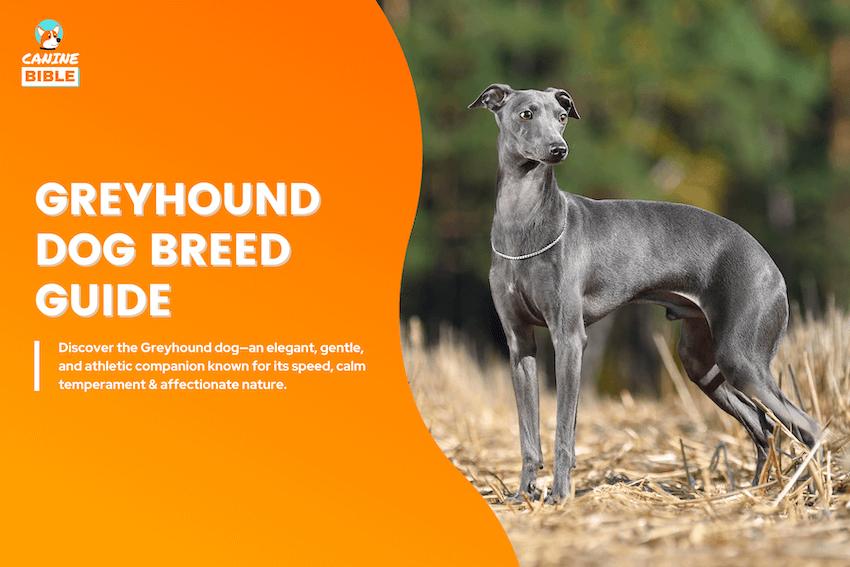
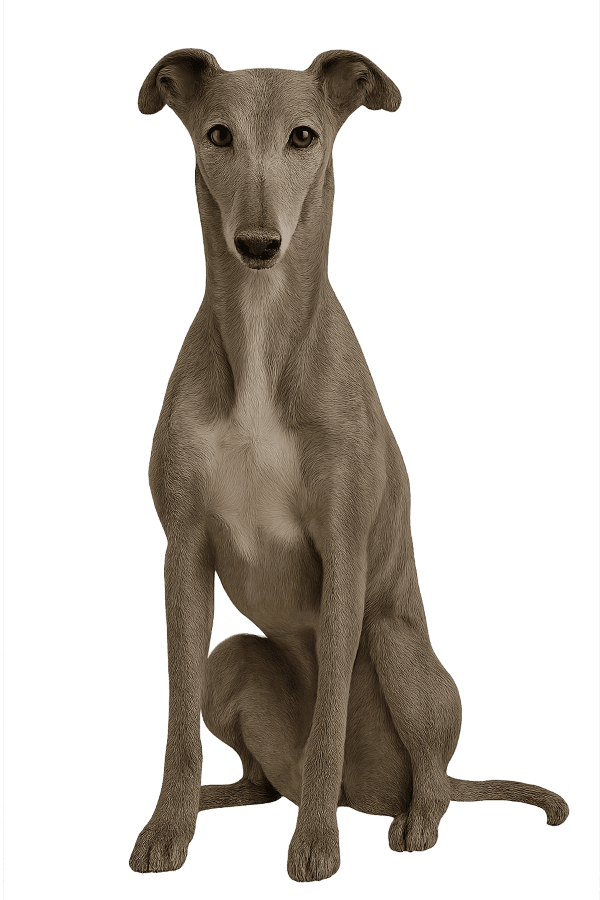
Greyhounds are gentle, intelligent, and athletic dogs best known for their sleek physique and unmatched speed. Originally bred for hunting and racing, today’s Greyhounds are calm, affectionate companions that enjoy quiet living. Despite their history as racers, Greyhounds are surprisingly laid-back and love lounging on the couch just as much as a good sprint. Their friendly disposition and quiet nature make them ideal pets for individuals and families alike. Greyhounds bond closely with their people, thrive on affection, and do well in homes where they can enjoy a soft bed and short daily walks. Due to their lean bodies, they require protection from extreme temperatures and benefit from soft bedding and gentle care. These graceful dogs make wonderful low-maintenance pets with big hearts and elegant presence.
- Breed popularity ranking: 145 of 202
- Club: Greyhound Club of America
- Population: 100,000+ (estimated in the U.S.)
- Price: $2,500

Weight
60–70 lbs

Height
27–30 inches

Lifespan
10–14 years


Breed Group
Hound Group
Greyhound Growth Chart
History and Origin
The Greyhound, a sleek and elegant sighthound breed renowned for its speed and gentle demeanor, traces its origins back over 4,000 years to ancient Egypt, Greece, and Persia. Originally bred to hunt game such as deer and hare, Greyhounds were prized by nobility for their unmatched agility, keen eyesight, and graceful presence. Throughout history, they have been celebrated in art, literature, and royal courts, symbolizing both prestige and athleticism.
Historically, Greyhounds were used as hunting companions and later became popular in the sport of dog racing, where their incredible sprinting ability was showcased. Despite their athletic history, Greyhounds are known for their calm and affectionate nature. They are gentle with people, quiet around the home, and surprisingly low-energy indoors—often referred to as “45-mph couch potatoes.”
The breed gained formal recognition in the United States in the late 19th century and was officially recognized by the American Kennel Club (AKC) in 1885. Today, Greyhounds are cherished as loyal family companions and are often adopted through rescue organizations following retirement from racing. Their noble lineage, quiet temperament, and affectionate personality make them beloved pets around the world.


Appearance
| Feature | Description |
|---|---|
| Body Build | Long, lean, and muscular with an aerodynamic build for sprinting |
| Coat Type | Short, smooth, and fine-textured |
| Coat Colors | Black, white, fawn, blue, brindle, red, and various combinations |
| Facial Markings | May include masks, blazes, or other markings; long, narrow face with soft eyes |
| Chest Markings | May vary; deep and broad chest typical of the breed |
| Tail | Long, slender, and low-set with a slight upward curve at the end |
| Ears | Small and folded back (“rose” ears) when relaxed, semi-erect when alert |
| Eyes | Large, oval, and dark with a gentle, intelligent expression |
| Nose | Large and black (or self-colored), prominent on the long muzzle |
| Feet | Compact with well-arched toes and tough pads; built for speed |
| Overall Expression | Graceful, calm, and dignified with a noble demeanor |

Greyhound Characteristics
The further out a point is along a spoke, the stronger that trait is in the breed (on a scale of 1 to 10).

| Trait | Score | Description |
|---|---|---|
| Temperament | 9 | Calm, gentle, and affectionate, Greyhounds are known for their laid-back and easygoing nature. |
| Sociability & Friendliness | 8 | Generally friendly and tolerant, especially with people and other dogs when socialized early. |
| Intelligence | 7 | Greyhounds are intelligent but may show a more independent or aloof learning style. |
| Trainability | 8 | Trainable and responsive with positive reinforcement, though not always eager to please. |
| Energy Level | 6 | Despite their racing history, they are sprinters with low endurance and enjoy long naps. |
| Shedding Level | 4 | Low to moderate shedding; their short coat is easy to manage with minimal grooming. |
| Protective Instinct | 3 | Not naturally protective or territorial; more likely to watch quietly than intervene. |
| Loyalty | 9 | Very devoted to their family, Greyhounds bond deeply and enjoy companionship. |
| Barking Level | 2 | Typically quiet and not prone to barking, making them good for apartment living. |
| Adaptability | 8 | Adapt well to various living situations, including apartments, but need soft bedding and moderate exercise. |
Exercise & Activity Breakdown
Greyhounds are calm and gentle dogs with a surprising athletic edge. While famous for their speed, they are not hyperactive and are actually quite content with a relaxed lifestyle. However, regular, moderate exercise is essential to keep them physically fit and mentally content—preventing restlessness or boredom-related behaviors.
- Puppy (0–12 months): Greyhound puppies are playful and curious, needing short bursts of exercise and plenty of socialization. Gentle leash walks, safe spaces to run, and early obedience training are ideal at this stage. Encourage confidence and engagement through soft toys and beginner-level interactive games.
- Adult (1–6 years): Adult Greyhounds benefit from daily walks and opportunities to stretch their legs in a safely enclosed area. Though not endurance athletes, they enjoy occasional short sprints, canine sports or “zoomies.” Mental enrichment such as puzzle toys or basic scent games also helps prevent boredom.
- Senior (7+ years): As Greyhounds age, they may slow down but still enjoy light daily walks and affection-based interaction. Their joints may become sensitive, so low-impact activities and a consistent routine help maintain mobility and emotional wellness.
Greyhound Daily Activity Breakdown
Nutrition
Greyhounds require a high-quality diet that matches their life stage (e.g., puppy, adult, senior) and supports their lean physique and sensitive digestive system. As a large, deep-chested breed with low body fat and a fast metabolism, it’s important to feed them food specifically formulated for large or athletic breeds to maintain optimal energy levels, muscle tone, and overall health.
These diets should include balanced nutrients to support heart health, joint function, and a strong immune system. Since Greyhounds are prone to conditions like bloat, dental issues, and arthritis, easily digestible formulas, moderate fat content, and glucosamine and chondroitin for joint support are essential. A diet rich in omega-3s and antioxidants can also support skin and coat health, especially since their thin coats offer little protection from environmental elements.
Read our “Best Greyhound Dog Food Guide” to explore expert nutrition tips and tailored food recommendations for this elegant, athletic breed.
Nutritional Breakdown by Activity Level for Greyhound
Common Health Issues
Most Greyhounds are healthy, but like all dogs, they can be prone to certain health conditions. Common health concerns include:
*DD: Dental Disease
Recommended Health Tests for Greyhounds:
Proactive health measures, attentive care, and regular veterinary visits can help ensure your Greyhound lives a happy and healthy life as your loyal companion.
💡 Due to this breed’s high proclivity to health issues, we recommend getting pet insurance for financial protection against unexpected medical emergencies, ensuring your pet receives the best possible care without the burden of high out-of-pocket expenses. Check out our best pet insurance guide to find a suitable plan for your pet.
Care Requirements
| Grooming Task | Recommended Frequency | Importance | Tools Needed | Recommended Product |
|---|---|---|---|---|
| Brushing | 2–3 times per week | Prevents mats and tangles, removes loose fur, and promotes healthy skin | Slicker brush, de-shedding tool, grooming mitt | Hertzko Self Cleaning Slicker Dog Brush (View on Amazon) |
| Bathing | Every 6–8 weeks | Keeps coat clean, reduces odor, and helps control shedding | dog-safe shampoo, conditioner, towel, hair dryer (optional) | OUAI Fur Bébé Pet Shampoo (View on Amazon) |
| Nail Trimming | Every 3–4 weeks | Prevents overgrowth, pain, and potential injury while walking | dog nail clippers, nail grinder, styptic powder | Coastal Pet Safari Nail Clipper (View on Amazon) |
| Ear Cleaning | Monthly | Prevents ear infections, especially in floppy-eared breeds | Ear cleaning solution, cotton balls or pads (no Q-tips) | Zymox Ear Cleanser (View on Amazon) |
| Oral Care (Brushing Teeth) | Daily | Reduces plaque and tartar buildup, prevents gum disease and bad breath | Dog toothbrush, enzymatic toothpaste, dental chews | Greenies Dental Care Chews (View on Amazon) |
Greyhound Dog Trainability
Greyhounds are intelligent, sensitive, and gentle dogs who respond best to calm, consistent guidance. While they are not known for being highly obedient in the traditional sense, their eagerness to please and laid-back nature make them very trainable with the right approach. Patient, low-pressure training that uses positive reinforcement—such as treats, praise, and affection—is ideal. Harsh corrections or loud tones can cause fear or withdrawal due to their sensitive temperament. They thrive in calm environments and do best with short, focused training sessions that build trust and confidence.
Compared to other breeds, Greyhounds benefit most from soft-spoken leadership, early socialization, and a steady routine. Their independent nature means they may not always be eager to perform repetitive tasks, but with patience and gentle encouragement, they become polite, well-behaved companions.

Intelligence
According to canine psychologist Stanley Coren (author of The Intelligence of Dogs – View on Amazon), dog intelligence can be broken down into three types:
- Instinctive Intelligence – What a dog is bred to do (herding, guarding, retrieving).
- Adaptive Intelligence – A dog’s ability to solve problems and learn from the environment.
- Working & Obedience Intelligence – How quickly a dog learns commands and obeys them.
IQ Comparison
Greyhounds are often underestimated in terms of intelligence due to their calm and independent nature, but they possess a quiet, thoughtful intelligence. Rather than aiming to please constantly, Greyhounds assess situations carefully and respond when it makes sense to them. They may not rank high in traditional obedience-based IQ tests, but their ability to learn quickly, adapt to routines, and understand human behavior makes them uniquely smart in practical, everyday contexts. Greyhounds excel in environments that offer gentle encouragement and low-stress learning—ideal for activities like lure coursing, scent games, and calm behavioral training.
Greyhounds shine in settings that respect their sensitive disposition. While they may not be driven by praise or tricks like other breeds, their independence, emotional sensitivity, and strong situational awareness make them quietly brilliant. They thrive with patient, positive reinforcement and develop deep bonds that support loyal, well-mannered behavior over time.
Dog Breed Intelligence Comparison
Breeding
Greyhounds are valued for their grace, gentle temperament, and athleticism. Like many purebred dogs, they can be predisposed to certain hereditary health issues, including osteosarcoma (bone cancer), bloat (GDV), hypothyroidism, heart disease, and arthritis. These risks make responsible breeding critical. Ethical breeders should conduct thorough health screenings—including cardiac evaluations, thyroid panels, and orthopedic assessments—to reduce the likelihood of passing on serious conditions. Maintaining appropriate spacing between litters is also vital to safeguard the health and well-being of both the dam and her puppies. Only physically sound, emotionally stable Greyhounds should be used in breeding programs.
- Age: Greyhounds should not be bred until fully mature—generally between 24 and 30 months of age..
- Litter size: A typical Greyhound litter includes 6–9 puppies.
- Temperament: Breeding dogs should be calm, confident, and even-tempered, free of anxiety, aggression, or extreme shyness, to ensure well-balanced offspring suitable for family homes or sport.
Is The Greyhound A Good Family Dog?
If the conditions below align with your lifestyle, personal preferences, and living situation, a Greyhound could be a wonderful pet for your family. Otherwise, you may want to consider other breeds.
✅ = Ideal / Strong Match | ⚠️ = Needs Consideration | ❌ = Not Recommended
| Suitability | Category | Score (1–10) | Notes |
|---|---|---|---|
| ✅ | Family Bonding | 9 | Deeply affectionate and bonds strongly with their humans. |
| ⚠️ | Child Friendliness | 7 | Generally gentle, but sensitive to rough play from small children. |
| ⚠️ | Good With Other Pets | 6 | Usually good with other dogs; high prey drive may affect small pets. |
| ✅ | Maintenance Level | 3 | Low grooming needs; short coat requires occasional brushing. |
| ⚠️ | Monthly Expenses | 6 | Moderate; special bedding and potential dental care add cost. |
| ✅ | Home Size Compatibility | 9 | Well-suited to apartments due to calm indoor behavior. |
| ✅ | Lifestyle Match | 8 | Perfect for relaxed owners; needs daily walks and soft lounging space. |
| ⚠️ | Trainability | 6 | Smart but independent; responds to positive reinforcement. |
| ⚠️ | Alone Time Tolerance | 5 | Can develop separation anxiety if left alone too often. |
| ✅ | Shedding & Drool Level | 4 | Minimal shedding and very low drool. |
| ❌ | Hypoallergenic | 2 | Not hypoallergenic; produces dander despite short coat. |
| ⚠️ | Protectiveness | 5 | Not naturally protective; more likely to observe than defend. |
| ✅ | Mental Stimulation Needs | 6 | Enjoys toys and short training sessions but not overly demanding. |
| ⚠️ | Climate Tolerance | 4 | Poor cold tolerance; needs coats or blankets in chilly weather. |
| ✅ | Life Expectancy | 8 | Typically lives 10–14 years with good care. |
| ✅ | Barking Level | 3 | Very quiet; rarely barks unless there’s a real reason. |
| ✅ | Travel Friendliness | 8 | Great travel companion if provided with a soft place to rest. |
| ⚠️ | Potty Training Ease | 6 | Generally easy to housetrain; responds to gentle consistency. |
Average Score: 7.0 / 10
Annual Cost of Ownership
| Category | Estimated Annual Cost (USD) |
|---|---|
| Food & Treats | $500 – $900 |
| Routine Vet Care | $400 – $600 |
| Vaccinations & Preventatives | $250 – $450 |
| Pet Insurance | $300 – $600 |
| Grooming | $75 – $150 |
| Training & Socialization | $200 – $400 |
| Toys & Enrichment | $100 – $200 |
| Supplies (bed, bowls, leash, etc.) | $150 – $250 |
| Emergency Vet Fund (recommended) | $400 – $800 |
| Boarding or Pet Sitting | $250 – $500 |
$2,625 – $4,850
Best Places to Get A Greyhound
Online marketplaces: For pre-screened, healthy puppies, Pawrade and PuppySpot are recommended resources, offering puppies from reputable U.S. breeders.
Rescue shelters: While Greyhounds are rarely available at local shelters, opportunities can occasionally arise. Check your local animal shelters or dog rescue organizations for information. Online communities, such as Facebook groups, can also be helpful resources.
Breeders: Finding a reputable Greyhound breeder can be challenging due to the complex nature of breeding this large, purebred working dog. Start by searching locally within your state. You may need to travel out of state if local options are unavailable. If purchasing from a breeder further away, consider the possibility of shipping the puppy if pickup is not an option. It’s essential to request medical records and health certifications for both parents. The American Greyhound Association’s approved breeder list is a trusted resource for finding ethical breeders.
Avoid breeders who:
- Don’t provide health clearances for both parents
- Don’t allow visits to meet the dogs or see their living conditions
- Have frequent litters with no waiting list
- Emphasize appearance over health and temperament