20 Best Superfoods for Dogs (& The Best Foods With Them)

Canine Bible is reader-supported. We receive affiliate commissions via some of our links. Learn more.
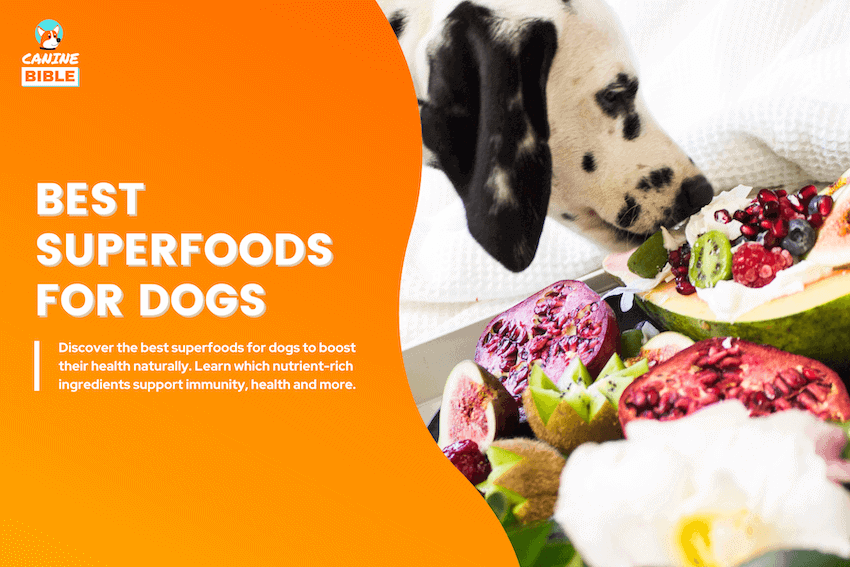
What if the secret to your dog’s long, healthy life was already sitting in your kitchen? Just like in humans, a dog’s diet plays a powerful role in their overall health, and certain ingredients pack an outsized nutritional punch. These are known as superfoods, and they’re loaded with essential vitamins, antioxidants, and health-boosting compounds that can support everything from joint function and digestion to skin health and immunity. In this guide, we’ll reveal the best science-backed superfoods for dogs, explain what makes them so beneficial, and show you easy ways to incorporate them into your pup’s daily meals or treats.
What Are Superfoods For Dogs?
Superfoods for dogs are nutrient-dense, natural foods that offer significant health benefits for dogs beyond basic nutrition. These ingredients are packed with vitamins, minerals, antioxidants, and other beneficial compounds that can support your dog’s immune system, improve digestion, reduce inflammation, promote healthy skin and coat, and even help prevent chronic diseases. These foods are often added in small amounts to your dog’s meals or treats and are generally safe when introduced properly. Always consult your vet before adding new superfoods, especially if your dog has allergies or health conditions.
Best Superfoods for Dogs
1. Blueberries
Blueberries are considered a superfood for dogs due to their exceptional nutrient density and powerful antioxidant content. Packed with vitamins C and K, fiber, and manganese, blueberries help support immune function, improve cognitive health, and reduce inflammation. Their high levels of anthocyanins — the compounds that give them their deep blue color — have been shown to combat oxidative stress, which is especially beneficial for aging dogs. Low in calories and naturally sweet, blueberries make an ideal, health-boosting treat that can be safely enjoyed in moderation by dogs of all sizes.
| Key nutrients | Vitamin C, Vitamin K, Fiber, Manganese, Anthocyanins (antioxidants) |
|---|---|
| Top health benefits | Supports cognitive function, strengthens the immune system, aids digestion, reduces inflammation, promotes healthy aging |
| Best ways to serve | Fresh and washed, frozen as a treat, mashed into meals, blended into smoothies, or in homemade dog treats |
| Recommended serving | Small dogs: 2–3 per day | Medium dogs: 4–5 per day | Large dogs: 6–10 per day |
| Cautions | Serve in moderation due to natural sugar content. Can be a choking hazard for toy breeds. Avoid blueberry-flavored products with added sugars or xylitol. |
| Safe for all dogs? | Yes, for most dogs when given in moderation. Monitor for allergies or tummy upset during first-time introduction. |
Best Dog Food With Blueberry Superfood

Ollie
Ollie’s blueberry recipe combines antioxidant-rich blueberries with human-grade meat and fresh vegetables, supporting immune health, digestion, and skin condition. The natural ingredients and minimal processing help preserve nutrient integrity, making it a wholesome and nutrient-dense option for canine wellness.


2. Pumpkin
Pumpkin is a top superfood for dogs thanks to its high fiber content, essential vitamins, and digestive health benefits. Rich in beta-carotene (a precursor to vitamin A), pumpkin supports vision, skin, and immune health. It’s also an excellent natural remedy for both diarrhea and constipation, making it a versatile tool in managing canine digestive issues. Low in calories and high in moisture, pumpkin can be a healthy addition to a dog’s diet, whether fresh, canned (plain), or cooked.
| Key nutrients | Fiber, Vitamin A (beta-carotene), Vitamin C, Potassium, Iron |
|---|---|
| Top health benefits | Promotes healthy digestion, supports immune health, aids in weight management, soothes upset stomach, improves skin and coat |
| Best ways to serve | Plain canned pumpkin (not pie filling), cooked and mashed, added to meals, frozen in treat molds, or mixed with plain yogurt |
| Recommended serving | Small dogs: 1–2 teaspoons per day | Medium dogs: 1–2 tablespoons per day | Large dogs: 2–4 tablespoons per day |
| Cautions | Use only plain pumpkin with no added sugar or spices. Too much fiber may cause soft stool. Avoid canned pie filling with nutmeg or sweeteners. |
| Safe for all dogs? | Yes, in moderation. Ideal for most dogs but start with small amounts to ensure tolerance, especially for dogs with sensitive digestion. |
Best Dog Food With Pumpkin Superfood

Acana Limited
Great for dogs, this formula features premium beef as the single animal protein source and easily digestible pumpkin for digestive support. It’s ideal for dogs with food sensitivities, using a limited, high-quality ingredient list to support overall health without common allergens.
3. Carrots
Carrots are a nutrient-dense, low-calorie superfood that makes an excellent addition to any dog’s diet. Loaded with beta-carotene, carrots support eye health, immune function, and skin vitality. Their crunchy texture also helps clean teeth and promote dental health. Carrots are naturally sweet, making them a tasty and safe snack option for most dogs — whether served raw, steamed, or frozen.


| Key nutrients | Beta-carotene (Vitamin A), Vitamin K1, Potassium, Fiber, Antioxidants |
|---|---|
| Top health benefits | Supports vision and immune health, improves skin and coat, promotes healthy digestion, aids dental health through chewing |
| Best ways to serve | Raw as a chew, steamed or boiled for easier digestion, grated over meals, frozen for teething puppies, or blended in treats |
| Recommended serving | Small dogs: 1–2 baby carrots per day | Medium dogs: 2–3 | Large dogs: 3–5 |
| Cautions | Chop or steam for small dogs to avoid choking. Too many carrots may cause digestive upset or contribute to weight gain if overfed. |
| Safe for all dogs? | Yes, carrots are safe for most dogs. Introduce gradually to avoid digestive upset, especially if your dog isn’t used to raw veggies. |
Best Dog Food With Carrot Superfood

Olewo
Great for dogs because it features premium beef as the single animal protein source and easily digestible pumpkin for digestive support. It’s ideal for dogs with food sensitivities, using a limited, high-quality ingredient list to support overall health without common allergens.
4. Salmon
Salmon is a protein-rich superfood for dogs that’s loaded with omega-3 fatty acids, making it one of the best ingredients for skin, coat, joint, and brain health. It’s a great source of highly digestible animal protein, as well as vitamins B12 and D, selenium, and potassium. Salmon can help reduce inflammation, ease itchy skin, support heart function, and promote a healthy immune system — especially beneficial for dogs with allergies or chronic conditions.
| Key nutrients | Omega-3 fatty acids (EPA & DHA), Protein, Vitamin B12, Vitamin D, Selenium, Potassium |
|---|---|
| Top health benefits | Supports healthy skin and coat, reduces inflammation, promotes joint health, boosts immune function, aids brain and heart function |
| Best ways to serve | Cooked and deboned (grilled, baked, or steamed), added to food, freeze-dried or air-dried salmon treats, or as salmon oil topper |
| Recommended serving | Small dogs: 1–2 oz cooked salmon 1–2x per week | Medium dogs: 2–3 oz | Large dogs: 3–5 oz |
| Cautions | Only serve cooked, boneless salmon. Never feed raw or undercooked salmon due to the risk of salmon poisoning disease. Avoid added salt, oil, or seasoning. |
| Safe for all dogs? | Yes, when properly cooked and given in moderation. Ideal for dogs with dry skin, joint issues, or food sensitivities. |
5. Kale
Kale is a leafy green superfood loaded with essential nutrients that support a dog’s overall health. It’s rich in vitamins A, C, and K, plus calcium, potassium, and powerful antioxidants that help fight inflammation and boost the immune system. Kale supports healthy vision, liver detoxification, and bone strength. While it should be fed in moderation due to its high fiber and oxalate content, when prepared properly, kale can be a fantastic nutrient boost for your dog’s diet.
| Key nutrients | Vitamin A, Vitamin C, Vitamin K, Calcium, Potassium, Iron, Antioxidants |
|---|---|
| Top health benefits | Supports immune system, reduces inflammation, promotes healthy bones and vision, helps detoxify the liver, and improves skin health |
| Best ways to serve | Lightly steamed or sautéed to reduce oxalates, finely chopped and mixed with meals, blended into treats, or added in small amounts to cooked recipes |
| Recommended serving | Small dogs: 1–2 teaspoons | Medium dogs: 1–2 tablespoons | Large dogs: 2–3 tablespoons, 2–3x per week |
| Cautions | Feed in moderation. Raw kale contains oxalates and isothiocyanates, which may irritate the digestive system or interfere with thyroid function in large amounts. |
| Safe for all dogs? | Generally yes, when served cooked and in small portions. Avoid in dogs with kidney issues or thyroid conditions unless advised by a vet. |
6. Sweet Potatoes
Sweet potatoes are a nutrient-packed, easily digestible superfood for dogs, rich in dietary fiber, complex carbohydrates, and essential vitamins. High in beta-carotene, vitamin A, and antioxidants, they support healthy vision, immune function, and gut health. Sweet potatoes are also gentle on the digestive system, making them ideal for dogs with sensitive stomachs. Naturally sweet and filling, they can be served cooked in a variety of ways as a wholesome addition to your dog’s diet.
| Key nutrients | Beta-carotene (Vitamin A), Vitamin C, Manganese, Potassium, Fiber, Complex carbohydrates |
|---|---|
| Top health benefits | Supports healthy digestion, improves skin and coat, boosts immune function, helps regulate blood sugar, and supports eye health |
| Best ways to serve | Boiled, steamed, or baked (without seasoning), mashed into meals, cubed as treats, or dehydrated into chew slices |
| Recommended serving | Small dogs: 1–2 tablespoons | Medium dogs: 2–3 tablespoons | Large dogs: 1/4 to 1/2 cup, a few times per week |
| Cautions | Always cook before serving. Avoid raw sweet potatoes and never add salt, butter, or spices. Too much can cause digestive upset or weight gain. |
| Safe for all dogs? | Yes, when cooked and fed in moderation. A great option for dogs with food allergies or sensitive stomachs. |
7. Chia Seeds
Chia seeds are a powerful plant-based superfood for dogs, packed with fiber, omega-3 fatty acids, antioxidants, and key minerals like calcium and magnesium. These tiny seeds support digestion, brain health, heart function, and energy levels. They also help maintain a healthy coat and skin while offering hydration support due to their gel-forming properties when soaked. A little goes a long way — chia seeds can be easily sprinkled into meals or incorporated into treats for a nutritious boost.
| Key nutrients | Omega-3 fatty acids, Fiber, Protein, Calcium, Magnesium, Phosphorus, Antioxidants |
|---|---|
| Top health benefits | Promotes healthy skin and coat, improves digestion, supports joint and heart health, enhances brain function, regulates blood sugar |
| Best ways to serve | Soaked in water (to form a gel), mixed into food, baked into homemade treats, or sprinkled over meals |
| Recommended serving | Small dogs: 1/4 tsp per day | Medium dogs: 1/2 tsp | Large dogs: up to 1 tsp |
| Cautions | Always serve soaked to avoid choking or intestinal blockage. Introduce slowly to prevent bloating or gas. Use in moderation due to high fiber content. |
| Safe for all dogs? | Yes, when introduced gradually and served properly. Avoid if your dog has trouble digesting high-fiber foods or tiny seeds. |
8. Turmeric
Turmeric is a powerful anti-inflammatory and antioxidant-rich superfood that offers a wide range of health benefits for dogs. Its active compound, curcumin, has been shown to help reduce joint pain, improve mobility, support cognitive health, and protect against chronic disease. Turmeric also promotes heart and liver health, making it especially useful for senior dogs or those with arthritis. To increase absorption, it’s best served with a healthy fat and a dash of black pepper.
| Key nutrients | Curcumin, Iron, Manganese, Vitamin C, Antioxidants |
|---|---|
| Top health benefits | Reduces inflammation, supports joint health, boosts immune function, improves brain and liver function, may help prevent cancer |
| Best ways to serve | Mixed with healthy fat and black pepper for better absorption (e.g., in golden paste), sprinkled over food, or used in homemade treats |
| Recommended serving | Small dogs: 1/8 tsp per day | Medium dogs: 1/4 tsp | Large dogs: 1/2 tsp to 1 tsp, depending on weight and tolerance |
| Cautions | Can cause gastrointestinal upset in high doses. Avoid in dogs with gallbladder issues, bleeding disorders, or those on blood-thinning medications. |
| Safe for all dogs? | Generally safe when introduced slowly and used in small amounts. Consult your vet if your dog is on medications or has health concerns. |
9. Coconut Oil
Coconut oil is a natural superfood that provides dogs with a concentrated source of healthy fats, particularly medium-chain triglycerides (MCTs), which offer anti-inflammatory, antimicrobial, and energy-boosting benefits. It helps improve skin and coat health, aids digestion, supports brain function, and may even assist with weight control. Whether added to food or used topically, coconut oil is a versatile supplement that can enhance a dog’s overall wellness when used in moderation.
| Key nutrients | Medium-chain triglycerides (MCTs), Lauric acid, Caprylic acid, Capric acid, Healthy saturated fats |
|---|---|
| Top health benefits | Improves skin and coat, supports digestion, boosts energy, enhances brain function, reduces inflammation, and helps control yeast or bacterial infections |
| Best ways to serve | Mixed into meals, drizzled over food, frozen into treats, or applied topically to dry skin and cracked paws |
| Recommended serving | Small dogs: 1/4 tsp per day | Medium dogs: 1/2 tsp | Large dogs: up to 1 tsp to 1 tbsp per day (start small and build up) |
| Cautions | Too much can cause loose stool or pancreatitis in sensitive dogs. Introduce gradually and monitor for signs of intolerance. |
| Safe for all dogs? | Generally safe in small amounts. Avoid in dogs with pancreatitis, fat sensitivity, or those on a strict low-fat diet. |
10. Bone Broth
Bone broth is a nourishing superfood for dogs, loaded with collagen, amino acids, and essential minerals that promote joint, gut, and immune health. Slow-simmered from bones, marrow, and connective tissues, bone broth supports digestion, hydrates the body, and helps heal the gut lining. It’s especially helpful for senior dogs, picky eaters, and dogs recovering from illness. Whether served on its own or poured over food, bone broth is a highly bioavailable supplement that boosts both flavor and nutrition.
| Key nutrients | Collagen, Glucosamine, Chondroitin, Glycine, Gelatin, Calcium, Magnesium, Phosphorus |
|---|---|
| Top health benefits | Supports joint health and mobility, promotes gut healing, boosts hydration, improves skin and coat, strengthens the immune system |
| Best ways to serve | Served warm or cold, poured over meals, frozen into ice cubes, or added to homemade food or dry kibble |
| Recommended serving | Small dogs: 1–2 tbsp per day | Medium dogs: 1/4–1/2 cup | Large dogs: 1/2–1 cup per day |
| Cautions | Use low-sodium, pet-safe broth only. Avoid broths with onion, garlic, or added seasoning. Store properly to avoid spoilage. |
| Safe for all dogs? | Yes, when made properly and served in moderation. Particularly helpful for dogs with joint issues, digestive problems, or low appetite. |
11. Broccoli
Broccoli is a nutrient-rich vegetable that can be a great addition to your dog’s diet in small amounts. Packed with fiber, vitamin C, and powerful antioxidants like sulforaphane, broccoli helps reduce inflammation, support immune function, and promote cellular health. Its low-calorie profile makes it ideal for dogs who need a healthy snack option. While highly beneficial, broccoli should be fed in moderation to avoid gastrointestinal irritation from isothiocyanate.
| Key nutrients | Vitamin C, Vitamin K, Fiber, Folate, Potassium, Sulforaphane (antioxidant) |
|---|---|
| Top health benefits | Boosts immune function, supports detoxification, reduces inflammation, promotes healthy digestion, and may help fight oxidative stress |
| Best ways to serve | Steamed or lightly cooked (plain), finely chopped and mixed into meals, or pureed into homemade food |
| Recommended serving | Small dogs: 1–2 small florets | Medium dogs: 2–3 florets | Large dogs: 1/4 cup — no more than 10% of daily intake |
| Cautions | Contains isothiocyanates, which may cause mild stomach upset if overfed. Always cook slightly and avoid seasoning. Do not feed in large amounts. |
| Safe for all dogs? | Yes, when served cooked and in moderation. Avoid for dogs with sensitive stomachs or thyroid conditions unless approved by a vet. |
12. Spinach
Spinach is a leafy green superfood that offers dogs a rich source of vitamins, minerals, and antioxidants. High in vitamin A, C, and K, as well as iron, calcium, and folate, spinach supports immune health, bone strength, and cellular function. While its nutrient density makes it a valuable addition to a dog’s diet, spinach contains oxalates, which can interfere with calcium absorption if overfed. When served in moderation and lightly cooked, spinach can be a safe, powerful nutritional booster.
| Key nutrients | Vitamin A, Vitamin C, Vitamin K, Iron, Folate, Calcium, Fiber, Antioxidants |
|---|---|
| Top health benefits | Supports immune health, aids metabolism, promotes strong bones, helps fight inflammation, and improves circulation |
| Best ways to serve | Lightly steamed or sautéed (plain), chopped finely and mixed into meals, or pureed into homemade dog food |
| Recommended serving | Small dogs: 1–2 tsp | Medium dogs: 1–2 tbsp | Large dogs: 2–4 tbsp, a few times per week |
| Cautions | Contains oxalates which can affect calcium absorption and kidney function if overfed. Always cook lightly and serve in moderation. |
| Safe for all dogs? | Generally yes when cooked and served sparingly. Avoid feeding large amounts, especially to dogs with kidney or bladder issues. |
13. Eggs
Eggs are one of the most complete and digestible sources of protein available for dogs. Packed with essential amino acids, healthy fats, and a range of vitamins and minerals, eggs support muscle development, immune function, skin and coat health, and more. Both the yolk and white provide nutritional benefits, making eggs a powerful whole-food addition to your dog’s diet when cooked and served properly.
| Key nutrients | High-quality protein, Vitamin A, B vitamins (B12, riboflavin, folate), Selenium, Iron, Fatty acids |
|---|---|
| Top health benefits | Supports muscle development, improves skin and coat, boosts immune function, aids metabolism, and promotes energy production |
| Best ways to serve | Scrambled (no seasoning), boiled, poached, or mixed into meals; raw eggs only if vet-approved and from a safe source |
| Recommended serving | Small dogs: 1/4–1/2 egg a few times per week | Medium dogs: 1 egg | Large dogs: 1–2 eggs, cooked |
| Cautions | Avoid seasoning, oil, or butter. Raw egg whites may cause biotin deficiency if overfed. Use caution with dogs who have egg allergies. |
| Safe for all dogs? | Generally yes, when cooked and fed in moderation. Always consult your vet for dogs with pancreatitis, allergies, or dietary restrictions. |
14. Apples
Apples are a crunchy, low-calorie superfood packed with fiber, antioxidants, and essential vitamins for dogs. Rich in vitamin C, vitamin A, and quercetin, apples help support immune health, reduce inflammation, and promote fresh breath and digestive regularity. Their natural sweetness makes them a dog-friendly treat, but the core and seeds should always be removed before serving.
| Key nutrients | Vitamin C, Vitamin A, Fiber, Potassium, Antioxidants (Quercetin) |
|---|---|
| Top health benefits | Supports immune function, promotes digestion, improves breath, helps reduce inflammation, and provides hydration |
| Best ways to serve | Raw, thinly sliced or chopped (core and seeds removed), frozen slices, or baked into dog-friendly treats |
| Recommended serving | Small dogs: 1–2 slices | Medium dogs: 3–4 slices | Large dogs: 4–6 slices, a few times per week |
| Cautions | Remove seeds and core — apple seeds contain cyanide. Avoid sugary apple products like pie or applesauce with additives. |
| Safe for all dogs? | Yes, when properly prepared and fed in moderation. Not ideal for dogs with diabetes unless approved by a vet. |
15. Sardines
Sardines are a nutrient-dense, oily fish that serve as an outstanding superfood for dogs. Rich in omega-3 fatty acids, protein, vitamin D, and coenzyme Q10, sardines support heart health, brain function, joint mobility, and a shiny coat. Because they are small and low on the food chain, sardines are less likely to contain mercury compared to larger fish, making them a safer seafood option for dogs when served plain and properly portioned.
| Key nutrients | Omega-3 fatty acids (EPA & DHA), Protein, Vitamin D, Vitamin B12, Calcium, Selenium, Coenzyme Q10 |
|---|---|
| Top health benefits | Supports brain and heart health, reduces inflammation, improves coat and skin condition, strengthens bones, and boosts immune system |
| Best ways to serve | Canned in water (no salt), fresh or frozen, added to meals or mashed over kibble — always serve boneless or soft-boned |
| Recommended serving | Small dogs: 1/2–1 sardine 2–3x per week | Medium dogs: 1–2 sardines | Large dogs: 2–3 sardines per serving |
| Cautions | Choose sardines packed in water, not oil or sauces. Avoid added salt and bones that could pose a choking risk. Introduce slowly to avoid digestive upset. |
| Safe for all dogs? | Yes, in moderation. Particularly beneficial for dogs with allergies, dry skin, or joint stiffness. Avoid in dogs on strict low-fat diets. |
16. Cranberries
Cranberries are a small but mighty superfood that can support your dog’s urinary tract health and provide powerful antioxidants. Packed with vitamin C, fiber, and polyphenols, cranberries help reduce inflammation, fight harmful bacteria, and support immune function. Whether fresh, dried (unsweetened), or cooked, cranberries can be a healthy and flavorful treat when served in moderation.
| Key nutrients | Vitamin C, Fiber, Manganese, Antioxidants, Proanthocyanidins (PACs) |
|---|---|
| Top health benefits | Supports urinary tract health, reduces inflammation, helps fight bacteria, improves immune function, and aids digestion |
| Best ways to serve | Fresh (chopped), cooked into food, rehydrated dried (unsweetened), or blended into dog-safe homemade treats |
| Recommended serving | Small dogs: 1–2 whole cranberries or 1 tsp chopped | Medium dogs: 2–3 cranberries | Large dogs: up to 1 tbsp, 2–3x per week |
| Cautions | Avoid cranberry sauces, juices, or sweetened dried cranberries with added sugar or xylitol. Too many may cause stomach upset or diarrhea. |
| Safe for all dogs? | Yes, in moderation. Ideal for dogs prone to urinary issues. Always introduce gradually and monitor tolerance. |
17. Seaweed (Kelp)
Kelp is a marine superfood loaded with trace minerals, iodine, antioxidants, and amino acids that promote whole-body wellness in dogs. Best known for supporting thyroid function, kelp also benefits skin and coat health, immunity, metabolism, and dental hygiene. When added in small, controlled amounts, kelp can be a highly bioavailable supplement that fills nutritional gaps in a dog’s diet — especially for dogs on homemade or raw food plans.
| Key nutrients | Iodine, Iron, Calcium, Magnesium, Zinc, Selenium, B vitamins, Antioxidants (fucoidan, carotenoids) |
|---|---|
| Top health benefits | Supports thyroid function and metabolism, improves skin and coat, boosts immunity, promotes healthy teeth and gums, and helps fight oxidative stress |
| Best ways to serve | Powdered kelp mixed into food, sprinkled over meals, or added to homemade dog treats (only use pet-safe kelp products) |
| Recommended serving | Small dogs: 1/8 tsp per day | Medium dogs: 1/4 tsp | Large dogs: 1/2 tsp to 1 tsp per day |
| Cautions | Excess iodine can disrupt thyroid function. Only use dog-specific kelp products and avoid over-supplementation. Consult a vet if your dog has thyroid issues. |
| Safe for all dogs? | Generally safe in proper amounts. Avoid in dogs with hyperthyroidism or those on iodine-restricted diets unless advised by a veterinarian. |
18. Beets
Beets are a vibrant, nutrient-rich root vegetable that offer a range of health benefits for dogs. They’re packed with fiber, folate, manganese, potassium, and antioxidants that support digestion, heart health, and circulation. Beets are also known for their natural detoxifying properties and can help boost energy and immune response. When served cooked and in moderation, beets make a colorful, health-boosting addition to your dog’s diet.
| Key nutrients | Folate, Fiber, Manganese, Potassium, Vitamin C, Iron, Antioxidants (betalains) |
|---|---|
| Top health benefits | Improves digestion, supports heart and liver health, boosts immune response, aids circulation, and provides natural detox support |
| Best ways to serve | Cooked and diced or shredded, steamed or boiled (plain), blended into homemade food, or baked into dog treats |
| Recommended serving | Small dogs: 1–2 tsp | Medium dogs: 1–2 tbsp | Large dogs: 1/4–1/2 cup, 2–3x per week |
| Cautions | Raw beets are hard to digest. Too many can cause pink urine or stool (harmless but surprising). Avoid canned beets with salt or sugar. |
| Safe for all dogs? | Yes, when cooked and served in moderation. Not ideal for dogs with kidney stones due to natural oxalates. Monitor stool color. |
19. Probiotic-rich foods (e.g., kefir, plain yogurt)
Probiotic-rich foods like kefir and plain yogurt can be powerful superfoods for dogs, helping maintain a healthy gut microbiome and improving digestion, nutrient absorption, and immune response. These fermented foods introduce beneficial live cultures that can support dogs with sensitive stomachs, allergies, or after antibiotic treatment. When choosing dairy-based probiotics, always select plain, unsweetened, and low-lactose options, and introduce slowly to ensure tolerance.
| Key nutrients | Probiotic cultures (Lactobacillus, Bifidobacterium), Calcium, Vitamin B12, Riboflavin, Protein |
|---|---|
| Top health benefits | Improves gut health and digestion, supports immune response, restores beneficial bacteria after antibiotics, reduces diarrhea and flatulence |
| Best ways to serve | Plain kefir or yogurt mixed into meals, frozen into small cubes, or spoon-fed as a treat (use unsweetened and low-lactose versions) |
| Recommended serving | Small dogs: 1–2 tsp | Medium dogs: 1–2 tbsp | Large dogs: 2–4 tbsp, daily or a few times per week |
| Cautions | Use only unsweetened, unflavored kefir or yogurt. Avoid xylitol, added sugar, and artificial sweeteners. Monitor for lactose intolerance signs. |
| Safe for all dogs? | Generally safe, but not ideal for dogs with severe lactose intolerance or dairy allergies. Start with small amounts and observe tolerance. |
20. Green-lipped Mussels
Green-lipped mussels (GLM) are a powerful joint-supporting superfood for dogs, especially those suffering from arthritis or mobility issues. Sourced from New Zealand, these mussels are naturally rich in omega-3 fatty acids, glucosamine, chondroitin, and unique anti-inflammatory compounds like ETA. They not only help reduce joint pain and inflammation but also support skin, coat, and cardiovascular health. GLM is commonly available in freeze-dried, powdered, or capsule form for convenient supplementation.
| Key nutrients | Omega-3 fatty acids (EPA, DHA, ETA), Glucosamine, Chondroitin, Zinc, Vitamin B12, Selenium, Amino acids |
|---|---|
| Top health benefits | Reduces joint inflammation, supports mobility and flexibility, improves skin and coat, aids recovery, and supports heart and immune health |
| Best ways to serve | Freeze-dried whole mussels, powdered GLM supplement added to meals, or in joint chews/treats with clear labeling and sourcing |
| Recommended serving | Small dogs: 150–300 mg/day | Medium dogs: 300–600 mg | Large dogs: 600–1000 mg, daily or as directed by your vet |
| Cautions | Introduce gradually. Monitor for shellfish allergies or stomach upset. Choose high-quality sources free from additives and preservatives. |
| Safe for all dogs? | Yes, especially for senior dogs or breeds prone to joint issues. Not suitable for dogs with shellfish allergies unless vet-approved. |
The Bottom Line
Feeding your dog the right superfoods isn’t just a trend—it’s a smart, natural way to support their health from the inside out. Whether you’re looking to boost immunity, improve digestion, or simply give your pup a nutritional edge, these powerful foods can make a real difference. By adding a few of these nutrient-rich ingredients to your dog’s meals or treats, you’re not only enhancing their diet but also investing in a longer, happier, and healthier life. Always introduce new foods gradually and consult your vet to ensure they’re a good fit for your dog’s individual needs.