
Why Is My Dog Shaking? 15 Causes, Warning Signs & What to Do


Canine Bible is reader-supported. We receive affiliate commissions via some of our links. Learn more.
Seeing your dog suddenly shake or tremble can be unsettling, especially when there’s no obvious explanation. While some episodes are harmless and temporary, others may point to an underlying issue that deserves attention. But how can you tell the difference between normal shaking and something more serious? The timing, intensity, and accompanying symptoms can offer important clues about what your dog is experiencing. You might notice trembling while your dog is resting, shaking during sleep, or sudden shivering despite a comfortable temperature. Understanding when shaking is normal, when it signals distress, and how it differs from more concerning symptoms can help you respond appropriately. This guide explores the possible reasons dogs shake, the warning signs you shouldn’t ignore, and when veterinary care may be necessary.
What Does Shaking Mean in Dogs?
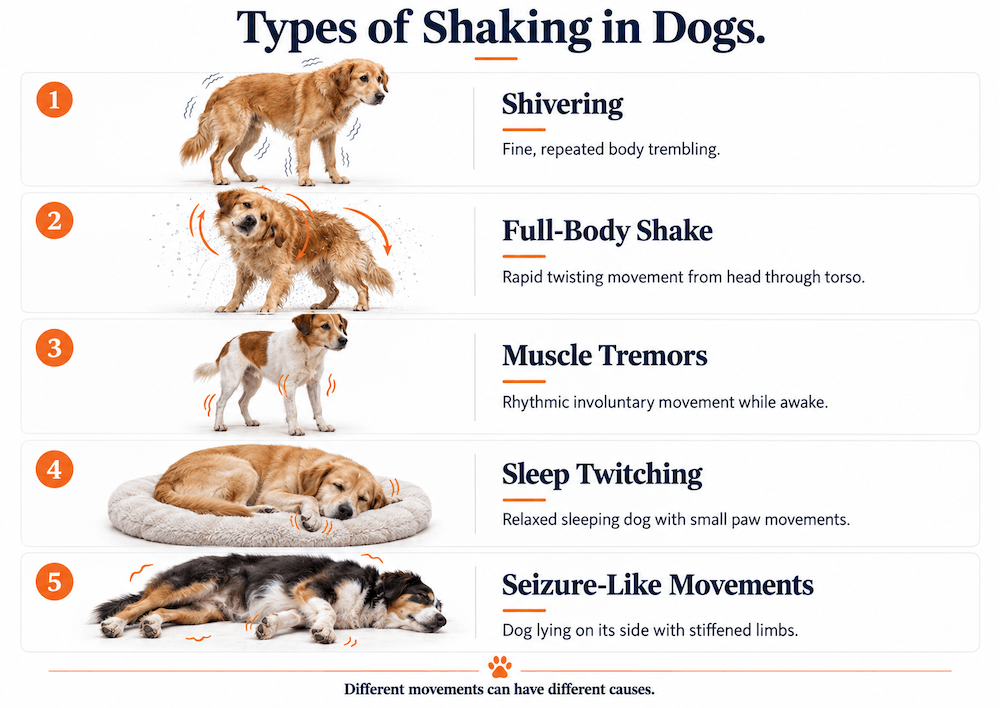
Not all dog shaking is the same. A dog may deliberately shake its entire body to remove water, experience involuntary muscle tremors while awake, or twitch during sleep. These movements involve different physiological processes, so identifying the type of shaking is an important first step toward understanding its cause.
True tremors involve involuntary, repeated muscle contractions, while shivering is a particular type of trembling that can help generate heat. Other movements, such as jerking, head shaking, or seizure-related convulsions, may look similar but have different underlying explanations. The duration, pattern, and your dog’s responsiveness can help distinguish them, although an examination may be necessary.
When Dog Shaking Is Normal vs. Concerning
The overall pattern of shaking is often more informative than its intensity alone. Consider whether your dog remains responsive, whether the movements stop naturally, and whether other physical symptoms appear.
| What to Observe | Usually Less Concerning | More Concerning |
|---|---|---|
| Trigger | Begins during an identifiable, harmless event. | Appears suddenly without an obvious explanation. |
| Duration | Stops soon after the trigger resolves. | Persists, intensifies, or repeatedly returns. |
| Responsiveness | Dog remains alert and responds normally. | Dog becomes unresponsive, confused, or disoriented. |
| Movement pattern | Brief, familiar movements without stiffness. | Uncontrolled jerking, rigidity, or loss of coordination. |
| Other symptoms | Normal breathing, appetite, movement, and behavior. | Weakness, vomiting, abnormal breathing, or significant pain. |
| Recovery | Returns promptly to normal activity. | Remains weak, distressed, or unusually lethargic. |
| Change from normal | Matches a previously observed, harmless pattern. | New, more frequent, or noticeably different shaking. |
15 Possible Causes of Shaking in Dogs
Dogs can shake because of normal physical responses, emotional triggers, discomfort, or conditions affecting their nervous system and internal organs. Some causes produce brief movements that resolve naturally, while others interfere with normal muscle control or indicate an underlying illness.


1. Cold Temperatures and Shivering
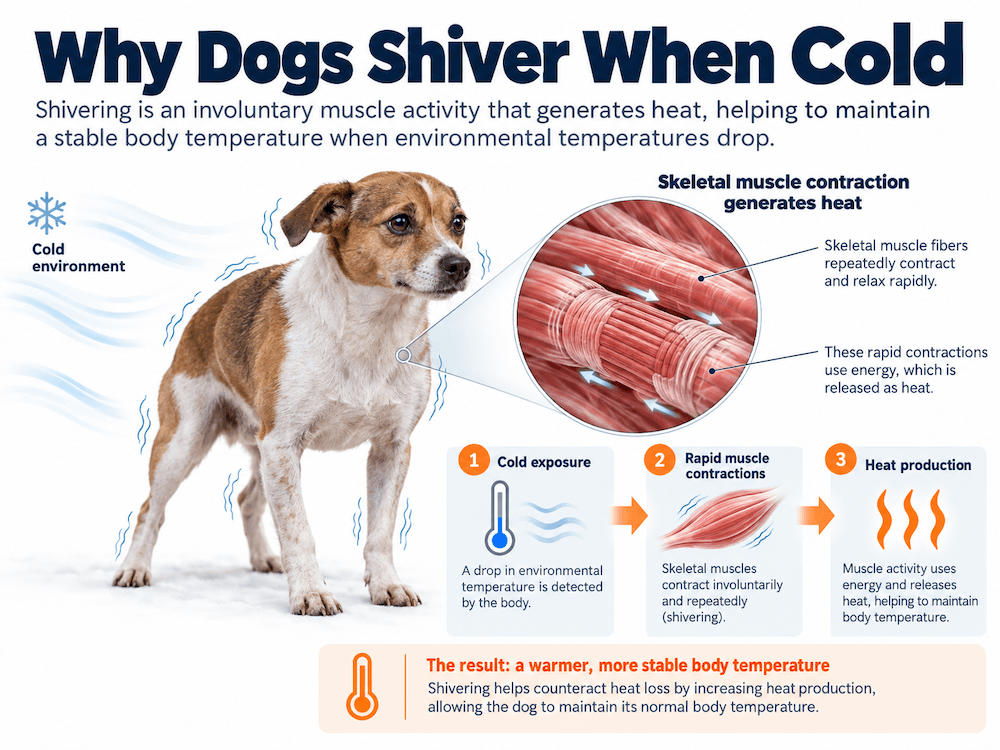
When dogs become cold, their muscles contract and relax rapidly to generate heat through shivering thermogenesis, a natural temperature-regulation process. Small dogs, thin-coated breeds, puppies, and older dogs may be especially vulnerable to colder environments. Shivering typically decreases as the dog warms up, but persistent trembling after cold exposure can indicate dangerous hypothermia.
2. Wet Fur and the Natural Shake-Off Reflex
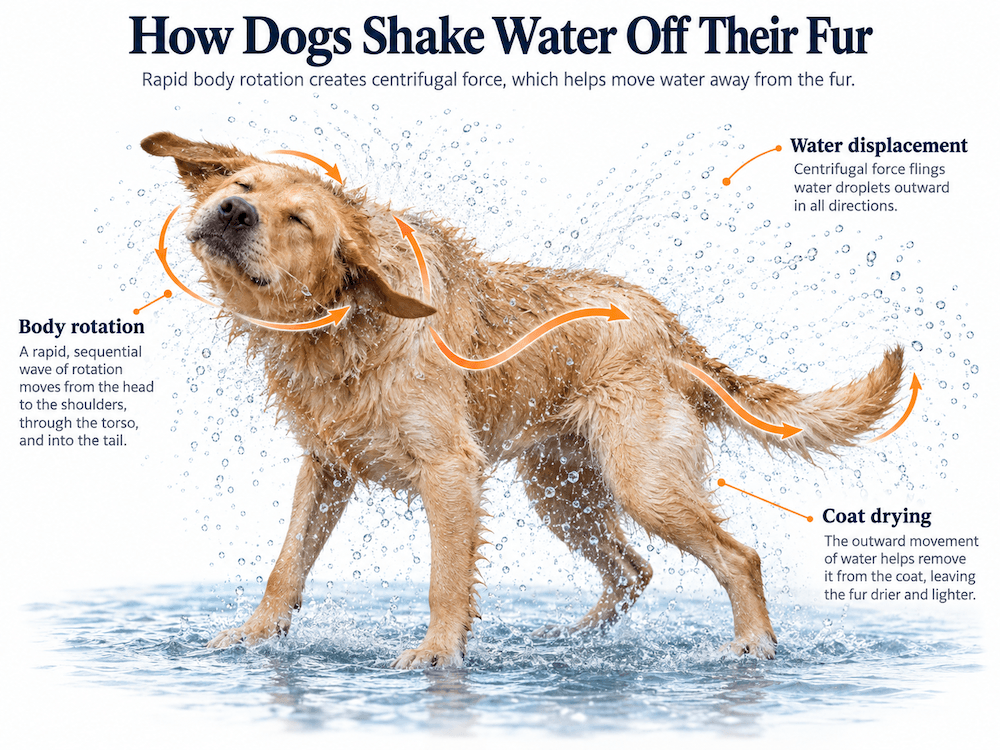
Dogs instinctively perform a rapid whole-body shake-off movement to remove water and other irritating substances from their coat. Coordinated twisting movements travel through the body, creating forces that fling moisture away from the fur. This commonly happens after bathing, swimming, or getting caught in the rain, and occasionally in response to uncomfortable sensations on the skin.
3. Excitement and Emotional Arousal
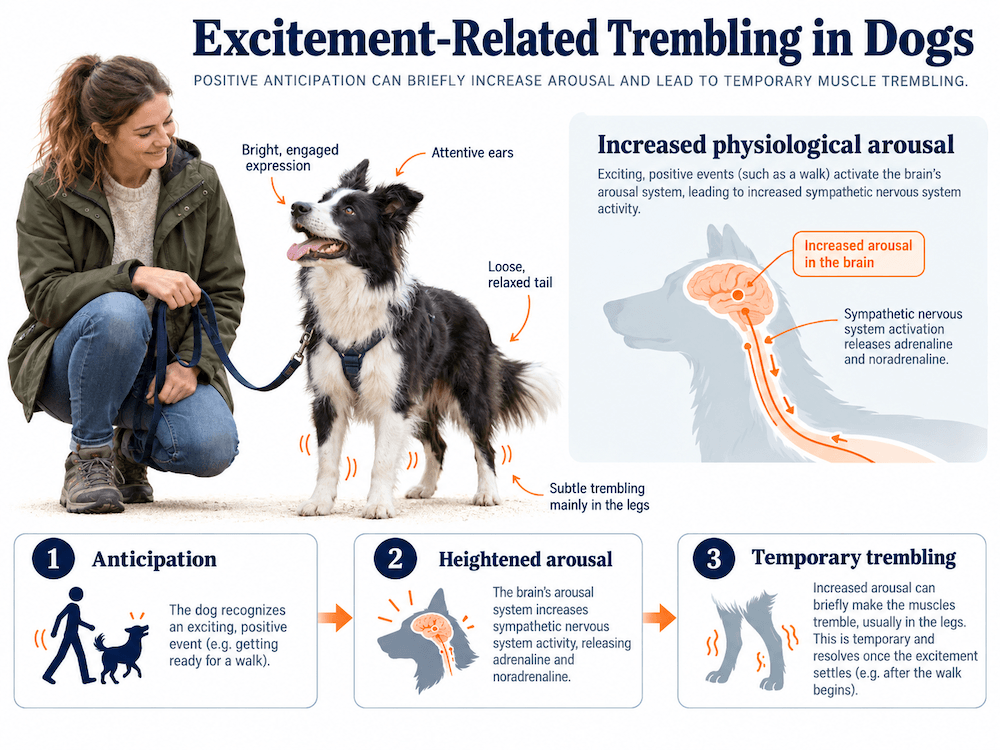
Some dogs tremble when anticipating an enjoyable event, such as greeting a favorite person, receiving food, or going for a walk. Heightened nervous system activity can increase muscle tension and produce visible trembling during intense excitement. A dog experiencing this response typically remains alert, shows relaxed or enthusiastic body language, and settles once the excitement subsides.
4. Fear, Anxiety, and Stress
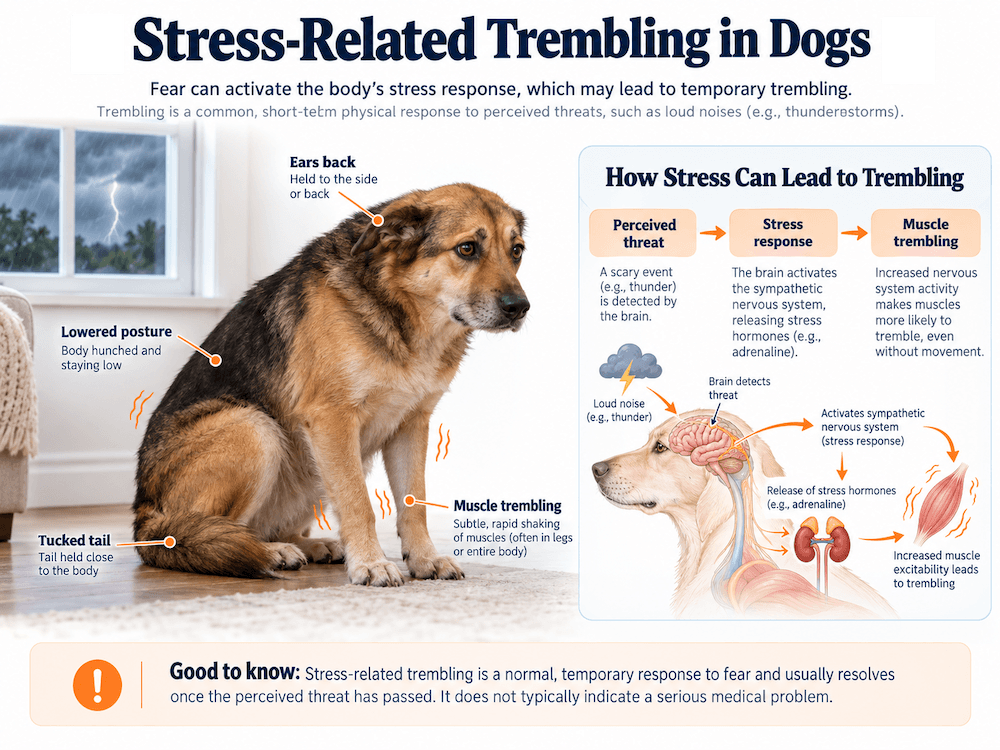
Fearful or stressful experiences activate the body’s fight-or-flight response, releasing stress hormones and preparing the muscles for rapid action. Dogs may tremble during thunderstorms, fireworks, veterinary visits, car journeys, or unfamiliar encounters. Panting, lowered body posture, tucked tails, flattened ears, and attempts to hide can provide additional clues that the shaking is associated with distress.
5. Dreaming and Normal Sleep Movements
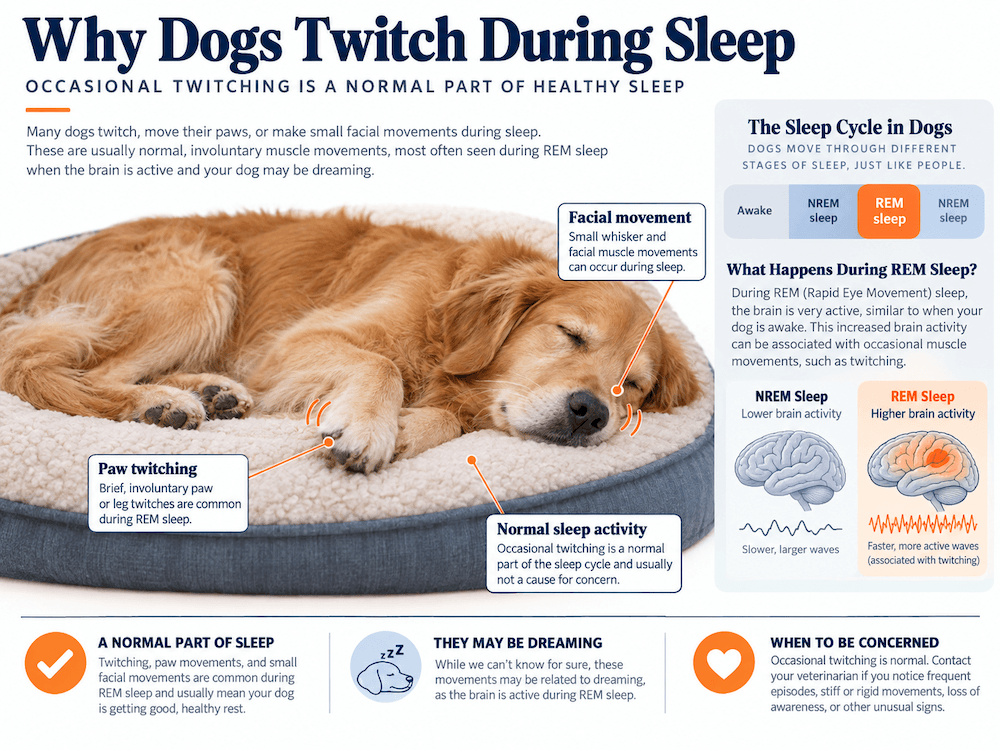
During rapid eye movement (REM) sleep, dogs can display small, involuntary movements as activity continues within the sleeping brain. Sleep-related muscle twitching may appear as paw movements, facial twitches, brief limb jerks, or occasional vocalizations. These movements are generally short and intermittent, and the dog usually returns to normal alertness after waking.


6. Pain, Injury, and Physical Discomfort
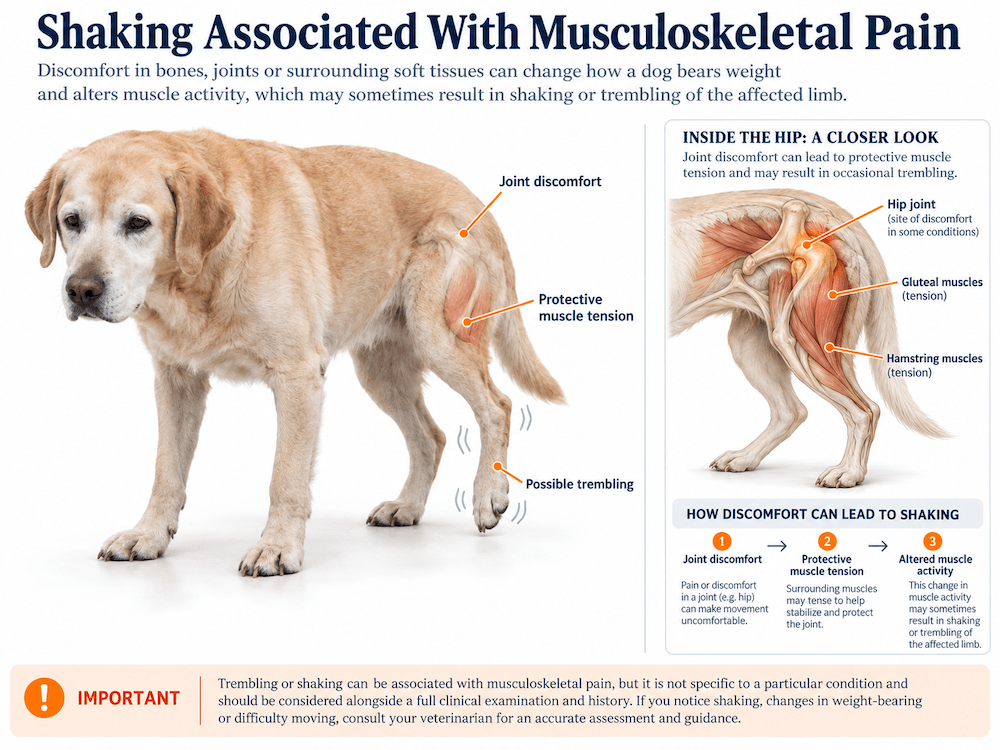
Pain can cause shaking because the nervous system responds to uncomfortable sensations by increasing muscle tension and triggering involuntary contractions. Dogs experiencing pain-related trembling may also resist movement, limp, adopt a hunched posture, vocalize, or become unusually withdrawn. Arthritis, back injuries, muscle strains, and internal pain are among the possibilities, and trembling can occur even when an injury is not externally visible.
7. Nausea and Gastrointestinal Upset
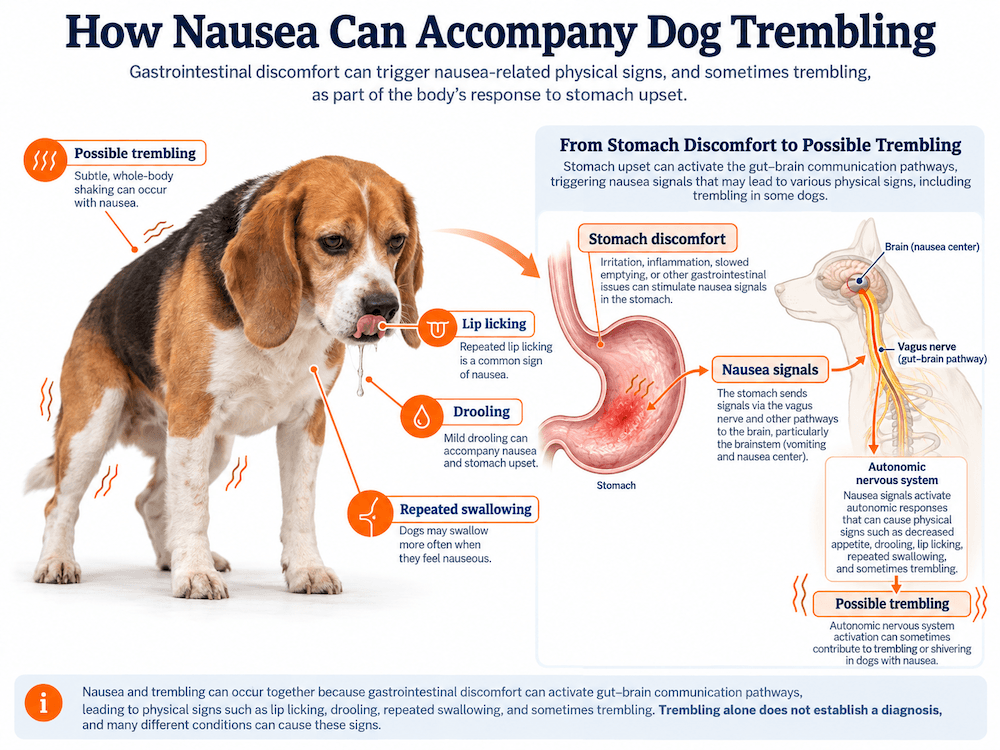
Dogs sometimes tremble when experiencing nausea or abdominal discomfort because unpleasant internal sensations can activate autonomic responses and increase physical distress. Additional signs may include drooling, repeated swallowing, lip licking, reduced appetite, restlessness, or vomiting. Causes range from temporary digestive upset to serious abdominal disease, so the severity and accompanying symptoms are important.
8. Ear Infections, Allergies, and Ear Irritation
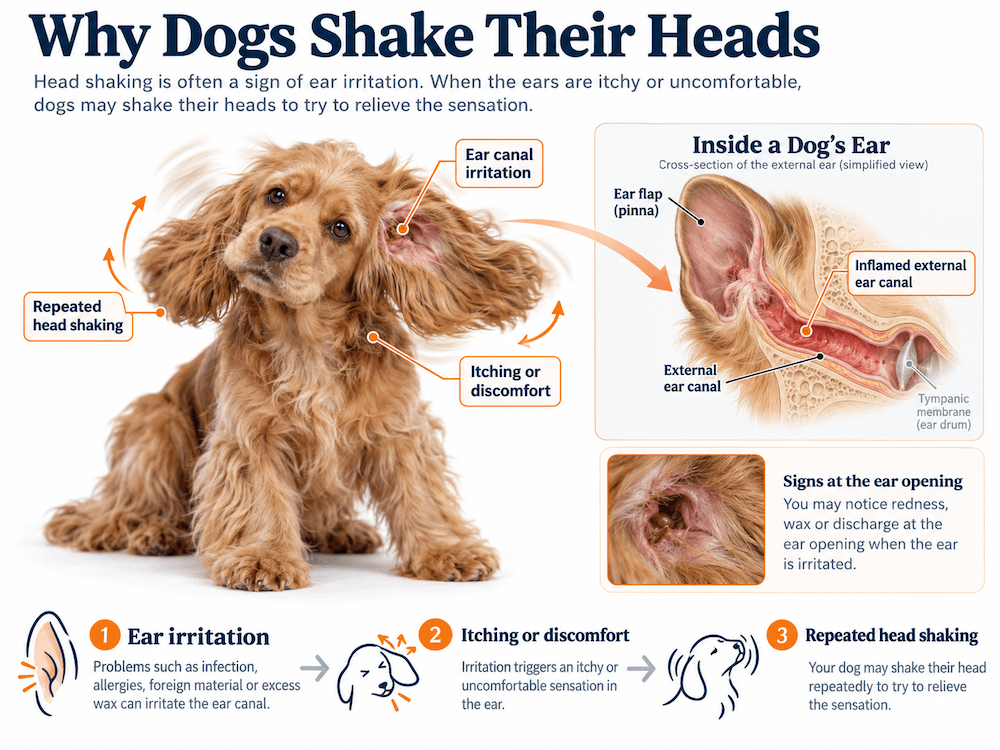
Frequent head shaking can indicate irritation inside the ear canal, rather than the generalized trembling seen with other conditions. Inflammation caused by infections, allergies, ear mites, or trapped material can produce itching or discomfort that makes dogs repeatedly shake their heads. Ear scratching, redness, unusual odor, discharge, or sensitivity around the ears may accompany this behavior, and persistent shaking can damage the ear flap.
9. Fever and Systemic Infections
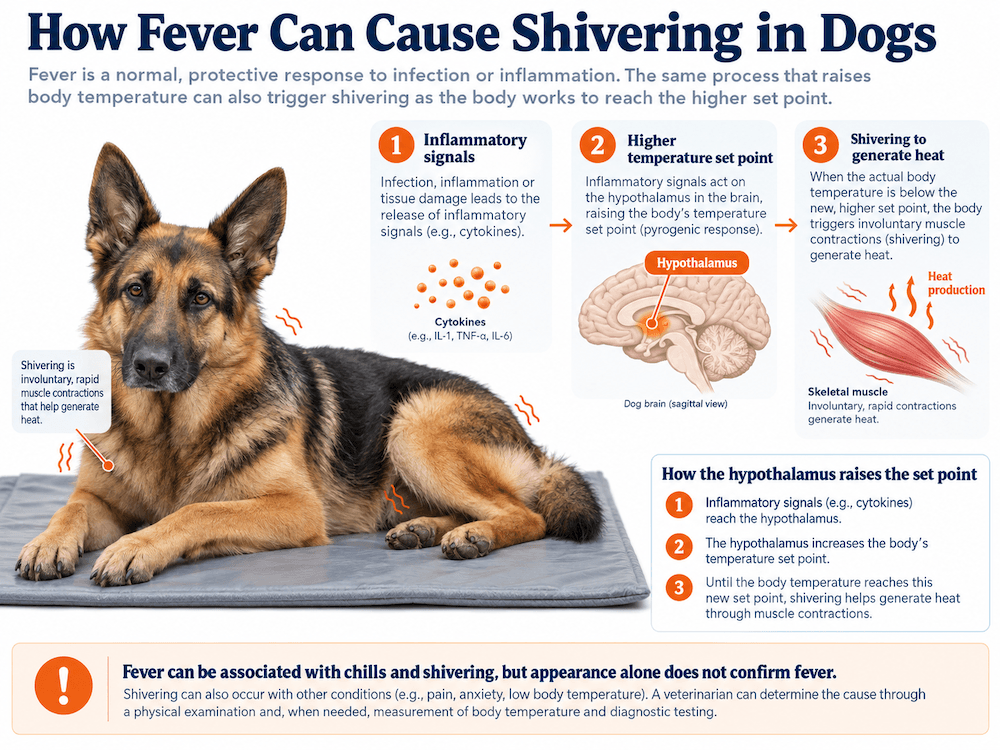
Infections and inflammatory illnesses can alter the body’s temperature regulation and sometimes produce fever-associated chills or shivering. When the brain raises the body’s temperature set point, muscle contractions may generate additional warmth, even though the dog already has a fever. Affected dogs may also appear tired, eat less, or show other illness-related symptoms; however, not every fever causes shaking.
10. Low Blood Sugar (Hypoglycemia)
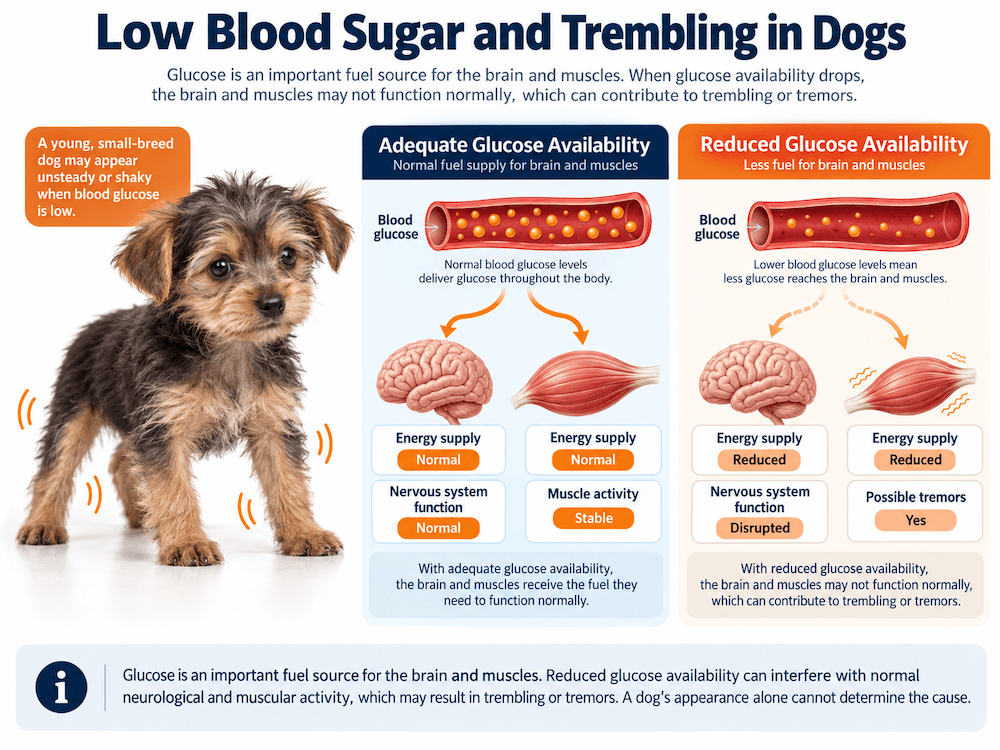
Glucose provides an essential energy source for the brain and other tissues, so an unusually low blood glucose concentration can disrupt normal nervous system and muscle function. Hypoglycemia-related tremors may occur alongside weakness, unusual behavior, disorientation, or seizures. Young toy-breed puppies, dogs receiving insulin, and dogs with certain metabolic diseases are particularly vulnerable, and suspected symptomatic hypoglycemia requires immediate veterinary guidance.
11. Poisoning and Exposure to Toxic Substances
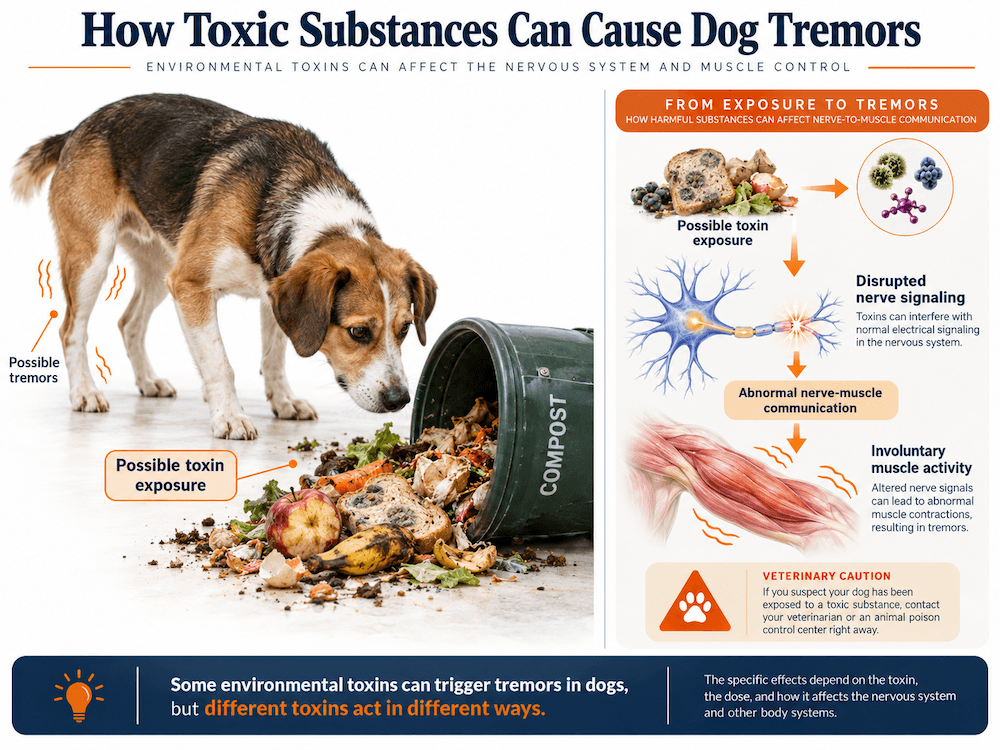
Certain toxins interfere with nerve signaling, muscle control, or normal metabolic processes, producing toxin-induced tremors that may worsen rapidly. Examples include chocolate, some pesticides, moldy food or compost, and products containing xylitol, although the mechanisms and symptoms differ between substances. Sudden shaking accompanied by drooling, vomiting, agitation, abnormal coordination, or seizures is particularly concerning, and suspected poisoning warrants immediate professional advice even before symptoms develop.
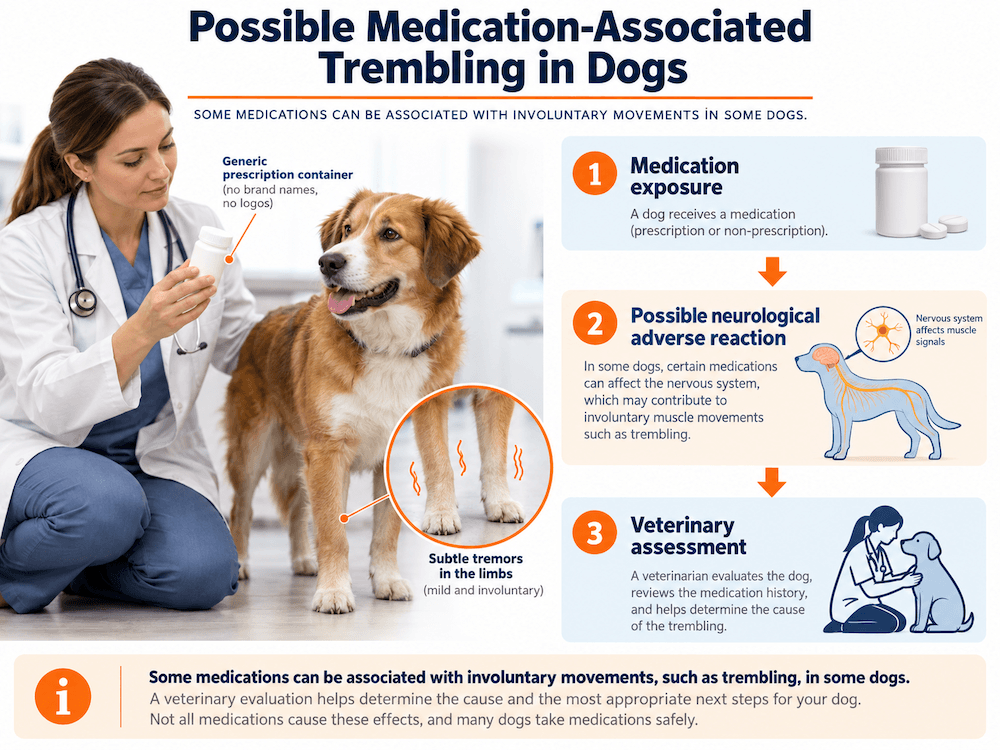
12. Medication Side Effects and Adverse Reactions
Some medications can cause trembling by affecting neurological activity or muscle function, especially when a dog experiences an adverse reaction, excessive dose, or interaction between treatments. Certain flea and tick preventives in the isoxazoline class have been associated with neurological adverse events, including tremors and seizures, although most treated dogs do not experience these effects. New shaking after starting or changing medication should be discussed promptly with a veterinarian, without independently stopping prescribed treatment unless instructed.
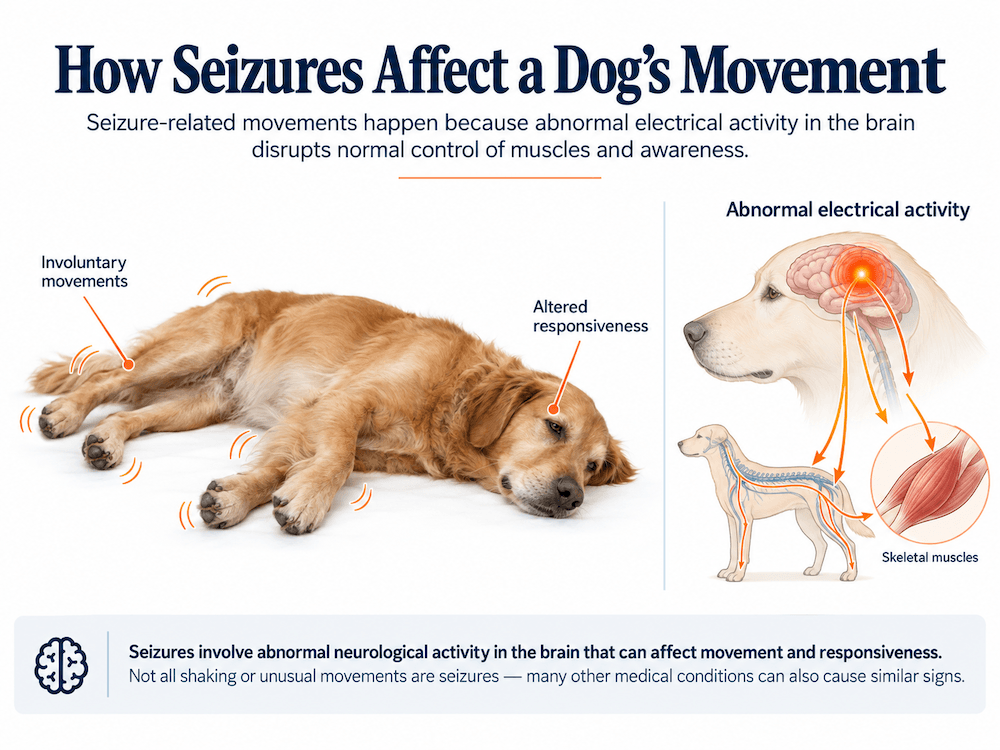
13. Seizures and Abnormal Electrical Activity in the Brain
Seizures develop when groups of brain cells produce abnormal, excessive electrical activity, potentially causing involuntary jerking, stiffening, paddling, or other unusual movements. Generalized seizures may involve the entire body and altered consciousness, while focal seizures can produce localized movements without obvious loss of awareness. Epilepsy is one possible explanation, but seizures can also result from structural brain disease, toxins, or metabolic disturbances and require veterinary evaluation.
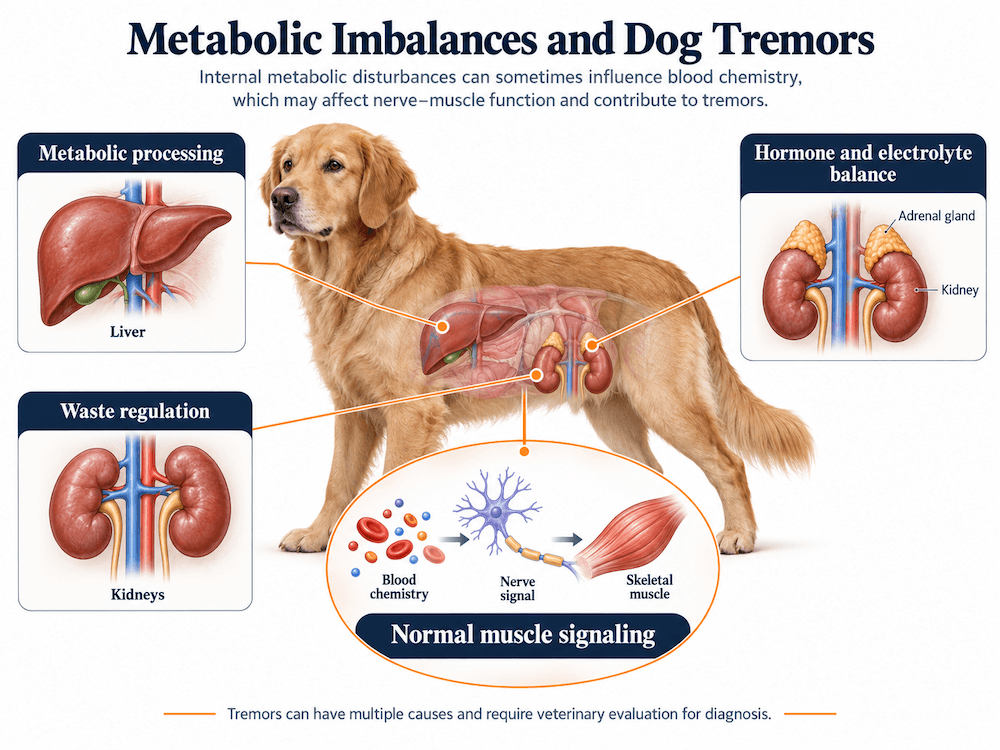
14. Metabolic Disorders and Internal Organ Disease
Disorders affecting the liver, kidneys, adrenal glands, or electrolyte balance can interfere with the chemical conditions needed for normal nerve and muscle activity. For example, severe kidney dysfunction may allow waste products to accumulate, while Addison’s disease can disrupt hormone and electrolyte regulation. Shaking associated with these conditions may occur alongside changes in thirst, urination, appetite, energy, or gastrointestinal function, making veterinary testing important.
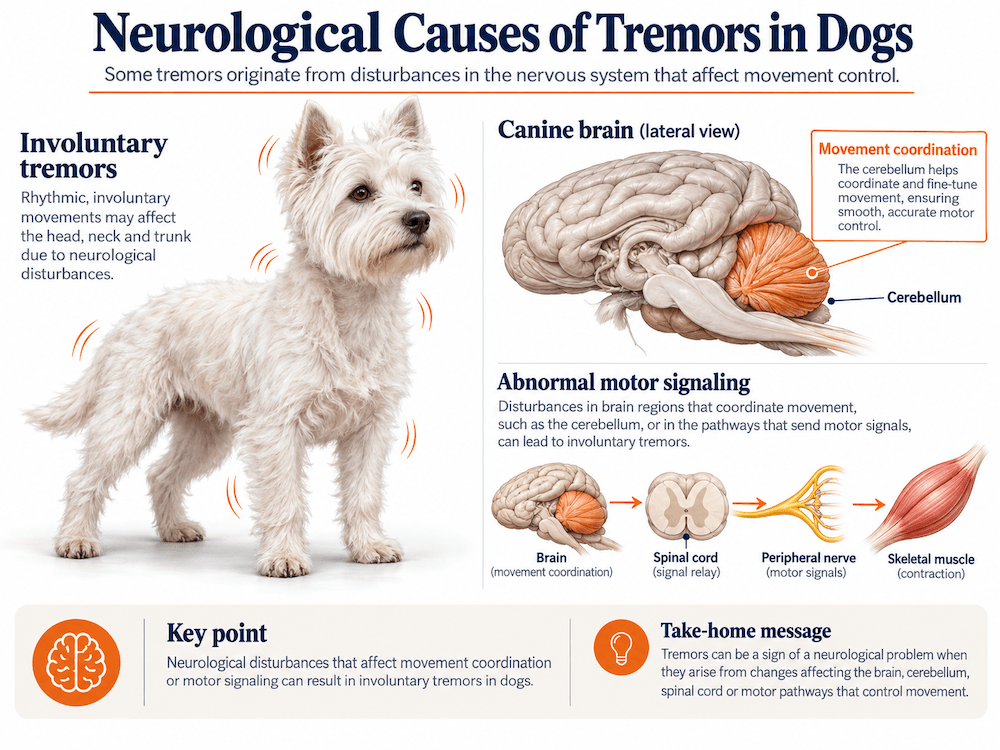
15. Neurological Diseases and Tremor Disorders
Conditions involving the brain, cerebellum, spinal cord, or movement-control pathways can produce involuntary neurological tremors that differ from ordinary shivering. One example is idiopathic generalized tremor syndrome, sometimes called shaker syndrome, which causes repetitive head or body tremors and may have an immune-mediated component; other disorders can produce isolated head bobbing, coordination problems, or tremors that worsen during purposeful movement. These conditions vary widely in severity and require veterinary assessment to distinguish them from seizures, metabolic problems, and other causes.
How Age, Breed, and Health History Influence Dog Shaking
A dog’s age, breed, body size, and medical history can affect how likely it is to experience trembling. These factors can influence the frequency and severity of shaking, but unexplained or persistent symptoms should never be dismissed as normal.
| Factor | How It Influences Shaking |
|---|---|
| Puppies | Immature temperature regulation and greater vulnerability to low blood sugar. |
| Small Breeds | Lose body heat faster, making cold-related shivering more likely. |
| Short-Coated Breeds | Less natural insulation increases sensitivity to cold temperatures. |
| Senior Dogs | Joint discomfort, muscle weakness, or neurological conditions may contribute to trembling. |
| Existing Medical Conditions | Diabetes, metabolic disorders, or neurological diseases can cause abnormal shaking. |
| Medication Use | Some medications may cause tremors as an adverse reaction. |
What to Do When Your Dog Is Shaking
If your dog begins shaking, your response should depend on the severity of the symptoms and the circumstances surrounding the episode. These steps can help keep your dog comfortable and safe while you determine whether veterinary attention is necessary.
What to Monitor if Your Dog Keeps Shaking
Tracking when, how, and how often your dog shakes can help your veterinarian identify patterns and possible underlying problems. Record the following details during and between episodes, and capture a short video if it is safe to do so.
| What to Monitor | What to Record |
|---|---|
| Frequency and duration | How often shaking occurs and how long each episode lasts. |
| Triggers | Activities, environments, or events immediately preceding the shaking. |
| Movement pattern | Which body parts shake and whether movements are rhythmic or irregular. |
| Responsiveness | Whether your dog remains alert and responds normally. |
| Other symptoms | Changes in appetite, walking, breathing, energy, or behavior. |
| Recent changes | New medications, possible toxin exposures, or unusual physical activity. |
| Video evidence | Record a short, clear video when safe to do so. |
When to Call a Veterinarian About Dog Shaking
Seek immediate veterinary care if your dog develops shaking accompanied by collapse, difficulty breathing, severe weakness, significant pain, suspected poisoning, or altered consciousness. A seizure lasting five minutes or longer, or multiple seizures within 24 hours, is a medical emergency; do not delay leaving for an emergency facility if a seizure is approaching five minutes. Sudden severe trembling after heat exposure, a distended abdomen with unsuccessful attempts to vomit, or an inability to stand also requires emergency attention. Contact a veterinarian immediately about a first suspected seizure, even if your dog appears to recover afterward.
Arrange a veterinary appointment for persistent, worsening, recurring, or unexplained shaking, even when your dog otherwise appears comfortable. New tremors that interfere with eating, sleeping, walking, or normal activities should not be dismissed. Repeated head shaking, unusual stiffness, changes in appetite, or a noticeable difference from your dog’s usual behavior also warrant evaluation.
A professional examination is especially important when the underlying cause cannot be confidently identified or when your dog has existing medical conditions. Your veterinarian may assess body temperature, hydration, pain, neurological function, and blood glucose, followed by laboratory testing or imaging when indicated. The findings help determine whether the movements require treatment, monitoring, or further investigation by a veterinary specialist.
How Veterinarians Diagnose and Treat Dog Shaking
Veterinarians investigate dog shaking by reviewing the dog’s symptoms, medical history, and physical condition. Diagnosis and treatment depend on the underlying cause, so testing may range from a basic examination to bloodwork or neurological assessment.
| Veterinary Approach | What It Involves | Possible Treatment |
|---|---|---|
| Physical Examination | Checks temperature, pain, hydration, and overall physical condition. | Supportive care or targeted treatment based on findings. |
| Medical History Review | Reviews shaking patterns, medications, triggers, and possible exposures. | Identifies appropriate testing and treatment options. |
| Blood and Urine Tests | Evaluates glucose, electrolytes, and internal organ function. | Corrects identified abnormalities with appropriate medical treatment. |
| Neurological Examination | Assesses reflexes, coordination, muscle activity, and seizure-like movements. | May involve seizure medication or specialist-directed care. |
| Ear Examination | Checks for inflammation, infection, or foreign material. | Targeted ear medication or safe foreign-body removal. |
| Toxicology Assessment | Investigates suspected poisoning and neurological symptoms. | Emergency stabilization, appropriate decontamination, or supportive treatment. |
| Advanced Imaging | Uses MRI or other imaging when clinically indicated. | Condition-specific treatment guided by imaging findings. |
| Behavioral Assessment | Evaluates environmental triggers and signs of anxiety. | Environmental changes, behavior modification, or prescribed medication when appropriate. |
Can You Prevent Your Dog From Shaking?
Not all dog shaking can be prevented, especially when it results from natural bodily responses or underlying medical conditions. However, preventive care and a safe environment can help reduce avoidable trembling and support your dog’s overall health. The following measures may help minimize common triggers.
| Preventive Measure | How It Helps |
|---|---|
| Maintain a Comfortable Temperature | Provide suitable bedding and weather-appropriate protection to reduce cold-related shivering. |
| Reduce Stressful Triggers | Provide predictable routines, safe spaces, and gradual positive exposure to stressors. |
| Provide Balanced Nutrition | Maintain consistent, appropriate feeding schedules to support healthy blood glucose levels. |
| Prevent Toxic Exposures | Keep medications, chocolate, pesticides, and other hazardous substances securely inaccessible. |
| Schedule Routine Veterinary Checkups | Identify health problems early and manage conditions that may cause trembling. |
| Follow Medication Instructions | Use prescribed doses and promptly report suspected adverse reactions. |
| Maintain Ear Health | Check ears regularly and address irritation before persistent head shaking develops. |
| Encourage Appropriate Exercise | Match activity to your dog’s fitness and avoid excessive exertion. |
What Veterinary Research Says About Dog Shaking
A 2025 study investigated the medical conditions associated with whole-body tremors. Researchers identified poisoning in 46% of cases, idiopathic generalized tremor syndrome in 24.7%, and low blood calcium in 6.6%. Other causes included low blood sugar, inflammatory brain disease, and degenerative neurological conditions. The findings demonstrate that similar-looking tremors can have very different underlying causes, although these percentages reflect dogs evaluated at a referral hospital rather than the general dog population.[1]
A 2022 study in Veterinary Record, Idiopathic Generalised Tremor Syndrome in Dogs, examined 75 affected dogs and found that tremors frequently occurred alongside neurological abnormalities, including problems with balance and coordination. Most dogs had favorable outcomes following treatment, although some experienced recurring or persistent symptoms.[2] A subsequent 2024 study in Frontiers in Veterinary Science, involving 33 dogs, identified neural autoantibodies in a small subset of affected animals. These findings suggest that immune-related mechanisms may contribute to certain tremor disorders, but the precise cause remains incompletely understood.[3]
Medication-related trembling has also been investigated. A 2024 study published in Veterinary Record, titled Neurological Adverse Effects of Isoxazoline Exposure in Cats and Dogs, examined 79 reports involving animals exposed to isoxazoline flea and tick medications. Muscle tremors and seizures were among the most frequently reported neurological symptoms, including after recommended doses in some dogs.[4] However, the researchers emphasized that the true frequency of these adverse events remains unknown, partly because poison-center reports are not representative of all treated animals. Together, these studies reinforce the importance of considering medical history, potential toxin exposure, neurological signs, and medication use when investigating unexplained shaking.
Frequently Asked Questions
The Bottom Line
Shaking in dogs can range from a harmless response to cold or excitement to a sign of discomfort or an underlying medical condition. Understanding the type of shaking, its duration, and the circumstances surrounding it can help you identify possible causes. While brief trembling with an obvious trigger is often harmless, sudden, persistent, or worsening episodes deserve closer attention. Symptoms such as weakness, vomiting, difficulty walking, or unusual behavior may indicate a more serious problem. Keeping your dog comfortable and monitoring changes can provide valuable information about its condition. When the cause is unclear or concerning symptoms develop, veterinary evaluation is the safest approach. Recognizing the difference between normal shaking and potential warning signs helps you make informed decisions about your dog’s health and well-being.