Why Do Dogs Eat Poop? 15 Reasons & How to Stop It

Canine Bible is reader-supported. We receive affiliate commissions via some of our links. Learn more.
Seeing your dog eat poop can be shocking, but this unpleasant habit is more common and complex than many owners realize. Known as coprophagia, poop-eating can occur in puppies and adult dogs, although the reasons behind it aren’t always the same. While occasional incidents may be relatively harmless, frequent or sudden poop-eating can raise important questions about your dog’s health and behavior. Does it signal a nutritional deficiency, an underlying medical condition, or something entirely different? Why do some dogs eat their own poop while others target waste from other animals? There are also concerns about bacteria, parasites, and whether this behavior is safe to ignore. Understanding these distinctions can help you recognize what’s normal, when to be concerned, and what the behavior might reveal about your dog.
Coprophagia or Poop-Eating in Dogs: What Owners Should Know
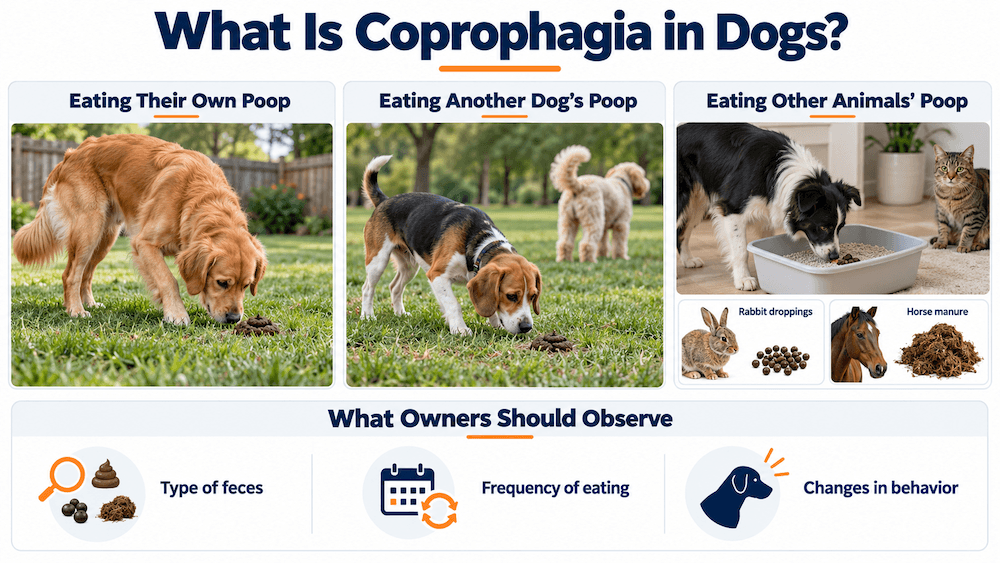
Coprophagia is the consumption of feces, whether a dog eats its own poop, another dog’s stool, or waste from animals such as cats, rabbits, or horses. It is a specific type of abnormal or unusual ingestion behavior, although the circumstances that trigger it are not always abnormal. Some dogs investigate feces without swallowing them, while others actively seek out and consume stool whenever they have the opportunity.
The distinction matters because not all forms of poop-eating have the same significance. A dog that occasionally samples animal droppings during a walk presents a different situation from one that repeatedly consumes its own feces immediately after defecating. Identifying what the dog eats, how frequently it happens, and whether the behavior has recently changed provides useful clues.
How Common Is Poop-Eating in Dogs?
Poop-eating is a recognized canine behavior, not something limited to poorly trained, neglected, or unhealthy dogs. Some dogs try it only occasionally, while others develop a persistent preference for feces. Even dogs that receive appropriate nutrition, exercise, veterinary care, and training may exhibit the behavior.
However, common does not mean completely harmless. Feces can expose dogs to infectious organisms or other substances, depending on their source and the environment. The practical concern is therefore twofold: understanding why the dog is attracted to stool and determining whether eating it creates a health risk or signals a change in the dog’s well-being.
15 Common Reasons Why Dogs Eat Poop
Dogs may eat poop because of a combination of instinctive behavior, sensory attraction, environmental influences, and physical health factors. Some explanations are part of normal canine development, while others involve learned habits or changes in appetite and digestion. Understanding these differences is important because the appropriate response depends on what is driving the behavior.


1. Natural Scavenging Instincts
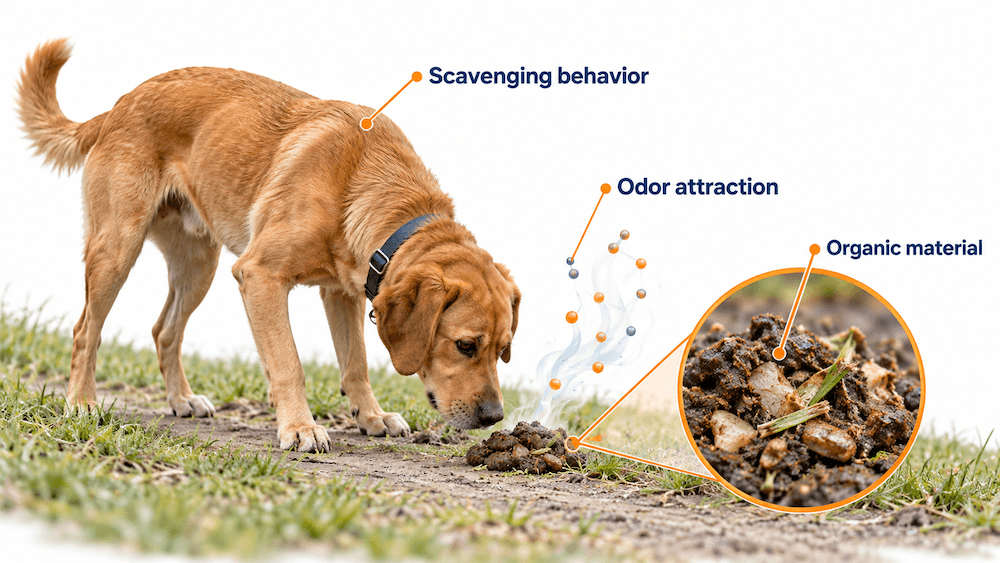
Dogs are opportunistic scavengers, meaning they naturally investigate potential food sources rather than limiting themselves to what humans consider edible. Feces can contain appealing odors and traces of partially digested material, making waste from cats, rabbits, horses, and other animals particularly interesting to some dogs. This attraction does not necessarily indicate hunger or a nutritional problem.
2. Puppy Curiosity and Exploration
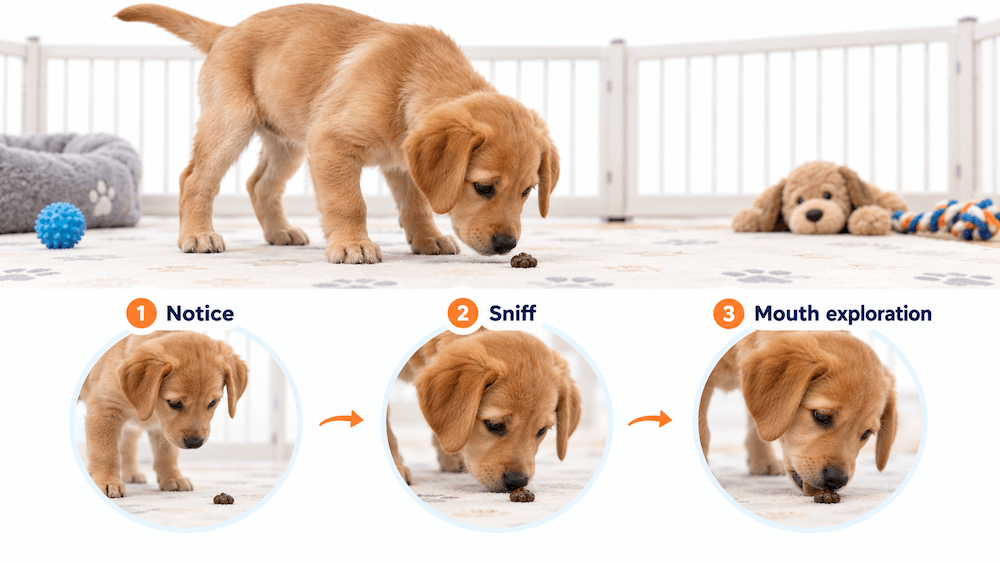
Puppies frequently explore unfamiliar objects with their mouths because mouthing helps them investigate their surroundings. Poop can become another object of sensory exploration, especially when a puppy encounters its own stool during early housetraining. Many puppies become less interested as they mature, although repeated access can allow the behavior to continue into adulthood.
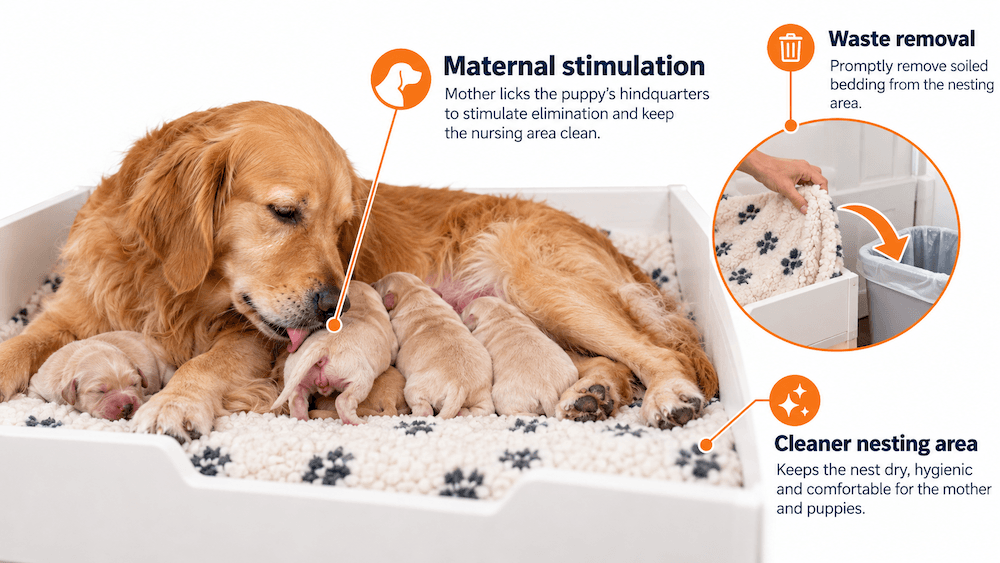
3. Maternal Instincts and Puppy Care
Mother dogs naturally lick their newborn puppies to stimulate elimination and often consume their waste afterward. This maternal cleaning behavior helps maintain the cleanliness of the nesting area while the puppies are too young to move away and eliminate independently. It is a normal part of early maternal care and generally decreases as the puppies mature and begin eliminating on their own.
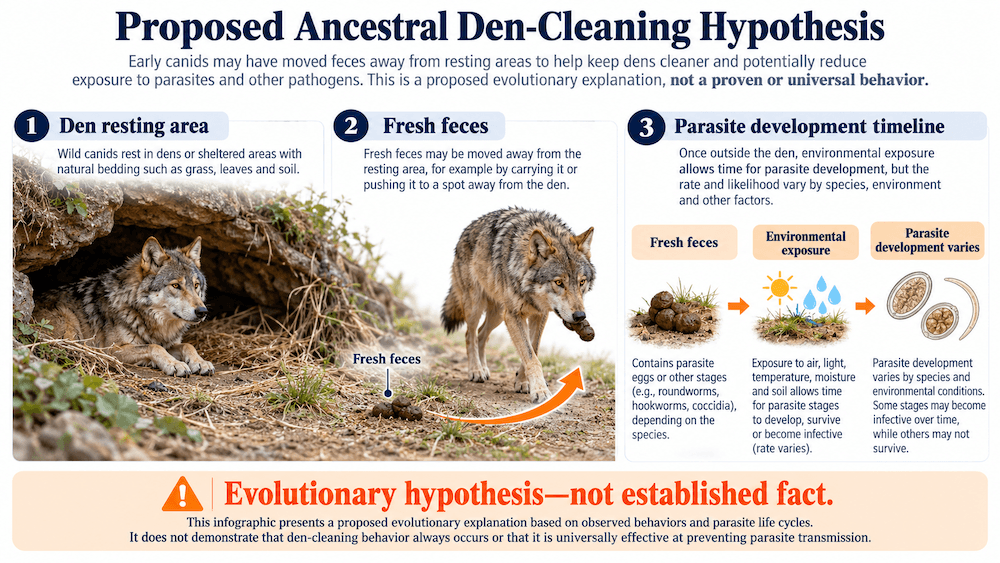
4. Possible Ancestral Den-Cleaning Behavior
One evolutionary hypothesis suggests that some dogs retain an inherited tendency to remove fresh feces from resting areas. Fresh-stool consumption may once have helped reduce environmental contamination before certain parasite eggs or larvae became infectious. This remains a proposed explanation rather than a proven reason individual dogs eat poop, and consuming feces can itself expose dogs to pathogens.
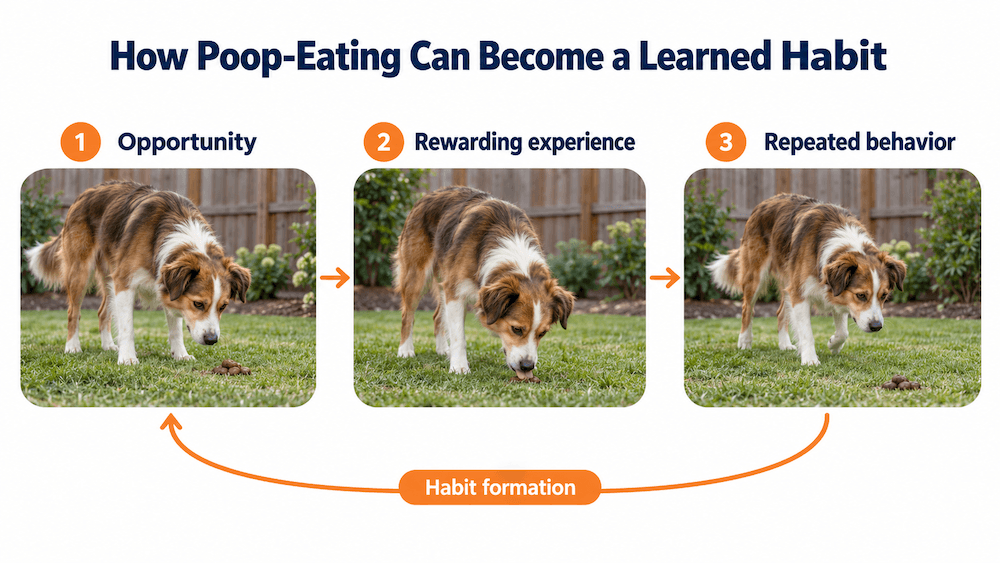
5. A Learned and Self-Reinforcing Habit
A dog that repeatedly eats poop may continue doing so because the experience itself has become rewarding. Repeated consumption can strengthen a learned habit, particularly when stool remains easily accessible and the dog finds its smell, taste, or texture appealing. Over time, the behavior may persist even when the original trigger is no longer present.


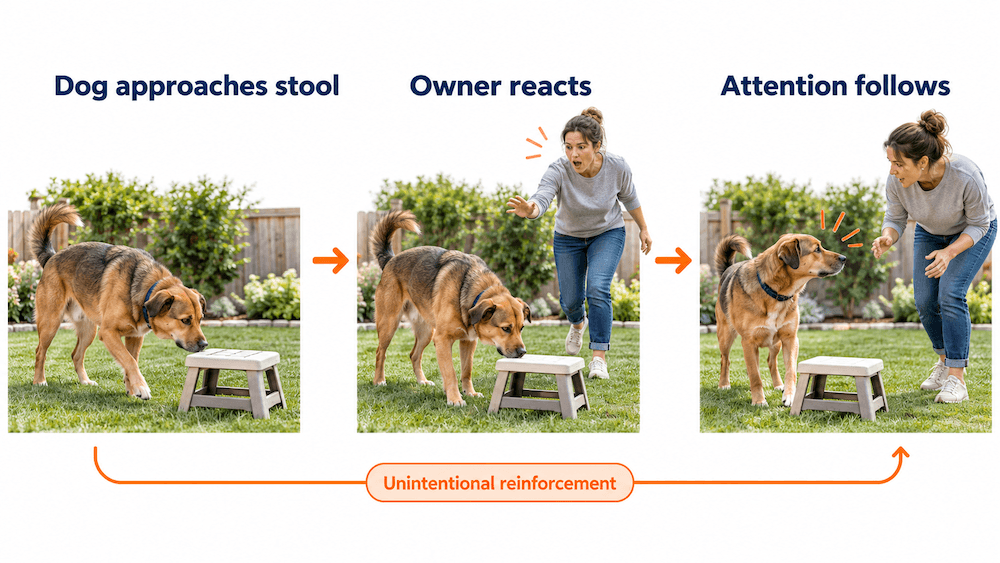
6. Attention-Seeking Behavior
Some dogs discover that approaching or eating poop produces an immediate reaction from their owners. Running toward the dog, shouting, or repeatedly trying to grab the stool may unintentionally provide attention that reinforces the behavior, even when the owner’s reaction is negative. This explanation becomes more plausible when the behavior reliably triggers an animated interaction.
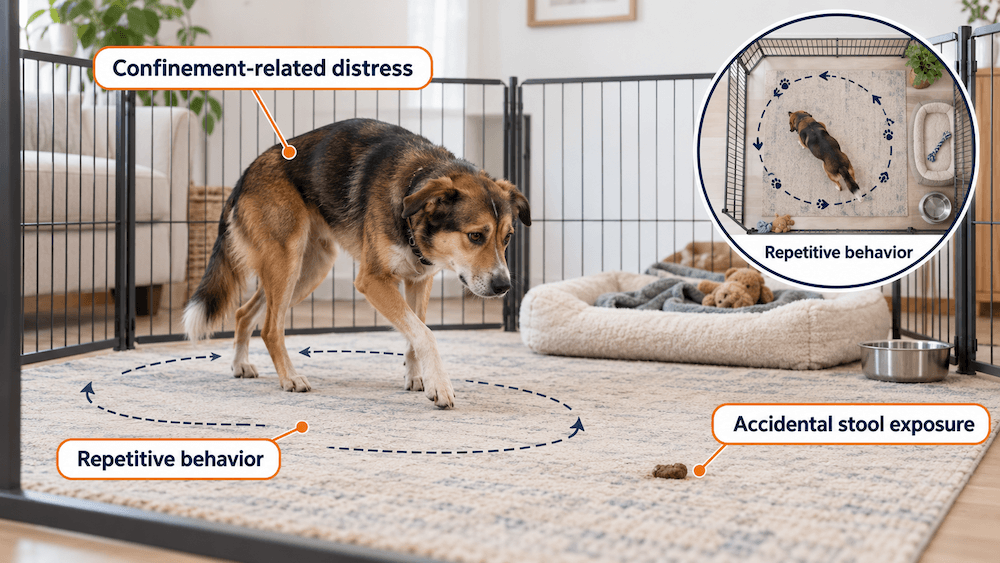
7. Stress, Anxiety, or Distress During Confinement
Dogs experiencing prolonged confinement, isolation, or anxiety may develop unusual repetitive behaviors, including consuming their own feces. Stress can alter normal behavior and coping responses, particularly when an anxious dog remains close to waste after eliminating. Repeated stool-eating alongside pacing, vocalizing, destructive behavior, or other distress signals warrants closer investigation.
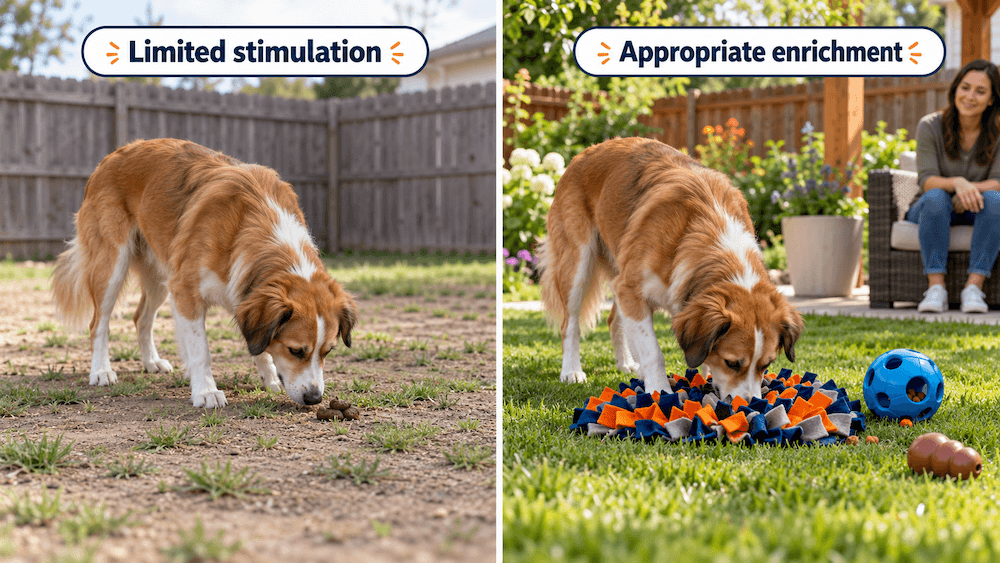
8. Boredom and Insufficient Mental Stimulation
Dogs that spend long periods without interesting activities may investigate objects they would otherwise ignore. When feces are available, limited environmental enrichment can increase opportunities for unwanted exploration, especially in dogs with strong investigative or food-seeking tendencies. This explanation may fit a dog that spends extended periods alone in a yard with little variety in its daily activities.
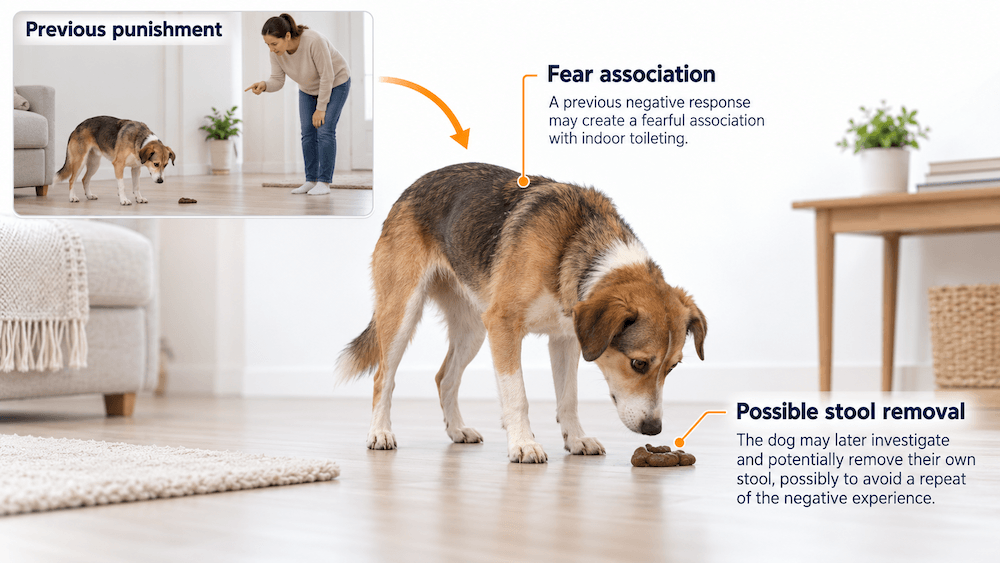
9. Fear of Punishment After Housetraining Accidents
Dogs repeatedly punished for indoor accidents may develop avoidance behaviors associated with the presence of feces. In some cases, eating poop may become a way of removing evidence of an accident, although owners cannot assume this motivation without considering the dog’s history. This association is one reason harsh housetraining methods can make elimination-related problems more difficult to resolve.
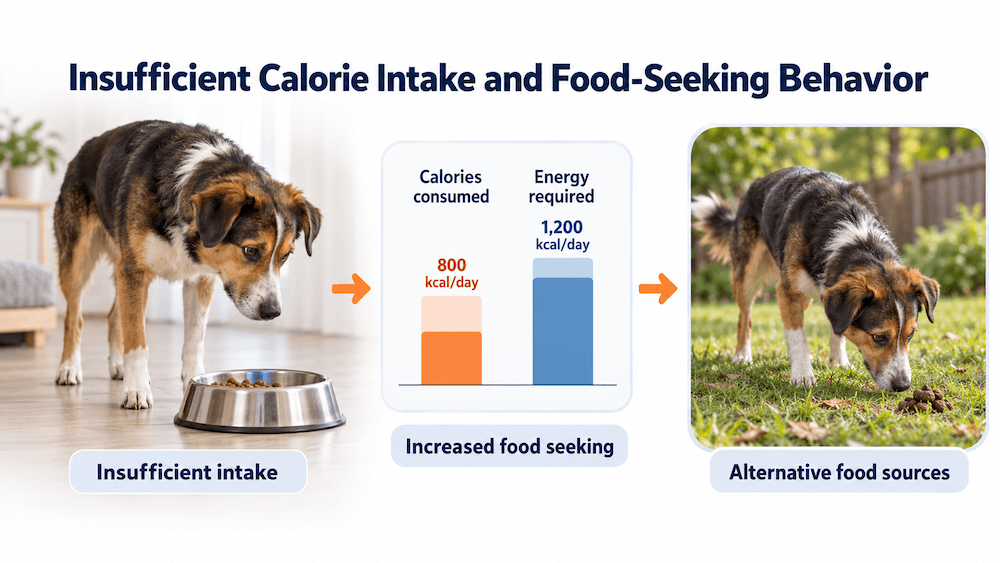
10. Hunger or Insufficient Calorie Intake
Dogs that do not receive enough food to meet their energy requirements may become more willing to consume unusual material. Persistent hunger increases food-seeking motivation, potentially making feces more appealing when other food sources are unavailable. This can occur with inadequate portions, excessively restrictive weight-loss diets, or feeding plans that do not match a dog’s activity level and nutritional needs.
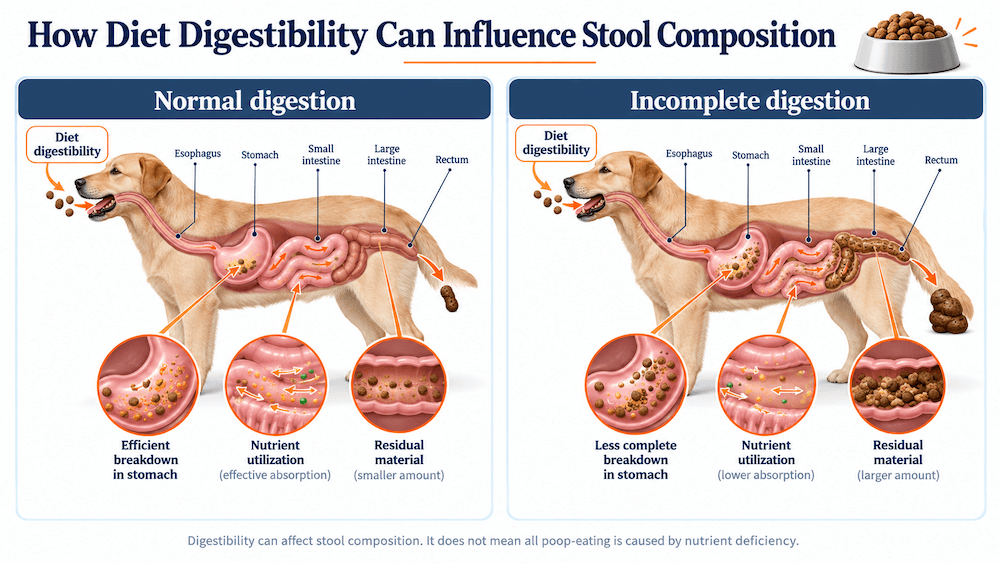
11. Poor Diet Digestibility or Nutritional Imbalances
A diet that is poorly digested or does not provide appropriate nutrients may contribute to increased appetite or leave more recognizable food material in the stool. Undigested nutrients can potentially make feces more attractive, while genuine nutritional deficiencies may affect normal feeding behavior. However, poop-eating alone is not reliable evidence of a vitamin or mineral deficiency, especially in dogs eating a complete, balanced diet.
12. Digestive Disorders and Nutrient Malabsorption
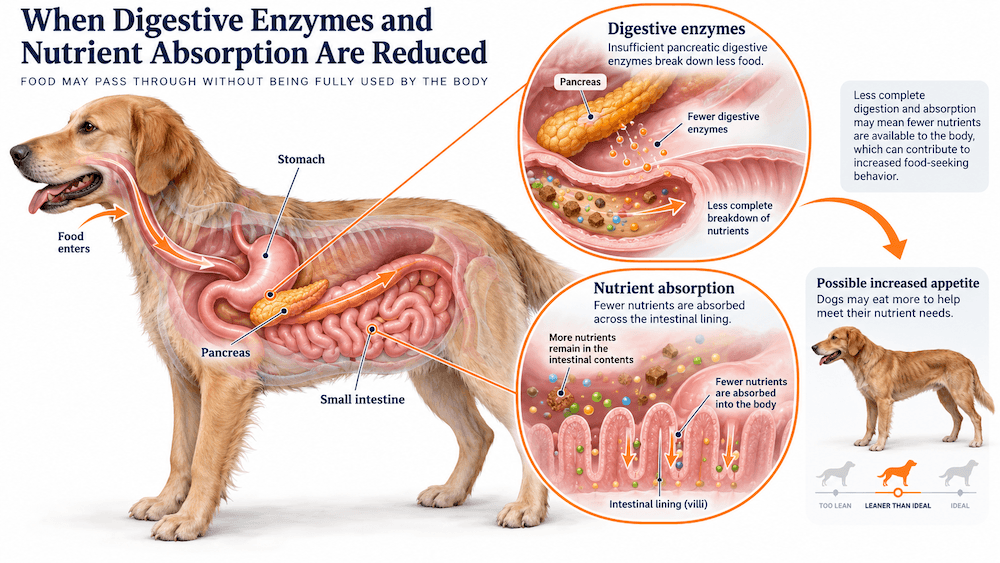
Certain gastrointestinal diseases prevent dogs from properly digesting or absorbing nutrients, potentially increasing hunger despite adequate food intake. Conditions such as exocrine pancreatic insufficiency (EPI) and chronic intestinal disease can interfere with nutrient availability and may contribute to coprophagia. Dogs with these problems may also develop weight loss, frequent bowel movements, unusually bulky stools, chronic diarrhea, or poor body condition.
13. Intestinal Parasites
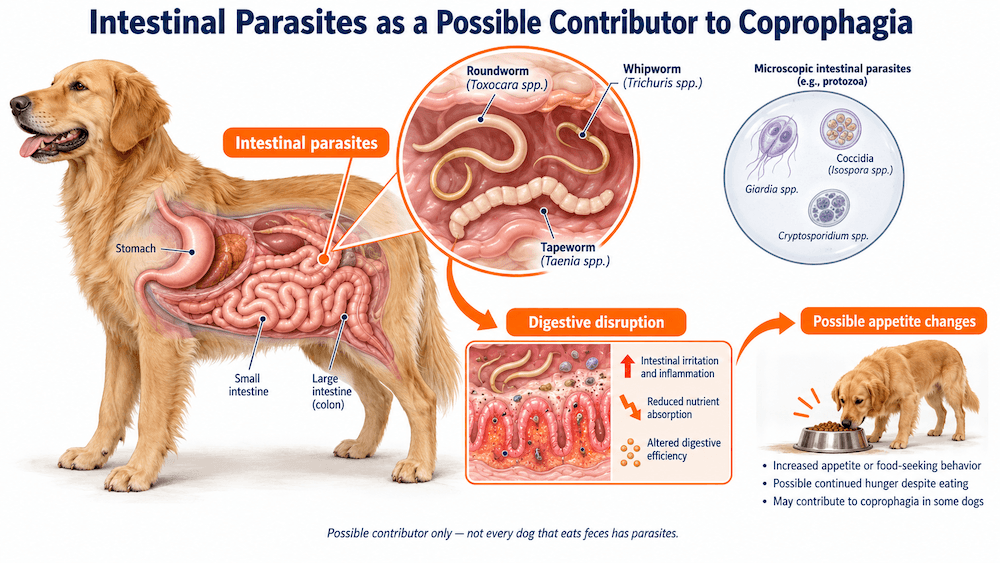
Intestinal parasites can contribute to gastrointestinal irritation, altered digestion, or nutrient loss, depending on the organism and severity of infection. Parasite-related digestive problems may increase appetite or disrupt normal nutrient absorption, potentially contributing to stool-eating in some dogs. Additional signs can include diarrhea, vomiting, a swollen abdomen, poor growth in puppies, or weight loss, although some infected dogs show few obvious symptoms.
14. Hormonal and Metabolic Diseases
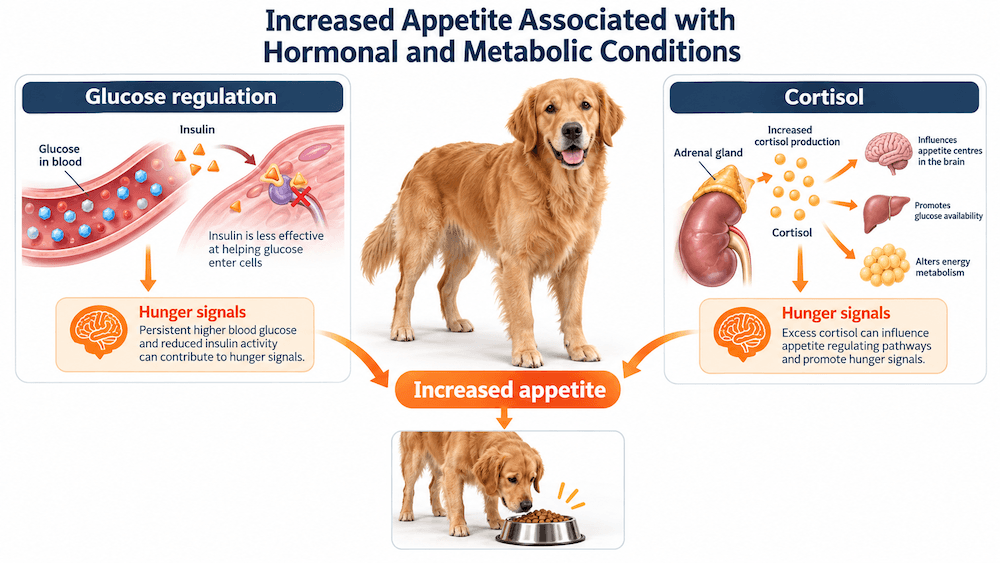
Some medical conditions alter appetite regulation, causing dogs to seek food more persistently than usual. Diabetes mellitus and Cushing’s disease can produce increased hunger, which may contribute to eating feces or other unusual substances. Excessive thirst, frequent urination, changes in weight, or a visibly enlarged abdomen may provide additional clues that a medical evaluation is necessary.
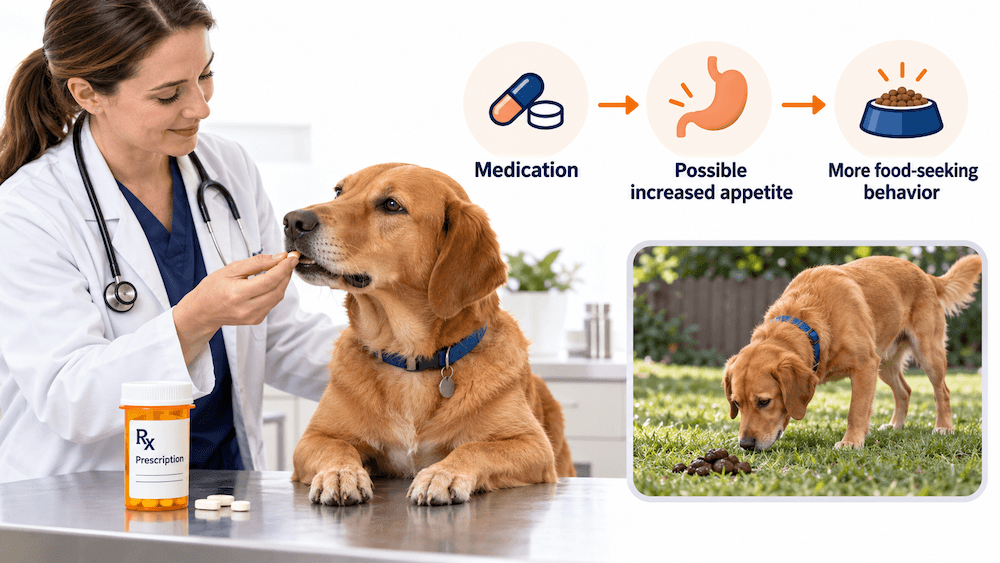
15. Medications That Increase Appetite
Certain medications, especially corticosteroids such as prednisone, can cause dogs to feel significantly hungrier than usual. Medication-induced appetite changes may increase scavenging and interest in items the dog previously ignored, including feces. When poop-eating begins after a medication change, owners should discuss the timing with their veterinarian rather than adjusting or stopping prescribed treatment themselves.
Is It Dangerous if Dogs Eat Poop?
Eating poop does not always cause immediate illness, but feces can contain infectious organisms and other potentially harmful substances. Exposure varies depending on the animal that produced the waste, its health, the environment, and how long the feces have been present.
| Type of Poop | Potential Risks | Owner Guidance |
|---|---|---|
| Own poop | Possible infectious organisms. | Prevent access; investigate persistent eating. |
| Other dogs’ poop | Parasites and bacteria. | Avoid contact with unfamiliar stool. |
| Cat poop | Parasites, bacteria, and swallowed litter. | Keep litter boxes inaccessible. |
| Rabbit or deer poop | Microbes and environmental contaminants. | Prevent outdoor grazing. |
| Horse or livestock manure | Microbes and medication residues. | Seek veterinary advice for suspected drug exposure. |
| Unknown wildlife poop | Unpredictable pathogens and contaminants. | Prevent ingestion of unidentified waste. |
The most immediate concern is gastrointestinal illness, although not every exposure results in infection. Depending on what was swallowed, dogs may develop vomiting, diarrhea, abdominal discomfort, or other symptoms. Some intestinal parasites can also be transmitted through contaminated environments, making routine fecal testing and appropriate parasite prevention important.
If your dog has just eaten poop, avoid inducing vomiting or giving home remedies unless a veterinarian specifically instructs you to do so. Prevent further access, identify the source if possible, and monitor your dog’s condition. Wash your hands after handling contaminated items, and avoid allowing the dog to lick people’s faces until its mouth has been cleaned naturally through normal drinking and eating.
What to Do if Your Dog Just Ate Poop
If your dog just ate poop, don’t panic. A single incident is often not an emergency, but taking a few precautions can help reduce health risks.
Most healthy dogs that eat a small amount of feces remain well. However, the source of the waste and your dog’s symptoms determine whether veterinary attention is necessary.
When Is Dog Poop-Eating Normal vs. Concerning?
An isolated incident in an otherwise healthy dog is generally less concerning than an abrupt change in behavior accompanied by physical symptoms. Frequency, timing, appetite, stool quality, and overall health provide a more reliable picture than the behavior alone.
| Observation | Less Concerning | More Concerning |
|---|---|---|
| Frequency | Occasional incidents. | Frequent or worsening episodes. |
| Age and onset | Occasional puppy exploration. | Sudden onset in adult dogs. |
| Appetite | Normal appetite and weight. | Excessive hunger or weight loss. |
| Digestion | Normal stools and digestion. | Diarrhea, vomiting, or abnormal stools. |
| Behavior | Normal energy and activity. | Lethargy, anxiety, or unusual behavior. |
| Exposure | No symptoms or suspected toxins. | Possible toxins, medications, or foreign objects. |
How to Stop Your Dog From Eating Poop
The most effective starting point is preventing access to feces while rewarding appropriate behavior. Repeated opportunities to eat poop make it harder to interrupt an established habit, so management and training should work together. Dogs generally respond better to consistent, reward-based guidance than to scolding, chasing, or physical punishment.
Do Home Remedies and Poop-Eating Deterrents Work?
Products marketed to discourage stool-eating often claim to change how feces taste or smell. However, reliable evidence that commercial coprophagia deterrents consistently work is limited, and an individual dog’s response can vary. Even when a product affects the dog’s own feces, it may do nothing to discourage eating waste from unrelated animals.
Common suggestions include pineapple, pumpkin, yogurt, digestive enzymes, and various food additives. None is a proven, universal treatment for coprophagia, and unnecessary supplements can complicate a dog’s diet. Avoid putting hot sauce, excessive pepper, harmful substances, or irritating chemicals on feces, and never use laxatives or medication to make stool less appealing without veterinary direction.
For most households, the practical priority is to address any underlying problem and limit opportunities to rehearse the behavior. Diet changes should be based on a genuine nutritional or medical need rather than the assumption that stool-eating proves a deficiency. Consistent supervision and positive reinforcement usually offer a more sensible starting point than relying on deterrent products alone.
When to Call a Veterinarian About Your Dog Eating Poop
Seek immediate veterinary attention if your dog develops repeated vomiting, collapse, severe abdominal pain, profound weakness, or other serious symptoms after eating feces. Urgent advice is also needed if the waste may contain toxic medication residues, harmful chemicals, or a significant amount of cat litter or other foreign material. Do not wait for symptoms when a potentially dangerous substance may have been swallowed. A veterinarian or animal poison-control service can help assess the exposure.
Schedule a veterinary appointment if your dog suddenly starts eating poop as an adult, repeatedly seeks out feces, or shows accompanying changes in health. Warning signs include unexplained weight loss, persistent diarrhea, unusual hunger, excessive thirst, frequent urination, or a decline in energy. Puppies with poor growth, recurring digestive problems, or ongoing coprophagia also deserve evaluation. These signs do not prove a specific disease, but they justify investigation.
A professional assessment is appropriate when the cause remains unclear, or the behavior continues despite reasonable management. Your veterinarian may review your dog’s diet, medication history, stool consistency, body condition, and parasite-prevention routine. Depending on the findings, a fecal examination, blood testing, or additional digestive evaluation may be recommended. If medical causes are excluded, a behavior-focused assessment can help determine the next steps.
How Veterinarians Diagnose Coprophagia
Veterinarians diagnose coprophagia by reviewing a dog’s behavior, diet, medical history, and overall health. The goal is to identify whether poop-eating is primarily behavioral or associated with an underlying medical condition. Testing depends on the dog’s symptoms, with additional examinations recommended when digestive problems, unexplained hunger, or weight loss are present.
| Diagnostic Method | What Veterinarians Check |
|---|---|
| Behavioral history | Frequency, triggers, stool sources, and recent behavior changes. |
| Diet review | Food quality, calorie intake, feeding schedule, and medications. |
| Physical examination | Body condition, weight changes, and signs of illness. |
| Fecal examination | Intestinal parasites and possible digestive abnormalities. |
| Blood and urine tests | Possible metabolic diseases or other underlying health problems. |
| Specialized digestive tests | Pancreatic enzyme deficiency or nutrient malabsorption when suspected. |
| Behavioral assessment | Stress, learned habits, and environmental triggers after medical evaluation. |
How to Tell Whether Your Dog’s Poop-Eating Is Improving
Tracking your dog’s behavior helps determine whether training and management are working. True improvement involves fewer attempts to eat feces and better responses to redirection, not simply fewer opportunities to encounter poop.
| What to Monitor | Signs of Improvement |
|---|---|
| Poop-eating frequency | Fewer incidents over time when exposure opportunities are similar. |
| Access to feces | Track opportunities separately to distinguish prevention from reduced interest. |
| Response to commands | More consistently responds to “leave it” or recall cues. |
| Behavior after toileting | Walks away from fresh stool without attempting to eat it. |
| Interest in outdoor droppings | Passes feces without approaching or attempting to consume them. |
| Persistent attempts | Continued attempts despite management suggest the strategy needs reassessment. |
What Research Says About Why Dogs Eat Poop
A 2018 study by Hart and colleagues, published in Veterinary Medicine and Science, investigated canine coprophagia using two owner surveys. In the first survey, approximately 16% of dogs were reported to have eaten other dogs’ feces at least six times, while about 23% had done so at least once. A second survey found that 85% of the frequently coprophagic dogs were reported to prefer feces no more than two days old. The authors proposed an ancestral parasite-avoidance explanation, but the evolutionary hypothesis remains unproven, and self-reported surveys cannot establish individual motivations.[1]
Veterinary behavioral guidance from VCA Animal Hospitals identifies both behavioral and medical contributors, emphasizing that digestive problems, inadequate nutrition, and increased appetite may warrant investigation.[2] The Merck Veterinary Manual also recognizes coprophagia among canine ingestion behaviors and recommends assessing possible medical conditions before attributing persistent problems solely to behavior.[3] The strongest clinical approach is to distinguish ordinary exploratory or learned behavior from cases involving an underlying health problem, rather than assuming every dog needs dietary supplements or medical treatment.
Evidence for popular treatments is considerably less convincing. In the 2018 survey, owners reported very low success rates for commercial stool-eating deterrents and the behavioral techniques they had tried. However, these results do not establish that properly supervised reward-based training is ineffective, because the study did not standardize training quality, consistency, or implementation. The findings mainly demonstrate that persistent coprophagia can be difficult to eliminate and that marketed products have not demonstrated dependable results.[1]
Frequently Asked Questions
The Bottom Line
Poop-eating, or coprophagia, can be an unpleasant surprise, but it doesn’t always mean something is wrong with your dog. Natural scavenging, curiosity, and learned habits explain many cases, while changes in appetite or digestion can sometimes indicate an underlying medical issue. Understanding when and how the behavior occurs can help you identify what might be driving it. Because feces can carry harmful microorganisms and other contaminants, preventing access is important even when your dog appears healthy. Consistent supervision, prompt cleanup, and positive reinforcement can help discourage the habit. Sudden changes, persistent episodes, or accompanying symptoms deserve veterinary attention. With patience and the right approach, you can manage poop-eating while protecting your dog’s health and well-being.